
Machu Picchu
Lost high in the Peruvian Andes, this city remains one of the most important and enigmatic archaeological discoveries of modern times. Often referred to as the “Lost City of the Incas,” Machu Picchu attracts millions of travelers not only with its impressive architecture, strikingly in harmony with the mountainous landscape, but also with the aura of mystery surrounding its origins and purpose. Rocky peaks looming over the ruins, misty valleys, and the skill of ancient builders create a unique image that has long been a symbol of the power of pre-Columbian civilization. Today, it is a UNESCO World Heritage Site and one of the New Seven Wonders of the World, continuing to reveal new pages of history to researchers and enthusiastic visitors.
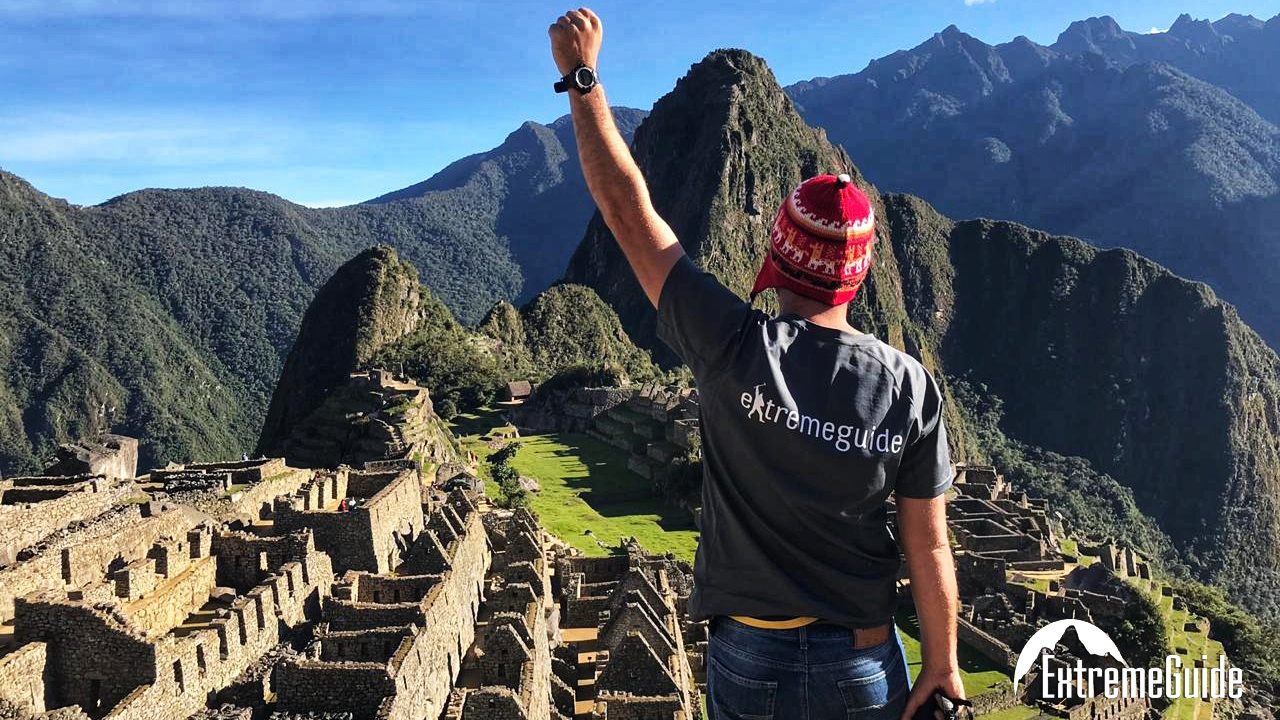
Where is Machu Picchu located?
This archaeological complex is located on the South American continent, in one of the region’s most picturesque and historically rich countries—Peru. More specifically, the city’s ruins lie on the eastern slopes of the Central Andes, at an altitude of approximately 2,430 meters above sea level. Administratively, the area belongs to the Cusco region, in the Machu Picchu area.

The site of the citadel is a mountaintop, tapering between two peaks: Machu Picchu itself (“Old Summit”) and Huayna Picchu (“Young Summit”). A key feature of its location is its proximity to the Urubamba River, which winds around the base of the mountain, forming a deep canyon with steep rocky walls. This natural geography gave the area exceptional defensive properties. For many researchers, this isolation was the main reason the Spanish conquistadors never discovered the city during their conquest. When planning a tour of Peru, it’s worth considering that the most convenient starting point for visiting the monument is the city of Cusco—the former capital of the Inca Empire, where hiking trails begin.
History of the Machu Picchu city
The city’s founding and flourishing occurred during the period of the Inca Empire’s power, Tawantinsuyu. Most archaeologists agree that construction intensified during the reign of Emperor Pachacuti (1438–1471), one of the most prominent rulers who significantly expanded the empire’s borders. The city’s main phase lasted less than a century—from the mid-15th century to approximately the 1530s. The purpose of Machu Picchu remains a subject of scholarly debate.
The most common hypotheses indicate that it may have been Pachacuti’s royal residence, a religious center for the worship of the sun and mountain deities, or an astronomical observatory. Some studies suggest that the site was specifically chosen for its unique geological and astronomical characteristics, linked to solar cycles. After the Spanish invasion and the fall of the empire, Machu Picchu was not destroyed but abandoned by its inhabitants. The city was gradually absorbed by the jungle, remaining known only to local farmers. The world learned of it only in 1911, thanks to the American explorer Hiram Bingham, who was led to the ruins by local boy guides. This marked the beginning of a new, modern era in the history of the monument, associated with its study and promotion as a World Heritage Site.
Cultural monuments and architecture
The architecture of Machu Picchu is a striking example of the classic Inca style, characterized by the extremely meticulous fitting of enormous stone blocks without the use of mortar. This technique, known as the imperial style, ensured the structures’ incredible resilience to the numerous earthquakes common in the region. The stones, often irregular in shape, were fitted together with pinpoint precision, forming monolithic walls that have stood the test of time. The city’s layout was clearly divided into sectors: an agricultural area with terraces and a residential or ceremonial area.
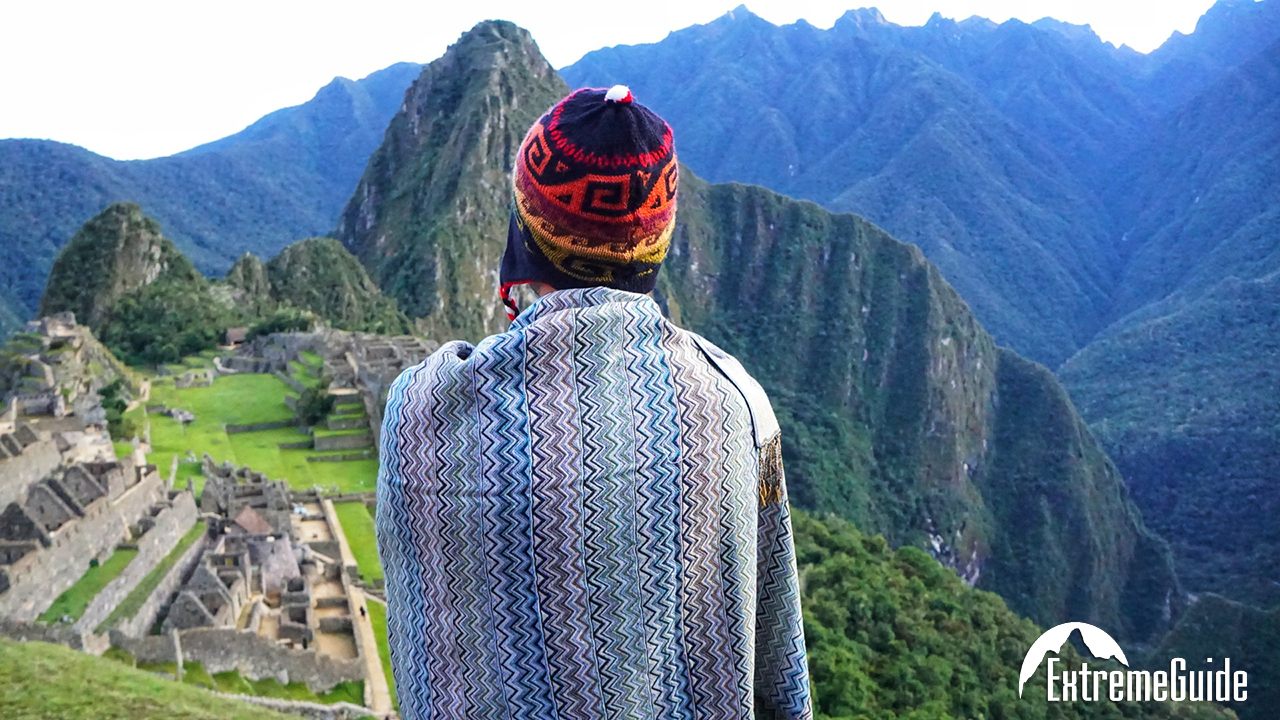
Among the key structures worth highlighting are:
- Temple of the Sun: a semicircular structure with a window oriented toward the sunrise during the winter solstice. Inside is a rock, likely used as an altar, and beneath the temple is a cave, known as a tomb.
- Intihuatana Stone: a monolithic stone carved from the rock, often referred to as a “chronometer” or “the place where the sun is tied.” Its purpose is associated with astronomical observations and religious rituals associated with the solstice.
- Temple of the Three Windows: a structure with three trapezoidal windows facing east. It is believed to have had symbolic significance, possibly related to the founding myth of the Inca Empire.
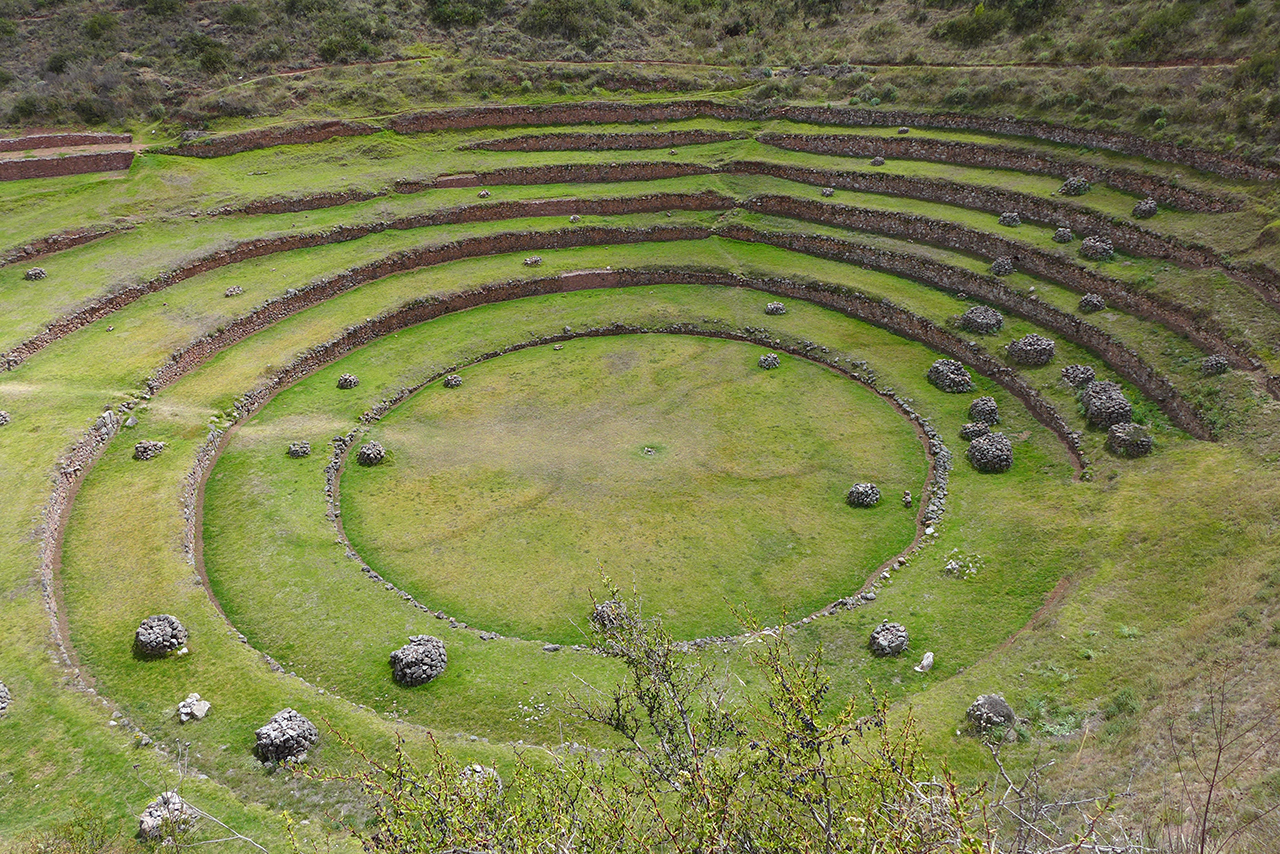
- Agricultural Terraces: This extensive terrace system not only prevented slope erosion but also created a microclimate for growing various crops.
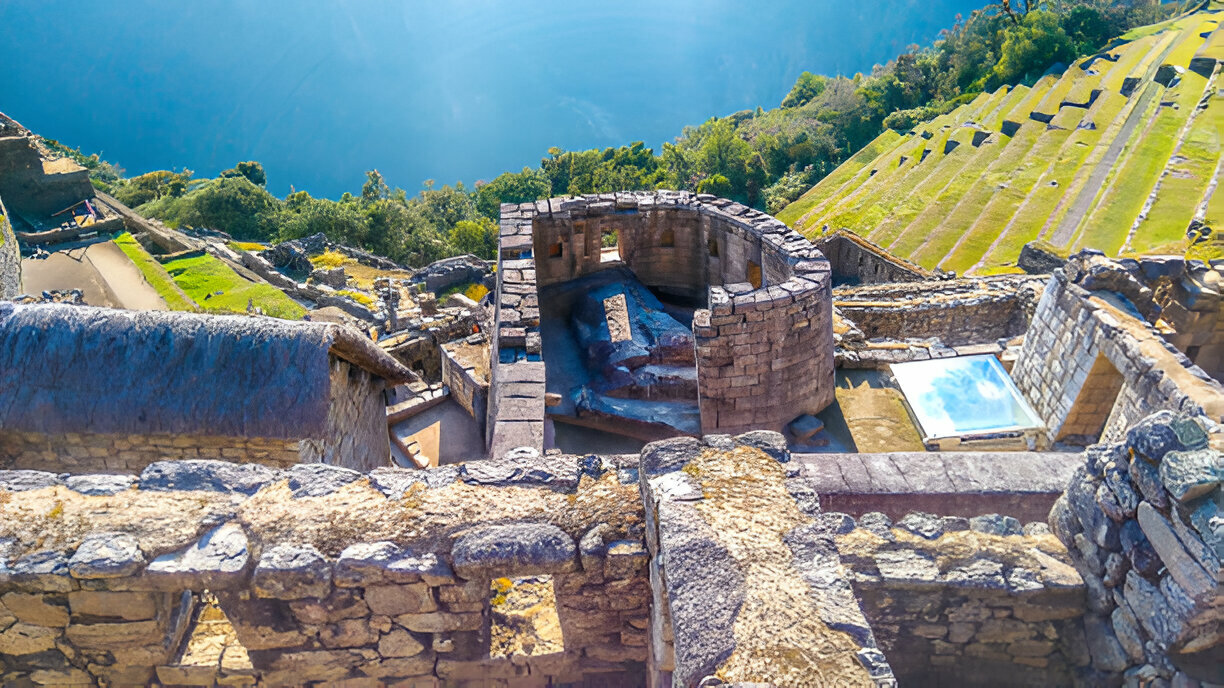
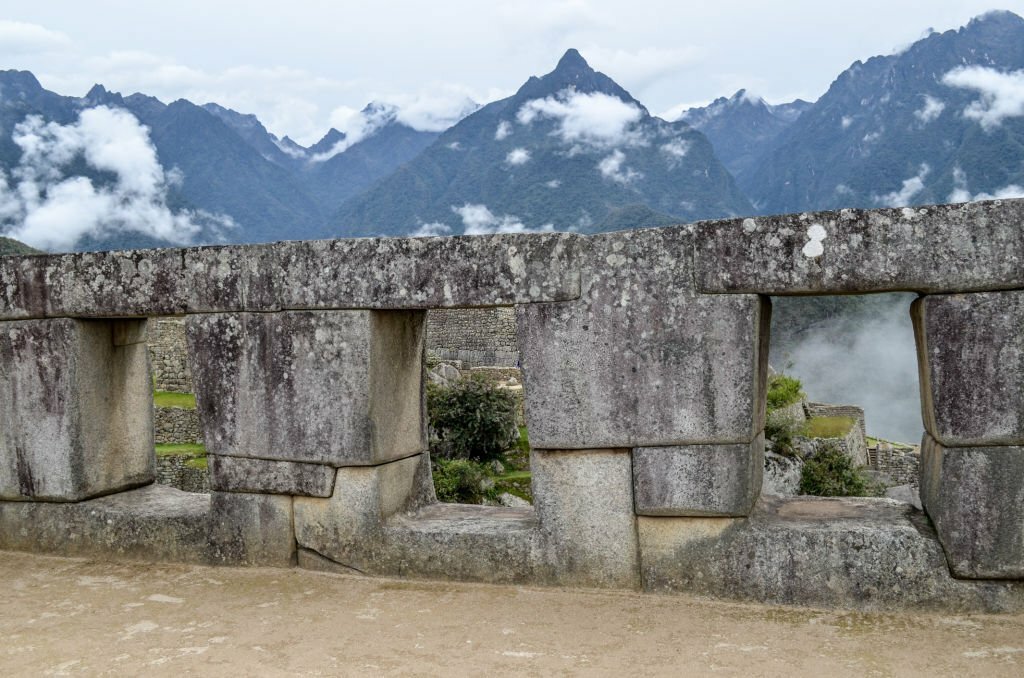
The city’s engineering mastery deserves special attention: complex water supply systems with aqueducts and canals, an effective drainage system that still functions today, and the carefully planned orientation of buildings relative to the cardinal directions and the movement of the sun. Every element of the city testifies to the profound knowledge of its creators in the fields of construction and astronomy.
A trip to this wonder often becomes the centerpiece of a larger tour of South America, as it allows you to combine a visit to this archaeological gem with an introduction to the rich culture of the Andes, the Amazon jungle, and other attractions of the continent.
Interesting facts about Machu Picchu
Beyond its mysterious history and technological achievements, Machu Picchu conceals many astonishing details often overlooked by typical tours. For example, many buildings not only had stone walls but were once covered with thatched roofs, though these were lost due to the humid climate. Archaeologists have also discovered traces of painted walls, suggesting the city was vibrant, not the gray stone it is today. Interestingly, the city was built without the use of wheels or iron tools—all work was accomplished using stone tools, wooden levers, and the physical labor of thousands of people.
Machu Picchu’s connection to space extends beyond terrestrial coordinates. A main-belt asteroid discovered in 1982 was named after this monument. This celestial body, officially designated 8277 Machu Picchu, is a symbolic reflection of this terrestrial wonder in space, emphasizing its universal significance. Another little-known fact concerns the building material: the granite from which the city is built contains approximately 30% quartz, making it extremely durable but also very difficult to work. At dawn, when the sun’s rays strike the stone, it can sparkle, creating a stunning visual effect. Among the most intriguing details often mentioned by researchers are:
- Symbolism: Some scholars believe the city’s shape resembles the silhouette of a condor, and the arrangement of the main buildings may symbolically represent a constellation important to the Incas.
- Earthquake resistance: Thanks to the construction technique, the structures do not collapse during earthquakes, but rather “dance” and then return to their original positions.
- Precise orientation: Many buildings and windows are precisely aligned with astronomical events, such as the summer and winter solstices, confirming the Incas’ deep knowledge of astronomy.
- Unusual name: The city’s true name remains unknown. “Machu Picchu” is a Quechua word meaning “Old Summit,” and this is what the locals called it when Bingham arrived. Perhaps the original name was lost along with knowledge of the city itself.
Modern anthropologists also point out that Machu Picchu was likely never a self-sufficient city, but rather an elite enclave supported by surrounding communities. These and other facts continue to fuel scholarly debate and public interest in this unique monument, preserving its aura of mystery despite thousands of published studies and millions of tourists visiting it annually.
Tours in Peru with Extreme Guide
 Peru
Peru
Dates:
May 2 – May 12
May 2 – May 17
May 2 – May 21
Complexity:
Duration:
Height:

5.0 (8)
Left: 12 places