
Nepal – Nature, Culture and Tourism in the Heart of the Himalayas
Nepal is not just a country on the map of Asia. It is a whole world hidden in the shadow of the Himalayas, where the harsh beauty of the mountains, ancient traditions and a leisurely pace of life meet. A country that is difficult to understand from photographs or tourist brochures – you need to feel it, breathe in deeply and at least once set foot on the paths that pilgrims and travelers have walked for centuries.
Tourism in Nepal is not limited to climbing Everest or Manaslu. Here you can find spiritual rebirth in Himalayan monasteries, unforgettable impressions from trekking around Annapurna, and contemplation of evening Kathmandu from the roofs of ancient buildings. All this creates a bright mosaic that is Nepal.
Where is Nepal located?
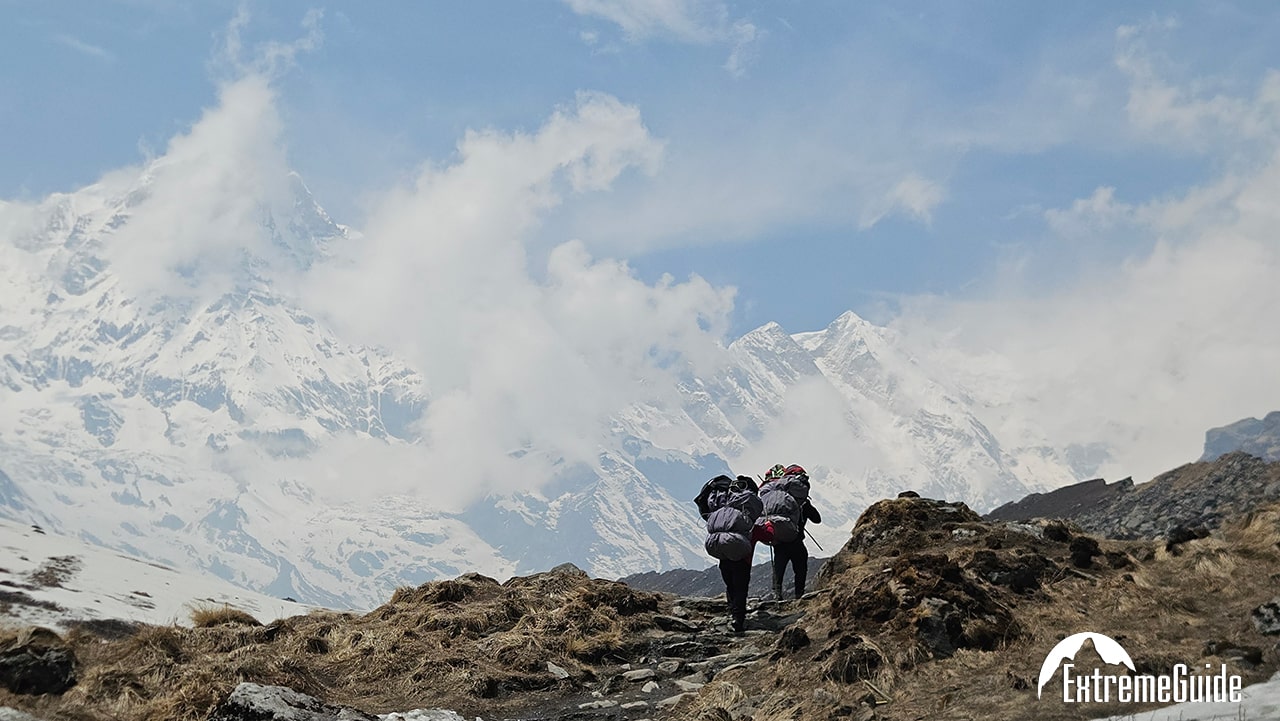
Nepal is located in South Asia, between two giants – India and China. It is one of the few countries that does not have access to the sea, but this is more than compensated by majestic mountains and a unique climate. Due to its location in the Himalayas, you can find both tropical forests and snow-capped peaks that are visible even from large cities.

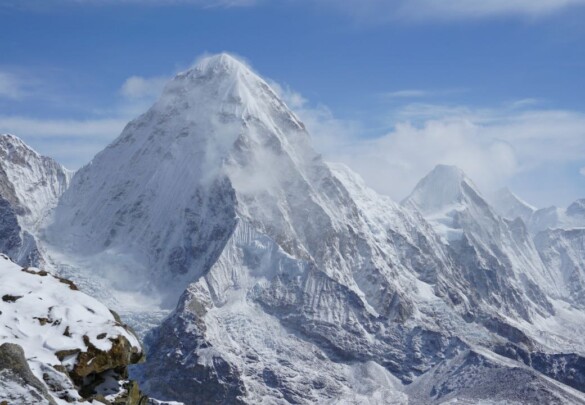
The country stretches about 800 km from east to west, and only 150–200 km from north to south. However, such compactness does not prevent it from having a huge variety of landscapes: from the Terai plains to highland areas with altitudes of over 8,000 meters. It is here that eight of the ten highest mountains in the world are located, including the legendary Everest.
What is the capital of Nepal?
The capital of Nepal is Kathmandu, an ancient city with many historical sites, temples and narrow streets, where modernity intertwines with deep traditions. It is not only the administrative center, but also the cultural heart of the country. The most important Buddhist and Hindu shrines, museums, old royal squares are located here.

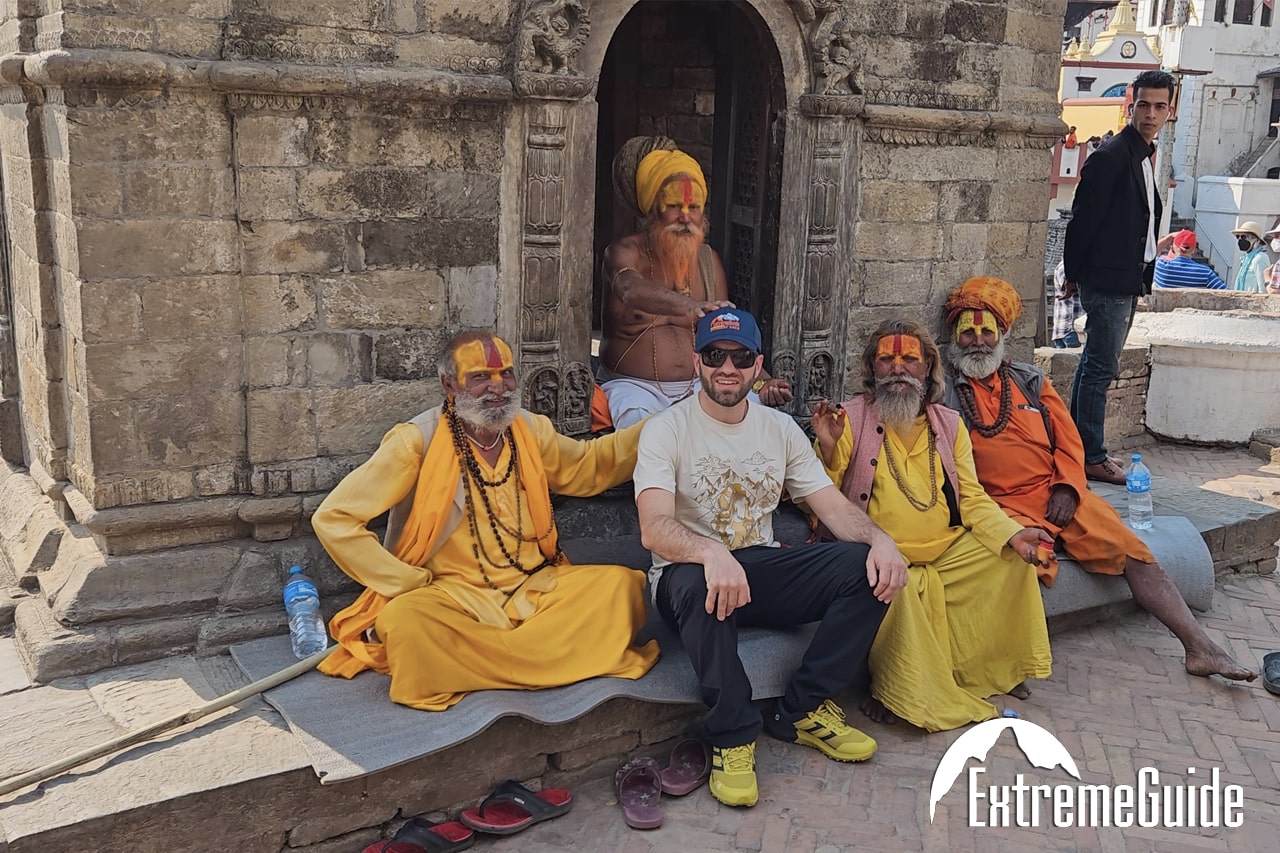

Kathmandu is often the first stop for travelers heading to the mountains. The city has convenient transportation links and a well-developed infrastructure for tourists. Despite the chaotic traffic and noise, it enchants with its atmosphere – somewhere between the spiritual and the earthly, between the eternal and the everyday.
History of Nepal
The history of Nepal dates back to ancient times. The country’s territory was inhabited in prehistoric times, and the first known state formations appeared here in the middle of the first millennium BC. Of particular importance is Lumbini, the birthplace of Buddha, which had already become an important spiritual center.
In the Middle Ages, the territory of modern Nepal was divided into numerous principalities. One of the most important centers was the city of Patan, as well as Bhaktapur and Kathmandu. In the 18th century, King Prithvi Narayan Shah united these lands, creating a single state with its center in Kathmandu.
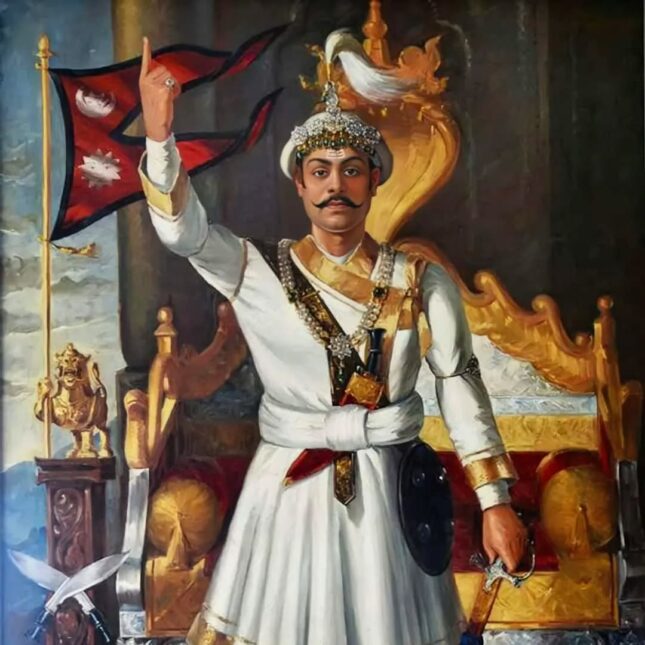
The period of the 19th and 20th centuries was marked by the influence of British colonial policy in neighboring India. Although Nepal was not formally colonized, it found itself in the zone of geopolitical influence. In 1951, the absolute monarchy was abolished in the country, and over time, the state began to move towards democracy.
Modern Nepal is a parliamentary republic that continues to preserve its cultural identity while opening up to the world as a unique tourist destination.
Mountain routes and trekking
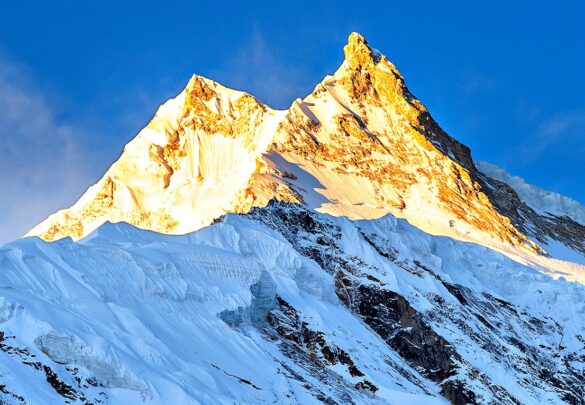
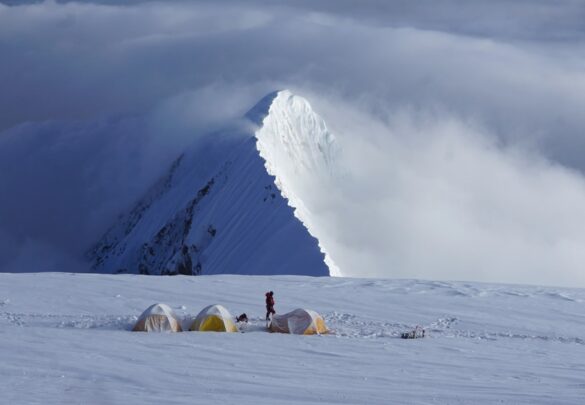
Mountain tourism in Nepal is a special page in the history of world travel. Thousands of people come here every year to climb Everest or try to climb Manaslu, one of the most dangerous, but at the same time most attractive peaks. Such expeditions require preparation, but leave unforgettable impressions for a lifetime.
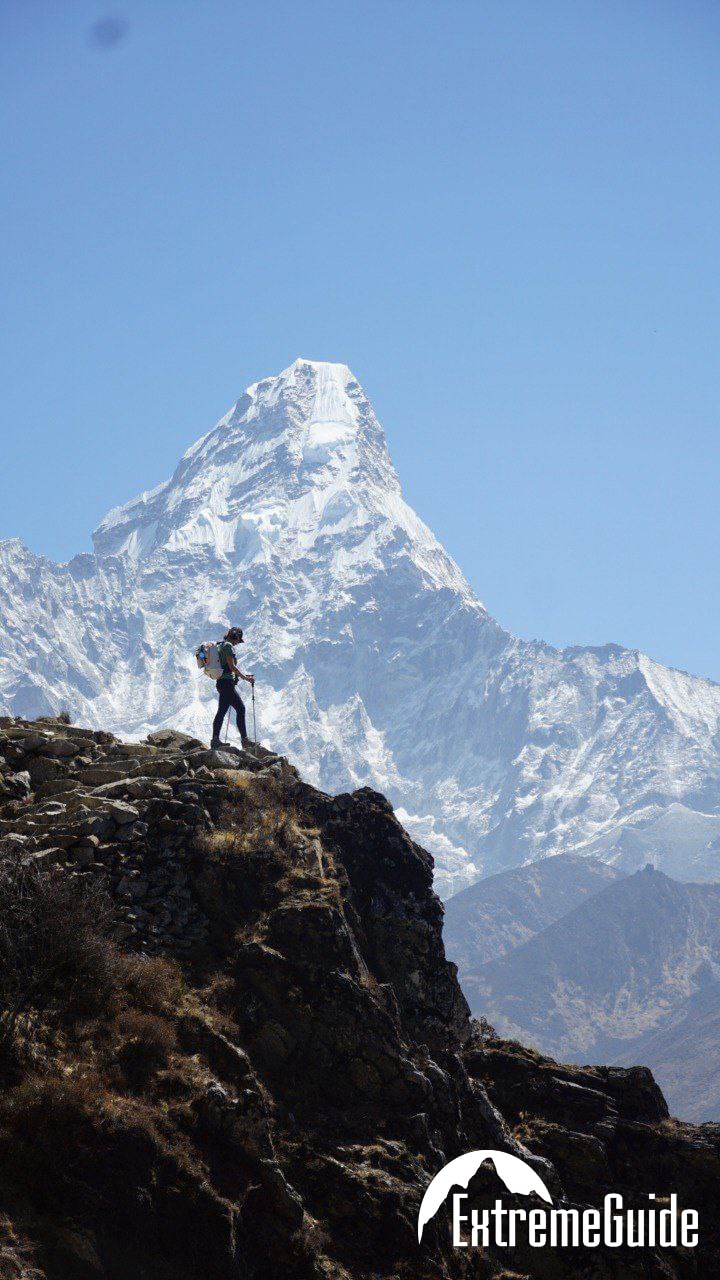
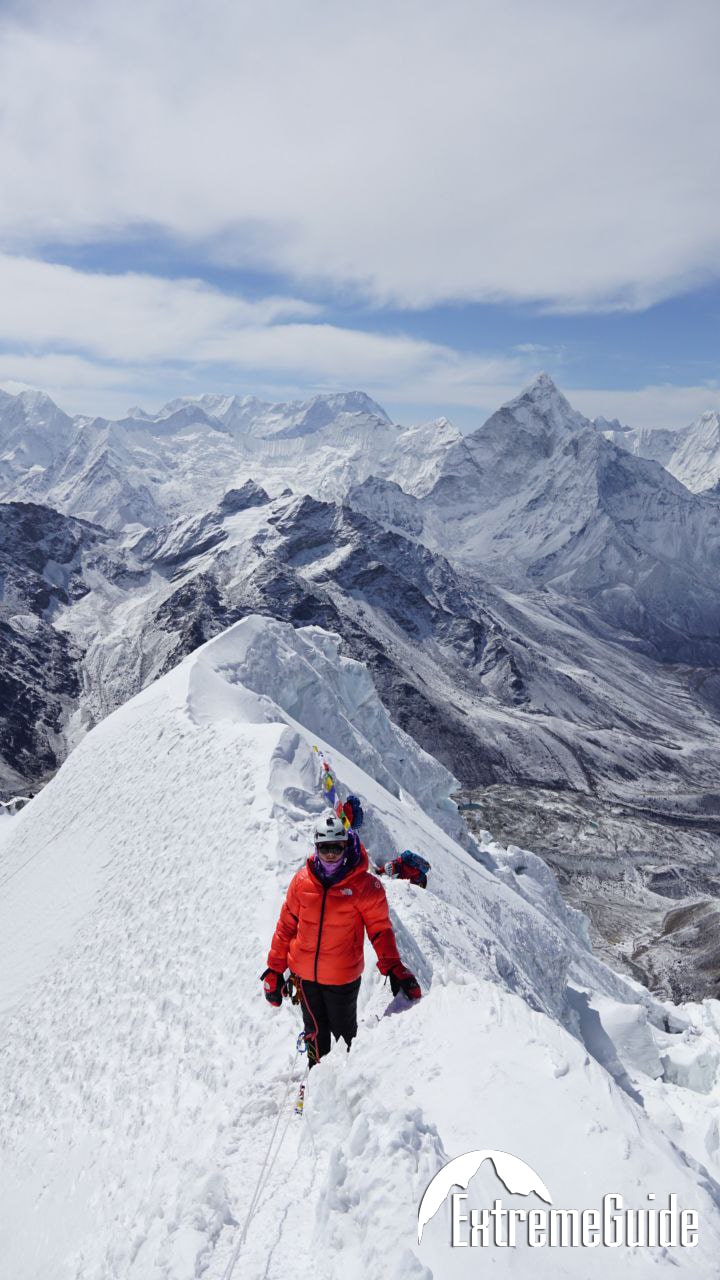
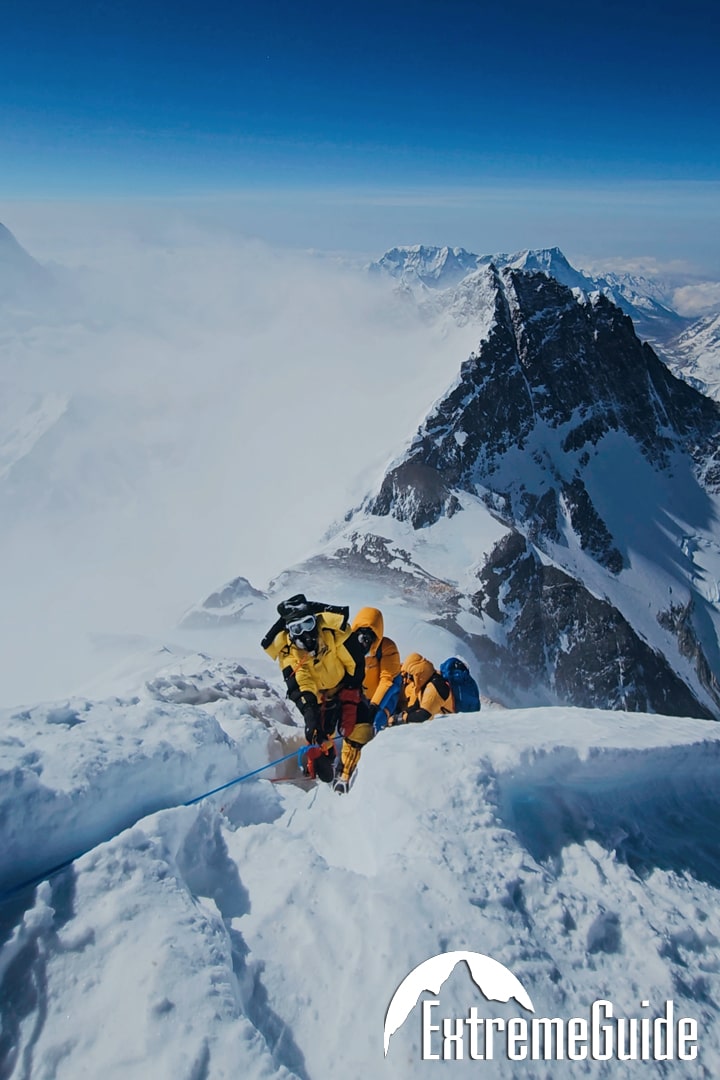
A more accessible option for many is the Annapurna Circuit trek. This is a route that combines the beauty of the mountains, the authenticity of the mountain villages and the hospitality of the locals. It does not require special mountaineering equipment, but it gives the opportunity to see the Himalayas in all their glory.
Nepal offers both easy one-day routes and serious treks lasting several weeks:
- Everest Base Camp Trek
- Classic Annapurna Circuit
- Gosaikunda Lake Trek
- Manaslu Base Camp Trek
The tourist infrastructure is well developed – there are lodges, guides, organized groups. The nature on these routes is so impressive that even the most tired traveler forgets about fatigue.
Cultural Heritage and Daily Life
Nepal’s cultural palette is extremely colorful. The country officially has more than 120 ethnic groups, each with its own language, traditions, and lifestyle. Hinduism and Buddhism have coexisted peacefully for centuries, and religious holidays are often celebrated together, regardless of religious affiliation.
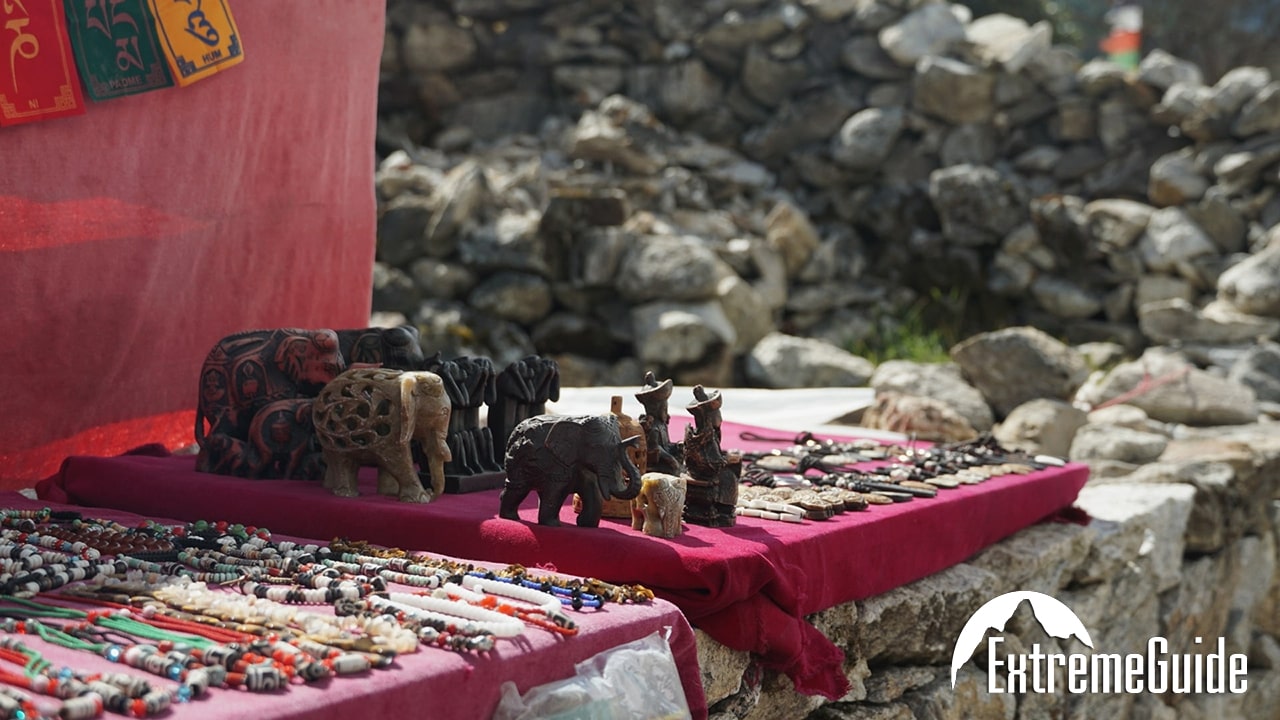
Nepalese art has deep religious and cultural roots that go back thousands of years. The greatest influence was exerted by Buddhism and Hinduism, which became sources of inspiration for numerous sculptures, paintings and manuscripts. Traditional Nepalese art is distinguished by its detail, graceful forms and spiritual symbolism. A special place is occupied by thangka – religious painting on fabric, which is widely used in Buddhist monasteries.
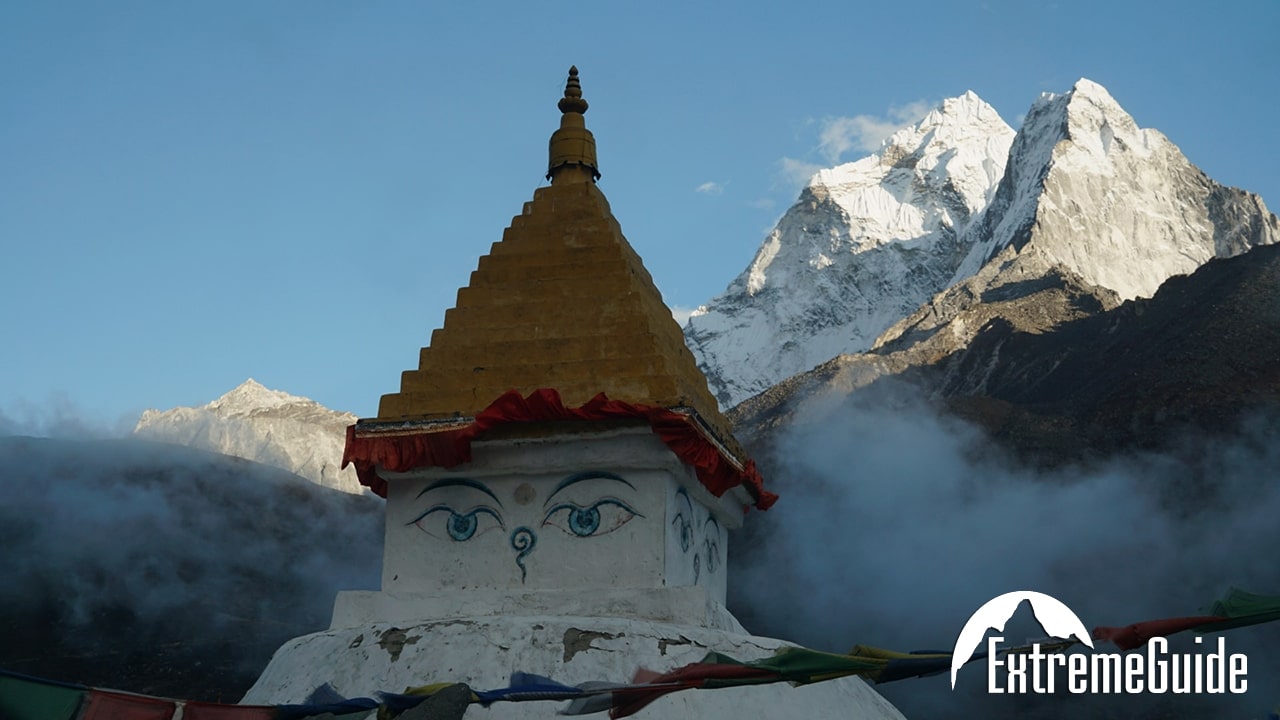
Nepal’s architecture is closely linked to local religious beliefs and the natural environment. The most famous architectural style is the Nepalese pagoda, which was later adopted by China and other East Asian countries. Nepal’s ancient temples, stupas, palaces, and towers are often decorated with carved wooden elements, wrought iron details, and intricate murals. The most striking example of architectural heritage is Kathmandu’s Durbar Square, as well as the Swayambhunath shrine, known as the “Monkey Temple.”


Life in Nepal has its own rhythms. In the villages there is peace, people are engaged in agriculture, observe ancient customs. In the cities there is movement, trade, a combination of traditional and modern architecture. Special attention should be paid to holidays such as Dashain, Tihar or the Indian Holi, which in Nepal acquire a local flavor.
All this creates a country that maintains a unique identity despite external influences. And everyone who comes here encounters not only the beauty of the mountains, but also the deep spirituality and openness of the people.
Tours to Nepal with Extreme Guide
 Nepal (Himalayas)
Dates:
October 25 – November 11
Complexity:
Duration:
Height:

Left: 6 places
 Nepal (Himalayas)
Dates:
October 18 – November 4
Complexity:
Duration:
Height:
Left: 12 places
 Nepal (Himalayas)
Dates:
April 18 – May 2
October 25 – November 8
Complexity:
Duration:
Height:

5.0 (8)
Left: 7 places
 Nepal (Himalayas)
 Dates:
October 24 – November 8
Complexity:
Duration:
Height:
Left: 12 places
 Nepal (Himalayas)
 Dates:
March 21 – April 2
March 21 – April 4
Complexity:
Duration:
Height:
Left: 12 places
 Nepal (Himalayas)
 Dates:
April 2 – April 15
April 2 – April 18
Complexity:
Duration:
Height:
5.0 (8)
Left: 12 places
 Nepal (Himalayas)
 Dates:
October 25 – November 18
Complexity:
Duration:
Height:

5.0 (82)
Left: 4 places
 Nepal (Himalayas)
 Dates:
April 18 – May 24
Complexity:
Duration:
Height:
5.0 (82)
Left: 2 places
 Nepal (Himalayas)
 Dates:
May 2 – May 19
October 4 – October 21
Complexity:
Duration:
Height:
5.0 (8)
Left: 8 places
 Nepal (Himalayas)
 Dates:
September 6 – October 5
Complexity:
Duration:
Height:
5.0 (82)
Left: 4 places
 Nepal (Himalayas)
 Dates:
April 18 – May 4
October 25 – November 10
Complexity:
Duration:
Height:
5.0 (8)
2625 USD
Left: 3 places
 Nepal (Himalayas)
 Dates:
Complexity:
Duration:
Height: