
The Himalayas are the most famous mountain range
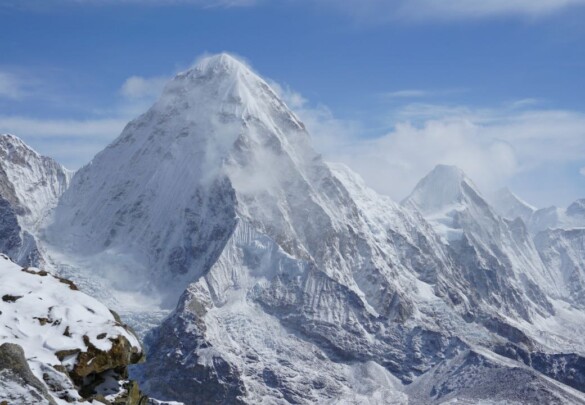
The Himalayas are a majestic mountain range whose name, translated from Sanskrit, means “abode of snow.” These mountains represent the meeting of two elements—earth and sky—symbolizing man’s eternal striving for heights. For millennia, they have inspired travelers, monks, and poets, and for local people, they remain a sacred place where, according to legend, deities dwell. The Himalayan Mountains are more than just a natural phenomenon; they are an entire world with its own climate, rhythm, and philosophy.
Formed by the collision of the Indian and Eurasian lithospheric plates about 50 million years ago, the Himalayas continue to rise to this day. They are the youngest and highest mountain range on the planet, containing over a hundred peaks above 7,000 meters. Among them is Everest, a peak that has become a symbol of human striving for the impossible.
Where are the Himalaya Mountains located?
The Himalayas stretch in an arc over 2,400 kilometers across South Asia, dividing the Hindustan Plain and the Tibetan Plateau. This formidable natural barrier spans five countries: India, Nepal, Bhutan, China, and Pakistan. Each country has its own unique landscape, climate, and cultural perception, but they share one thing: an unconditional admiration for this chain of giants.
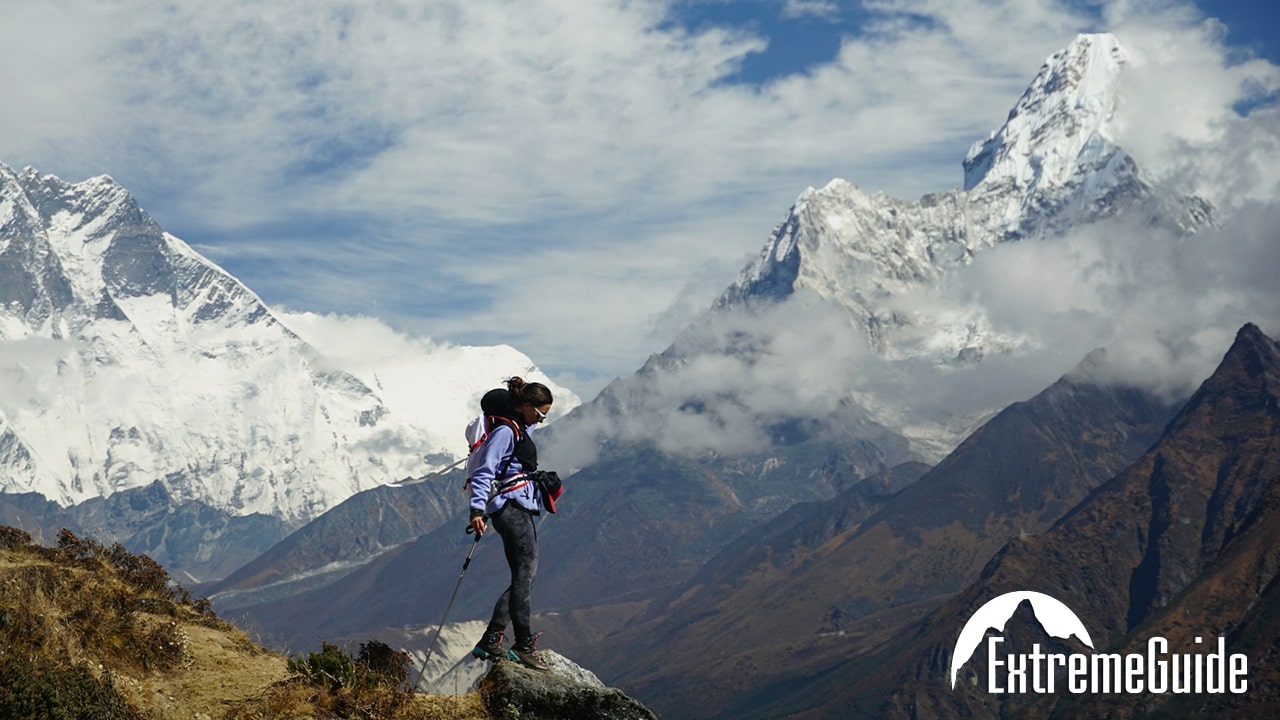
In northern India, the Himalayas form a natural wall protecting the subcontinent from the cold winds of Central Asia. In Nepal, they occupy almost half the country’s territory and are the center of tourist activity. Bhutan boasts secluded peaks and monasteries on their slopes, and in Tibet, the Himalayas serve as a sacred boundary between the human and spiritual worlds. In the west, the Himalayas merge with the Karakoram, creating a complex network of mountain systems.
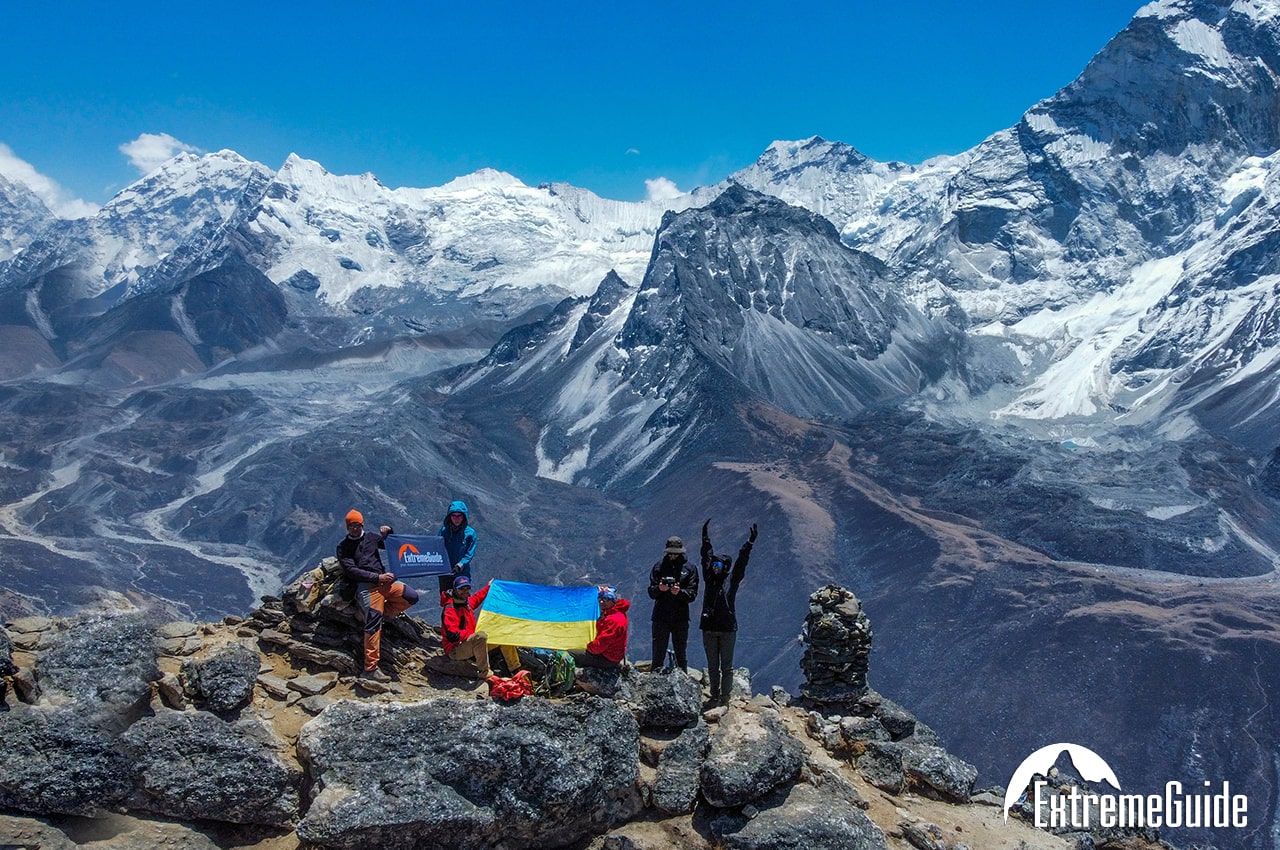
The main regions of the Himalayas are divided into several zones according to altitude and climate:
- The Lower Himalayas are covered in dense forests and populated by farming villages;
- The Middle Himalayas are a zone of alpine meadows and mountain passes;
- The High Himalayas are a realm of eternal snow and glaciers, home to the largest peaks.
Each zone has unique natural and cultural characteristics, creating a complex mosaic of life that has fascinated geographers and travelers worldwide.
Conquering the Himalayas – from Annapurna to Everest
The history of Himalayan exploration is a story of human courage and the constant striving to push the boundaries of possibility. The first successful ascent of an eight-thousander occurred in 1950, when a French expedition reached the summit of Annapurna I. This moment ushered in a new era of mountaineering and made the Himalayas a magnet for mountaineers from around the world. However, the true symbol of ascent was Everest—the highest peak on Earth, also known as Chomolungma. Edmund Hillary and Tenzing Norgay first succeeded in Climbing Everest in 1953. Since then, the mountain has become not only a test for professional climbers but also a rite of passage for those seeking the limits of human possibility.
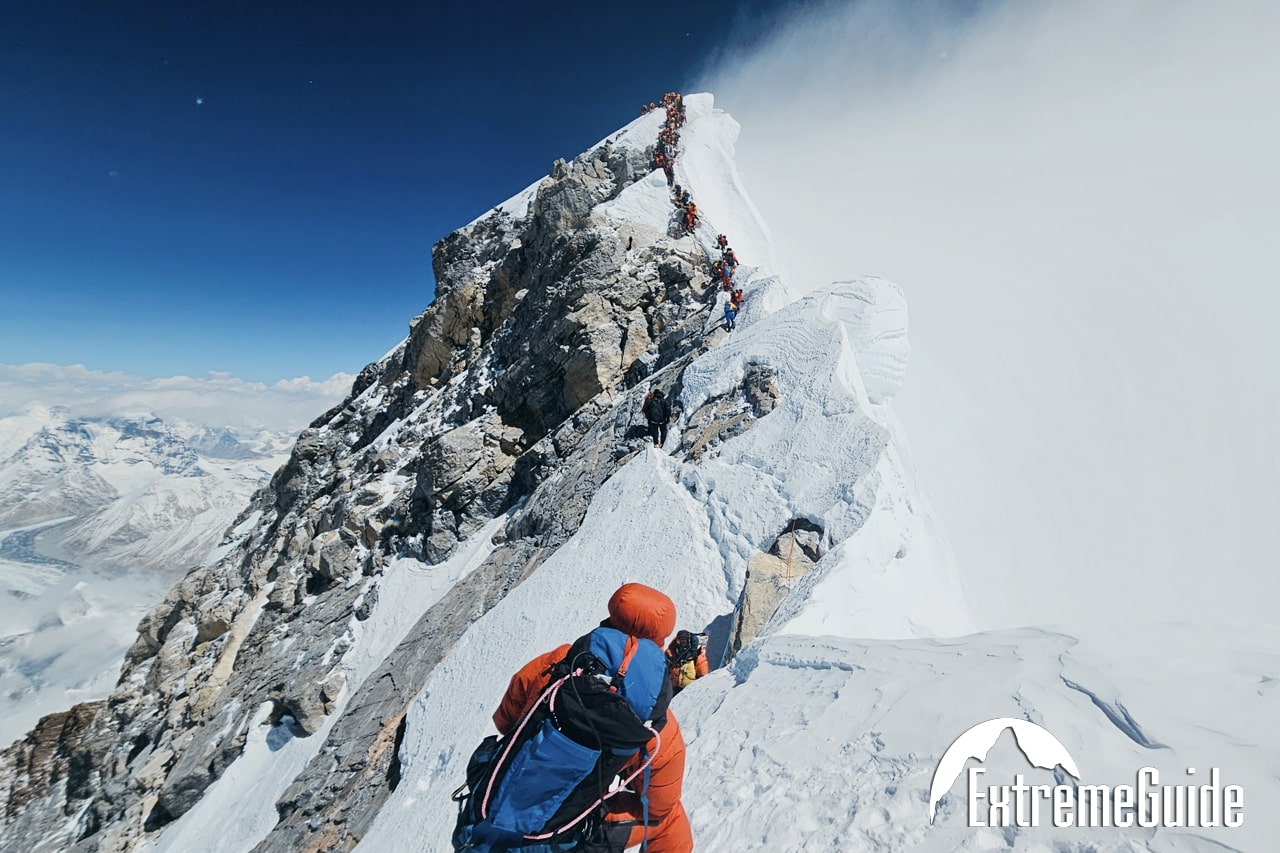
Besides Everest and Annapurna, other peaks also attract the attention of researchers and athletes:
- Kanchenjunga (8,586 m) is the third-highest mountain in the world and sacred to the people of Sikkim;
- Lhotse (8,516 m) is a neighbor of Everest, connected to it by a single ridge;
- Makalu (8,485 m) is a challenging and technically demanding summit;
- Dhaulagiri and Manaslu are mountains known for their harsh weather conditions and picturesque landscapes.
Every ascent in the Himalayas is not only a physical challenge but also an inner journey. The mountains demand respect, patience, and humility, reminding us that we are merely guests in a world dominated by the elements.
Himalayan Mountains: glaciers and lakes
The Himalayan Mountains are home to the largest glaciers on the planet outside the polar regions. They feed numerous rivers, including the Ganges, Indus, and Brahmaputra. Glaciers here cover over 30,000 square kilometers, creating a network of underground and surface water systems. Their melting directly impacts the water balance of South Asia and is of particular interest to climatologists.
Along with glaciers, the Himalayas are home to picturesque high-altitude lakes, many of which are considered sacred. Some of the most famous are:
- Tilicho is one of the highest lakes in the world (4,919 m), located in Nepal;
- Gosaikunda is a Hindu pilgrimage site surrounded by snow-capped peaks;
- Pangong Tso is a salt lake on the border of India and China that changes color depending on the time of day;
- Manasarovar is a sacred lake in Tibet, mentioned in ancient texts as a place of meditation for the gods.
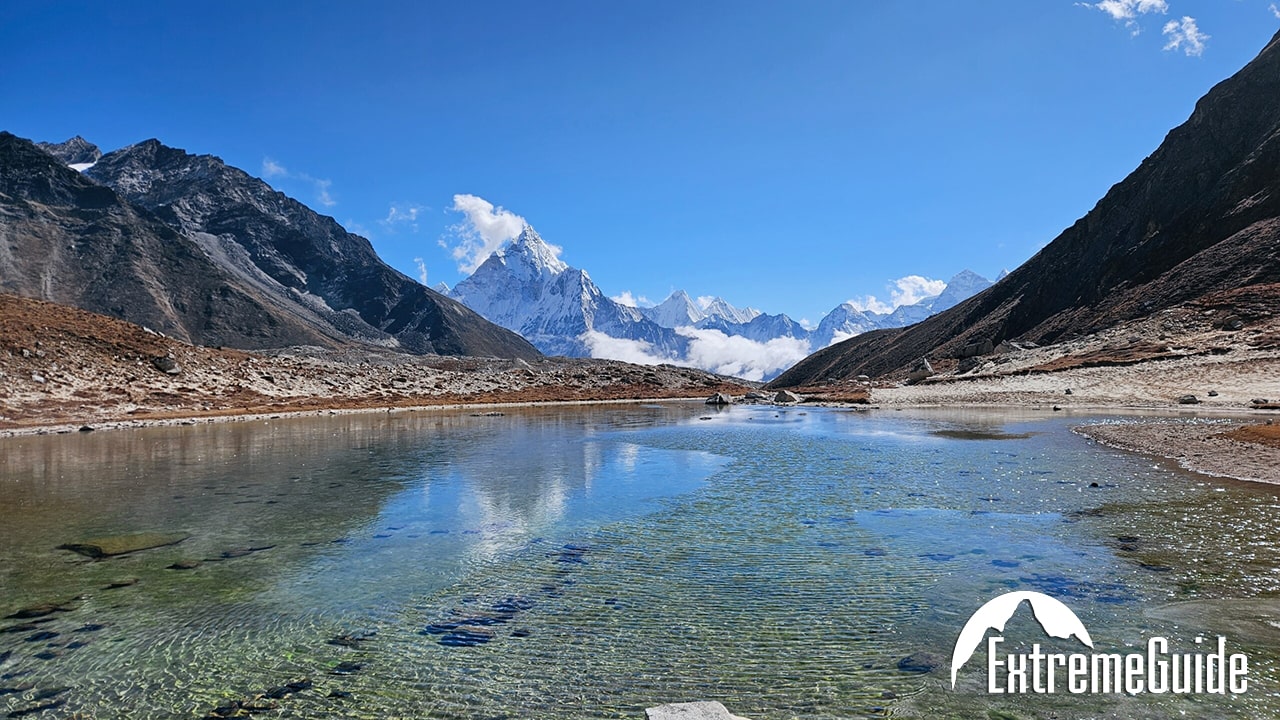
These bodies of water create the unique appearance of the Himalayan landscape, combining austere beauty with the fragility of nature. Their significance extends far beyond ecology—they are part of the region’s spiritual geography.
Climate, flora and fauna
The climate of the Himalayas is exceptionally diverse, ranging from subtropical at the foothills to arctic at the summits. This diversity creates a rare combination of natural zones, where one can find evergreen forests and icy deserts. Monsoons flow from the southern slopes of the Himalayas, bringing heavy rains in the summer, while the northern regions of Tibet remain dry and windy. Elevation determines not only the temperature but also the vegetation, which changes with every kilometer of ascent.
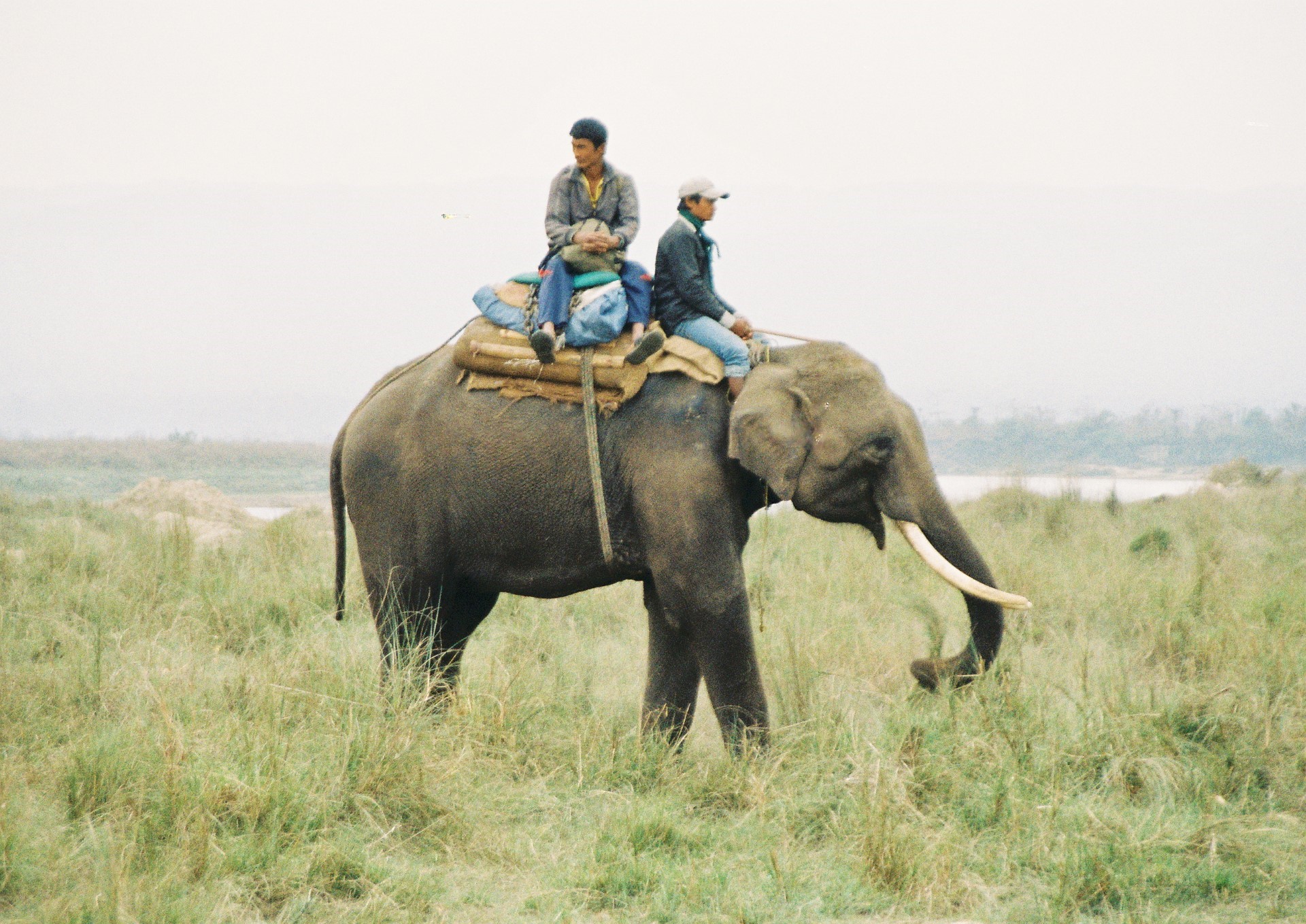
The Himalayan fauna is rich and unique. Rare species such as the snow leopard, Himalayan black bear, red panda, serow and many species of pheasant live here. In the high mountain regions you can find yaks – animals without which life would be impossible for local residents. The flora is equally diverse, ranging from rhododendrons and oaks in the lower elevations to lichens and dwarf shrubs at altitudes above 4,000 meters.

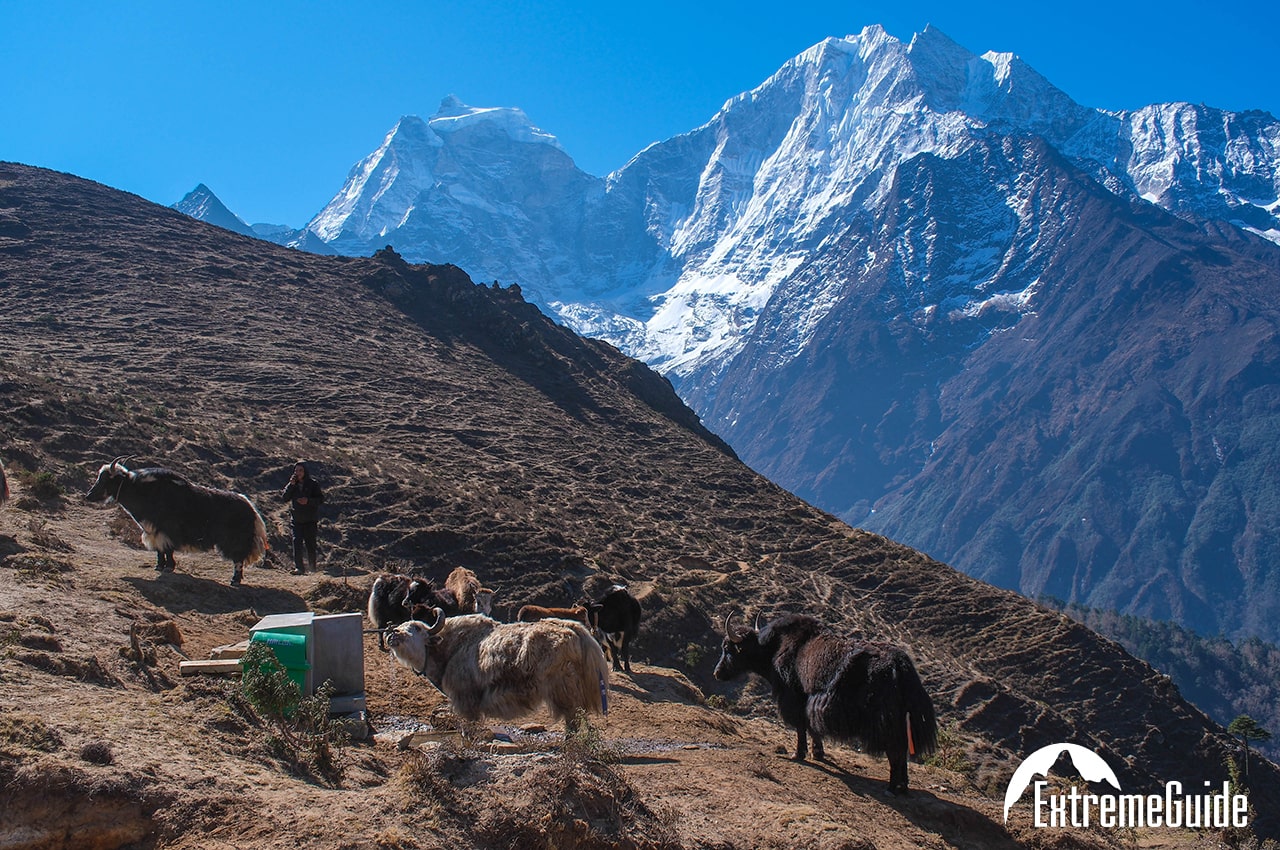
The natural riches of the Himalayas make them not only the cradle of great rivers but also a refuge for thousands of species. This mountainous world remains one of the last corners of the planet where nature can still dictate its rules—majestically and uncompromisingly.
Tours to the Himalayas with Extreme Guide
 Nepal (Himalayas)
Dates:
October 25 – November 11
Complexity:
Duration:
Height:

Left: 6 places
 Nepal (Himalayas)
Dates:
October 18 – November 4
Complexity:
Duration:
Height:
Left: 12 places
 Nepal (Himalayas)
 Dates:
March 21 – April 2
March 21 – April 4
Complexity:
Duration:
Height:
Left: 12 places
 Nepal (Himalayas)
 Dates:
October 25 – November 18
Complexity:
Duration:
Height:

5.0 (82)
Left: 4 places
 Nepal (Himalayas)
 Dates:
April 18 – May 24
Complexity:
Duration:
Height:
5.0 (82)
Left: 2 places
 Nepal (Himalayas)
 Dates:
May 2 – May 19
October 4 – October 21
Complexity:
Duration:
Height:

5.0 (8)
Left: 8 places
 Nepal (Himalayas)
 Dates:
September 6 – October 5
Complexity:
Duration:
Height:
5.0 (82)
Left: 4 places
 Nepal (Himalayas)
 Dates:
April 18 – May 4
October 25 – November 10
Complexity:
Duration:
Height:
5.0 (8)
2625 USD
Left: 3 places
 Tibet
Tibet Dates:
October 4 – October 20
Complexity:
Duration:
Height:
5.0 (82)
Left: 8 places
 Nepal (Himalayas)
 Dates:
Complexity:
Duration:
Height: