
Tibet – what is it and why is it worth visiting?
Tibet is a unique region that attracts the attention of travelers and pilgrims from all over the world. With its breathtaking views, rich culture and deep spirituality, Tibet is one of the most mysterious and attractive places on the planet. Pink skies, highest mountain peaks, ancient monasteries and unique culture make Tibet special.
❇️ Geography and climate of Tibet
Tibet is a region in southwestern China known for its high mountains, exquisite monasteries, and ancient traditions. It covers an area of about 2.5 million square kilometers, making it one of the largest regions in China.
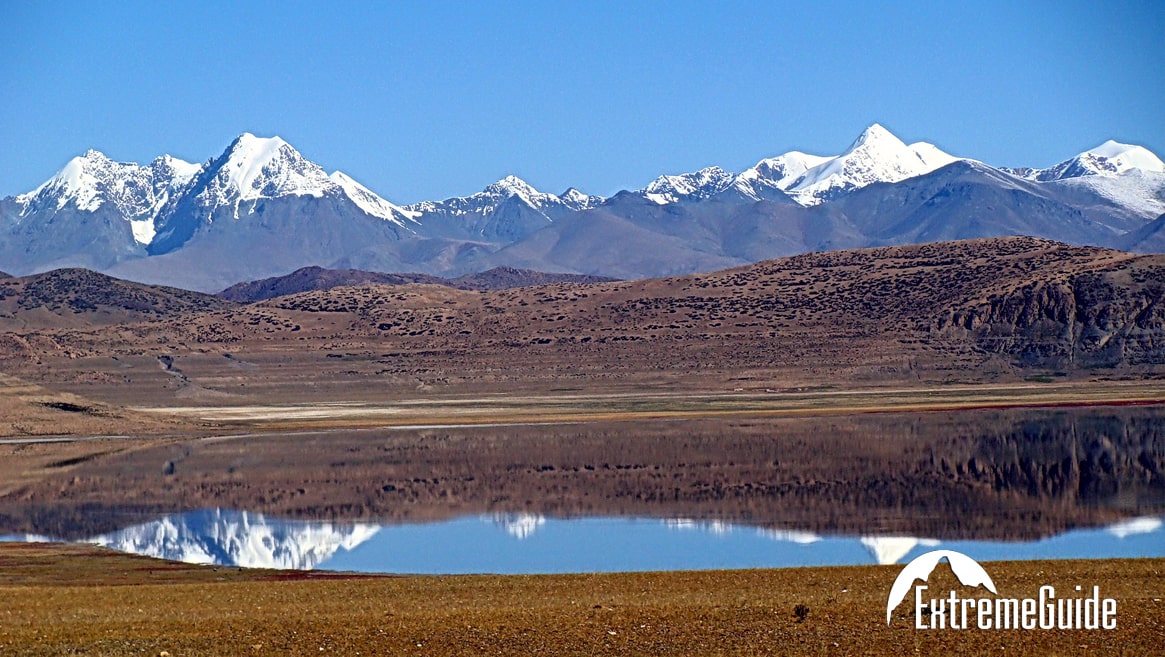
Tibet, located at an altitude of about 4,500 meters above sea level, is one of the highest mountain regions in the world. It occupies a vast territory in Central Asia, bordering China, India, Nepal, Bhutan and Myanmar. This region is known as the “Roof of the World”.

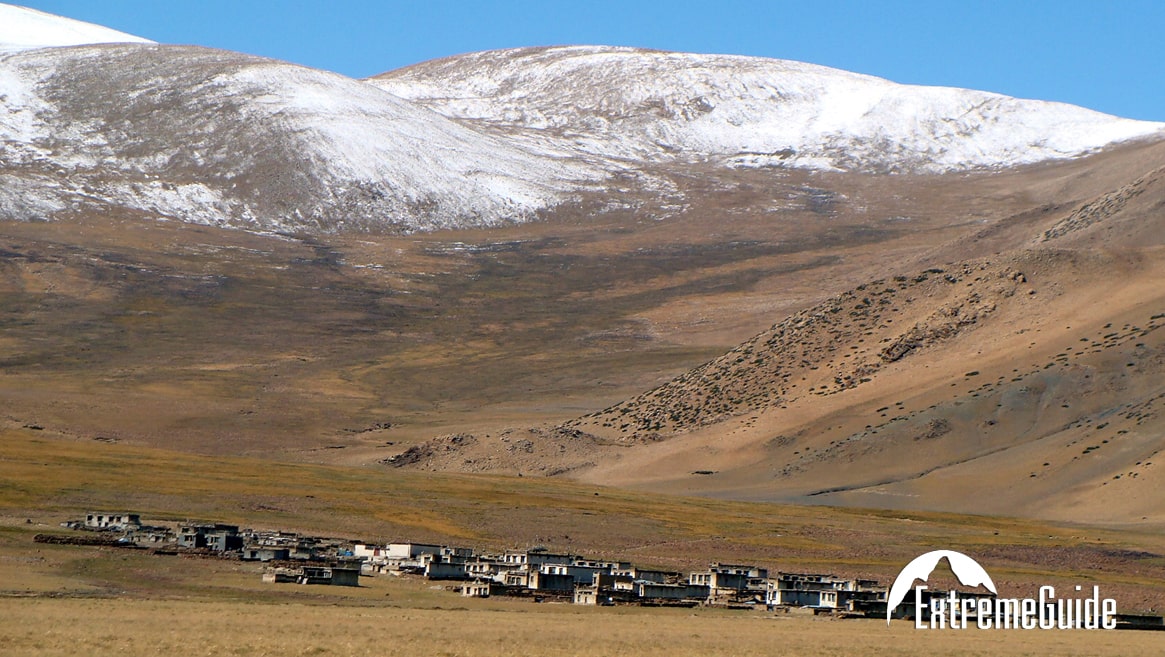
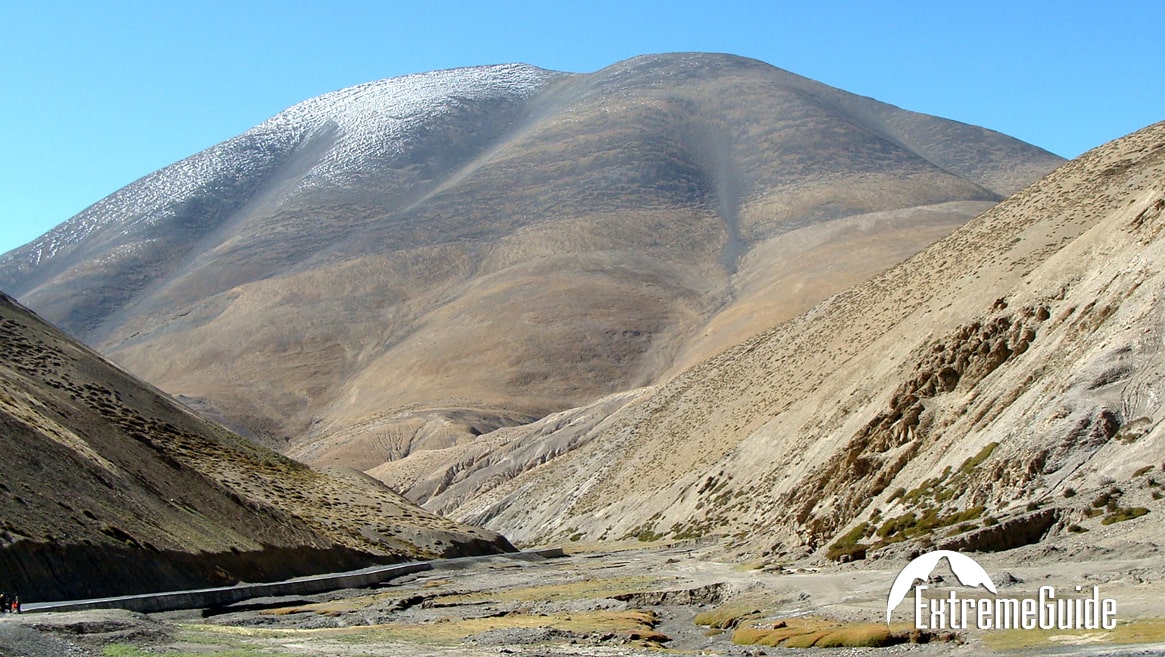
The region has a harsh climate, with cold winters and short but warm summer months. However, despite the extreme weather conditions, Tibet offers unique natural landscapes, from snow-capped mountains and glaciers to vast plateaus and deep gorges.
❇️ History – spiritual and cultural path
The history of Tibet spans several millennia and includes many important events and periods. The first mentions of Tibet date back to ancient Chinese sources. In the 7th century AD, the Tibetan Kingdom reached its peak under the rule of King Songtsen Gampo, who united the various tribes and founded Lhasa as the capital. At this time, Buddhism began to penetrate the region and gradually became the dominant religion.
Since then, Tibet has become an important center of Buddhist culture and spirituality, and its capital, Lhasa, a sacred place for millions of pilgrims from all over the world. The culture and traditions, which include elements of Tibetan Buddhism, yoga, and shamanism, are preserved and developed to this day.
In the 13th century, Tibet came under the influence of the Mongol Empire and was later incorporated into the Qing Empire in the 17th century. In the 1950s, following the Chinese Revolution, Tibet was annexed by the People’s Republic of China, causing significant political and cultural changes in the region. Despite this, Tibet has retained its unique culture and religious traditions, which continue to attract pilgrims and tourists.
❇️ Tibet is a sacred place
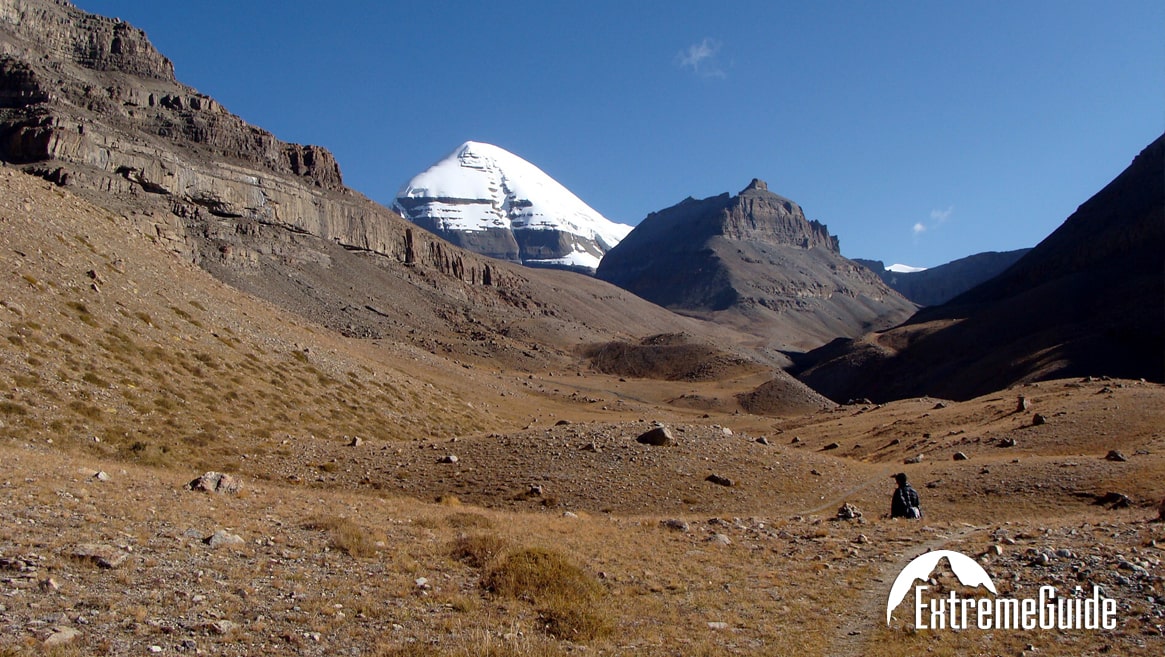
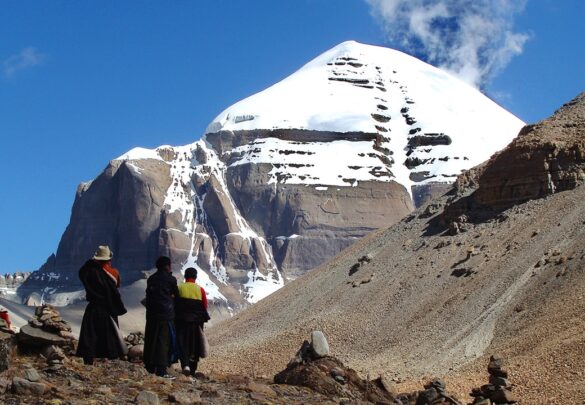
Tibet is a sacred place not only for Buddhists, but also for followers of other religions. One of the most famous sites is Mount Kailash, considered sacred by Buddhists, Hindus, Jains and followers of the Bon religion. A pilgrimage to Kailash is not just a journey, it is a spiritual journey symbolizing purification and enlightenment.
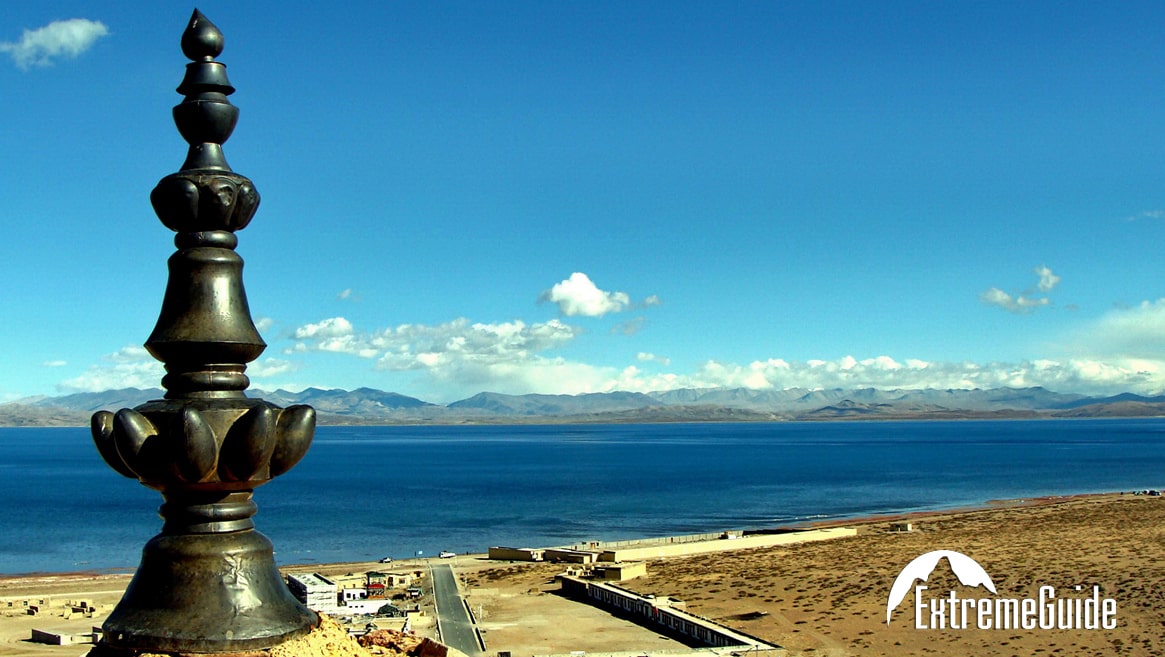
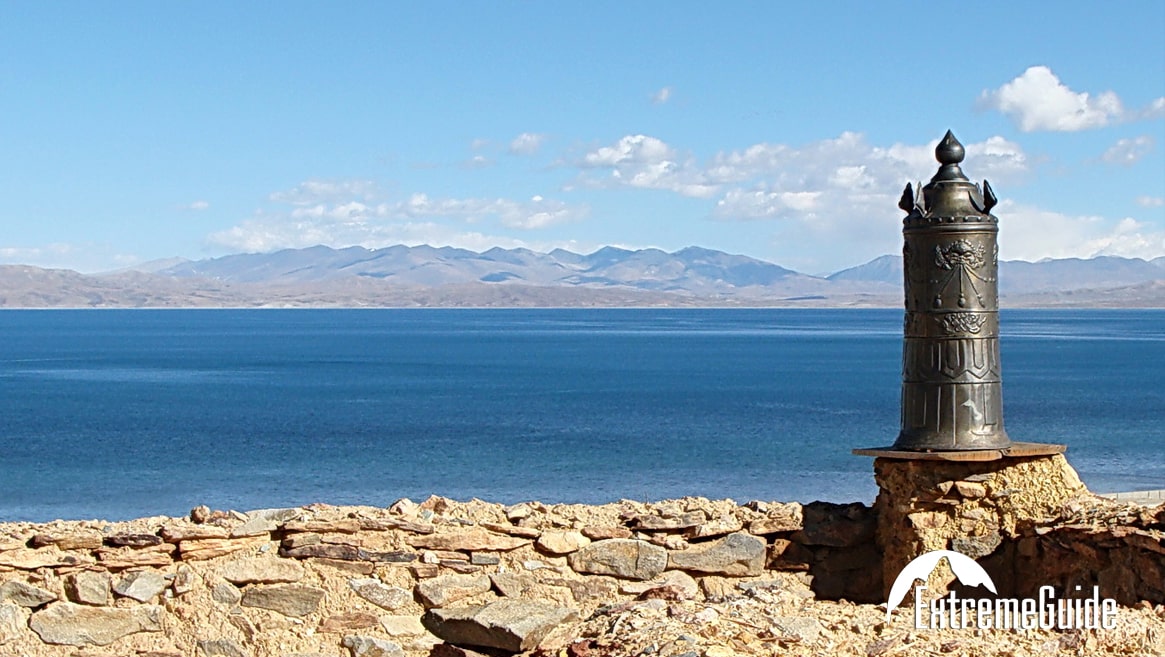
Another important place is Lake Manasarovar, which is considered sacred by Hindus and Buddhists. Locals believe that its waters have healing properties and help cleanse one of sins. Pilgrims from all over the world come here to perform ritual ablutions in its waters.
🔸 Pilgrims are the hearts and souls of Tibet
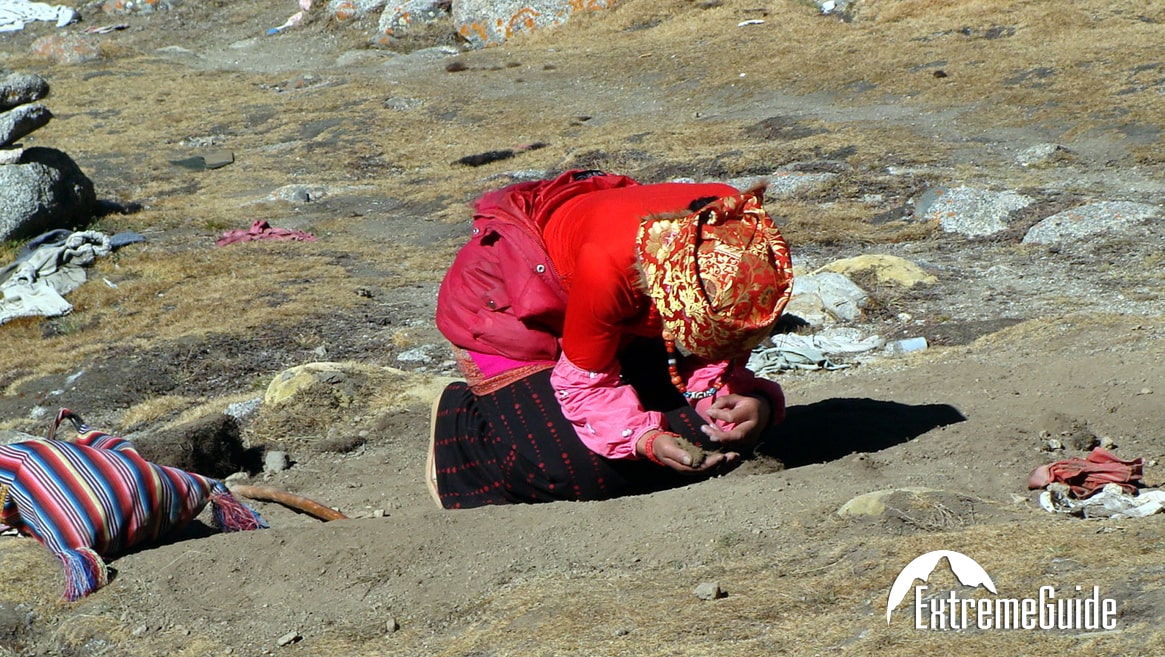
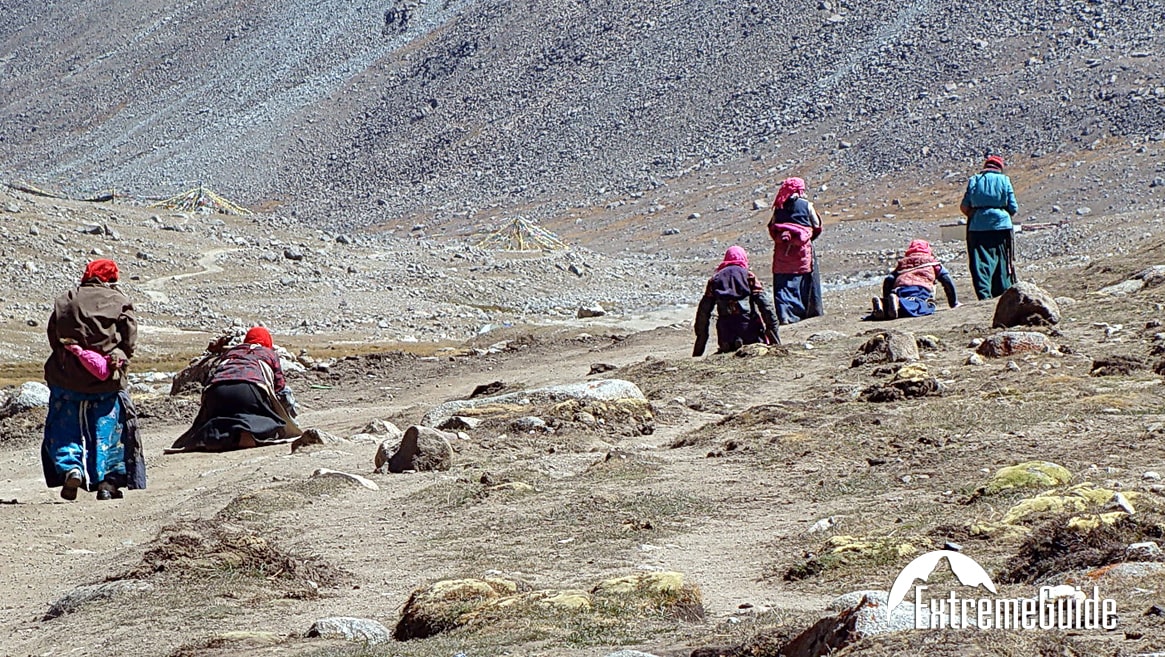
Tibet is a place where pilgrims from all over the world come to experience sacred places and spiritual practices. Pilgrimage is an integral part of Tibetan culture and tradition. Some of the most famous routes include the kora around the sacred Mount Kailash, as well as a trip to the ancient monasteries and shrines of Lhasa.
Pilgrims follow ancient traditions, making multi-day routes, passing through high mountain passes and impassable paths. Their path is not only a physical journey, but also a spiritual cleansing and finding of inner peace.
🔸 Faith and spirituality are the basis of culture
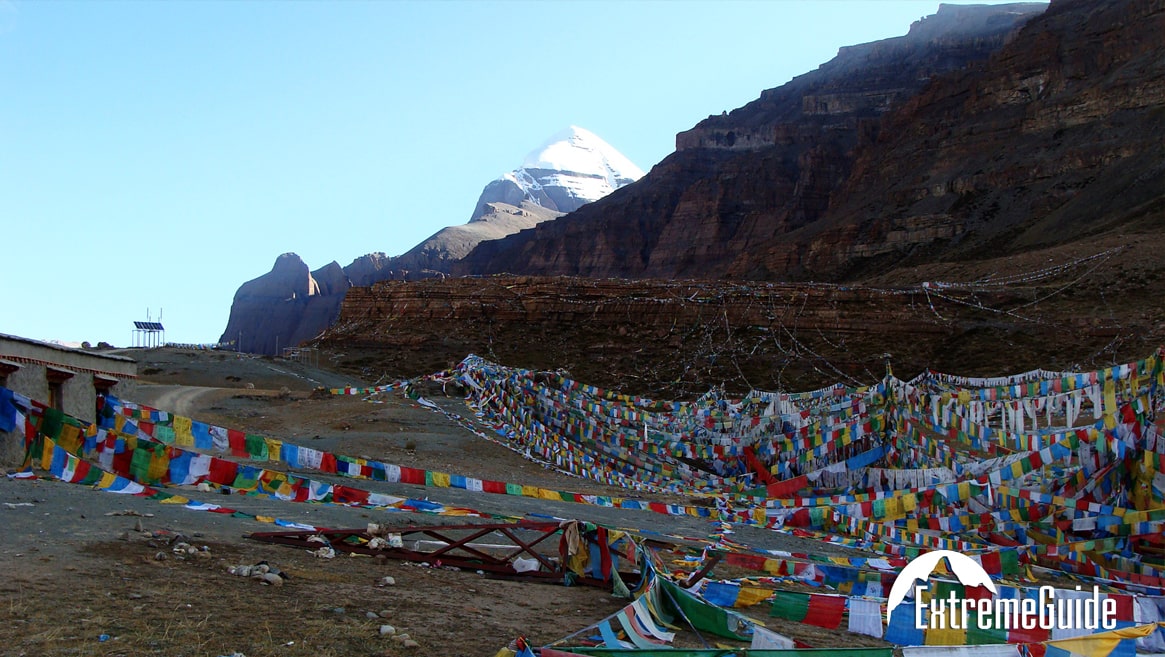
Faith and spirituality play a central role in the lives of Tibetans. Buddhism, with its deep philosophical concepts and practices, is the foundation of Tibetan culture. The main elements of Tibetan Buddhism are meditation, yoga, and ritual practices that help pilgrims and monks achieve enlightenment. Yoga tours usually include all kinds of spiritual experiences that can be obtained from local teachers.
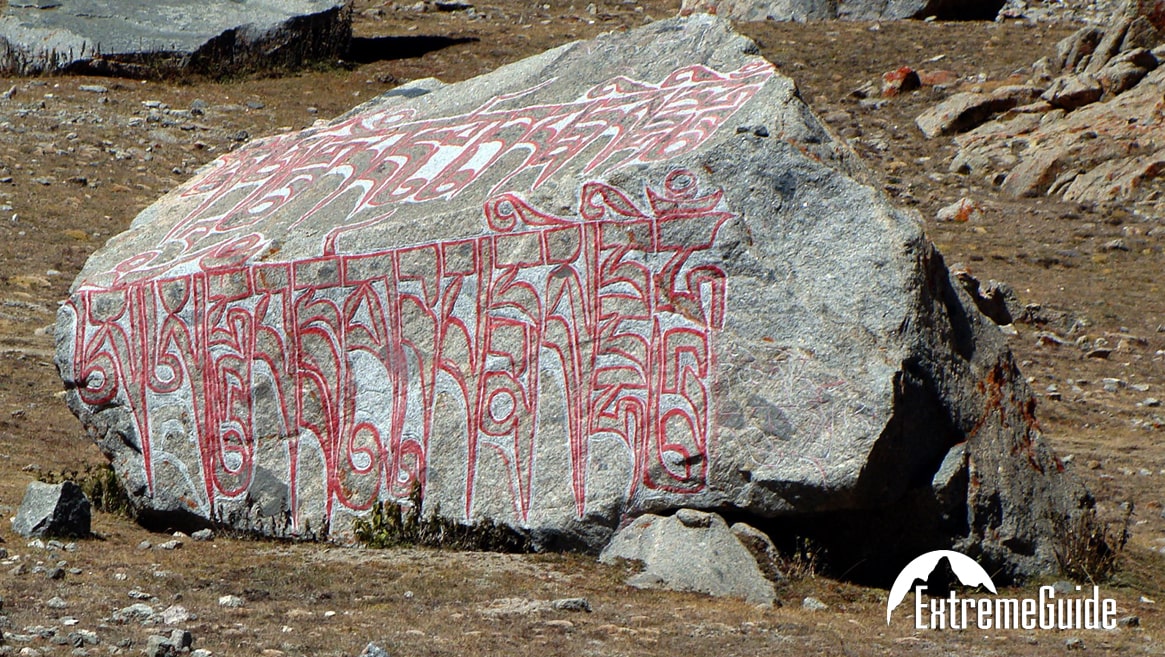
One of the most important elements of Tibetan spirituality is the Tibetan mantra – sacred words and sounds that help to concentrate and enter a state of meditation.
🔸 Culture and Traditions
Tibetan culture is a unique combination of ancient traditions, arts and crafts. The locals are known for their rich traditions in painting, sculpture and handicrafts. Tibetan painting, known for its bright colors and symbolic images, occupies a special place.
Traditional Tibetan cuisine is also an important part of the culture. The main foods are barley, rice, dairy products and meat. One of the most famous dishes is “momo” – Tibetan dumplings, which are prepared with a filling of meat or vegetables. Excursion tours in this region usually offer tasting of local dishes and visits to attractions.
🔸 The Heart of Tibetan Buddhism
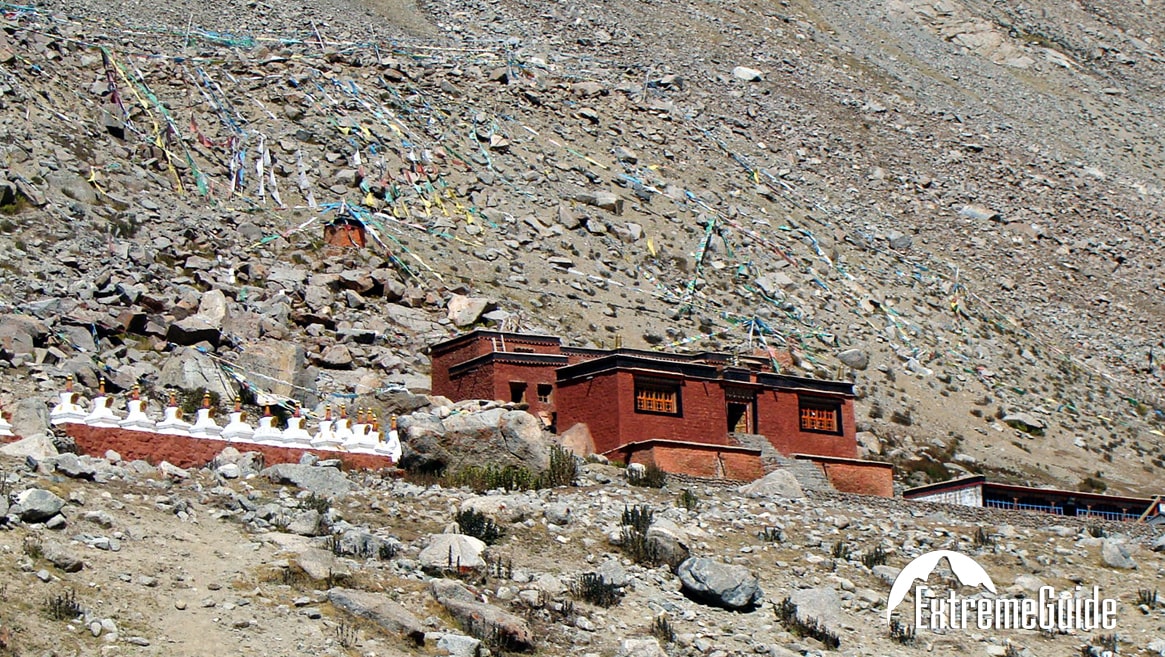
Tibet is the heart of Buddhism, and its cultural heritage is inextricably linked to its religious practices and beliefs. For the people, Buddhism is not just a religion, but a way of life. Monasteries such as Potala in Lhasa, Tashilhunpo in Shigatse, and Sera in Lhasa are centers of spiritual learning and prayer. Pilgrims from all over the world travel to Tibet to visit sacred sites and participate in religious ceremonies.
❇️ Why visit Tibet?
Visiting Tibet offers a unique opportunity to immerse yourself in the ancient culture and experience the spiritual power of the region. Here are some reasons why you should include this region on your travel list:
- Spectacular Natural Landscapes: Tibet is famous for its majestic mountains, crystal clear lakes and endless plateaus.
- Rich cultural heritage: Culture and traditions are deeply rooted in Buddhism. Visiting monasteries and temples, participating in religious festivals and ceremonies allows one to better understand the spiritual side of Tibetan life.
- Spiritual enlightenment: For many people, this trip is not just a tourist adventure, but also a path to spiritual growth. Hiking in the mountains, meeting monks, participating in meditations and observing religious rituals help to find inner peace and harmony.
- Opportunity to study Buddhism: Tibet is an ideal destination for those interested in Buddhism. Here you can study the philosophy and practices of this ancient religion by attending lectures and classes in monasteries.
- Historical monuments: The region is rich in historical monuments that tell of its great past. Potala, the former residence of the Dalai Lamas, is one of the most significant architectural masterpieces and a symbol of Tibetan culture.
- Local cuisine and crafts: The cuisine, with its unique dishes such as tsampa and Tibetan yak butter tea, and traditional crafts such as carpet weaving and ritual mask making, offer an opportunity to better understand the local culture.
❇️ How to get there and what to see
Tibet is not only sacred mountains and monasteries, but also many interesting places worth visiting. One of the most popular destinations is the region’s capital, Lhasa. Here are the famous Jokhang and Potala monasteries, as well as the Tibetan Museum, where you can learn more about the culture and history of the region. The most convenient way to visit the region is with guides who will professionally organize the tour and think through all the details.
Other significant places are:
- Mount Kailash – a sacred place surrounded by numerous legends and myths.
- Lake Manasarovar – a sacred lake, pilgrims wash themselves in its waters and are cleansed of sins.
- Samye Monastery – one of the oldest monasteries in Tibet, built in the 7th century.
- Shigatse city – the second most important city in Tibet, home to Tashilhunpo Monastery, the residence of the Panchen Lama.
❇️ Practical information for travelers
Traveling to Tibet requires careful preparation. First of all, you need to obtain permission to enter the Tibet Autonomous Region, as access to the region is controlled by Chinese authorities. Permission can be obtained through travel agencies.
Acclimatization to high altitude conditions is also important, as the altitude in Tibet can cause altitude sickness. Travelers are advised to spend a few days in Lhasa or other cities to acclimatize before beginning active travel. It is a good idea to do some trekking in the region to acclimatize and prepare for the stress.
The best time to visit the region is between May and October, when the weather is relatively mild and most attractions are open. However, remember that even at this time the weather can be unpredictable, so it is important to have suitable clothing and equipment.
❇️ Respect for local traditions and ecology
When visiting the region, it is important to respect local traditions and customs. Tibetans are deeply religious, and tourists should show respect for sacred sites and religious practices. Photographing sacred objects and people may be prohibited, so you should always ask permission.
Environmental responsibility also plays an important role. Tibet is a fragile ecosystem, and tourists should follow the Leave No Trace principles, recycle waste, and minimize their impact on the environment.
So, Tibet is a unique region that offers incredible opportunities for those who seek to discover new horizons and immerse themselves in deep spirituality. It is a place where majestic nature, rich history and unique culture meet. Its sacred mountains, ancient monasteries and deep spiritual practices make this place one of the most mysterious and inspiring places on Earth.
Visiting Tibet not only allows you to see breathtaking natural landscapes and historical monuments, but also to experience the power of Tibetan Buddhism and local traditions. Whether you are looking for spiritual enlightenment or just want to explore one of the most mysterious corners of the planet, Tibet will offer you an unforgettable experience and leave a deep mark on your soul.
Tours to Tibet with Extreme Guide
 Tibet
Tibet
Dates:
October 4 – October 20
Complexity:
Duration:
Height:

5.0 (82)
Left: 8 places