
Review and list of equipment for Kazbek

Hello everyone, my name is Chetverik Stanislav.
I work for the ExtremeGuide company. Most of the time I work as a guide on Elbrus and Kazbek. I have made 25 ascents of Elbrus, as well as 5 ascents of Kazbek. I also have 6,000 hours of experience in Nepal and 7,000 hours of experience in Tajikistan. I would like to write for you how you should dress and what equipment to take based on my experience of climbing Kazbek and Elbrus in the summer.
The list of equipment is quite impressive and is based on the experience of multiple ascents to Kazbek (5033 m) in summer, Climbing Kazbek in winter and Climbing Kazbek (5033 m) + Tetnuldi (4869 m). Preparing equipment and clothing is an important component of a successful ascent, as a result of which you will receive unforgettable impressions and experience of conquering the peaks of beautiful Kazbek.
Equipment review for climbing Kazbek
What clothes to take with you for climbing Kazbek? The principle of our entire future clothing list is the presence of layers. And the main thing is that you are comfortable and enjoy the climbing process.
Thermal underwear I recommend buying functional (moisture-wicking) thermal underwear for climbing. It removes excess moisture from the surface of the body and does not allow you to be wet from the inside. It is made of synthetic materials (Power dry). To buy with an open or closed neck is already decided by each individual. An example of thermal underwear clothing – sivera-SARGA:

The next layer is a fleece jacket, which is worn over thermal underwear, it is best if the jacket unzips. Sivera-Otopok:

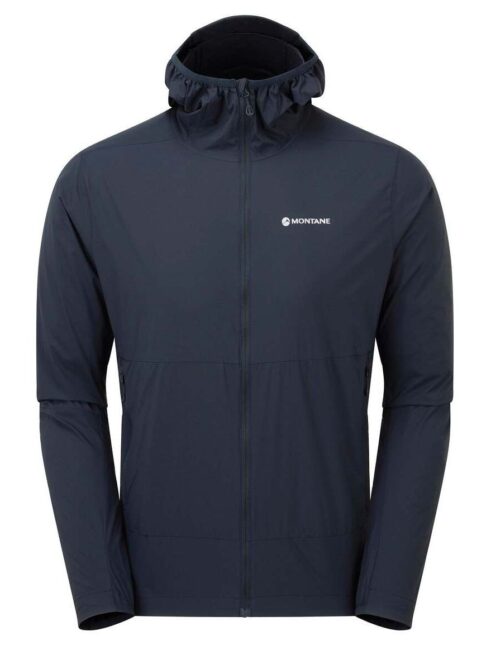
Next up is the Soft shell jacket or a lighter down sweater option. MONTANE FEATHERLITE HOODIE JACKET:
These layers will give you warmth. Then the outer layer should protect us from the wind. This is usually a membrane jacket (type of material gore-tex, event, or similar) Example: Berghous Antelao Gore-tex pro jacket:

The membrane does not allow moisture to pass through from the outside and removes it from the inside. Choose a membrane jacket with a water resistance rating of 20,000 mm. The stores always have a very wide selection of membrane items. But it’s worth paying attention to the little things. In order for the hood to fit well on the head in a helmet, the pockets should be higher than usual, with snakes under the ventilation under the arms. All these features seem to be insignificant, but during the assault on the mountain these little things will provide you with a comfortable ascent.
Top layer. This is a down jacket, we put it on over the membrane jacket:
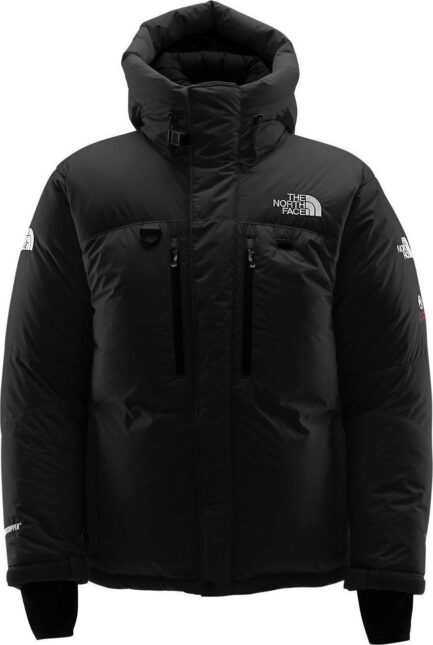
You should choose a special down jacket for mountaineering. It already contains a special hydrophobic down, which does not absorb moisture. Also, please note the elasticity of the down “Fill Down”, you should choose with high indicators starting from 700 above, the higher the Fill Down indicator, the better and warmer your down jacket. It saves us from severe frost, the temperature can drop to -20 degrees. It should also have a hood so that it protects you from the side wind in your face. If you get hot, you can always take off the down jacket and hide it in a backpack. Example: MONTANE RESOLUTE DOWN JACKET.
Head. Balaclava protects our face, neck and ears from the wind:

You should choose a balaclava made from windproof materials (windstopper and windblock, softshell). There should be holes in it for breathing. There is one nuance: when we wear a balaclava and put on sunglasses, the air we exhale partially comes out through the eye hole and the glasses then begin to fog up and freeze. When choosing a balaclava, make sure that it completely fits your face around the nose and eyes.
Hat. A regular fleece hat will do, preferably one that is also windproof.
Buff is a universal thing. It can be used as a hat or as a balaclava. But I use it when there is no severe frost or wind, mainly to hide my face and head from the sun.
Goggles and a ski mask. We use a ski mask when the wind blows. It protects us from small particles of snow getting into our eyes and part of our face. It’s difficult to move around in such conditions with glasses on. We use goggles when the weather is less windy. Goggles and a mask must have protection level four.
We also protect our hands in layers. The bottom layer is made of thin gloves made of windstopper and windblock, softshell materials:

It is best to have spare gloves like this. The top layer is our down mittens (cruggs). You can also choose Prima loft material instead of down. This is our main protection for our hands from cold and wind.
Pants. The first (body) layer. We take from the same material as the top, that is, functional thermal underwear, which will remove moisture and warm at the same time. The second layer is fleece pants. The third layer is supposed to protect us from precipitation and wind. These are membrane pants (gore-tex, event). A very big plus if membrane pants have a zipper on the side (self-dumping) The north face Point Five NG GTX .

Legs, shoes.
For summer ascent to Kazbek, single-layer mountain boots are sufficient.

In the off-season and winter, a double boot is best. There are many brands and models in stores now. As an example, I will give several brands and models for a comfortable climb to Kazbek in the summer:
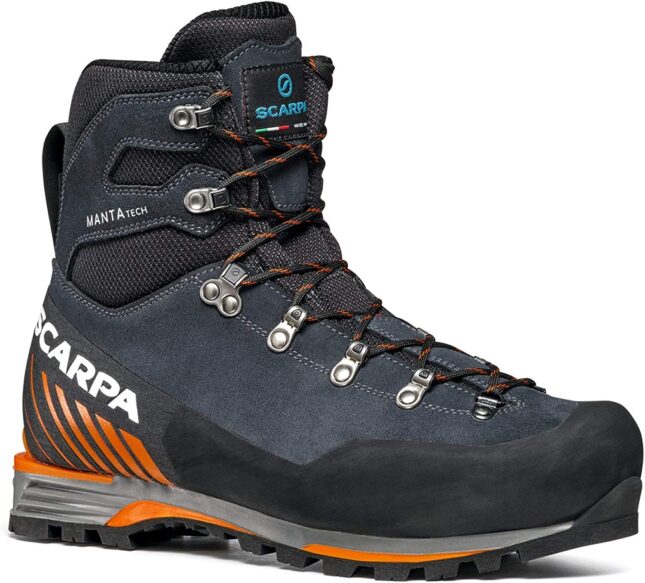
Models: La Sportiva- Spantic, SCARPA MANTA TECH GTX, La Sportiva Cube Nepal. But if you already have single-layer boots and you want to go to Kazbek, then you can get out of this situation. You need to buy a warm shoe cover over the boot:

But there is one nuance, you need to wear them only with soft crampons, since it has no sole. For approaches and acclimatization excursions, you can optionally take trekking boots or trekking sneakers:

Crampons. Climbing Kazbek on classic routes is not difficult by mountaineering standards and you don’t need super expensive crampons. Regular soft crampons will do, for example – Black Diamond Neve Strap Crampons:
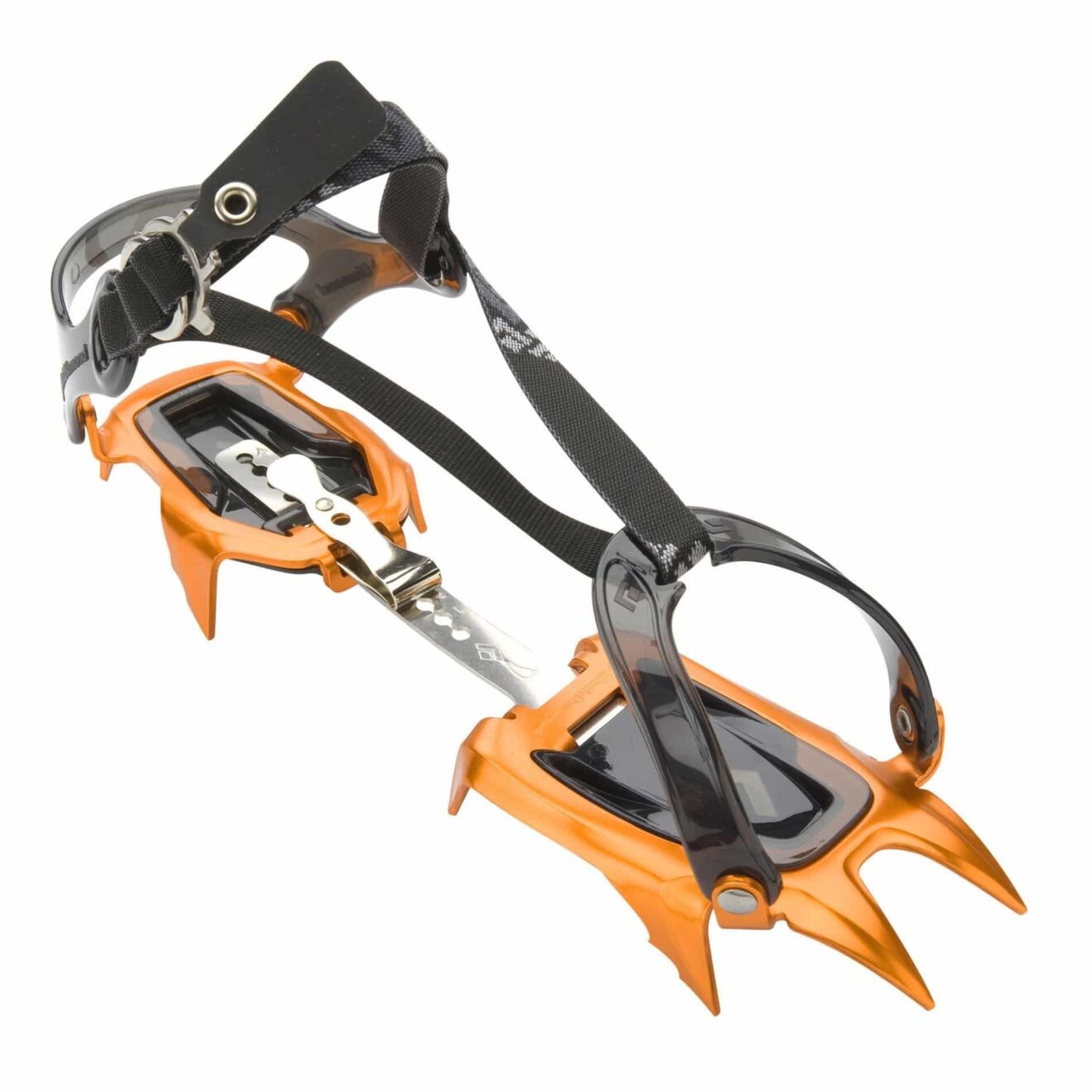
But if you want to continue mountaineering and visit other mountain areas, then choose automatic or semi-automatic crampons. Example: Grivel G 12 New classic:

Please note that cats must have STICK-ON Anti-balling system.
Ice axe. We use it for ice and snow training and on the day of the assault. A classic straight ice axe is suitable for Elbrus. It is selected for each person individually, depending on the participant’s height.
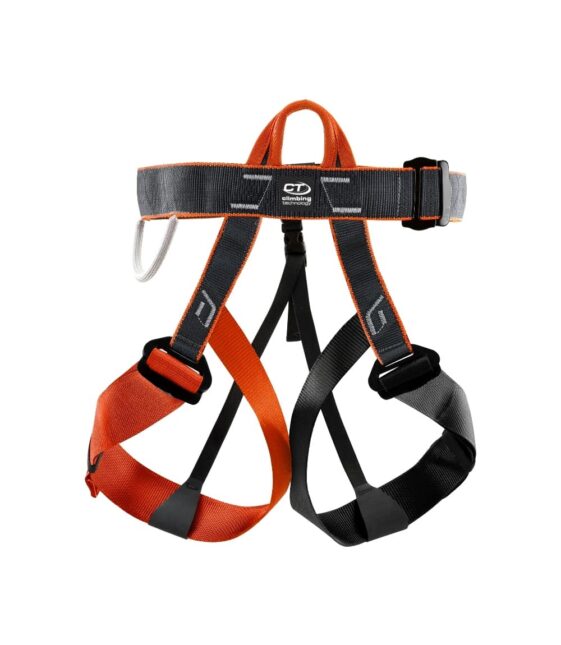
Climbing Harness. We need it for climbing. It is enough to buy the simplest system for it we will need a anchoring rope and a couple of carabiners. Example — Climbing Tehnology discovery:
Flashlight. We need it for movement in the dark. Choose flashlights from proven companies (petzl, Black diamond, fenix), which will not turn off by themselves and will provide you with visibility everywhere on the route.
Sleeping bag. For a summer climb, you should choose a sleeping bag with a comfort temperature of minus five and below. You shouldn’t feel cold while sleeping. Which one to choose, down or synthetic, is also up to you to decide, each has its own pros and cons. Example — Mountain Equipment Classic:

Choose your next ascent of Kazbek!
 Georgia
Dates:
June 27 – July 8
July 11 – July 22
July 25 – August 5
August 8 – August 19
August 22 – September 2
September 5 – September 16
Complexity:
Duration:
Height:

5.0 (1)
Left: 4 places
 Georgia
 Dates:
March 25 – April 2
Complexity:
Duration:
Height:

Left: 6 places
 Georgia
 Dates:
June 27 – July 4
July 11 – July 18
July 25 – August 1
August 8 – August 15
August 22 – August 29
September 5 – September 12
Complexity:
Duration:
Height:

5.0 (10)
Left: 6 places
 Georgia
Dates:
June 20 – June 29
June 20 – July 5
July 18 – July 27
July 18 – August 2
Complexity:
Duration:
Height:
5.0 (10)
Left: 5 places
 Georgia
 Dates:
June 27 – July 4
July 11 – July 18
July 25 – August 1
August 8 – August 15
August 22 – August 29
September 5 – September 12
Complexity:
Duration:
Height:
5.0 (10)
Left: 2 places
 Georgia
 Dates:
Complexity:
Duration:
Height: