
“The Roof of the Alps and Western Europe” is how Mont Blanc is often called.
The Alps mountain system covers 8 countries, and Mont Blanc (4808 m) is considered the highest peak. The mountains are the birthplace of mountaineering and surprise thousands of tourists with their splendor and power. It was the first ascent of Mont Blanc – 08/08/1786 – the day the history of mountaineering began.
In addition to trekking along the most famous route passing through Camp Du Gute (difficulty 2A), we will use via ferrata (the ability to move along cables that are secured with insurance device). However, we will walk almost the entire expedition on our feet without using any special rope techniques.
The adventure will require excellent physical fitness, practice of moving in crampons, and the use of an ice ax.
The ascent are leading by experienced guide Letnikov Alex and certified IFMGA (UIMGA) guide Vladimir Klebansky.
It is also planned to:
– visiting the town of Chamonix;
– tram ride in the mountains;
– lift by cableway;
– walk through the mountaineering museum (in case of unused extra day).
For the successful completion of the trip, adaptation with organized overnight stays (2700 m and above), training exercises on the moraine of the Le Tour glacier, and an adaptation climb to Tête Blanche (3520 m) are important.
According to statistics, only a third of independent climbers reach the top. Therefore, it is worth turning to professionals. ExtremeGuide organizes a safe adventure.
From 2016 to 2024, 250 people climbed with us, most of them reached the summit, the average percentage of successful ascents is 96%.
The climb is perfect for physically strong people. It is advisable to have experience of previous ascents or mountaineering schools.
Главные впечатления от похода по Фанским горам:
Climbing route to Mont Blanc:
Geneva – Chamonix – Le Tour – Albert 1st refuge – Chamonix – Tête Rouss shelter – Huthe shelter – Mont Blanc – Chamonix – Geneva
Your guides for climbing Mont Blanc

Route of climbing Mont Blanc by days
day
Meet your guide at the Chamonix bus station no later than 6:00 PM. Transfer to your apartment and check-in.
Accommodation in apartments, team communication. Checking and preparing equipment.
day
After breakfast, we go to the rental office to get the necessary equipment, which is not enough.
We take the cable car to the Le Tour glacier. We move on to hut Albert 1 (2700 m). The instructor organizes training on the ice. Let’s learn how to use a safety belay and move on crampons.
We’ll spend the night in a hut.
day
Breakfast early in the morning. Continue training on the ice.
Today we will make a radial ascent to Tête Blanche (3520 m).
Return to Chamonix. Overnight in rented apartments.
day
Preparation
day
In the village of Les Houches we take the cable car up, then transfer to the mountain tram. We go to Nidd’Egle station (2372 m). We have a hiking trek to Tete Rousse (3167 m). After lunch (light snack), we continue moving. We move on to the du Guter shelter (3800 m). We’ll spend the night in the camp.
Note! It is possible to split the transition to the Güte shelter over two days with an overnight stay in Tete Rousse.
In case of insufficient level of physical fitness of participants, bad weather. The decision is made solely by the guide.
In such circumstances, Day 4 and Day 5 are then as follows: Day 4 – Tete Rousse Shelter In the village of Les Houches we take the cable car, then take the mountain tram, we get to the Nidd’Egle stop (2372 m). From the tram stop we will go (3 hours) to the Tete Rousse shelter (3167 m). The possibility of spending the night inside the shelter very much depends on the season and how early you book the tour. Near the hut there is a permanent tent camp, in which there is always space, you only need a sleeping bag.
Day 5 – Shelter du Guter We move on to the Shelter du Guter (3800 m). If the shelter cannot be filled, then the starting point of the assault is Tete Rousse. The distance between camps is 2-2.5 hours. Then on the way down we will spend the night at the Guter shelter.
Please note:For most groups in the last few years, we have always managed to book Shelter Güte for one night and Tet Rus for 1 night. Some of the groups spent the night before the ascent in Gyut, some on the descent. Almost all participants reached the summit, even taking into account the start from the Tet Rus shelter.
day
We start at night. Breakfast at 2:00. Departure at 3:00. The ascent lasts approximately 4-6 hours. The descent from the top to the Gute shelter takes 2-3 hours. The descent from Gyute to Tete Rousse usually takes 2-2.5 hours. From Thet Rouss to the tram station the descent lasts 1.5 hours. Many groups manage to descend on the same day to Chamonix (provided they start from Guthe).
The possibility of descending directly to Chamonix is at the discretion of the guide and depending on the general condition of all participants. It is possible to split the group if there are two guides in the group.
day
Additional time is necessary in unpredictable weather conditions and unforeseen factors. If we have a free day, we will spend it on the sights of Chamonix:
– visiting the climbing museum;
– shopping in cheese stores;
– walks to outdoor equipment centers.
We descend to the settlement of Chamonix and in the evening we will celebrate the successful finish of the expedition.
day
Check-out from the apartment is until 12:00. Return to Geneva. It is advisable to plan your flight home in the afternoon.
The climb to Mont Blanc consists of the following main sections:
Nidd’Egle – Tet Rus (3200 m)
We start from the last tram stop to the Cabans Ronges hut (2700 m, 1 hour) along the trail. Through a broken rocky ridge, which has a steepness of up to 50°, we stomp for 1.5 hours towards Tet Rus. Moving along a well-trodden path.
Tet Rus – Shelter du Guter (3800 m)
The most difficult section is along a long destroyed ridge in the rock. At the start we pass the Gute Couloir at the bottom. The couloir is wide and dangerous, rockfalls can occur. You should be more careful and attentive. The difficulty depends on the season, for example, in the first month of summer it is covered with snow and it is only possible to pass with crampons. We move along the ridge, use our climbing experience, and balance at height. The steepness of the slope is on average 45-50°, occasionally reaching 60°.
There are cables at the top; athletes use them as support and self-insurance. The extreme 200 m of the snow-ice ridge leads to the Güte shelter. Track time is 2.5-3 hours.
In winter, this part is covered with snow, making it more dangerous due to avalanches. Movement speed decreases significantly.
Güte – Vallo emergency hut (4400 m)
The trail stretches along the snow-covered slope of Dom Gouter with an ascent of 25-30°. This part takes about 2.5 hours. Descent – the same or faster.
Vallot – Mont Blanc
In terms of difficulty and danger, this section surpasses the previous ones. You will have to move along a snow-ice ridge, which is 50-80 cm wide. Athletes will need the ability to concentrate and experience using crampons on dense firn and ice. On average, the journey lasts 2-3 hours.
It is important to understand! Time data are averaged and given for tourists who have undergone optimal acclimatization.
Climbing route to Mont Blanc:

Why is it profitable to go hiking with Extremeguide?


Cost and conditions for climbing Mont Blanc
Is this trip right for you?
For participants, the minimum requirements are: physical fitness and readiness for an active lifestyle, walking 5-10 km per day, long exercise, and carrying a backpack (5-7 kg) independently. Mountaineering skills are not required, as the program includes training for a safe hike and acclimatization.
It is recommended to go running, swimming, and cycling a few months before your trip. A series of training videos will also be sent by email.
Important! Be ready for the possibility of some discomfort (hypoxia).
We recommend taking one of the programs Mountaineering school in Georgia, Chamonix granites, Mountaineering School in the Carpathians: Climbing Mount Spice and Mountaineering School in the Tatras: Climbing Mount Kežmarský štít.
The price includes:
BUDGET:
- guide work: 1 guide per group for every 2 people, during the acclimatization period – 1 guide up to 6 people;
- second guide for the period of ascent if the group is 3 or more people;
- rental of special equipment (ropes, ice screws, public carabiners);
- group first aid kit for the guide and GPS navigator for the group;
- climbing certificate.
STANDARD:
- guide work: 1 guide per group of 2 people, during the acclimatization period (days 1-4) – 1 guide for up to 6 people;
- second guide on Mont Blanc, if the group is 2 or more people (for the climbing period);
- rental of personal special equipment (ice axe, helmet, safety system, crampons, carabiners);
- navigation and communication tools with the guide;
- accommodation in apartments/hotels;
- 4 nights in a comfortable apartment in the Chamonix Valley (2-room apartment, 4-5 people at a time, shower, kitchen, internet), within the framework of the 8-day program;
- Cost of living in huts Le Tour, Tete Rousse, Gute (we make all necessary reservations in advance), only 3 nights;
- mountain tram to the foot of Mont Blanc;
- cableway to Le Tour glacier;
- rental of special equipment (ropes, ice screws, public carabiners);
- rental of gas equipment and boilers;
- tent rental (if the ascent starts from the Tet Rus shelter);
- group first aid kit from the guide;
- certificate of ascent and commemorative T-shirt.
Not included in the price:
BUDGET:
(excluding air travel and equipment rental 750 – 850 €):
- flights to Geneva – arrival before 5 pm (from 200 €);
- Schengen visa;
- transfer from Geneva airport to Chamonix and back – 70 € (regular shuttle of the transfer company);
- accommodation at a campsite/hotel (a night at a campsite costs from 15 €, you need a sleeping bag, mat and tent);
- tent rental (if you plan to stay in a tent);
- cost of accommodation in shelters along the route – a total of 170-230 € (3-4 nights);
- meals during your stay in the Chamonix Valley from 15 € per day (if you cook your own food) – 100-150 € for the entire program;
- food in the cafe of the shelter Albert 1/TetRus and Gyute – in total about 120-150 €, you can also prepare your own food in the shelters;
- emergency situation insurance and medical insurance (required);
- rental of personal special equipment (ice axe, helmet, system, crampons, carabiners) – about 100 € per set + rental of mountain shoes +70 €;
- mountain tram to the foot of Mont Blanc – 46 €;
- cable car to Le Tour glacier – 35 €;
- payment of the guide’s expenses associated with the use of reserve nights in the Gyute or Tet Rus shelter (cost of accommodation and meals in the shelter canteen);
- tips for the guide (at will);
- other expenses not specified in the program.
STANDARD:
(excluding flights 300 – 400 €):
- flights to Geneva – arrival before 5 pm (from 200 €);
- Schengen visa;
- transfer from Geneva airport to Chamonix and back (regular shuttle of the transfer company);
- meals during your stay in the Chamonix Valley from 15 € per day (if you prepare food yourself) – 100-150 € for the entire program;
- food in the cafe of the shelter Albert 1/TetRus and Gyute – in total about 120-150 €, you can also prepare your own food in the shelters;
- additional overnight stays in huts, in case of using reserve days: Gyute – 70 €/night, in the Tet Rus hut – 60 €/night;
- emergency situation insurance and medical insurance (required) from 30000 €. Cost 3–10 €/day;
- mountain shoe rental – 60-70 €;
- payment of the guide’s expenses associated with the use of reserve nights in the Gyute or Tet Rus shelter (cost of accommodation and meals in the shelter canteen);
- tips for the guide (at will);
- other expenses not specified in the program.
Meals are provided by the participants themselves; in the valley you can buy food in the store and cook it at the apartments. The shelters have a canteen, and you can also take your own food and cook it at the shelter. Rent of gas equipment and pots for cooking is free!
Cost depending on the number of participants
| Number of participants | Cost per 1 participant | Cost per 1 participant |
|---|---|---|
| BUDGET | STANDARD | |
| 4 | 1800 EUR | 2600 EUR |
| 3 | 2200 EUR | 2800 EUR |
| 2 | 2200 EUR | 2800 EUR |
| 1 | 4400 EUR | 4800 EUR |

Best price guarantee!
- We have included in the price all possible basic expenses for the program and guarantee that there are no hidden additional costs, while we have retained the best service at a low price: transfers, hotel accommodation, guides and staff!
We have a flexible discount system
Find out the details right now:
Necessary equipment
Basics:
- Backpack 60-70 liters for own items;
- Backpack for mountaineering 35-45 l (More about choosing a backpack);
Shoes and clothing:
- Mountaineering boots (It is important that shoes are comfortable and worn in. Usually shoes are chosen with a thick toe and 1.5-2 sizes larger than the foot size) (More about choosing clothes and boots);
- Light trekking sneakers (to walk to Chamonix and for approaches);
- Flip flops (useful for camping);
- Gaiters (shoe covers) for climbing boots;
- Insulated jacket (down, primaloft, etc. If it’s very thin, it’s better to take two for climbing Mont Blanc);
- Membrane jacket (preferably without insulation, to protect from wind and rain. It is better to choose from climbing brands. Ski clothes are not very suitable for mountaineering – too heavy and warm);
- Membrane pants (same as with jacket);
- Fleece shirt;
- Thermostat: top and pants;
- A few T-shirts;
- Lightweight trekking pants (for trekking);
- Fleece pants (if thermostat is too thin);
- Socks 3 pairs (thermal socks or other thick ones);
- Overnight socks (preferably wool or down);
- Warm gloves (ski or fleece);
- Warm mittens (down or synthetic insulation);
- Hat;
- Buff or balaclava;
- Sun cap;
- Rain cape (in case your main clothes get wet);
- Change underclothing.
Additionally:
- A cover for a backpack (or large plastic bags for packing things);
- *Mug, spoon, bowl, knife (if you plan to feed yourself in huts);
- Headlamp + spare set of batteries;
- Hygiene items (a toothbrush and a small tube of toothpaste, a bar of soap and a little shampoo will be enough; do not take full bottles of shower gel and shampoo, heaps of creams and lotions with you);
- Documents;
- Individual first aid kit (plaster, cold, stomach, head. You also need to take into account specific and chronic diseases, if any. In addition to the individual first aid kit, the instructor has a general);
- Mountaineering goggles (protection category 3-4);
- lip balm chapstick ;
- Sunscreen ointment (with SPF 30-50);
- Water bottle ( 1-2 l.);
- Lighter;
- Mobile phone.
Special equipment:
- Belay system (for safety);
- Self-belaying lanyard – 1 pc.;
- carabiners 3 pcs (2 medium);
- Climbing helmet (ski helmet will not work!);
- Classic ice ax;
- Crampons (that match your boots).
Review and list of equipment for Mont Blanc
The amount of special gear depends on the specific event; here is the most extensive list. Also, depending on the specific event, this equipment is either included in the price or not included, in which case you do not need to buy it, but can rent it from us.
- Thermos (0.5 – 1.0 liters);
- Camera;
- Trekking poles.
Additional Information
Why should you choose to climb Mont Blanc with ExtremeGuide:
– well-thought-out acclimatization, we have no problems with altitude
– mountaineering training
– training climbs that will allow you to test your preparation before the mountain
– support at all stages of preparation
– experienced guides who have been working in the Alps region for several seasons now
– guide-client ratio 1:2, no more (maximum safety). According to the requirements of local guide associations
– all overnight stays in shelters
– in the Chamonix Valley we live in apartments, not tents
– consultations on training and equipment selection.
Trekking takes place in France (Schengen zone). A visa is required to participate. Our specialists will send you all the necessary documents for obtaining a visa in advance. An insurance is required. We will advise you on obtaining insurance.
In the city of Chamonix it is possible to pay by credit card. It is better to take euros from cash.
It is most convenient to fly to Geneva (distance 80 km), you can also fly to Milan or Lyon (distance 230-250 km).
Group gathering at Geneva airport no later than 5 pm.
Arrival time in Chamonix no later than 6 pm.
Transfer Geneva – Chamonix – Geneva regular shuttle (minibus) of the transfer company in the Chamonix Valley we will travel by tram and regular buses (run regularly).
For participants, the minimum requirements are: physical fitness and readiness for an active lifestyle, walking 5-10 km per day, long exercise, and carrying a backpack (5-7 kg) independently. Mountaineering skills are not required, as the program includes training for a safe hike and acclimatization.
It is recommended to take up running, swimming, and cycling a few months before your trip. A series of training videos will also be sent by email.
Important! Be prepared for the possibility of some discomfort (hypoxia).
We reserve comfortable apartments for the entire period of the program. Apartment: 2 rooms (2 people per room), a maximum of 4-5 people can be accommodated in the apartment. There are utensils for cooking, internet (usually for an additional fee), and a washing machine.
On the mountain range, accommodation is in shelters, in rooms for 10-20 climbers. There is a lounge, a dining room with the ability to order food, electricity, heating and a toilet. There is no shower.
The Gouter camp is often full, it is not easy to reserve a place due to the influx of tourists, this is usually done in advance or several days before the assault. If the shelter is completely full, the guide will introduce an additional acclimatization day. The start will be from Tet Rus (3200 m).
The group organizes food independently. The city has a large number of cafes of various price levels. It is possible to organize cooking together in a rented accommodation.
At the height, we buy food in the canteen of the shelter or cook it ourselves from our provisions.
There is a bar in Tet Rous and Du Guette where you can buy drinks and food.
5-7 kg
The guide has a general first aid kit and a phone number for contacting the Ministry of Emergency Situations. It is advisable to take individual medications with you.
Roaming is usually turned on automatically, in the valley the signal is good, in shelters there is an unstable mobile signal. There is always wi-fi in apartments and hotels. In restaurants and cafes you need to check immediately before entering.
In the valleys the temperature reaches +30°C, and at the heights there are frosts down to -15°C. During the summer season there may be rain and thunderstorms. The peaks are covered with snow.
Guides guarantee the success of the expedition when the group follows safety precautions. The decision to end the tour is solely within the competence of the professional instructor and is not denied by the participants.
According to the rules of the local tourism association, the guide/client ratio is 1:2. Therefore, there are only two climbers per accompanying person.
The table shows the basic cost for a group and may change depending on the number of people in the group. For the calculation of the cost of the tour for a smaller number of people and individual groups, see the «Price» block for more details.
We guarantee that on the dates indicated in the table, even if there is a minimum number of people allowed in the group, the tour will take place 100% with a minimum change in cost.
Pleasant bonuses, which everyone receives when ordering a tour with us


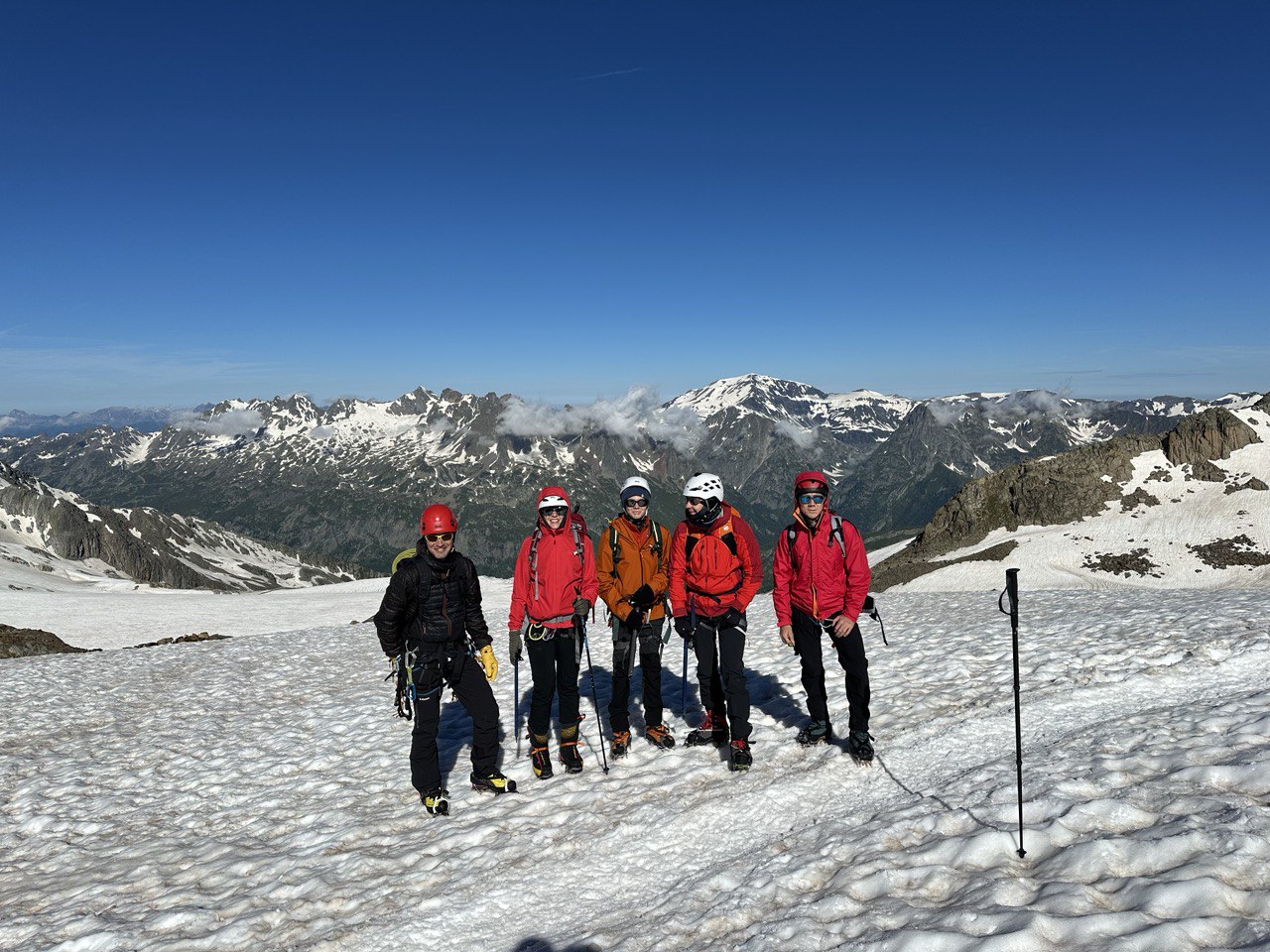
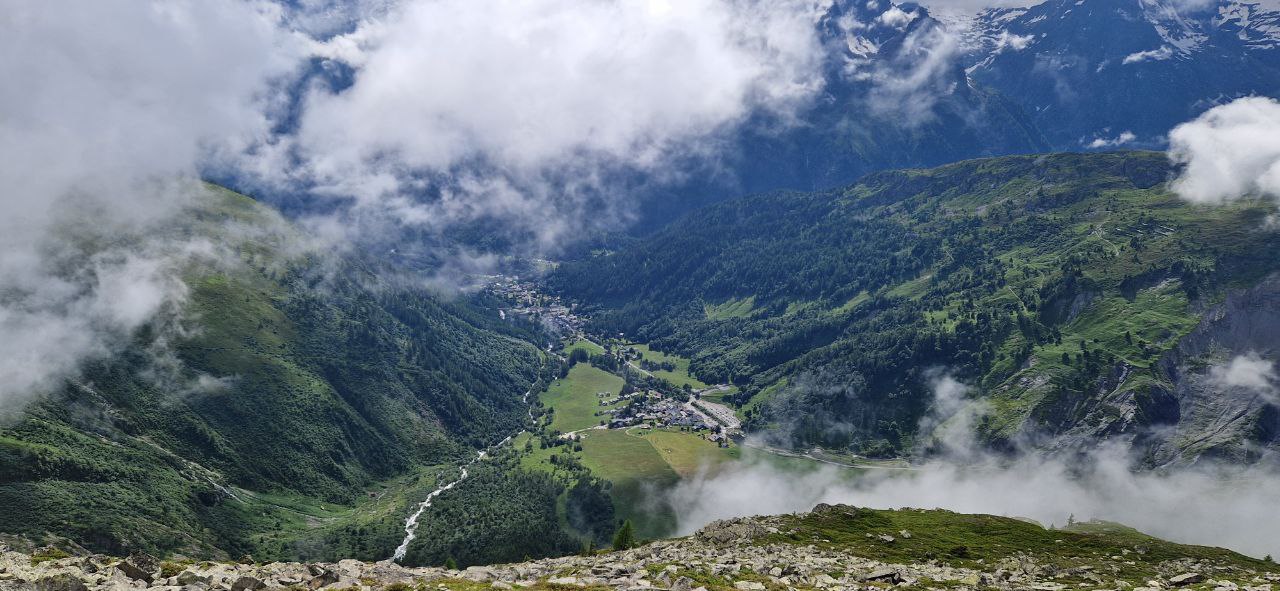
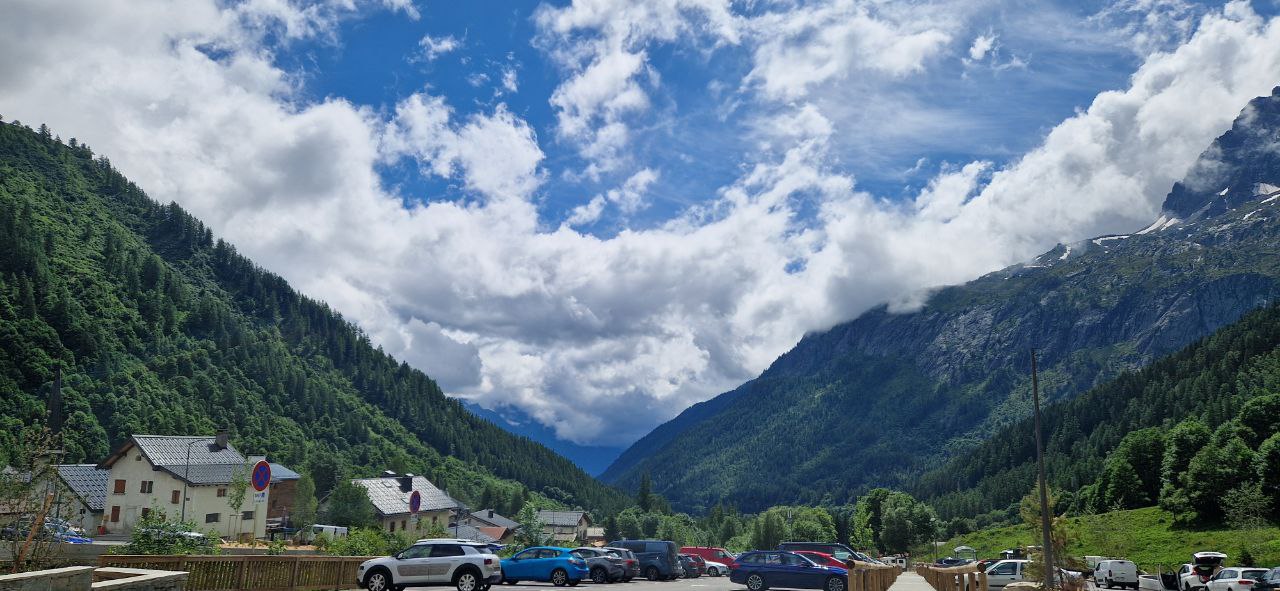
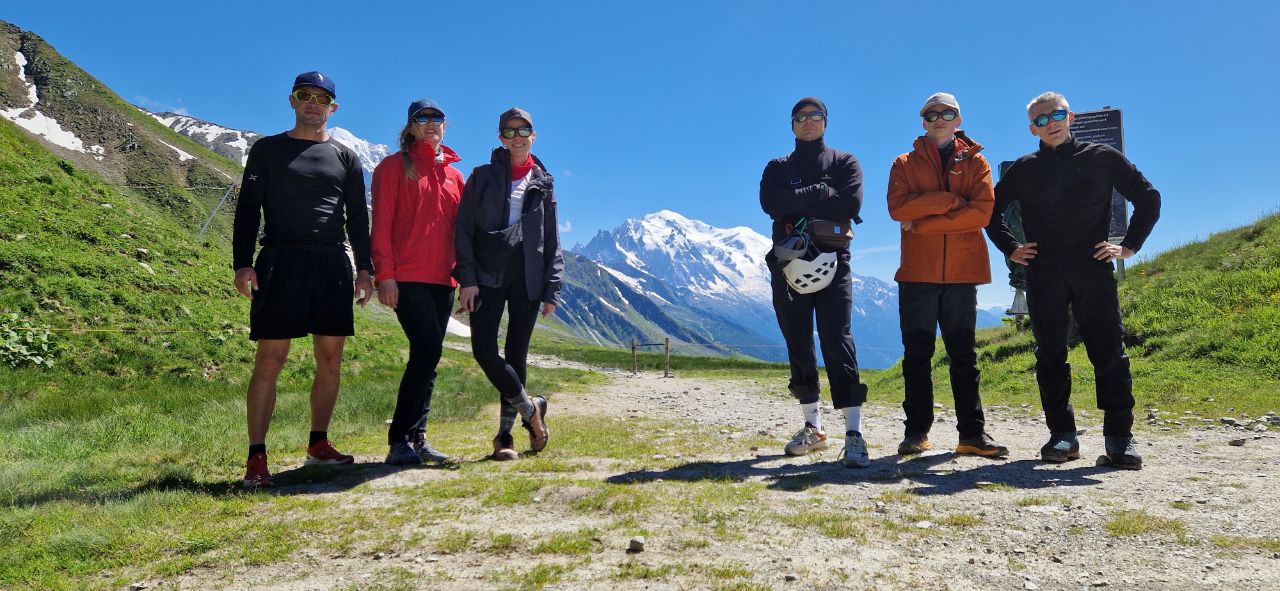
Photo of previous trips





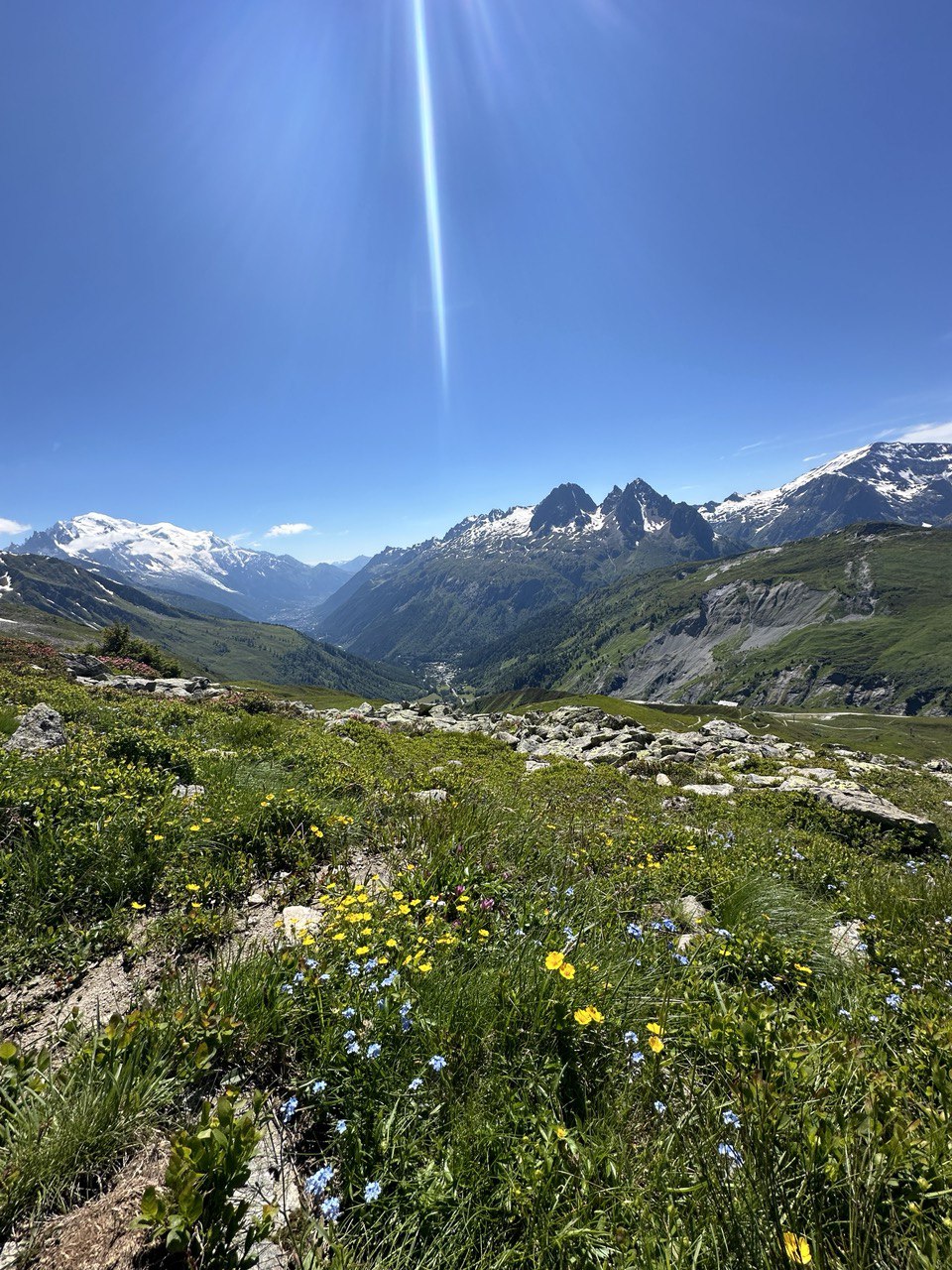
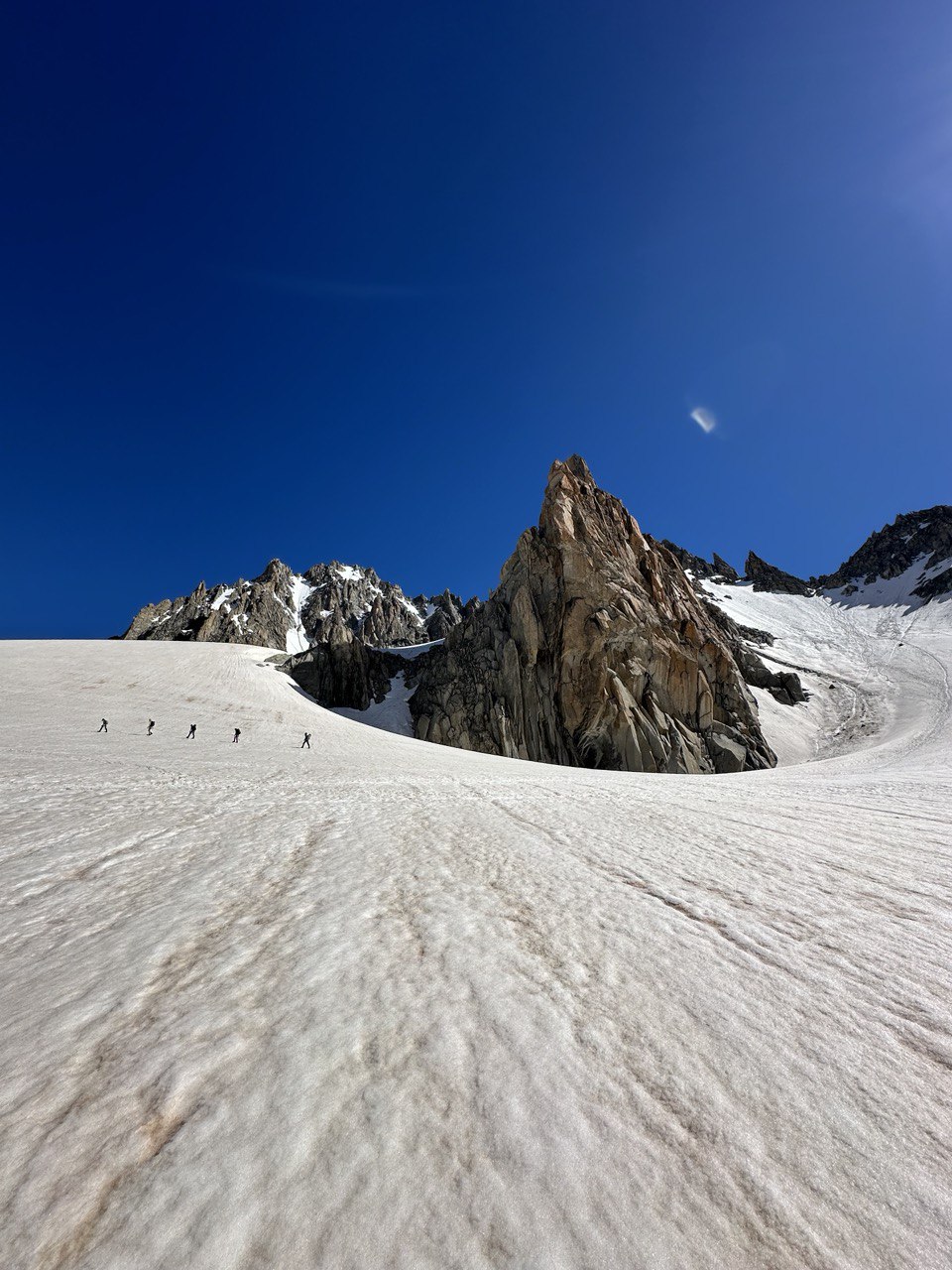
Reviews of our travelers
Це була одна з найнезабутніших подорожей у моєму житті, про яку я мріяла — похід на Монблан разом із командою Extreme Guide. У цьому турі я зіткнулася зі своїми страхами та змогла їх подолати, зрозуміла, наскільки я сильна. І все... More
Мав можливість піднятись на Монблан з Extremeguide у період 28.5–5.7 — і жодного разу не пожалів, що обрав саме їх.Все було на найвищому рівні: чудова організація, приємна команда, а гіди Валерій та Олег — просто топ. Вони добре знають маршрут,... More
Дуже сподобався сервіс та тур на Монблан, відчуття наче приїхав до сім’ї, велике дякую гідам Максиму та Володимиру, за професійність, навчання , супровід та чудовий настрій. More
Дуже крутий досвід!Монблан – моя перша гора, вища за двохтисячники, тому з ким піти обирала дуже прискіпливо. І не помилилась – з першого акліматизаційного виходу та навчань на льодовику з’явилась впевненність що все “під контролем” і буде максимально добре. Наш... More
Дякую за профессіоналізм та злагоджену роботу вашої команди. Дякую за чудового гіда! Все було на найвищому рівні! More

01-08 июля 2023года Владимир сопровождал нас в восхождении на гору Мон Блан. Он был идеальным проводником в этом захватывающем приключении, обеспечивая нам безопасность, уверенность и вдохновение на каждом этапе. Он проявил высочайший профессионализм, демонстрируя глубокие знания о местности, условиях маршрута,... More

Я мечтал побывать в горах.Смотря фильмы про альпинизм, я не переставал удивляться красоте, величественности и магической очаровательности гор. Около месяца назад, я в очередной раз серфил в интернете в поисках информации на предмет того, как и куда мне “сходить”.Я подумал... More

Восхождение на Монблан 15.07.23 -22.07.23.Компания ExtremeGuide – профессионалы своего дела! Ребята вы классные!!!Максим Зубко (наш проводник), очень компетентный и опытный гид.Превосходный человек!Он объективно оценил все сложности подъёма, погодные условия, нашу физическую подготовку, после чего максимально комфортно и безопасно довёл нас... More

Благодарю за качественное путешествие. Всем довольна, довольно быстро удалось взойти на вершину. Спасибо гиду и команде Экстримгид. More

Восхождение на Монблан оказалось достаточно сложным, но невероятно увлекательным. Красота гор впечатляет, и если ты попробовал однажды – ты уже не сможешь от этого отказаться. Организация на высшем уровне, гиды – это настоящие профессионалы, которые помогли успешно взойти на гору. More

Подробиці у відо-відгуку… More
К сожалению полноценного восхождения не было из-за непогоды. Мы взяли машину в прокат, и сьездили в великолепное место – порт Касис, искупались в море. Чудесное место. More
Благодарю за эту программу, мне очень понравилось, хотя и местами было сложно для меня. More
Для меня это новые впечатления, которые несравнимы ни с чем. Хоть я не взошел по своим причинам, благодарен гиду и команде Экстрим гид. Александр сработал максимально профессионально. Считаю, что отпуск однозначно удался благодаря компании Экстрим гид. More
Мне понравилось восхождение, успешно взошли и спустились. С таким гидом как Александр, пойду снова. Спасибо. More
Я участвовал в этом восхождении и мне понравилась эта великолепная природа. Работа гида на высшем уровне. Но бронирование номеров в приютах огорчил, к сожалению это было сделано плохо. Над этим точно нужно поработать. More
Это отлично сбалансированная насыщенная программа. Безопасность на высшем уровне, благодаря высокому профессионализму гида. More
Я благодарен гиду Олегу за мое восхождение на Монблан! More
Эмоции супер, подробнее в видео-отзыве. More
Recommended tours
 France
Dates:
June 20 - June 27
July 4 - July 11
July 18 - July 25
August 1 - August 8
August 15 - August 22
Complexity:
Duration:
Height:

Left: 4 places
 France
 Dates:
June 21 - June 23
July 5 - July 7
July 19 - July 21
August 2 - August 4
August 16 - August 18
August 30 - September 1
September 13 - September 15
September 27 - September 29
Complexity:
Duration:
Height:

5.0 (13)
Left: 2 places
 Switzerland
 Dates:
July 4 - July 9
July 18 - July 23
July 25 - July 30
August 1 - August 6
August 15 - August 20
August 29 - September 3
Complexity:
Duration:
Height:
5.0 (13)
Left: 2 places
 Italy
Italy Dates:
Complexity:
Duration:
Height:
 France
 Dates:
Complexity:
Duration:
Height:
 Switzerland
 Dates:
June 21 - June 27
July 19 - July 25
August 9 - August 15
August 23 - August 29
Complexity:
Duration:
Height:
Left: 2 places
 Switzerland
 Dates:
July 24 - July 26
August 17 - August 19
September 4 - September 6
Complexity:
Duration:
Height:
Left: 2 places