
This tour is a logical continuation of the Annapurna trek and will be interesting for those who are going to Nepal for the first time and want to get the most out of Nepal in two weeks. Therefore, we have included a very interesting rafting on the Trisuli River and a visit to the national park in the jungle in the south of Nepal – Chitwan Park.
Annapurna Base Camp Trekking is one of the most popular treks in Nepal. This route is rightfully considered one of the most beautiful, as it passes through a nature reserve where economic activity is kept to a minimum. Therefore, we have a rare opportunity to enjoy stunning views of mountain ranges, untouched nature, picturesque views and friendly people.
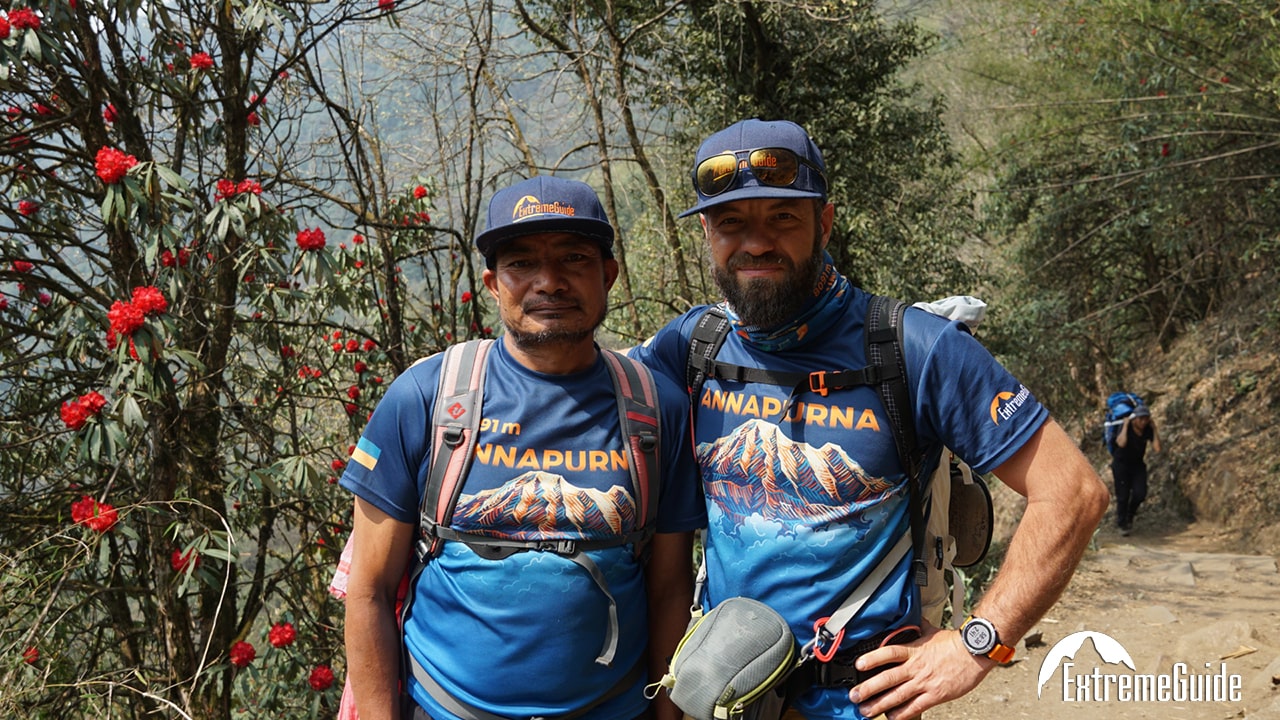
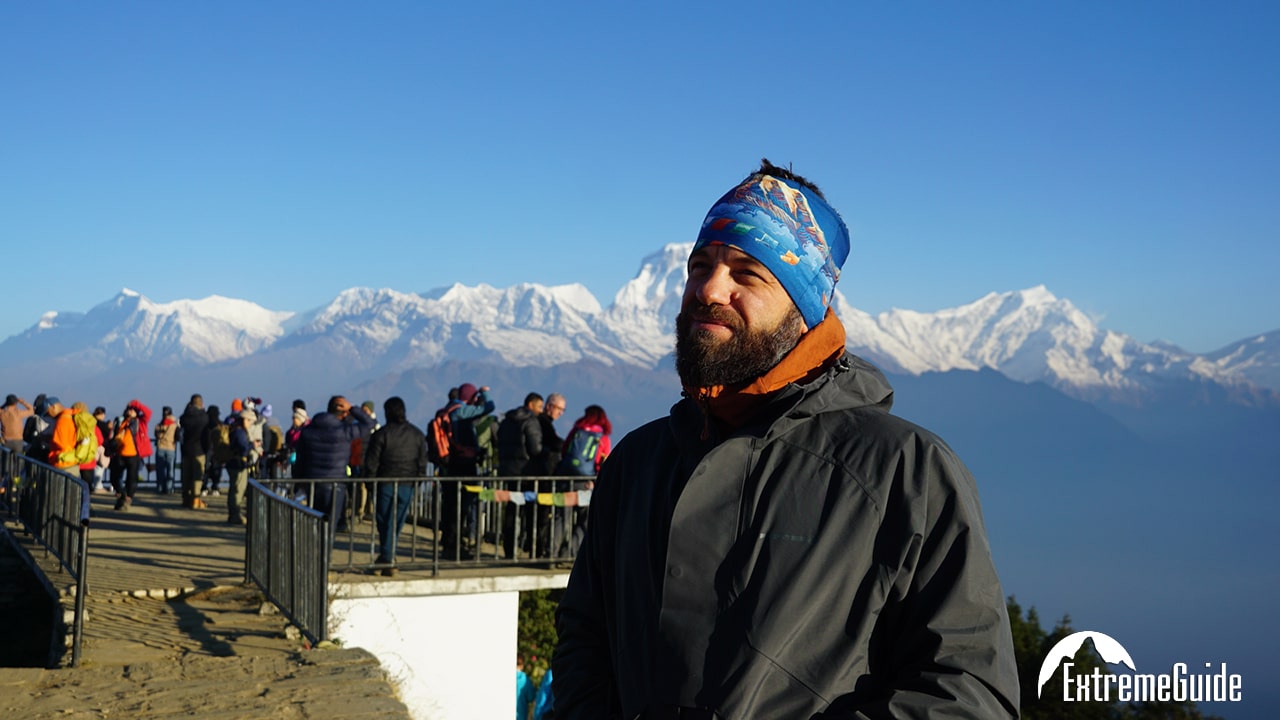
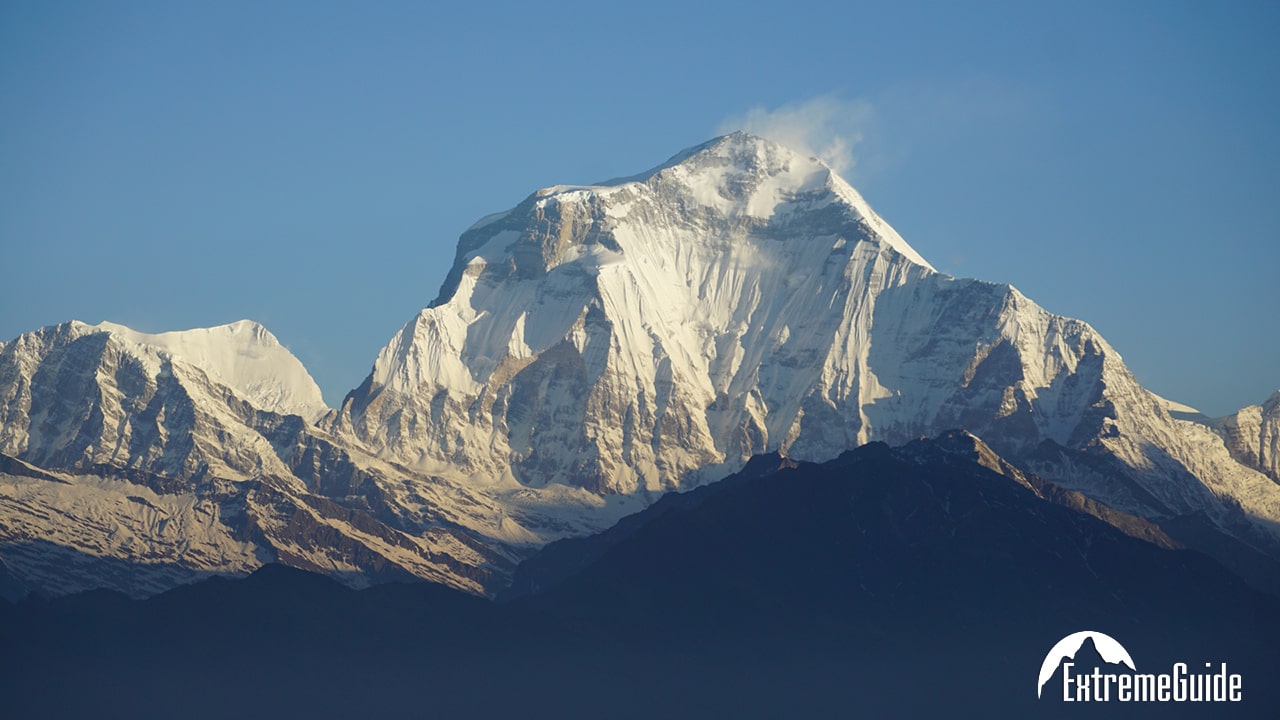
In the forest you can sometimes meet wild monkeys, deer, rare birds and butterflies. Here we will climb to the top of Deulari Hill (2010 m), from which South Annapurna and Khinchuli open up. We will also climb Poon Hill (3200 m), from which we will see a panorama of the entire Annapurna range and the eight-thousander Dhaulagiri – one of the most beautiful panoramas in the Himalayas. Our path will lie through rhododendron forests, blooming from February to October.
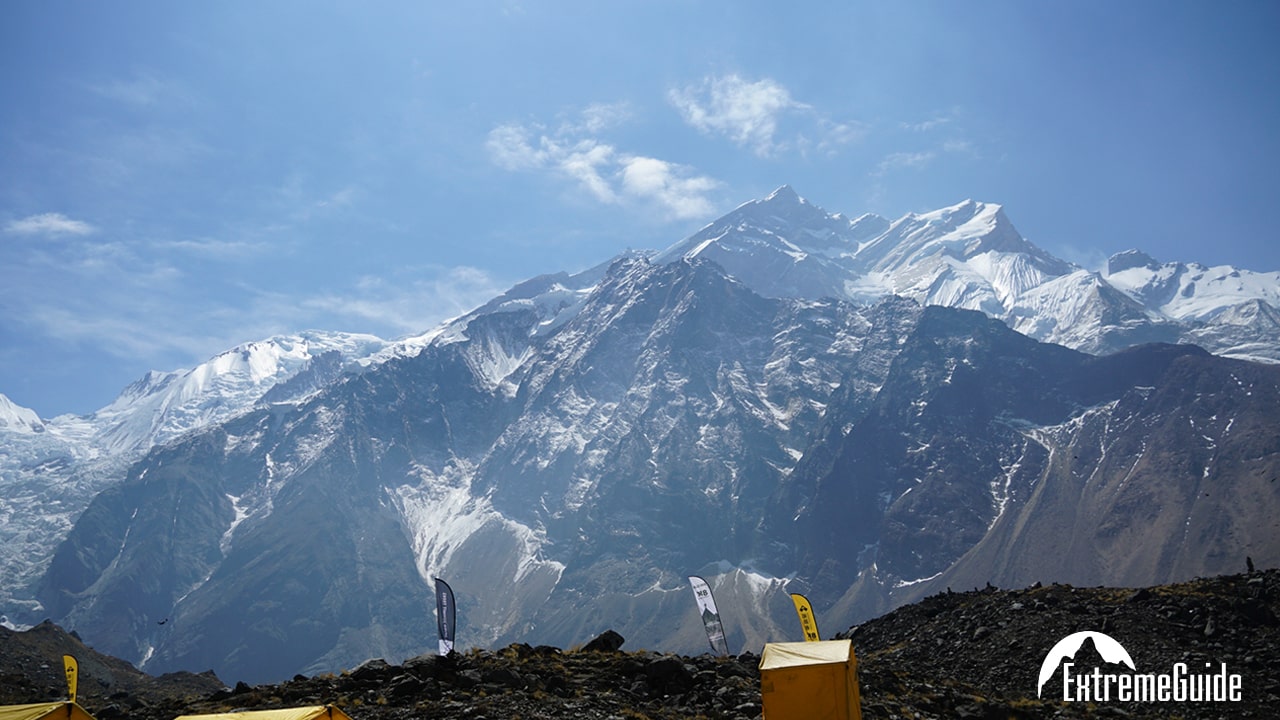
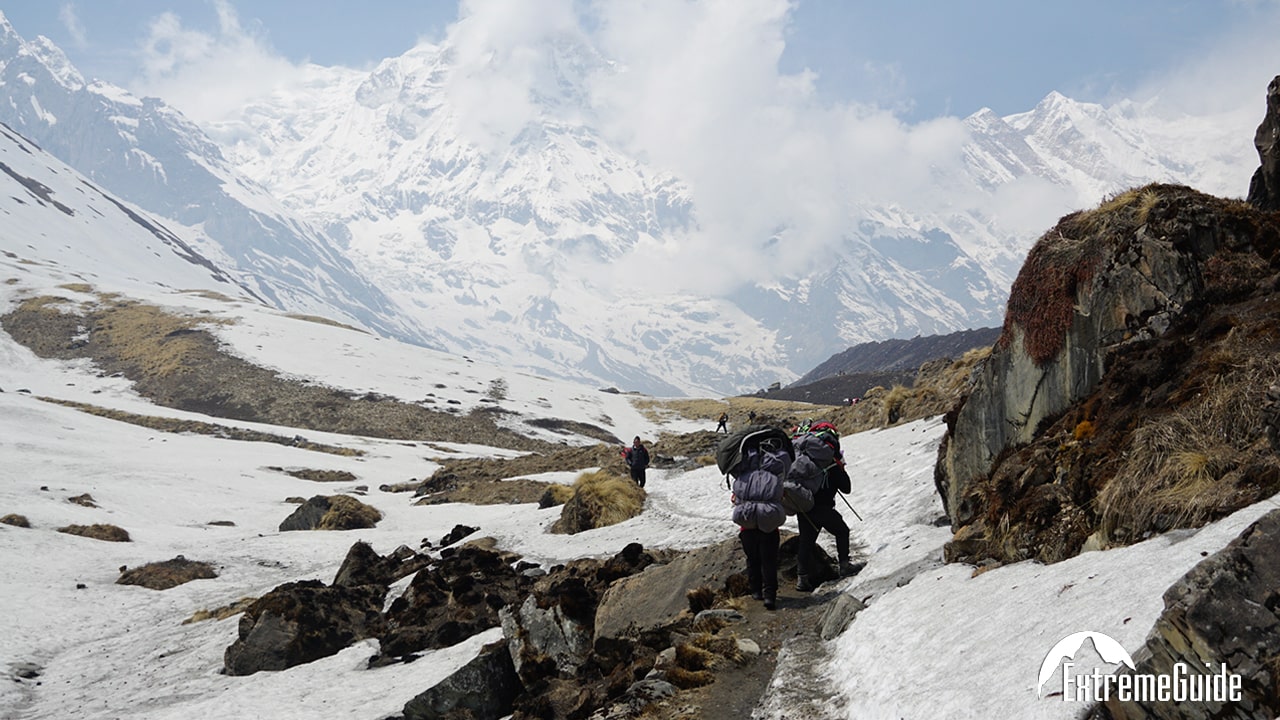
And from the territory of the base camp Machhapuchhre the panorama is stunning in its beauty. The mountains will open up before us: Khunchuli, Annapurna I (8091 m), Annapurna III (7555 m), Gangapurna (7454 m) and Machhapuchhre (6997 m). We will pass through 6 climatic zones from hot humid jungle to the glacier zone. Our route will pass through alpine meadows and forests at an altitude of 1.5 to 4 thousand meters.
This trekking is one of the most accessible, as it does not require special training, previous hiking experience and special mountain equipment. If this is your first experience in the mountains, then feel free to go on this trek! In addition, this is the easiest and most accessible trek in terms of logistics, as all transfers are on asphalt roads.
All overnight stays are in lodges, and your backpack can be carried by porters!
We conduct this tour annually, as well as the Everest trek, Annapurna trek, Island Peak ascent, Mera Peak, trekking around Dhaulagiri. All groups have successfully completed their programs. More than 200 people have already visited Nepal with us.
What is the fundamental difference between our program and other companies?
- Many years of experience – we have been leading treks in Nepal since 2011.
- The trek program includes not only the walking part in the mountains, but also excursions, the opportunity to fly a paraglider after the trek, and a boat trip on Lake Phewa.
- Cost is probably the most important criterion for choosing. We tried to include almost all the main expenses in the cost, except for food on the track and in the cities, and the porter service. You have the right to choose whether to go with a porter or not, if you wish, the total weight of your things in a backpack in the mountains can reach no more than 5-7 kg, which is quite normal for moving along the track without a porter.
- Service – for the indicated amount you get not only a tour and a route, but also an experienced guide from Nepal + a Russian guide from our team, nice bonuses, the best hotels and lodges on the track, as well as transportation everywhere by chartered vehicle.
Главные впечатления от похода по Фанским горам:
Trekking route to Annapurna:
Kathmandu – Pokhara – Nayapul – Ulleri – Ghorepani – Poon Hill – Tadapani – Chomrong – Bambu – Deorali – Machapuchare Base Camp – Annapurna Base Camp – Deorali – Chomrong – Jhinu Danda Springs – Nayapul – Pokhara – Chitwan – Kathmandu
Trekking route to Annapurna by days
day
Transfer to the hotel. After a short rest – a walk through the tourist area of Thamel, which will immerse you in an indescribable atmosphere. Shops with many exotic souvenirs, local color and architecture, and all this seasoned with the smell of incense.
Perhaps we will have time to visit Swayambhunath – the “monkey temple”, which is located on a hill with a good panorama of the city. Night at the hotel.
day
Departure to the resort town of Pokhara (820 m, about 6 hours), surrounded by the snowy peaks of the Annapurna massif. A busy day. On the way from Kathmandu we will go rafting on the Trisuli River.
The city of Pokhara is located on Lake Phewa at the foot of Mount Machapuchare (Fish Tail), the snowy peak of which is reflected in the calm mirror surface of the lake. Boat trip on Lake Phewa, visit to the island temple of Barahi.
Overnight at the hotel. You can leave unnecessary city things in the storage room at the hotel.
day
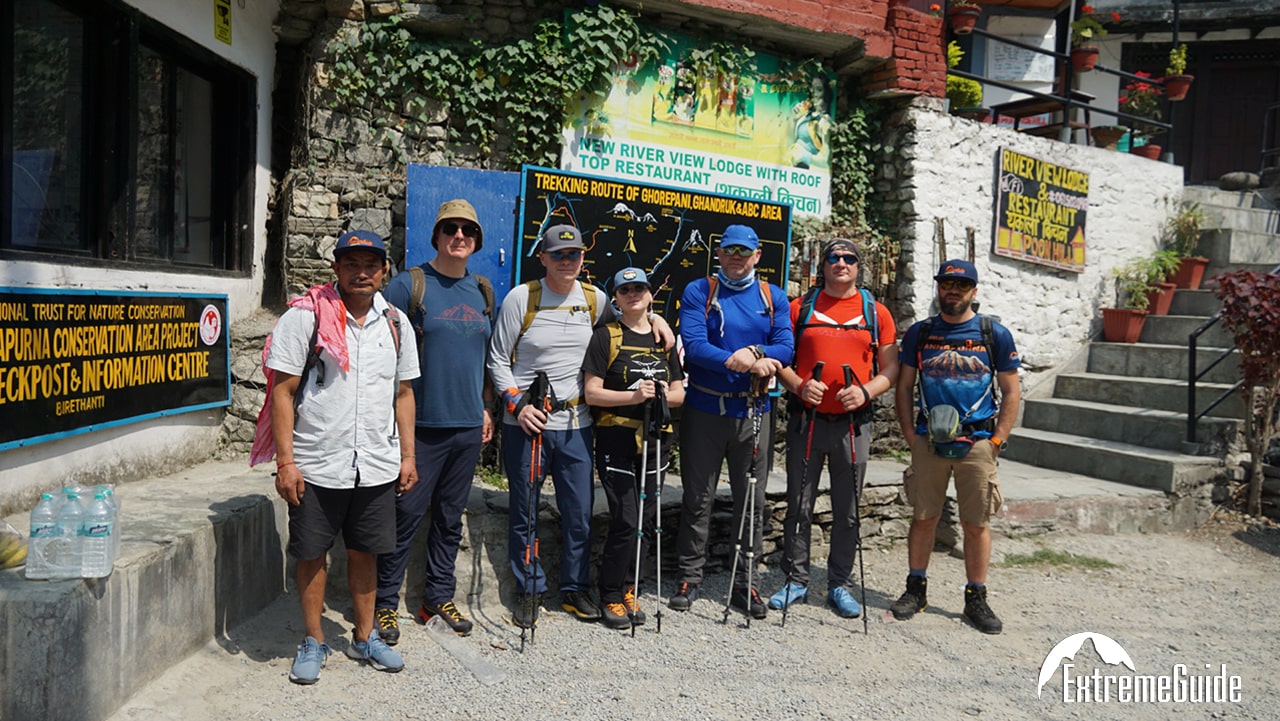
The beginning of the trek, Nayapul – Ulleri. At the beginning, we will go by a chartered bus to the village of Nayapul, then we will climb to the 2000 m mark to the village of Ulleri. From this place, an unusually beautiful view of Mount Khinchuli (6441 m) and Mount South Annapurna (7219 m) opens up. Overnight in the lodge.
day
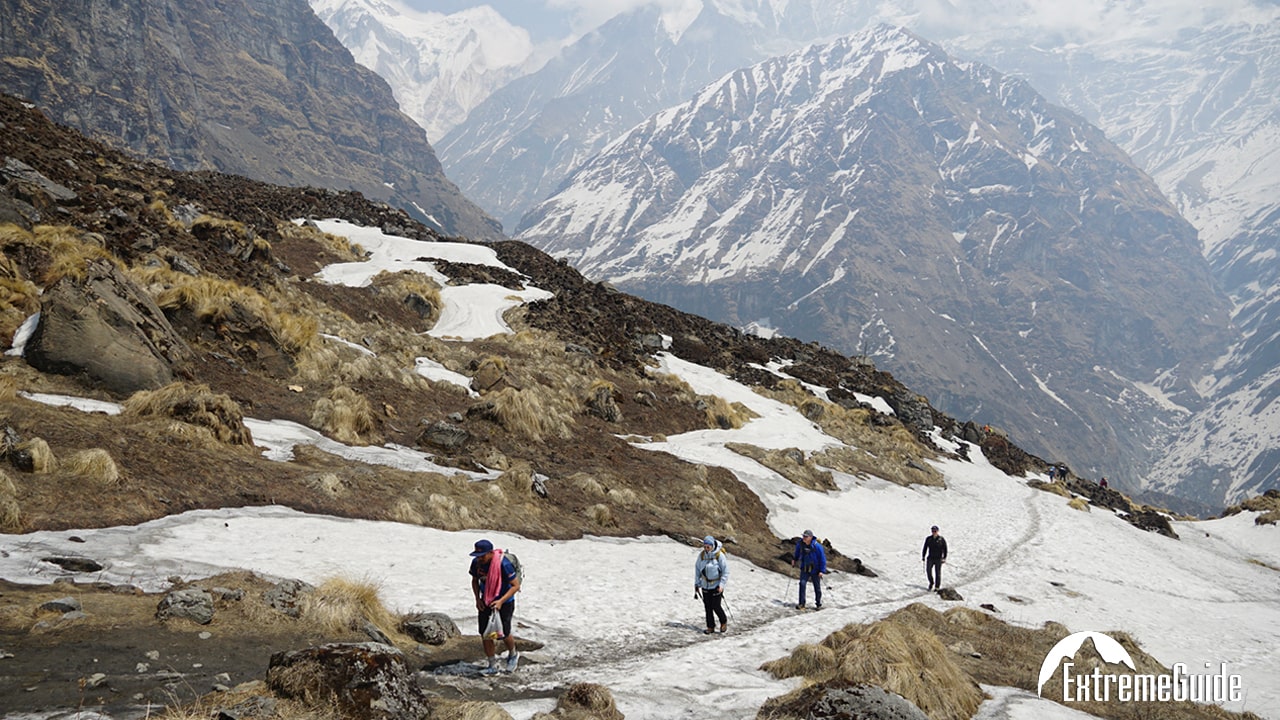
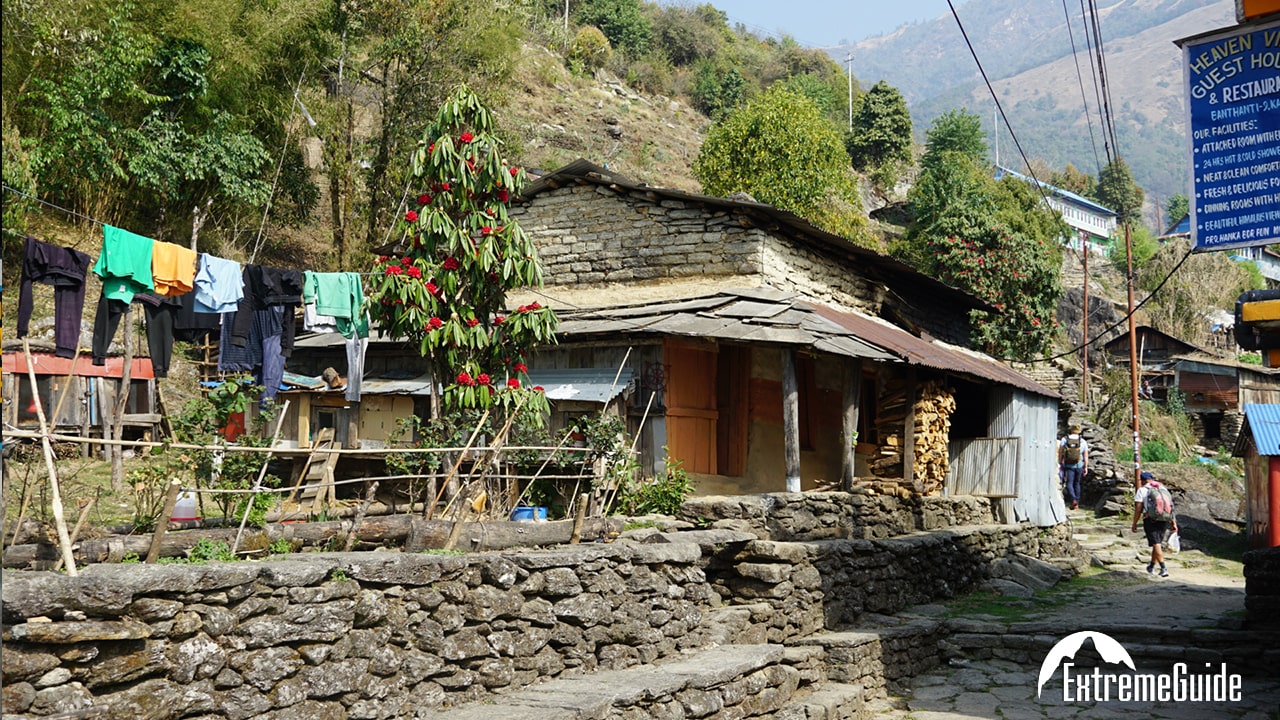
The trail passes through a high-mountain tropical forest: rhododendrons covered with clusters of bearded lichen, flocks of langur monkeys, numerous waterfalls – truly exotic.
On the same day we will climb to the top of Poon Hill (3200 m), from where a beautiful view of one of the highest mountains of Nepal – Dhaulagiri opens up. Overnight in the lodge.
day
The trail goes through a picturesque, cool gorge. Along the way, we will see Mount Machapuchare (6993 m), which is famous for its fishtail-shaped peak. Nepalese consider this mountain sacred, so climbing it is prohibited. Overnight in a lodge by the river near a beautiful waterfall.
day
Today we expect significant elevation changes. A long descent, and then a long climb. The trail passes through lodges and mountain villages. We will have wonderful views of South Annapurna and the six-thousander Khinchuli, as well as Machapuchare. Overnight in the lodge of the village of Sinuva.
day
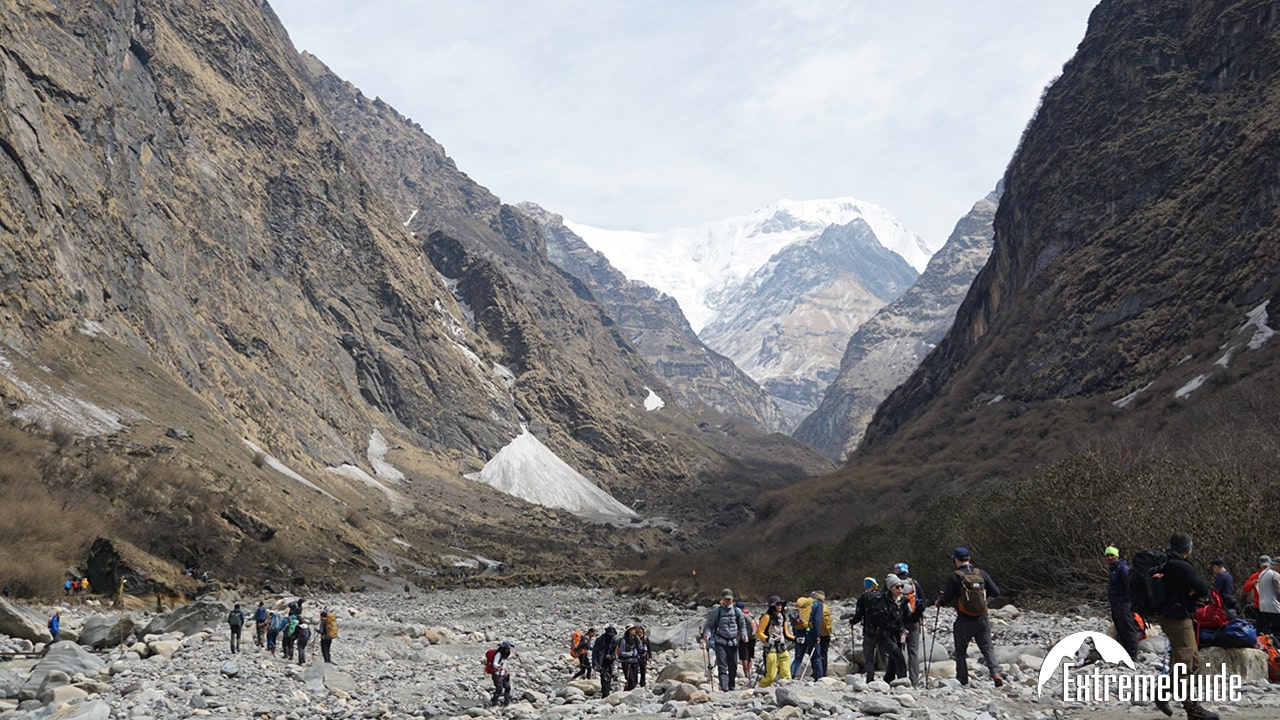
The trail will pass through moraines and mudflows and will lead to the hotel “Himalayas” (2680 m). The winding trail will lead us to the village of Deurali. Night in a mountain shelter.
day
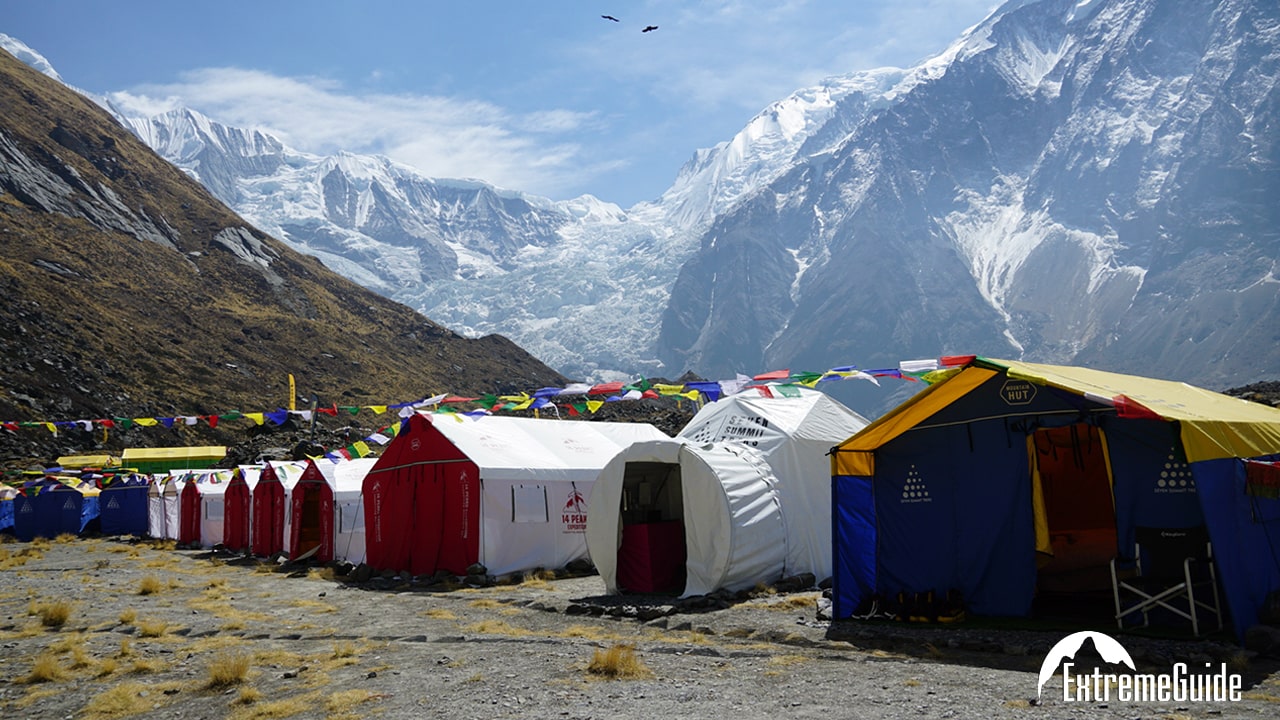
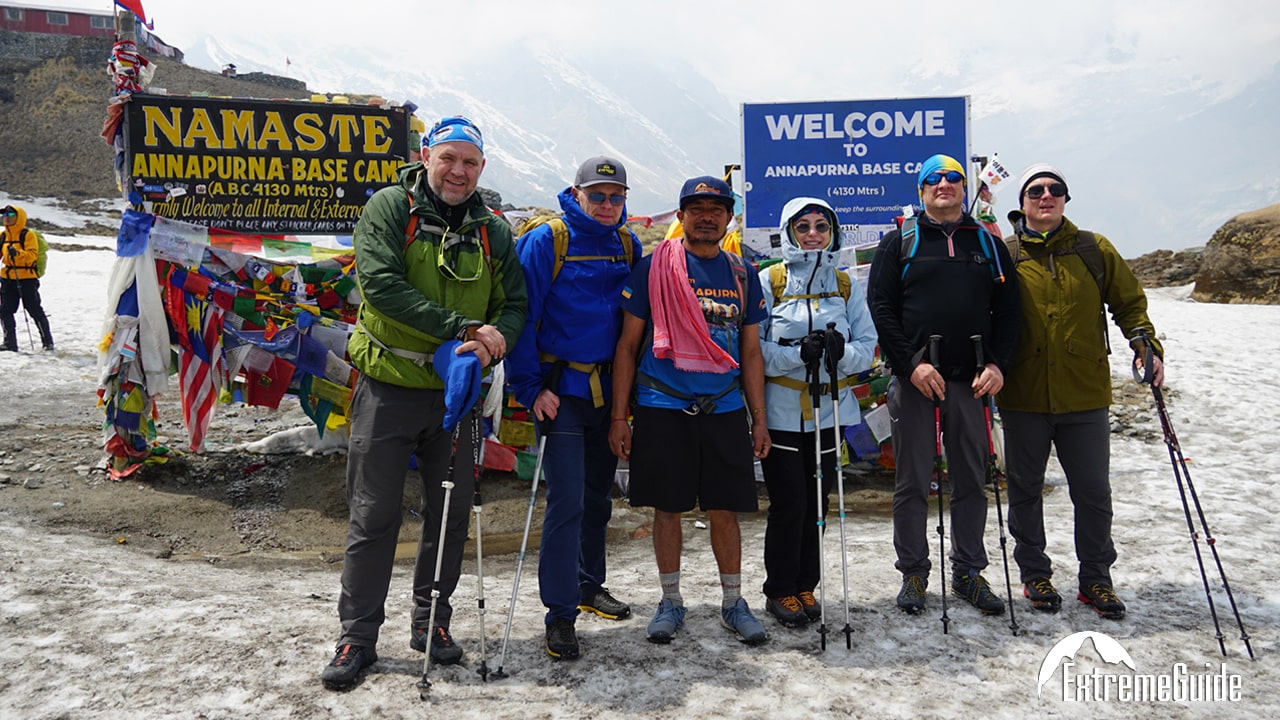
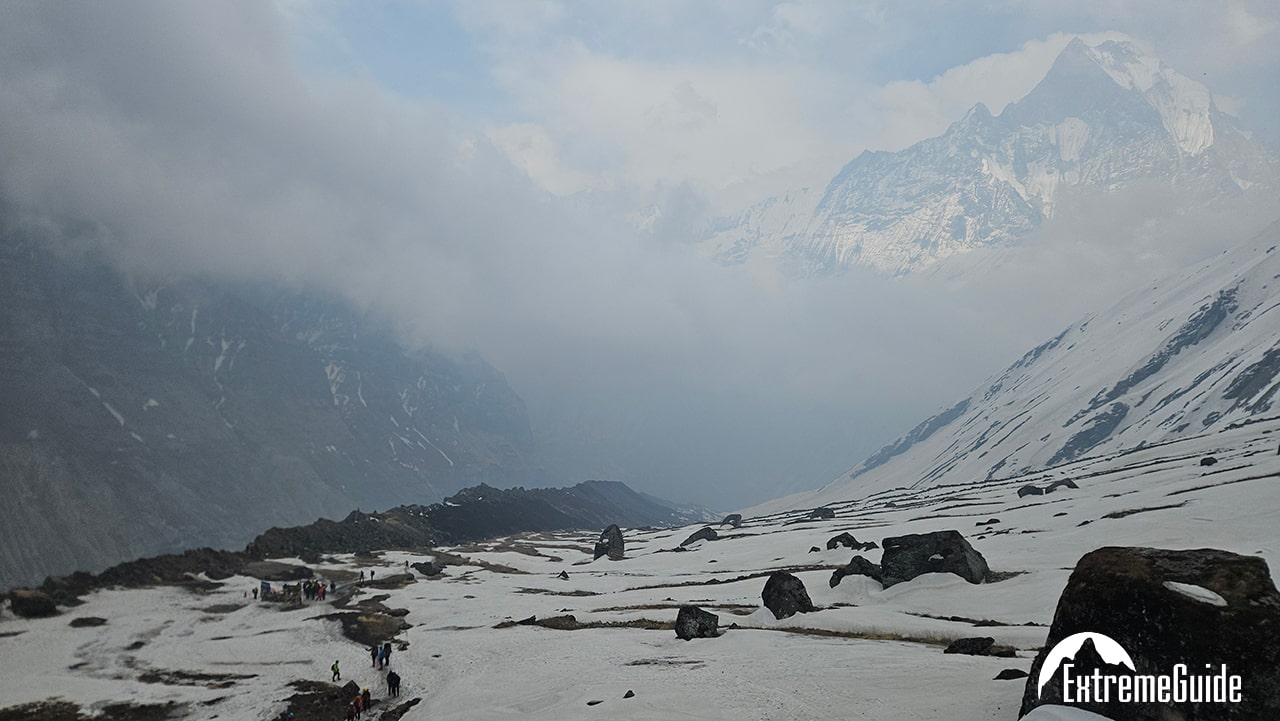
Trek to Annapurna Base Camp. Lunch and walk around the area. The panorama is stunning in its beauty, in front of us: Khunchuli, Annapurna I (8091 m), Annapurna III (7555 m), Gangapurna (7454 m) and Machapuchare (6997 m). Night in a mountain shelter.
day
The road goes past shepherds’ huts to the hotels on the hill. Night in a mountain hut.
day
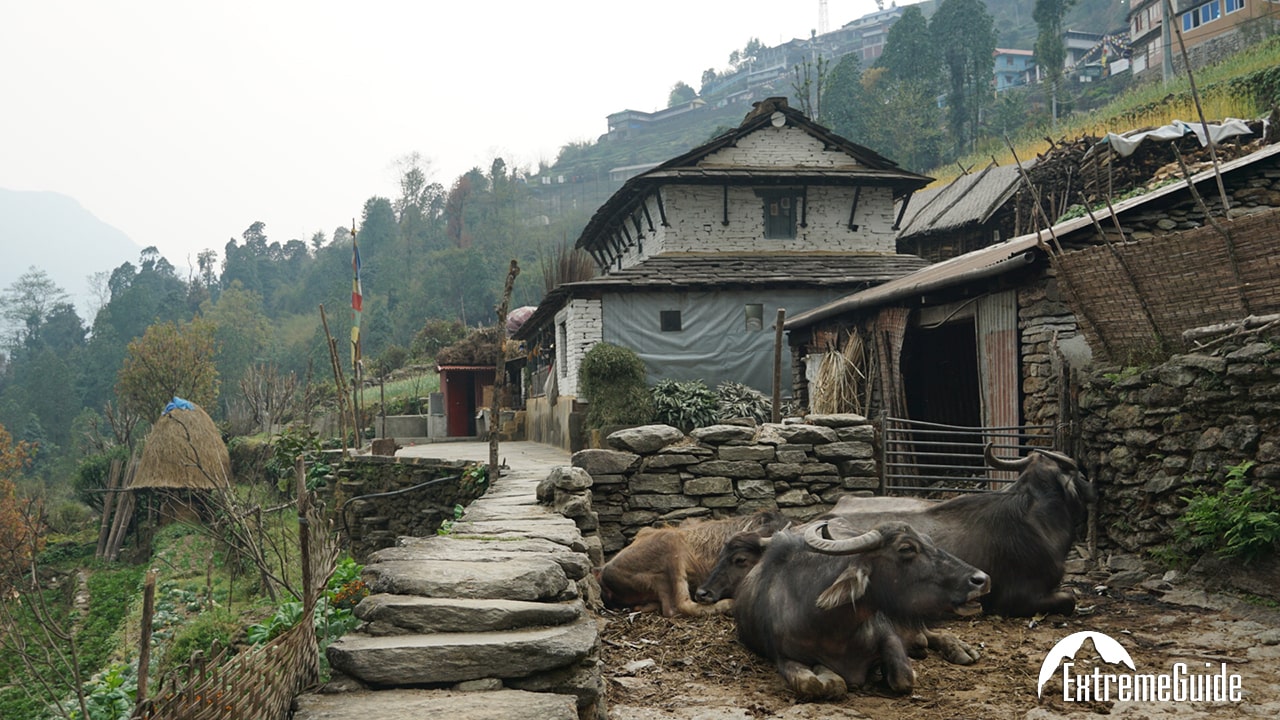
Bathing in the hot springs of Jinudanda. Then a leisurely descent along the river awaits us. We will pass rice and banana plantations, Gurung villages, bamboo forests and Hindu temples.
Return to Nayapul and then to Pokhara. Overnight at the hotel. In the evening, walk around the local shops in search of authentic souvenirs.
day
In the morning you have a unique opportunity to fly a paraglider along the Himalayan mountains. The pleasure lasts 30 minutes and is worth the money spent (about 85-90 USD).
We will also visit the famous mountaineering museum in Pokhara, where there is not only an exhibition about the history of climbing Everest and other Himalayan peaks, but also a lot of interesting information about the peoples of Nepal, the nature of the mountains and other information. Transfer along the familiar road to Kathmandu. Arrival at the hotel late in the evening.
day
Check in at a hotel on the river bank. After lunch, an excursion to the elephant orphanage. In the evening, after dinner, we will be able to watch a concert with dances and songs performed by the local Tharu tribe.
Those who plan their trip for only 13 days will be transferred to Kathmandu on this day. Free time upon arrival. Overnight at the hotel.
day
Chitwan National Park, the “heart of the jungle”, is located on the territory of former royal hunting grounds. The Park has preserved in natural conditions unique flora and fauna, typical of ancient Asia. We will go canoeing down the river, after which we will return to the hotel on foot along a picturesque trail.
After lunch – bathing in the river with elephants, a walk through the jungle on the back of an elephant. Dinner. Overnight at the hotel.
End of the program only “Trekking to Annapurna” – 13 days. Flight home.
day
Check in at the hotel, then walk to Durbar Square. Dinner at the restaurant. Overnight at the hotel.
day
Today we will have a big circle around the Kathmandu Valley. First, a tour of the city of Patan, then a transfer to the north of Kathmandu to the Buddhist monastery of Kopan, which is open to tourists and where you can see how monks live.
Visit to Pashupatinath Temple, Boudhanath Buddhist Stupa and Swayambhunath (Monkey Temple).
Free time, shopping for souvenirs. Transfer to the airport and departure from Kathmandu. Book an evening flight no earlier than 19:00.
Note:
The program is not final and may be adjusted depending on the weather, the condition of the participants and other factors.
Elevation difference on the track:

Why is it profitable to go hiking with Extremeguide?


Costand conditions of trekking to Annapurna
Is this trip right for you?
This track does not require special training and is within the power of any average office worker. We recommend that you start training no later than two months before the start of the track: running, swimming, cycling. The total anaerobic load should be at least 1 hour 30 minutes (running on rough terrain at least 8-10 km), then you are guaranteed not to have health problems on the track. For more information about training, see our Youtube video channel. In case of chronic diseases, we recommend consulting a doctor.
Included in the price:
13 days:
- Russian-speaking guide of the ExtremeGuide project (only on the 13-day trekking program, without rafting and the Chitwan jungle);
- accommodation in a 4* hotel in Kathmandu and 3* Pokhara (3 nights);
- accommodation in comfortable lodges during trekking, 2-bed accommodation;
- all transfers around Nepal by minibus / bus / taxi;
- permits to visit the trekking area;
- certificate of completion of the trek;
- photo and video filming throughout the trip;
- group first aid kit with the guide.
15 days:
- Russian-speaking guide of the ExtremeGuide project;
- accommodation in a 4**** hotel in Kathmandu and Pokhara (5 nights);
- accommodation in lodges during trekking;
- all transfers around Nepal by minibus / bus / taxi;
- permits to visit the trekking area;
- 3-day safari in the Chitwan National Park;
- group first aid kit from the guide;
- accident and medical insurance;
- airport taxes: within the country;
- entrance fees to excursion sites in the valley;
- Kathmandu / Patan according to the program;
- certificate of completion of the trek;
- a memorable video and a selection of beautiful processed
- photos about the trek;
- group first aid kit from the guide.
The price does not include:
13 days:
(excluding airfare and equipment rental 400 – 500 USD):
- Flight to Kathmandu – from $800,
- Nepalese visa $30;
- Rafting on the Trisuli River;
- 3-day safari in the Chitwan National Park;
- Airport taxes: within the country $5;
- Non-emergency and medical insurance;
- Meals on the trek and in the cities ($15-25 per day) – up to $300 for the entire program;
- Porter services ($80 for the entire program);
- Entrance fees to excursion sites in the Kathmandu Valley according to the program and excursion services ($40);
- Drinks, alcohol, bottled water on the trek;
- Tips to the guide (optional, but he will be glad to have them);
- Other expenses not specified in the program.
15 days:
(excluding airfare and equipment rental 300 – 400 USD):
- flight to Kathmandu – from $800,
- Nepalese visa $30;
- porter services (1 per 2 people or 20 kg of cargo) – $20 per day;
- meals on the trek and in the cities ($25-30 per day);
- drinks, bottled water on the trek;
- tips to the guide (optional);
- other expenses not specified in the program.
Cost depending on the number of participants
| Number of participants | Cost per 1 participant | Cost per 1 participant |
|---|---|---|
| 13 days | 15 days | |
| 8 | 1000 USD | 1400 USD |
| 7 | 1050 USD | 1500 USD |
| 6 | 1100 USD | 1600 USD |
| 5 | 1200 USD | 1900 USD |
| 4 | 1500 USD | 2100 USD |
| 3 | 1700 USD | 2300 USD |
| 2 | 2000 USD | 2600 USD |

Best price guarantee!
- We have included in the price all possible basic expenses for the program and guarantee that there are no hidden additional costs, while we have retained the best service at a low price: transfers, hotel accommodation, guides and staff!
We have a flexible discount system
Find out the details right now:
Necessary equipment
Basics:
- Backpack 20-30 l. (More about choosing a backpack);
- a 40-50 liter backpack that will be carried by porters (porters are optional. There is no need to carry public equipment and food);
- Sleeping bag (comfort — 0°С — despite the fact that we will be spending the night in houses, it is not worth taking a summer sleeping bag, because the temperature can often drop below zero at altitude) (More about choosing a sleeping bag);
Shoes and clothes:
- Trekking boots (it is important that the shoes are comfortable and worn in. Usually, shoes are chosen with a thick toe and 1.5 – 2 sizes larger than the foot size) (More about choosing clothes and boots);
- Changeable shoes (sneakers or sandals);
- Down jacket or warm jacket;
- Warm hat;
- Buff or scarf;
- Running pants (Gore-tex, cotton or synthetic);
- Running jacket (Gore-tex, cotton or synthetic);
- Rain cape (if your walking clothes get wet);
- Thermal underwear set (in the absence of thermal underwear, underpants and a jacket);
- Warm jacket (polar, fleece, or in extreme cases a sweater);
- Socks 3-4 pairs (“thermal socks” or other thick ones);
- Socks for overnight stays (preferably wool or fleece);
- Warm gloves;
- T-shirt;
- Change of underwear;
- Sun hat;
- Clothes for the city.
The rest:
- Headlamp + spare set of batteries;
- Mug, spoon, bowl, knife (all this should be as light as possible – made of stainless steel or special plastic; do not take ceramic mugs or enamel dishes);
- Hygiene items (a toothbrush and a small tube of toothpaste, a bar of soap and a little shampoo will be enough; do not take full bottles of shower gel and shampoo, heaps of creams and lotions with you);
- Towel;
- Documents;
- Individual first aid kit (plaster, cold, stomach, head. You also need to take into account specific and chronic diseases, if any. In addition to the individual first aid kit, the instructor has a general);
- Glasses with UV protection (protection category 2-4);
- lip balm chapstick ;
- Sunscreen ointment (with SPF 30-50);
- Water bottle ( 1-2 l.)
We won’t need a sleeping pad or a tent, since all the nights will be spent in the loggias.
- Thermos (0.5 – 1.0 liters);
- Camera;
- Seating pad;
- Trekking poles.
Additional information
Shower on the track is paid – 3-5 $, charging the device to a “full battery” – 1-3 $. Therefore, it is worth including these costs in the estimate.
Bottled water is 1-3 USD, but there is an alternative – tap water, which comes from clean mountain streams.
We will walk slowly, enjoying the views and taking pictures. Usually, we leave the overnight stay at 9 am and arrive at the final destination at 3:00 pm – 4:00 pm. During this period, it is already dark somewhere around 6:00 pm – 6:30 pm.
- visa is issued at the airport upon arrival and does not require additional;
- international passport;
- emergency and medical insurance (insurance with coverage of at least 30,000 USD and insures risks associated with active stay in the mountains).
Be sure to check out more details here!
Meeting of the group at Kathmandu airport. The time will be specified when we already know your exact arrival time.
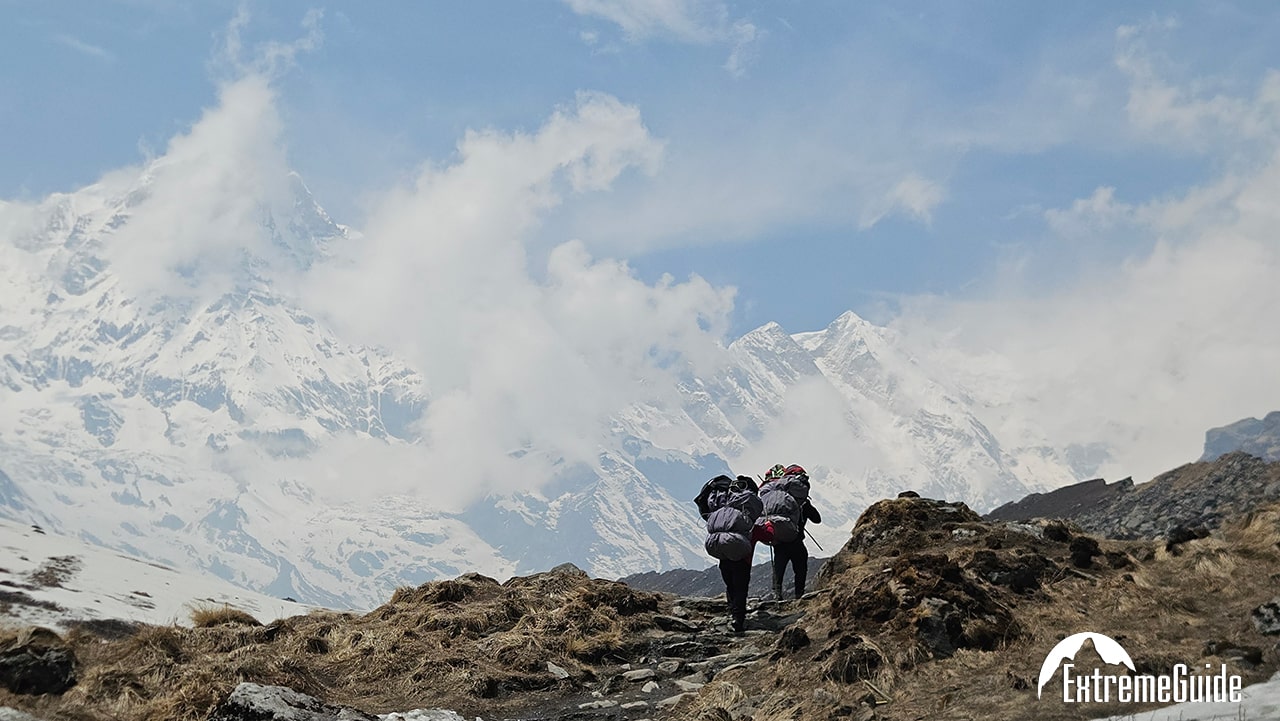
An important feature of trekking in Nepal is that you have the opportunity to give most of the load on the track to a porter, and thus make both you and the Nepalese happy, whom you will help earn $ 15-20. Although you can refuse this service. The average weight of a porter’s backpack is 25 kg. And we will live and eat in the lodges.
In Kathmandu we live in a comfortable hotel ***, where we can store city and unnecessary things.
Therefore, we take the most necessary things on the trek: walking clothes. It is necessary to take into account that it will be very warm down there for the first 2-3 days, and the usual outfit is shorts, a T-shirt and a Panama hat, a scarf around the neck. It is cooler up there, so you need trekking pants, a windbreaker jacket. It is better to leave the hair dryer, hair curler and portable toaster at home.
Since we will spend the night in the loggias, we need a sleeping bag for a comfort temperature of 0 … – 5 C. Having a lighter sleeping bag is not a problem, since you can always ask for a warm blanket and cover yourself with it from above. Also for overnight stays and long evenings in the upper loggias, you must have thermal underwear, a set of fleece sweater and pants + a warm jacket or down sweater, a hat and glove, glasses (in general, everything on the list); for the shower, have separate flip-flops / slippers and a towel. A 25-35 liter backpack in which you will put a thermos or water, valuables, a jacket and warmth, and other things needed during the day, and which you will carry yourself.
A loggia is a guest house where 2-3 people are accommodated in a room, with a shower and toilet on the floor and a dining room downstairs. The conditions are an order of magnitude worse than in a regular hotel, but still better than in a tent. For a comfortable overnight stay, we recommend taking a sleeping bag (since it can be quite cool at night and the blanket in the room does not warm you much). In the upper villages, there may also be no light or a stationary shower (you can only wash yourself from a bucket of hot water). The rooms in the huts are the simplest with two or three beds.
We will eat in the loggias, where you can order food from the menu. The price of a plate of rice + salad is 7-8$. The average bill for food per day is 15-20$ – breakfast, lunch and dinner. Be prepared for the fact that the cuisine is based on rice and noodles from rice and oatmeal for breakfast. Bread is very expensive. Chocolate and cookies cost 3-4 USD. In addition, it is better to forget about meat dishes in the upper loggias for a while.
You can take some products with you that you won’t have on the trek: sausage, canned goods, chocolate, dried fruits, a portable burner, and heat up tea and sandwiches during the rest stops. But keep in mind that cooking your own food in the lodges is not allowed, the Sherpa owners are against people eating outside their dining room (that’s how their business is built), they charge a small fee for housing, and build their main profit on selling food. In any case, it makes sense to take a burner and a small pot to boil tea for yourself in unlimited quantities.
Local children love sweets and willingly allow themselves to be photographed in exchange for candy or chocolate.
Meals in Kathmandu in a restaurant per day cost the same 25-30 USD, in colorful establishments for locals – 15-20 USD.
Please note that the total weight you can give to the porter is 10 kg per person. Your small backpack will weigh up to 5-7 kg.
Guides will have a first aid kit for emergency medicine, but they must have personal medications for chronic and individual illnesses, adhesive plasters, headache pills, cold and painkillers, and vitamin C and group B for better adaptation in the mountains.
Connection on the track 3G – with a local SIM card only up to Namche Bazaar. Above that, only paid Internet $ 10 per 1 GB.
Absence of diseases incompatible with active tourism: List of diseases
Features of acclimatization in high mountains
Physical and mental preparation before climbing and hiking in the mountains
This route passes at altitudes of up to 4000 m, where solar radiation is several times stronger than on the plain, the mountain climate and thin air affect the body’s condition during the first days of the trek. In case of improper acclimatization and rapid altitude gain, you may develop mountain sickness.
Therefore, we have developed a special acclimatization program and control of the condition of each participant on the route. The track is not technically difficult and goes along a mountain road, but requires good physical preparation and compliance with safety rules in the mountains. All instructions of the guide on the route are mandatory!
The table shows the basic cost for a group and may change depending on the number of people in the group. For the calculation of the cost of the tour for a smaller number of people and individual groups, see the «Price» block for more details.
We guarantee that on the dates indicated in the table, even if there is a minimum number of people allowed in the group, the tour will take place 100% with a minimum change in cost.
Pleasant bonuses, which everyone receives when ordering a tour with us


Photo of previous trips


Reviews of our travelers

Трек к Аннапурне и джунгли Читвана – очень красивая программа. Есть большое желание взойти на Аннапурну. А вот в Катманду тяжеловато находится – много пыли, большой трафик людей и транспорта. В Непал точно стоит ехать. Организация тура на высоте! More

На треке я первый раз, и попробовать этот трек. Увидеть такую красоту нужно однозначно! Было классно, мне понравилось. Работа гидов на высоте. Приезжайте в Непал, тут классно! More

О мероприятии “Трек к базовому лагерю Аннапурны”, ноябрь 2013: Трек прошел отлично, несмотря на плохую погоду в начале. Никаких задержек и нестыковок в дороге не было. Благодаря немного сокращенному времени трека удалось также попасть в Читван. More
Recommended tours
 Nepal (Himalayas)
Dates:
April 18 - May 2
October 25 - November 8
Complexity:
Duration:
Height:

5.0 (8)
Left: 7 places
 Nepal (Himalayas)
Dates:
October 25 - November 11
Complexity:
Duration:
Height:

Left: 6 places
 Nepal (Himalayas)
Dates:
March 21 - April 2
March 21 - April 4
Complexity:
Duration:
Height:
Left: 12 places
 Nepal (Himalayas)
 Dates:
October 18 - November 4
Complexity:
Duration:
Height:
Left: 12 places