
Ararat: Turkey’s Highest Peak and Its Cultural Significance
Mount Ararat is a majestic stratovolcano towering over the eastern part of Turkey. It is not only the highest peak in the country, but also a symbol shrouded in legends, historical events, and cultural traditions of the peoples of the region. Since ancient times, Ararat has been mentioned in texts, depicted on canvases, and remains an object of admiration for travelers.

Numerous myths are associated with Ararat. The mountain is considered to be the place where, according to the Bible, Noah’s Ark came to rest after the Great Flood. In addition, it occupies an important place in the culture of neighboring Armenia, where its image can be found on the country’s coat of arms, in literature and art. However, despite its symbolic significance for Armenians, the mountain is located entirely within the territory of Turkey.
Where is Mount Ararat?
Ararat is located in eastern Turkey, near the borders with Armenia, Iran, and Azerbaijan. It dominates the surrounding landscape, rising above the plains of Igdir Province. Due to its isolated position and height, the mountain is visible for hundreds of kilometers, especially from Armenia, where some of the most picturesque views of the summit open up.
The mountain consists of two main peaks: Greater Ararat (5137 m) and Little Ararat (3896 m). These two peaks are connected by a saddle, which is covered with glaciers and snow. Large ice massifs make the mountain one of the few Turkish mountains where snow cover remains all year round.
Height of Mount Ararat
Mount Ararat is the highest peak in Turkey. Its official height is 5,137 meters above sea level. However, the exact measurements may vary slightly depending on the methods and equipment used.


Interesting facts about the height of Ararat:
- The high altitude and harsh climate make the mountain difficult to climb.
- The mountain is one of the highest stratovolcanoes in Eurasia.
- The summit is covered with eternal snow, despite the fact that in the summer months the temperature on the lower slopes can rise above +30 °C.
Mount Ararat — First Ascents
The first officially documented attempts to climb the mountain date back to the 18th century. However, it is believed that local nomadic peoples may have climbed the mountain long before that.
One of the first successful ascents took place in 1829. It was made by the German scientist and traveler Johann Jacob Friedrich Parrot together with the Armenian writer Khachatur Abovyan. They reached the summit and conducted the first scientific studies of the glaciers.
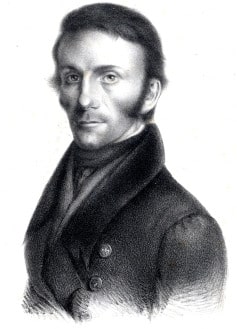
Some other significant ascents:
- In 1845, British military officer Henry Blandford attempted to climb Ararat, but did not reach the summit.
- In 1876, Russian explorer Alexander Voronov made a successful ascent.
- In the 20th century, the route became popular among climbers, especially after the 1950s.
Today, hiking in Turkey includes routes of varying difficulty, but climbing Ararat remains one of the most difficult and requires special permission from the Turkish authorities.
Ararat in the Bible
Mount Ararat is one of the most famous biblical locations. According to legend, in the Book of Genesis, it was on its slopes that Noah’s ark came to rest after the Great Flood. This episode became the basis for many religious interpretations and scientific studies.
Although the exact location of the ark remains unknown, Mount Ararat has attracted explorers for centuries looking for evidence of the biblical story. Some of the more famous expeditions include:
- In the 1950s, US Air Force pilot George Green suggested that the remains of the Ark were on the mountain slopes.
- In the 1970s, geological formations resembling the outline of a ship were found in the Turkish province of Ağrı, which sparked new debate.
- In the 21st century, research using satellite images continues, but no convincing evidence of the existence of the ark on Ararat has yet been found.
However, the mountain remains an important symbol in the Jewish, Christian, and Islamic traditions, and the biblical legend makes it an object of attention for pilgrims and tourists.
Mount Ararat in Art
Due to its grandeur and mythological significance, the mountain has become a popular motif in painting, literature and music. Its image is associated with many works of art created by both Armenian and foreign masters.
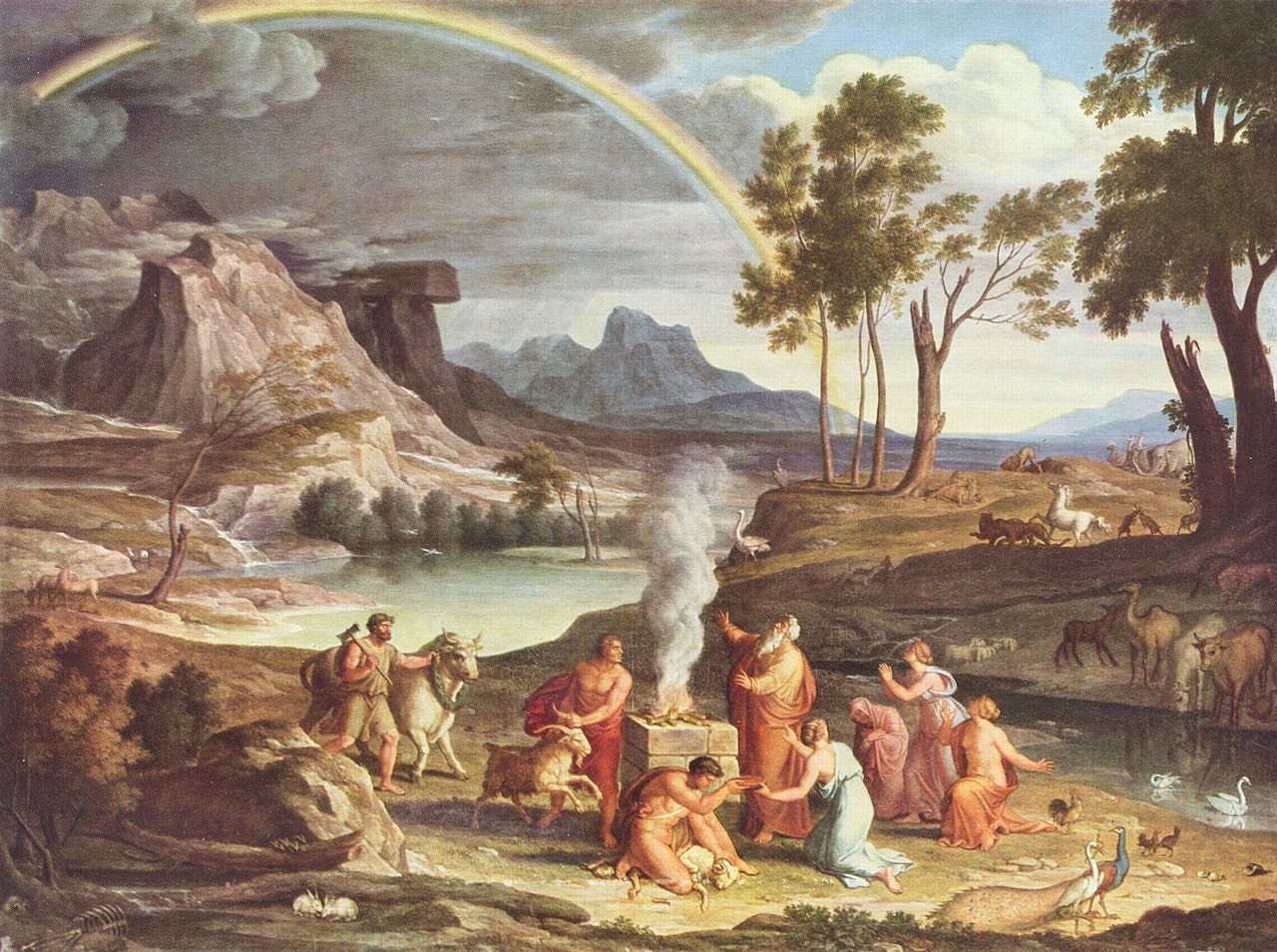
Some examples of the presence of the peak in art:
- In Armenian painting, the mountain is depicted against the backdrop of ancient temples, monasteries and Yerevan.
- Ivan Aivazovsky, a famous Russian artist, created several paintings of Ararat.
- In poetry and literature, the mountain is found in the works of Osip Mandelstam, Gevorg Emin and other authors.
- In music, Armenian composers created works inspired by the grandeur of the mountain.
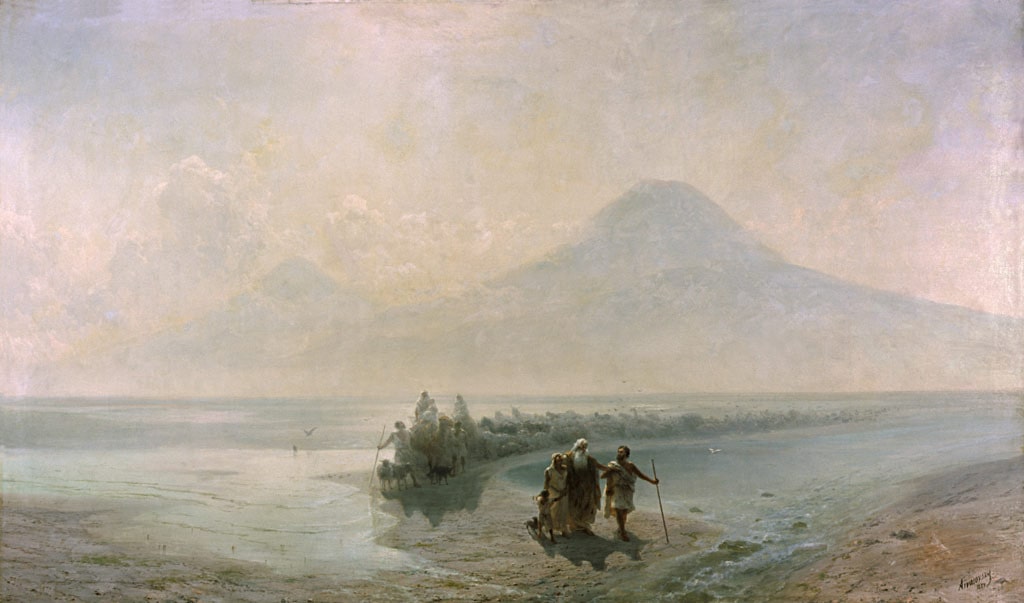
Mount Ararat remains not just a geographical object, but a powerful symbol that has inspired people for centuries. Its image continues to live in the culture of different peoples, linking the past and the present.
Ararat and other tours in Turkey
 Turkey
Dates:
June 14 – June 20
June 21 – June 27
June 28 – July 4
July 5 – July 11
July 12 – July 18
July 19 – July 25
July 26 – August 1
August 2 – August 8
August 9 – August 15
August 16 – August 22
August 23 – August 29
August 30 – September 5
September 6 – September 12
September 13 – September 19
Complexity:
Duration:
Height:

5.0 (1)
Left: 10 places
 Turkey
 Dates:
May 2 – May 9
September 28 – October 5
Complexity:
Duration:
Height:

Left: 4 places
 Turkey
Dates:
May 3 – May 12
October 25 – November 3
Complexity:
Duration:

4.9 (27)
Left: 12 places
 Turkey
 Dates:
March 7 – March 15
October 25 – November 2
Complexity:
Duration:

5.0 (8)
Left: 8 places