
Kathmandu — The Capital of Nepal, Where the Himalayas Begin Long Before You See Them
Kathmandu doesn’t try to be convenient. It moves to its own rhythm: the scent of incense drifting from morning temples, the constant hum of motorcycles, vendors calling out in Asan Market, and flocks of pigeons circling above centuries-old squares. The capital sits in a broad valley at an altitude of around 1,300–1,400 meters. Although the Himalayas aren’t visible from the city itself, their presence is everywhere—in the prayers, the prayer flags, and the people preparing for treks into the mountains.

Kathmandu feels different depending on where your first day takes you. Sometimes it welcomes you with the lively streets of Thamel, where travelers from around the world shop for trekking gear and the energy never fades. Other times, it’s the quiet of Boudhanath at sunrise, where monks walk clockwise around the stupa and the air carries the fragrance of butter lamps and sandalwood. This city doesn’t try to impress anyone—it simply exists. You either find yourself moving with its rhythm or resisting it.
Kathmandu as the Cultural Heart of the Himalayas
The old city is a maze of narrow streets where buildings stand so close together they seem to lean on one another. Intricately carved wooden windows, small shrines on nearly every corner, and locals pausing for a brief prayer before continuing on their way are all part of everyday life.
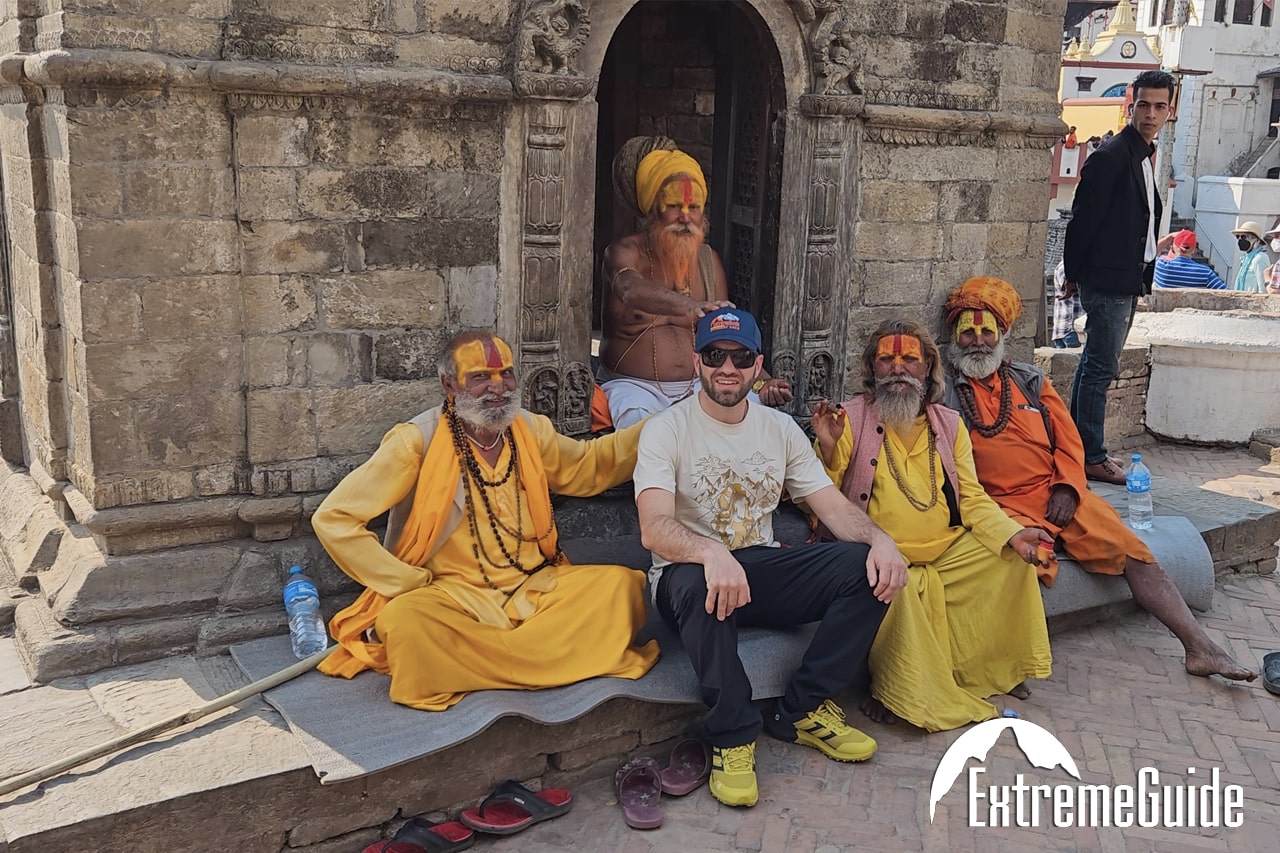
Durbar Square preserves the legacy of royal dynasties, devastating earthquakes, and remarkable restoration efforts. Swayambhunath rises above the valley, offering sweeping views of the entire city. Boudhanath is the heart of Kathmandu’s Tibetan community, where life unfolds at a slower pace than elsewhere in the capital. Pashupatinath is a place where sacred rituals are not hidden away—they are lived openly.
Here, traditions aren’t preserved for tourists—they remain an essential part of everyday life.

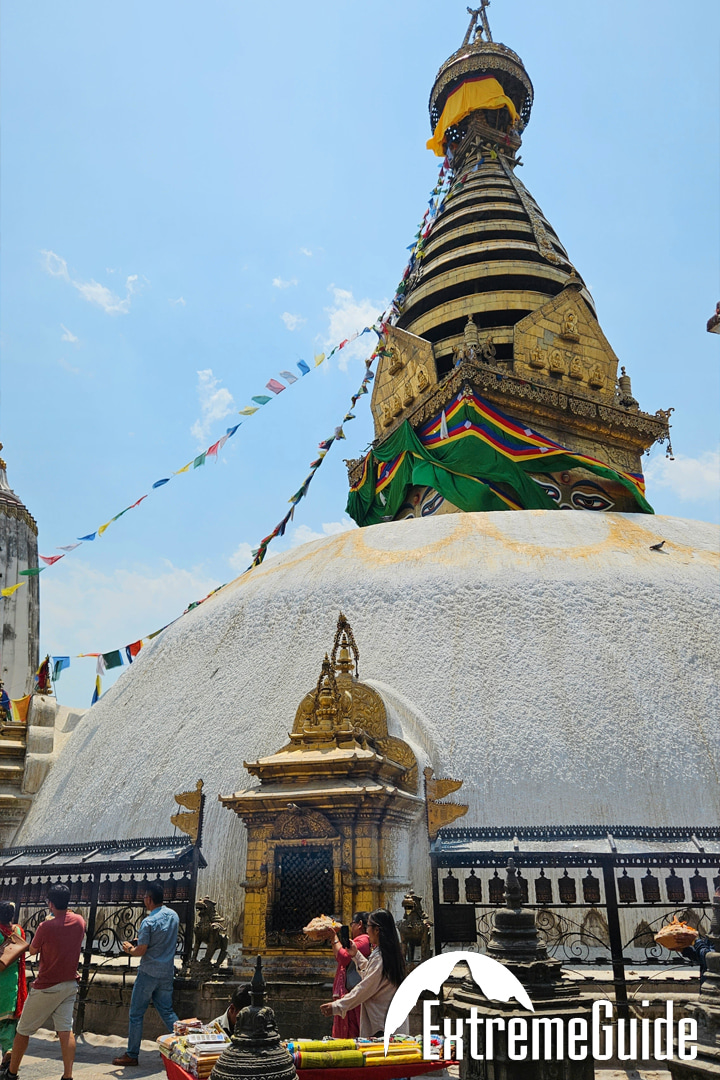

The Gateway to Everest
For climbers and trekkers, Kathmandu is both the beginning and the end of the journey. It’s where you meet your guides, check your equipment, and take care of the final logistics.
Most Everest expeditions begin in the capital. Hotels in Thamel host expedition briefings, cafés buzz with conversations about weather conditions in the Khumbu region, and each morning small aircraft depart from Tribhuvan International Airport for Lukla—the gateway to Everest Base Camp.
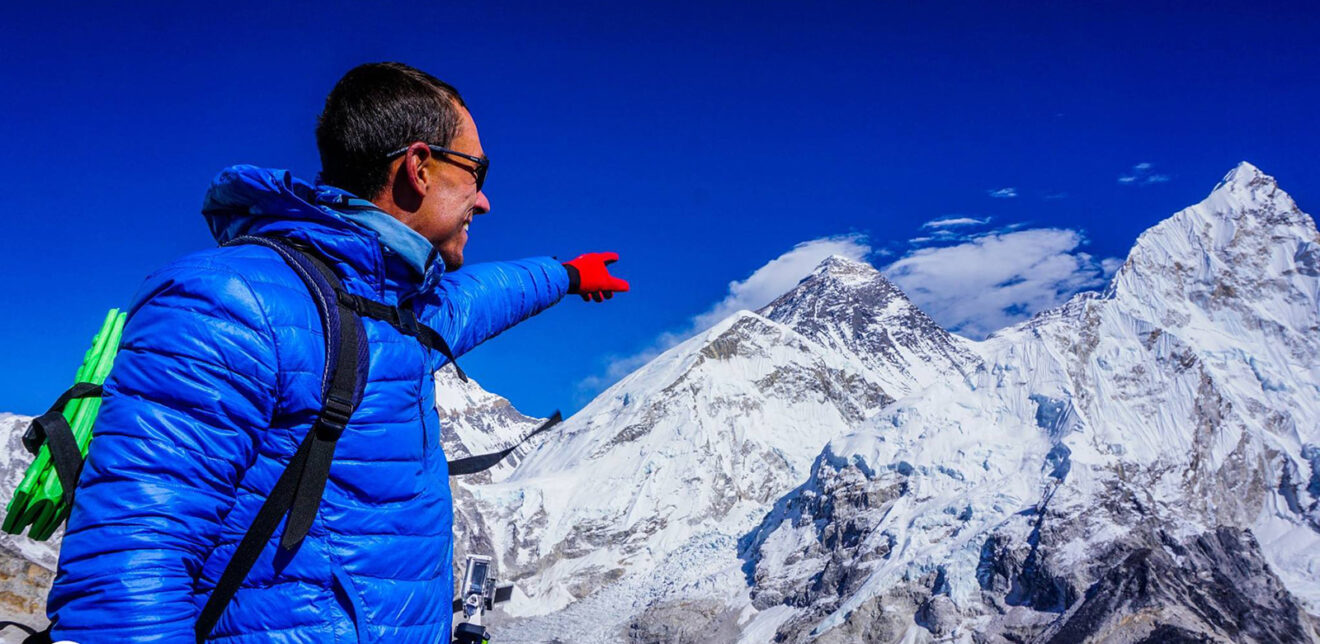
Even if you aren’t planning to climb, you can still experience the Himalayas from above. Scenic morning flights to view Mount Everest depart directly from Kathmandu.
How the Capital Feels to a Traveler
Kathmandu rarely leaves anyone indifferent. It either overwhelms you or completely captivates you, but it always leaves a lasting impression. It may surprise you, challenge you, or inspire you—but it is almost never forgettable.
One of my favorite places to experience the city is from the rooftop of a guesthouse: a cup of masala tea in hand, the sounds of the streets below, prayer flags fluttering in the wind, and the feeling of standing at the crossroads of cultures and mountain journeys. It’s easy to lose yourself in the details—the aroma of spices, the vibrant colors of woven fabrics, and the rhythm of drums during evening pujas.
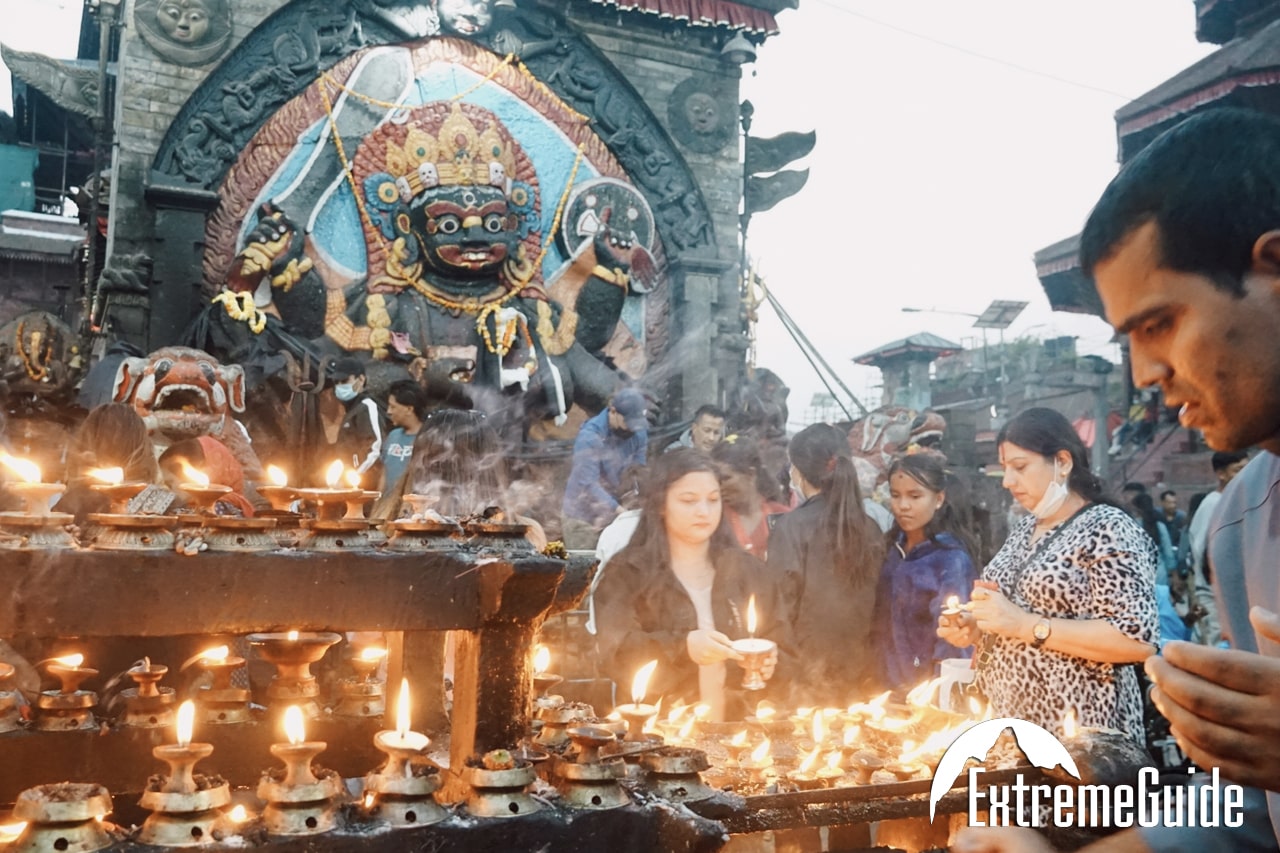
The air in Kathmandu is dry and dusty, especially in Thamel. Many visitors are surprised by this, so a buff or face mask isn’t just a travel accessory—it’s genuinely useful.
What You Should Know Before Your Trip
Kathmandu is an excellent place to prepare for a trek. Finding outdoor gear is easy, although it’s worth checking the quality carefully before buying. Mobile internet is reliable, and local SIM cards are widely available throughout the city.
If you’re planning a trek, allow yourself a day or two for preparation and acclimatization. Permits for the Annapurna and Manaslu regions are issued in Kathmandu, while some permits for the Everest region are obtained along the route, in Lukla or Monjo.
Temperatures in the city are generally comfortable, although the dusty air can sometimes feel heavy. The altitude is low enough that most travelers acclimatize without difficulty, making Kathmandu the natural starting point for adventures in the Himalayas.

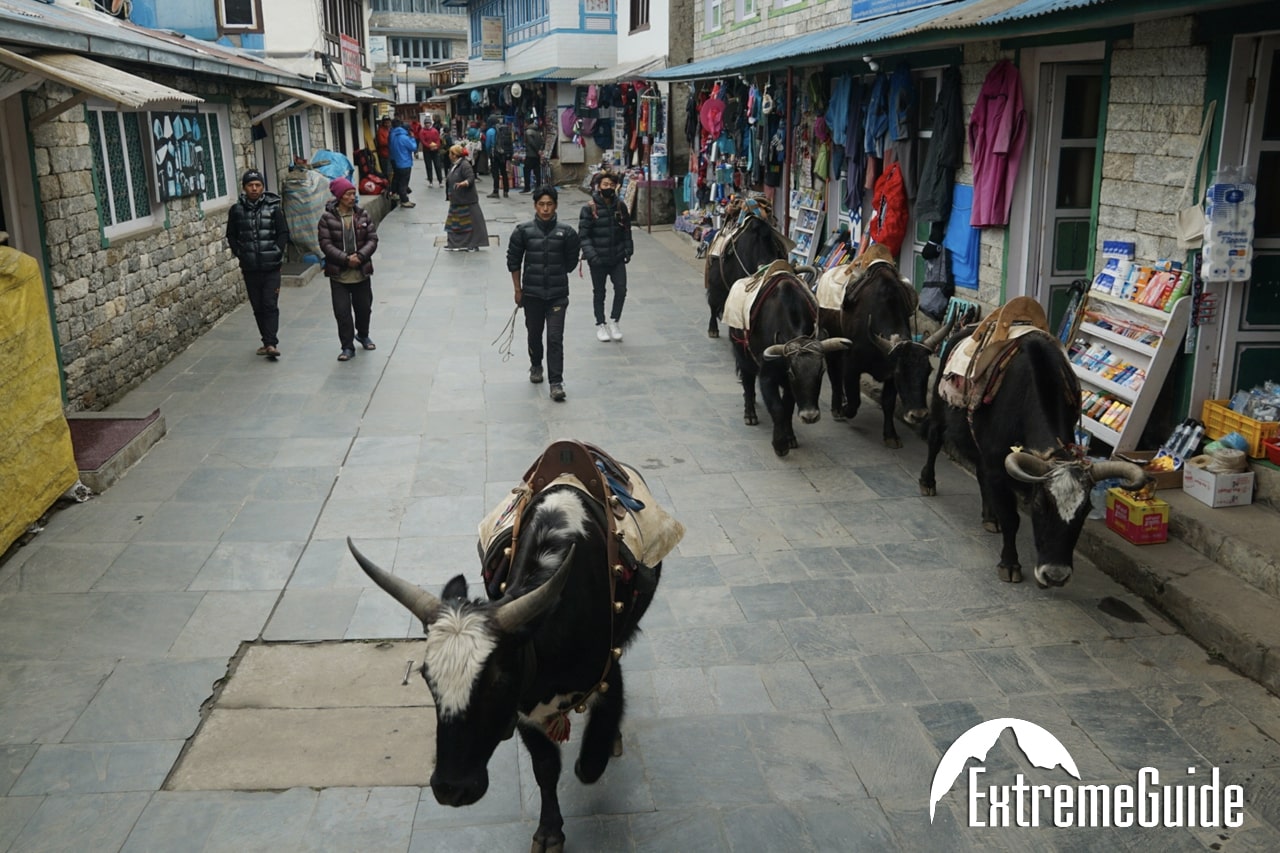
The Kathmandu That Stays With You
Kathmandu doesn’t try to charm you—and perhaps that’s exactly why it stays with you for so long. After returning from the mountains, the city feels different: the colors seem warmer, the sounds softer, and the streets strangely familiar, even if you’ve only been here once.
Some places you visit once and move on. Others keep drawing you back because they become part of your journey. For me, Kathmandu is one of those places.
Тури в Непал з ExtremeGuide
 Nepal (Himalayas)
Dates:
October 25 – November 11
Complexity:
Duration:
Height:

Left: 6 places
 Nepal (Himalayas)
Dates:
October 18 – November 4
Complexity:
Duration:
Height:
Left: 12 places
 Nepal (Himalayas)
Dates:
September 15 – September 29
October 25 – November 8
Complexity:
Duration:
Height:

5.0 (1)
Left: 12 places
 Nepal (Himalayas)
Dates:
November 7 – November 22
Complexity:
Duration:
Height:
Left: 12 places
 Nepal (Himalayas)
Dates:
November 3 – November 16
November 3 – November 19
Complexity:
Duration:
Height:
Left: 12 places
 Nepal (Himalayas)
Dates:
October 25 – November 18
Complexity:
Duration:
Height:

5.0 (90)
Left: 4 places
 Nepal (Himalayas)
Dates:
April 17 – May 23
Complexity:
Duration:
Height:
5.0 (90)
Left: 2 places
 Nepal (Himalayas)
Dates:
October 4 – October 21
Complexity:
Duration:
Height:
Left: 8 places
 Nepal (Himalayas)
Dates:
October 25 – November 10
Complexity:
Duration:
Height:
5.0 (90)
Left: 6 places
 Himalayas
Dates:
Complexity:
Duration:
Height:
 Nepal (Himalayas)
Dates:
Complexity:
Duration:
Height:
 Nepal (Himalayas)
Dates:
Complexity:
Duration:
Height: