
Kilimanjaro: Facts About Africa’s Highest Mountain
Kilimanjaro is not just Africa’s highest mountain, but also a symbol of natural splendor, history and culture. Its unique nature and the opportunity to challenge yourself make the mountain popular among travelers and explorers.
What is Kilimanjaro volcano?
Kilimanjaro is a dormant volcano located in East Africa and is one of the most recognizable natural landmarks in the world. The volcano consists of three main cones: Kibo, Mawenzi, and Shira. The highest point of the mountain is at the summit of Kibo, which is also called Uhuru Peak.

Geological studies show that the volcano was formed about three million years ago as a result of tectonic activity associated with the rift of the East African Rift Valley. Mount Kilimanjaro is considered extinct, as its last eruption occurred more than 200,000 years ago. However, scientists do not rule out the possibility of minor volcanic activity in the future.
Kilimanjaro is covered with diverse ecosystems, from tropical forests at the foot to glaciers at the top. These natural areas make the mountain unique in terms of biodiversity and attract numerous tourists.
Where is Mount Kilimanjaro?
Mount Kilimanjaro is located in northeastern Tanzania, near the border with Kenya. Its massif rises above the plains of the region and is visible for many kilometers. Near the mountain is a national park – a UNESCO World Heritage Site of the same name, protecting the natural wealth of this area.
Due to its location, Kilimanjaro plays an important role in shaping the local climate. Moist air masses colliding with its slopes contribute to the formation of precipitation, which supports the existence of dense forests on the lower levels of the mountain. In addition, the rivers that originate on the slopes of Kilimanjaro provide water to the population of the surrounding areas.
This mountain also has cultural significance. For local peoples such as the Maasai and Chaga, Kilimanjaro is a sacred place and a symbol of natural power. For centuries, it has been surrounded by legends and myths.
What is the height of Kilimanjaro?
Kilimanjaro is 5,895 meters above sea level, making it the highest mountain in Africa and one of the most famous peaks in the world. Uhuru Peak, the highest point of the mountain, attracts thousands of climbers and nature lovers every year who dream of climbing Kilimanjaro.
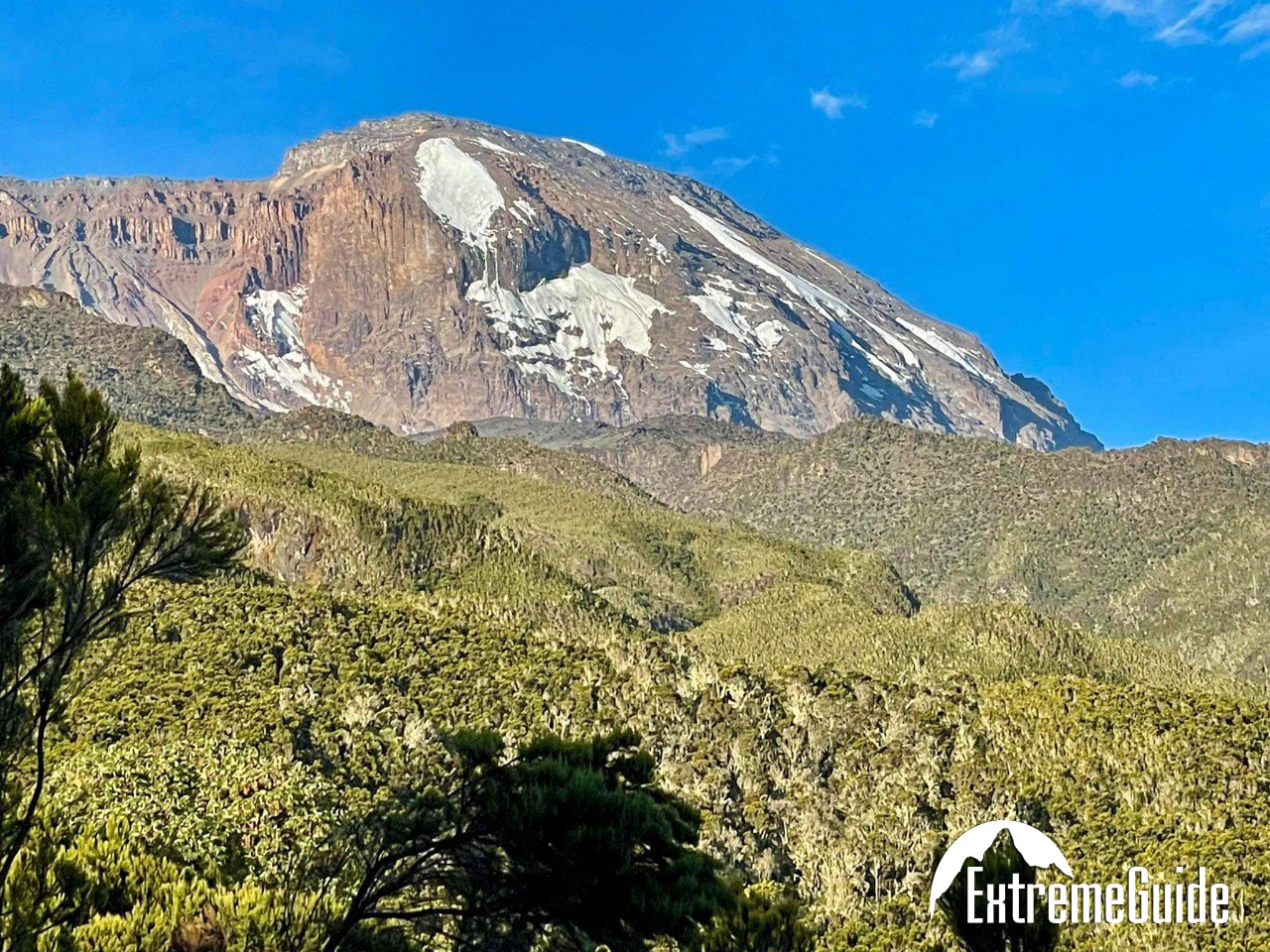
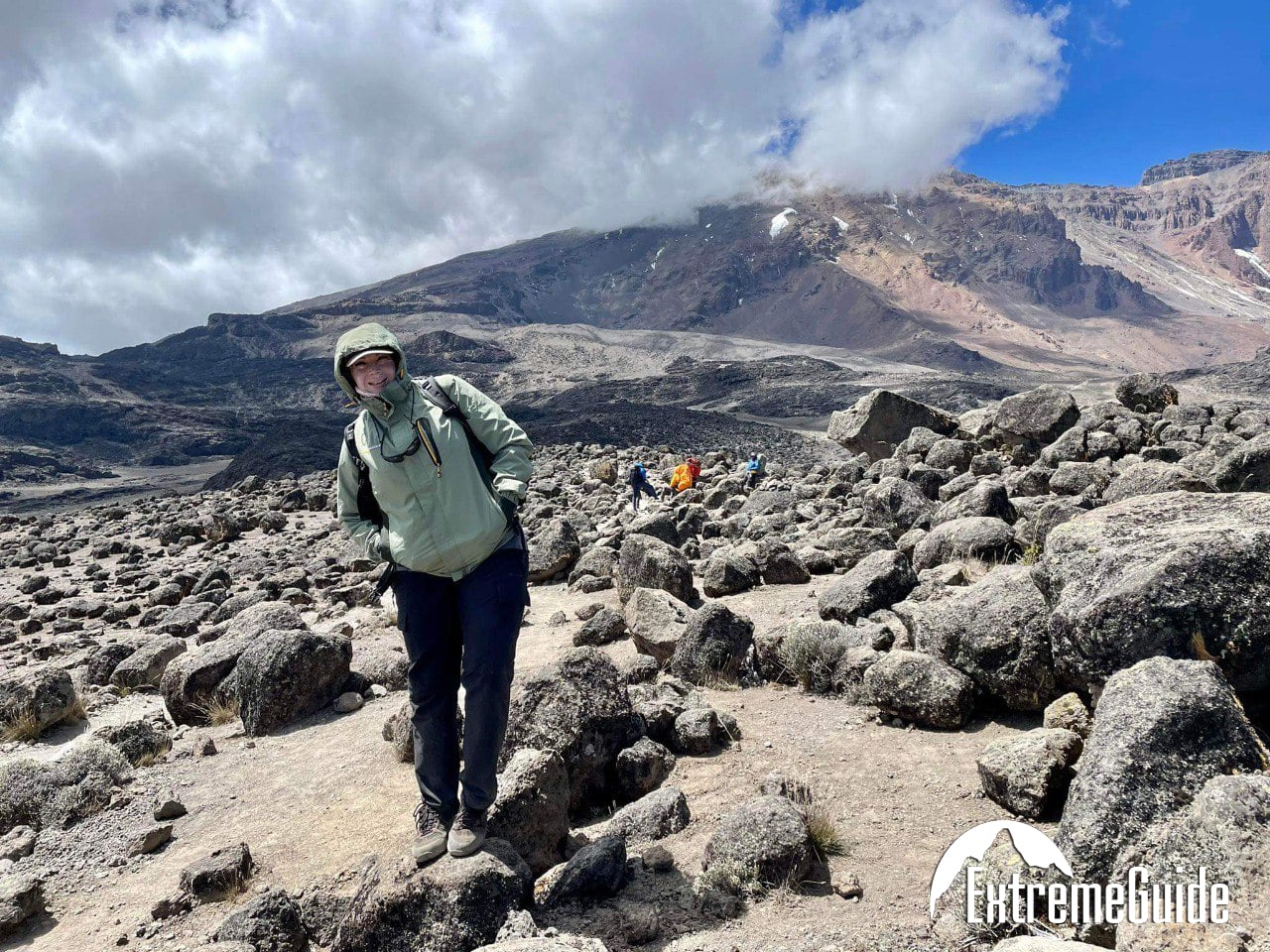
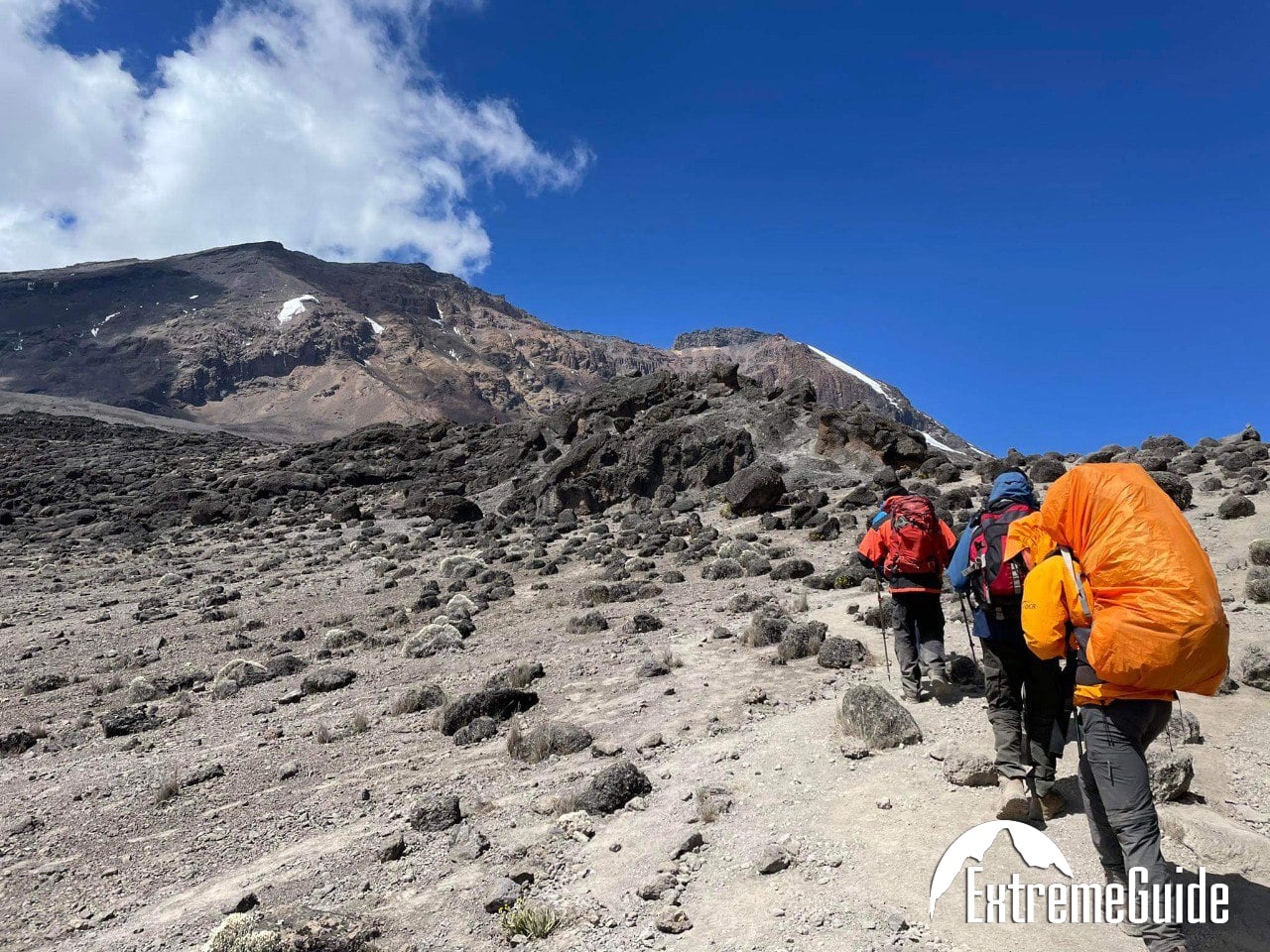
Interestingly, Kilimanjaro’s height has been the subject of numerous measurements throughout history. The first attempts to determine its height date back to the 19th century, and modern technology has confirmed that it is the highest free-standing mountain in the world.
There are significant climate differences on the slopes of Kilimanjaro. Temperatures at the summit can drop to -20 degrees Celsius, while at the foot they are around +30 degrees. This temperature contrast makes the climb a real challenge.
History of the conquest of Kilimanjaro
The first recorded attempts to conquer Kilimanjaro date back to the late 19th century. However, the first people to officially reach the summit were German geographer Hans Mayer and Austrian mountaineer Ludwig Purtscheller in 1889. Their expedition became an important milestone in the history of mountaineering.
Since then, the route to the summit has changed significantly, becoming more accessible to hikers. Today, there are several trails, each offering a unique climbing experience suitable for hikers of varying skill levels.
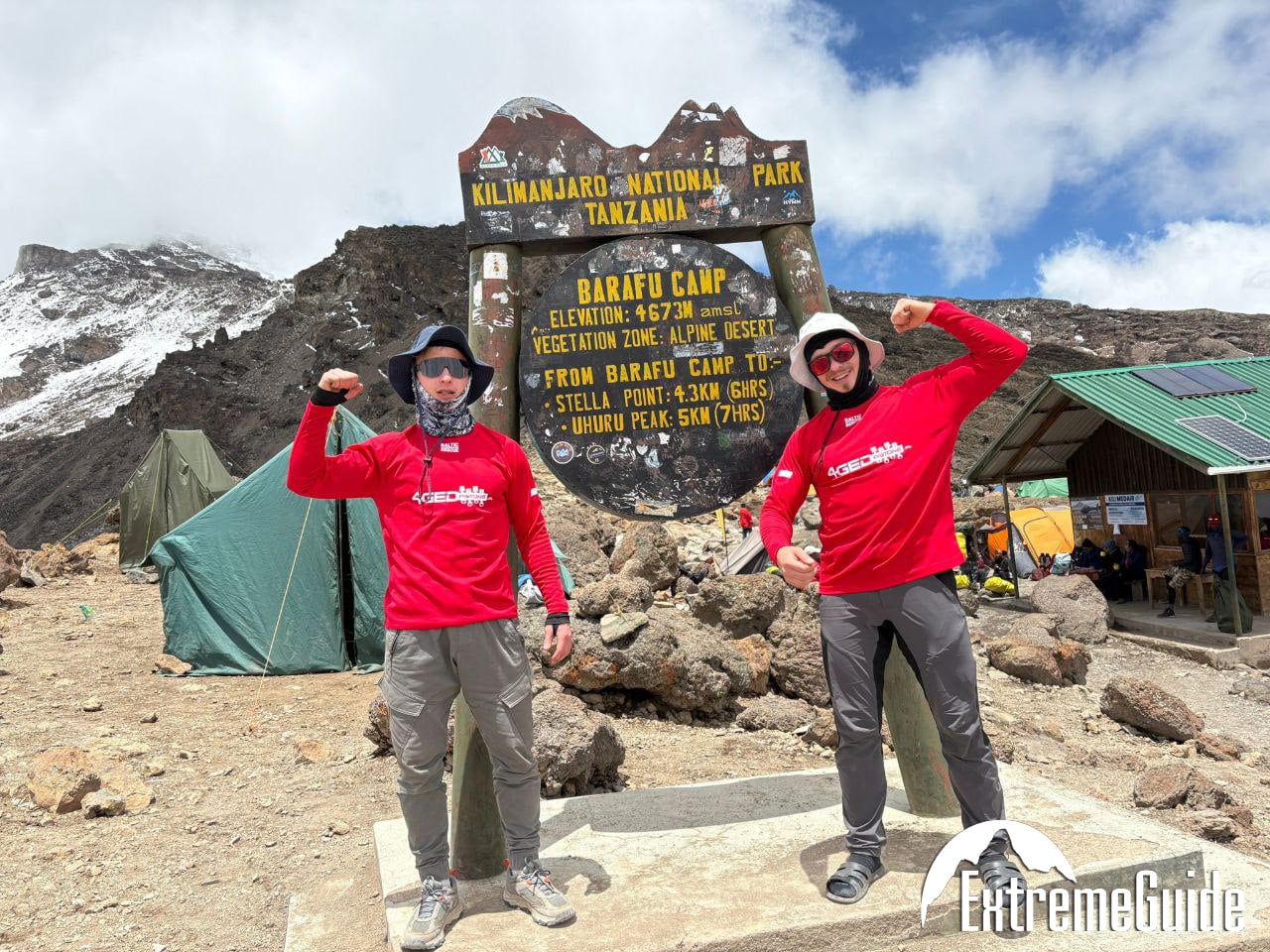
Interesting Facts About Mount Kilimanjaro
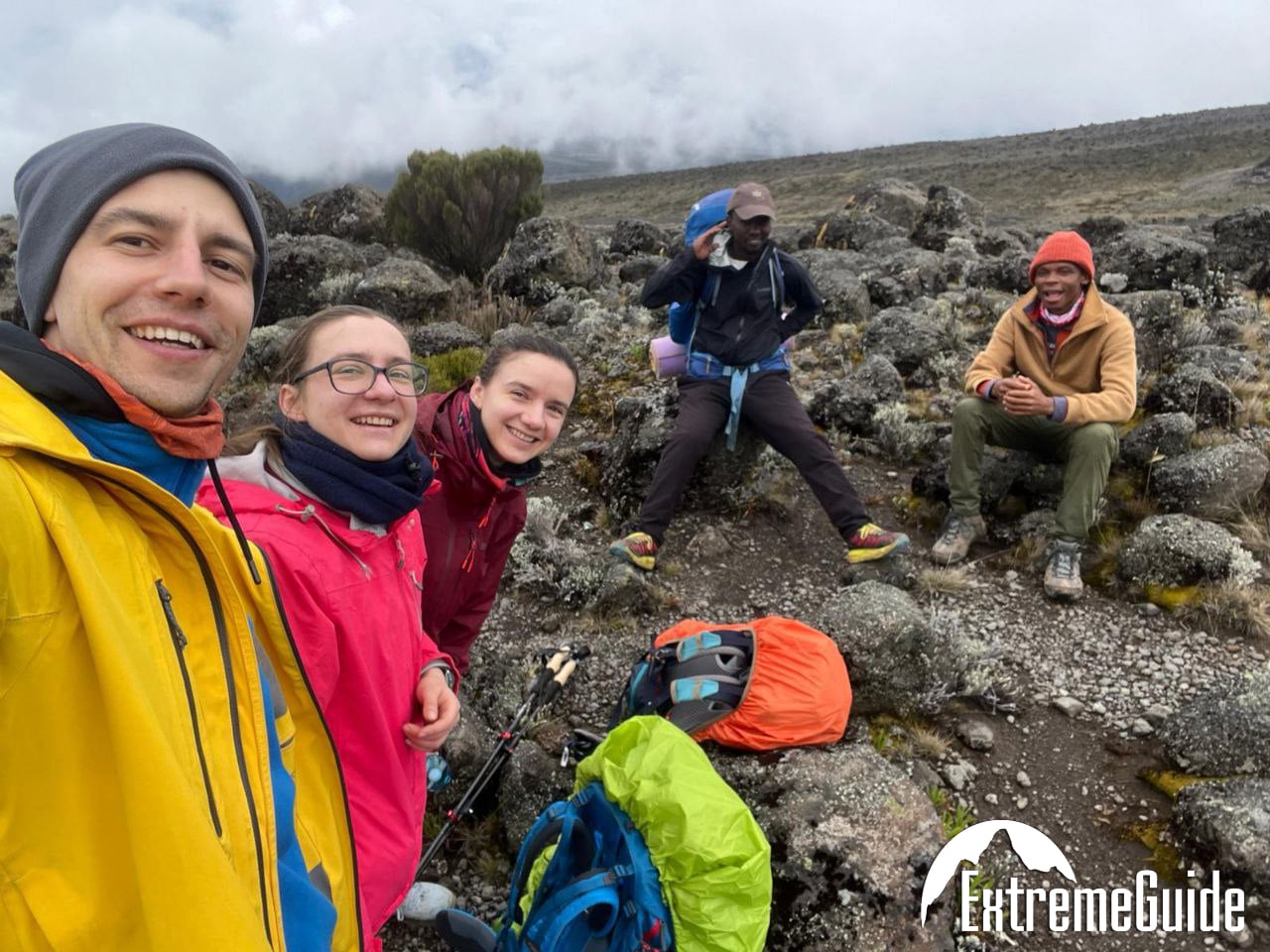
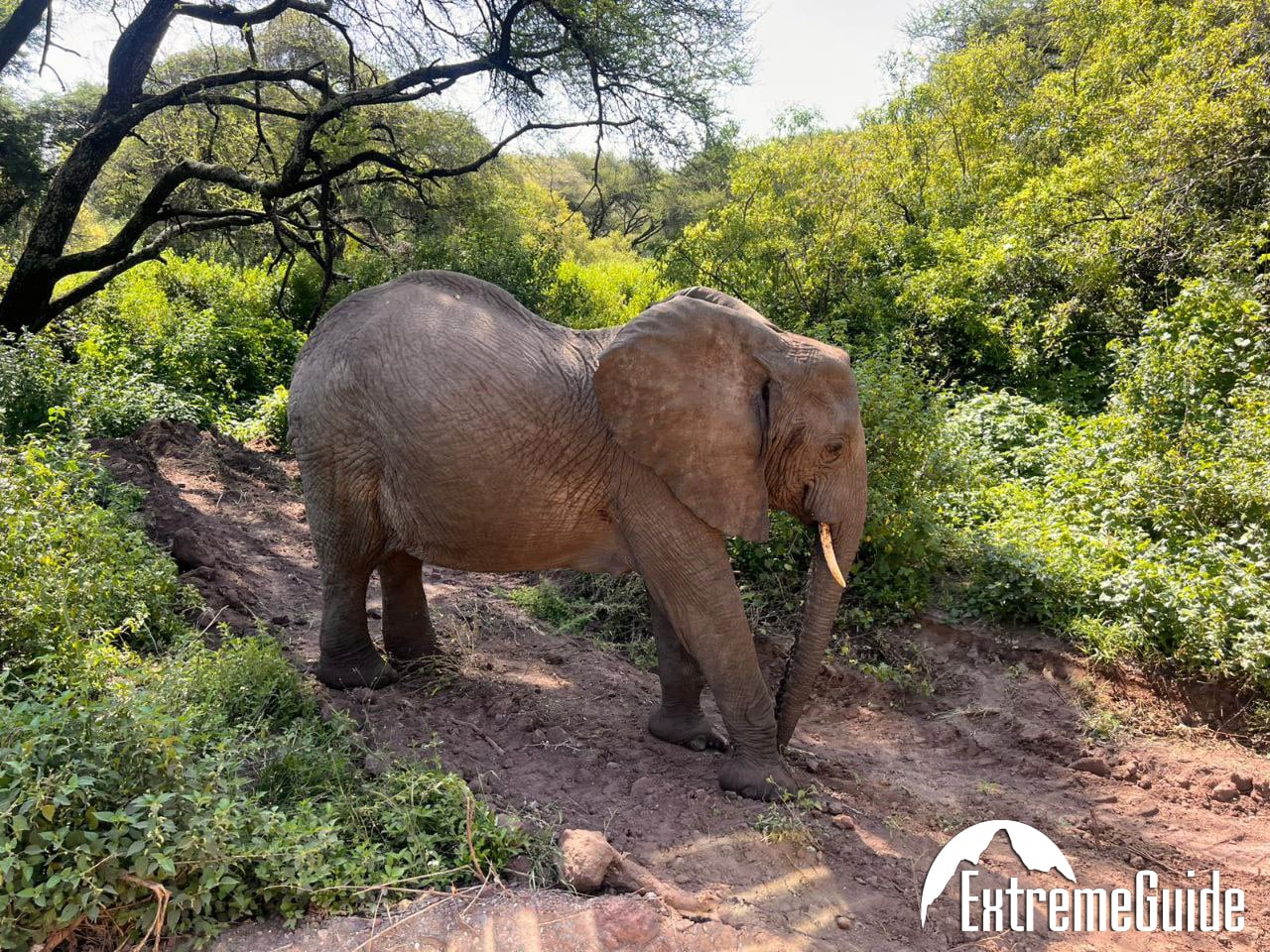
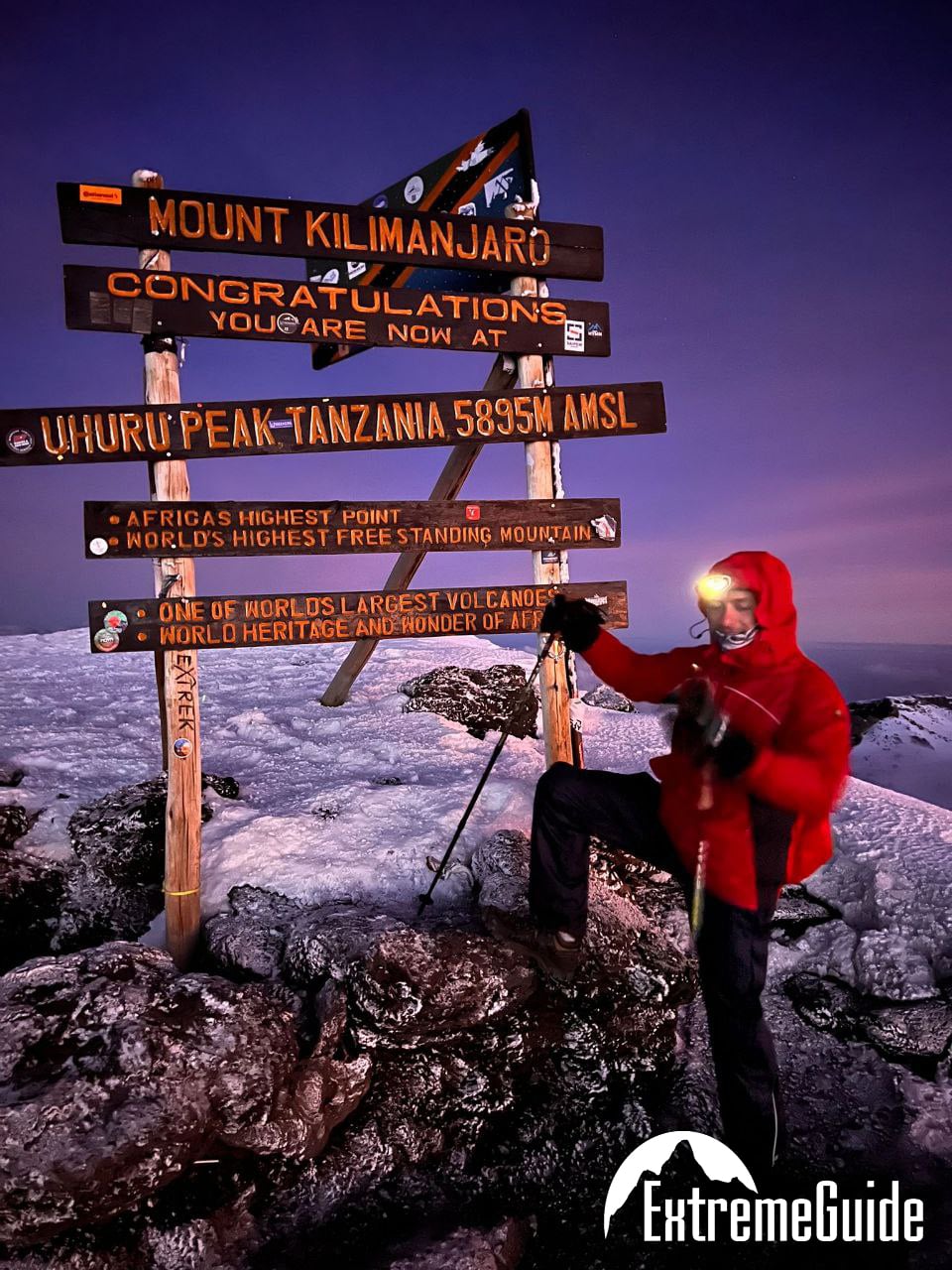
The mountain has many amazing features that make it unique:
- Diversity of landscapes. On the way to the summit, tourists pass through five climate zones: tropical forests, arid steppes, moorlands, alpine meadows and a glacial zone.
- Shrinking glaciers. Kilimanjaro’s glaciers are melting rapidly, and scientists predict that they could disappear completely by the middle of the 21st century. This phenomenon is linked to climate change and global warming.
- Rich fauna. The lower slopes of the mountain are home to numerous animals, including elephants, buffalos, leopards and monkeys. The higher you go, the poorer the fauna becomes.
- Cultural heritage. Local tribes consider Kilimanjaro to be a place where the spirits of ancestors live. Many traditional rituals are associated with the mountain.
- Popularity among tourists. Climbing Kilimanjaro attracts climbers from all over the world, and for many it is not only a sporting achievement, but also a way to test their strength.
Interesting fact: the youngest person to conquer the summit was a 7-year-old child, and the oldest was an 89-year-old climber. This shows that the mountain is accessible to people of all ages and levels of training.
Kilimanjaro Tours with Extreme Guide
 Africa
Dates:
March 25 – April 6
August 10 – August 22
September 19 – October 1
November 11 – November 23
December 24 – January 5
January 3 – January 15
January 31 – February 12
February 28 – March 12
Complexity:
Duration:
Height:

5.0 (1)
Left: 8 places
 Africa
Dates:
March 25 – April 4
August 10 – August 20
September 19 – September 29
November 11 – November 21
December 24 – January 3
January 3 – January 13
January 31 – February 10
February 28 – March 10
Complexity:
Duration:
Height:
5.0 (1)
Left: 8 places
 Africa
 Dates:
March 25 – April 2
August 10 – August 18
September 19 – September 27
November 11 – November 19
December 24 – January 1
January 3 – January 11
January 31 – February 8
February 28 – March 8
Complexity:
Duration:
Height:
5.0 (1)
Left: 6 places