
Climbing Kilimanjaro + safari in national parks Manyara and Ngoro Ngoro
Available dates:
December 25 - January 4
February 28 - March 10
Complexity:
Duration:
Height:
Distance:
This tour combines an incredible safari experience in Tanzania’s national parks with a classic ascent of Africa’s highest mountain — Mount Kilimanjaro (5,895 m).
A Kilimanjaro climbing tour is an unforgettable journey to the highest peak in Africa, offering a unique opportunity to pass through several climate zones — from tropical rainforests to snow-covered summits. The expedition is led by experienced local guides together with the leaders of ExtremeGuide, who will help you reach an altitude of 5,895 meters safely and comfortably. It is a true test of both physical and mental endurance, rewarded with breathtaking views and the unforgettable feeling of victory.
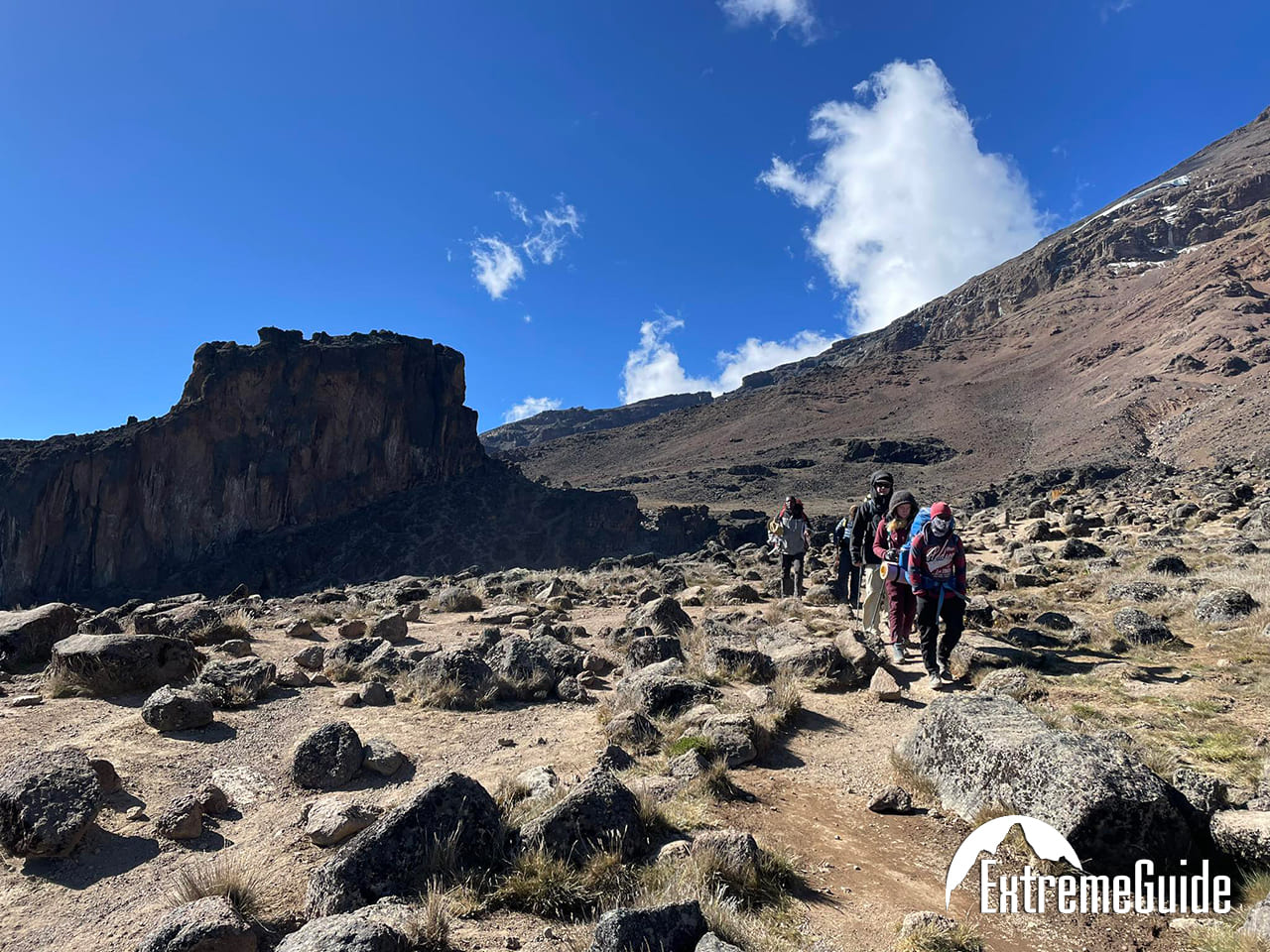
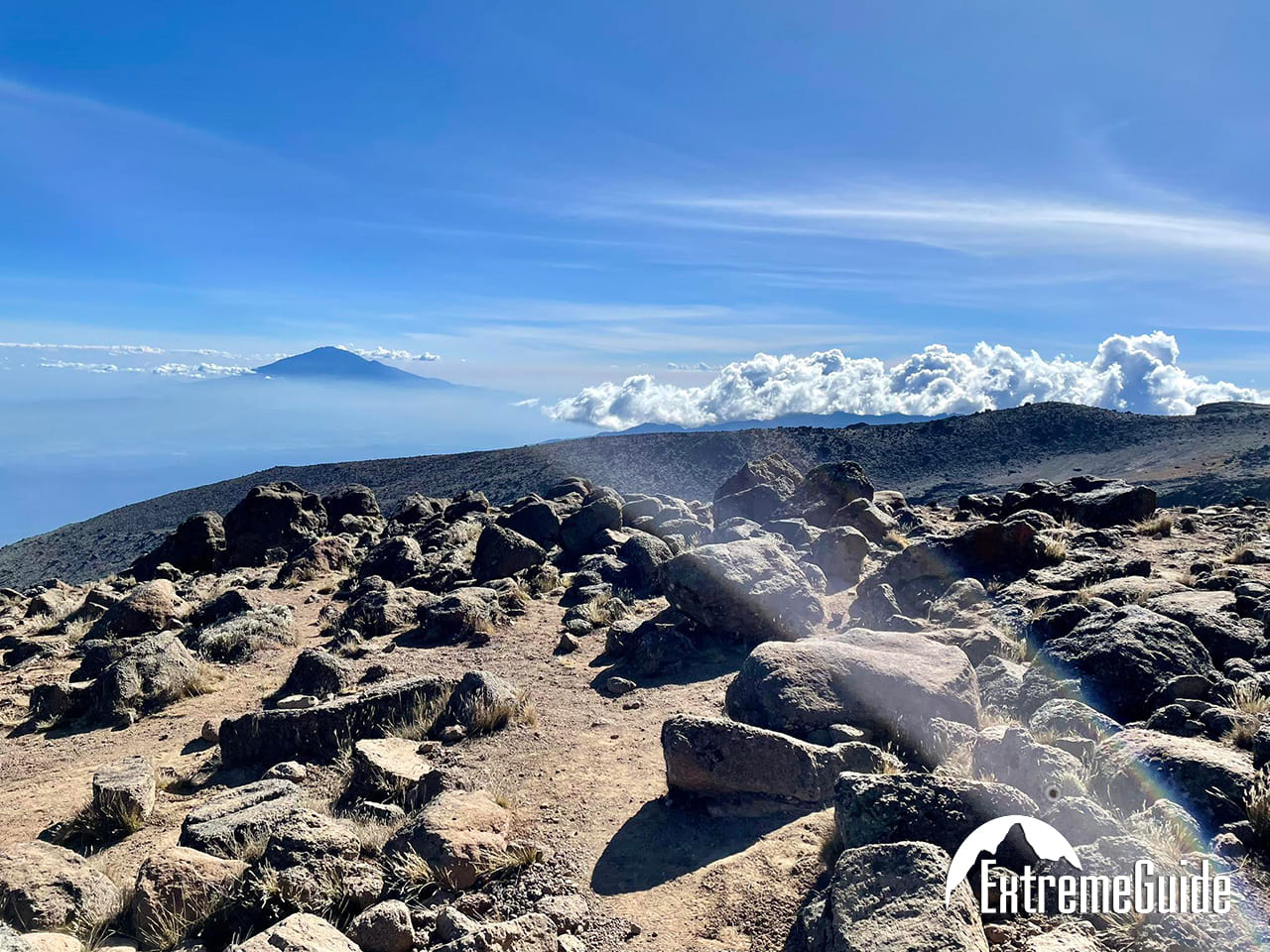
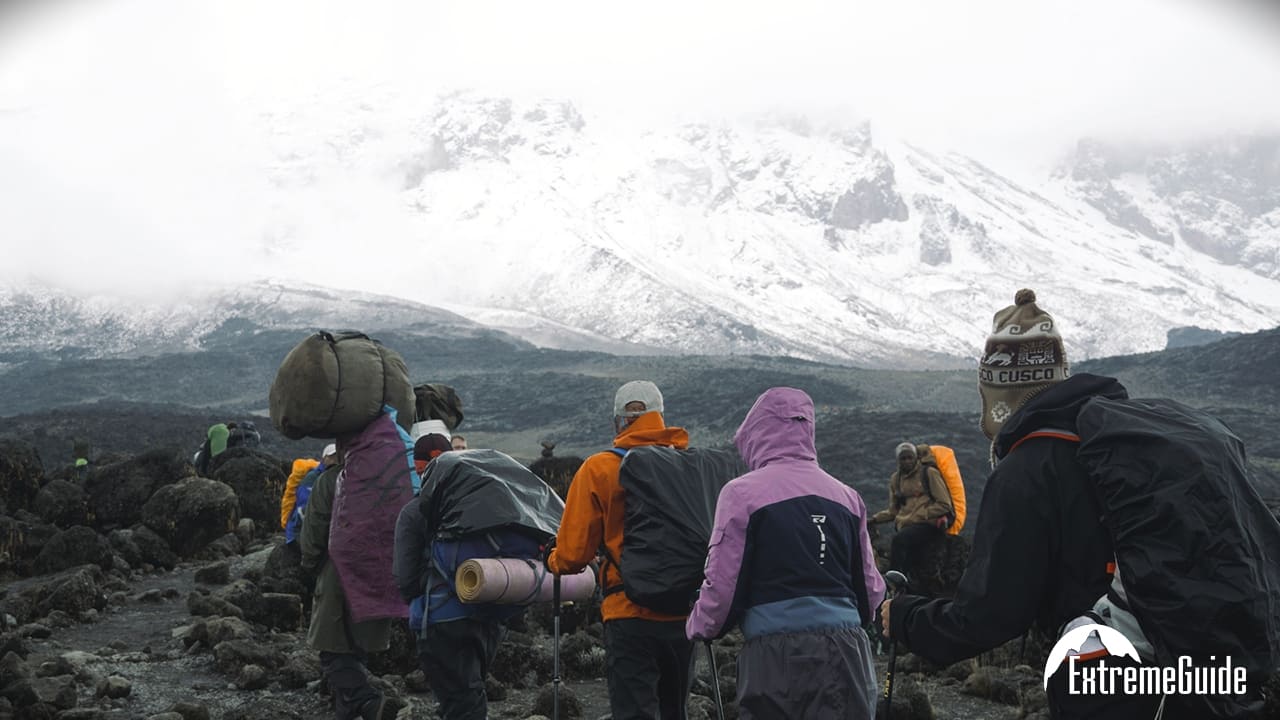
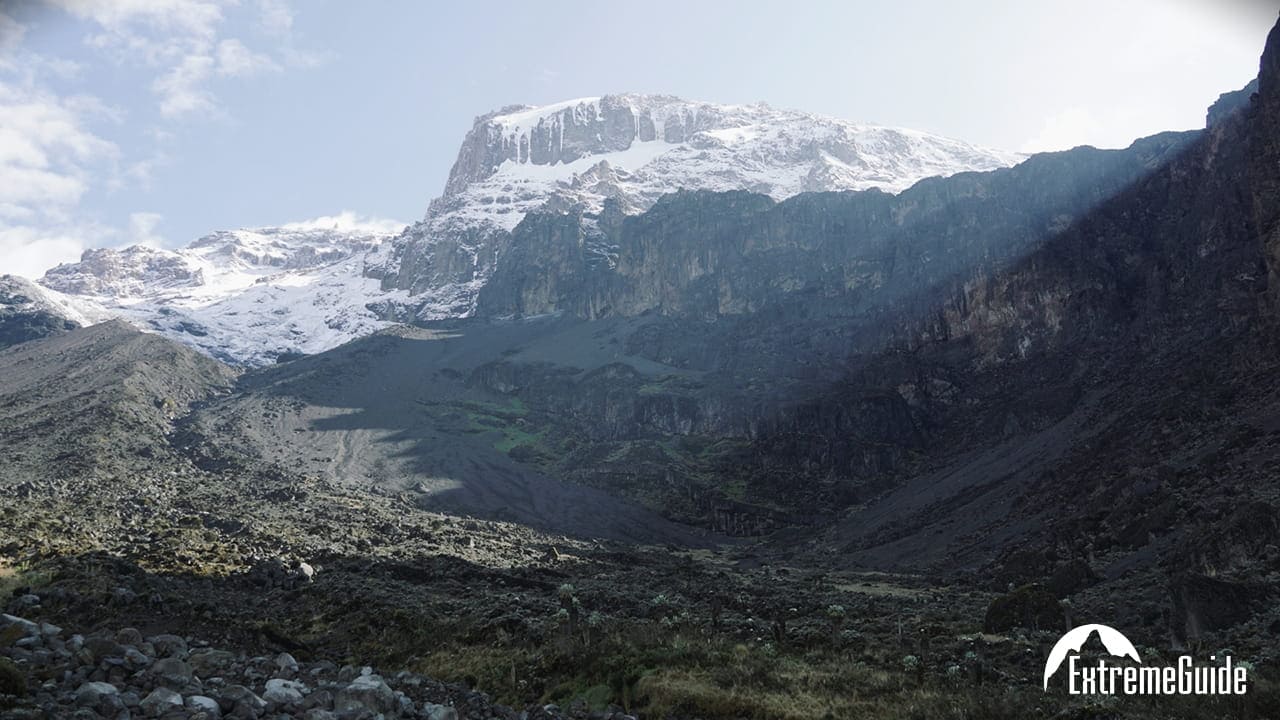
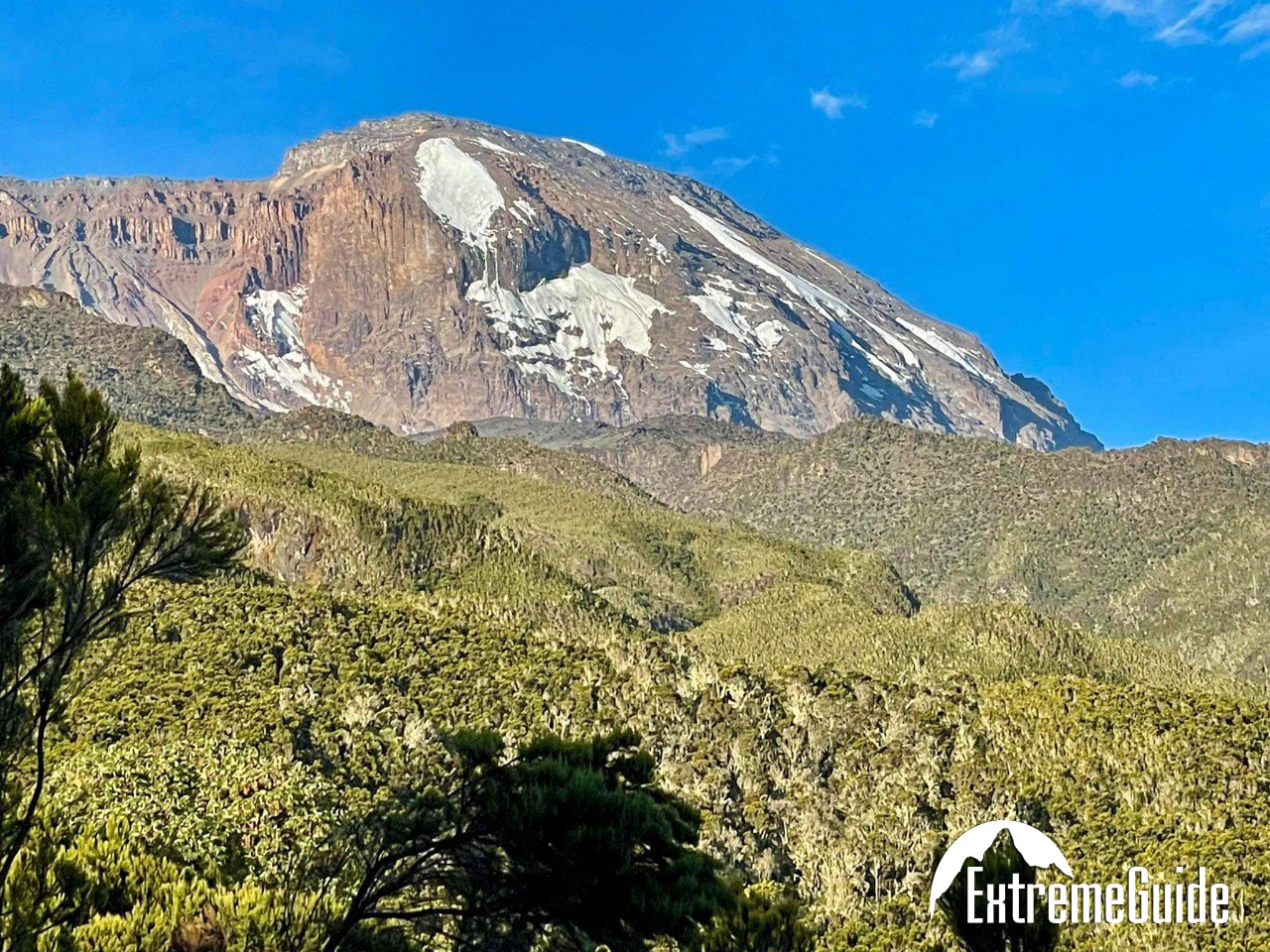
The Kilimanjaro climbing route starts at the Machame Gate. One of the main advantages of this route is its excellent acclimatization profile: the altitude gain is gradual enough to preserve energy for the final push to the summit. The route is also renowned for its spectacular panoramic views of Kilimanjaro and the surrounding mountains. After the third day of the ascent, the trail circles the mountain from the southern side, allowing climbers to experience the summit from different perspectives.
Why Choose Kilimanjaro Climbing from Extreme Guide:
- We’ve been working since 2008, and more than two dozen groups, accompanied by local guides, have climbed Kilimanjaro with us.
- You’ll be accompanied by experienced, certified local guides.
- All guides have completed mountain first aid training.
- Our Kilimanjaro programs are longer because we offer an additional acclimatization day, which significantly increases your chances of a successful ascent.
- All essential expenses are included in the tour price.
- You’ll be accompanied by at least two porters for your personal belongings.
- High-quality meals tailored to your preferences.
- Groups of 2 or more people or individual travelers.
- Support throughout all stages of the tour preparation, as well as online assistance from our manager throughout the entire journey, if you choose a tour with a local guide.
Climbing route to Kilimanjaro:
Moshi — Machame (3000 m) — Shira camp (3840 m) — Barranco camp (3950 m) — Barafu camp (4600 m) — Uhuru Peak (5895 m) — Moshi — Lake Manyara National Park — Ngorongoro National Park — Moshi
Your guides for climbing Kilimanjaro
Route climbing Kilimanjaro by days
day
Arrival at Kilimanjaro Airport. Transfer to the hotel in Moshi. Check in and relax. Evening briefing, meeting the guides, and gear check before the trek.
Overnight at the hotel.
day
The transfer from Moshi to the gates of Kilimanjaro National Park takes about 45 minutes. The journey passes through the village of Machame, located on the lower slopes of the mountain.
From the park gate, we begin hiking through tropical rainforest along a winding trail that climbs steadily up the ridge. At lower elevations, the trail can be muddy and slippery, so gaiters and trekking poles are highly recommended. We continue for a short distance until we reach Machame Camp.
Altitude: from 1830 m to 3050 m
Distance: 11 km
Hiking time: 5-6 hours
day
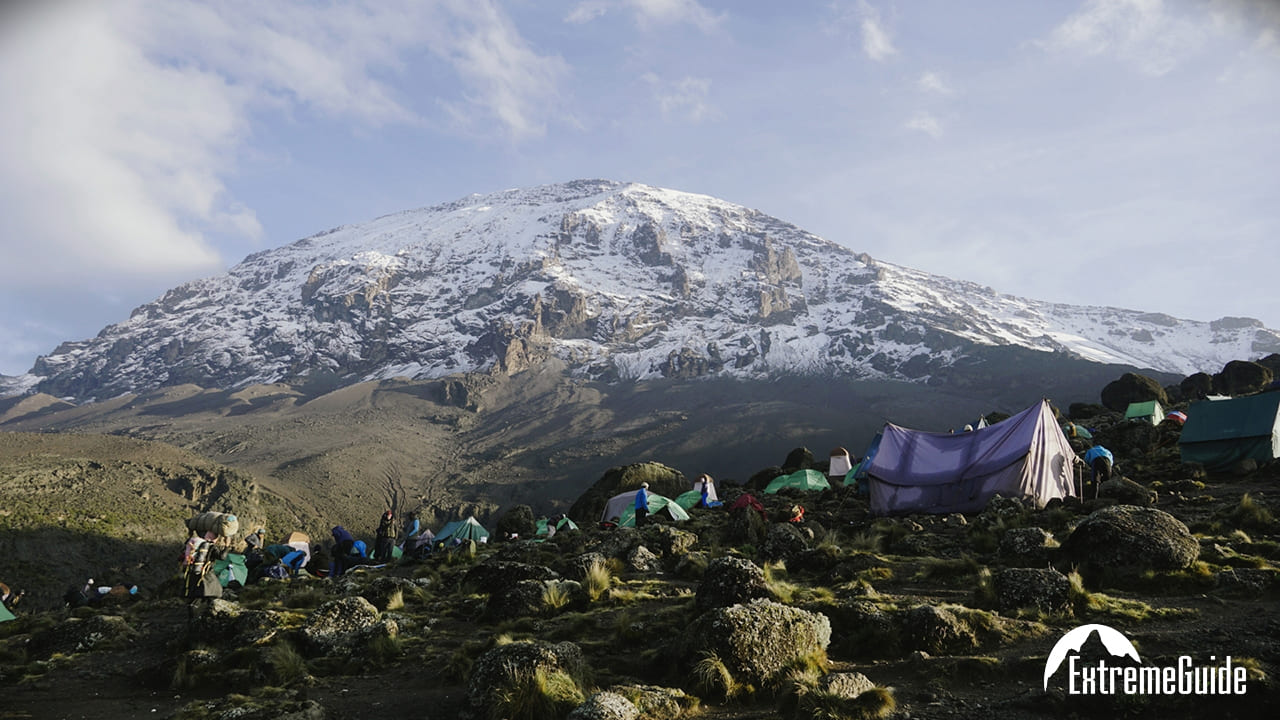
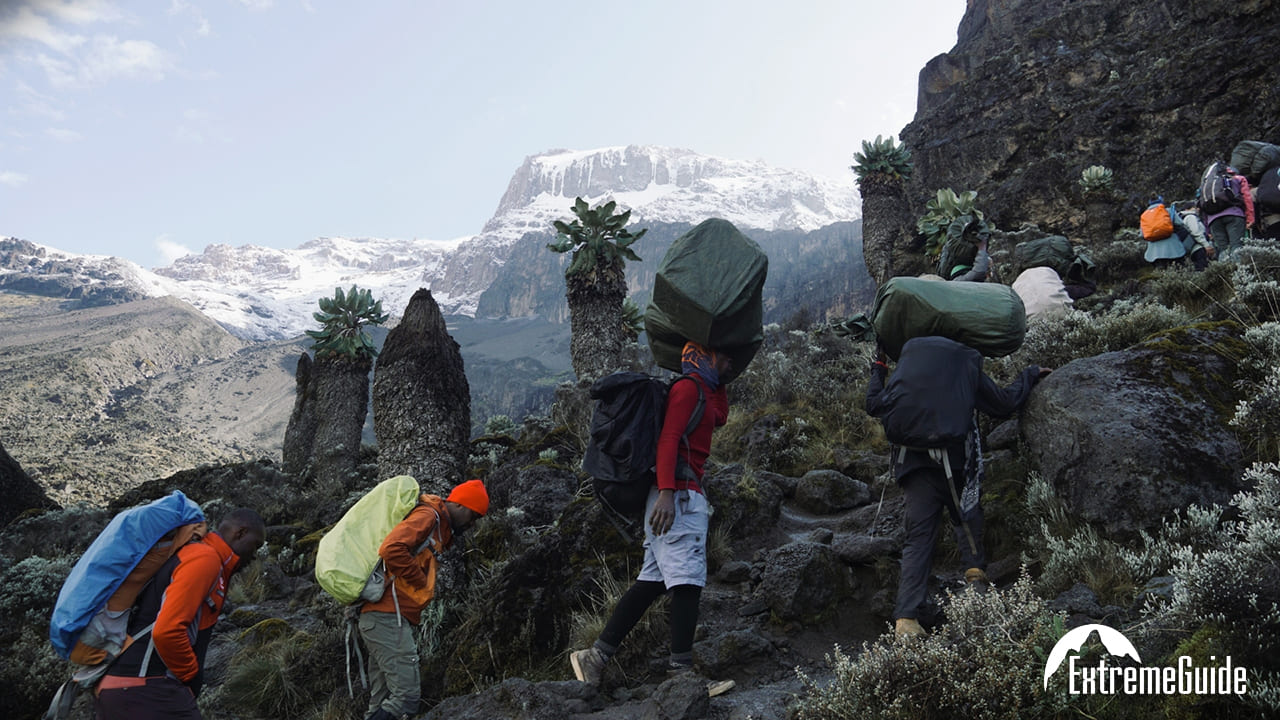
After breakfast, we leave the rainforest meadow and continue climbing along a trail, crossing a valley along a steep rocky ridge. The tall, dense forest changes to large bushes and solitary trees. The route now turns west, into a river gorge. Overnight at Shira Camp. In the evening, we’ll meet the porter team, dance, and sing.
Accommodation in tents.
Height: 3050m to 3850m
Distance: 5 km
Walking time: 4-5 hours
day
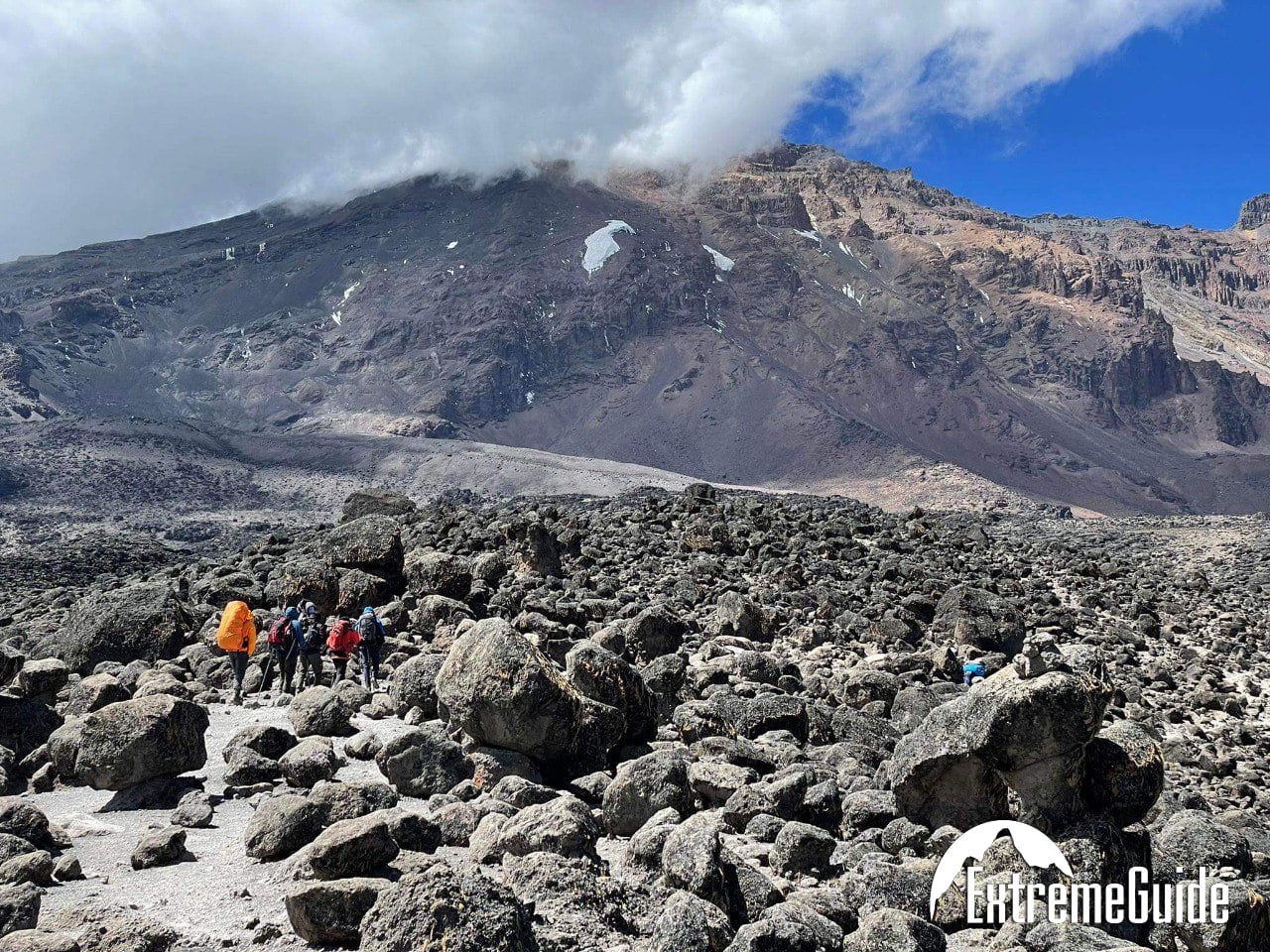
From the Shira plateau we continue east up the ridge, passing the crossroads to the summit of Kibo. As we move forward, our direction changes to the southeast towards the Lava Tower called Shark’s Tooth (elevation 4650m/15,250ft). Soon after the tower, we reach a second junction leading to the Arrow Glacier. We now continue to Barranco Camp.
Although you will end the day at approximately the same altitude as you began, this day is crucial for acclimatization and will help your body prepare for the ascent.
Accommodation in tents.
Altitude: from 3850 m to 4000 m
Distance: 10 km
Time: 5-6 hours.
day
After breakfast, we leave Barranco and continue along the steep ridge up the Barranco Wall to the Karanga Valley and the junction with the Mweka Trail.
Accommodation in tents.
Altitude: from 4000 m to 4050 m
Distance: 5 km
Hiking time: 3-4 hours.
day
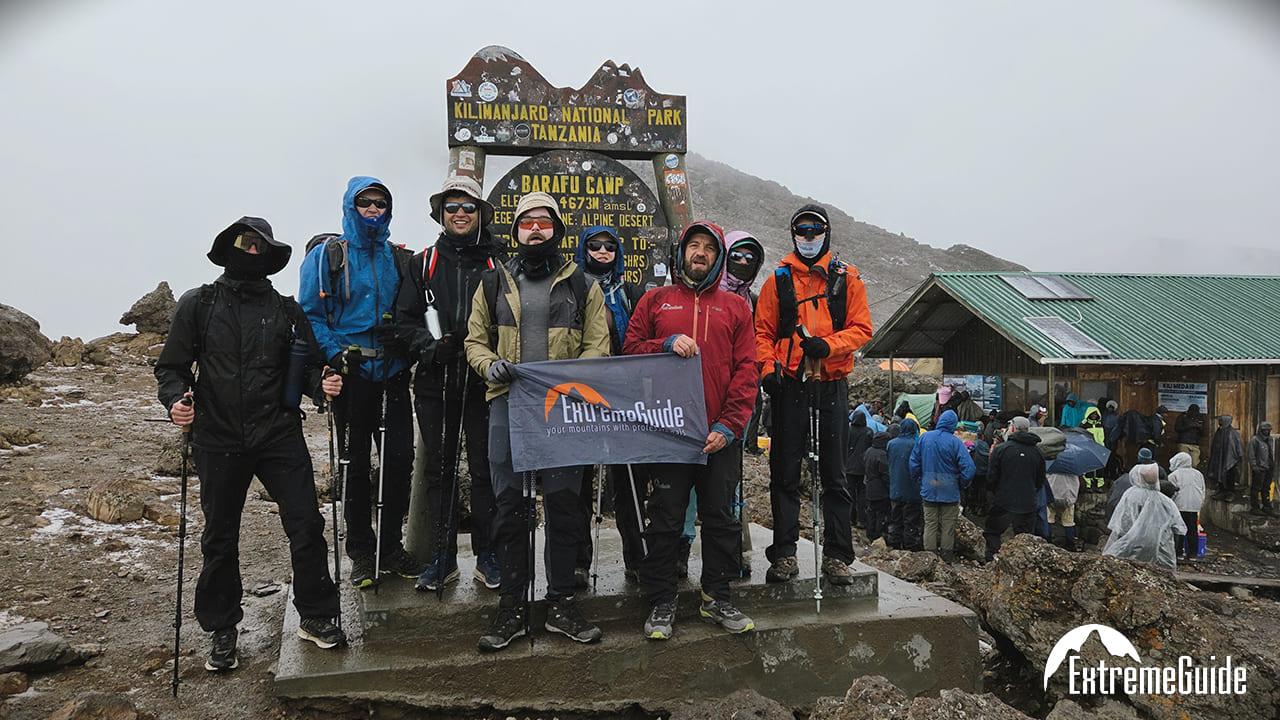
We continue toward Barafu Camp. By this stage, we have completed the Southern Circuit of the mountain, which offers spectacular views of the summit from different angles. At an altitude of 4,700 meters, we set up our final camp before the summit attempt. After some rest and dinner, we prepare for the ascent and head to bed early.
Accommodation in tents.
Altitude: from 4050 m to 4700 m
Distance: 4 km.
Hiking time: 3-4 hours.
day
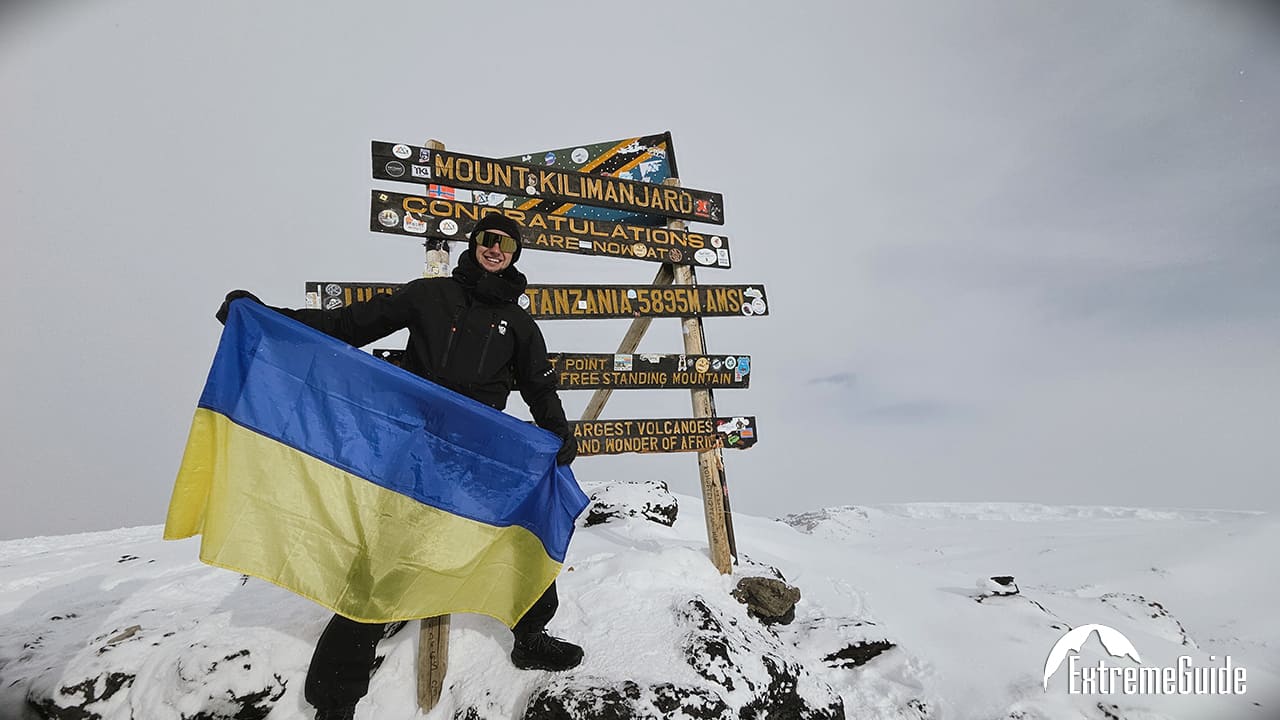
Very early in the morning, we continue our ascent to the summit of Mount Kilimanjaro. Reaching Uhuru Peak, you arrive at the highest point of both Kilimanjaro and the African continent!
From the summit, we begin our descent, continuing directly toward Mweka Camp. We return to Barafu Camp for lunch and to pack our belongings. Gaiters and trekking poles may be useful for the descent over loose volcanic gravel.
Accommodation in tents.
Altitude: 4,700 m to 5,895 m.
Down to 3,090 m
Distance: 5 km up / 13 km down.
Time: 5-7 hours up / 5-6 hours down.
day
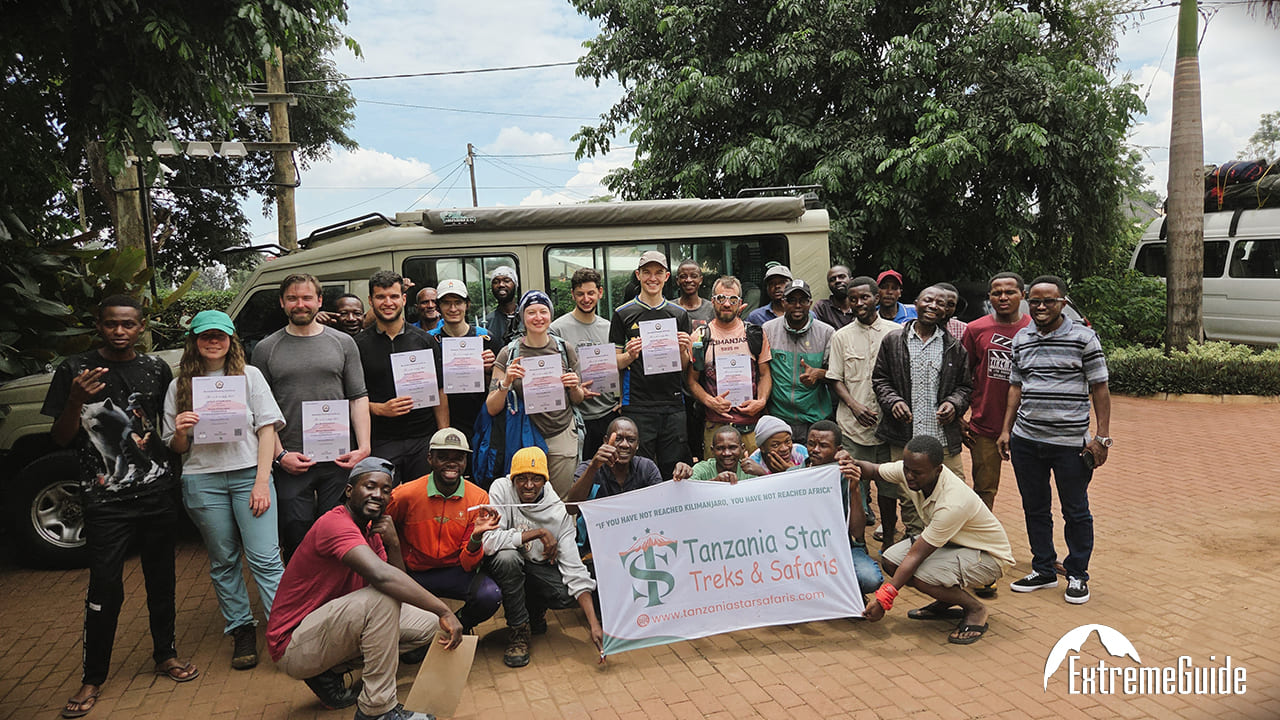
After breakfast, we continue our descent to Mweka Gate, where you will receive your summit certificates. At lower elevations, the trail can be wet and muddy, so gaiters and trekking poles are highly recommended. We return to warmer conditions, and light clothing such as shorts and a T-shirt will be sufficient.
Return to the hotel in Moshi. Check-in and rest. In the evening, enjoy a celebratory dinner and mark the successful summit of the climb.
Overnight at the hotel.
Altitude: from 3090 m to 1,680 m
Distance: 10 km.
Hiking time: 3-4 hours.
day
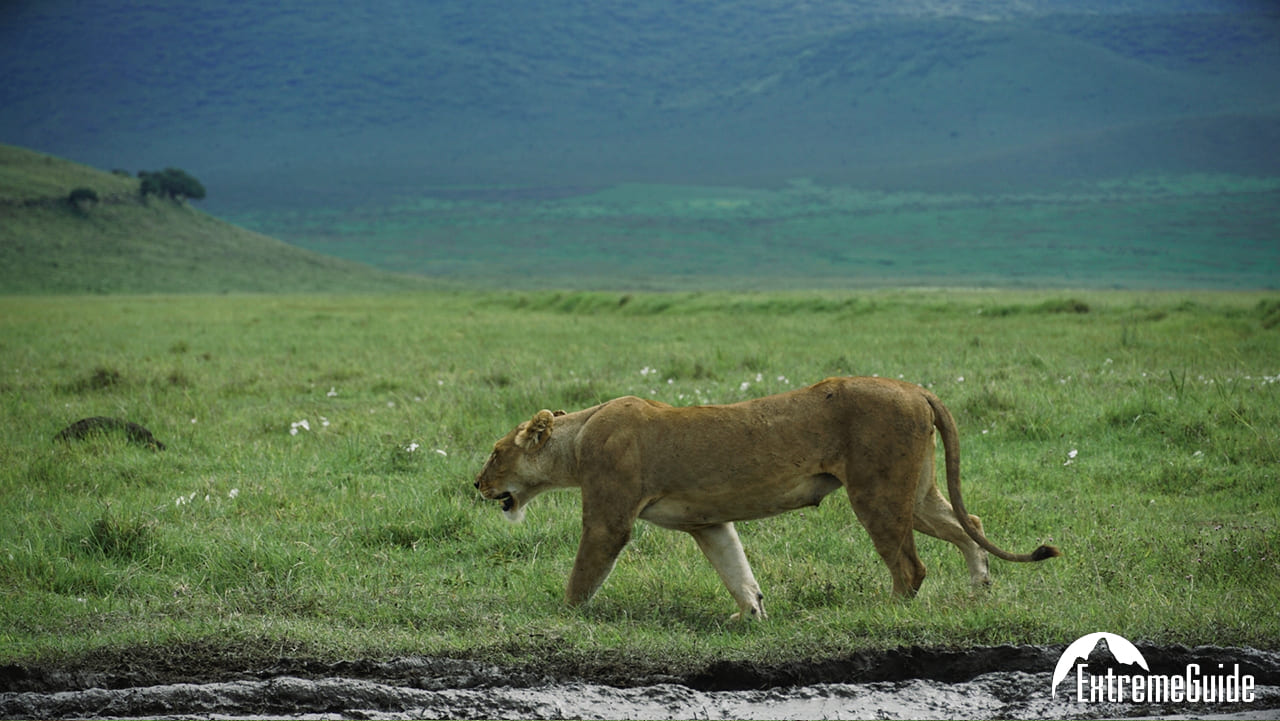
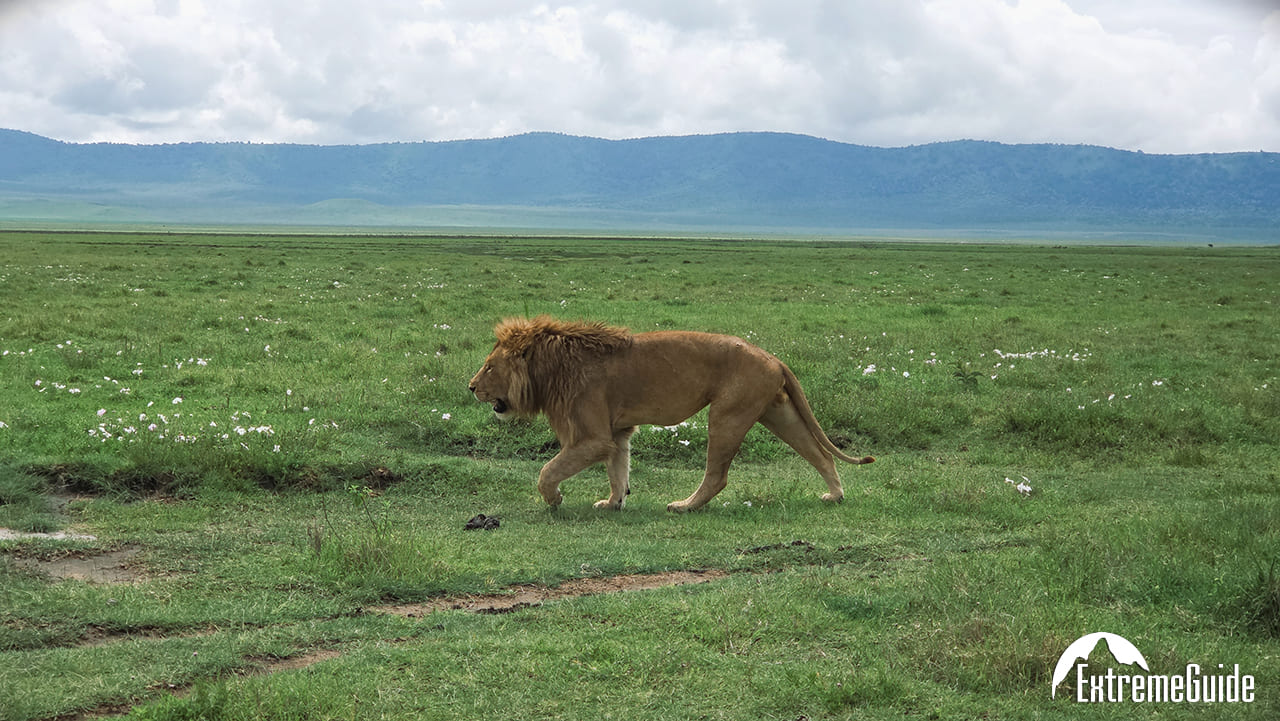
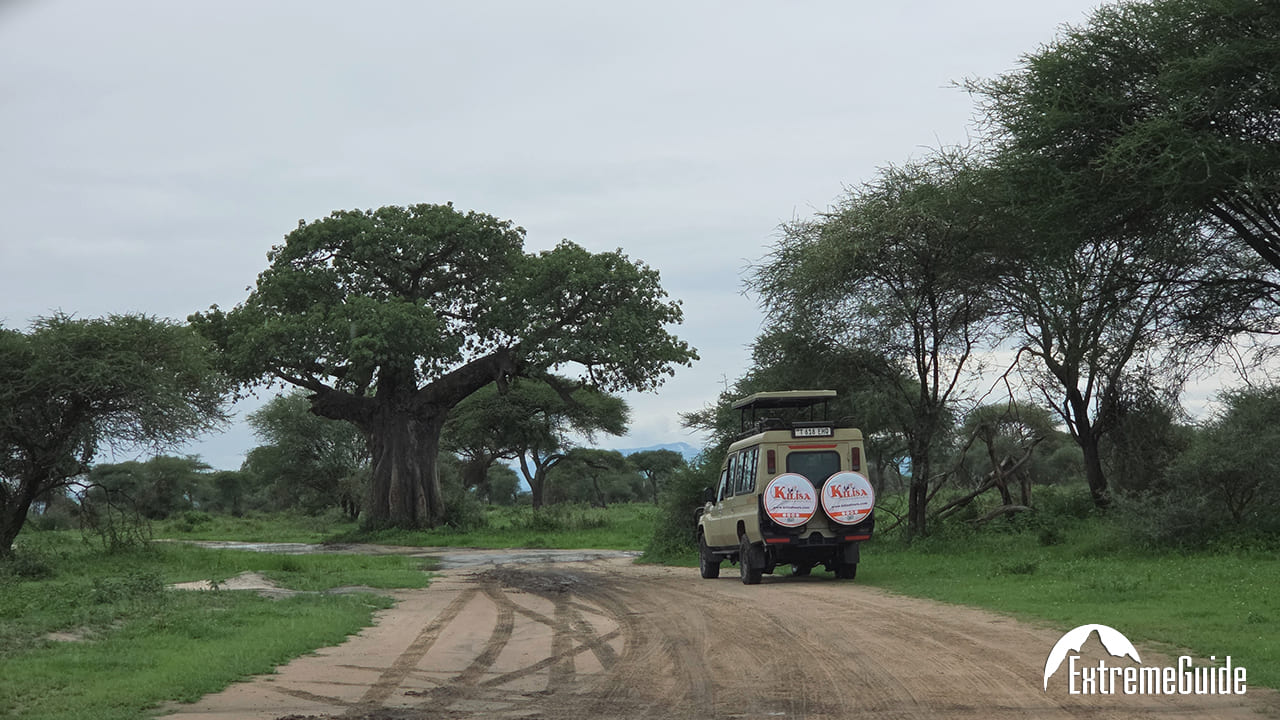
After breakfast, we travel by jeep or 4×4 minibus to Lake Manyara National Park (approximately 3.5 hours). Upon arrival, we begin a game drive — a photo safari in search of African wildlife.
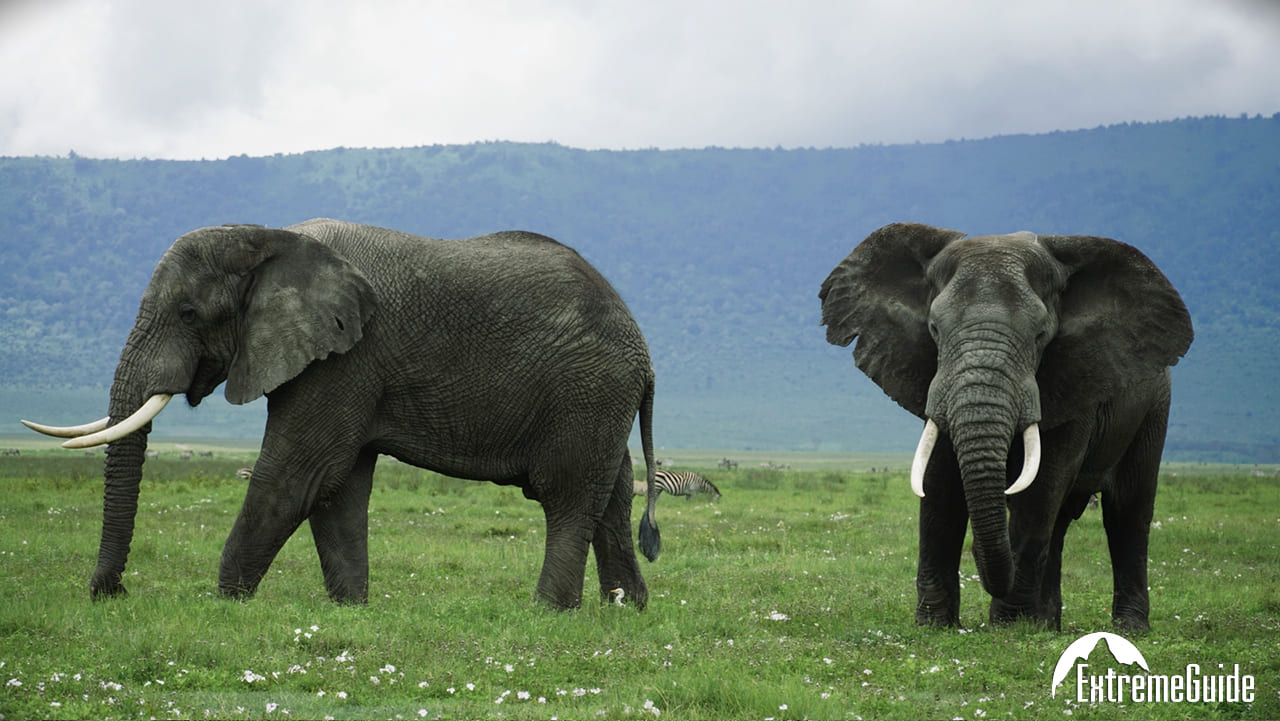
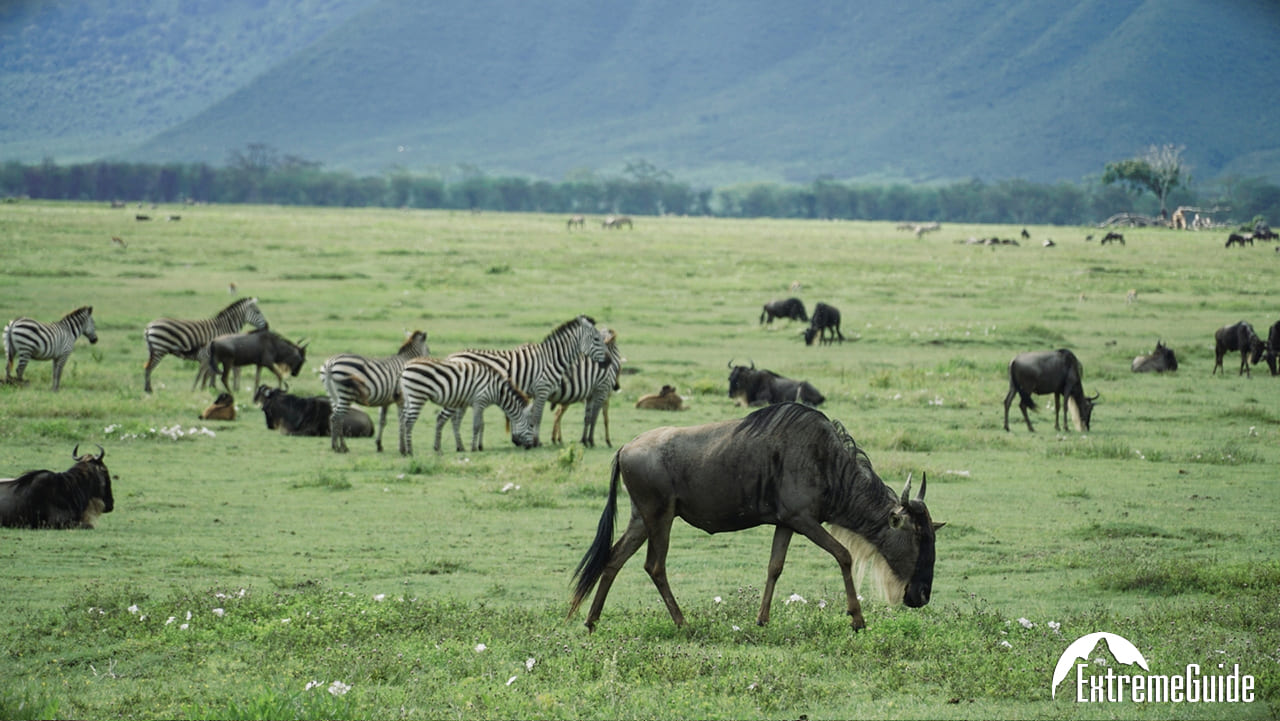
The park is known for its unique savannah landscapes, large populations of elephants and various hoofed animals. Lions and other predators can also be spotted here.
Overnight at the hotel.
day
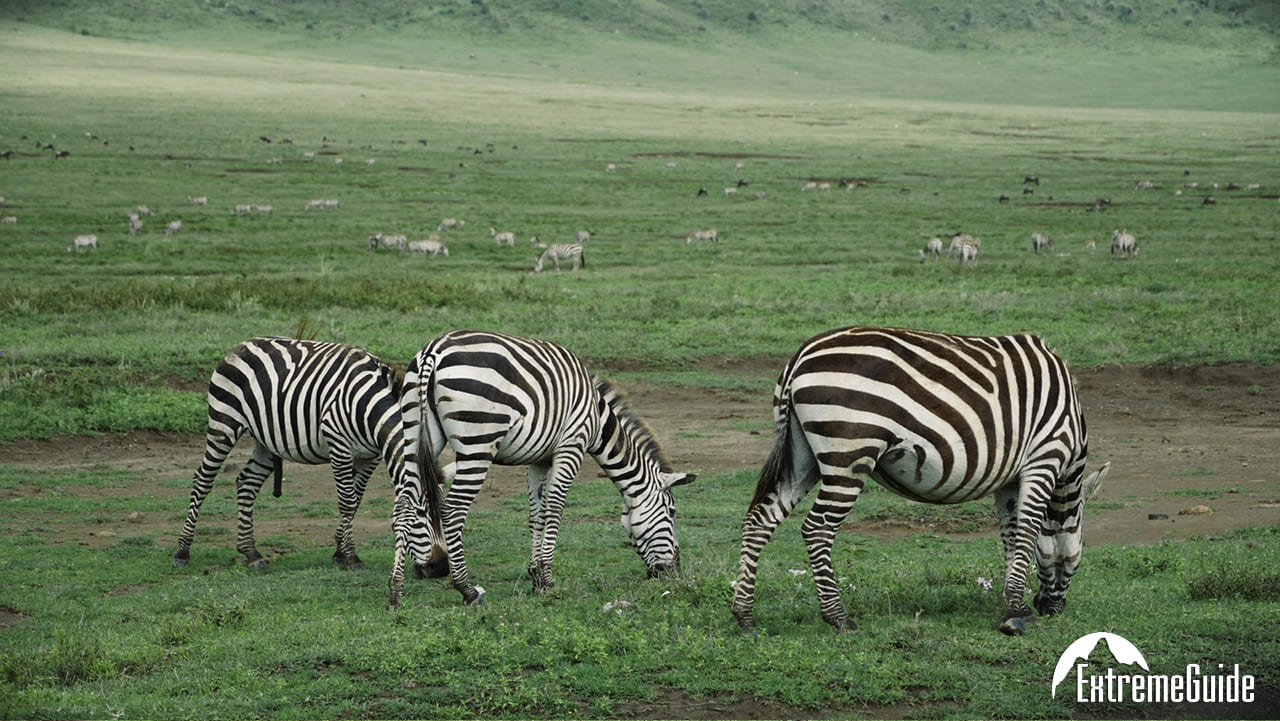
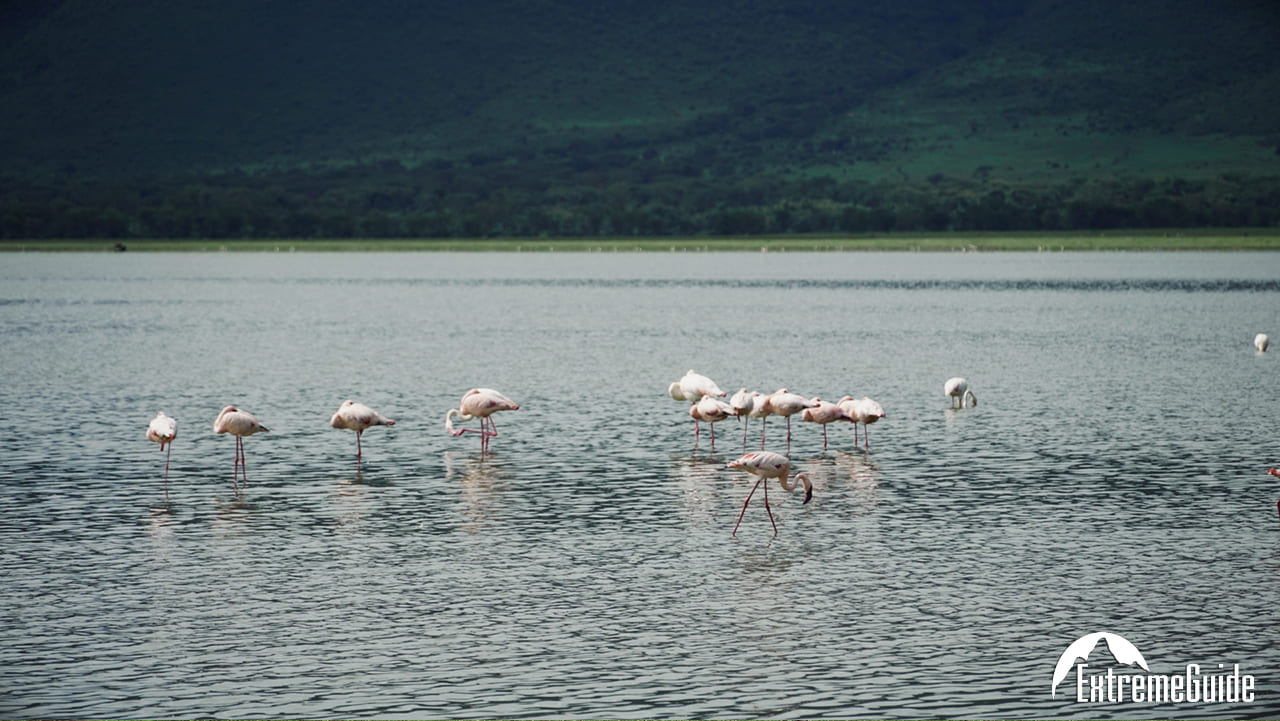
After breakfast, transfer (approximately 3 hours) to Ngorongoro National Park, a unique safari destination. The crater is one of the largest in the world and teems with birds, herbivores, and predators, including Africa’s famous Big Five. A memorable experience and stunning photographs are guaranteed. Return to Moshi.
Overnight at the hotel.
day
Departure home or continuation of the trip on your own.
Note:
*The program is not final and may be adjusted depending on the weather, the condition of the participants and other factors.
Kilimanjaro Climbing Route Map:

Why is it profitable to go hiking with Extremeguide?







Cost and conditions for climbing Kilimanjaro
Is this trip right for you?
- Yellow fever vaccinations are not required to visit Tanzania. The exception is if you’re leaving potentially dangerous countries (primarily Central Africa).
- There’s no malaria vaccine, and taking preventative medication is also unnecessary—it’s too taxing on the body. We buy malaria medication locally just in case, but we haven’t had a single case of the disease in our groups yet.
- No medical contraindications.
Included in the price:
Service by “Extremeguide”guide:
- Service by a Ukrainian guide from the “ExtremeGuide” project;
- Accompaniment by local guides at a ratio of 1 guide per 2 participants;
- All transfers according to the program;
- Airport transfers;
- Accommodation in a 3*+ hotel in Moshi (double occupancy) – 3 nights;
- Hotel accommodation during the safari;
- Personal porter for luggage (up to 15 kg);
- Cooks during the climb and safari;
- Rescue services of the Kilimanjaro National Park Rescue Service;
- Ecological conservation fee of the National Park;
- Medical first aid kit;
- Group equipment (mess tent, table, chairs, dishes, and cutlery);
- Accommodation in tents during the climb*;
- Three meals per day during the climb and safari;
- Permit for entry into Kilimanjaro National Park for the duration of the ascent;
- Permits for visiting Ngorongoro Conservation Area and Lake Manyara National Park;
- Transfers between Ngorongoro and Lake Manyara National Parks;
- International summit certificates and a commemorative souvenir after the climb.
The price does not include:
Service by “Extremeguide”guide:
- International flights from $1000;
- Lunches and dinners in cities up to $100;
- Single room supplement – $250;
- Tanzanian and Kenyan visas (approximately $50 each);
- Travel insurance with coverage of at least $30,000 (mandatory);
- Mandatory tips for support staff during the climb and safari – up to $300;
- Other expenses not specified in the program.
Price depending on the number of participants
| Participants number | Cost per 1 participant (with “ExtremeGuide” guide) |
|---|---|
| 8 | 3300 USD |
| 7 | 3400 USD |
| 6 | 3500 USD |
| 5 | 3600 USD |
| 4 | 3800 USD |
| 3 | 4200 USD |
| 2 | 4800 USD |
| 1 | 7500 USD |

Best price guarantee!
- We have included in the price all possible basic expenses for the program and guarantee that there are no hidden additional costs, while we have retained the best service at a low price: transfers, hotel accommodation, guides and staff!
We have a flexible discount system
Find out the details right now:
Necessary equipment
Basics:
- Backpack or transport bag 80-100 l. (please note that in addition to personal belongings, food and public equipment should fit there) (Read more about choosing a backpack);
- Assault backpack 30-40 l;
- Sleeping bag comfort -3…-10 °C;
- pad (it is advisable to have a thick and warm rug) (Read more about choosing a pad).
Shoes and clothing:
- Trekking boots that secure the ankle (it is important that the shoes are comfortable and worn in. Usually shoes are chosen with a thick toe and 1.5-2 sizes larger than the foot size) (Read more about choosing clothes and boots);
- Changeable shoes (sneakers);
- Sandals or Crocs;
- Warm jacket at -10…-15 °C;
- Fleece hat;
- The shorts are lightweight;
- Lightweight synthetic trousers;
- Running pants (Gore-tex/any membrane);
- Running jacket (Gore-tex/any membrane);
- Warm fleece trousers;
- Rain cape (poncho raincoat);
- Thermal underwear set;
- Warm sweater;
- Socks 3 pairs (“thermal socks” or other thick ones);
- Warm socks for the day of ascent, warm;
- Socks for overnight stays (preferably wool or down);
- Gloves (down or ski gloves; the main thing is that they are windproof);
- Synthetic T-shirt (coolmax) – 2 pcs.;
- Change of underwear;
- Sun hat;
- Swimming trunks/swimsuit;
- Buff.
Additionaly:
- A cover for a backpack/raincover;
- Headlamp + set of batteries;
- Hygiene supplies (a toothbrush and a small tube of paste, a bar of soap and a little shampoo will be enough; you should not take full bottles of shower gel and shampoo, heaps of creams and lotions with you);
- Documents;
- Individual first aid kit (bandage, cold, stomach, head. You also need to take into account specific and chronic diseases, if any. In addition to the individual first aid kit, the guide has a public one);
- Mountaineering goggles (protection category 3-4);
- Lipbalm;
- Sunscreen ointment;
- Water container (1-2 l.)
- Towel;
- Power Bank.
- Thermos (0.5 – 1.0 liters);
- Matches + a piece of dry fuel in a sealed package;
- Camera;
- Seat;
- Work gloves.
Additional Information
In the standard version of the program with the service of Ukrainian-speaking guides, the price will be 3100 USD/person, for a group of 8 people or more. For calculation of the cost of the tour for a smaller number of people and individual groups, see the table “Cost depending on the number of participants” for more details.
We guarantee that on the specified dates, even if there are 4 people in the group, the tour will take place 100% with a minimal change in cost.
To participate in the program, you must have a valid passport valid for at least six months prior to the program start date. You will receive a Tanzania visa at the airport for $50.
A company representative will meet you at the Moshi airport (details will be available closer to the start). It’s best to arrive early in the day to give you time to rest from your flight and pack for the trek.
When arriving in Tanzania, you must bring dollars no older than 2009; you can pay by card in cafes and restaurants.
We recommend bringing your own gear for the trek, as Moshi doesn’t have any specialized stores with well-known clothing and footwear brands.
You can only rent poles, a sleeping bag, a mat, and some clothing. The rental price for the entire program is $10-$15.
Things that you do not need during the trek can be left at the hotel in a separate bag.
You should be prepared for intense trekking with an elevation gain of 500-1000 m and 10-15 km of hikes. You should also be prepared for overnight stays in tents at altitudes above 4000 m. You should also be prepared for hiking conditions, including camping.
You will be accompanied by at least two service personnel, including porters who will be able to carry your bag/suitcase with your things.
In Moshe, we stay in a comfortable 3-star hotel. You can upgrade your stay for an additional fee, and we’ll book you into a higher-class hotel. During the trek, we camp in tents, with single or double occupancy.
Three nutritious meals a day: Delicious breakfasts, sandwiches with drinks for lunch, first and second courses for dinner.
A typical daily menu will include:
Breakfast
- Oatmeal
- Toast
- Pancakes
- Eggs
- Smoked sausages
- Fresh fruit (pinaple, melon, or oranges)
- Tea / Coffee / Hot chocolate
Second breakfast (lunch)
- Sandwiches
- Fresh fruit
- Hard-boiled eggs
- Buns
- Fruit juice
Dinner
- Soup
- Pasta / Rice / Potatoes
- Chicken / Beef
- Vegetables
- Salad
- Fresh Fruit
- Appetizers
Appetizers
You can bring your own snacks to ensure your enjoyment and energy boost! Chocolate is usually the best option, and if it has nuts, even better, but whatever you choose, make sure it’s healthy. If you suffer from altitude sickness, your appetite may be suppressed. These snacks should be a good addition to your meals, so make sure they’re something you enjoy eating! A powdered energy drink, such as Lucozade, is also a good source of energy and will help with the taste of the water if you’re using iodine tablets.
The climate on the mountain varies greatly depending on the altitude. We’ll pass through several climate zones. In the jungle, temperatures can reach 25°C and above, while on the seventh day, during the summit push, the temperature can drop to -10°C and below. Therefore, it’s important to choose the right clothing and sleeping bag.
Kilimanjaro can be climbed at any time of year. The heaviest rainfall occurs in April, May, and November, but during this period, the mountains are less crowded and the savannah is awash with greenery.
Before climbing Kilimanjaro, we recommend having experience with 2-3-day hikes in the Carpathians and the Alps at altitudes of 2,000 meters and above.
The best way to prepare for climbing Kilimanjaro is running and cycling. Begin training 3-4 months before the start of the program, gradually increasing your running time (a total of 3-4 workouts per week). A good result is 10-kilometer runs without stopping.
— No medical contraindications.
— The guide carries a group first aid kit. You should also bring your own medication for any specific ailments.
Yellow fever vaccinations are not required to visit Tanzania. The exception is if you are leaving potentially dangerous countries (primarily Central Africa).
There’s no vaccine for malaria, and taking preventative medication is also unnecessary—it’s too taxing on the body. We buy malaria medication locally, just in case, but we haven’t had a single case of the disease in our groups yet.
If you choose a program with a local guide only, in addition to support during the planning and preparation stages, you’ll receive online assistance from our team to ensure your hike is as comfortable as possible.
We recommend the program with local guides for those with hiking experience and a basic knowledge of English.
Tipping local service staff at the end of the trek and safari is mandatory. Tips are collected by the group’s lead guide and then shared among the staff. Tipping is mandatory regardless of whether you climbed the mountain or not!
This program is potentially dangerous to the health and life of any participant.
Guides will ensure your safety as long as you comply with the TB Rules.
The decision to terminate the ascent in conditions that pose a threat to the safety of the participants is the sole responsibility of the guide accompanying the group and is not subject to discussion.
The group is accompanied by military security during the trek. Therefore, you can be 100% confident in your safety.
Absence of diseases incompatible with active tourism: List of diseases.
Features of acclimatization in high mountains
Physical and mental preparation before climbing and hiking in the mountains
The table shows the basic cost for a group and may change depending on the number of people in the group. For the calculation of the cost of the tour for a smaller number of people and individual groups, see the «Price» block for more details.
We guarantee that on the dates indicated in the table, even if there is a minimum number of people allowed in the group, the tour will take place 100% with a minimum change in cost.
Pleasant bonuses, which everyone receives when ordering a tour with us


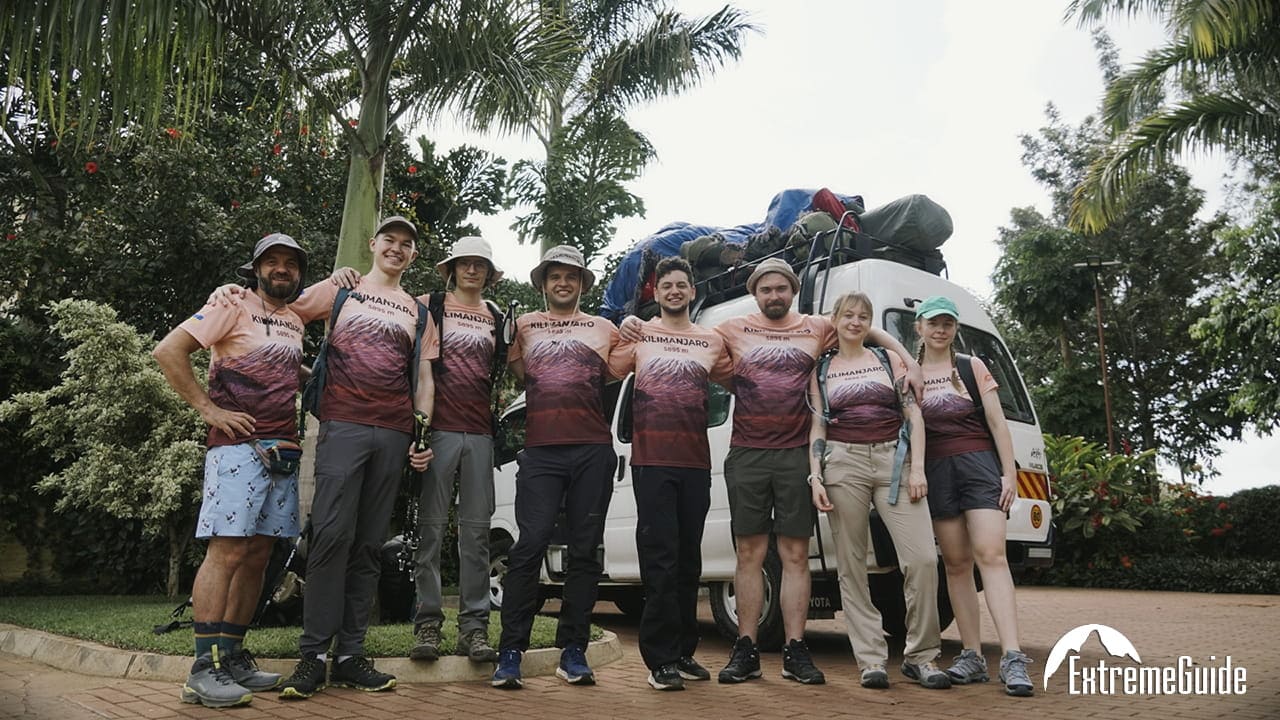
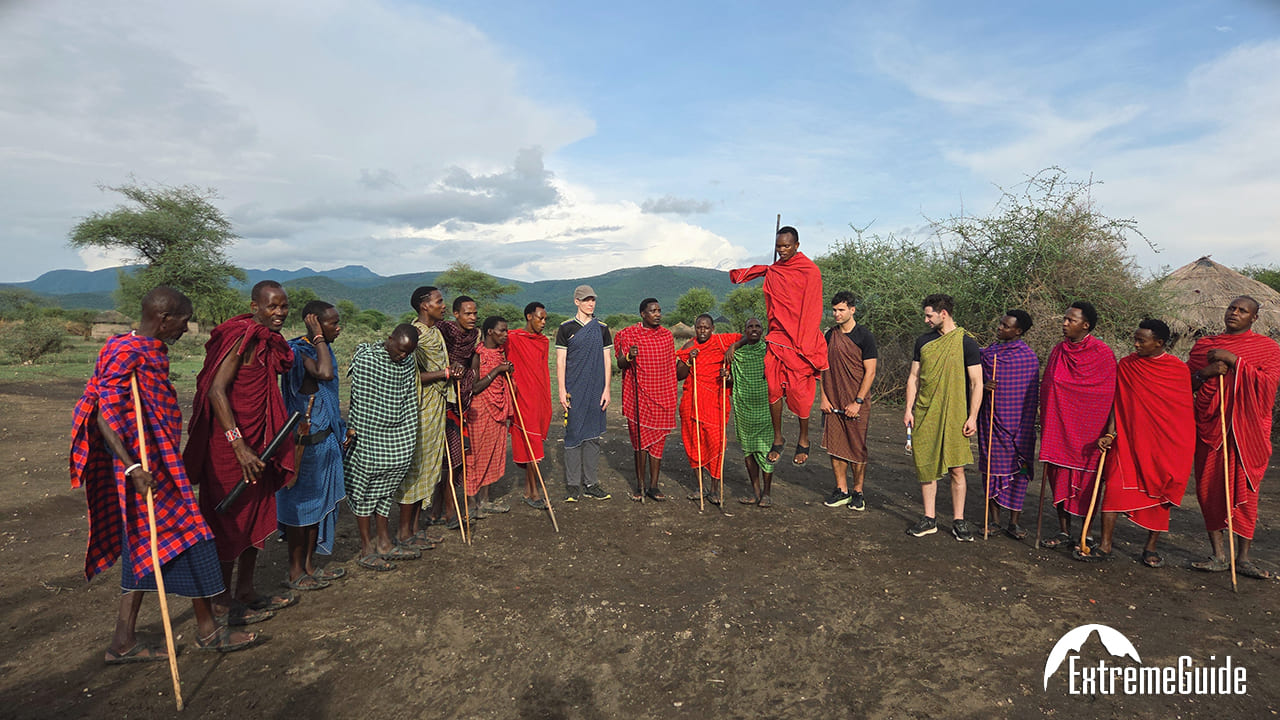
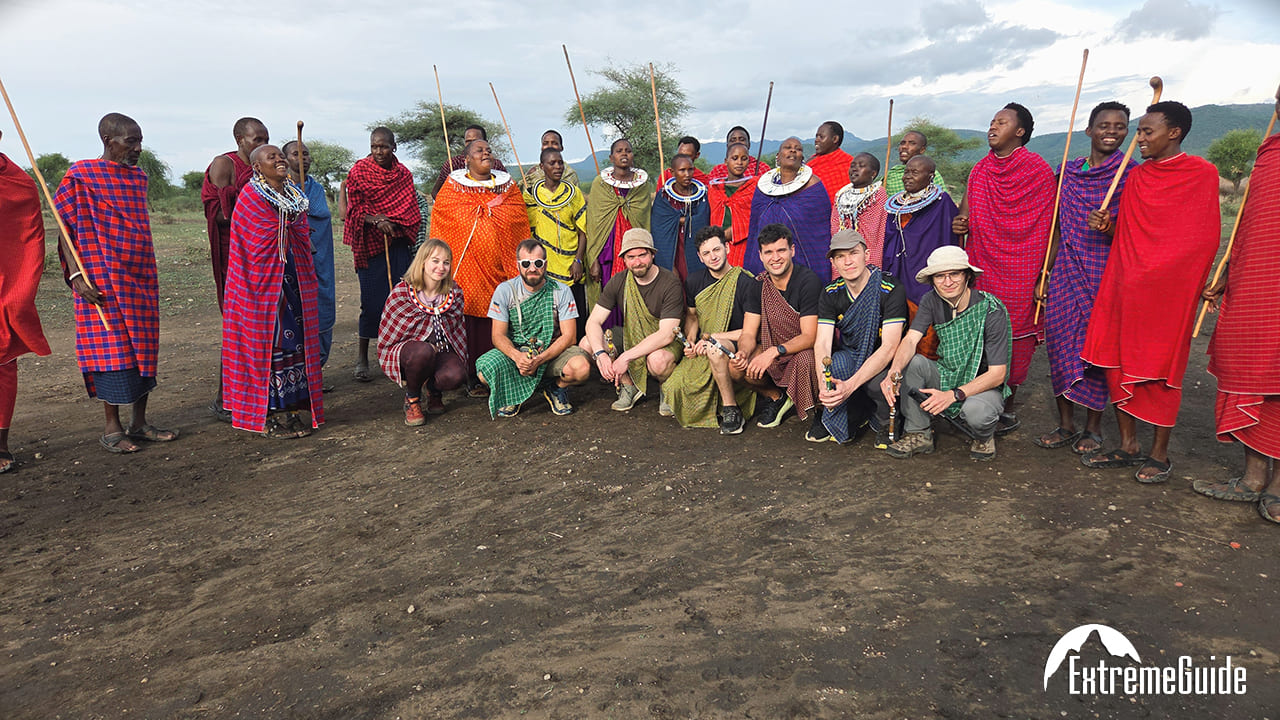
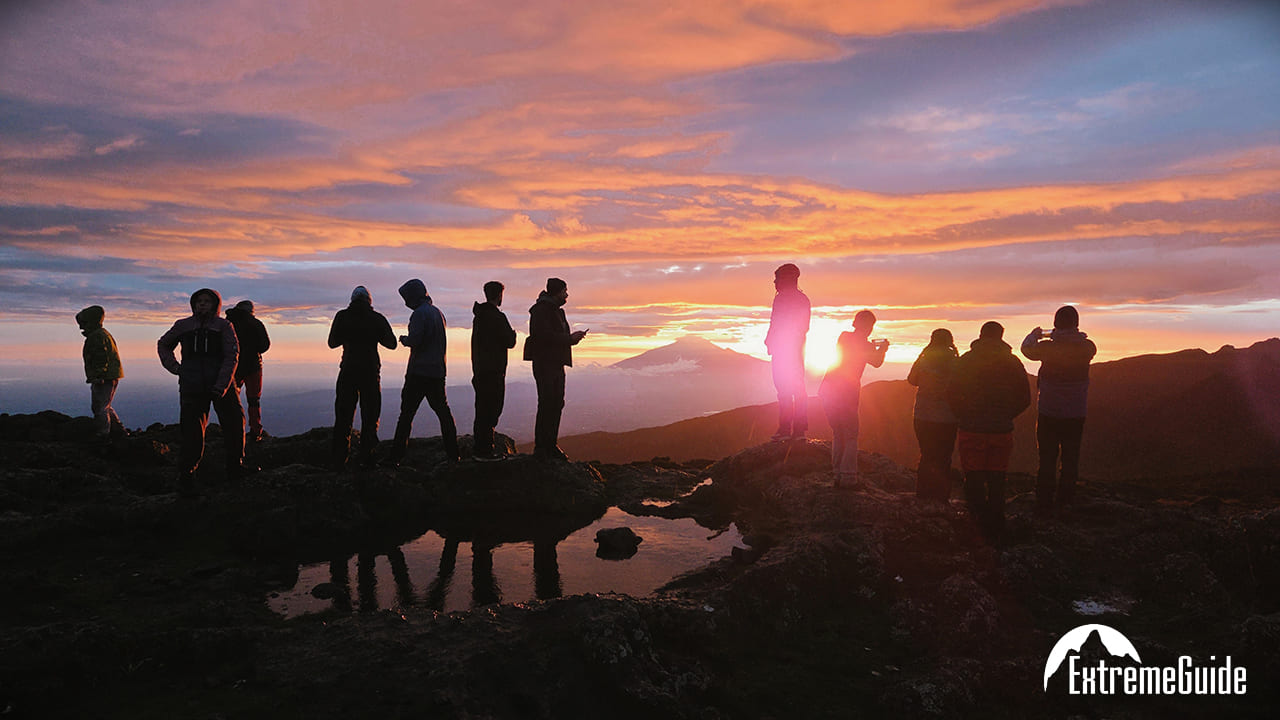
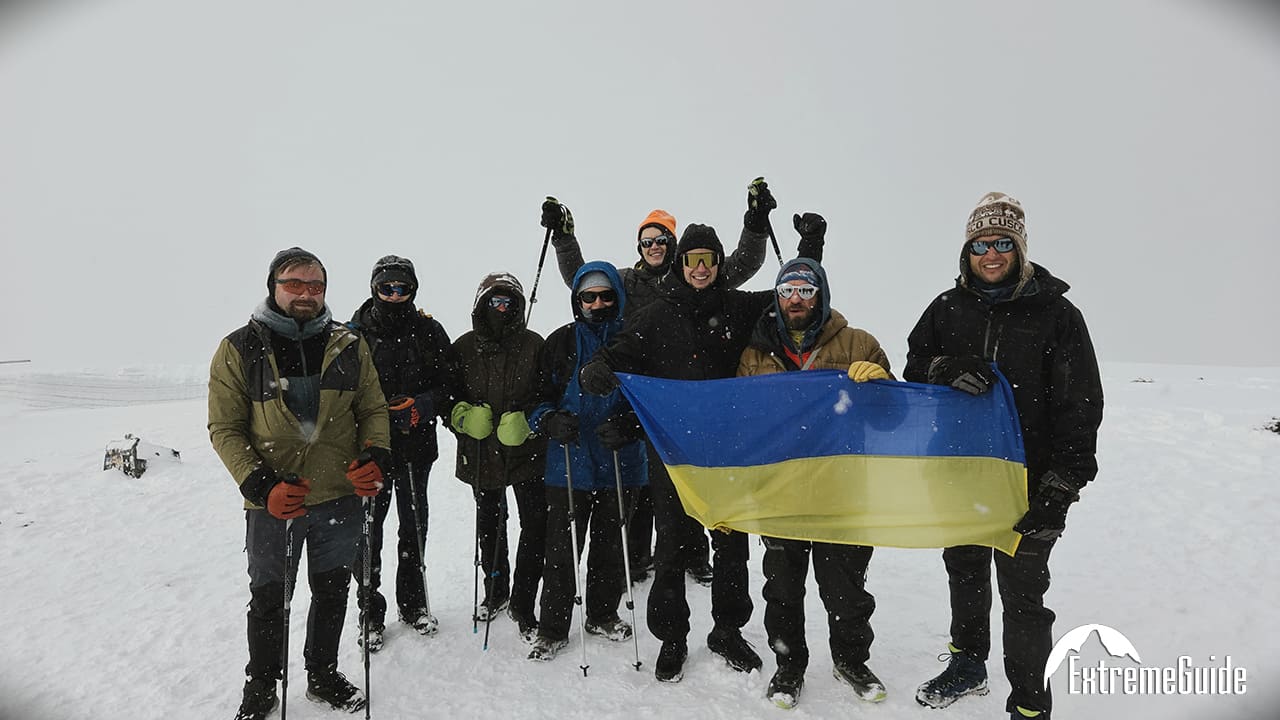
Photo of previous trips
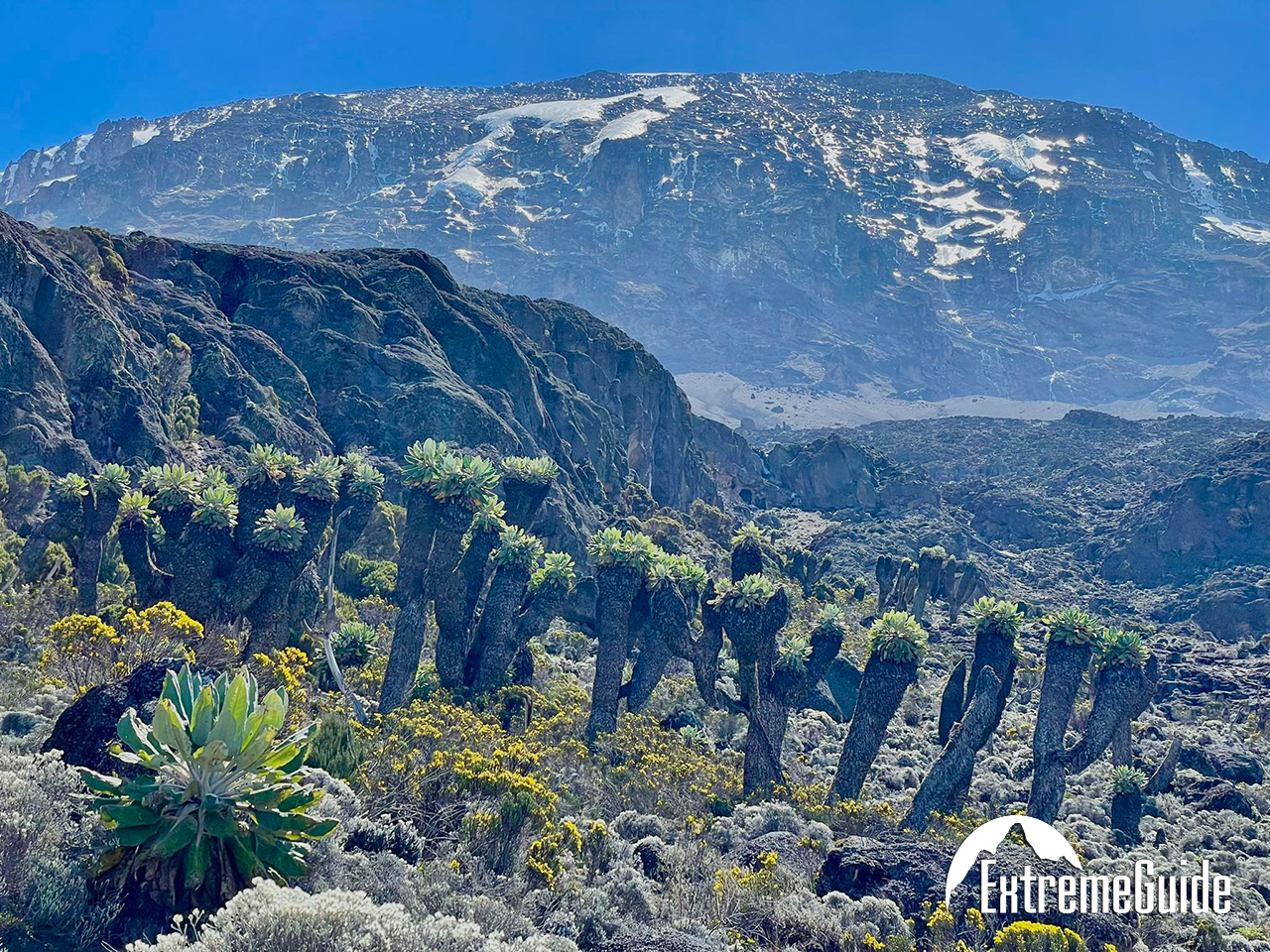

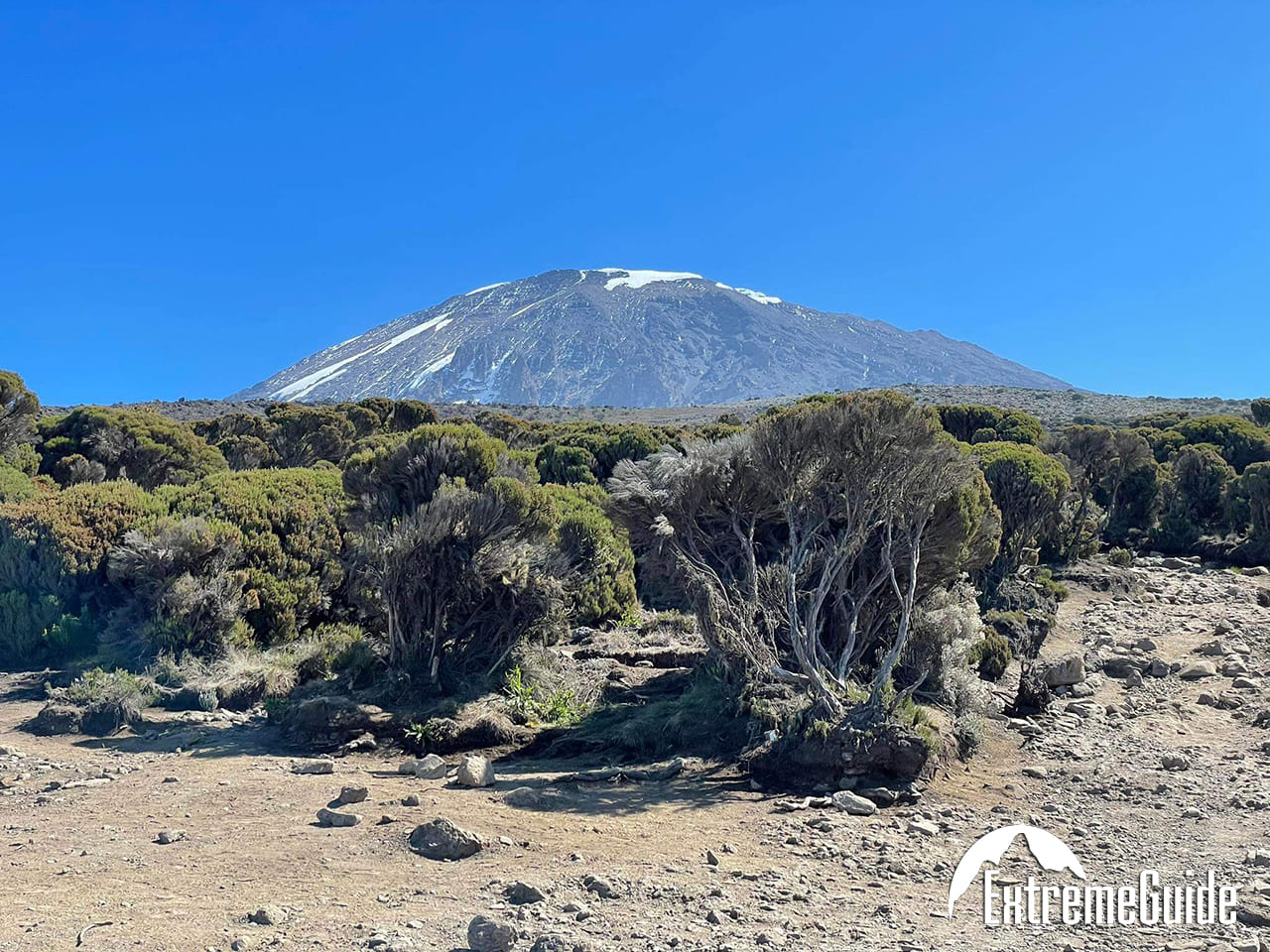
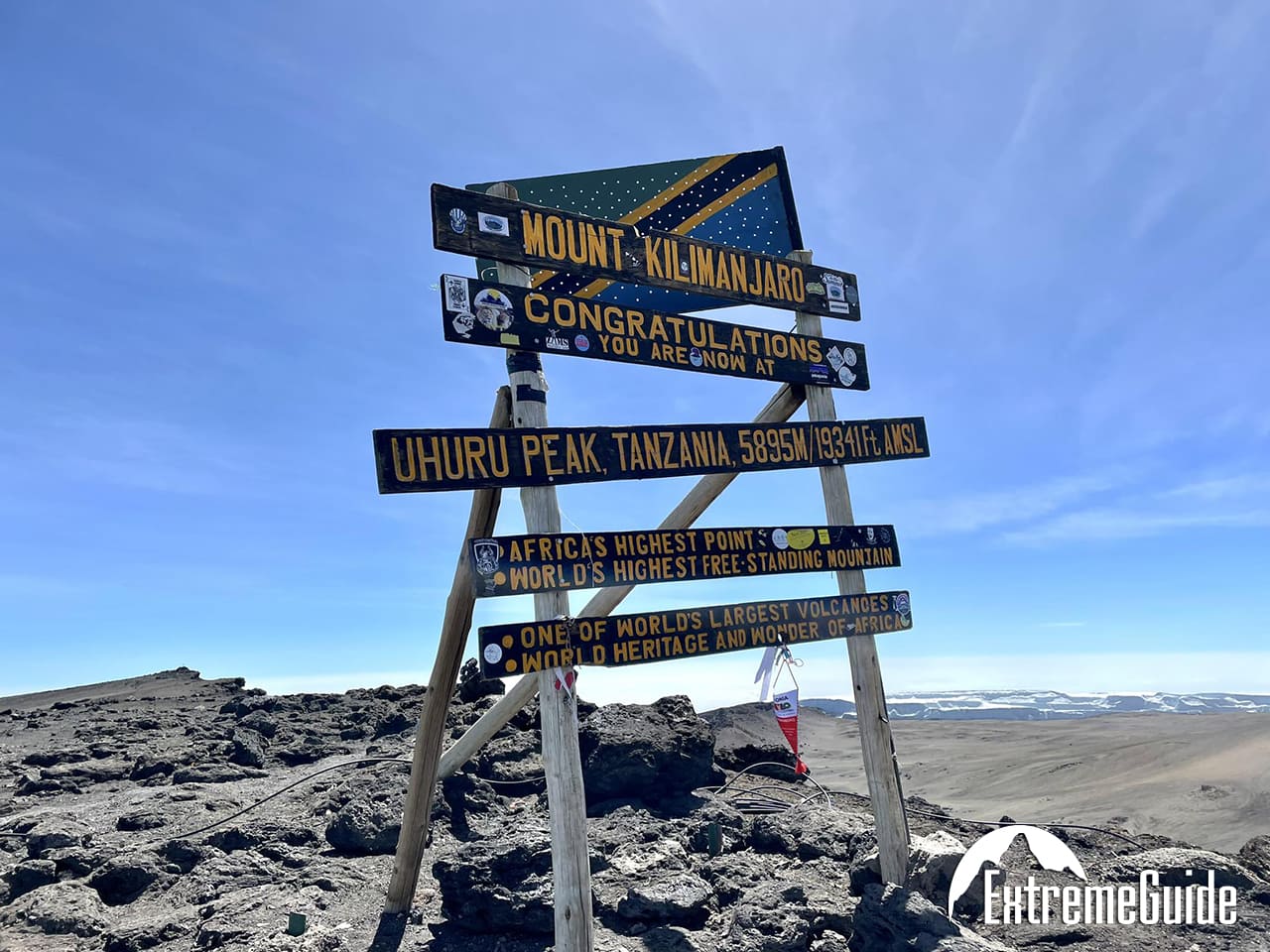
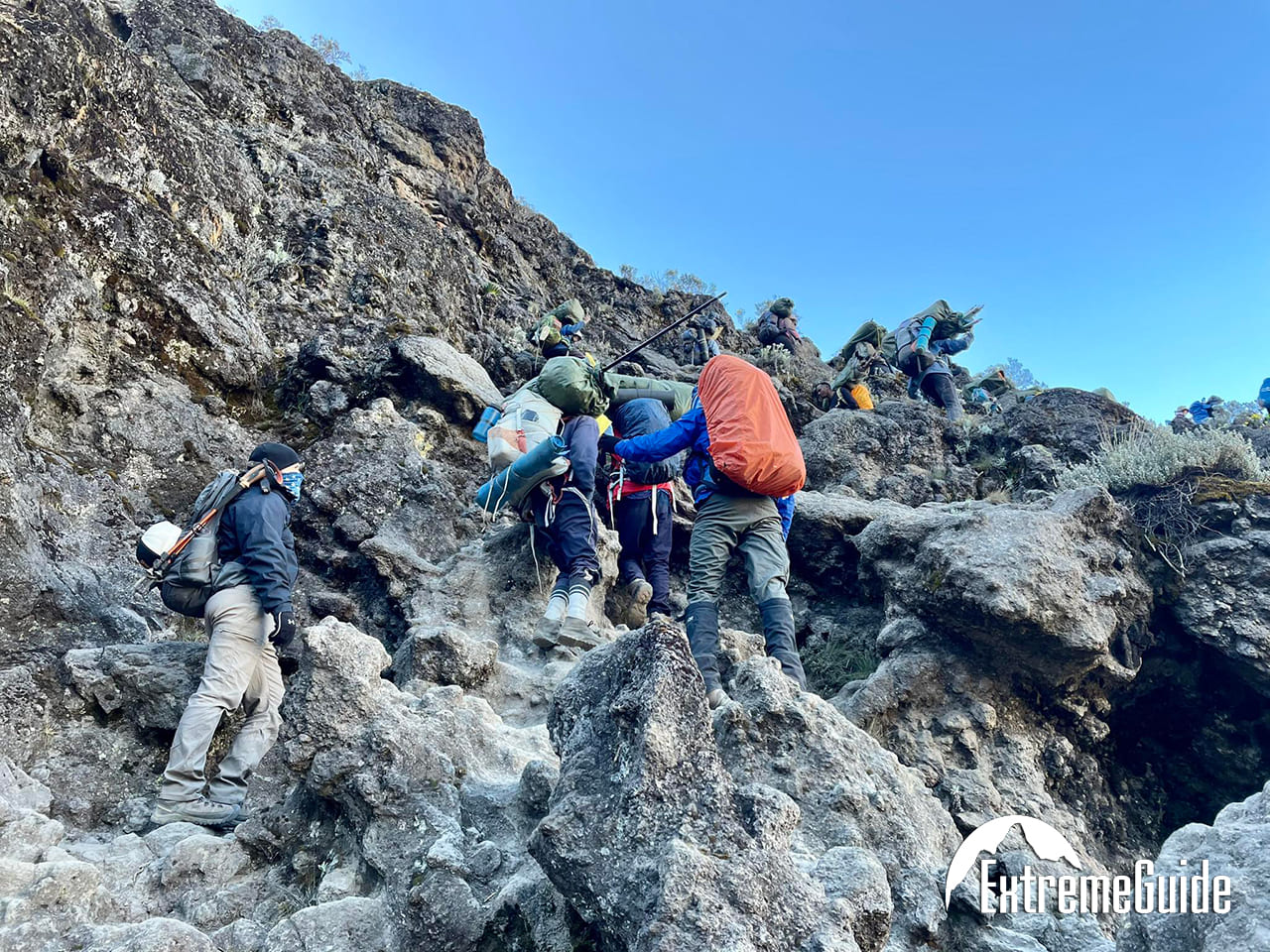
Reviews of our travelers
Recommended tours
 Alps
Alps
Dates:
June 5 - June 7
June 12 - June 14
June 19 - June 21
June 26 - June 28
July 3 - July 5
July 10 - July 12
July 17 - July 19
Complexity:
Duration:
Height:

Left: 2 places
 Alps
Alps Dates:
June 5 - June 12
June 12 - June 19
June 19 - June 26
June 26 - July 3
July 3 - July 10
July 10 - July 17
July 17 - July 24
July 24 - July 31
July 31 - August 7
August 7 - August 14
August 14 - August 21
August 21 - August 28
August 28 - September 4
September 4 - September 11
September 11 - September 18
September 18 - September 25
September 25 - October 2
Complexity:
Duration:
Height:
Left: 4 places
 Turkey
 Dates:
Complexity:
Duration:
Height:
 Georgia
 Dates:
June 27 - July 4
July 10 - July 17
July 25 - August 1
August 8 - August 15
August 22 - August 29
September 5 - September 12
Complexity:
Duration:
Height:
Left: 6 places
 Georgia
 Dates:
Complexity:
Duration:
Height:
 Himalayas
 Dates:
May 1 - May 18
Complexity:
Duration:
Height:
Left: 8 places
 Himalayas
 Dates:
April 17 - May 23
Complexity:
Duration:
Height:

5.0 (90)
Left: 2 places
 Nepal (Himalayas)
Dates:
October 25 - November 8
April 17 - May 1
October 2 - October 16
October 23 - November 6
Complexity:
Duration:
Height:

5.0 (14)
Left: 12 places
 Ecuador
 Dates:
December 27 - January 7
December 27 - January 11
January 31 - February 11
January 31 - February 15
August 15 - August 26
August 15 - August 30
Complexity:
Duration:
Height:
5.0 (90)
Left: 6 places
 Argentina
 Dates:
January 31 - February 16
Complexity:
Duration:
Height:
Left: 6 places
 Argentina
 Dates:
January 17 - February 9
Complexity:
Duration:
Height:
5.0 (90)
Left: 8 places
 Chile
Chile Dates:
January 17 - January 30
Complexity:
Duration:
Height:
5.0 (90)
Left: 4 places