
The True Story of The Perfect Storm: What Really Happened to the Crew of the Andrea Gail
On October 29, 1991, the fishing vessel Andrea Gail disappeared without a trace in the North Atlantic. Six people were on board. The crew had set out to catch swordfish and found themselves in the path of one of the most notorious storms of the 20th century.
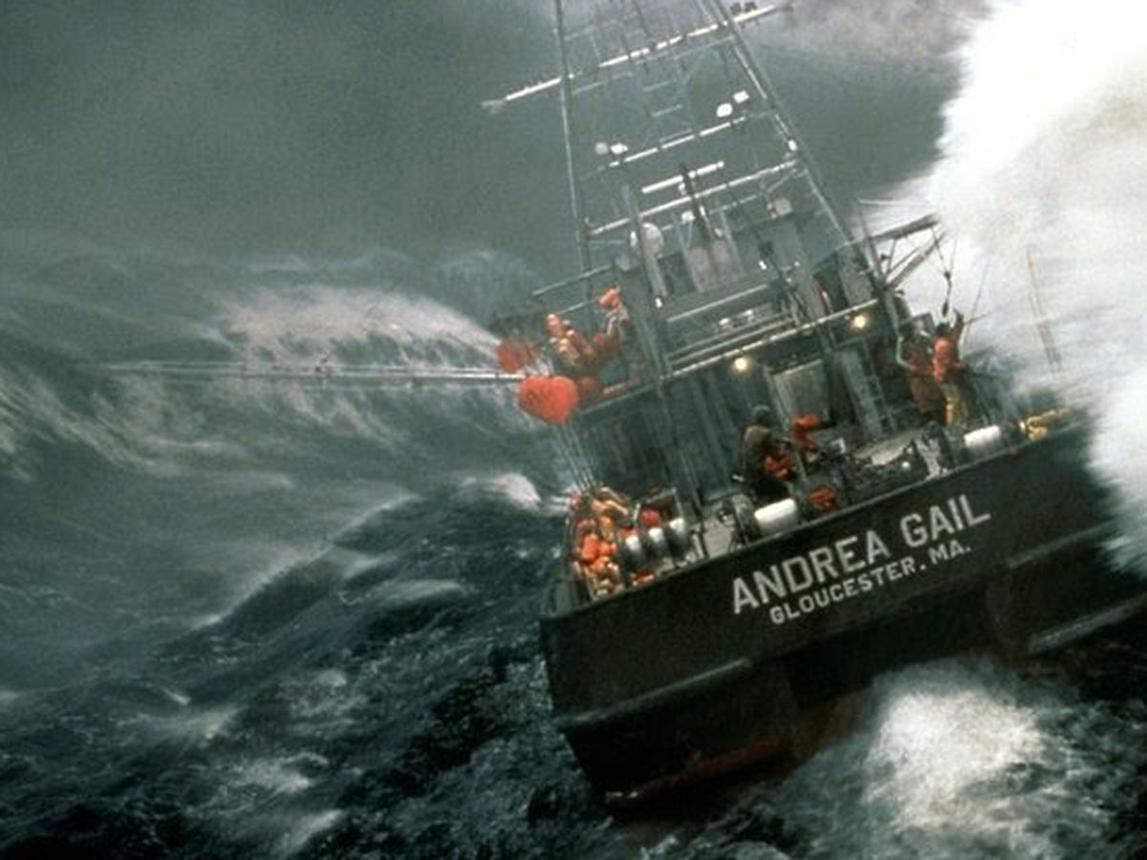
Rescuers found only the vessel’s emergency radio beacon. Neither the vessel nor the bodies of its crew were ever recovered.
The tragedy later became the basis for Sebastian Junger’s book The Perfect Storm and the film of the same name starring George Clooney and Mark Wahlberg. However, the real story was more complex than the on-screen drama. The disaster resulted from a rare combination of weather systems, the harsh conditions of commercial fishing, and the limitations of a small vessel in the open ocean.
The Final Voyage from Gloucester
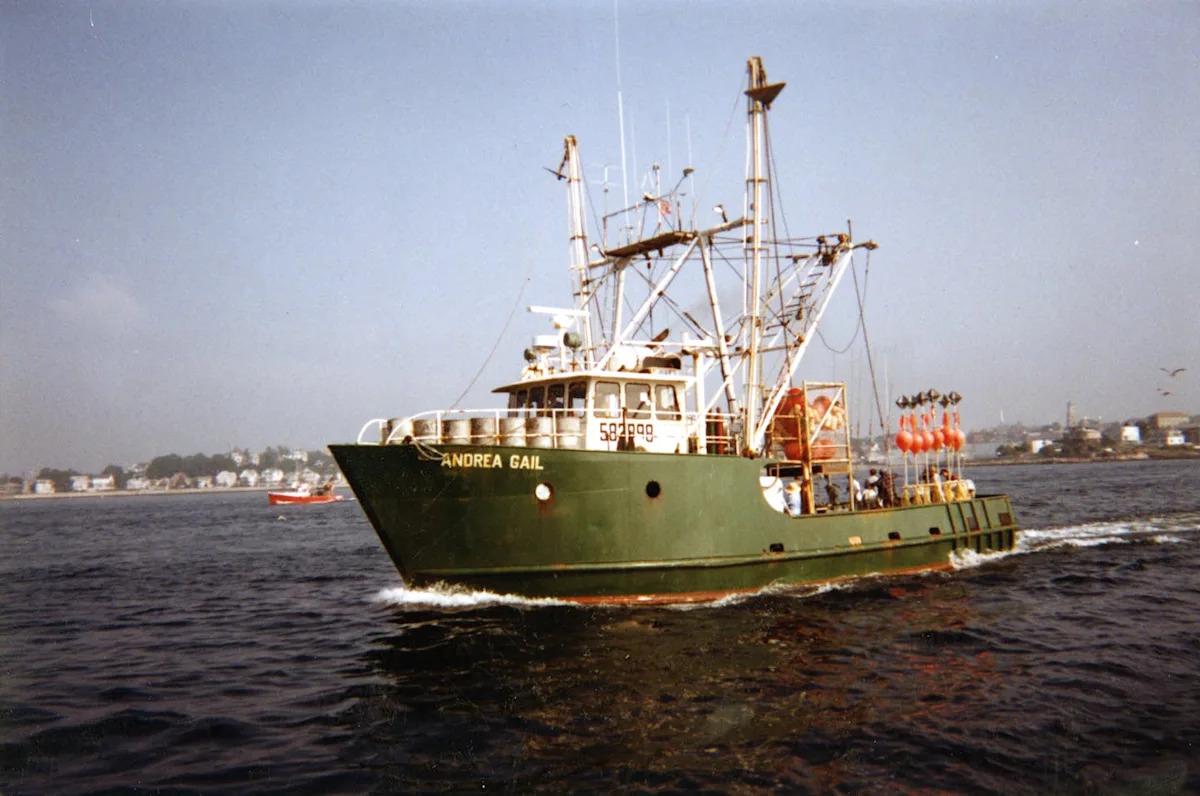
The Andrea Gail was a fishing vessel approximately 21 metres long. Her home port was Gloucester, Massachusetts, a city with a long maritime tradition.
In September 1991, the vessel set out to fish for swordfish in the waters of the Grand Banks of Newfoundland. By the end of October, the crew had already been at sea for around forty days.
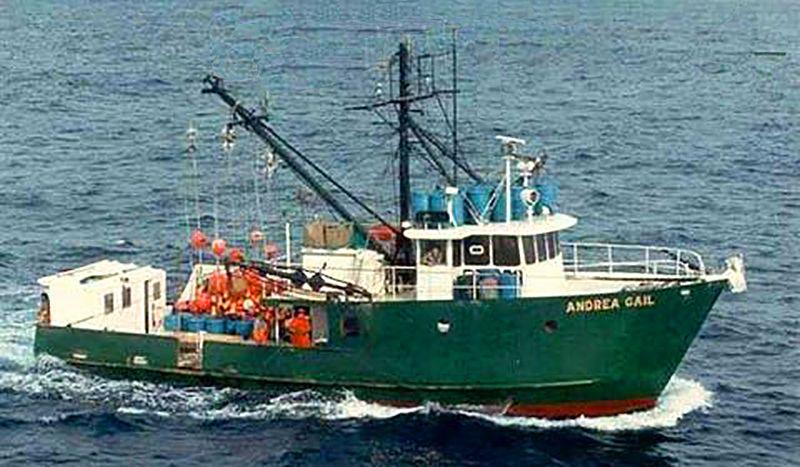
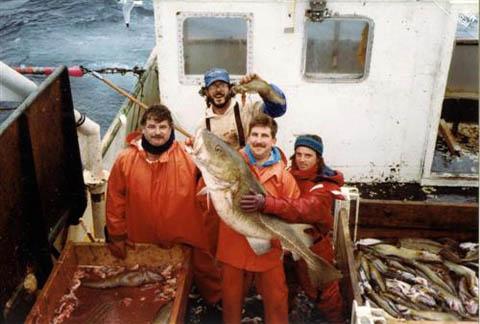
There were six people on board, led by Captain Billy Tyne. All had experience in commercial fishing. But even an experienced crew depends on the condition of the vessel, the accuracy of weather forecasts, and the ability to avoid dangerous weather in time.
How The Perfect Storm Formed
In late October 1991, several powerful weather systems converged over the Atlantic. The storm was influenced by:
- A deep low-pressure system.
- Cold air moving in from the mainland.
- The remnants of Hurricane Grace, moving north from the south.
These systems interacted and reinforced one another. As a result, an exceptionally powerful storm developed over the ocean, later becoming known as The Perfect Storm.
According to meteorological observations, wind speeds reached approximately 80 knots, and individual waves may have reached 30 metres in height. For a fishing vessel approximately 21 metres long, these conditions posed a deadly threat.
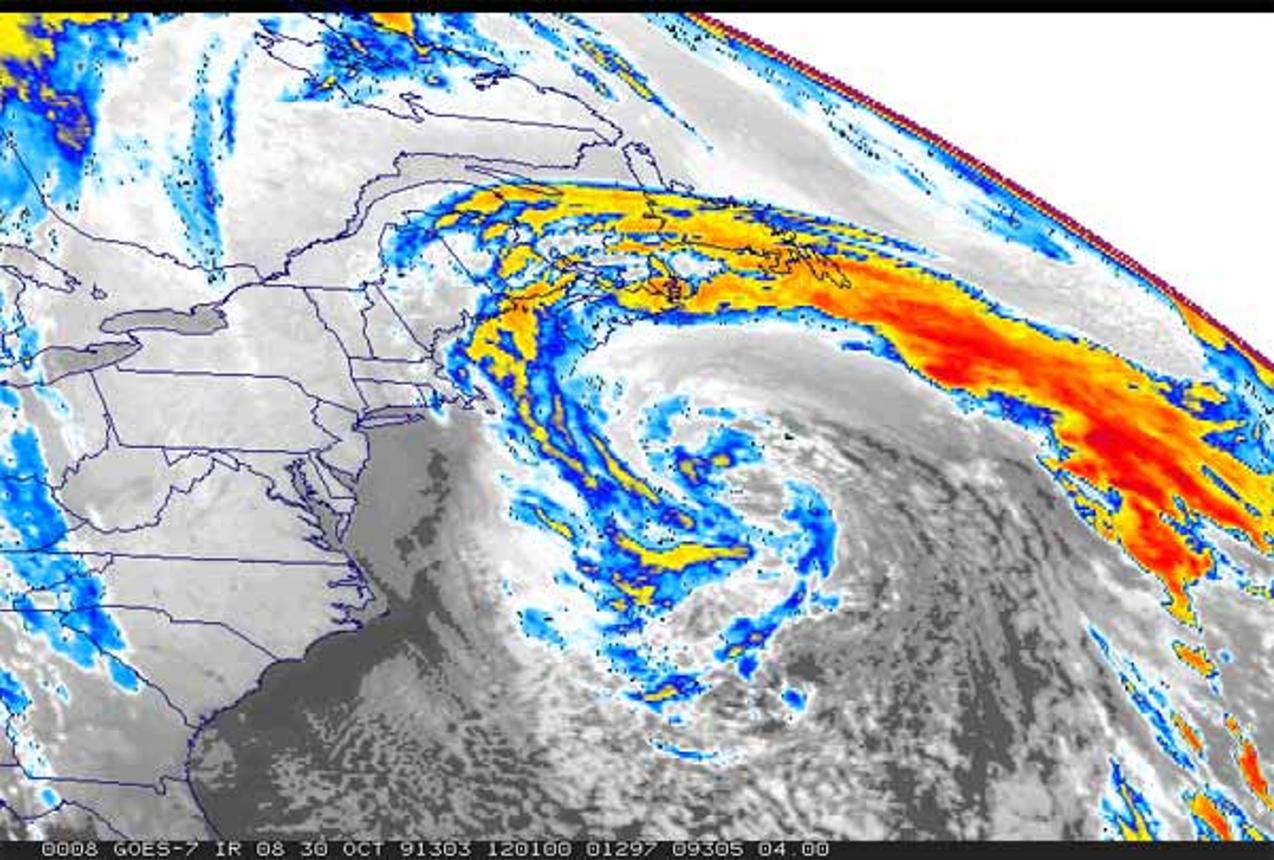
Importantly, the danger did not come from a single giant wave, but from a combination of factors: strong winds, heavy seas, poor visibility, crew fatigue, and the vessel’s distance from shore.
The Last Radio Contact
On October 28, Captain Billy Tyne contacted another fishing vessel. During the conversation, he reportedly said:
“She’s coming on, boys, and she’s coming on strong.”
These words became the last known message from the Andrea Gail.
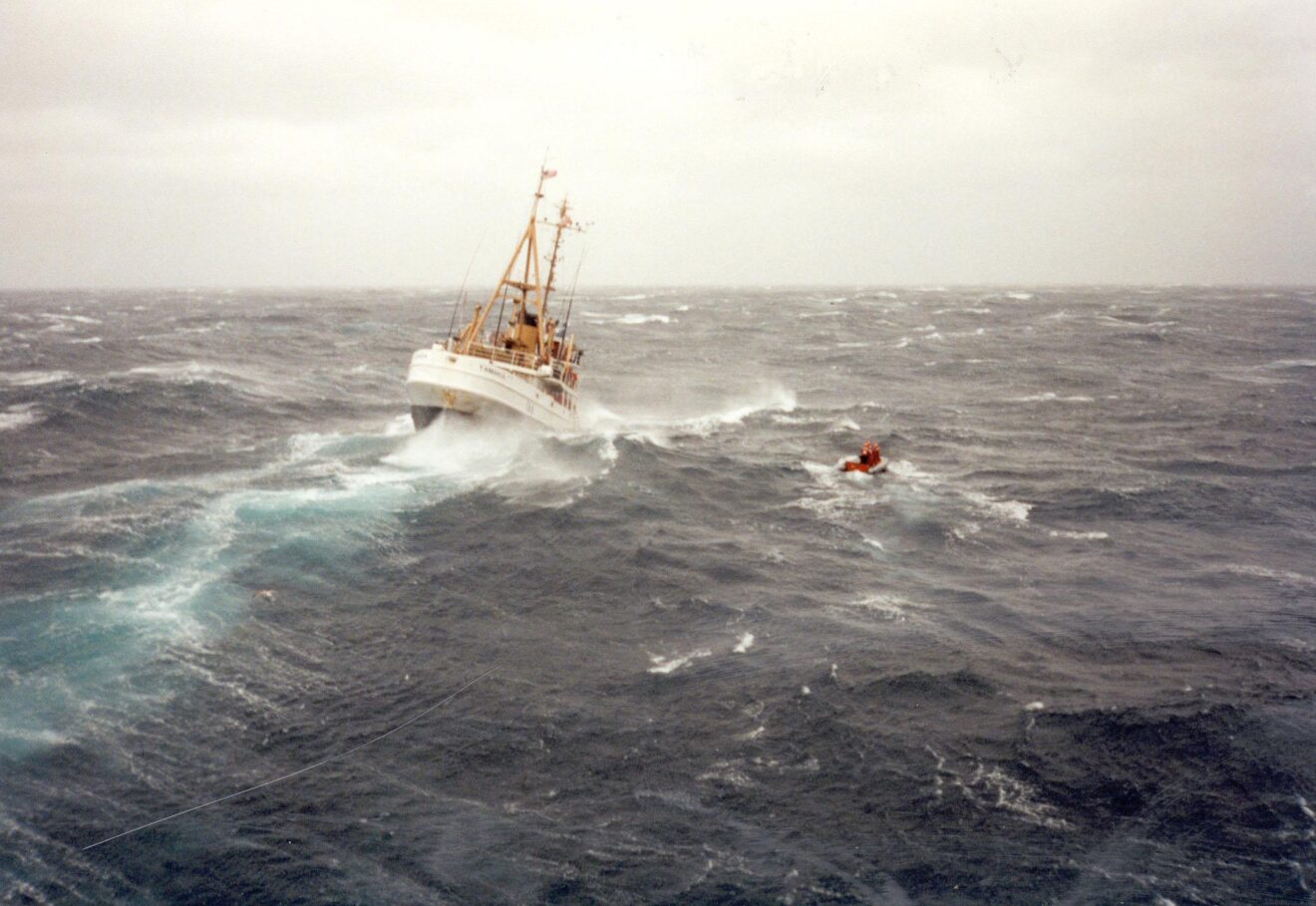
What happened after that remains unknown. The vessel was far from shore, and the deteriorating weather rapidly limited the crew’s options. Changing course, riding out the storm, or continuing onward could each have had different consequences, but it is no longer possible to reconstruct the exact sequence of decisions.
What Was Found After the Vessel Disappeared
Following the disaster, search teams recovered the Andrea Gail‘s emergency radio beacon. Later, several items associated with the vessel washed ashore on Sable Island, off the coast of Nova Scotia.
The vessel itself was never found.
As a result, it is impossible to say exactly how the crew died. The vessel may have capsized, lost propulsion, suffered structural damage, or been overwhelmed by a series of powerful waves. A combination of several factors is also possible.
Any detailed account of the crew’s final moments in the book or film remains a reconstruction, not an established fact.
The Book and the Film: Where Fact Ends and Fiction Begins
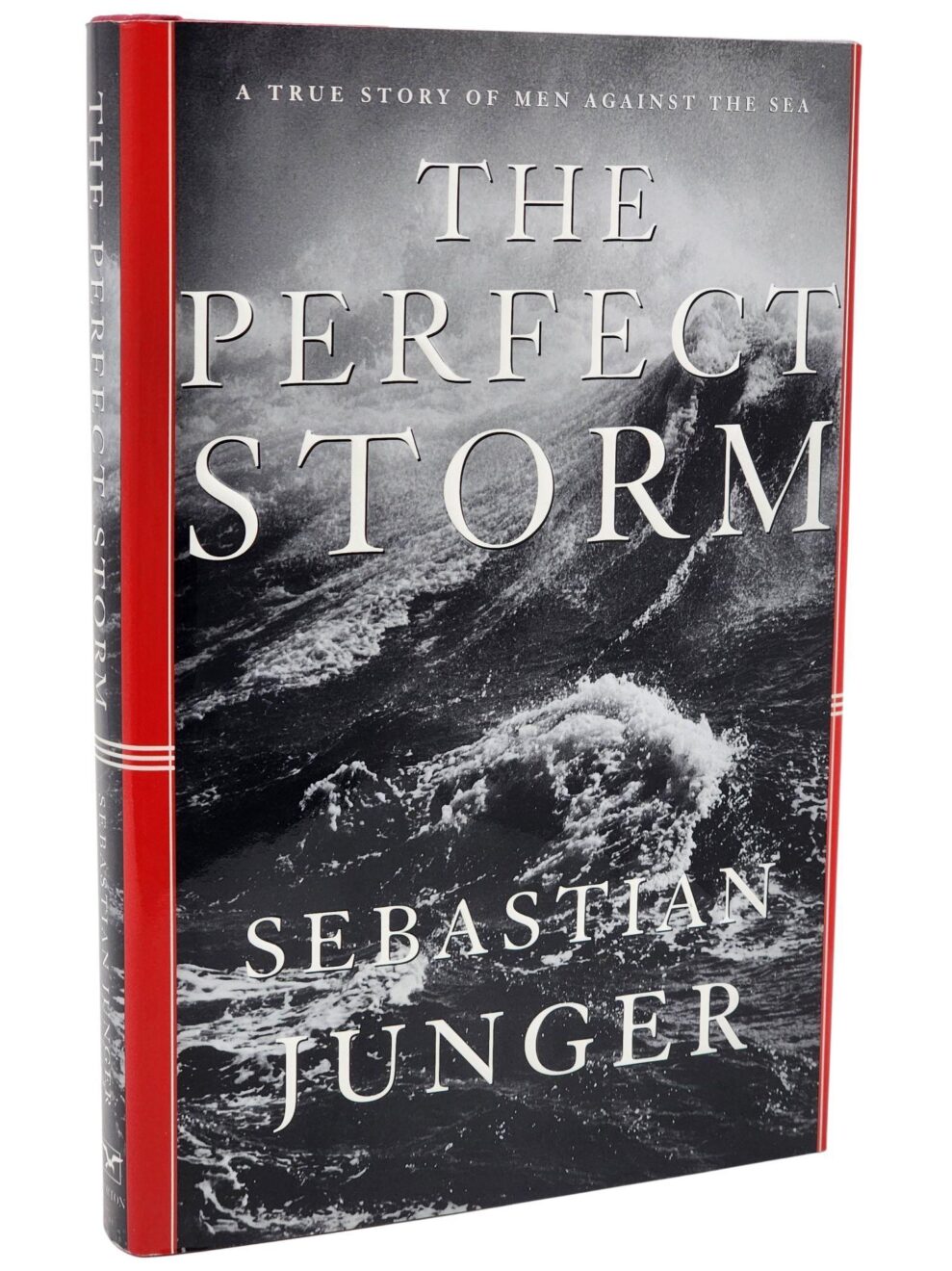
Sebastian Junger published The Perfect Storm in 1997. While researching the book, he studied meteorological data, spoke with fishermen, relatives of the victims, and experts, and examined possible scenarios that could explain the disaster.
The book combines documentary research with a reconstruction of events. Junger sought to explain how the storm developed and what circumstances may have led to the vessel’s loss, but he could not reliably reconstruct the crew’s final moments.
Wolfgang Petersen’s film, released in 2000, heightened the dramatic elements of the story. It introduced detailed dialogue, personal conflicts, and a spectacular final scene involving a giant wave.
In reality, no one knows whether the Andrea Gail encountered a single extreme wave or sank as a result of the storm’s cumulative effects.
What the Story of the Andrea Gail Teaches Us
The tragedy of the Andrea Gail matters to more than just seafarers. Similar risks exist in the mountains, on glaciers, and during other self-sufficient expeditions.
Fatigue Affects Decision-Making
The crew had spent around forty days at sea. Prolonged work, lack of sleep, and constant stress affect concentration and the ability to assess danger.
Experience Does Not Eliminate Limitations
An experienced captain understands the sea better, but cannot control wave heights, wind, or the vessel’s technical capabilities. The same applies to mountain guides and mountaineers.
Every Plan Must Account for the Possibility of Turning Back
On any expedition, it is important to establish in advance the conditions under which the group will change its route, shorten a stage, or turn back. Deciding to retreat does not mean failure. Sometimes it is the only way to save lives.
The story of the Andrea Gail remains one of the best-known maritime tragedies precisely because its ending is unknown. Six people went out to sea, encountered an extraordinary force of nature, and never returned.
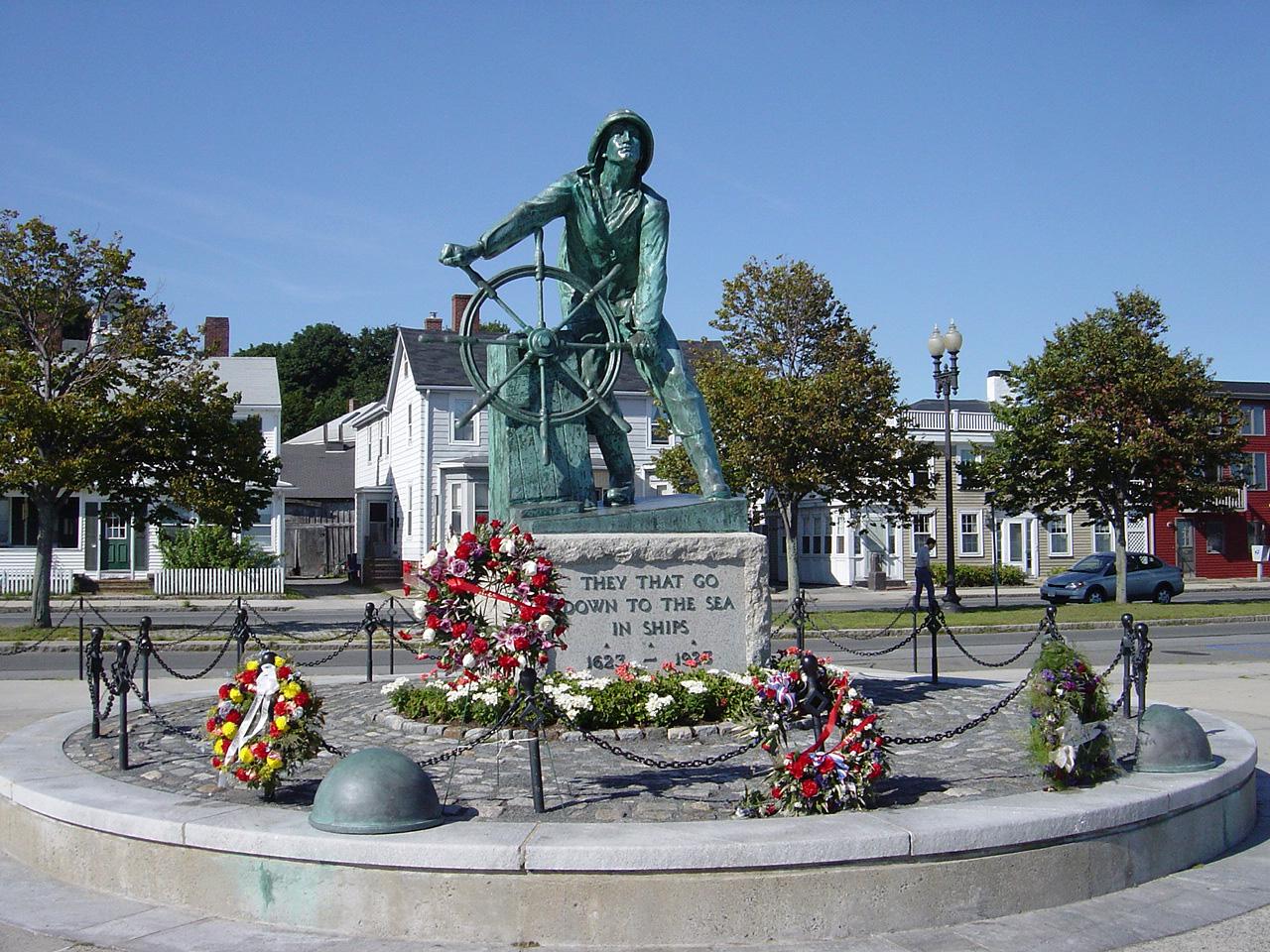
The ocean left behind only a few traces, meteorological data, and countless unanswered questions. The story of The Perfect Storm serves as a reminder that, on a self-sufficient expedition, experience and courage matter, but they cannot overcome the power of nature or eliminate the need to recognise when it is time to turn back.