
What is the Cooper test and how to take it correctly?
The Cooper Test is one of the most famous and easy-to-administer functional tests for assessing a person’s physical fitness, primarily their aerobic capacity. Developed in 1968 by American physician Kenneth Cooper, this test has gained popularity worldwide due to its accessibility and informativeness. Initially developed for the US military, it quickly migrated to gyms and rehabilitation centers, becoming a tool for millions of people monitoring their health.

What is the Cooper test?
The Cooper Test is a stress test designed to measure cardiovascular and respiratory endurance. Its fundamental premise is that the distance a man or woman can run in 12 minutes directly correlates with a key indicator of aerobic fitness—maximal oxygen consumption (VO₂ max).
VO₂ max is the amount of oxygen the body can absorb and utilize during maximal physical exertion. The higher this value, the more efficiently the heart pumps blood and the more efficiently the muscles utilize oxygen for energy production. Thus, the Cooper test is an indirect yet fairly accurate way to assess this important parameter without sophisticated laboratory equipment.
It’s important to understand that the test is submaximal, meaning it requires a high, but not extreme, level of effort. However, like any significant physical activity, it has contraindications.
Important warning: It is not recommended to use this test without first consulting a doctor, especially for people who are overweight, have chronic illnesses, or lead a sedentary lifestyle.
How is the test conducted (using running as an example)?
The classic Cooper test is performed in a running version, although there are modifications for swimming and cycling. The rules for performing it are extremely simple.
Preparation:
- Choosing a location. A flat track at a stadium with a marked lane (e.g., 400 meters) is ideal, as it’s easy to accurately measure the distance. A park path of a known length can also be used.
- Warm-up. Be sure to do a light warm-up of 5-10 minutes: joint exercises, light jogging, and dynamic stretching. This will prepare your body for the activity and reduce the risk of injury.
- Self-monitoring. It’s best to have a stopwatch or sports watch with you.
Testing process:
- Objective: Run the maximum possible distance in 12 minutes.
- Start on the stopwatch signal.
- Walking or resting pauses are permitted if maintaining the run becomes too difficult. However, the goal is to minimize these pauses so that the results reflect true performance.
- After exactly 12 minutes, stop and record the distance covered in meters.
What to do after the test?
Don’t stop abruptly. Walk for a few minutes until your heart rate gradually drops. Drink some water. The result in meters is your starting point for evaluation.
Recommendation: The Cooper test is best used after several months of regular running, when you can confidently cover distances of 2-3 km. If signs of excessive exertion (severe shortness of breath, dizziness, chest pain, nausea) appear during the test, discontinue the test immediately.
What is the test for?
The Cooper test serves several important purposes:
- Assessing your fitness level. This is the primary goal. You receive an objective numerical indicator of your aerobic endurance.
- Monitoring progress. By taking the test every 2-3 months, you can clearly see how effective your training program is. Increasing your distance will directly indicate an increase in your VO₂ max and improved fitness.
- Motivation. A specific goal (running 100 meters more than last time) is a great incentive for regular training.
- Determining training heart rate zones. Based on the test results, you can indirectly calculate your heart rate zones for more effective and safer training.
- Screening assessment for athletes. In team sports and combat sports, the test is used to quickly assess the overall endurance of a team.
The Cooper test is especially useful for those planning to participate in extreme tours—mountain hikes, climbing expeditions, rafting, or long bike rides.
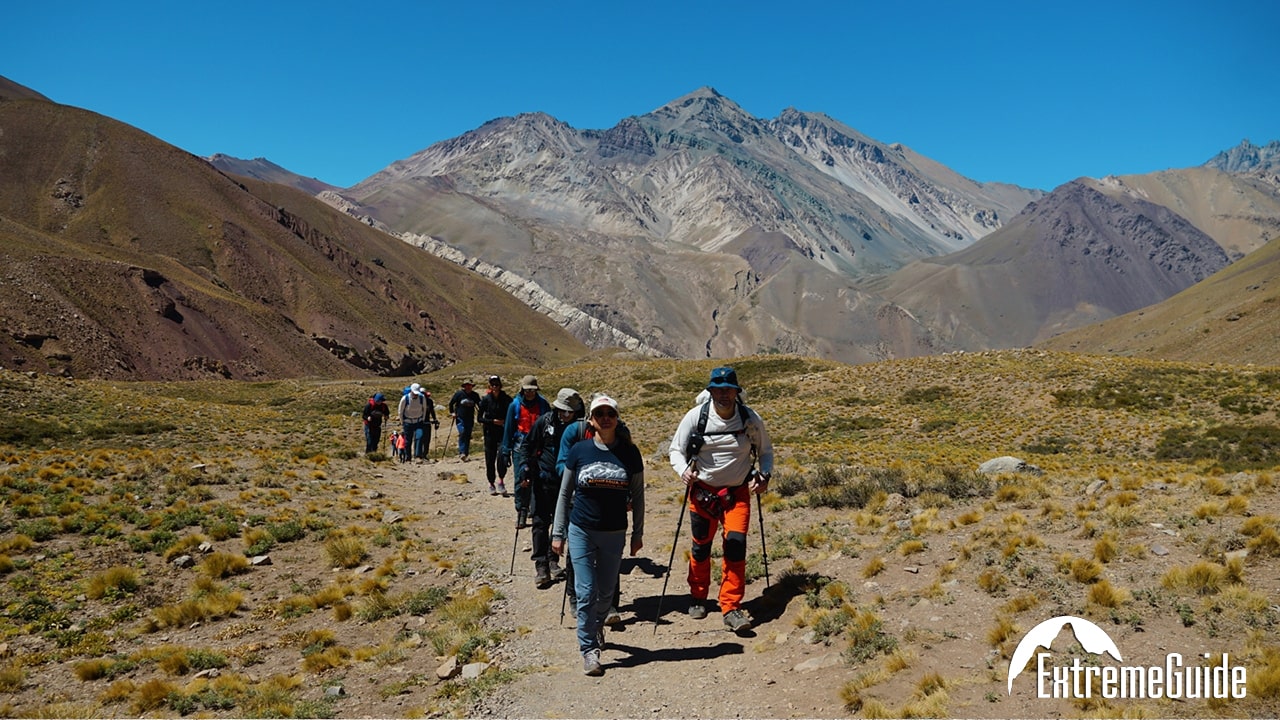
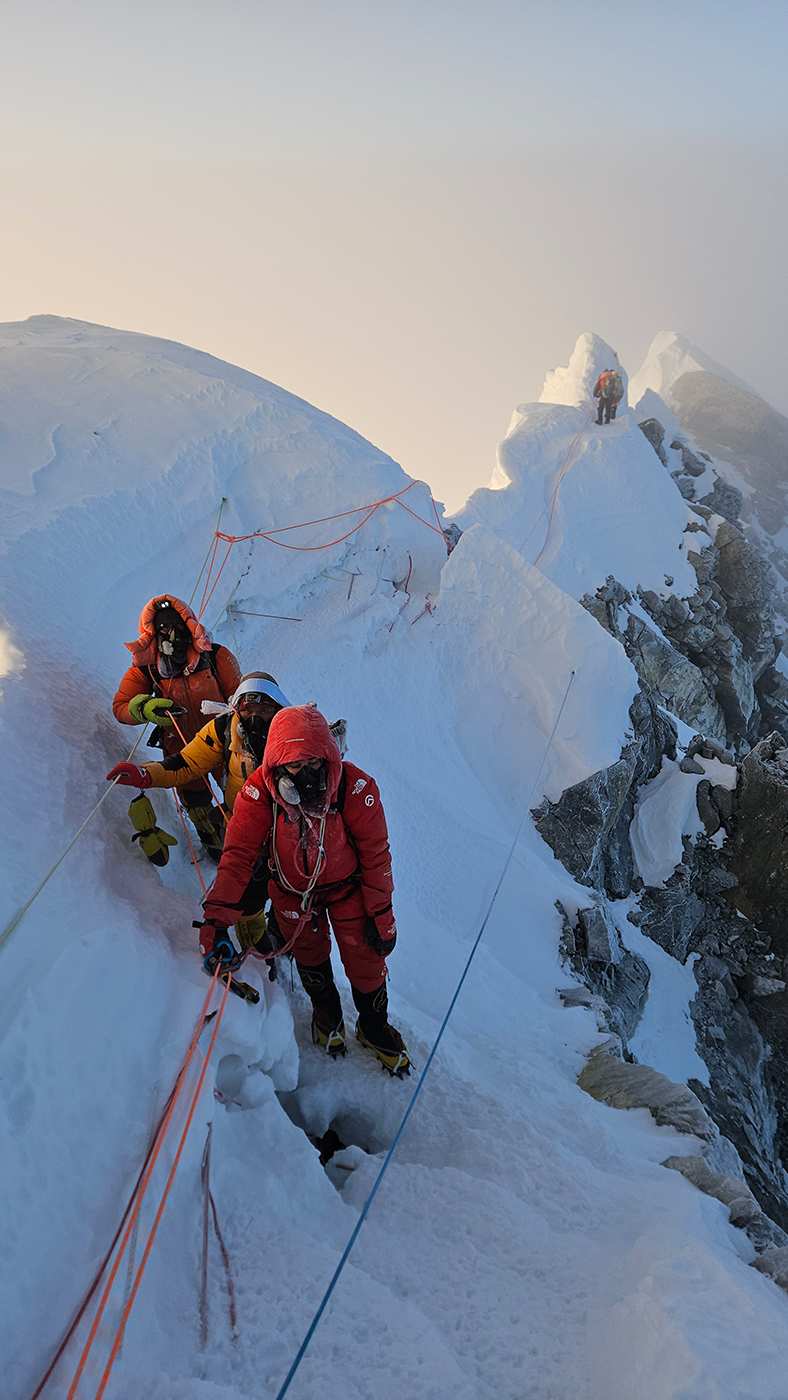

These activities require high levels of endurance and cardiovascular fitness, and a 12-minute run provides a simple and clear indication of your body’s readiness for prolonged exercise in variable weather conditions and with limited rest. Regularly monitoring your performance will help you safely prepare for adventures and get the most out of them.
Cooper test – standards and interpretation of results
Once you’ve recorded your distance, you should compare it to the standard tables developed by Kenneth Cooper. These tables take into account age and gender. The results are usually interpreted into several categories: very poor, poor, fair, good, and excellent.
Results Interpretation Table for Males
| Age | Poor | Below Average | Average | Above Average | Excellent |
| 11 – 12 | 0 – 1949 м | 1950 – 2049 м | 2050 – 2249 м | 2250 – 2599 м | > 2600 м |
| 13 – 14 | 0 – 2099 м | 2100 – 2199 м | 2200 – 2399 м | 2400 – 2699 м | > 2700 м |
| 15 – 16 | 0 – 2199 м | 2200 – 2299 м | 2300 – 2499 м | 2500 – 2799 м | > 2800 м |
| 17 – 19 | 0 – 2299 м | 2300 – 2499 м | 2500 – 2699 м | 2700 – 2999 м | > 3000 м |
| 20 – 29 | 0 – 1599 м | 1600 – 2199 м | 2200 – 2399 м | 2400 – 2799 м | > 2800 м |
| 30 – 39 | 0 – 1499 м | 1500 – 1899 м | 1900 – 2299 м | 2300 – 2699 м | > 2700 м |
| 40 – 49 | 0 – 1399 м | 1400 – 1699 м | 1700 – 2099 м | 2100 – 2499 м | > 2500 м |
| 50+ | 0 – 1299 м | 1300 – 1599 м | 1600 – 1999 м | 2000 – 2399 м | > 2400 м |
Results Interpretation Table for Females
| Age | Poor | Below Average | Average | Above Average | Excellent |
| 11 – 12 | 0 – 1299 м | 1300 – 1499 м | 1500 – 1749 м | 1750 – 1949 м | > 1950 м |
| 13 – 14 | 0 – 1499 м | 1500 – 1599 м | 1600 – 1899 м | 1900 – 1999 м | > 2000 м |
| 15 – 16 | 0 – 1599 м | 1600 – 1699 м | 1700 – 1999 м | 2000 – 2099 м | > 2100 м |
| 17 – 19 | 0 – 1699 м | 1700 – 1799 м | 1800 – 2099 м | 2100 – 2299 м | > 2300 м |
| 20 – 29 | 0 – 1499 м | 1500 – 1799 м | 1800 – 2199 м | 2200 – 2699 м | > 2700 м |
| 30 – 39 | 0 – 1399 м | 1400 – 1699 м | 1700 – 1999 м | 2000 – 2499 м | > 2500 м |
| 40 – 49 | 0 – 1199 м | 1200 – 1499 м | 1500 – 1899 м | 1900 – 2299 м | > 2300 м |
| 50+ | 0 – 1099 м | 1100 – 1399 м | 1400 – 1699 м | 1700 – 2199 м | > 2200 м |
Regular use of the Cooper Test allows you not only to track your progress but also to adjust your training. For example, if your results aren’t improving consistently, it’s a sign to reassess the intensity or variety of your workouts, add strength training, endurance work, or devote more time to recovery. Thus, a simple 12-minute run can be a reliable indicator of how harmoniously you’re developing your physical fitness.
It’s important to remember that any figures in the tables are guidelines, not final judgments. Results are influenced by many factors: climate, route terrain, health, stress level, and even the time of day. Therefore, it’s important to compare not only with the standards, but also, most importantly, with your own previous results.
Popular tours with Extreme Guide
 Slovakia (Tatras)
Dates:
June 13 – June 17
July 25 – July 29
August 1 – August 5
August 22 – August 26
September 12 – September 16
October 3 – October 7
Complexity:
Duration:
Height:

5.0 (2)
Left: 6 places
 Ukraine
Dates:
March 7 – March 10
March 21 – March 24
April 4 – April 7
April 18 – April 21
Complexity:
Duration:
Height:

Left: 4 places
 Ukraine
 Dates:
March 7
March 21
Complexity:
Duration:
Height:
Left: 8 places
 Slovakia (Tatras)
Dates:
March 21 – March 22
Complexity:
Duration:
Height:
5.0 (2)
Left: 3 places
 Georgia
 Dates:
June 14 – June 20
July 18 – July 24
August 16 – August 22
September 20 – September 26
Complexity:
Duration:
Height:

5.0 (8)
Left: 12 places
 Tajikistan (Fan Mountains)
 Dates:
July 12 – July 21
July 12 – July 24
July 25 – August 3
July 25 – August 6
August 8 – August 17
August 8 – August 20
Complexity:
Duration:
Height:

5.0 (15)
Left: 5 places
 Georgia
 Dates:
July 4 – July 12
August 15 – August 23
September 12 – September 20
Complexity:
Duration:
Height:
5.0 (8)
Left: 10 places
 Peru
Peru
Dates:
May 2 – May 12
May 2 – May 17
May 2 – May 21
Complexity:
Duration:
Height:
5.0 (8)
Left: 12 places
 Kyrgyzstan
 Dates:
July 11 – July 23
Complexity:
Duration:
Height:

Left: 3 places
 Turkey
 Dates:
May 3 – May 12
October 25 – November 3
Complexity:
Duration:

4.9 (27)
Left: 12 places
 Turkey
 Dates:
March 7 – March 15
October 25 – November 2
Complexity:
Duration:
5.0 (8)
Left: 8 places
 Turkey
 Dates:
May 2 – May 9
September 28 – October 5
Complexity:
Duration:
Height:
Left: 4 places