
What to take with you to the mountains
Check list what to take for the mountain hike for winter and summer trekking differs only in a few things and objects specific to each season and type of hike. Since the topic of this article is general, we will start from the most difficult – winter hikes.
Those who are planning to travel in warm weather need to cross out from the lists provided items that are exclusively related to winter trekking. The same list is suitable for those who are thinking about what to take on a rafting trip. The only adjustment is that the shoes must be waterproof.
What to take on a mountain hike?
Things for a one day hike
In the winter version, this list is supplemented, as needed, with skis. So, what to wear in the mountains in winter:
- thermal underwear,
- two fleece sweaters of different thicknesses,
- windbreaker, windproof pants,
- warm jacket,
- two pairs of mittens or gloves and mittens,
- two knitted hats – for sleeping and hiking,
- balaclava to protect your face.
What to wear in the mountains in summer? The summer option makes its own adjustments, it is supplemented by the following things:
- regular sweatpants,
- a T-shirt or shirt,
- shorts,
- a Panama hat with a narrow brim.
You should not wear cotton clothes when hiking in the mountains, because there is often high humidity there. Jeans and other cotton clothes quickly absorb moisture and dry slowly. As outerwear, membrane clothes are better, which have proven themselves well, combined with fleece, thermal underwear.
What shoes should you choose for hiking?
As for shoes, there is a real test drive for this type of equipment in the mountains. So don’t skimp and buy comfortable trekking boots. Along with them, you should buy two pairs of special socks; for winter, one of them should be warm. Sometimes nylon shoe covers are necessary to protect shoes from dirt and water.
What do you need to take to the mountains?
Equipment for one day
What to take on a one-day mountain hike? To make your day trip to the mountains a success, take the following with you:
- a first aid kit with items, general and individual medications,
- a forehead flashlight and batteries for it,
- a 2-liter thermos and a 1-liter flask,
- if it’s summer, then only a flask, but 2-3 liters,
- personal documents wrapped in film,
- a telephone, a camera, a navigator,
- sunglasses,
- sunscreen, and if it’s warm, also repellents,
- toilet paper.
What to pack for a few days in the mountains?
In this case, the list of items expands. What to take to the mountains for a traveler:
- a tent, if for a winter camping trip, then without a zipper, because the latter will freeze in the cold,
- foam rug,
- sleep bag,
- devices for heating food – burner, primus, etc.
- a device for lighting a fire suspended above the snow,
- food supply for the number of days of trekking plus two or three more days,
- bowl, cup, spoon, knife,
- saw, ax, matches, candles,
- personal care products.
For a winter hike, you will have to choose a larger backpack, about 100 liters, so that all things and objects fit. In the case of a summer trek for several days, a backpack of 60 liters will do. Also, the winter version is supplemented with spare parts for repairing skis, lubricant for them and additional fasteners.
What food to take to the mountains?
This list is also suitable for those who decide what food to take to the mountains. In addition to it, you can grab 100-200 g of toffees or caramels, which improve your mood and well-being, and also give additional energy, raising blood sugar.
When hiking in the mountains, it is better to lighten your luggage as much as possible, so choose from the following:
- crackers, flatbreads, cookies,
- dried fruits, condensed milk, kozinaki, candied fruits, halva,
- hard cheese, smoked sausage,
- pates, canned goods, stewed meat,
- pasta, cereals, beans,
- fast food: soups, purees, porridges,
- dried mushrooms, vegetables, herbs,
- tea: green, black, herbal, powdered milk,
- spices, salt, sugar.
Take sandwiches for the first day. This minimum can be varied, but you should be careful not to make your backpack unliftable.
Safety Tips
Before you set out, it is important to check the weather forecast, as conditions in the mountains can change rapidly. Consider temperature, precipitation, wind force and the possibility of sudden changes.
A first aid kit should always be at hand, including antiseptics, bandages, painkillers and allergy medications. Basic first aid skills will help to cope with injuries, prevent hypothermia or heat stroke.
Navigation – it is better to combine GPS navigators and mobile applications with traditional tools: a map and a compass. Before leaving, it is worth marking the checkpoints of the route and thinking about alternate routes.
You should inform your relatives or rescuers about your trip in advance, indicating the route and time of return. In remote areas, it is more reliable to use a satellite phone or a beacon. It is also important to know the emergency numbers of the rescue services in the region.
Choose your adventure with Extreme Guide
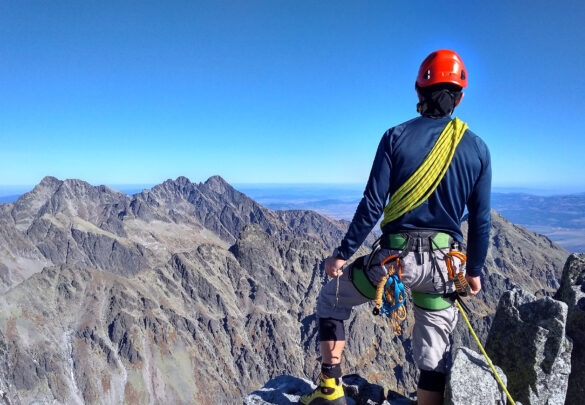 Slovakia (Tatras)
Dates:
June 13 – June 17
July 25 – July 29
August 1 – August 5
August 22 – August 26
September 12 – September 16
October 3 – October 7
Complexity:
Duration:
Height:

5.0 (2)
Left: 6 places
 Ukraine
Dates:
March 7 – March 10
March 21 – March 24
April 4 – April 7
April 18 – April 21
Complexity:
Duration:
Height:

Left: 4 places
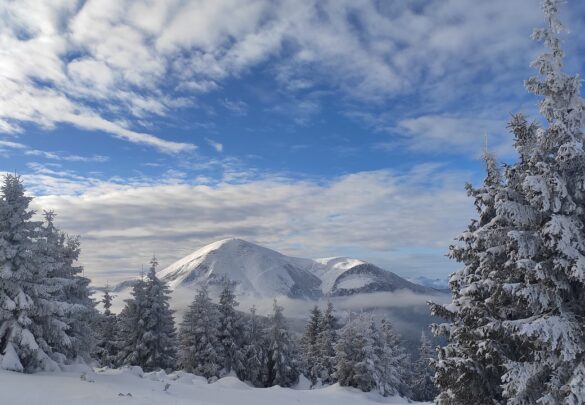 Ukraine
 Dates:
March 7
March 21
Complexity:
Duration:
Height:
Left: 8 places
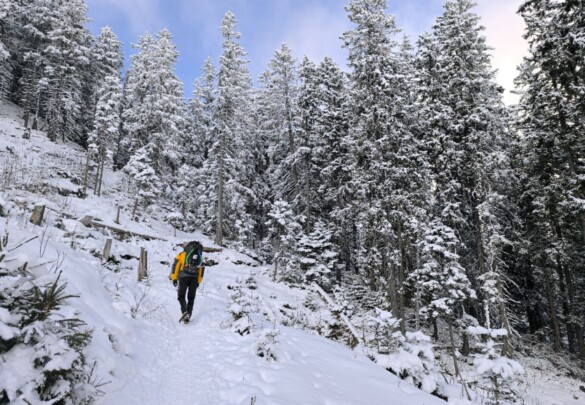 Slovakia (Tatras)
Dates:
March 21 – March 22
Complexity:
Duration:
Height:
5.0 (2)
Left: 3 places
 Georgia
 Dates:
June 14 – June 20
July 18 – July 24
August 16 – August 22
September 20 – September 26
Complexity:
Duration:
Height:

5.0 (8)
Left: 12 places
 Tajikistan (Fan Mountains)
 Dates:
July 12 – July 21
July 12 – July 24
July 25 – August 3
July 25 – August 6
August 8 – August 17
August 8 – August 20
Complexity:
Duration:
Height:

5.0 (15)
Left: 5 places
 Georgia
 Dates:
July 4 – July 12
August 15 – August 23
September 12 – September 20
Complexity:
Duration:
Height:
5.0 (8)
Left: 10 places
 Peru
Peru
Dates:
May 2 – May 12
May 2 – May 17
May 2 – May 21
Complexity:
Duration:
Height:
5.0 (8)
Left: 12 places
 Kyrgyzstan
 Dates:
July 11 – July 23
Complexity:
Duration:
Height:

Left: 3 places
 Turkey
 Dates:
May 3 – May 12
October 25 – November 3
Complexity:
Duration:

4.9 (27)
Left: 12 places
 Turkey
 Dates:
March 7 – March 15
October 25 – November 2
Complexity:
Duration:
5.0 (8)
Left: 8 places
 Turkey
 Dates:
May 2 – May 9
September 28 – October 5
Complexity:
Duration:
Height:
Left: 4 places