
Review list of equipment on Matterhorn
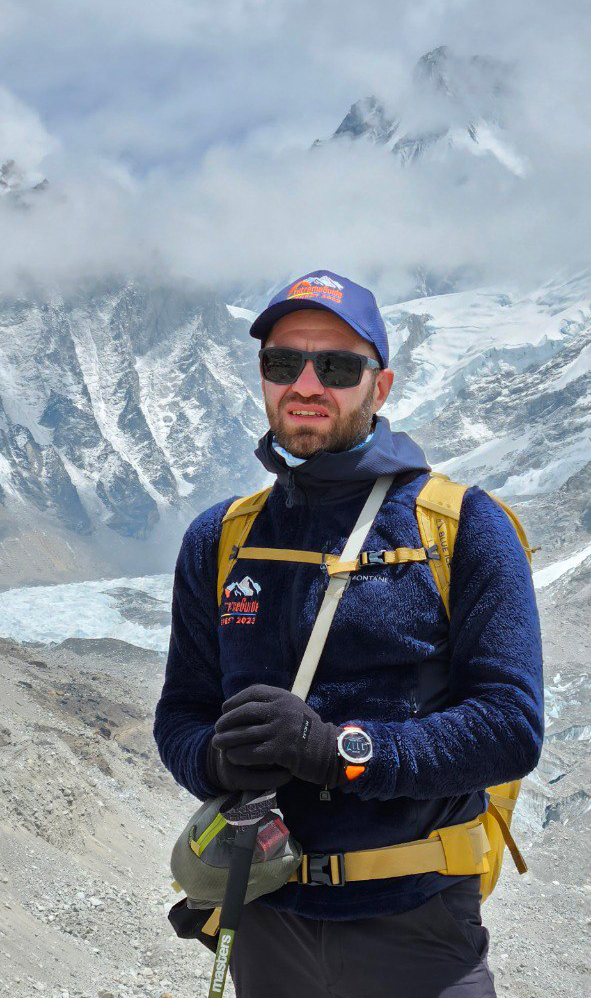
Author of the review: Ivanchenko Oleg, guide and founder of the company Extreme Guide.
I’ve been to Mattrehorn about 7 times, including in the off-season. Everest and Lhotse climber.
Sports experience: in tourism since 2002, CCM in mountain tourism. Postgraduate guide in the International Association of Mountain Guides of Kyrgyzstan (KMGA), mountain tourism instructor since 2006, mountaineering experience since 2008, working as a guide since 2008. Completed “first aid courses in isolated areas”, 2017 and 2019.
Overview of the region and mountains.
Mount Matterhorn is located in the Pennine Alps on the border of Italy and Switzerland. This is the seventh highest mountain peak of the Alps, which is located between the Swiss town of Zermatt and the Italian town of Cervinia. This mountain is an icon of the Alps and therefore every self-respecting climber dreams of climbing to this peak using one of the classic routes (Hurley ridge, Lyon ridge), along the Furgen ridge or along the “North Face”. Although in fact there are a couple of dozen routes up the mountain. The optimal period for climbing the Matterhorn is July, August and the first ten days of September, but in recent years the climate has changed a lot and sometimes in October you can catch a week of warm and dry weather favorable for climbing. Let’s consider equipment specifically for the classic route along the Hurley ridge, Switzerland and the Lyon ridge, Italy. Both routes start from equipped huts (from July to September), where you do not need bivouac equipment: sleeping bag, mat and tent. From the second half of September, the Carrel hut in Italy is closed, and the Hurley shelter (Switzerland) leaves open only the winter room, which can easily accommodate up to 20 people, but for an overnight stay you will need a sleeping bag, Jetboil and sublimates.
On the Hurley route at an altitude of 4000 m there is an emergency shelter for 6-8 places – Solway. If you plan to go in the off-season, we recommend taking: a supply of food and a burner in case you spend the night in the Solway emergency hut, additional warm clothes (there are blankets in the shelter).
Despite its altitude, most of the climbing route will be on rocks, and crampons will be needed, depending on the amount of snow on the mountain, for the last 200-400 vertical meters. Classic routes follow the ridge, but you still spend more time moving slightly below the ridge.
The main reasons why you need to pay attention when climbing: comfortable and light shoes, soft shell trousers and jacket, a compact backpack up to 30 liters, a water supply of 1-2 liters, a powerful flashlight, comfortable gloves for working with a rope.
So, let’s start with the base layers of clothing and move on to the top layers.
Thermal underwear and socks
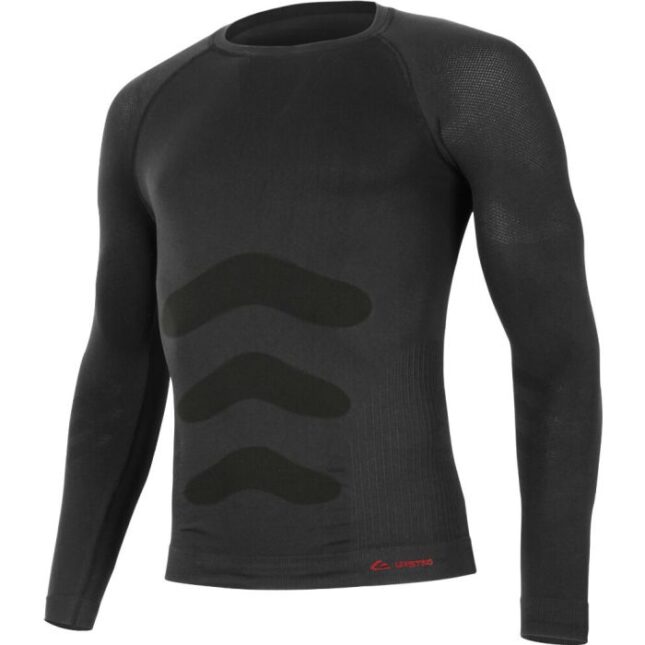
Thermal underwear should be lightweight, designed for intense loads, preferably synthetic. We do not recommend wearing compression garments as they will tighten your body quite tightly and at the end of the day you will experience discomfort due to the pressure being placed on certain parts of your body. Although this type of underwear removes moisture quite well. You can also consider merino wool with a density of up to 100 units.
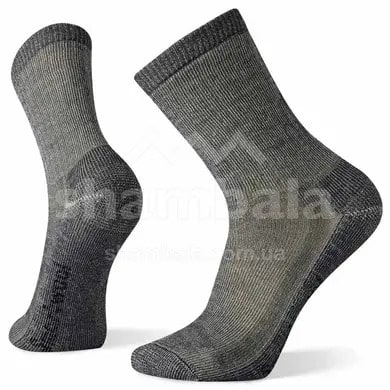
Socks are matched to your shoes and climbing season. If you plan to climb in the summer, we recommend trekking Smartwool, Lorpen, wool-based, thin, for the warm season. For example: Classic Hike Full Cushion Crew.
Fleece and insulation
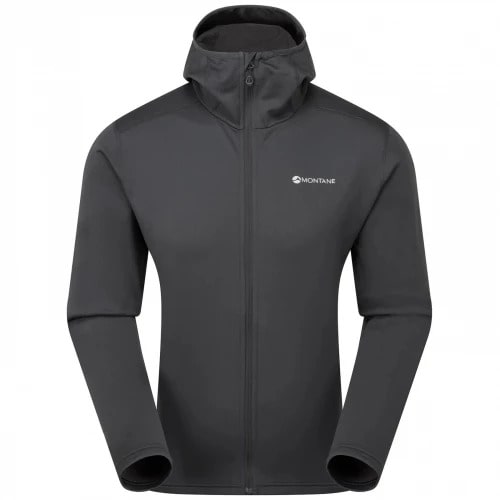
The second layer on top of thermal underwear is a fleece, running jacket. The jacket should not be too warm; ideally, the Polartek structure should be “waffle”, this allows you to retain heat and effectively remove moisture. It would be great if the jacket had a hood. You will most likely spend most of the time on the climb wearing a fleece, without a jacket. For example: Fury Lite Hoodie
Thicker fleece for cold weather or off-season use. Which you can leave in the valley after acclimatization, or decide whether to take it or not already at the shelter. For example: Montane Protium Hoodie
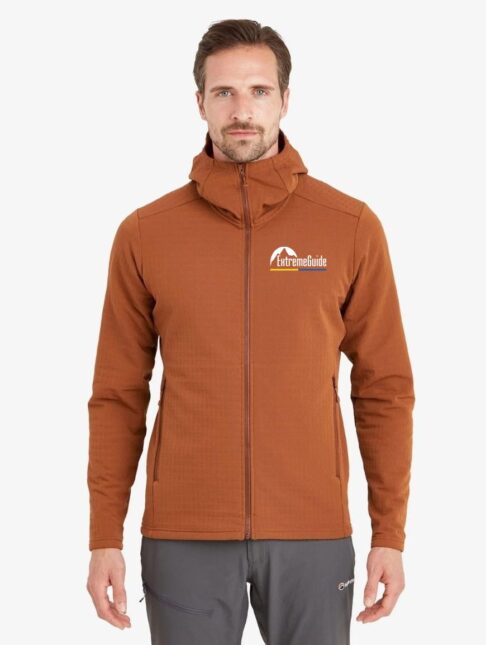
Assault jacket
At the start, you should have a soft shell kurta and a hard shell (membrane jacket) in case of rain.
- Soft shell jacket – This is the main jacket you will wear while climbing. The peculiarity of softshell is that it is less sensitive to abrasive surfaces and breathes better under intense loads. Since the terrain on the mountain is rocky, the likelihood of rubbing and tearing clothes and equipment is high. For example: Black Diamond Alpine Start Hoody
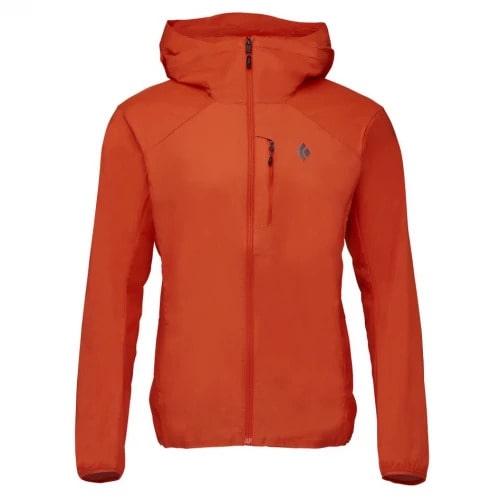
Men’s jacket
- Hard shell – in case of more difficult weather conditions we recommend having a hard shell jacket. Membrane, breathable jacket with ratings of 20,000 mm/20,000 g/m2/24 hours. Protects you from rain and strong wind. For instance: Black Diamond M Highline Stretch Shell
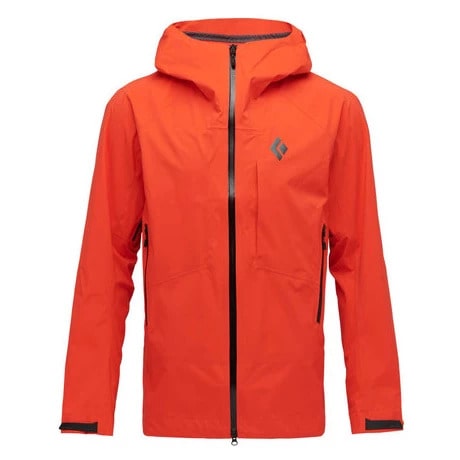
Men’s jacket
Warm jacket
As insulation and just in case, you should have a warm jacket. This is a down jacket with a total amount of filling up to 200 grams or a similar jacket made from Prima Loft material. Be sure to have a hood. For example: Marmot Hype Down Hoody
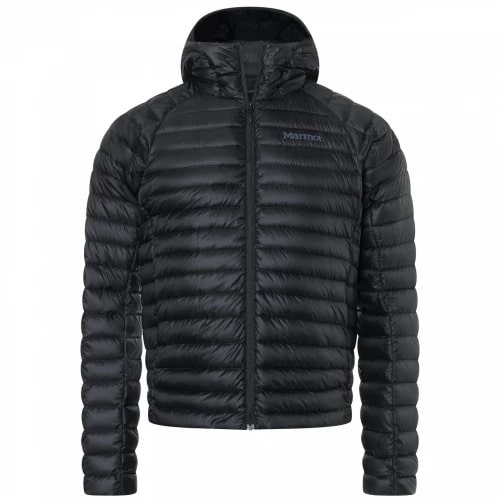
Men’s down jacket
Trousers
Over thermal underwear, it is better to wear normally breathable trekking trousers made of thick fabric. Since the mountain is quite warm, it will be hot in a softshell or membrane, and you don’t always have the time and opportunity to take off your thermal underwear. For example, Loap Uzmul
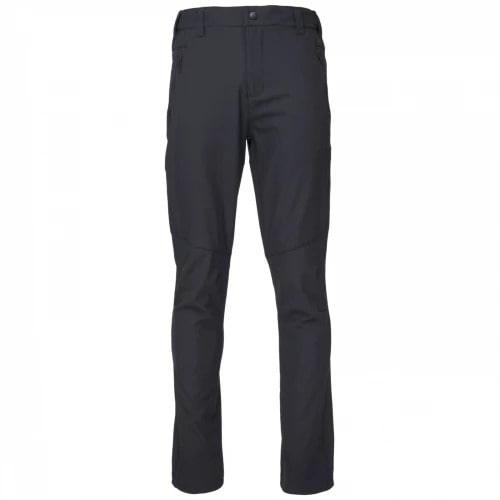
Men’s pants
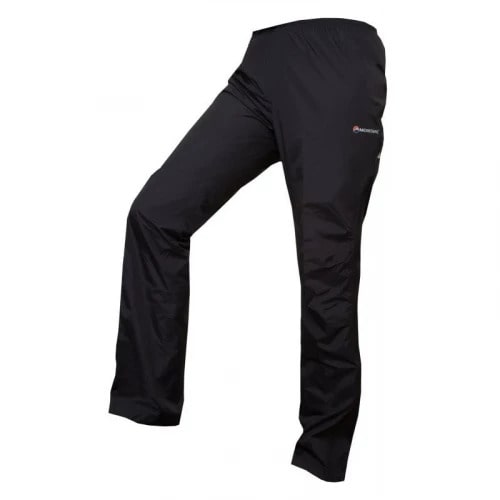
Additionally, I recommend having lightweight membrane self-resetters/soft shells in case of bad weather or difficult conditions along the route: snow, ice and wind. For example, Montane Dynamo Pants.
Shoes
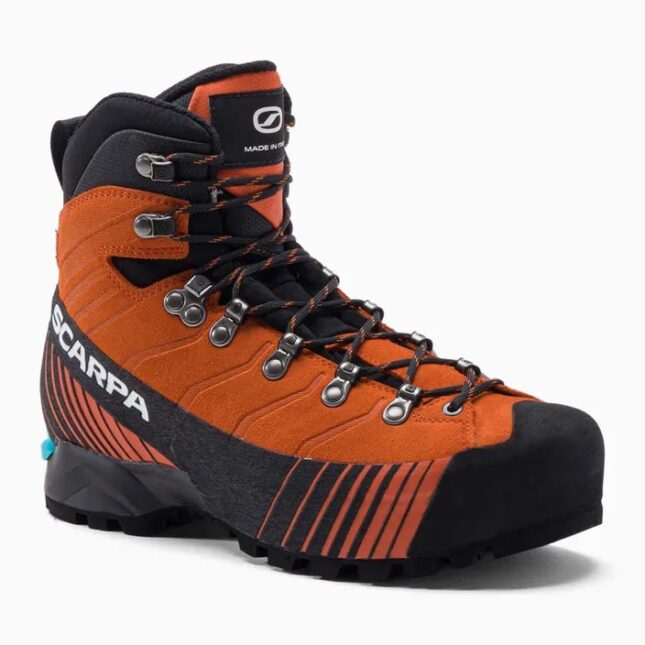
Here I recommend lightweight, mountaineering boots that are specifically designed for routes like the Matterhorn. They are quite comfortable to walk on gentle terrain, and they behave quite well on snow-ice slopes of 40-50°. Eg: La Sportiva Aequilibrium или Scarpa Ribelle
Mittens
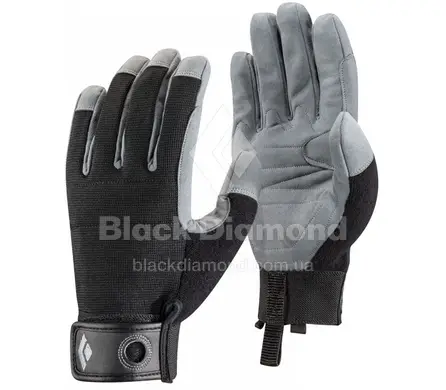
There should be one pair of gloves for working with rope. You will be wearing them for most of the route. Eg: Gloves Black Diamond Crag Black
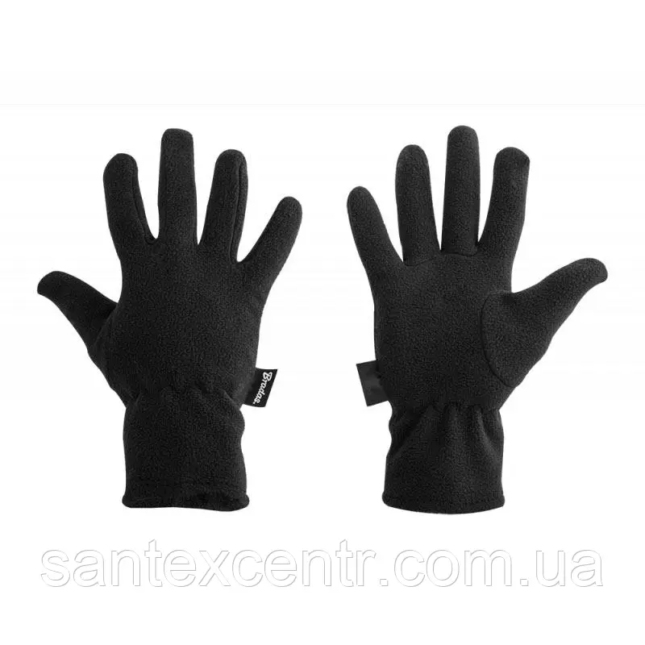
Fleece gloves. As a warmer change from your work gloves, plus they can get wet.
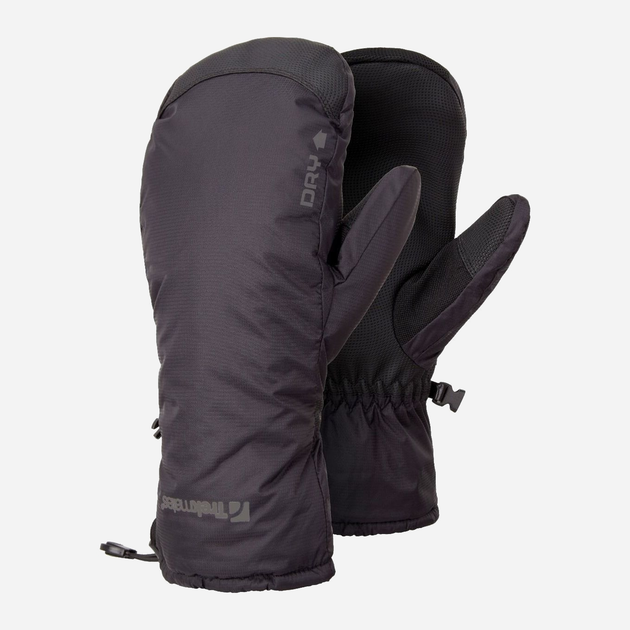
Overhead gloves or thick ski mittens.
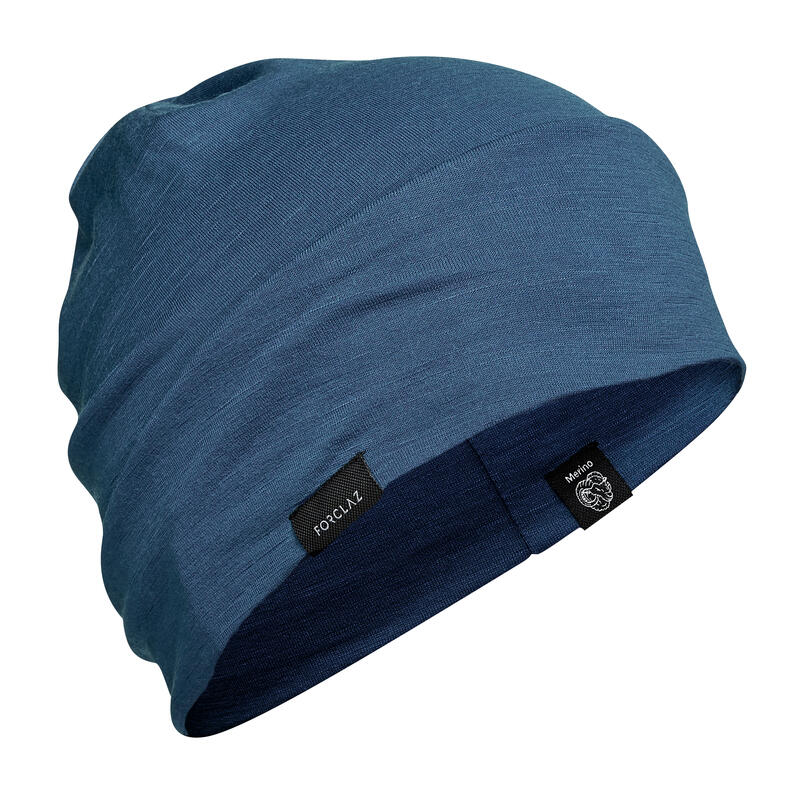
Thin cap or buff
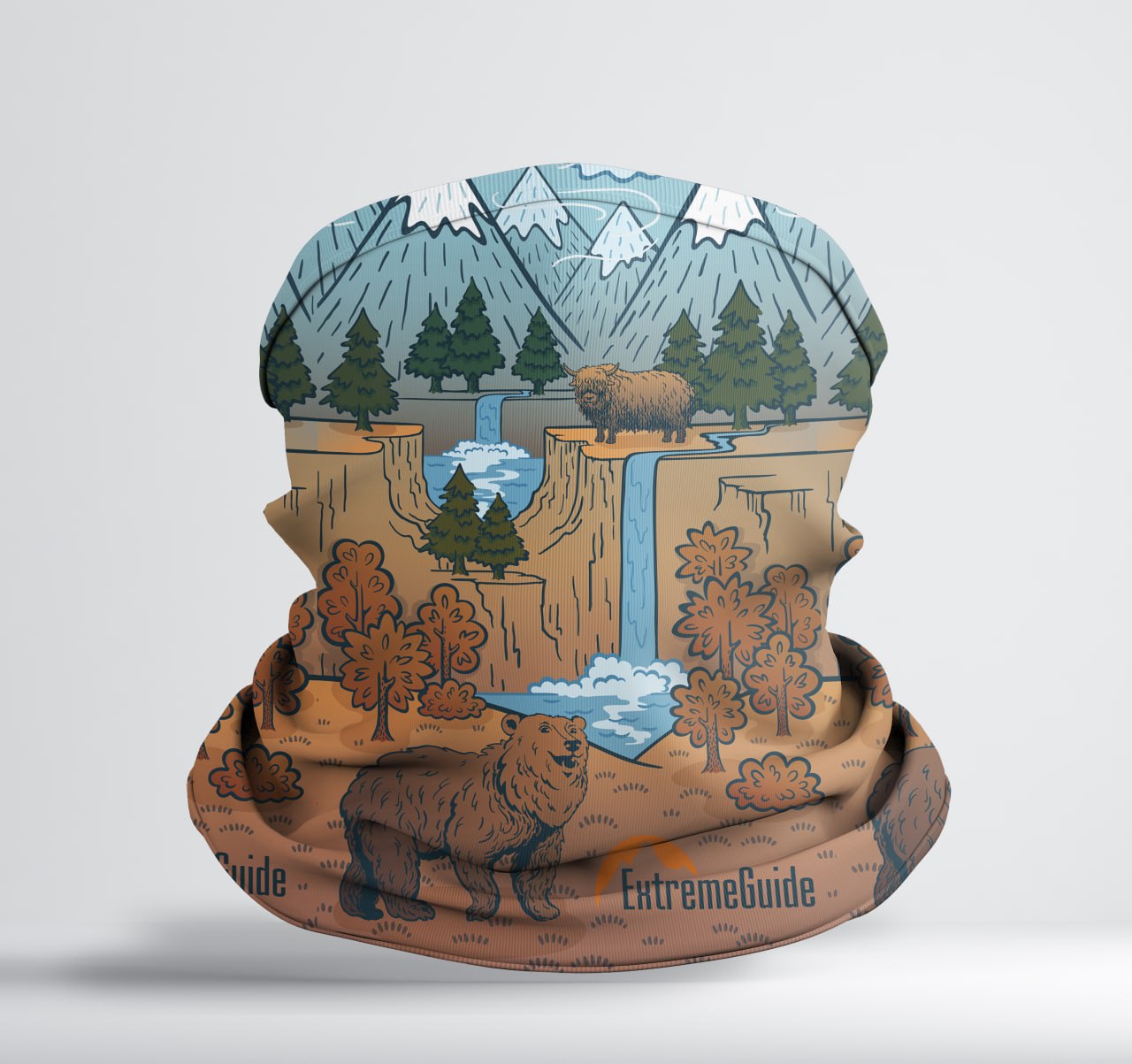
Buff – cover your neck and mouth in case of wind.
Glasses
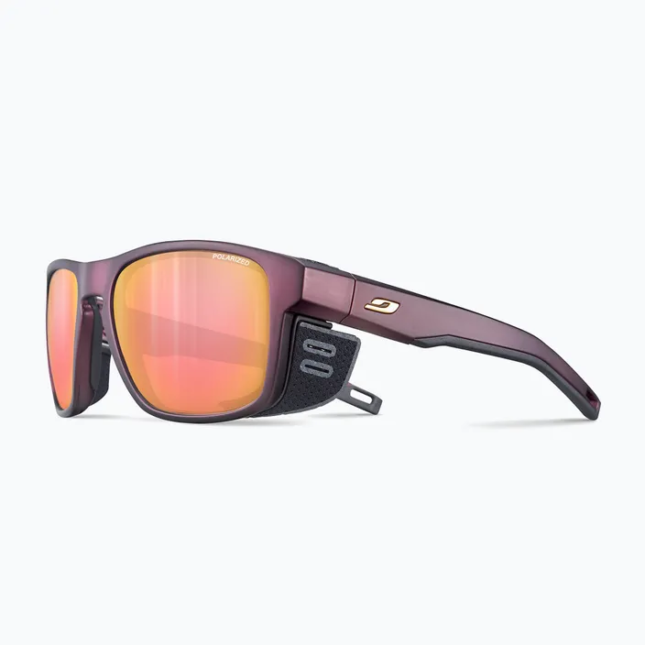
We recommend the mountain series with Cat3 or Cat4 protection. For example: julbo shield, julbo explorer 2.0
Flashlight
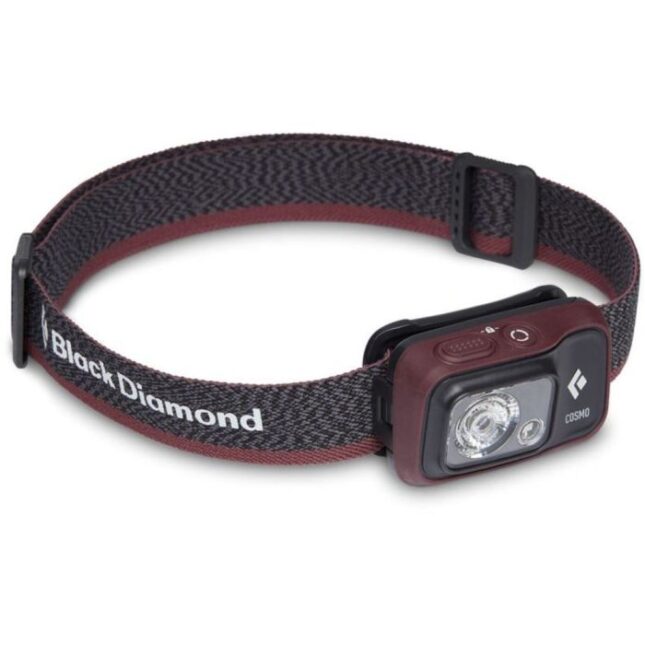
Powerful flashlight with 300 lumens or more. Very helpful for driving at night and for route orientation. But be sure to check the battery charge before starting. For example, Black Diamond Cosmo 350.
Water flask / Thermos
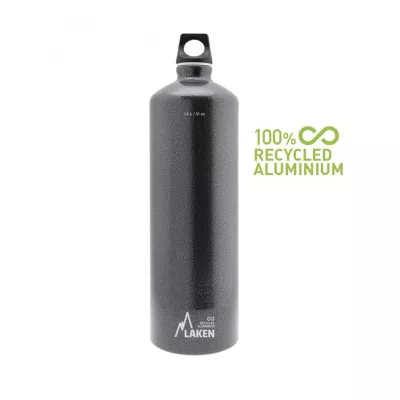
For the Matterhorn, it is convenient to have a water container – a light metal/plastic flask of 1.5-2 liters. Which can be filled with tea from the dining room in the evening. There is no point in a thermos, since it is better to take more water than to carry an additional 500 grams (the average weight of a liter thermos). You can wrap the flask with a jacket so that it does not cool down so much at night.
Sunscreen cream. Quality cream with SPF 50
Climbing backpack 30-35 l.
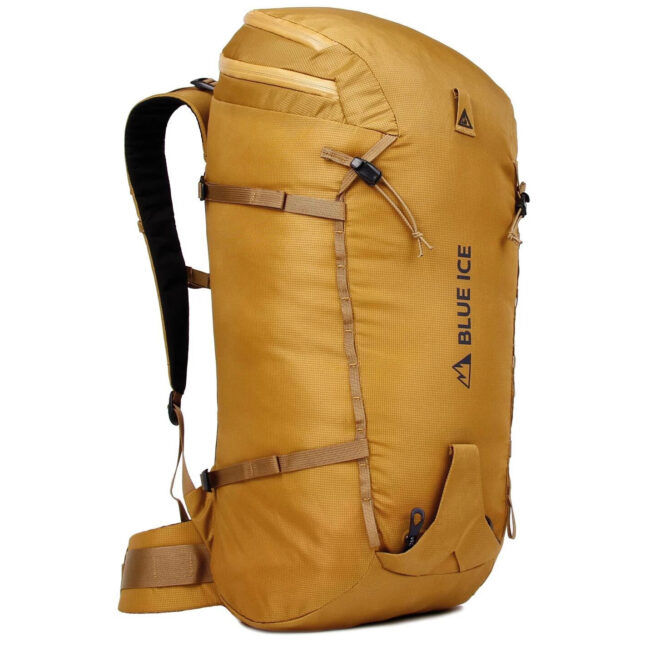
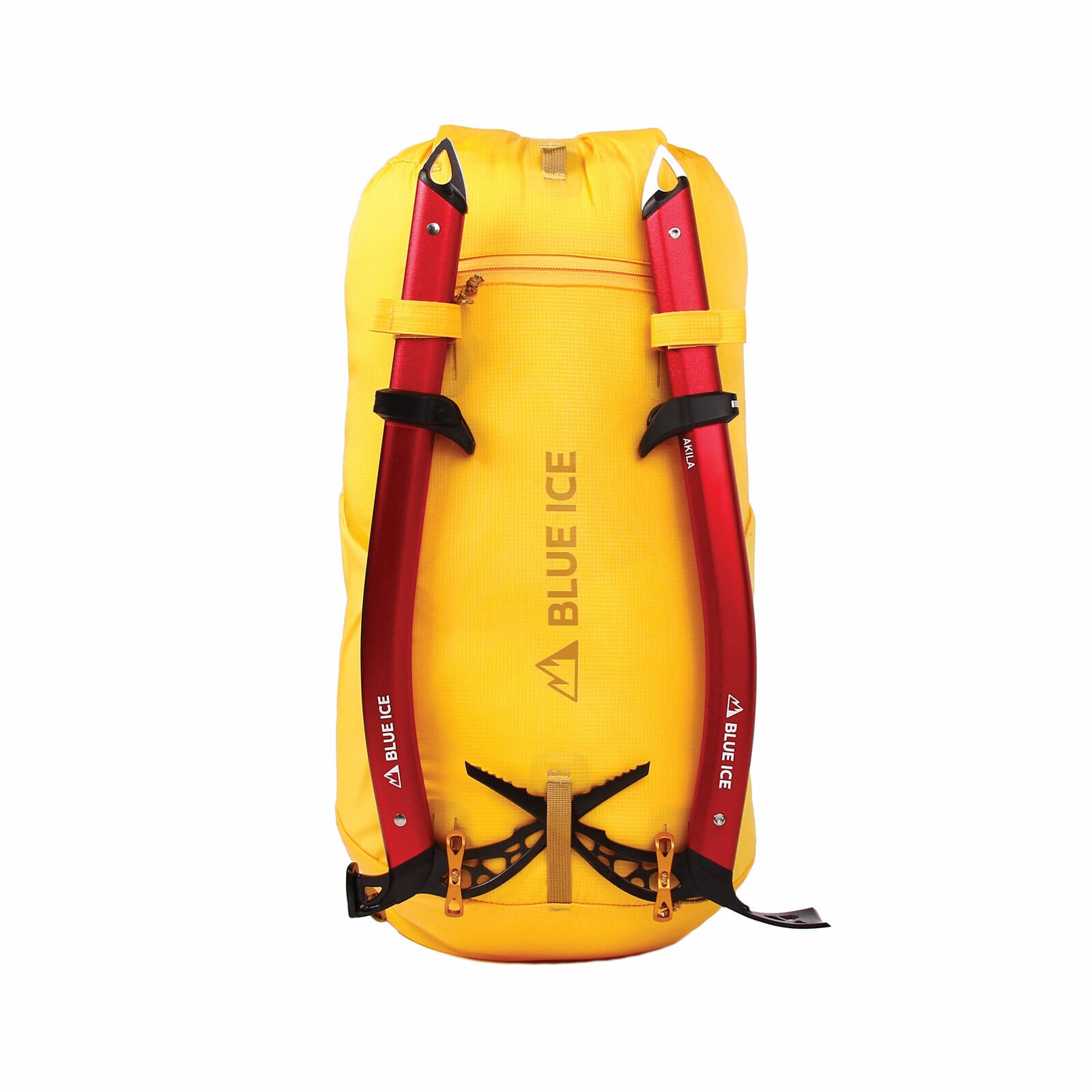
It should be a comfortable, lightweight backpack with vertical access to things (not a slider, like a school bag), and not a beach net with straps or a laptop backpack. In addition, there must be an unloading belt and the ability to attach an ice ax and additional equipment. For example: Blue Ice Chiru 32.
T-shirt
One synthetic T-shirt for approaches to shelters and as a change after climbing.
Climbing system
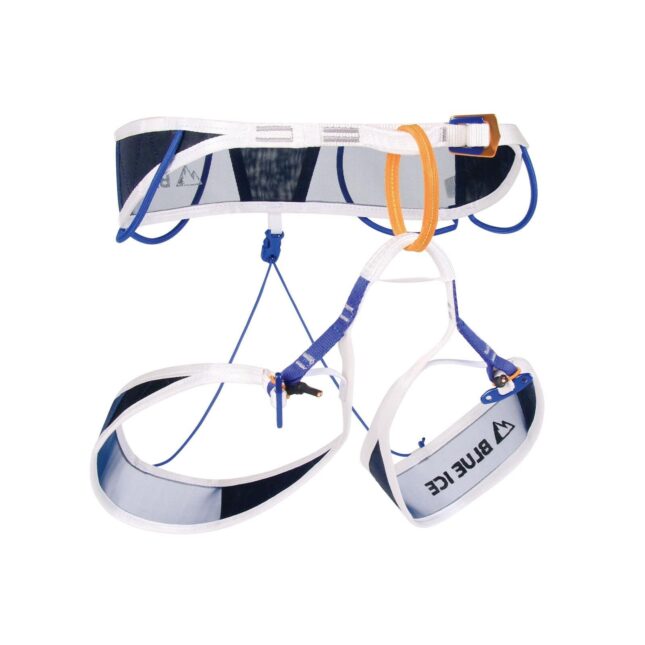
For our purposes, any insurance system designed for mountaineering or rock climbing is suitable. An important feature of the insurance system is its size and the possibility of its regulation. The system should fit snugly when you are wearing a thin fleece and when you are wearing a thick down jacket. You can choose a system with less weight, so it will be easier for you on the approaches and during the ascent. For example: Blu ice choucas pro, or Pezl tour.
Helmet
Any climbing helmet (not a ski helmet or a construction helmet). It should sit comfortably (measure before buying or renting) and have minimal weight.
Crampons
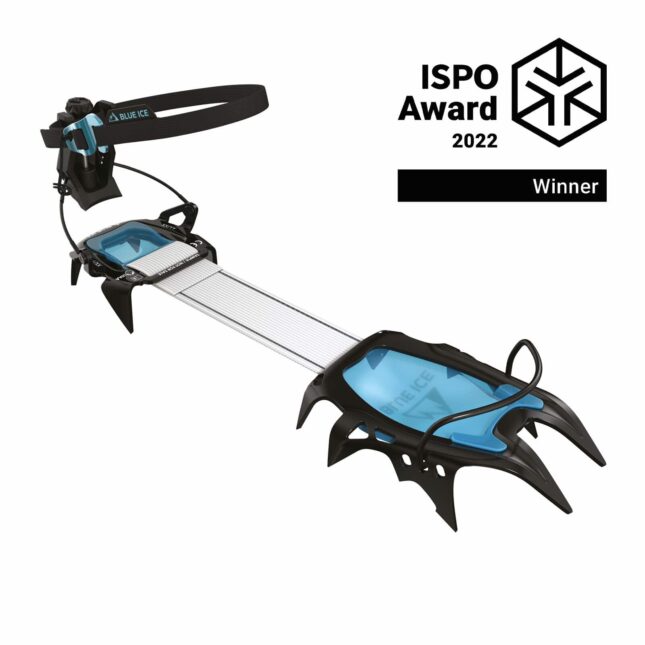
Lightweight steel crampons with automatic locking for the rear welt. For example, BlueIce harfang alpine or similar. We do not recommend taking aluminum crampons.
Ice ax
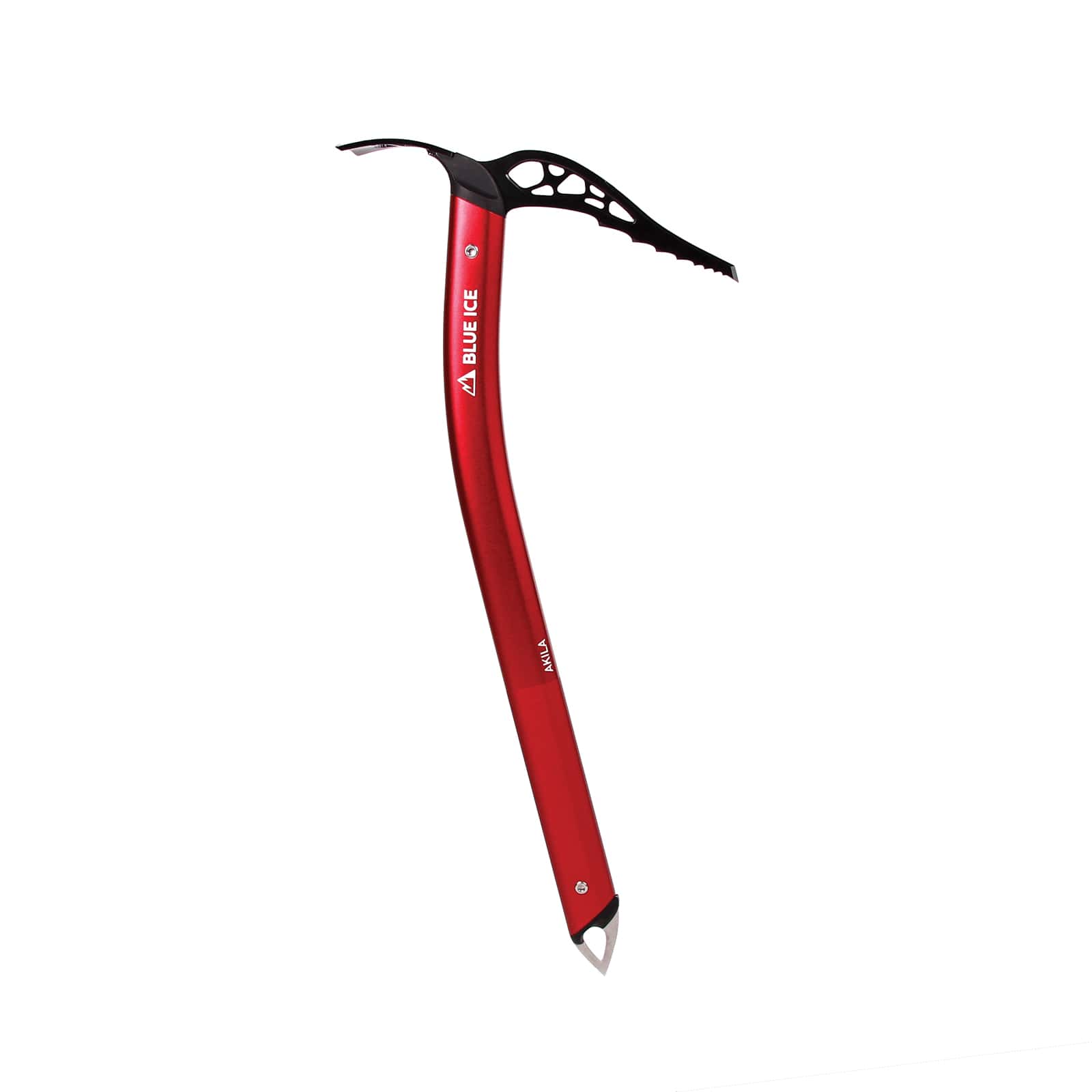
Classic ice axe, length 50-60 cm. A lightweight aluminum ice ax for ski touring is also suitable. You will use it for the last 100 vertical meters, using the blades to reach the top. For example, BlueIce Akila adze.
Carbines
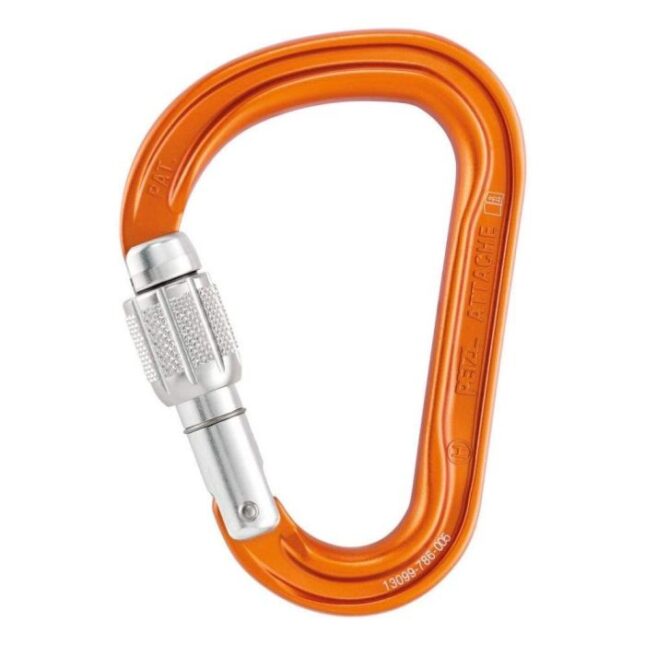
Carabiners type HMS, medium size 2 pcs. For example, Carbine Petzl Attache Screw-Lock
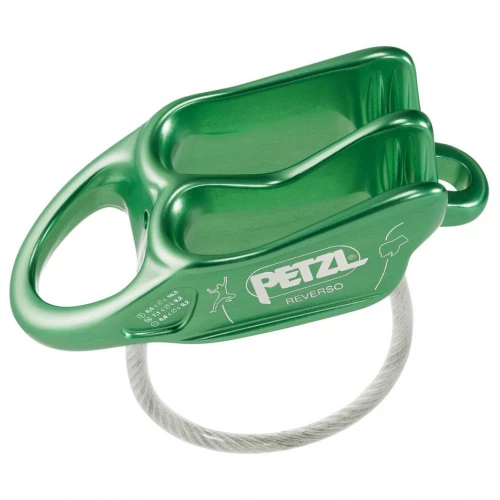
Descender type АTX-Guide or Reverso
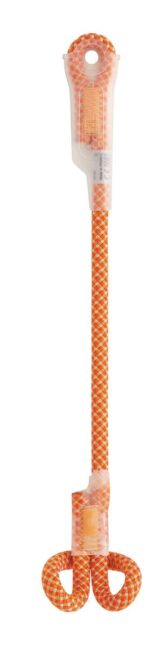
Lanyard
Ready-made lanyard design, or dynema loop 120 cm. For example: self-belay Petzl Joko
Mandatory backpack content for climbing:
- Sunscreen for face with protection factor 30 or more;
- Container with water 1 – 2 liters;
- Chocolate, candy, sandwich, etc. Count on 2 snacks;
- Personal first aid kit. Perhaps you only need special medications;
- Mobile phone. contact number for rescuers;
- Insurance. All you need is a phone number to call and your name on a piece of paper;
- Money (available on the card);
- Thermal foil blanket.
Clothes for approaches and the city:
It is not always pleasant to walk in mountain clothes in the valley and on approaches when it is still warm. Therefore, you need to take with you to Chamonix:
- trekking sneakers. For the city and approaches to the huts;
- spare socks;
- lightweight trekking trousers. For the city and approaches to the huts;
- several T-shirts. It’s good to have a long-sleeve shirt so your arms don’t get burned in the sun;
- sun hat;
- changing underwear.
Choose your ascent to the Matterhorn!
 Switzerland
Dates:
June 27 – June 29
July 11 – July 13
July 25 – July 27
August 1 – August 3
August 8 – August 10
August 22 – August 24
September 5 – September 7
September 12 – September 14
Complexity:
Duration:
Height:

5.0 (13)
Left: 1 place
 Switzerland
 Dates:
July 4 – July 9
July 18 – July 23
July 25 – July 30
August 1 – August 6
August 15 – August 20
August 29 – September 3
Complexity:
Duration:
Height:
5.0 (13)
Left: 2 places
 France
 Dates:
July 11 – July 22
August 15 – August 26
Complexity:
Duration:
Height:

Left: 2 places