
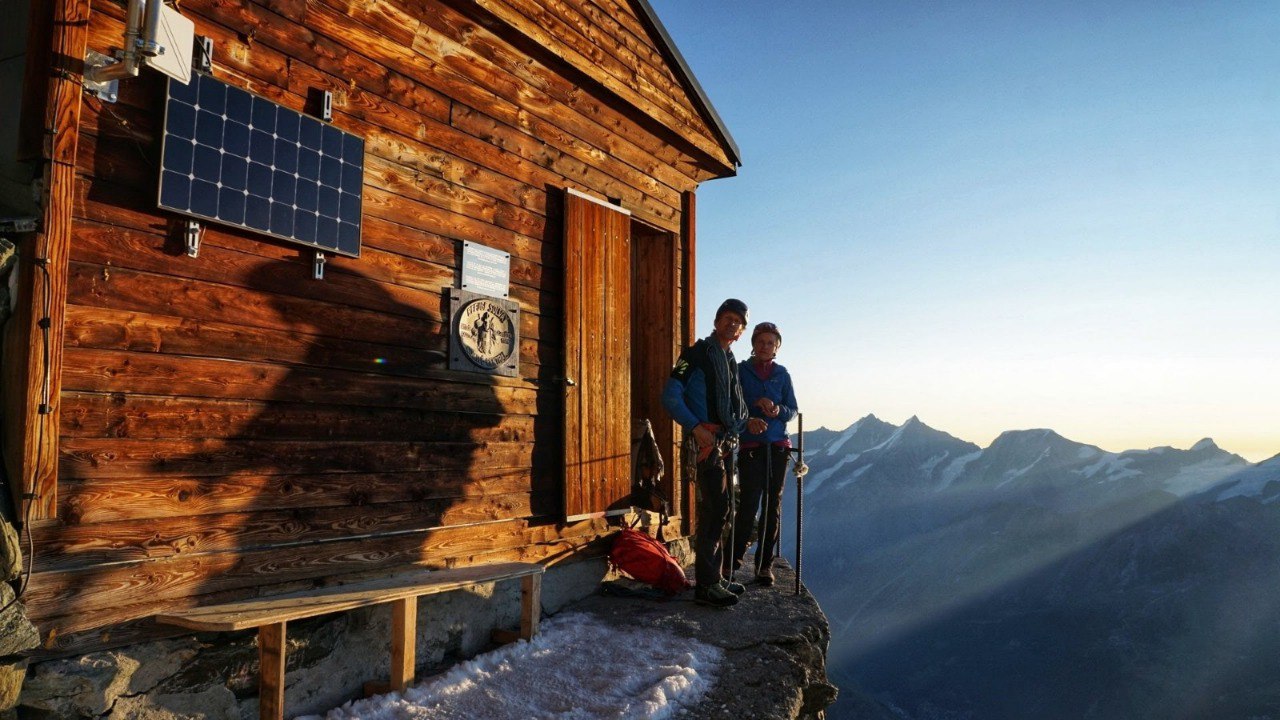
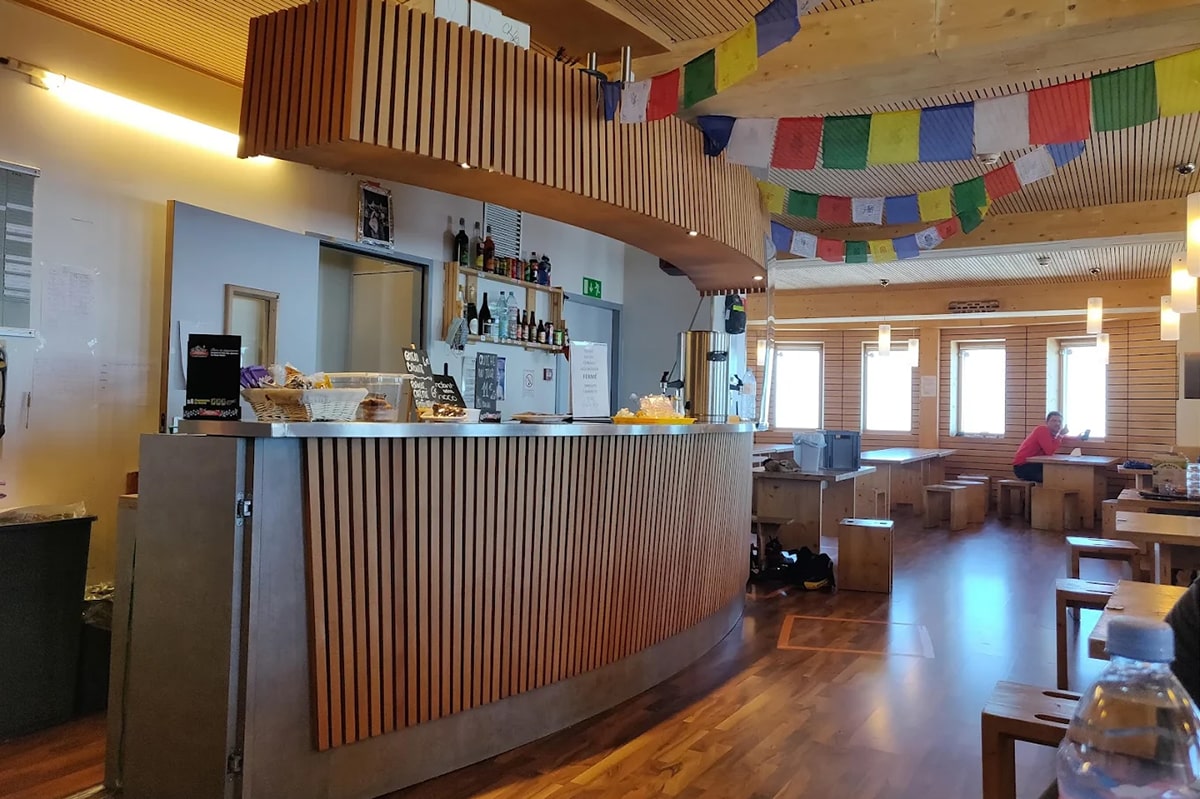
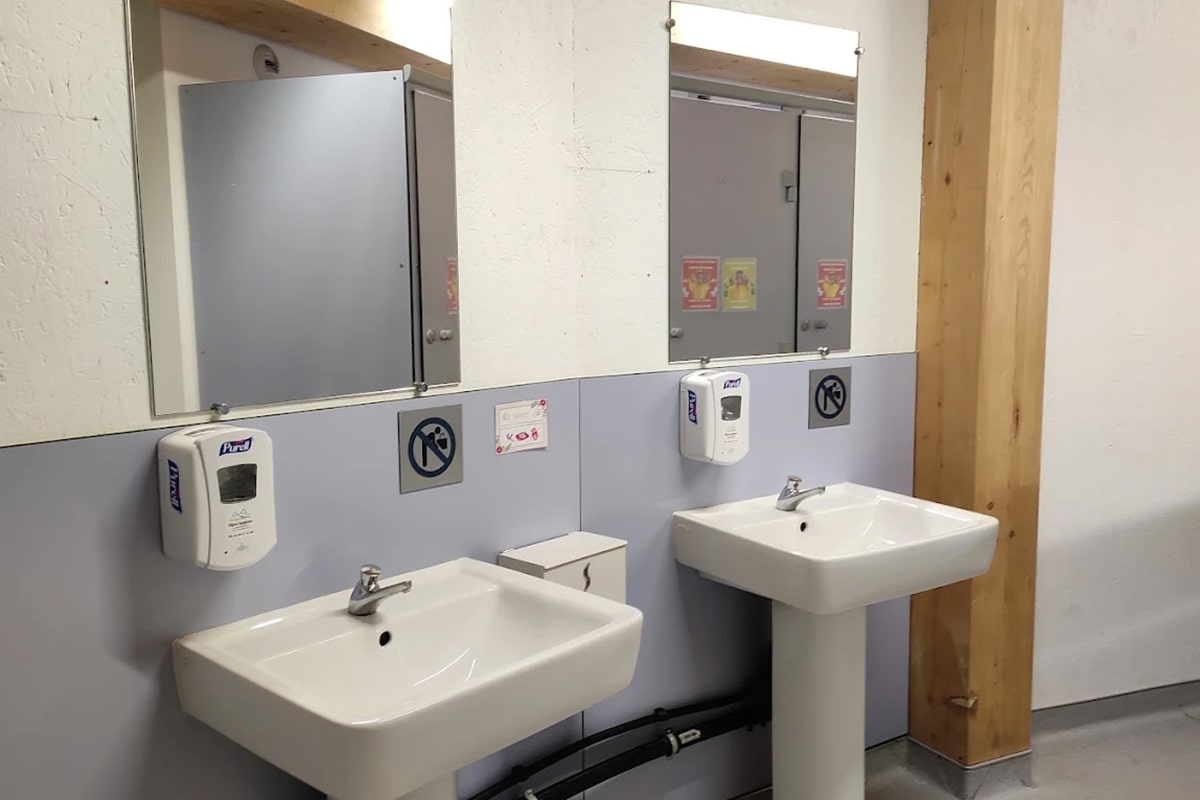
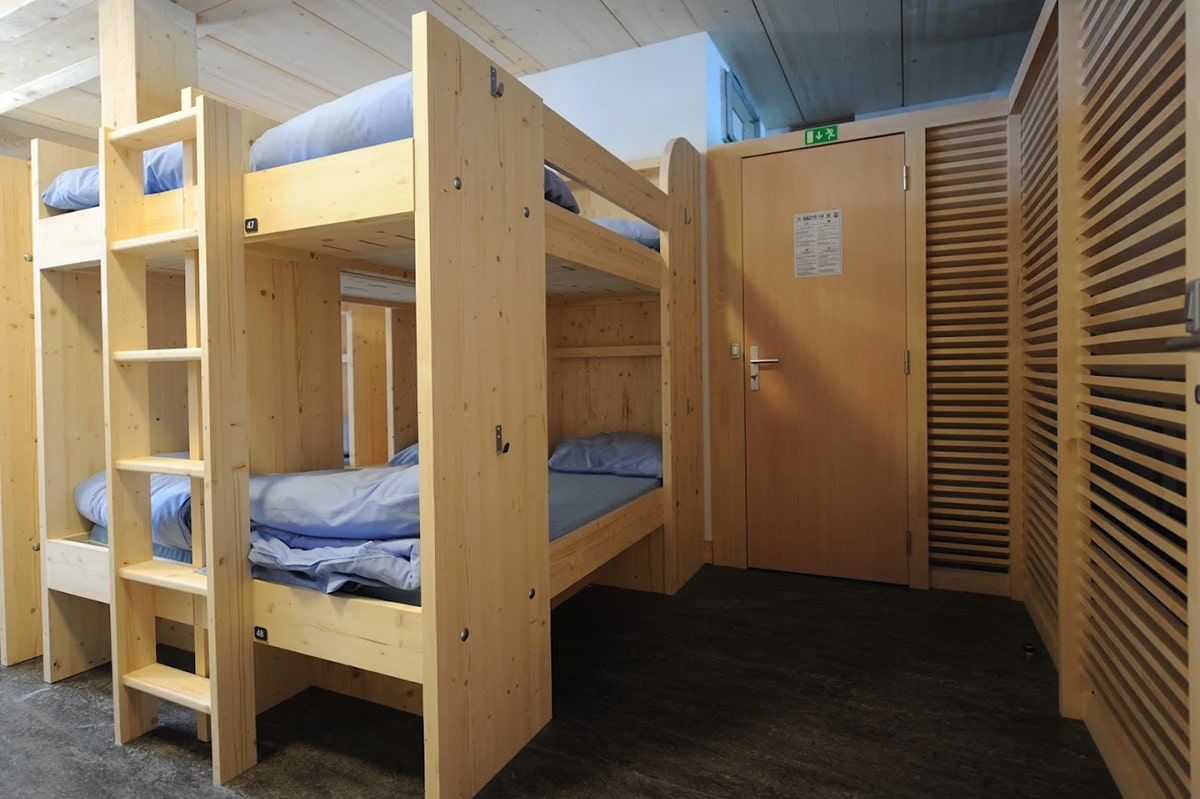
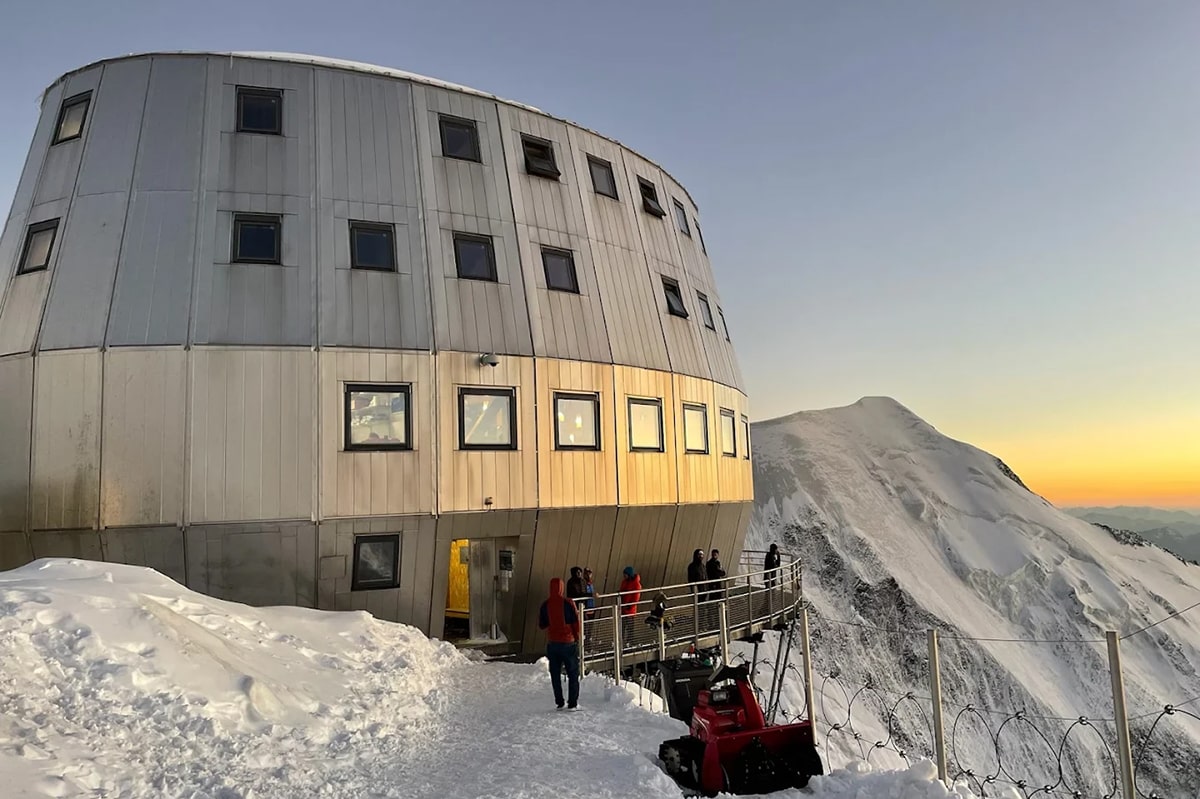
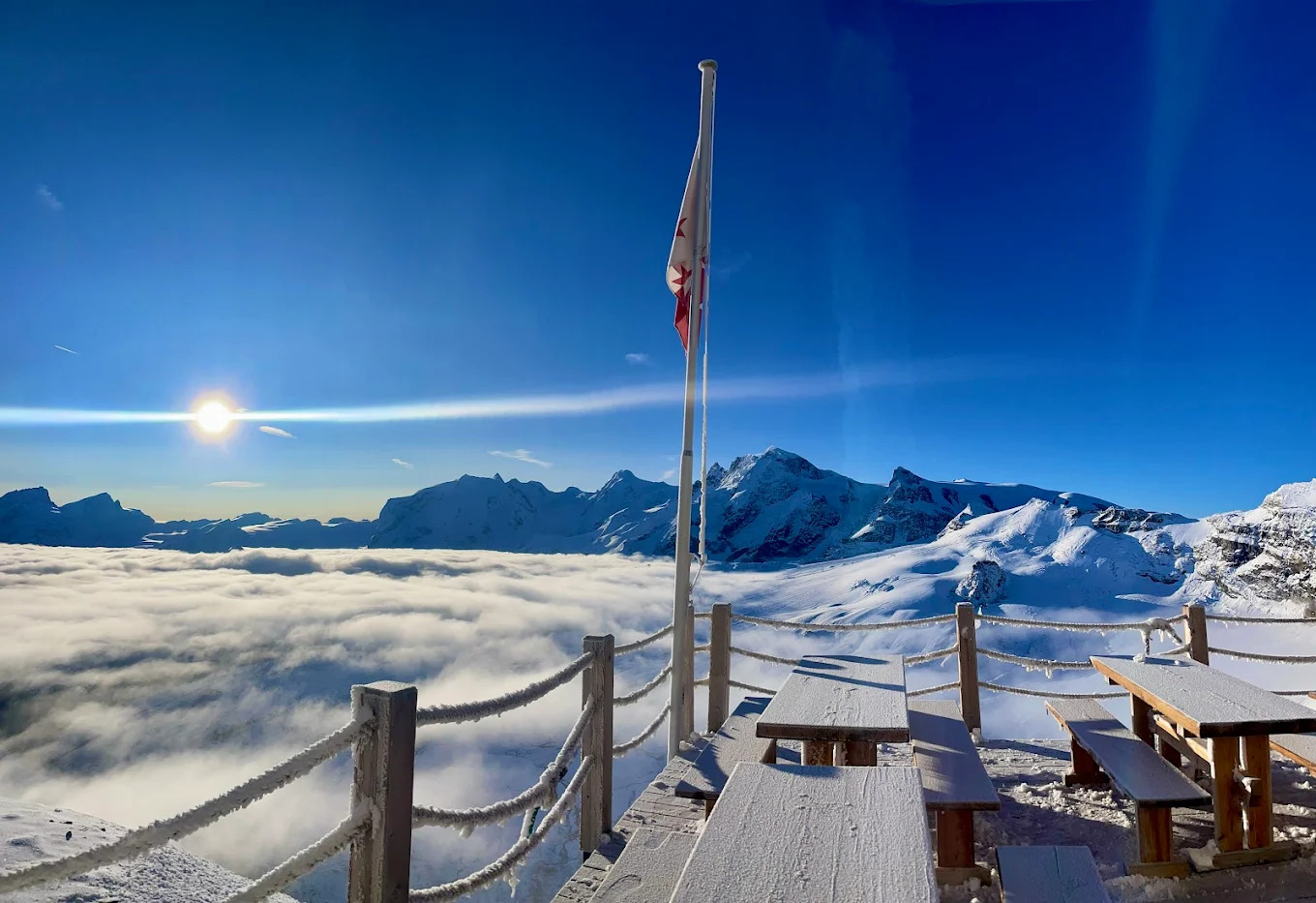
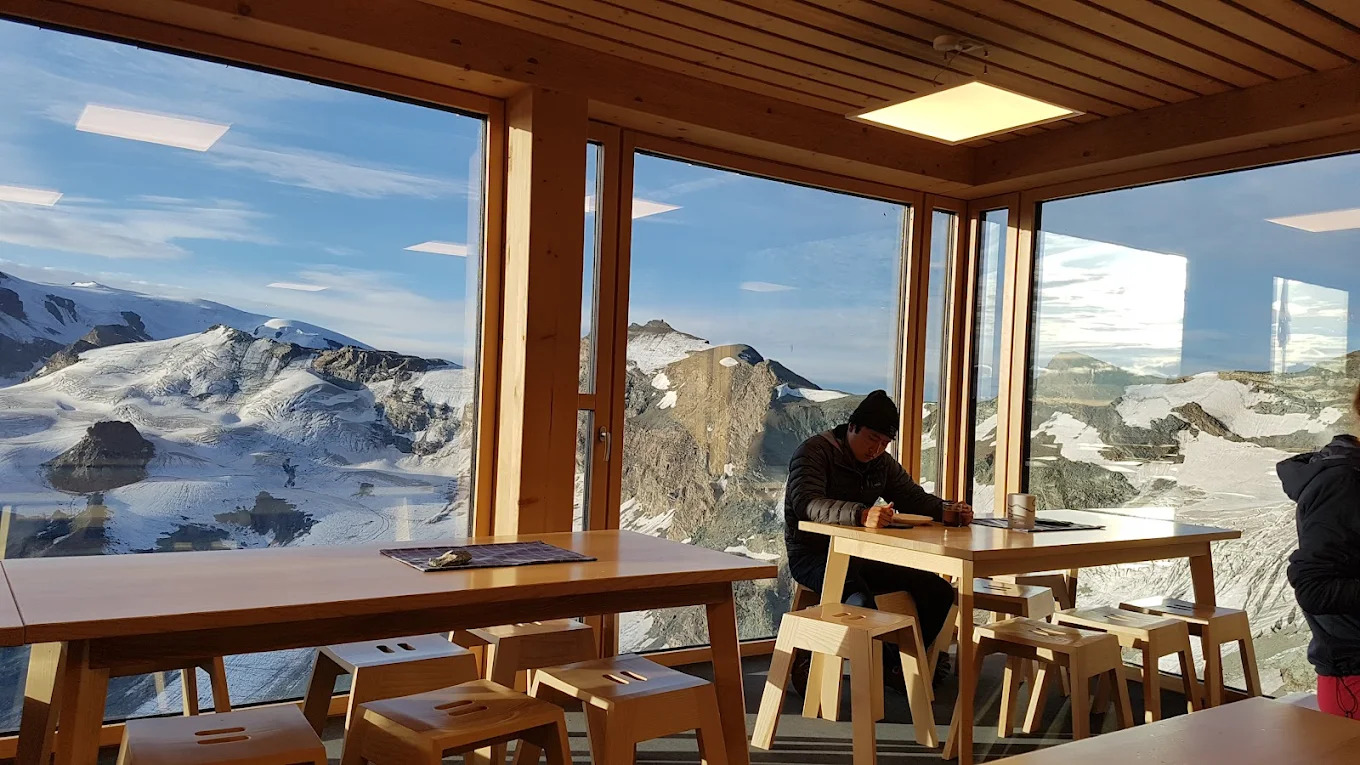
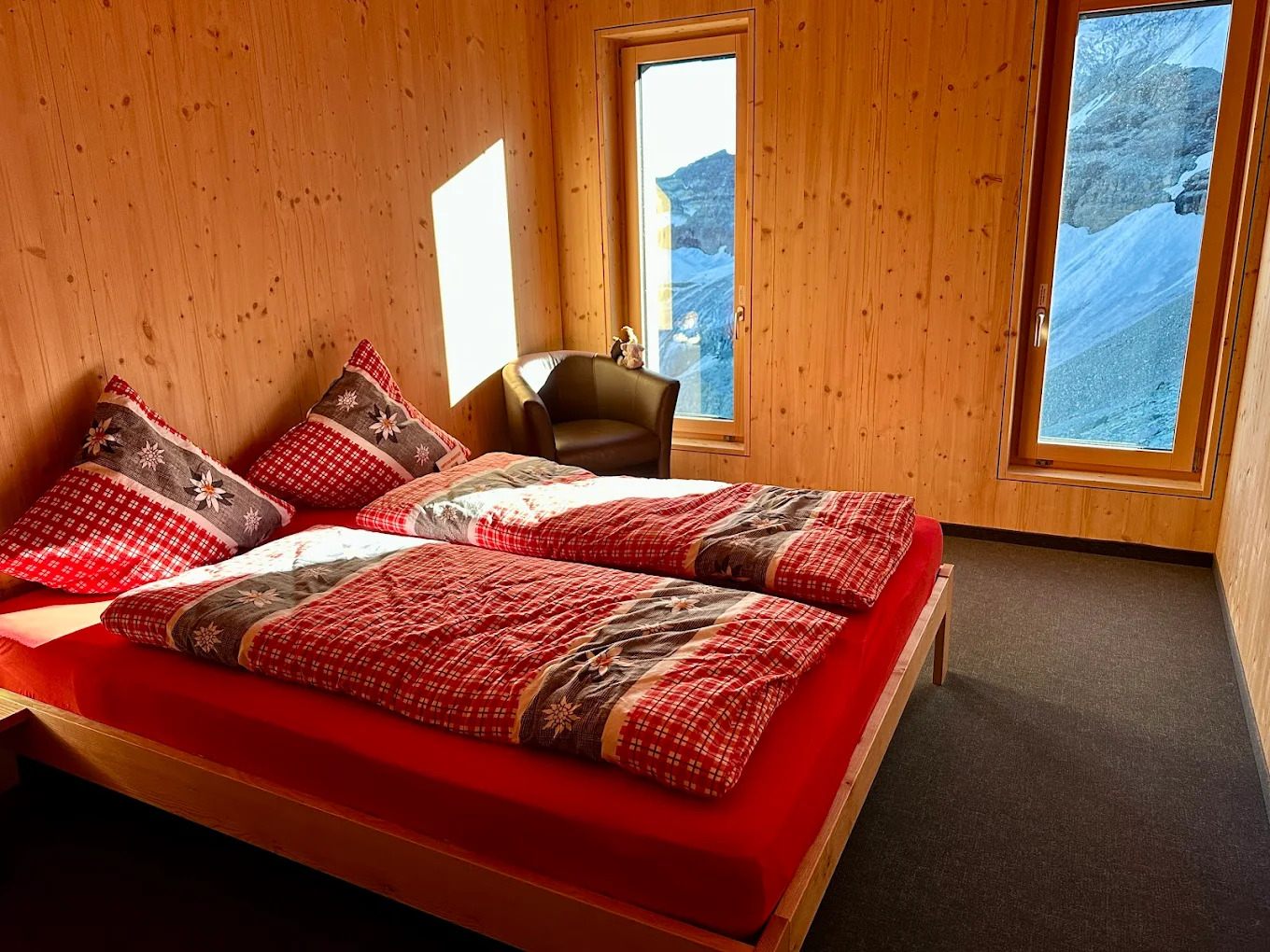
Refuge du Goûter (3815 m) — The main shelter on the classic Mont Blanc route. It is staffed from late May to early October; in winter, only an unstaffed “winter room” is available. It accommodates approximately 120 beds in shared dormitories. Blankets and pillows are provided, but sleeping pads are required (available for purchase on site). There are no showers or hot water, toilets are basic, and there is no kitchen for self-catering. Reservations are required; arriving after 5:00 PM without notice will void your reservation. Dinner is served at set times, as is breakfast; vegetarian options are available, but vegan options are not.
Climbing Mont Blanc + Matterhorn, Alps
We invite you to climb to the top of Mont Blanc using one of the most popular routes passing through the shelter du Goutet and climbing the Matterhorn along the Hernli ridge.
Available dates:
June 26 - July 5
July 10 - July 19
July 24 - August 2
August 21 - August 30
Complexity:
difficult
Duration:
10 days
Height:
4808 m
Distance:
60 km
Mont Blanc (4808 m) — the highest peak of the Alps, the highest mountain system in Western Europe, spanning 8 countries. The Alps amaze travelers with their beauty and grandeur. In addition, these mountains are considered the birthplace of mountaineering. And the date of the first ascent of Mont Blanc (August 8, 1786). is considered to be the beginning of the history of mountaineering. The classic route through the Güthe hut is 2A difficulty category.
Matterhorn (4478 m) – An iconic mountain, every climber dreams of climbing it. The mountain attracts with its pointed shape and inaccessibility. The most popular routes are the route from Italy along the Leon ridge and the route from Switzerland along the Hernli ridge and are considered the simplest. Route complexity 3Б-4А difficulty category.
We invite you to climb to the top of Mont Blanc along one of the most popular routes, passing through the refuge du Goutet and climbing the Matterhorn along the Hernli ridge. All this in one tour in 12 days.
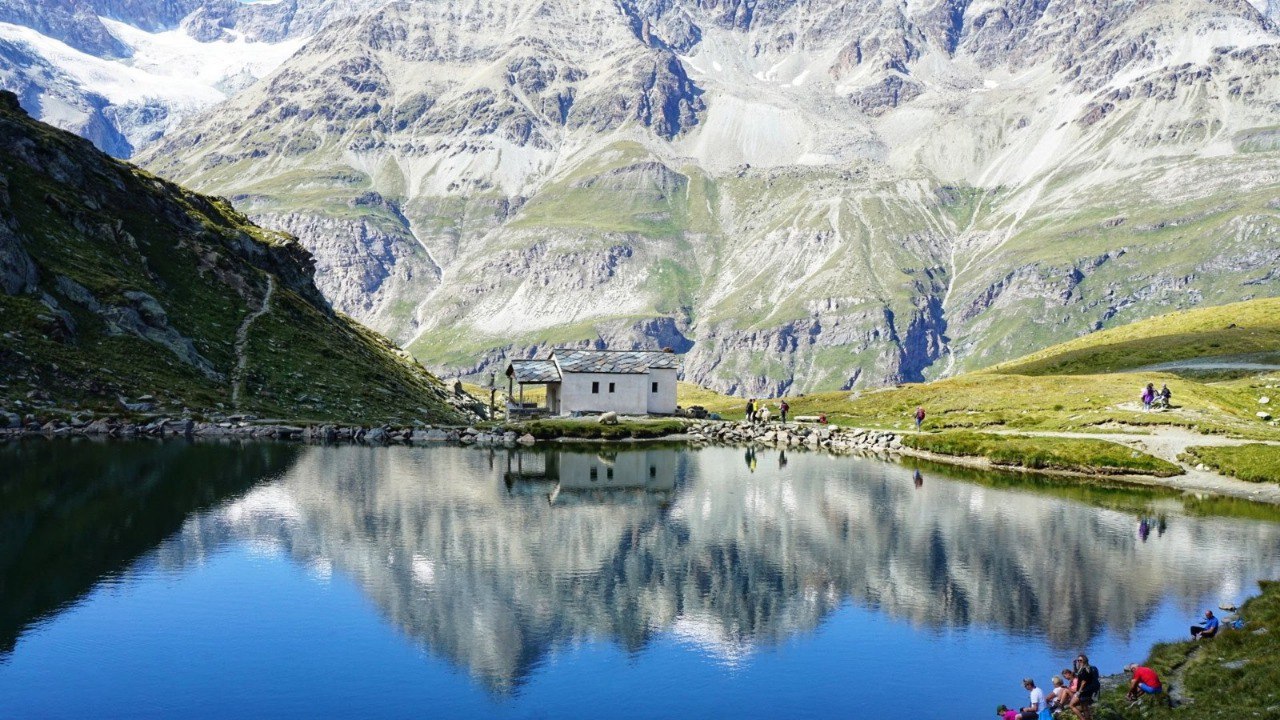
Also during this program we will make acclimatization climbs to the peaks of Aiguille du Belvedere (2965 m) and Aiguille du Midi (3842 m), visit the picturesque mountain lake Lac Blanc, which offers a wonderful view of Mont Blanc, ride the famous mountain tram and, of course , we will conquer the highest peak of France and Italy – Mount Mont Blanc.
Climbing route to Mont Blanc and Matterhorn:
Geneva — Chamonix — mount Aiguille du Belvedere (2965 m) — glacier Aiguille du Midi (training) — hut Tete Rousse (3167 m) — hut du Gouter (3817 m) — Mont Blanc, radial — Chamonix — Aiguille du Midi (3842 m), radial — Zermatt — hut Hörnli Hut (3250 m) — Matterhorn, radial — Zermatt — Chamonix
Route climbing Mont Blanc and Matterhorn by day
01
day
Geneva — Chamonix
Group travel from Geneva airport to Chamonix by bus (regular shuttle). Arrival time in Chamonix no later than 6:00 p.m. Usually 1.5 hours, depending on traffic conditions. Meeting with the guide either in Geneva or at the Geneva-Chamonix bus stop. Check-in to the apartments from 5:00 p.m. Discussion with the guide about the program. Checking that you have the equipment and clothing required for the program. If necessary, missing equipment can be purchased in numerous shops or rented at rental points. Preparation for departure, packing of backpacks.
02
day
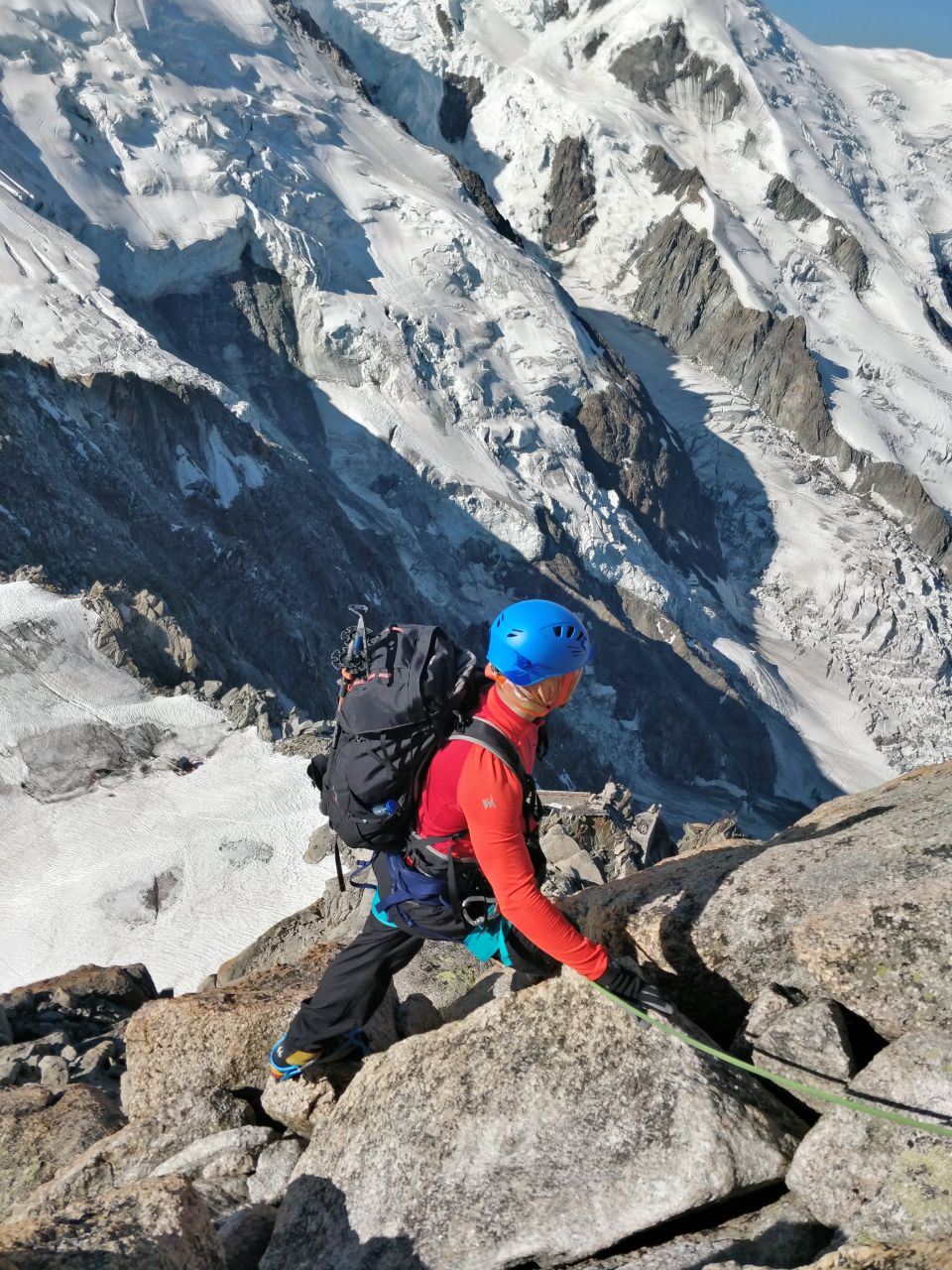
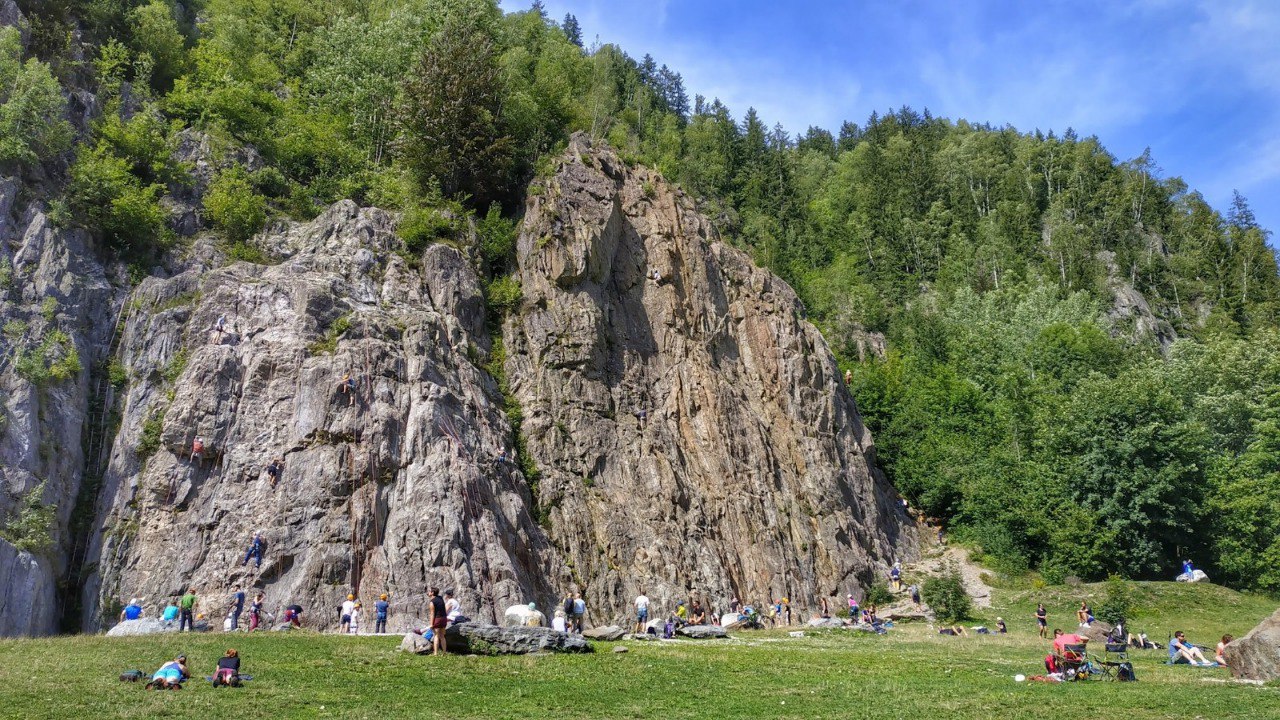
Lake Gaillands or Mount Petite Aiguille Verte, 3512 m
At the discretion of the guide today there are two options for the program.
Training on natural rocks. At 7:00 a.m. ascent. At 8:30 a.m. departure and transfer by regular bus to Lake Gaillands. Rock climbing: climbing on rocks with top and bottom belay, belay techniques, working with a rope.
Option 2 – Climbing a multi-pitch sport climbing route on Mt. Brevant, 2500 m.
03
day
Climbing Mt. Index along the alpine route
In the morning after breakfast we will move to the center of Chamonix, where we will take the lift to the Index mountain. Here we will climb the classic AD route of difficulty category to the Index mountain at 2900 m. Here we will practice the necessary technical elements that we will need when climbing the Matrehorn.

04
day
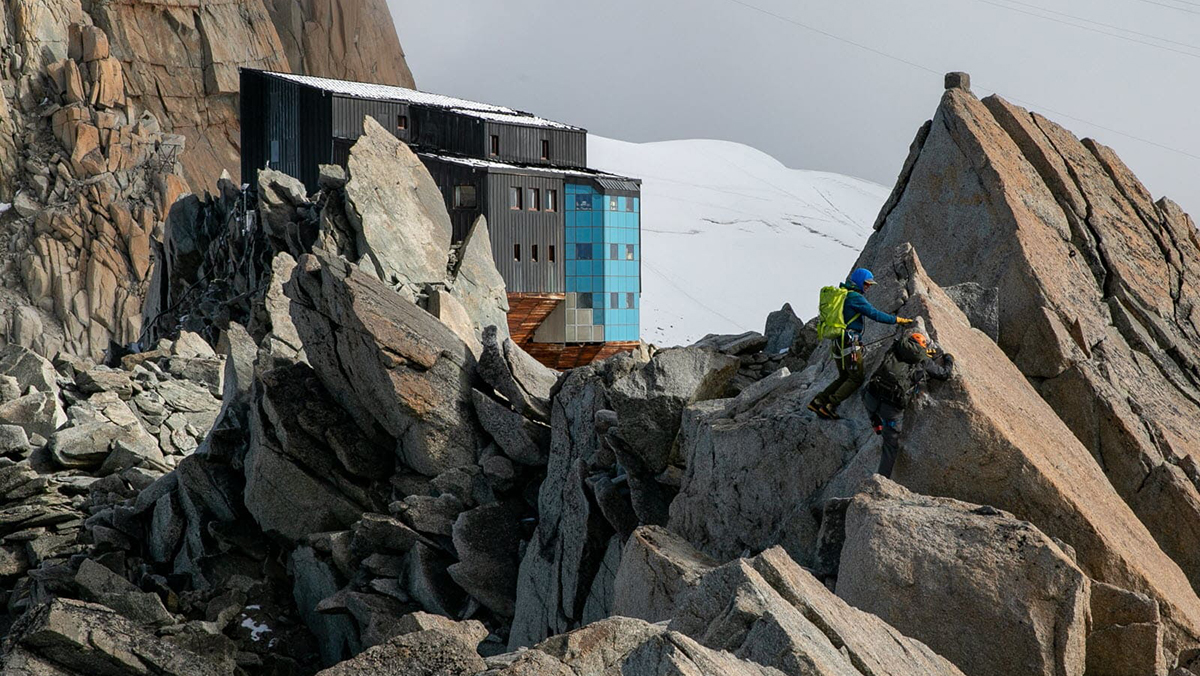
Aiguille du Midi, Cosmiques refuge, 3613 m
In the morning we take the cable car to the Aiguille du Midi mountain, 3842 m. Here we will have a short training climb and snow and ice training. Accommodation in a shelter and rest, preparation for the climb.
05
day
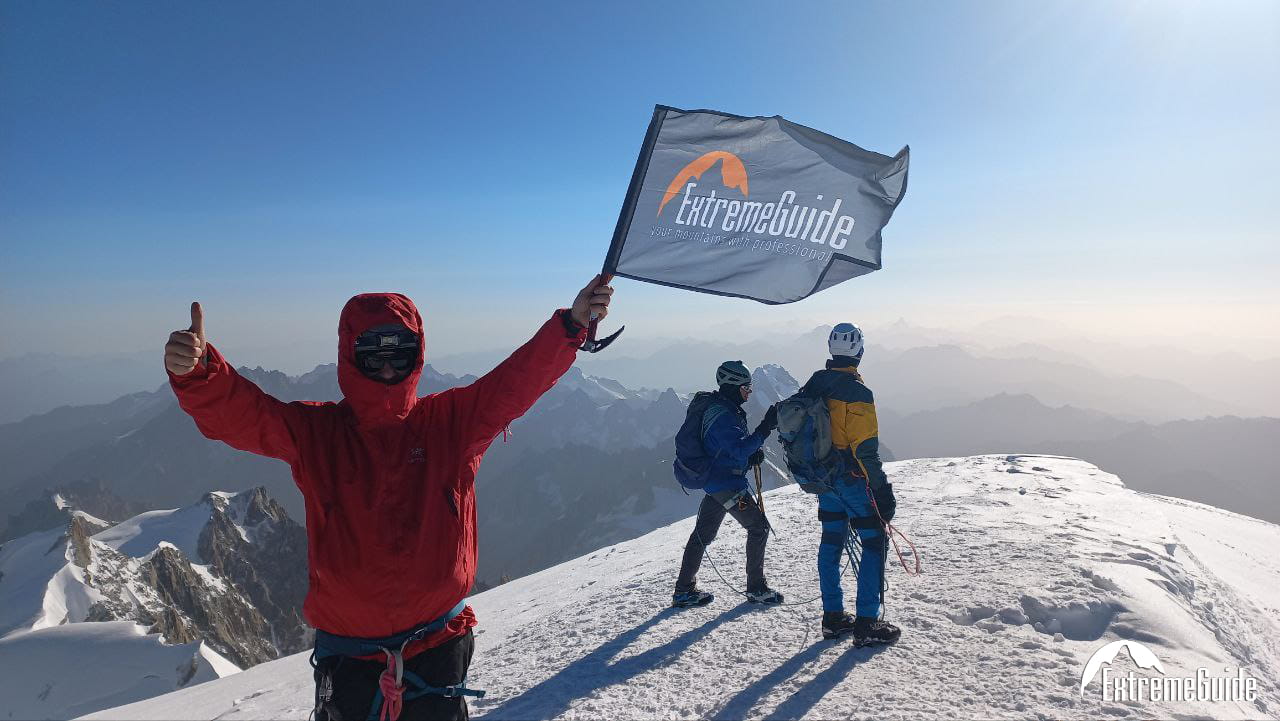
Mont Blanc (4808 m)
Climbing Mont Blanc. We begin our climb to the top at night. The climb to the top of Mont Blanc from the shelter takes approximately 5-7 hours, the descent – about 3 hours. We spend the night in the du Goûter or Tete Rousse hut (depending on the condition of the group and the availability of places in the du Goûter hut).
06
day
Reserve day
Reserve day for climbing Mont Blanc.
07
day
Zermatt village
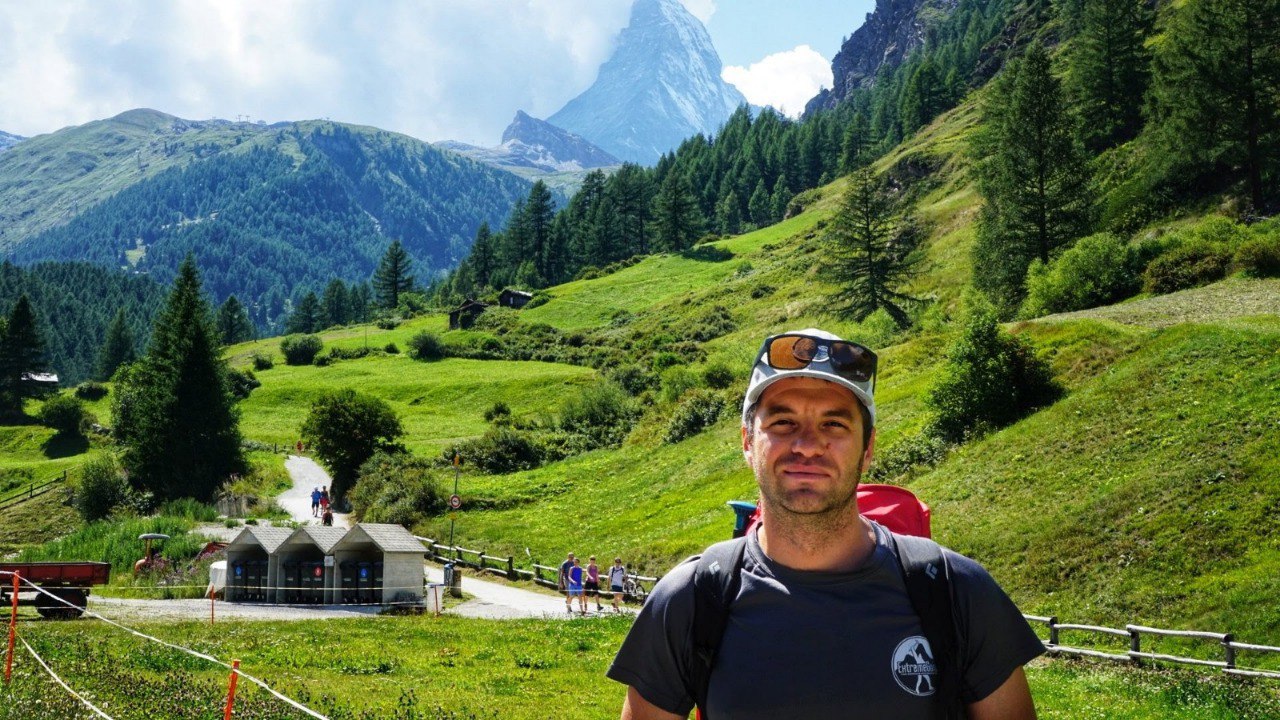
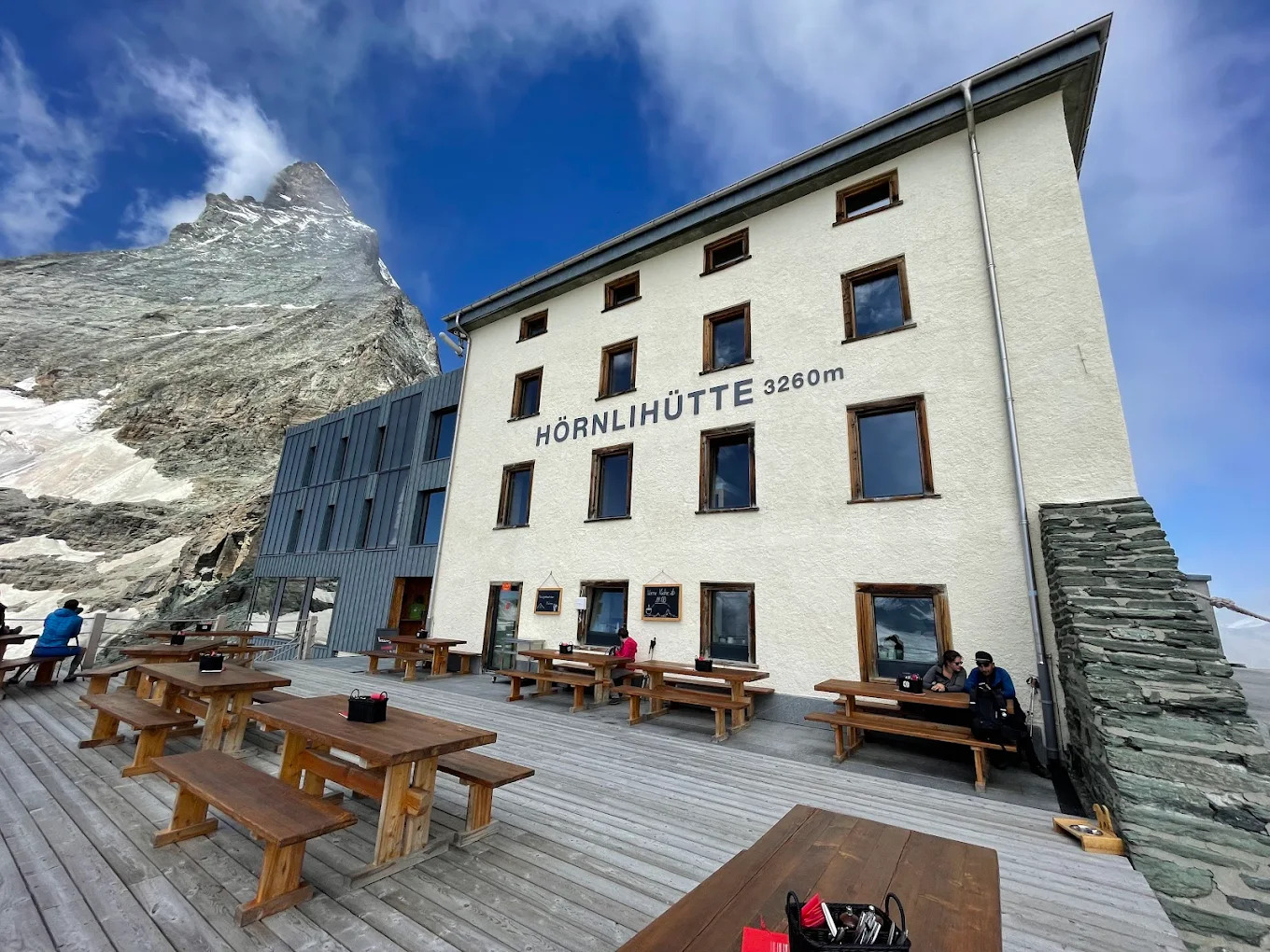
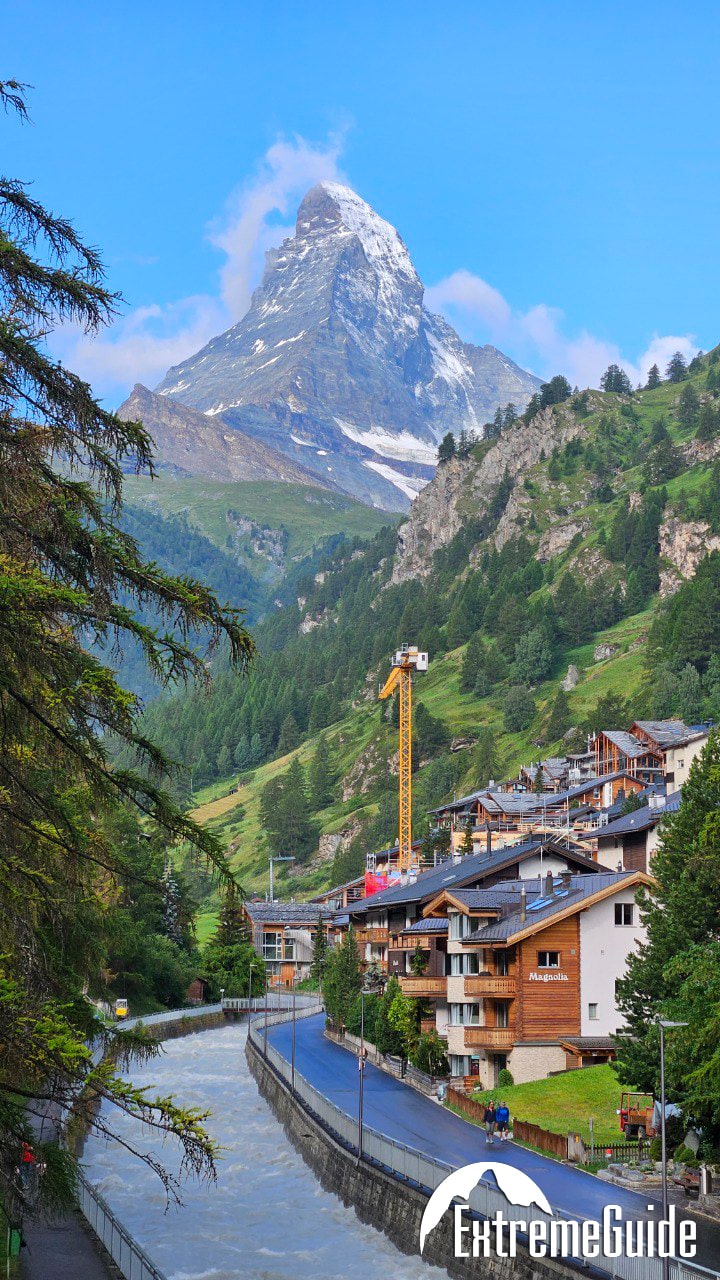
Today, by train with transfers or by rental car, we will move to the village of Zermatt, from where we will ascend to a height of 2500 m on the Schwarzsee cable car, walk another 2-3 hours to the Hörnli Hut. Overnight stay and preparation for the climb.
08
day
Mount Matterhorn (4478 m)
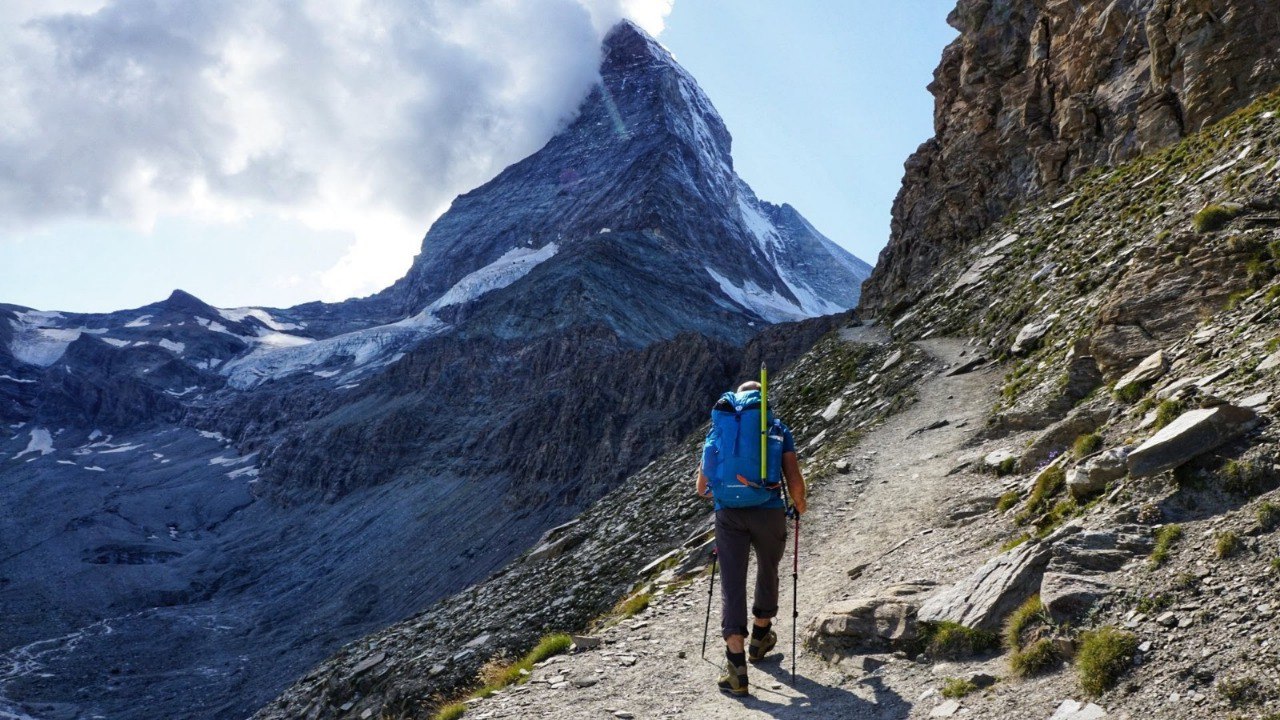
Climbing the Matterhorn (4478 m). Ascent 1:00-2:00, leaving the hut no later than 3:00. Usually the ascent takes 5-7 hours one way and the same amount of time for the descent. It is very important to reach the summit by 12:00 to make the descent in safe weather conditions. On the same day, if possible, descent to Zermatt, or an additional night in the Hörnli hut.
09
day
Reserve day
Reserve day for climbing Matterhorn in case of bad weather and other circumstances.
10
day
Geneva
Departure for Geneva.
Full route description
Note:
If the participant is not ready to climb the Matterhorn, the guide may recommend an alternative climbing program. The decision is made based on the results of the training climbs on the Aiguille d’Entrèves and Dent du Geant.
If your Hernley Hut booking is cancelled, it will not be refunded!
Why is it profitable to go hiking with Extremeguide?
Why you should choose to climb Mont Blanc+Matterhorn with ExtremeGuide:
- High-quality acclimatization with an ascent to 3,500 m, rather than trekking through the Chamonix Valley like other companies;
- Mountaineering training;
- a full day of rest before the ascent, so that you have the strength for the final push;
- Support from experienced managers and guides at all stages of tour preparation and planning;
- Experienced guides who have been working in the Alps for several seasons;
- A guide-to-client ratio of 1:2, not more (for maximum safety). In accordance with the requirements of local guide associations;
- All overnight stays in huts are included in the tour price;
- In the Chamonix Valley, we live in apartments, not tents;
- Consultations on training and equipment selection are available.

We have been leading people on hikes for over 17 years. Safety is the main principle in our work.

Quality food tailored to your wishes

Our guides are professional climbers and mountain tourists with extensive experience

We have prepared a unique route for you

Fair price and best service

We work according to the contract
Cost and conditions for climbing Mont Blanc and Matterhorn
Is this trip right for you?
For participants, the minimum requirements are: physical fitness and readiness for an active lifestyle, walking 5-10 km per day, long exercise, and carrying a backpack (5-7 kg) independently. Mountaineering skills are not required, as the program includes training for a safe hike and acclimatization.
It is recommended to go running, swimming, and cycling a few months before your trip. A series of training videos will also be sent by email.
We recommend taking one of the programs Mountaineering school in Georgia, Chamonix granites, Mountaineering School in the Carpathians: Climbing Mount Spice and Mountaineering School in the Tatras: Climbing Mount Kežmarský štít.
Notes:
- Participants in the program must have sufficient experience and prior acclimatization to the area.
- The best time for the ascent begins in mid-July, after the snow and ice have melted from the rocky areas, and continues until the first frosts arrive, usually mid-September.
- The route is not climbed during thunderstorms due to the impossibility of finding shelter from lightning.
- In the event of insufficient physical or technical preparation, the guide reserves the right to refuse the final ascent and offer an alternative training and ascent program, without the right to compensation for any incurred costs.
Important! Due to the high risk of the route, local guide associations require that guides work with only one client at a time. We respect the requirements of local guide associations and value your safety and that of our guides. Therefore, on the Matterhorn, you will be alone with your guide.
The price includes:
- work of a guide trained according to international standards (1 guide per 1 participant). During the training and acclimatization period, 1 guide per 2 participants is possible;
- booking of huts and reguges on the descent Cosmic, Gouter, Hornli hut (total 3 nights);
- payment for lifts according to the program;
- transfer Chamonix – Zermatt (train);
- rental of group special equipment – ropes, marks, friends, loops, carabiners;
- group first aid kit for emergency care (located with the guide);
- means of communication and navigation with the guide;
- certificate of ascent and a souvenir.
Not included in the price:
- flight to Geneva (from €200);
- transfer from Geneva airport to Chamonix;
- accommodation in Chamonix and Zermatt (on average one night costs from €70 for apartments/hotels), you can live in a campsite (a tent is required);
- meals in Chamonix and Zermatt – a total of €200-300, if you cook yourself;
- meals in the café of the Сosmic/TetRus Hornli hut shelter, Torino hut – a total of up to €150;
- NV and medical insurance – €40-100;
- rental of personal special equipment (ice axe, helmet, system, crampons, carabiners) – about €100 per set + rental of mountain shoes + €80;
- Zermatt – Geneva, trains (approximately €120);
- additional nights in mountain huts;
- payment of the guide’s expenses related to the additional night at the Hörnli and Güte refuge (cost of accommodation);
- telephone calls;
- tips for the guide (optional);
- other expenses not specified in the program.
The amount of additional expenses excluding international airfare and equipment rental may be 1000-1200 €
Cost depending on the number of participants
| Number of participants | Cost per 1 participant |
|---|---|
| 2 | 4500 EUR |
| 1 | 5400 EUR |

Best price guarantee!
- We have included in the price all possible basic expenses for the program and guarantee that there are no hidden additional costs, while we have retained the best service at a low price: transfers, hotel accommodation, guides and staff!
We have a flexible discount system
Find out the details right now:
Necessary equipment
Basics:
- Trunk/bag 60-70 l;
- Backpack for mountaineering 35-45 l (More about choosing a backpack);
Shoes and clothing:
- Mountaineering boots (It is important that shoes are comfortable and worn in. Usually shoes are chosen with a thick toe and 1.5-2 sizes larger than the foot size) (More about choosing clothes and boots);
- Insulated jacket (down/primaloft);
- Membrane jacket (softshell);
- Membrane pants (softshell, windstopper);
- Fleece jacket;
- A set of thermal underwear (top and bottom);
- T-shirt;
- Light trekking pants/shorts (for trekking);
- Hat;
- Socks 2 pairs (thermal socks or other thick ones);
- Overnight socks (preferably wool or down);
- Liner (sheet for an overnight stay in a shelter);
- Warm mittens/ski mittens (down or synthetic insulation);
- Warm gloves (ski or fleece);
- Work gloves (for working with rope);
- Change underclothing;
- Buff or balaclava;
- Sun cap;
- Rain cape (in case your main clothes get wet).
Additionally:
- A cover for a backpack (or large plastic bags for packing things);
- Headlamp + spare set of batteries;
- Hygiene items (a toothbrush and a small tube of toothpaste, a bar of soap and a little shampoo will be enough; do not take full bottles of shower gel and shampoo, heaps of creams and lotions with you);
- Documents;
- Individual first aid kit (plaster, cold, stomach, head. You also need to take into account specific and chronic diseases, if any. In addition to the individual first aid kit, the instructor has a general);
- Mountaineering goggles (protection category 3-4);
- lip balm chapstick;
- Sunscreen ointment (with SPF 30-50);
- Water bottle ( 1-2 l.);
- Lighter;
- Mobile phone.
Special gear:
- Belay system (for safety);
- Self-belaying lanyard – 1 pc.;
- carabiners 3 pcs (2 medium);
- Climbing helmet (ski helmet will not work!);
- Classic ice ax;
- Crampons (that match your boots).
The amount of special gear depends on the specific event; here is the most extensive list. Also, depending on the specific event, this equipment is either included in the price or not included, in which case you do not need to buy it, but can rent it from us.
Equipment rental from ExtremeGuide.
- Thermos (0.5 – 1.0 liters);
- Camera;
- Trekking poles.
Additional Information
1. IFMGA Standard
On challenging mountain routes, the principle is: 1 guide = 1–2 clients (sometimes up to 3 depending on conditions).
2. Guide-to-client ratio is a matter of safety, not price
A 1:2 format ensures maximum control and reduces risks in the mountains.
3. Fall protection (rope belaying)
* 1:1 — on technically difficult routes
* 1:2 — optimal for most alpine ascents
* 1:3–1:4 — only on easy routes or glaciers with minimal risk
4. Speed of movement = safety
Small groups move faster, allowing them to pass dangerous sections within safe time windows (before rockfalls, storms, etc.).
5. Continuous monitoring of participants’ condition
The guide monitors each participant’s movement technique, breathing, and signs of altitude sickness.
6. Flexibility in critical situations
In a 1:2 format, the guide can respond quickly and safely (for example, initiate descent if one participant’s condition worsens).
7. ExtremeGuide Principle
We do not work with large groups on technical routes — safety is always the top priority.
The program takes place on the territory of France and Switzerland, which are Schengen countries, it is necessary to have insurance in case of emergency and medical coverage is mandatory for the entire period of the program for climbers (can apply for “ExtremeGuide” for citizens of any country).
Geneva Airport, Switzerland, group gathering until 14:00 or Chamonix (independent check-in is possible).
Arrival time in Chamonix no later than 18:00.
You can also fly to Zurich or Milan (check with the organizers about the possibility of meeting in these cities in advance).
Traveling along a closed glacier in crampons and in bundles, moving along steep rocks, spending the night in tents and shelters during the ascent, autonomous treks with a backpack of up to 10 kg. During the climbing period, early rises at 1:00 and long and intense walking days up to 14-16 hours (climbing the Matterhorn). Actively assist the guide in bivouacs and insure the guide in difficult areas.
In Chamonix, you can choose between tent camping, apartments, or hotels. In Zermatt, you can choose between tent camping, apartments, or hotels. On days 4-7 and 11-12, you can stay in cozy mountain huts.
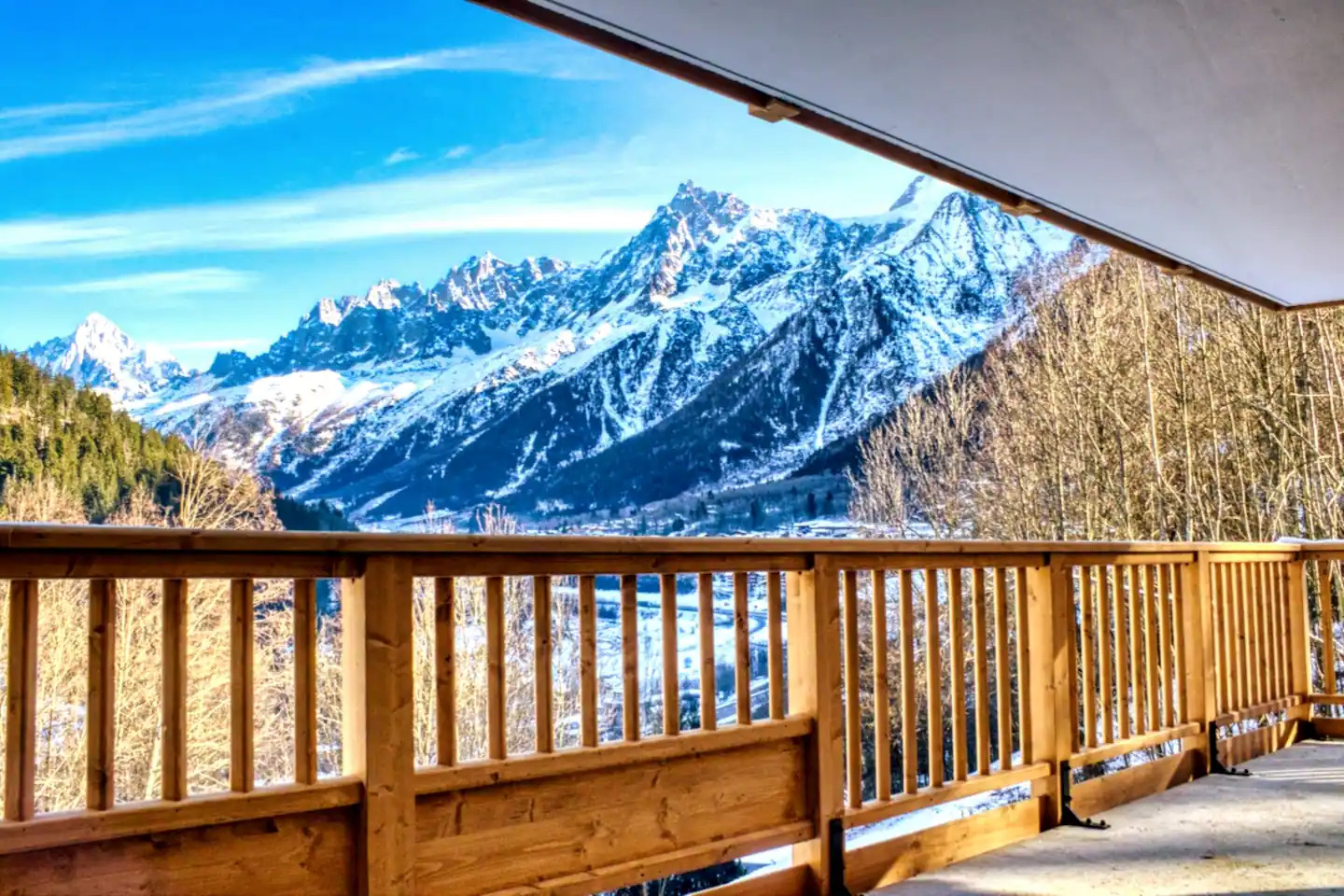
Modern apartment with views of Mont Blanc, Les Houches
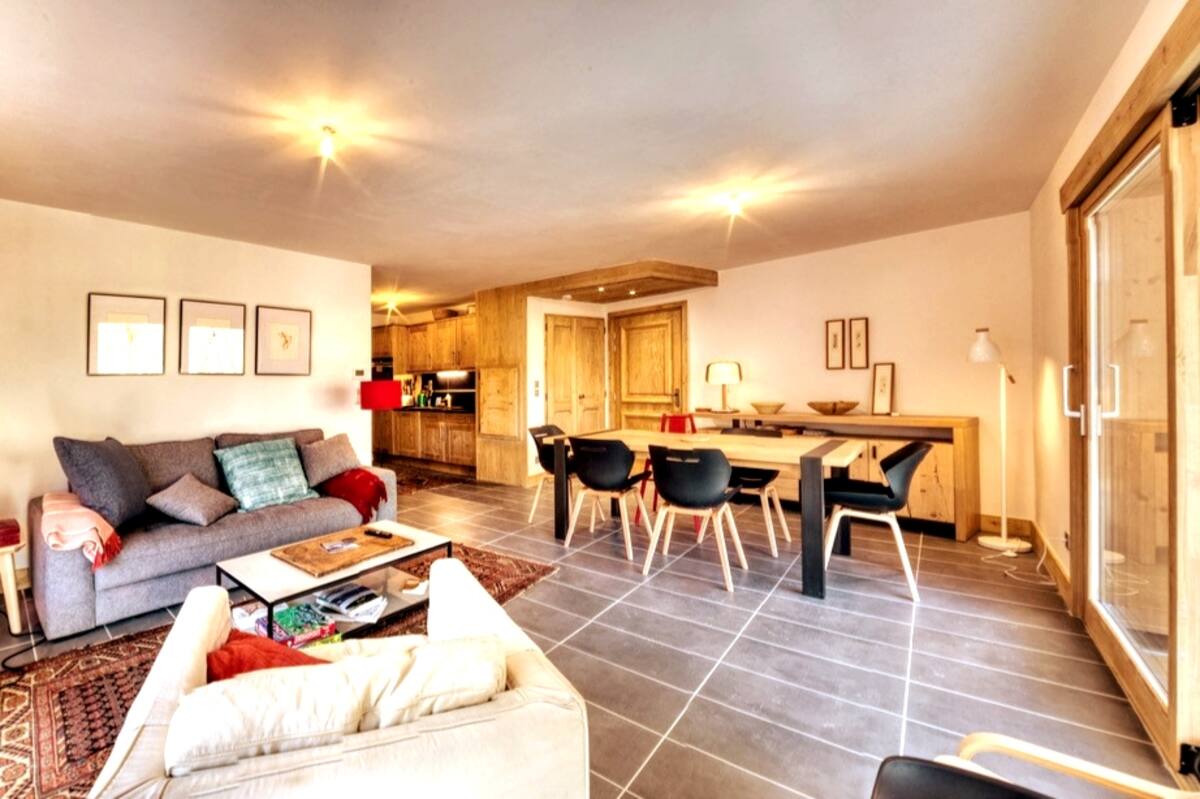
Spacious apartment of 85 m² with three bedrooms and a large terrace-balcony (50 m²) with panoramic views of Mont Blanc and the spires of Chamonix.
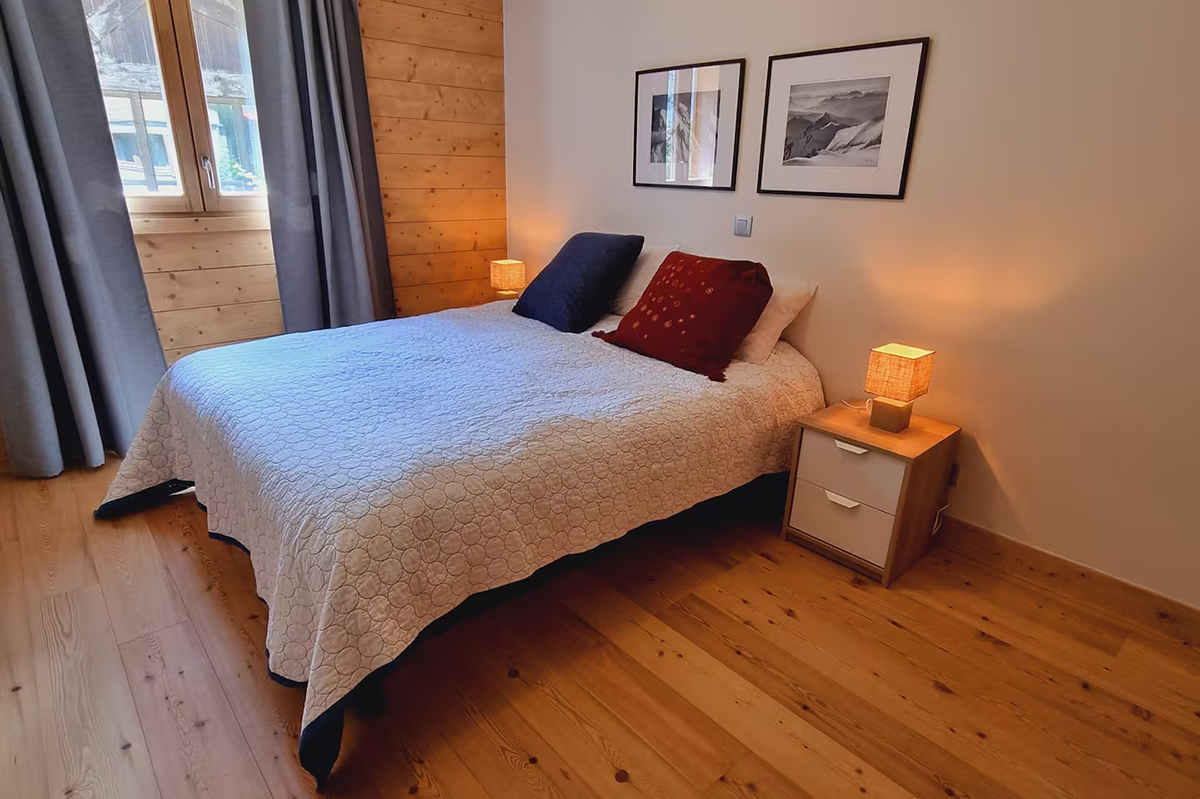
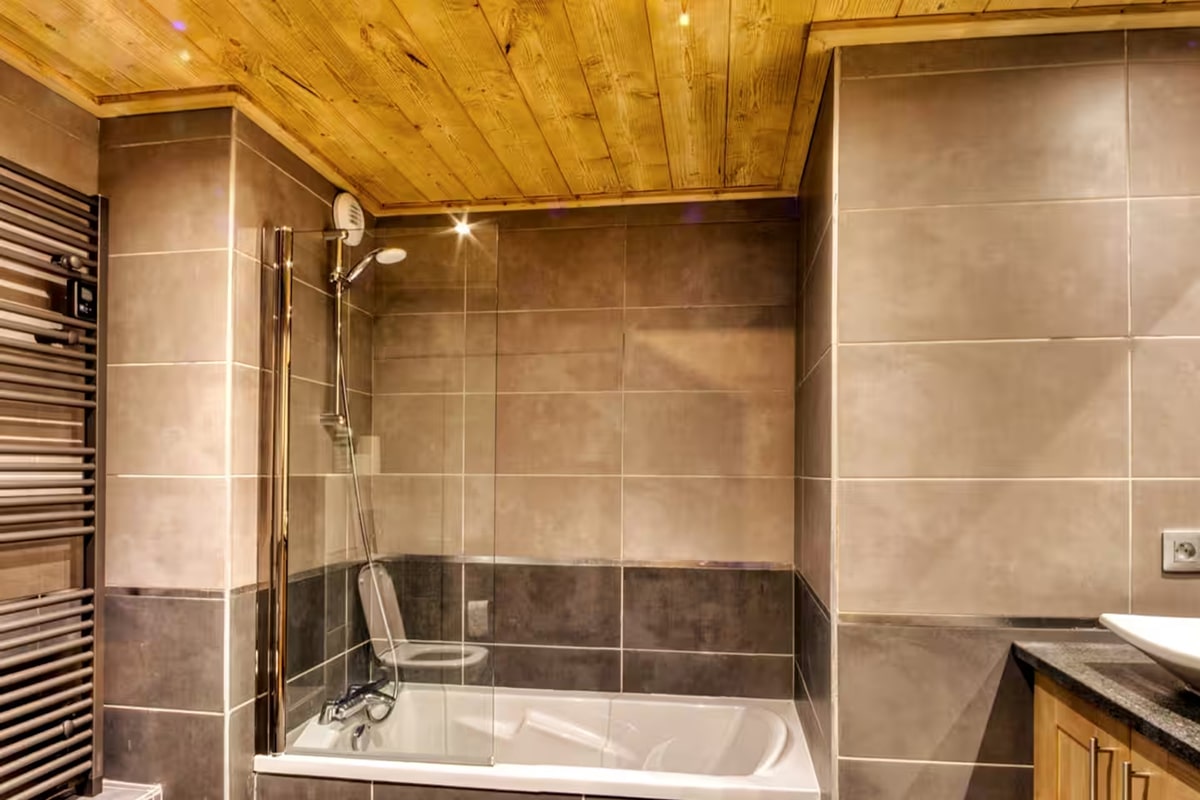
Equipped kitchen (dishwasher, oven, coffee maker), living room with dining area and balcony access, 3 bedrooms (2 double beds + 2 single beds), 2 bathrooms. Bed linen and towels are included, and the beds are made for your arrival.
Additional amenities: Wi-Fi, parking, and a ski storage room. The Prarion ski lift is 300 meters away, and the bus stop is 50 meters away. Professional cleaning is provided after each stay, with additional cleaning available.
Refuge Rifugio Torino (3375 m)
Refuge Rifugio Torino (3375 m, Italy) Located next to the Punta Helbronner lift’s upper station, it serves as a convenient base for climbing routes in the Mont Blanc massif. It is staffed year-round. It accommodates approximately 160 beds in dormitories with blankets and pillows; guests must bring their own sleeping pad. Heating, electricity, Wi-Fi, and a gear dryer are available. Showers and hot water are available, and toilets are inside. Meals are plentiful—the restaurant serves breakfast, dinner, and a snack bar during the day; vegetarian options are also available.
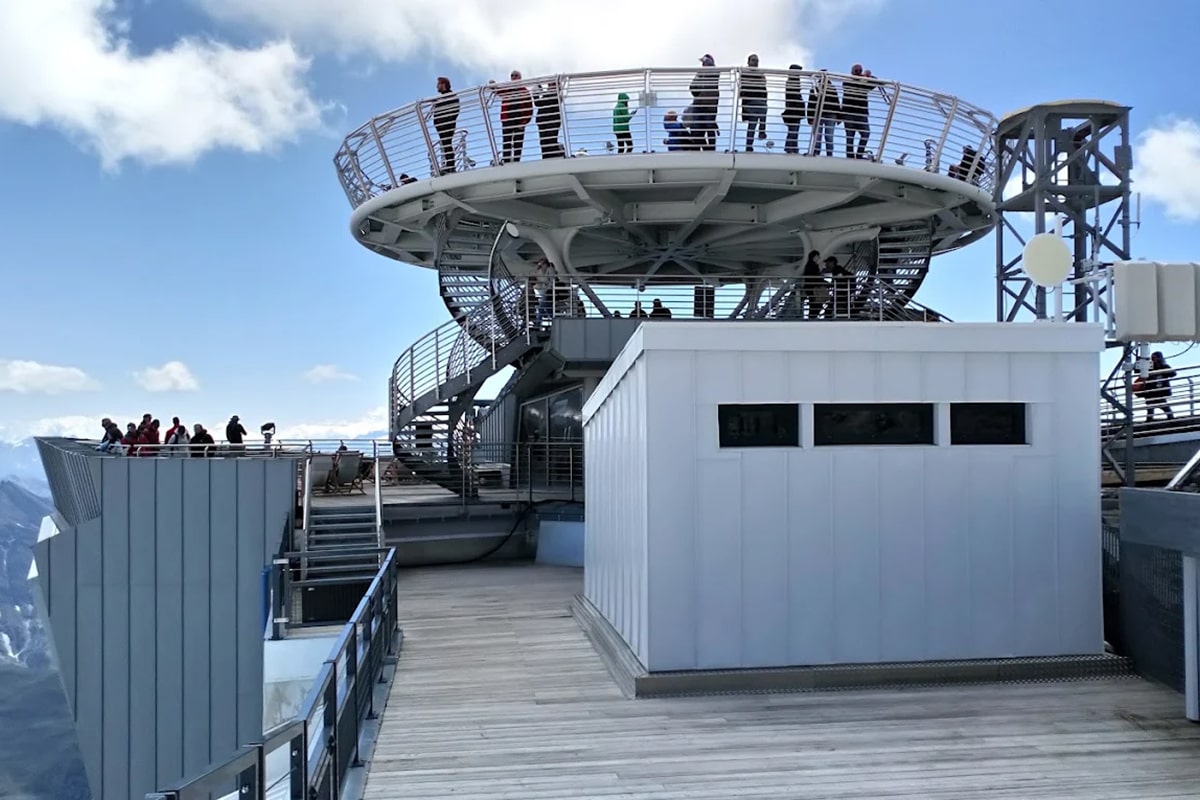
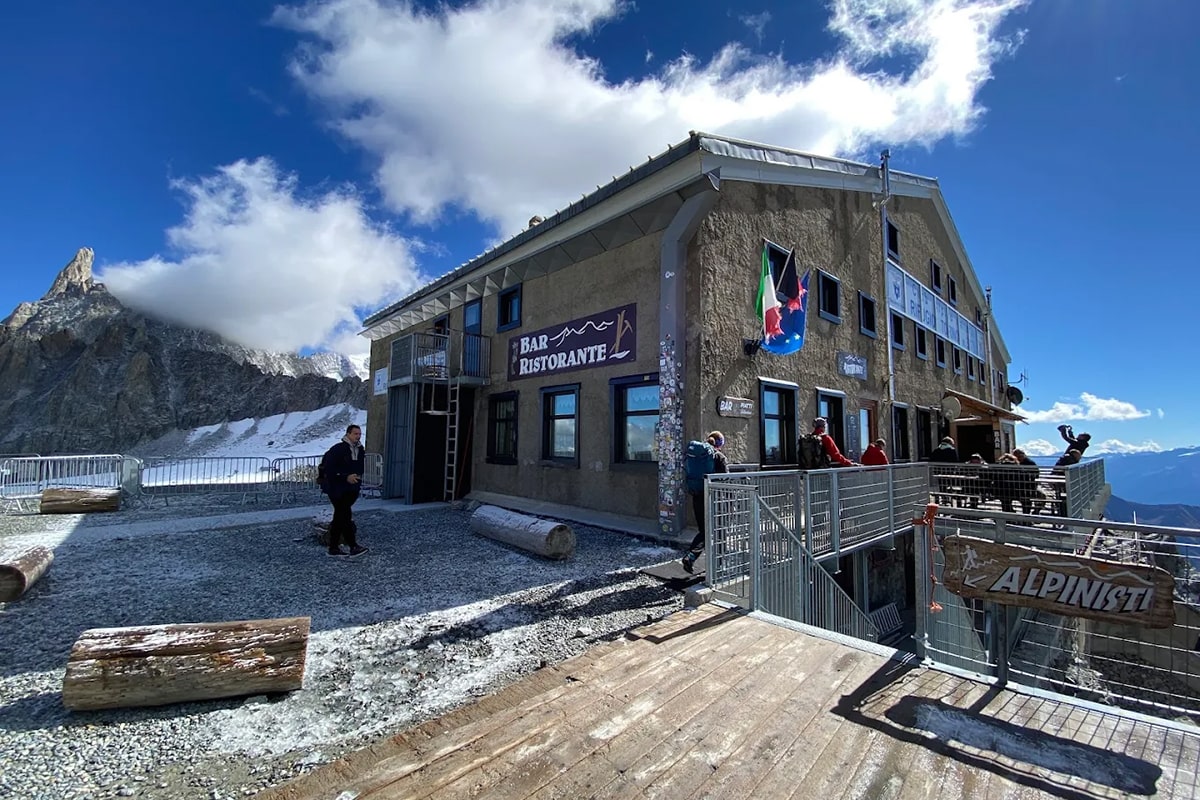
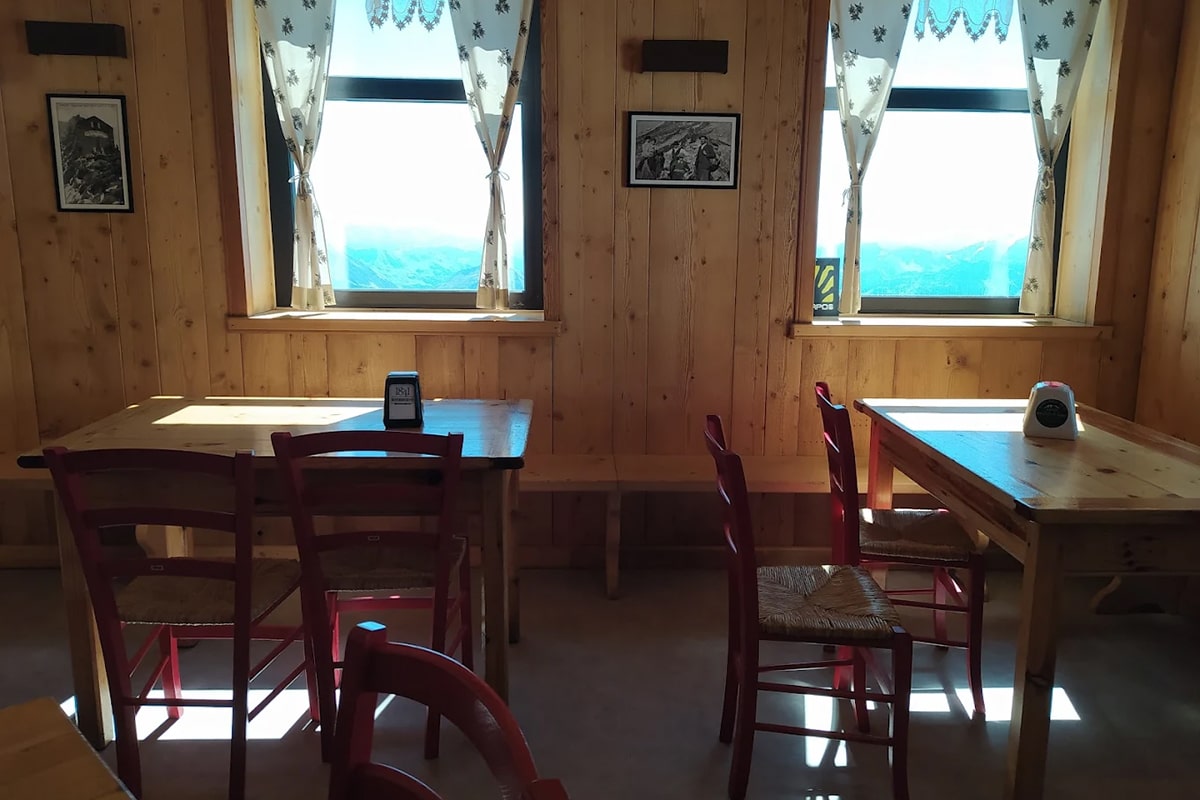
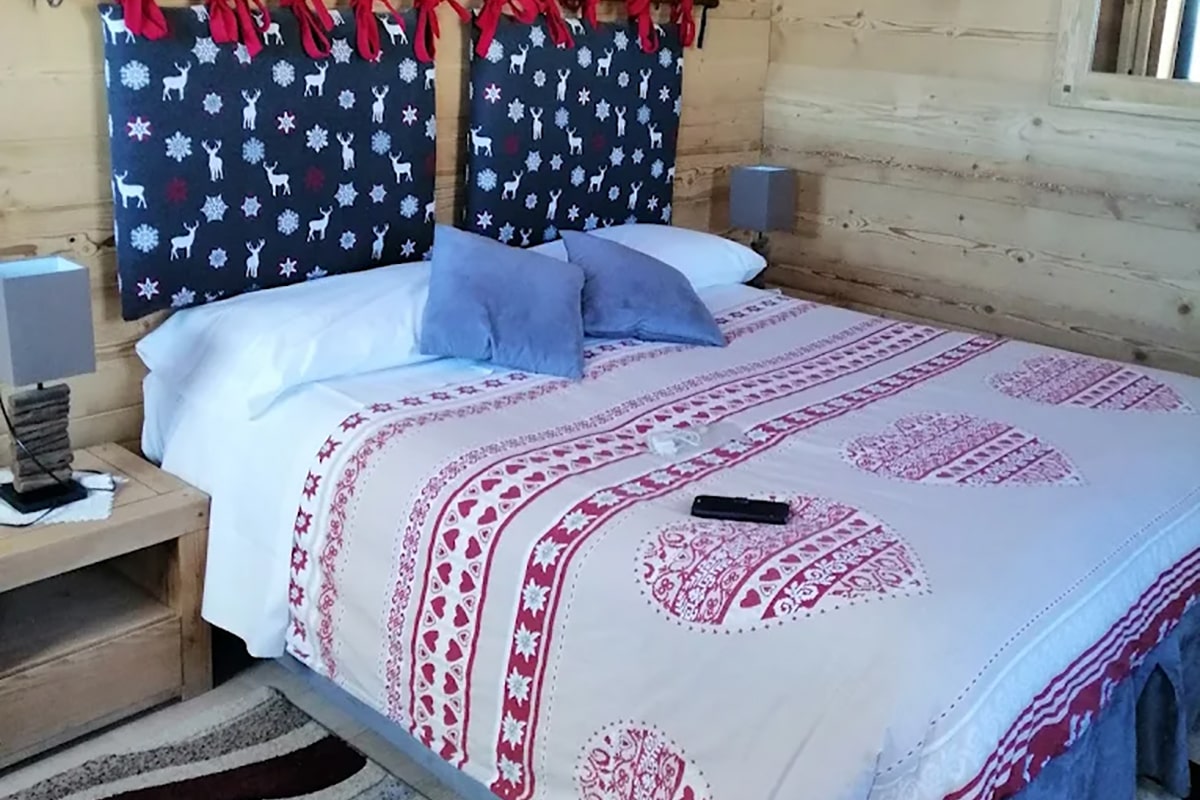
Refuge du Goûter(3815 m)
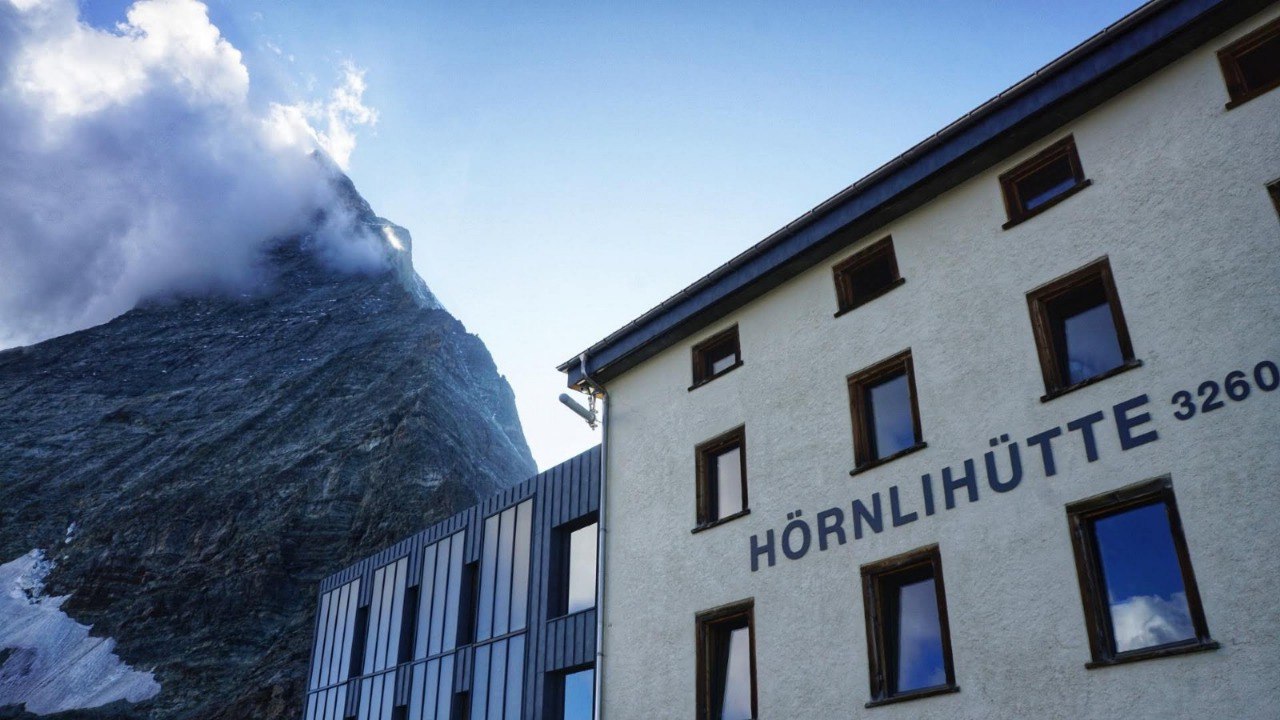
Refuge Hörnlihütte (3260 m)
Refuge Hörnlihütte (3260 m, Switzerland) Located at the foot of the Matterhorn, it is the starting point for the classic ascent route. Open from mid-July to September, it accommodates approximately 130 people in dormitories with blankets and pillows; guests must bring their own liner. There are no showers or hot water, and the toilets are basic. Drying facilities and equipment storage are available. Meals are served at set times, including dinner and breakfast; vegetarian options are available, but not vegan ones. Advance reservations are required.
Meals are provided by participants themselves. Chamonix has many cafes of all price categories. At the campsite you can cook your own food using a gas burner. During the ascent, you cook yourself using your own products under the guidance of guides.
The Tête Rousse and du Goutet huts have a bar with a small selection of food, drinks and groceries.
No more than 8-10 kg.
At the exits, the first aid kit is with the guide. You can contact rescuers almost anywhere by phone. You need to have individual medications.
Absence of diseases incompatible with active tourism: List of diseases. If there is insufficient physical, technical, moral and psychological preparation for the safety of you and other participants, the guide has the right to refuse the final ascent of the Matterhorn, without compensation for the cost of the tour and other expenses.
Up to +30ºС in the valleys, in the highlands – up to -10ºС
In this program, we care about safety above all else, so 1 guide works with 1 participant. This climbing format allows you to complete the entire route as comfortably and safely as possible.
This program is potentially dangerous to the health and life of any of the participants.
Guides provide the necessary safety provided that participants comply with safety regulations.
The decision to stop climbing in conditions that threaten the safety of the participants is within the exclusive competence of the guide and is not subject to discussion.
Chartered minibus or taxi (depending on the size of the group), regular shuttle from Geneva airport and back, transfer by regular bus/chartered bus/taxi from Chamonix to Zermatt and back to Geneva. Cable cars under Mont Blanc and Matterhorn.
The best way to watch flights is www.skyscanner.com, tickets.ua/ Low-cost airlines also fly to Geneva wizzair.com, jetairways.com .
Cross-country running at least 8-10 km, 2-3 times a week, general physical training, see more details
Features of acclimatization in high mountains
Physical and mental preparation before climbing and hiking in the mountains
The card holder has a 50% discount on Swiss Railways, valid for 1 month (or one year at the highest price) and costing approximately CHF 120, receives a 50% discount on almost all train and gondola rides in Switzerland, including the Klein Matterhorn Gondola ( Saving CHF 50 per person) and the Gornergrat train to Zermatt (saving CHF 21 on the return trip to Zermatt from Rothenboden).
The savings on gondola/train rides on this trip are typically over 60% of the purchase price, and especially if you plan to travel to and from Zermatt by train, the Half Fare Card gives you the opportunity to save.
You may be asked to show your passport as the 1 month card is not available to Swiss residents, which also explains why it is so difficult to find on the official Swiss Rail (SBB) website.
Note:
The table shows the basic cost for a group and may change depending on the number of people in the group. For the calculation of the cost of the tour for a smaller number of people and individual groups, see the «Price» block for more details.
We guarantee that on the dates indicated in the table, even if there is a minimum number of people allowed in the group, the tour will take place 100% with a minimum change in cost.
Price from 4500 EUR
Pleasant bonuses, which everyone receives when ordering a tour with us

We will help you with tickets

Prompt professional advice and support at all stages

Payment through payment systems convenient for you

You will receive confirmation of your feat - a certificate
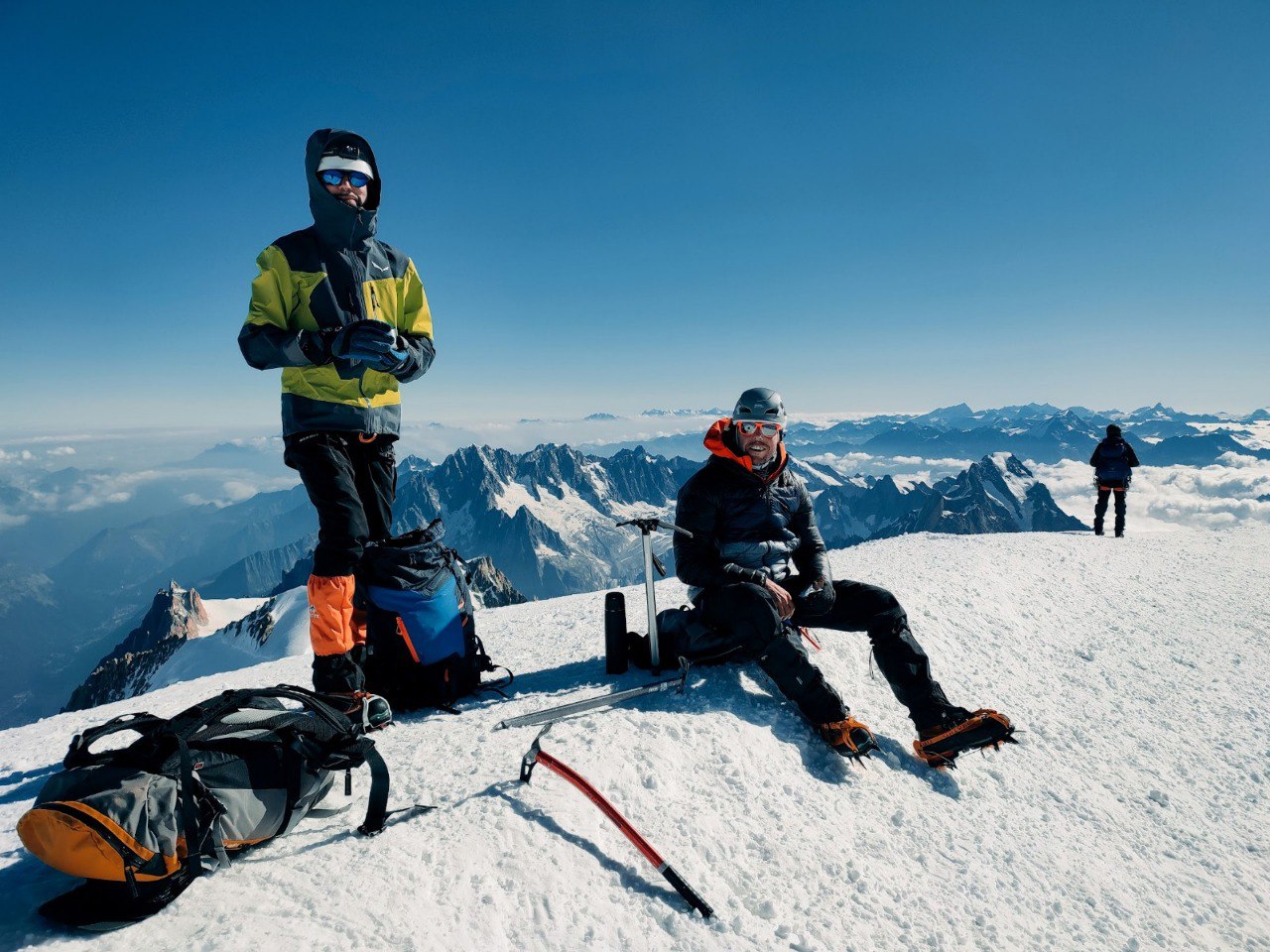
Photo of previous trips
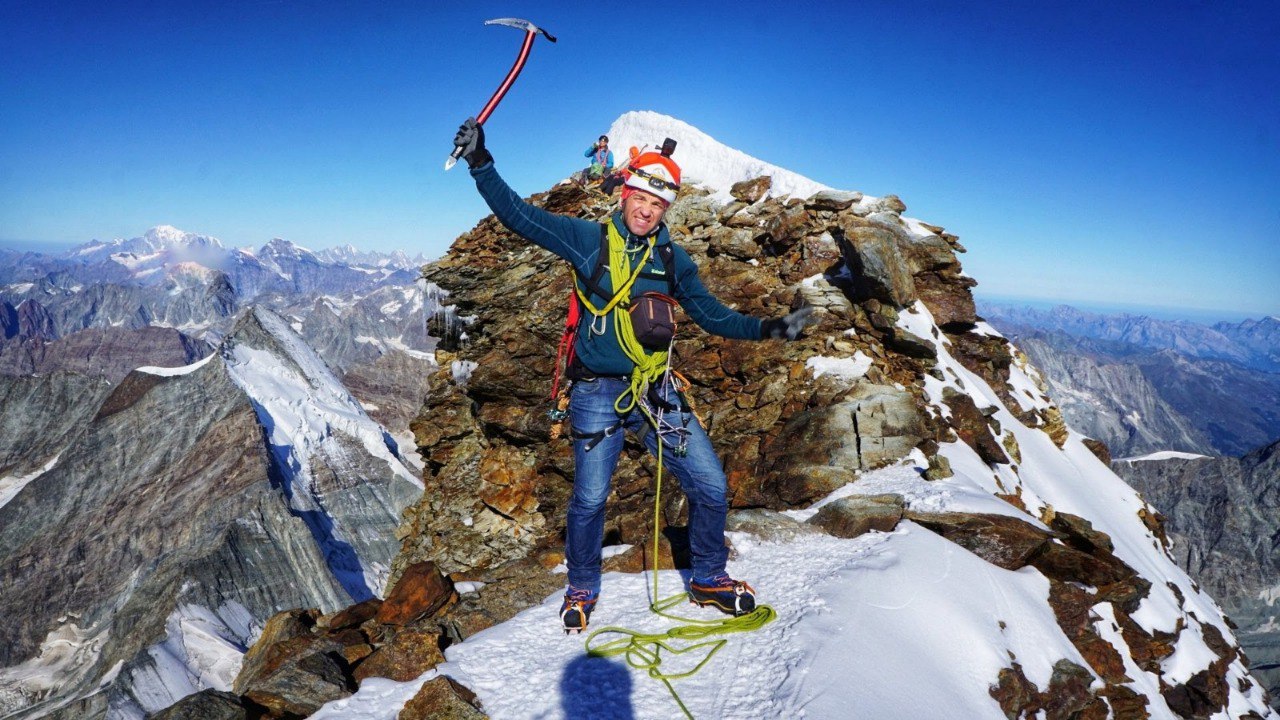

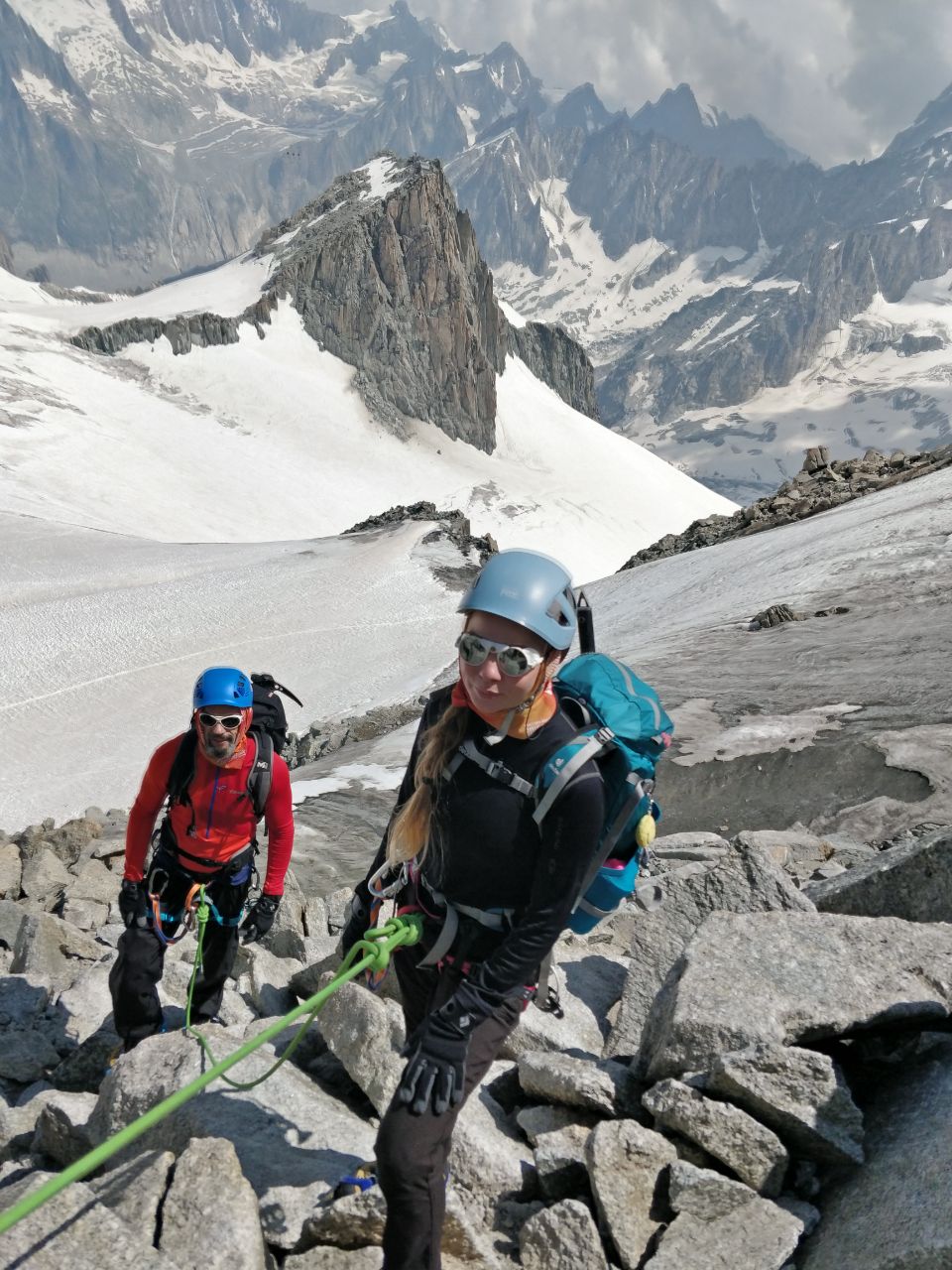
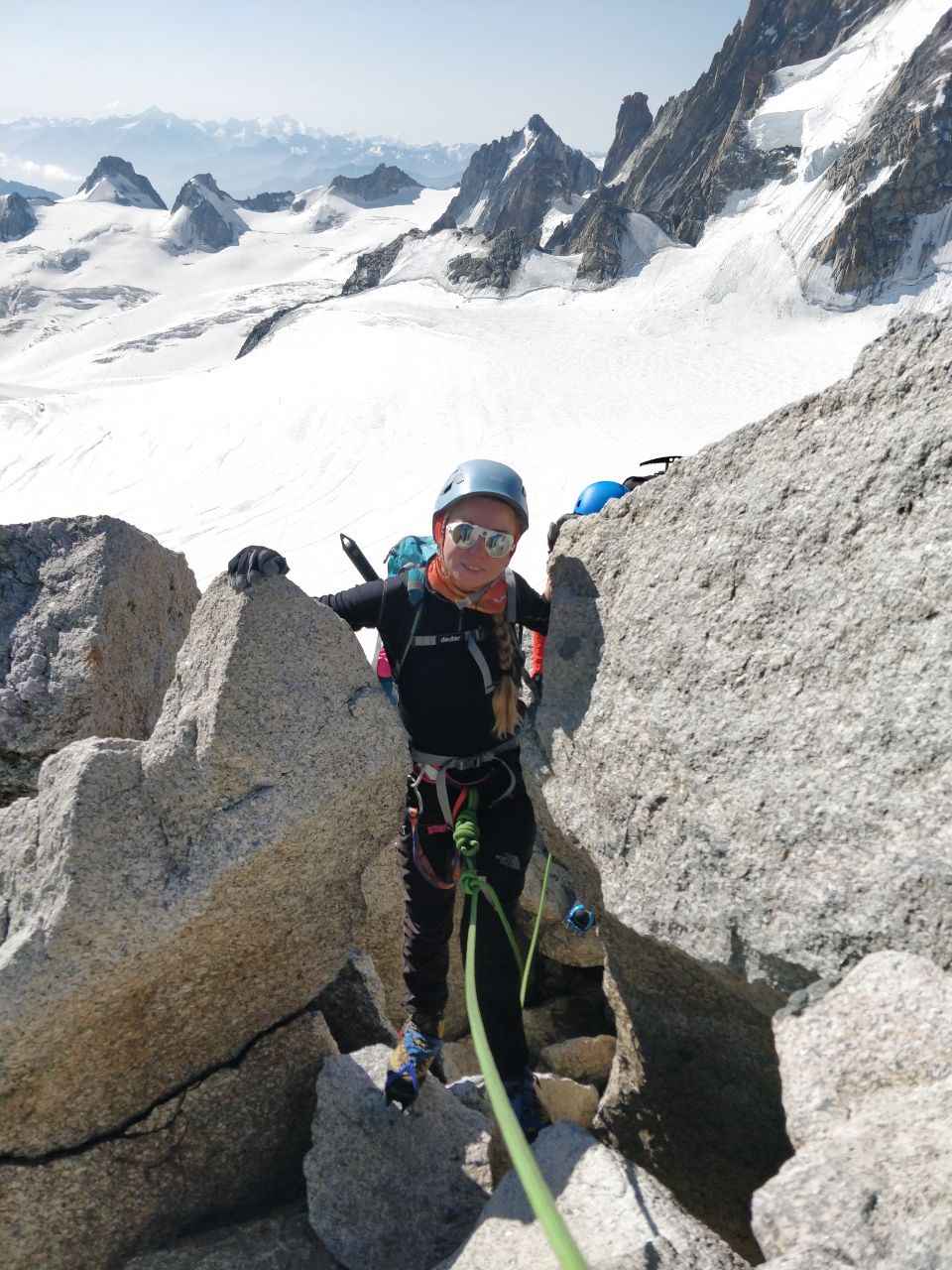
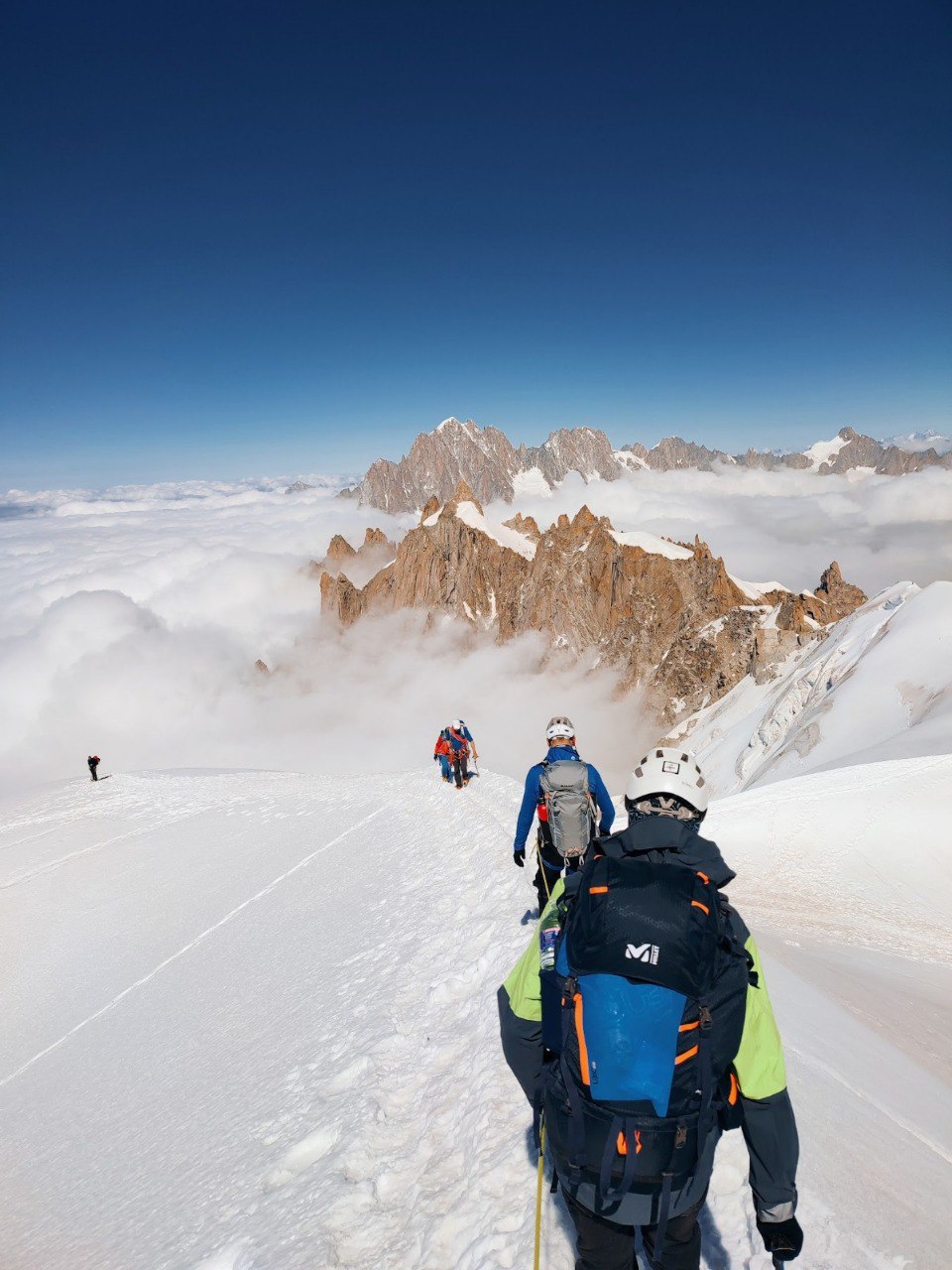
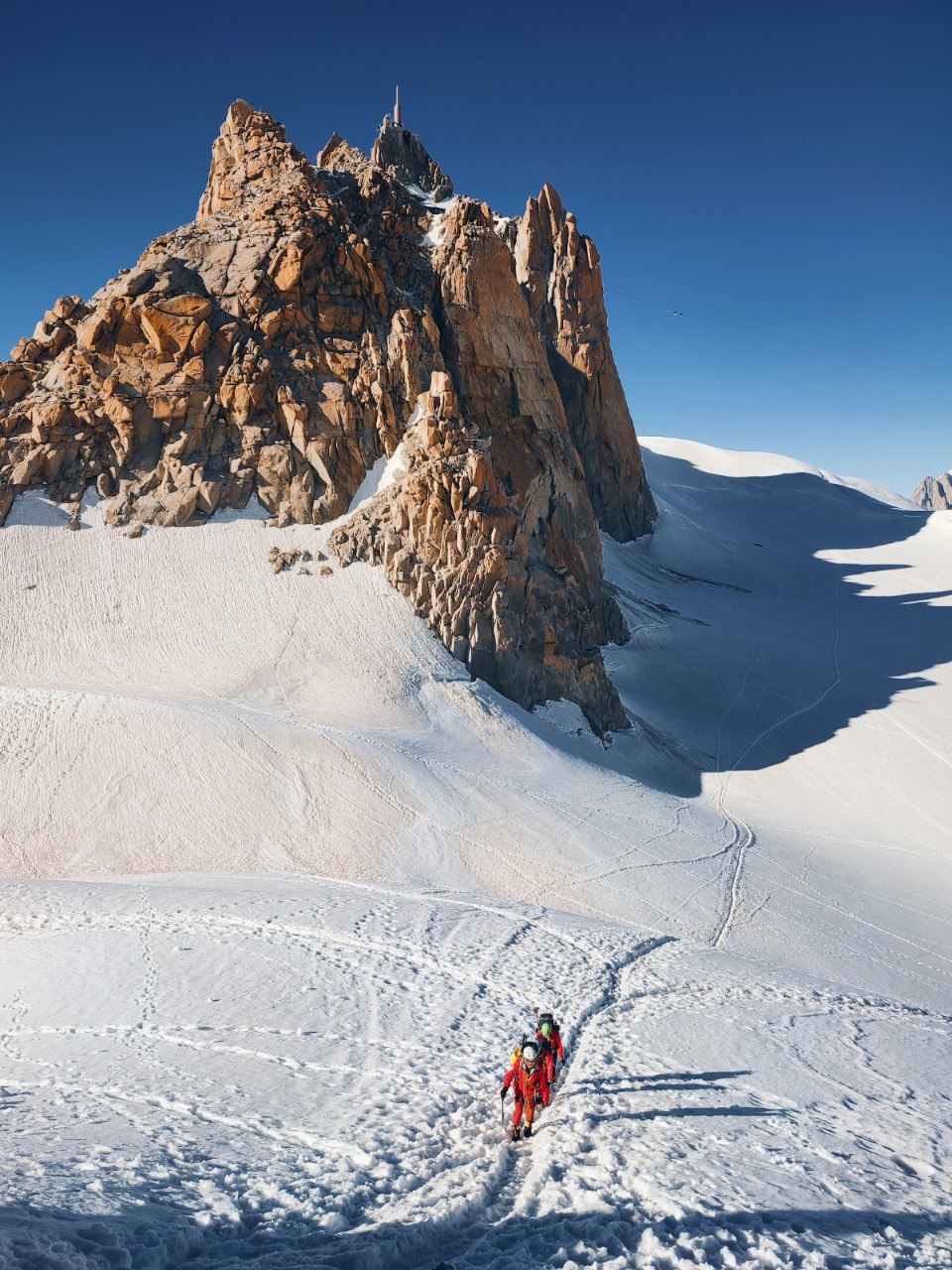
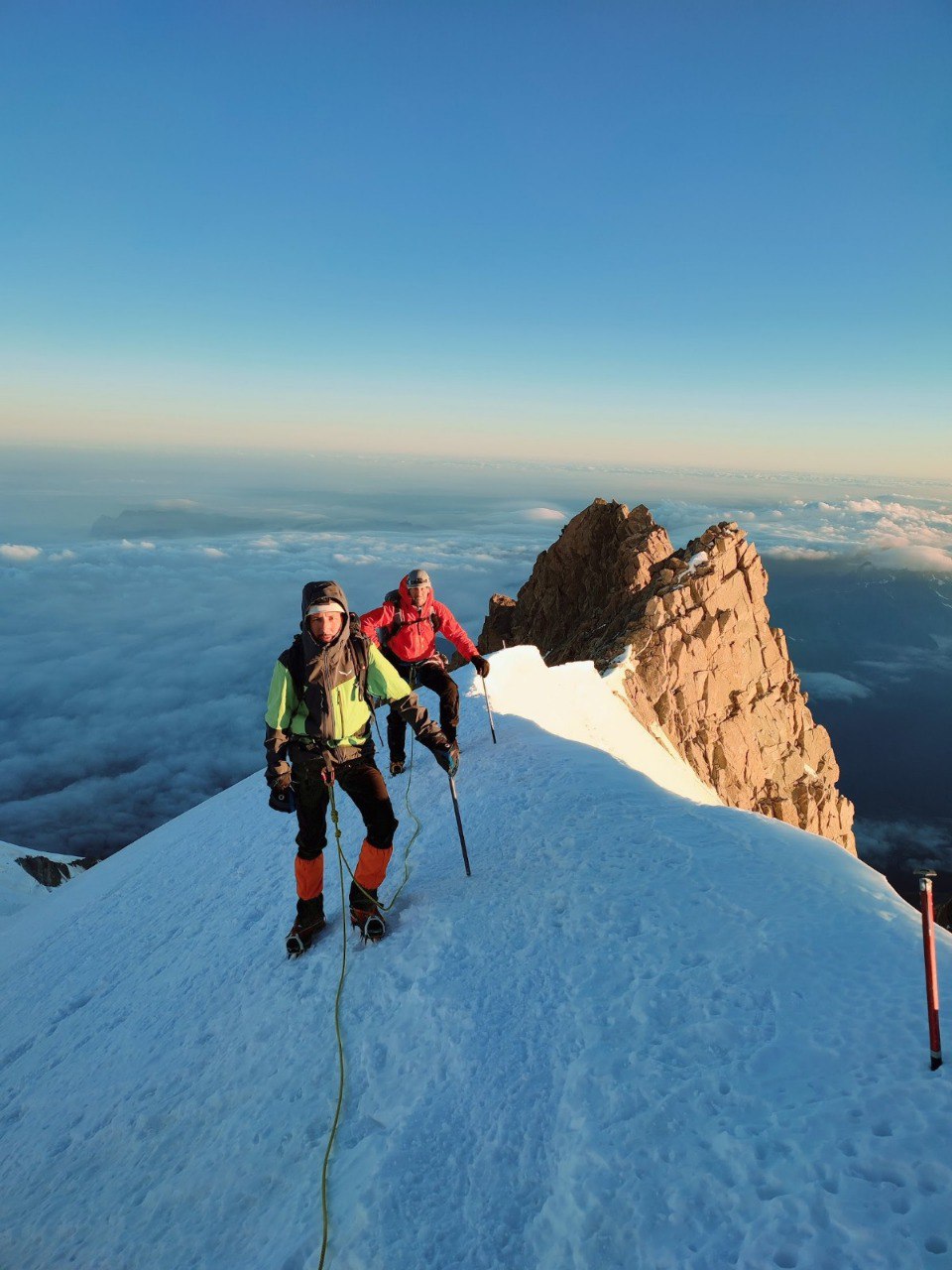

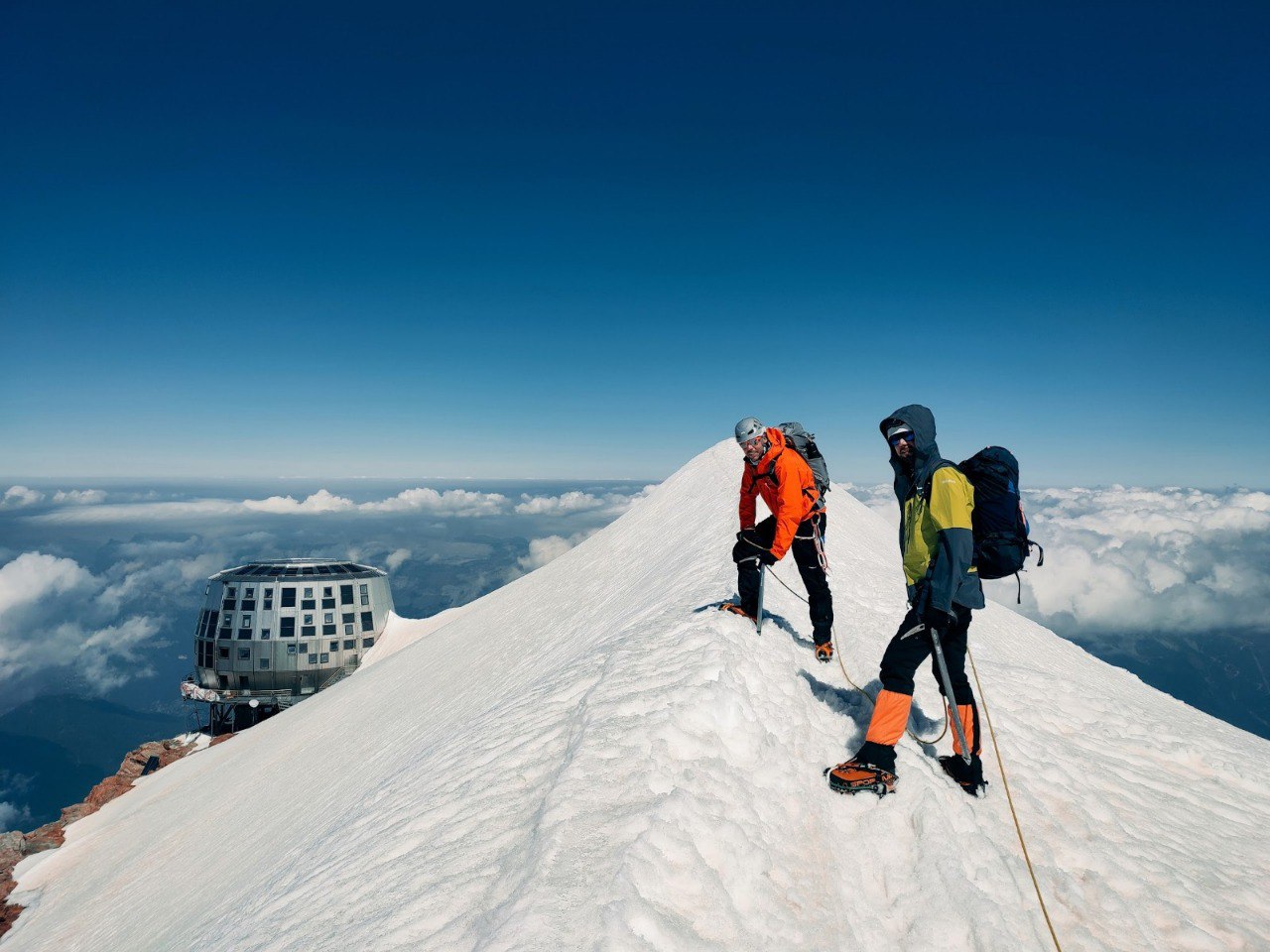
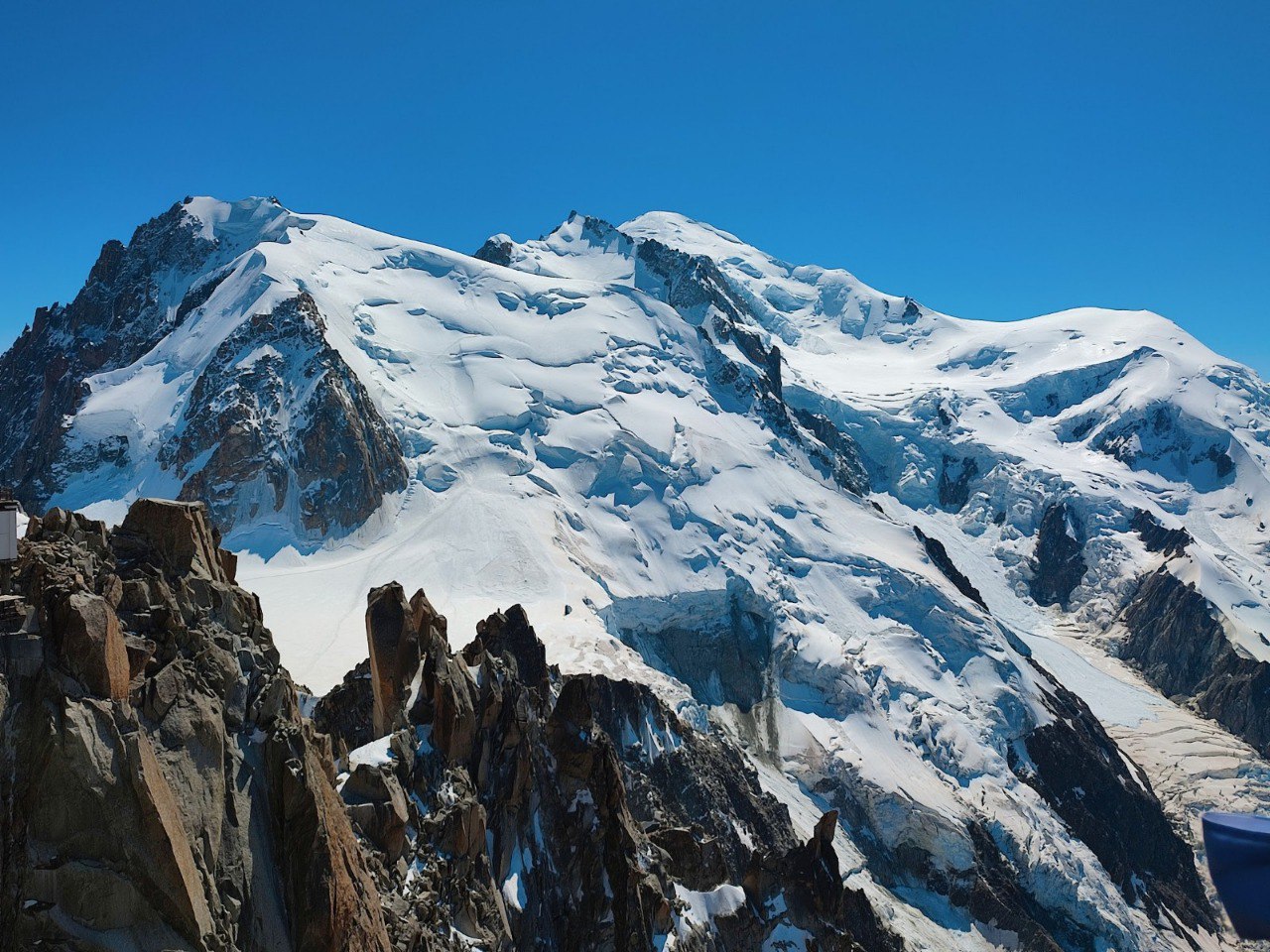


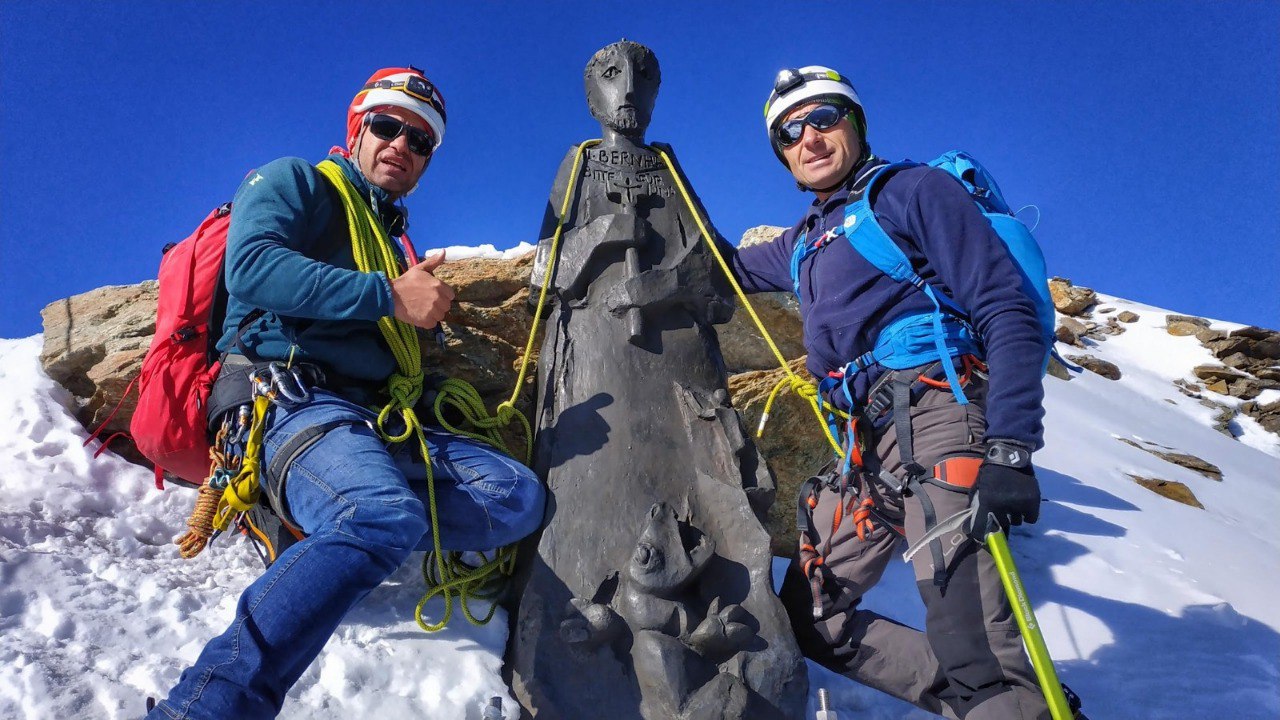

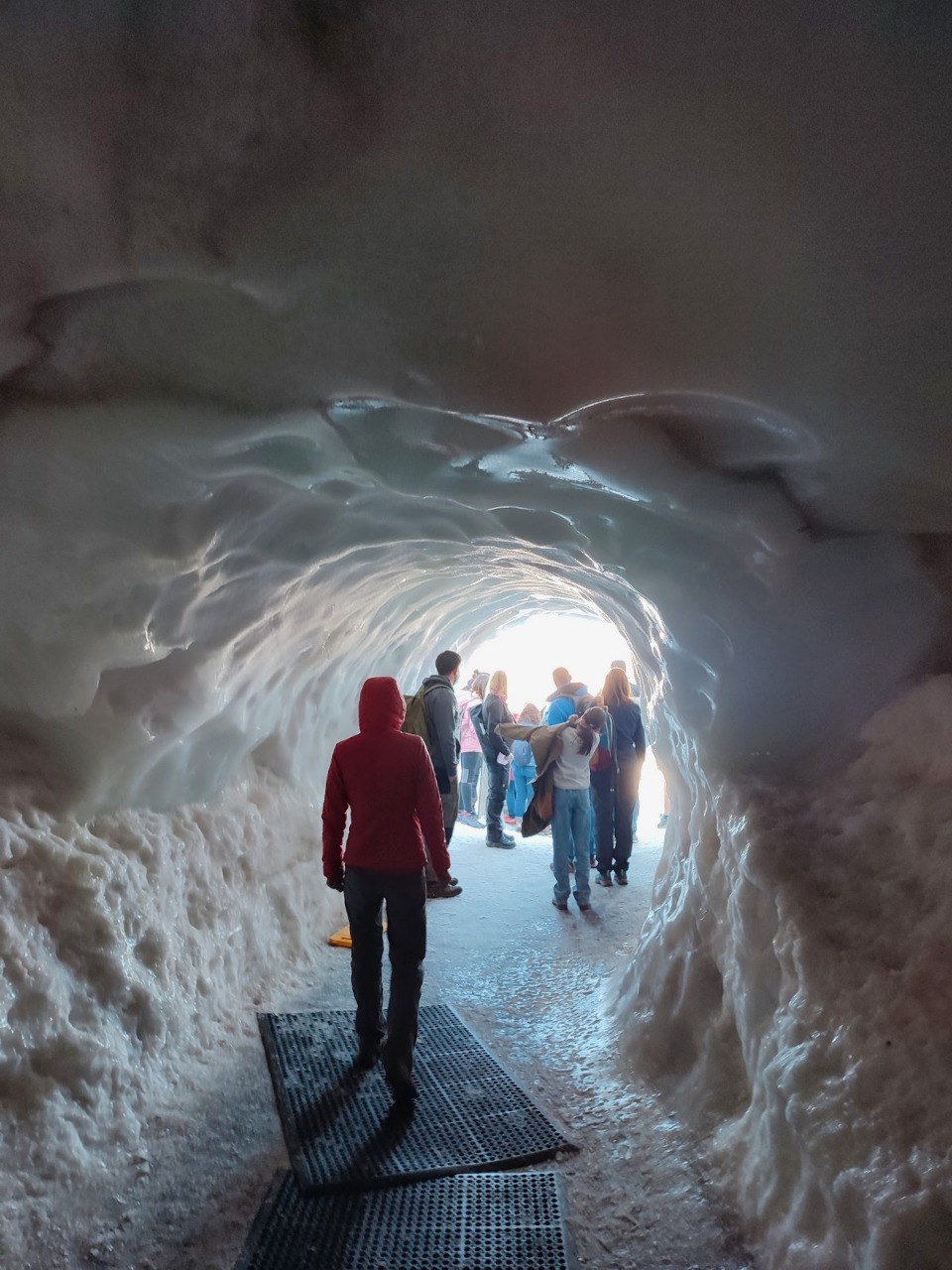
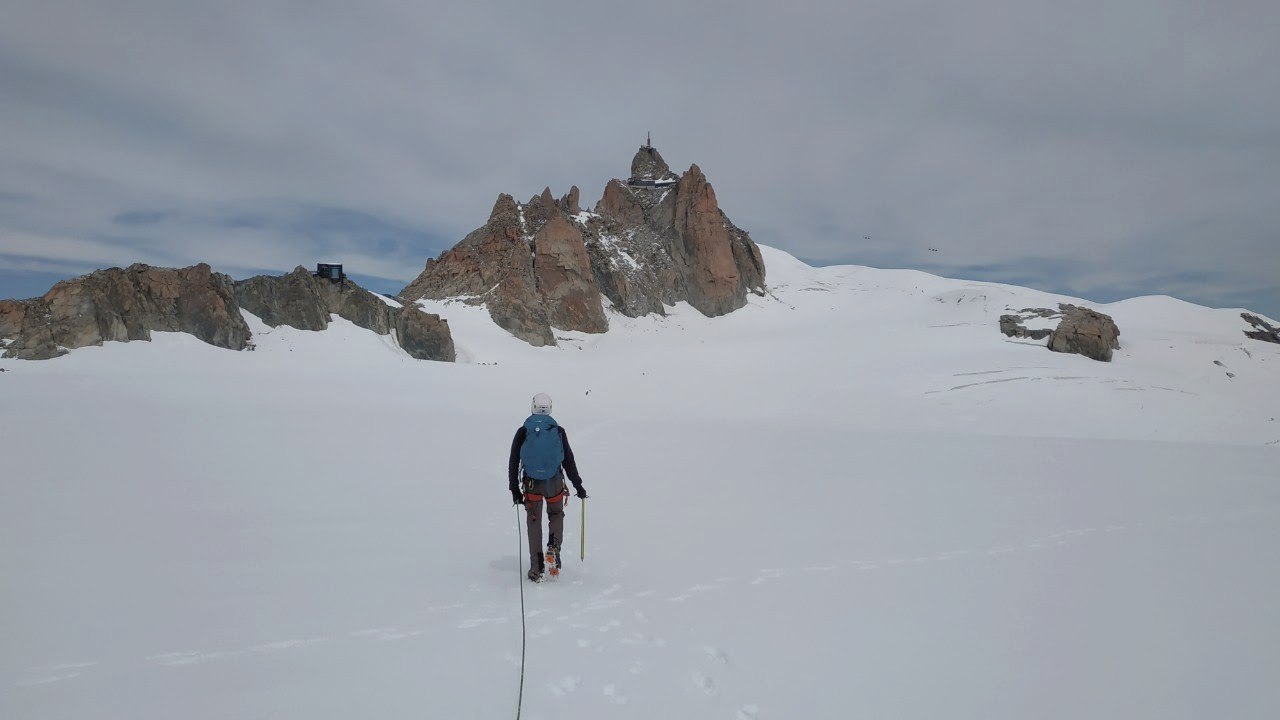
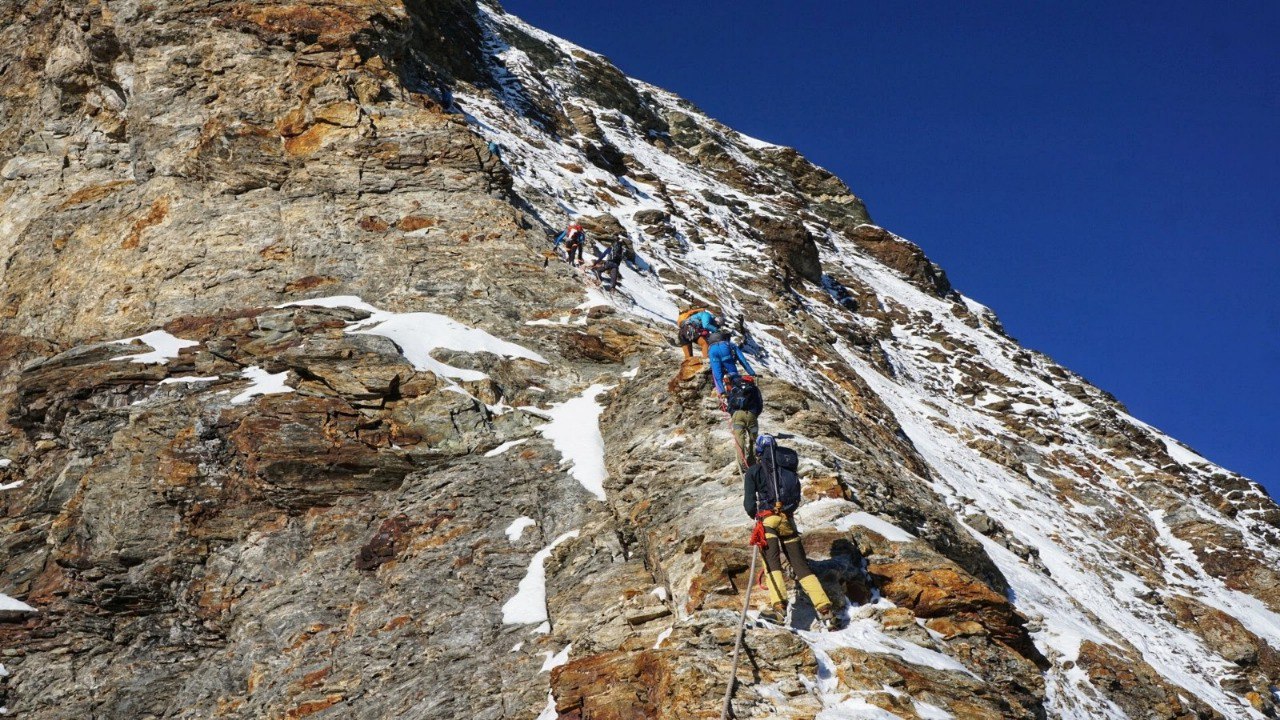



Reviews of our travelers
Recommended tours
 Georgia
Climbing
Popular
Climbing Kazbek (5054 m) + Tetnuldi (4869 m), Georgia
Dates:
On order
Complexity:
difficult
Duration:
15 days
Height:
5054 m

Our best guide
from 2970 EUR
 Georgia
Popular
School of Mountaineering in Georgia, Chaukhi + Kazbek massif
Dates:
June 20 - June 28
June 20 - July 3
July 17 - July 25
July 17 - July 30
August 21 - August 29
August 21 - September 3
Complexity:
difficult
Duration:
9/14 days
Height:
5054 m
Our best guide
from 1170 EUR
Left: 6 places
 Alps
Alps
Climbing
New
Popular
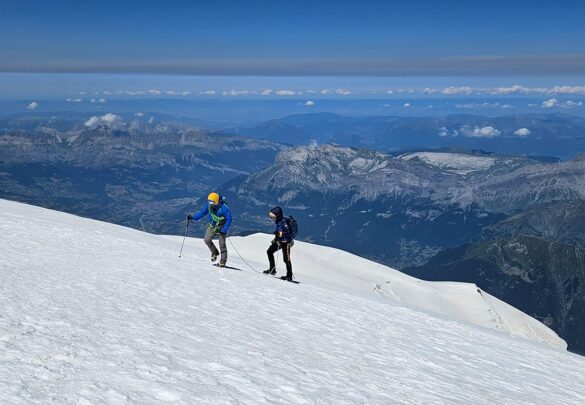
Eiger (3,967 m) The Alpine Trilogy in the Bernese Alps
Dates:
July 3 - July 7
July 17 - July 21
August 14 - August 18
August 28 - September 1
September 11 - September 15
Complexity:
difficult
Duration:
5 days
Height:
4158 m
Our best guide
from 4300 EUR
Left: 2 places
 Alps
Alps
Climbing
Popular
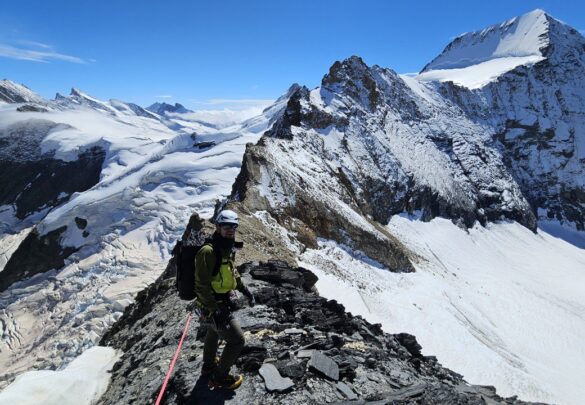
Climbing the Eiger (3970 m), along the Mittellegi ridge
Dates:
On order
Complexity:
difficult
Duration:
3 days
Height:
3970 m
Our best guide
from 2850 EUR
 Alps
Alps
Climbing
Popular
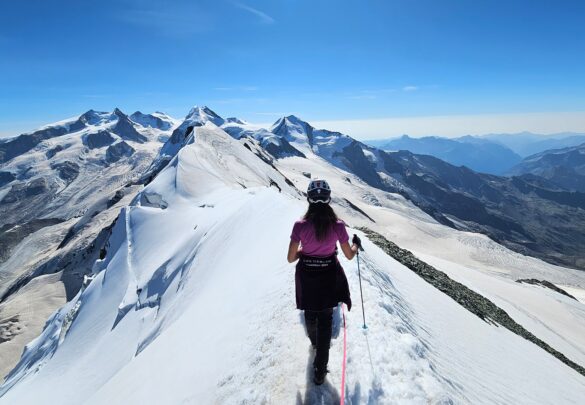
«Spaghetti tour» Traverse of the Monte Rosa massif (4562 m), Alps
Dates:
June 5 - June 11
June 19 - June 25
July 3 - July 9
July 17 - July 23
August 14 - August 20
August 28 - September 3
Complexity:
difficult
Duration:
7 days
Height:
4562 m
Our best guide
from 2500 EUR
Left: 3 places
 Alps
Alps
Climbing
Popular
Climbing Mont Blanc (4810 m) traverse route “Three Mont Blancs”
Dates:
June 5 - June 12
June 12 - June 19
June 19 - June 26
June 26 - July 3
July 3 - July 10
July 10 - July 17
July 17 - July 24
Complexity:
difficult
Duration:
8 days
Height:
4810 m
Our best guide
from 1900 EUR
Left: 4 places
 Alps
Alps
Climbing
Popular
Mountaineering school in Chamonix + climbing Mont Blanc, 4810 m
Dates:
On order
Complexity:
difficult
Duration:
12 days
Height:
4810 m
Our best guide
from 2600 EUR
 Slovakia (Tatras)
Climbing
Winter
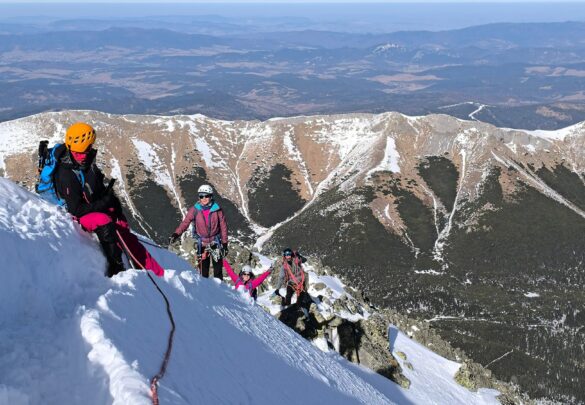
Mountaineering school in the High Tatras. Climbing Mount Kezmarský Štit (2558 m)
Dates:
January 23 - January 27
February 6 - February 10
February 20 - February 24
March 6 - March 10
March 13 - March 17
March 27 - March 31
April 3 - April 7
Complexity:
average
Duration:
5 days
Height:
2558 m

Valery Vasiliev
5.0 (4)
from 900 EUR
Left: 4 places
Difficult to choose?
Our expert will select tours especially for you