
Eiger (3,967 m) The Alpine Trilogy in the Bernese Alps
A unique mountaineering program combining ascents of three legendary peaks of the Bernese Alps: Mönch (4,107 m), Jungfrau (4,158 m), and Eiger (3,967 m). Over the course of several days, you’ll cross glaciers, traverse sharp rocky ridges, and follow some of Switzerland’s most scenic alpine routes.
Available dates:
July 3 - July 7
July 17 - July 21
August 14 - August 18
August 28 - September 1
September 11 - September 15
Complexity:
Duration:
Height:
Distance:
The “Alpine Trilogy” is a unique mountaineering program featuring ascents of three legendary peaks in the Bernese Alps: Mönch (4,107 m), Jungfrau (4,158 m), and Eiger (3,967 m). Over the course of several days, you’ll cross glaciers, traverse exposed rocky ridges, and experience some of Switzerland’s most spectacular alpine routes, gaining invaluable high-altitude mountaineering experience under the guidance of a professional mountain guide.
Safety is our top priority throughout this program, which is why we maintain a strict one-to-one guide-to-participant ratio. This format ensures a more comfortable and safer ascent along the entire route.
This program is designed for mountaineers with basic glacier travel experience who want to climb three iconic peaks of the Bernese Alps in a single expedition. The itinerary follows a gradual acclimatization approach, with each day building on the previous one and preparing you for a more challenging ascent. This allows you to adapt comfortably to the altitude and high-alpine conditions.
You can look forward to overnight stays in high-mountain huts, glacier travel, mixed rock-and-snow ridges, sunrises over the Alps, and unforgettable panoramic views of the Aletsch Glacier. Below is the detailed day-by-day expedition itinerary.
Tour itinerary: “Ascents of Mönch (4,107 m), Jungfrau (4,158 m), and Eiger (3,967 m)”
Grindelwald – Jungfraujoch – Mönchjochhütte (3,657 m) – Mönch summit (4,107 m) – Mönchjochhütte – Jungfrau summit (4,158 m) – Mittellegihütte (3,355 m) – Eiger summit (3,967 m) – Eigergletscher – Kleine Scheidegg – Grindelwald
Route of the tour “Ascents of Mönch (4,107 m), Jungfrau (4,158 m), and Eiger (3,967 m)” by days
day
Grindelwald → Jungfraujoch → Mönchjochhütte (3,657 m)
Meet your guide in Grindelwald, check your equipment, and receive a safety briefing. Take the train from Grindelwald via Kleine Scheidegg to Jungfraujoch (Top of Europe, 3,454 m). Continue towards the Mönchsjochfirn glacier. Ascend Mönch (4,107 m) via the southeast ridge on mixed ice and rock terrain, with slopes of 35–45°. Reach the summit of Mönch (4,107 m) and enjoy panoramic views of the Eiger, Jungfrau, and Aletsch Glacier. Take photos and enjoy a 20-minute break.
Descend via the same route and continue down to Mönchjochhütte (3,657 m). Dinner, time to dry your equipment, and an early night — tomorrow, Jungfrau awaits.
day
Mönchjochhütte → Rotalsattel → Jungfrau summit → Mönchjochhütte
Early morning start while the ice is still firm, providing ideal conditions for crampon use. Enjoy a hearty breakfast before setting out towards the Grosses Firnplateau, a vast glacial basin nestled between the three peaks.
Ascend to Rotalsattel (3,886 m), the key col on the route. The ascent involves a steep snow slope of up to 40°, followed by a mixed snow-and-rock upper ridge.
Reach the summit of Jungfrau (4,158 m), the highest point of the route! Enjoy panoramic views of the Aletsch Glacier.
Descend via the ascent route, taking particular care at Rotalsattel. Return to Jungfraujoch.
day
Mönchjochhütte → Mittellegihütte (3355 m)
The first half of the day is reserved for rest, followed by a train ride through the tunnel towards the Eiger. Continue across the glacier and then along a rocky ridge to Mittellegihütte (3,355 m) — a mountain hut perched right on the ridge itself.
Dinner at the hut, followed by an early night. The nighttime view of Grindelwald from the hut is absolutely breathtaking.
day
Mittellegihütte → Eiger summit → Grindelwald
Depart the hut in the dark. The upper section of the Mittellegi Ridge becomes even narrower and sharper, with UIAA climbing grades III–IV. Crampons may be required after snowfall. Reach the upper firn slope, transitioning from rock to snow and ice, with gradients of up to 45°.
Reach the summit of Eiger (3,967 m).
Begin the descent via the West Ridge (Westgrat), a classic Eiger descent involving UIAA grade II–III rock climbing, leading to the Eigerfirn Glacier. Continue to Jungfraujoch and return to Grindelwald.
day
Reserve day in case of bad weather.
Note*:
– The itinerary is not final and may be adjusted depending on weather conditions, participants’ physical condition, and other factors.
– Our top priority is client safety. If a participant is not technically or physically prepared for an ascent, the guide may, following the acclimatization period and three preparatory climbs, propose an alternative way to conclude the program. No compensation or refund will be provided for the costs incurred in connection with participation in the program.
– The best time for the ascents begins in mid-July, once snow has melted and ice has cleared from the rocky sections, and lasts until the first cold spells, usually until mid-September.
– The route is not attempted when thunderstorms are forecast, as there is nowhere to shelter from lightning.
Why is it profitable to go hiking with Extremeguide?


Price and Terms of the Tour “Ascents of Mönch (4,107 m), Jungfrau (4,158 m), and Eiger (3,967 m)”
Is this trip right for you?
We recommend this program after completing our Mountaineering School in Chamonix or our Matterhorn Ascent program.
Level of physical and technical preparation:
- excellent physical fitness: endurance for a 5-hour ascent (with a vertical gain of up to 600 meters); total ascent time is 6–8 hours;
- technical skills: confident movement in crampons; experience with grade 5c rock climbing routes.
Included in the price:
- Guide services (1 guide per participant);
- Train tickets from Grindelwald to the starting point and back;
- Up to 3 nights in mountain huts (half-board);
- Group equipment: rope, quickdraws, ice screws, and camming devices;
- First-aid kit and navigation equipment carried by the guide;
- Certificate and commemorative souvenir.
The price does not include:
- Travel to Grindelwald;
- Accommodation and meals in towns/villages;
- Drinks and snacks at mountain huts;
- Snacks during the ascent;
- Travel insurance;
- Additional expenses in the event of early program termination;
- Additional expenses for an extra night at the Mittellegihütte hut, including the guide’s costs;
- Other expenses not covered by the program.

Best price guarantee!
- We have included in the price all possible basic expenses for the program and guarantee that there are no hidden additional costs, while we have retained the best service at a low price: transfers, hotel accommodation, guides and staff!
We have a flexible discount system
Find out the details right now:
Necessary equipment
Basics:
- Duffel bag/kit bag (60–70 L);
- Mountaineering backpack (35–45 L) (More details on choosing a backpack).
Shoes and clothing:
- Mountaineering boots (it is important that the shoes are comfortable and worn in. Usually shoes are chosen with a thick toe and 1.5-2 sizes larger than the foot size) (More about choosing clothes and boots);
- Insulated jacket (down/primaloft);
- Membrane jacket (softshell);
- Membrane pants (softshell, windstopper);
- Fleece jacket;
- A set of thermal underwear (top and bottom);
- T-shirt;
- Light trekking pants/shorts (for trekking);
- A hat;
- Socks 2 pairs (thermal or other thick);
- Overnight socks (wool or down);
- Liner (sheet for overnight stay in a shelter);
- Warm mittens/ski mittens (down or synthetic insulation);
- Warm gloves (fleece);
- Work gloves (for working with rope);
- Change of underwear;
- Buff or balaclava;
- Sun hat;
- Rain cape (if your walking clothes get wet).
Additionally:
- A cape for a backpack (or large plastic bags for packing things);
- Headlamp + spare set of batteries;
- Hygiene items (a toothbrush and a small tube of toothpaste, a bar of soap and a little shampoo will be enough; do not take full bottles of shower gel and shampoo, heaps of creams and lotions with you);
- Documents;
- Individual first aid kit (plaster, cold, stomach, head. You also need to take into account specific and chronic diseases, if any. In addition to the individual first aid kit, the instructor has a general);
- Mountaineering goggles (protection category 3-4);
- lip balm chapstick ;
- Sunscreen ointment (with SPF 30-50);
- Water bottle ( 1-2 l.)
- Lighter;
- Mobile phone.
Special equipment
- Climbing harness;
- Personal safety lanyard – 1 pc.;
- Carabiners – 3 pcs. (2 medium-sized);
- Mountaineering helmet (a ski helmet is not suitable!);
- Classic ice axe;
- Crampons (compatible with your boots).
The amount of specialized gear required depends on the specific event; the list provided here is the most comprehensive one. Depending on the event, this gear may or may not be included in the price; if it is not included, you do not need to buy it, as it can be rented.
- Thermos (0.5 – 1.0 liters);
- Camera;
- Trekking poles.
Additional information
1. IFMGA Standard
On challenging mountain routes, the principle is: 1 guide = 1–2 clients (sometimes up to 3 depending on conditions).
2. Guide-to-client ratio is a matter of safety, not price
A 1:2 format ensures maximum control and reduces risks in the mountains.
3. Fall protection (rope belaying)
* 1:1 — on technically difficult routes
* 1:2 — optimal for most alpine ascents
* 1:3–1:4 — only on easy routes or glaciers with minimal risk
4. Speed of movement = safety
Small groups move faster, allowing them to pass dangerous sections within safe time windows (before rockfalls, storms, etc.).
5. Continuous monitoring of participants’ condition
The guide monitors each participant’s movement technique, breathing, and signs of altitude sickness.
6. Flexibility in critical situations
In a 1:2 format, the guide can respond quickly and safely (for example, initiate descent if one participant’s condition worsens).
7. ExtremeGuide Principle
We do not work with large groups on technical routes — safety is always the top priority.
Features of acclimatization in high mountains
Physical and mental preparation before climbing and hiking in the mountains
Absence of diseases incompatible with active tourism: List of diseases
The best option is to fly into Geneva Airport, or to travel from Chamonix to Grindelwald via a scenic train route.
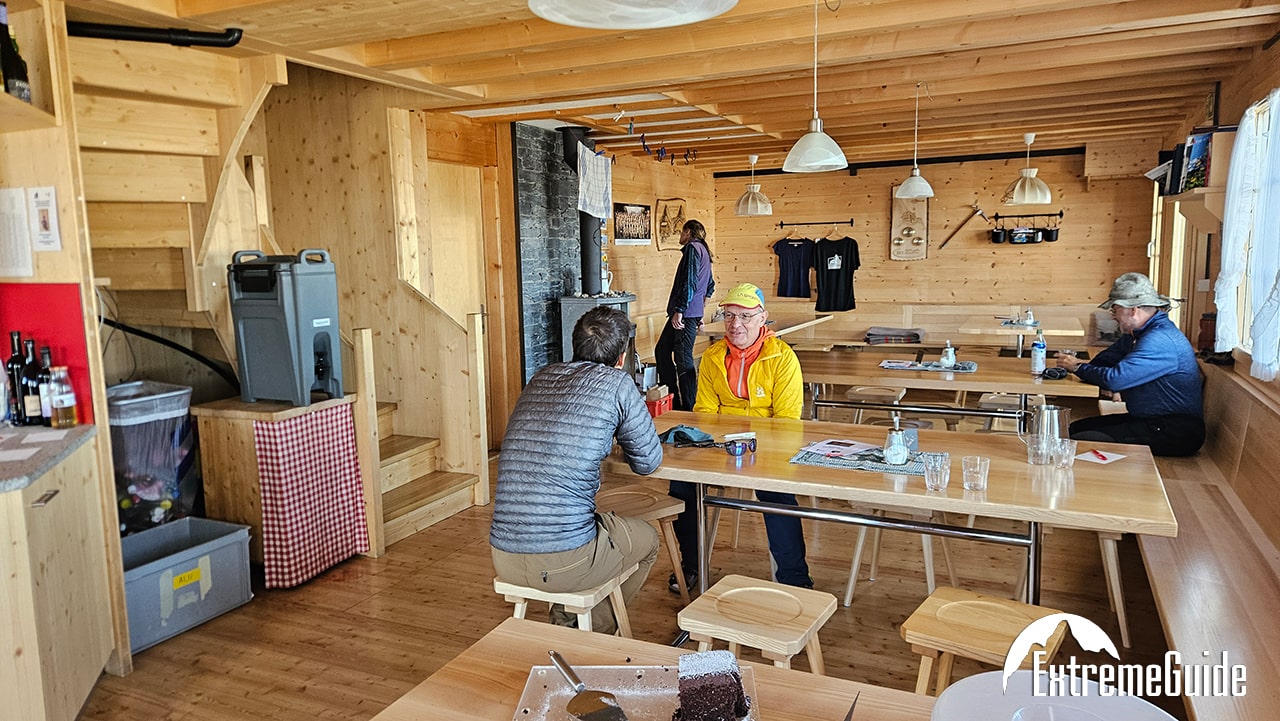
During the ascents, you’ll stay in traditional Alpine mountain huts featuring a large communal dining room and shared dormitories, typically accommodating 4–12 people. Facilities include shared toilets and washbasins.
The huts offer half-board accommodation: breakfast includes bread, jam, butter, cheese, and *jamón*, along with cereal and coffee or tea, depending on the region. Dinner consists of 2–3 courses: soup, pasta, sometimes a salad, a main course with a small portion of meat, and dessert. Vegetarian and other dietary requirements are accommodated.
You can order soft drinks, beer, and wine. Snacks and lunch are also available for purchase. There is no drinking water at the huts, so you will need to buy bottled water.
The guide carries a first-aid kit on all outings. Mountain rescue services can be contacted from any point along the route. Participants must carry their own personal medications.
The high season for mountaineering in the Western Alps is mid-July and August, mainly due to the stable weather at this time of year. During the day, temperatures can vary from 30°C in the valleys to -10°C on a clear morning when we start our day at the hut at altitude.
- excellent physical fitness: endurance for a 5-hour ascent (with a vertical gain of up to 600 meters); total ascent time is 6–8 hours;
- technical skills: confident movement in crampons; experience with grade 5c rock climbing routes.
In this program, we care about safety above all else, so 1 guide works with 1 participant. This climbing format allows you to complete the entire route as comfortably and safely as possible.
This program is potentially dangerous to the health and life of any of the participants. Guides provide the necessary safety provided that participants comply with safety regulations.
The decision to stop climbing in conditions that threaten the safety of the participants is within the exclusive competence of the guide and is not subject to discussion.
A 50% discount Swiss Rail card holder, valid for 1 month (or one year at a higher price) and costing around CHF 120, will receive a 50% discount on almost all train and gondola travel in Switzerland
The table shows the basic cost for a group and may change depending on the number of people in the group. For the calculation of the cost of the tour for a smaller number of people and individual groups, see the «Price» block for more details.
We guarantee that on the dates indicated in the table, even if there is a minimum number of people allowed in the group, the tour will take place 100% with a minimum change in cost.
Pleasant bonuses, which everyone receives when ordering a tour with us


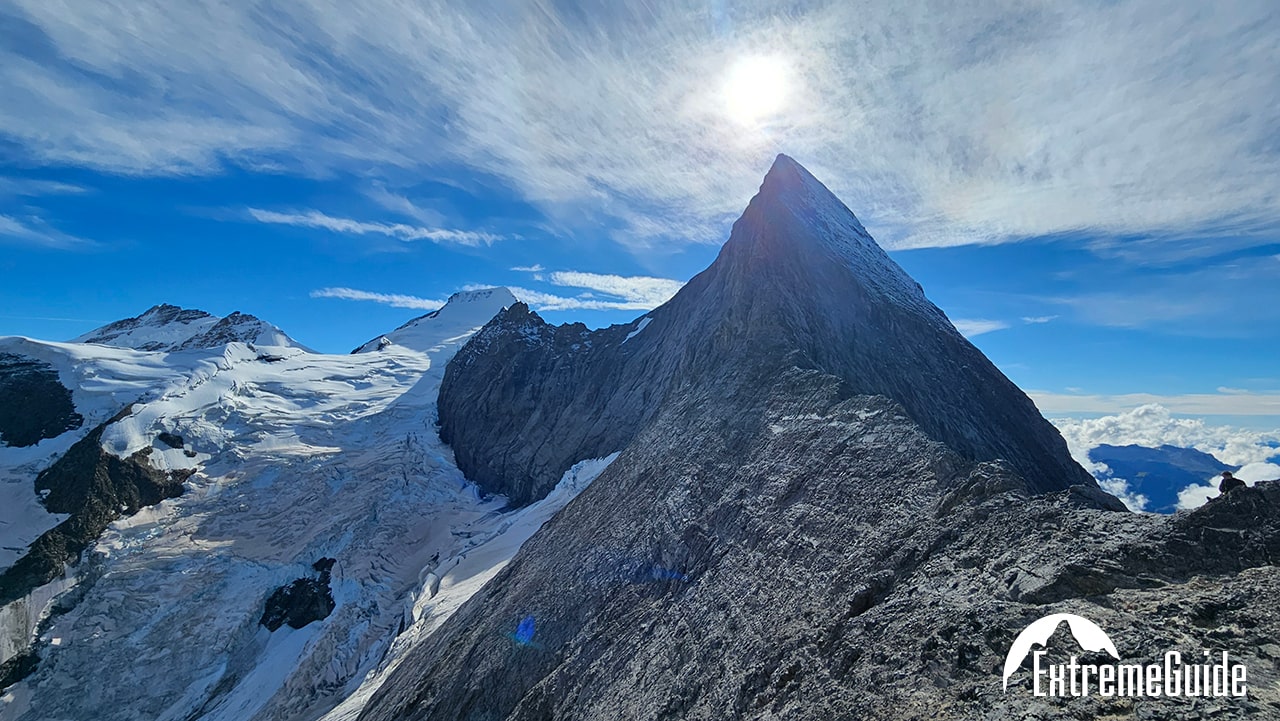
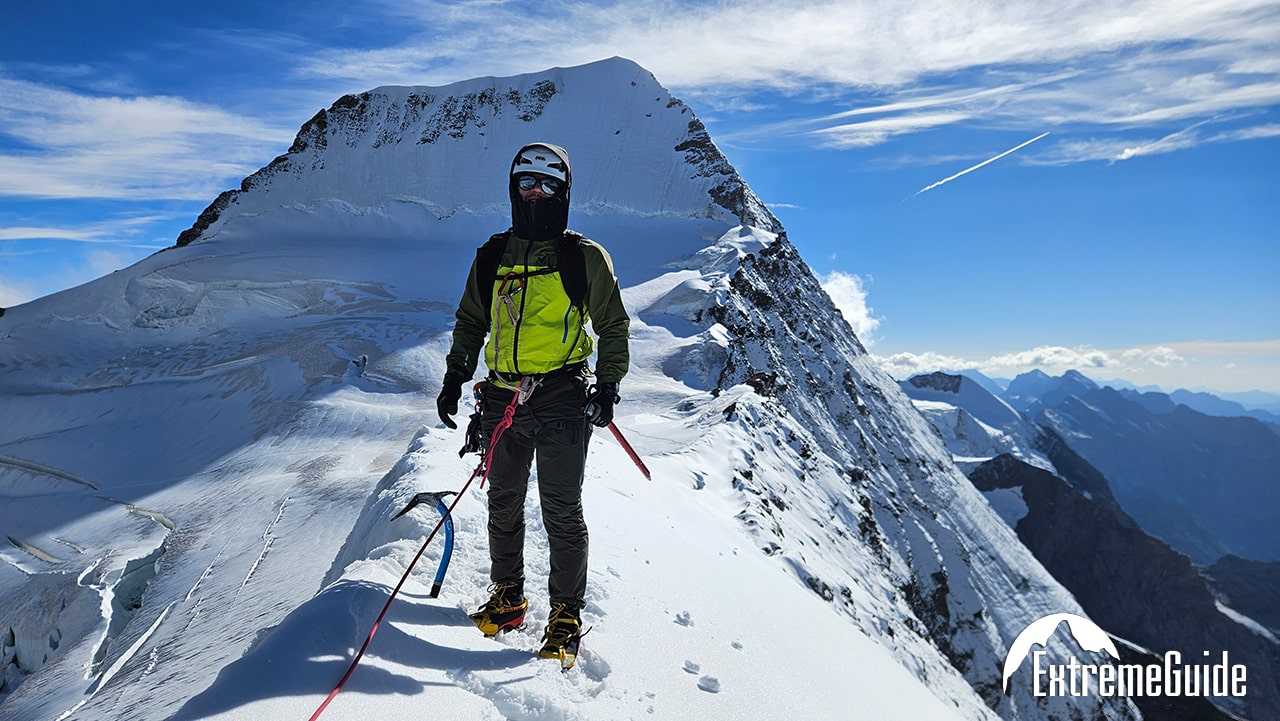
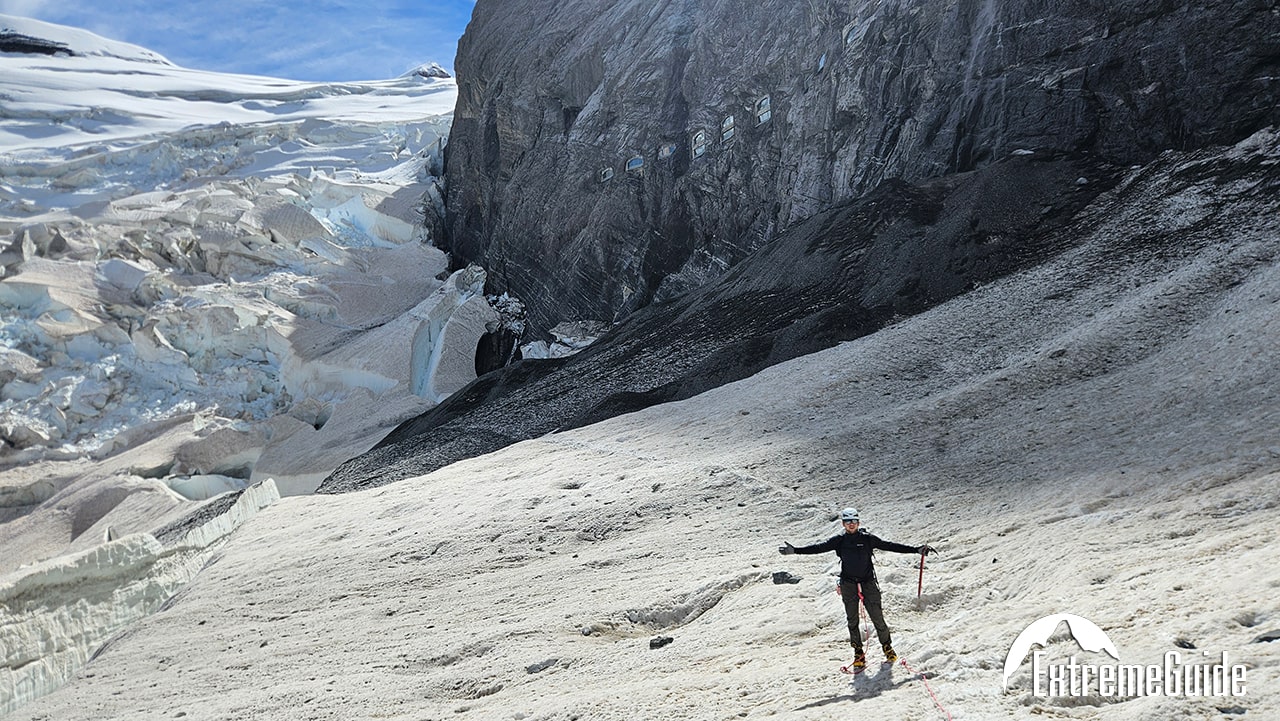
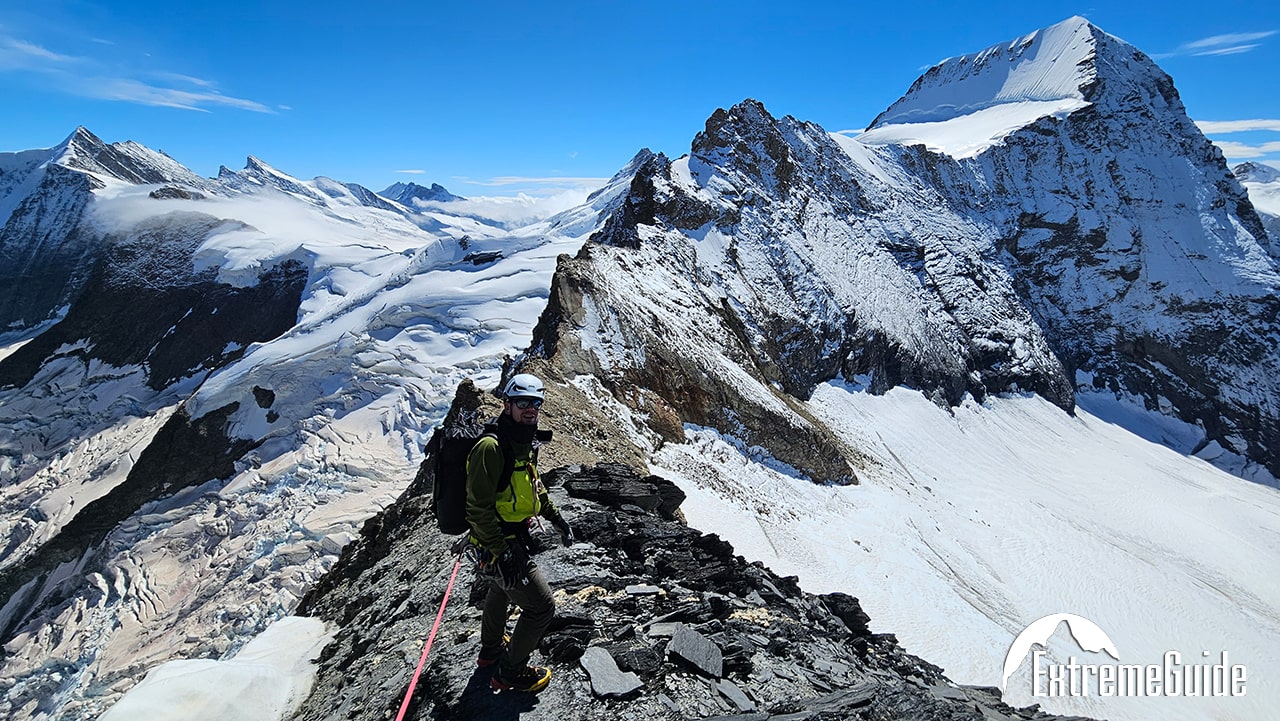
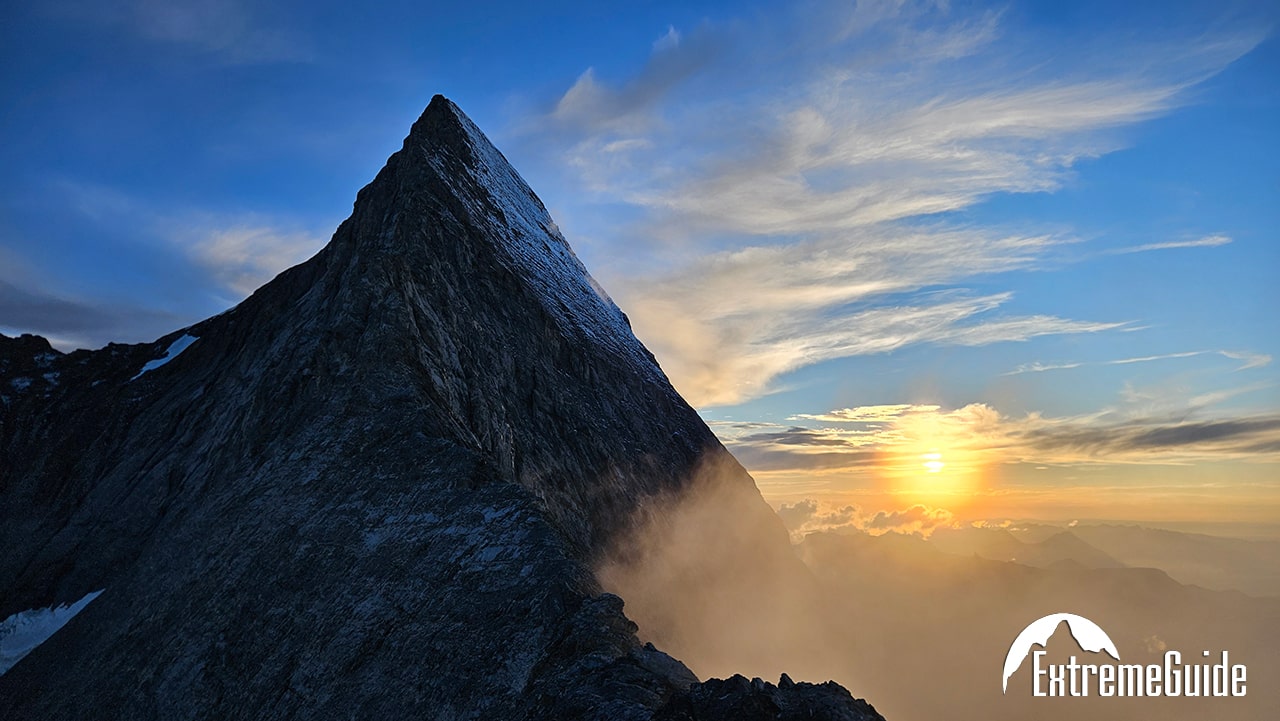
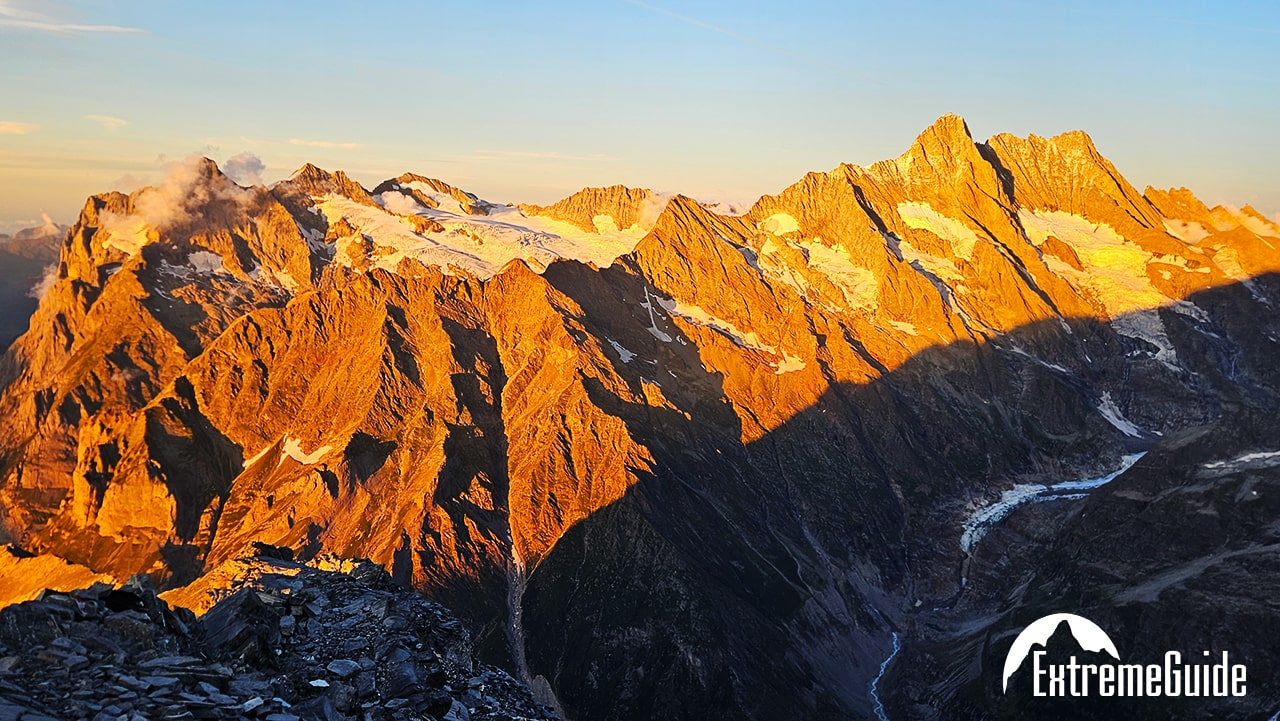
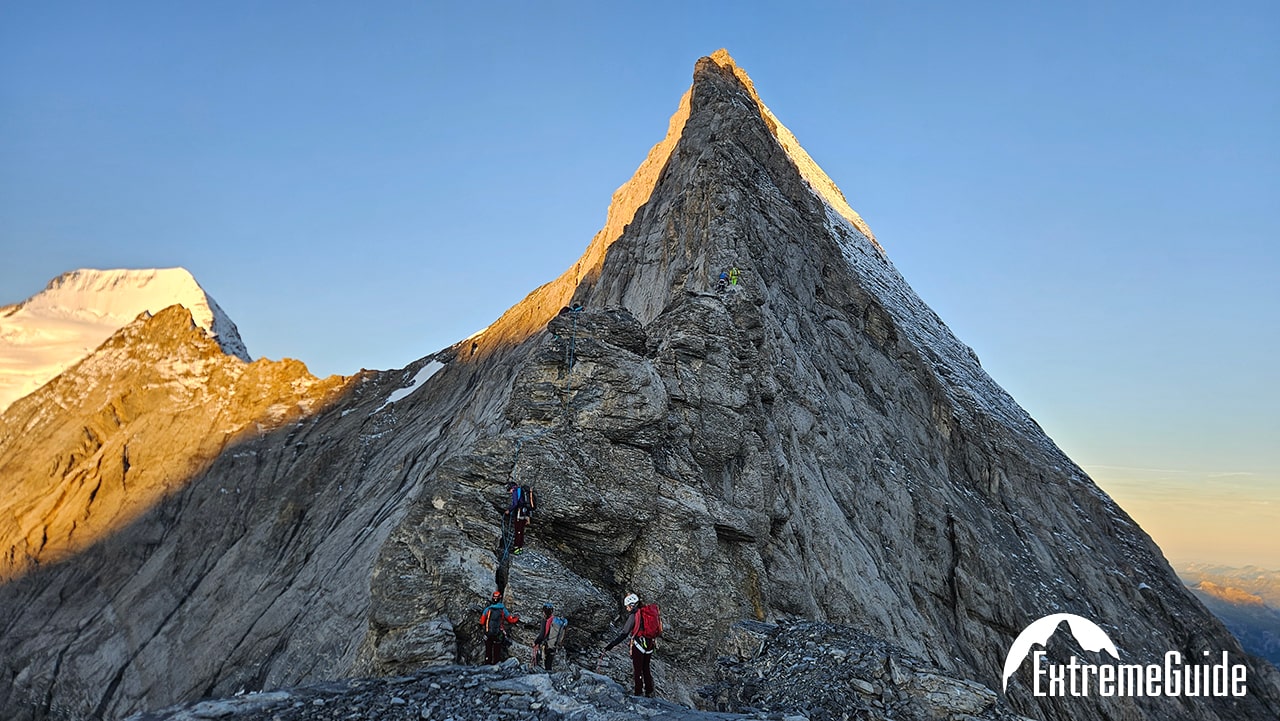
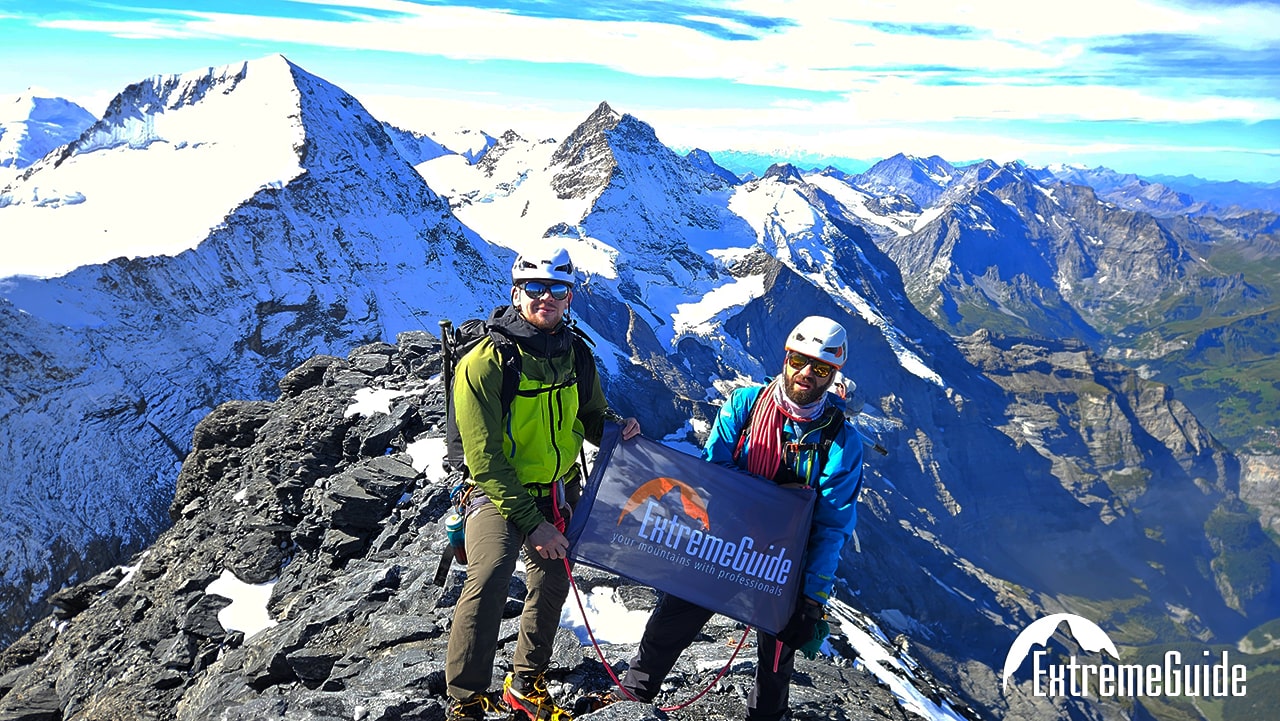
Photo of previous trips

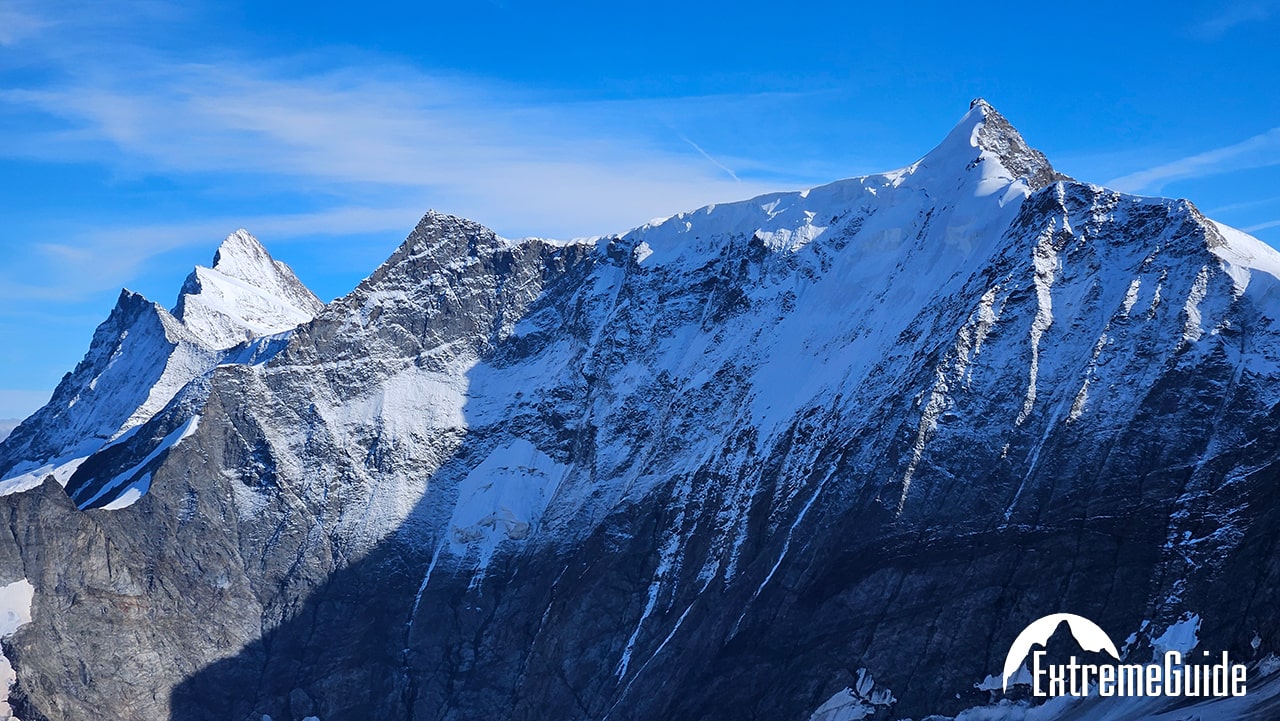
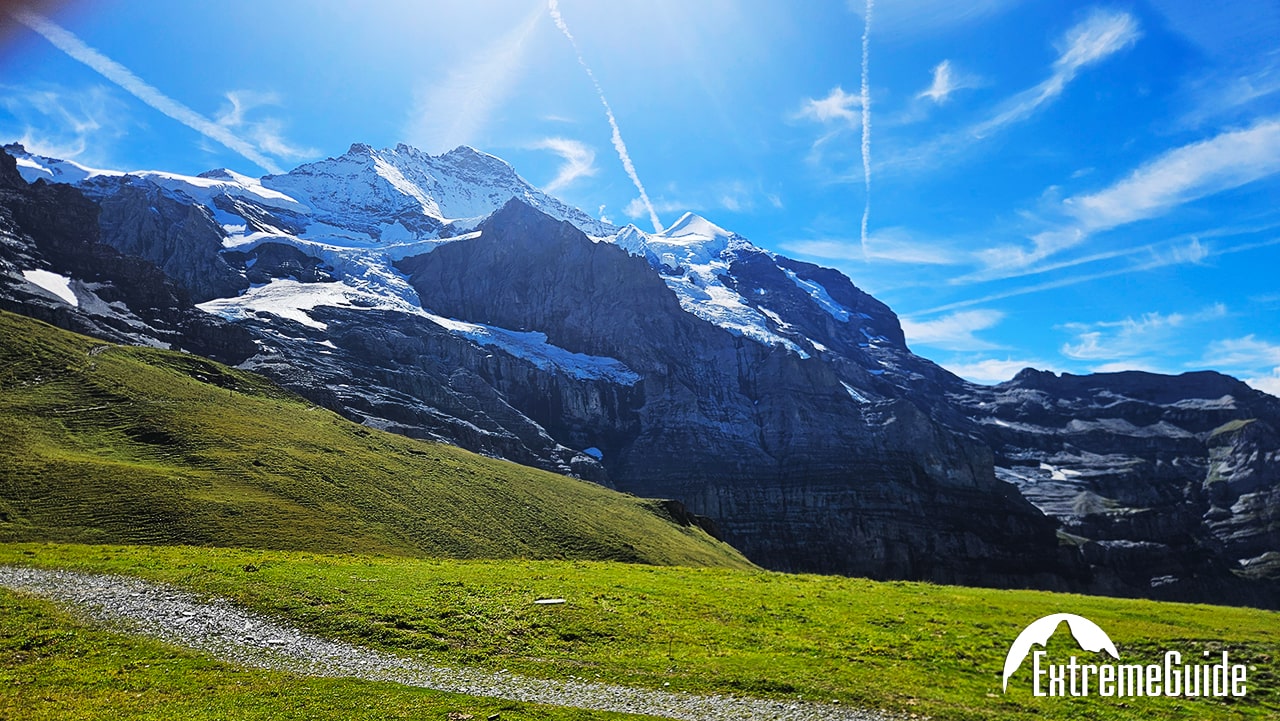
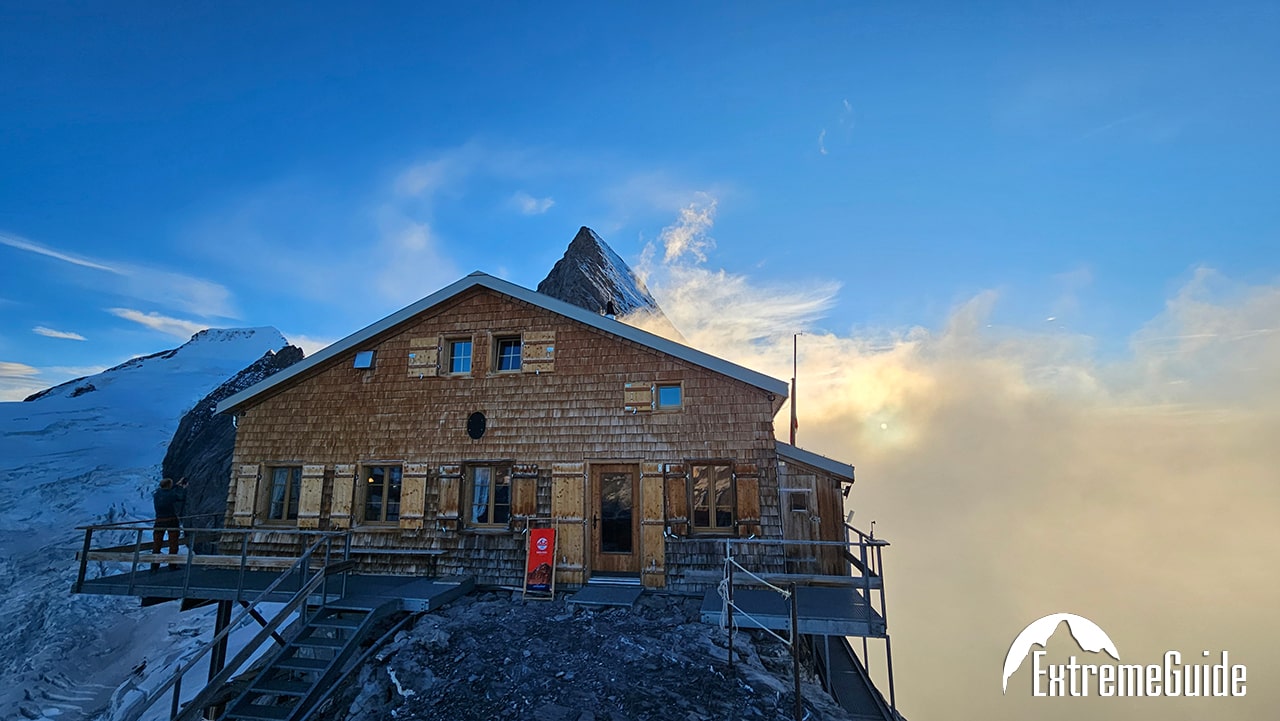
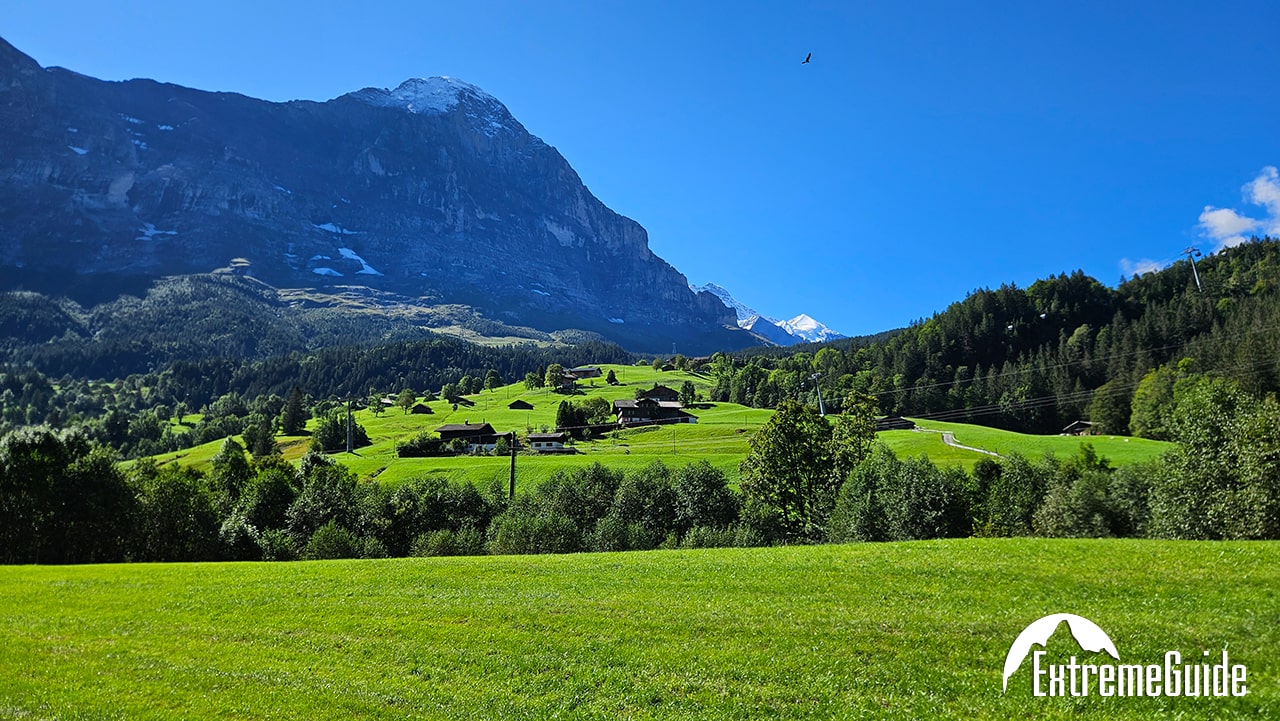


Reviews of our travelers
Рекомендованные туры
 Peru
Peru
Dates:
June 26 - July 9
Complexity:
Duration:
Height:

5.0 (90)
Left: 4 places
 Slovakia (Tatras)
 Dates:
December 5 - December 6
February 5 - February 6
March 5 - March 6
Complexity:
Duration:
Height:

5.0 (2)
Left: 4 places
 Himalayas
 Dates:
April 17 - May 4
Complexity:
Duration:
Height:

Left: 6 places
 Mexico
 Dates:
November 26 - December 5
November 26 - December 12
March 6 - March 15
March 6 - March 22
Complexity:
Duration:
Height:
Left: 5 places
 Alps
Alps Dates:
Complexity:
Duration:
Height:
 Himalayas
 Dates:
Complexity:
Duration:
Height:
 Bolivia
 Dates:
Complexity:
Duration:
Height:
 Argentina
 Dates:
Complexity:
Duration:
Height:
 Pamir
Pamir Dates:
Complexity:
Duration:
Height:
 Slovakia (Tatras)
 Dates:
Complexity:
Duration:
Height:
 Kyrgyzstan
 Dates:
Complexity:
Duration:
Height:
 Kyrgyzstan
 Dates:
Complexity:
Duration:
Height: