
Climbing the Grossglockner (3,798 m), Austria
Discover the captivating Grossglockner with professional guides from Extreme Guide. It is Austria's most famous peak—standing nearly 4,000 meters tall—offering a breathtaking panorama of the majestic Alps.
Complexity:
Duration:
Height:
Distance:
This is a classic Alpine expedition. We have structured the route over three days to ensure gradual acclimatization and to savor the atmosphere of Austria’s high-altitude mountain huts. Navigating the glacier while roped up and tackling the technical Klein-Glockner ridge present a genuine challenge—one we will undertake safely under the supervision of certified guides.
This route perfectly blends adventure, instruction, and breathtaking Alpine panoramas, offering a new level of mountaineering experience. It is more than just a climb; it is a journey that creates lasting memories and boosts self-confidence.
Tour Format: A guided ascent led by a professional mountain guide, ensuring not only safety but also confidence at every stage of the route. This is an excellent opportunity to focus on the experience itself and get the most out of mountaineering without being distracted by logistical details.
Difficulty Level: 3/5 – The route requires good physical fitness, endurance, and psychological readiness for altitude. It is ideal for those who already have basic mountain experience or are looking to take their skills to the next level.
According to the alpine grading system, the route is rated PD+ (Peu Difficile+), meaning “slightly difficult,” but with certain technical considerations:
- Rock: Climbing difficulty up to UIAA Grade II. This is not a vertical wall, but you need to be confident moving on your hands and feet while using the natural rock features.
- Glacier: The Ködnitzkees Glacier has crevasses. Although they are usually clearly visible, roped glacier travel is mandatory.
- Steepness: The snow-and-ice slope leading up to the ridge (Glocknerleitl) has a gradient of up to 40°. If the slope is icy, this requires excellent ice axe and crampon technique.
Groups are kept small, with 3 to 6 participants: this ensures a comfortable atmosphere and an individual approach. On summit day, the optimal ratio is one guide for every 2–3 participants, allowing for maximum control over safety and the efficiency of the ascent.
The route runs through the heart of the Hohe Tauern National Park, near the picturesque Alpine village of Kals am Großglockner. This is a region of breathtaking glaciers, majestic peaks, and the authentic wilderness of the Alps.
The Großglockner is not just a mountain, but a pyramid-shaped massif with two distinct summits:
* Großglockner (3,798 m) – the main summit.
* Kleinglockner (3,770 m) – the smaller summit.
They are separated by the narrow Glocknerscharte col. This section is one of the most spectacular and technical parts of the route: in places, the ridge is only 50 cm wide, with drops of several hundred metres on either side.
Tour Route: “Climbing the Grossglockner (3,798 m)”
Kals (Lucknerhaus, 1,920 m) — Stüdlhütte (2,801 m) — Ködnitzkees Glacier — Erzherzog-Johann-Hütte (3,454 m) — Großglockner summit (3,798 m) — descent to the valley
Day-by-day tour itinerary “Climbing the Grossglockner (3798 m)”
day
A gradual ascent (approx. 3 hours). Check of personal equipment and fitting of crampons. A delicious dinner at one of the best mountain huts in the Alps.
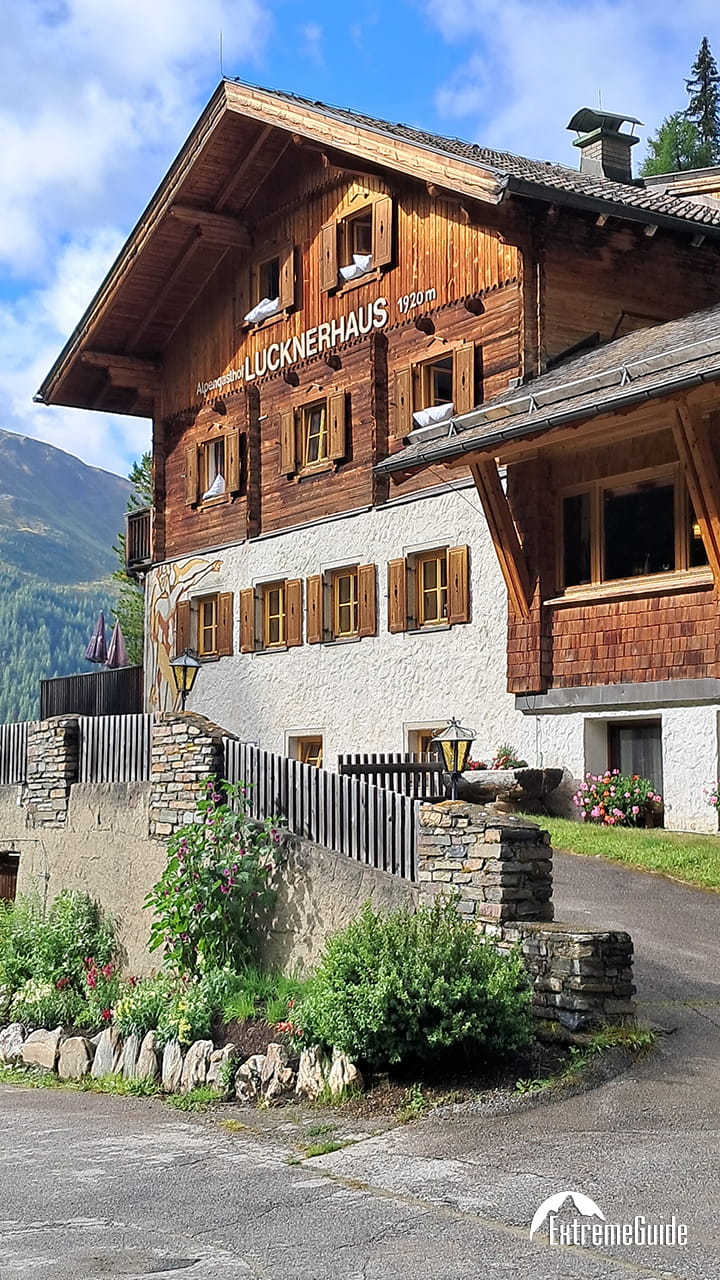
Route: Meet in Kals, transfer to Lucknerhaus (1,920 m). Ascent to Stüdlhütte (2,801 m).
day
Breakfast in the morning, followed by a departure onto the Ködnitzkees Glacier. Training in roped glacier travel techniques. Ascent via the rocky section of Mürztaler Steig (via ferrata).
Early arrival at Austria’s highest mountain hut, Erzherzog-Johann-Hütte (3,454 m), on the Adlersruhe ridge. Rest before the summit push and a delicious dinner.
Route: Stüdlhütte → Erzherzog-Johann-Hütte (3,454 m).
day
Early breakfast and departure at 5:00 AM. Ascent via a snow slope and a narrow rocky ridge (UIAA Grade II). Photo at the legendary summit cross. Descent via the mountain huts into the valley. Return to the vehicle.
Route: Ascent of Grossglockner (3,798 m) → descent to Lucknerhaus.
day
Used for the summit push in the event of bad weather on Day 3. If the plan is completed on schedule, an extra night in the valley or an excursion follows.
Note*:
– The program is not final and is subject to change depending on weather conditions, the participants’ condition, and other factors..
– Our main principle is client safety! If a participant is not technically or physically prepared for the ascent, the guide reserves the right—following the acclimatization phase and three training climbs—to propose an alternative conclusion to the program, without compensation or a refund of the participation fees already spent.
– The best time for the ascent is the summer season, from mid-June to the end of September..
Why is it profitable to go hiking with Extremeguide?


Price and terms of the tour “Climbing the Grossglockner (3798 m)”
Is this trip right for you?
Good physical shape is required (ability to walk uphill for 6-7 hours with a backpack of 8-10 kg). According to the mountaineering classification, the route is rated PD+ (Peu Difficile+), which means it is not very difficult, but with certain nuances. We recommend this program after completing our Mountaineering School in Chamonix or our Matterhorn Ascent program.
Technical complexity:
- Rock: Climbing difficulty up to UIAA Grade II. It is not a vertical wall, but requires confident movement using hands and feet on the rock terrain.
- Glacier: The Ködnitzkees glacier has crevasses. Although they are usually clearly visible, roped travel is mandatory.
- Steepness: The snow and ice slope leading to the ridge (Glocknerleitl) has an incline of up to 40°. If the slope is icy, perfect ice axe and crampon technique is required.
Level of physical fitness and technical preparation:
- Excellent physical fitness: endurance for a 6+ hour ascent (the ridge has a slope angle of up to 40°);
- Technical skills: confident movement in crampons; proficiency with ice axe techniques; experience with F5c rock climbing routes is desirable;
- No medical contraindications: high-altitude climbing requires good health and the absence of chronic medical conditions.
Included in the price:
- Guide services throughout the entire program – 1 guide per 3 participants;
- Accommodation (3 nights) in mountain huts (Stüdlhütte and Erzherzog-Johann-Hütte) in shared dormitories (Lager);
- Meals (half board): breakfasts and dinners at the huts;
- Group equipment – ropes, ice screws, carabiners;
- Group first-aid kit carried by the guide (containing essential medications);
- Certificate of successful ascent.
The price does not include:
(excluding airfare: €300–€500):
- Flights to Munich, Salzburg, or Vienna – arrival before 6:00 PM (€300 and up);
- Transfers (car rental) from the airport to the village of Kals and back;
- Road tolls (Kalser Glocknerstraße – approx. €15);
- Lunches, snacks (trail food), and drinks (water/beer at the mountain huts);
- Mandatory insurance covering mountaineering and helicopter evacuation, including accident and medical coverage of at least €30,000. Cost: €3–10/day;
- Rental of personal technical equipment for the entire program: helmet, harness, crampons, and ice axe (€70 per set);
- Guide gratuities (optional);
- Any other expenses not specified in the program.
Cost depending on the number of participants
| Number of participants | Cost per participant |
|---|---|
| 3 | 970 EUR |
| 2 | 1200 EUR |
| 1 | 2350 EUR |

Best price guarantee!
- We have included in the price all possible basic expenses for the program and guarantee that there are no hidden additional costs, while we have retained the best service at a low price: transfers, hotel accommodation, guides and staff!
We have a flexible discount system
Find out the details right now:
Necessary equipment
Basics:
- Mountaineering backpack (35–45 L) (More details on choosing a backpack).
Shoes and clothing:
- Mountaineering boots or stiff trekking boots
- (it is important that the shoes are comfortable and worn in. Usually shoes are chosen with a thick toe and 1.5-2 sizes larger than the foot size) (More about choosing clothes and boots);
- Gaiters (boot gaiters) – protection against snow;
- Insulated jacket (down/primaloft);
- Membrane jacket (softshell);
- Membrane pants (softshell, windstopper);
- Fleece jacket;
- A set of thermal underwear (top and bottom);
- T-shirt;
- Light trekking pants/shorts (for trekking);
- Liner (sheet for overnight stay in a shelter);
- A hat;
- Socks 2 pairs (thermal or other thick);
- Overnight socks (wool or down);
- Warm mittens/ski mittens (down or synthetic insulation);
- Warm gloves (fleece);
- Work gloves (for working with rope);
- Change of underwear;
- Buff or balaclava;
- Sun hat;
- Rain cape (if your walking clothes get wet).
Additionally:
- A cape for a backpack (or large plastic bags for packing things);
- Waterproof gear bag
- Headlamp + spare set of batteries;
- Hygiene items (a toothbrush and a small tube of toothpaste, a bar of soap and a little shampoo will be enough; do not take full bottles of shower gel and shampoo, heaps of creams and lotions with you);
- Documents;
- Individual first aid kit (plaster, cold, stomach, head. You also need to take into account specific and chronic diseases, if any. In addition to the individual first aid kit, the instructor has a general);
- Mountaineering goggles (protection category 3-4);
- Помада гигиеническая
- Sunscreen ointment (with SPF 30-50);
- Water bottle ( 1-2 l.)
- Mobile phone
- Powerbank
Special equipment
- Climbing harness;
- Personal safety lanyard – 1 pc.;
- Carabiners – 2
- Trekking poles.
- Mountaineering helmet (a ski helmet is not suitable!);
- Classic ice axe;
- Crampons (compatible with your boots).
*The rental cost for special equipment is €70 per set per participant.
- Thermos (0.5 – 1.0 liters);
- Camera.
Additional information
1. IFMGA Standard
On challenging mountain routes, the principle is: 1 guide = 1–2 clients (sometimes up to 3 depending on conditions).
2. Guide-to-client ratio is a matter of safety, not price
A 1:2 format ensures maximum control and reduces risks in the mountains.
3. Fall protection (rope belaying)
* 1:1 — on technically difficult routes
* 1:2 — optimal for most alpine ascents
* 1:3–1:4 — only on easy routes or glaciers with minimal risk
4. Speed of movement = safety
Small groups move faster, allowing them to pass dangerous sections within safe time windows (before rockfalls, storms, etc.).
5. Continuous monitoring of participants’ condition
The guide monitors each participant’s movement technique, breathing, and signs of altitude sickness.
6. Flexibility in critical situations
In a 1:2 format, the guide can respond quickly and safely (for example, initiate descent if one participant’s condition worsens).
7. ExtremeGuide Principle
We do not work with large groups on technical routes — safety is always the top priority.
Features of acclimatization in high mountains
Physical and mental preparation before climbing and hiking in the mountains
Absence of diseases incompatible with active tourism: List of diseases
- International passport;
- Mandatory insurance covering mountaineering and helicopter evacuation.
Since this is in southern Austria (the state of Tyrol), the nearest major airports are Munich, Salzburg, or Vienna.
The best starting point is the village of Kals. Arrival at 18:00.
Mountain Huts Along the Route:
- Stüdlhütte (2801 m): One of the most technologically advanced mountain huts in the Alps. Its futuristic semicircular design provides protection from the wind. It offers excellent food (a buffet dinner with desserts), showers, and even a small indoor climbing wall.


- Erzherzog-Johann-Hütte (3454 m): This is the highest mountain hut in Austria. The atmosphere is spartan, but the sunset views above the clouds are priceless. Due to the altitude, hypoxia is common here, so spending the second night of our program at this hut helps with acclimatization before the summit attempt.


Half-board at the mountain huts includes breakfast with bread, jam, butter, cheese, and ham. Depending on the region, cereal is also served, along with coffee or tea. Dinner consists of 2–3 courses: soup, pasta, sometimes salad, a main course with a small portion of meat, and dessert. Vegetarian and other dietary requirements can be accommodated.
Soft drinks (no alcohol), beer, and wine are available at an additional cost. Snacks and packed lunches can also be purchased.
The guide carries a first-aid kit on all outings. Mountain rescue services can be contacted from any point along the route. Participants must carry their own personal medications.
The peak mountaineering season in the Western Alps runs from mid-June to the end of September, primarily due to the stable weather conditions during this time of year.
- excellent physical fitness: endurance for a 6–7 hour ascent (ability to hike uphill for 6–7 hours with an 8–10 kg backpack);
- technical skills: confident movement in crampons and ice axe proficiency; experience with F5c rock climbing routes.
In this program, we care about safety above all else, so 1 guide works with 1 participant. This climbing format allows you to complete the entire route as comfortably and safely as possible.
This program is potentially dangerous to the health and life of any of the participants. Guides provide the necessary safety provided that participants comply with safety regulations.
The decision to stop climbing in conditions that threaten the safety of the participants is within the exclusive competence of the guide and is not subject to discussion.
The table shows the basic cost for a group and may change depending on the number of people in the group. For the calculation of the cost of the tour for a smaller number of people and individual groups, see the «Price» block for more details.
We guarantee that on the dates indicated in the table, even if there is a minimum number of people allowed in the group, the tour will take place 100% with a minimum change in cost.
Pleasant bonuses, which everyone receives when ordering a tour with us


Photo of previous trips
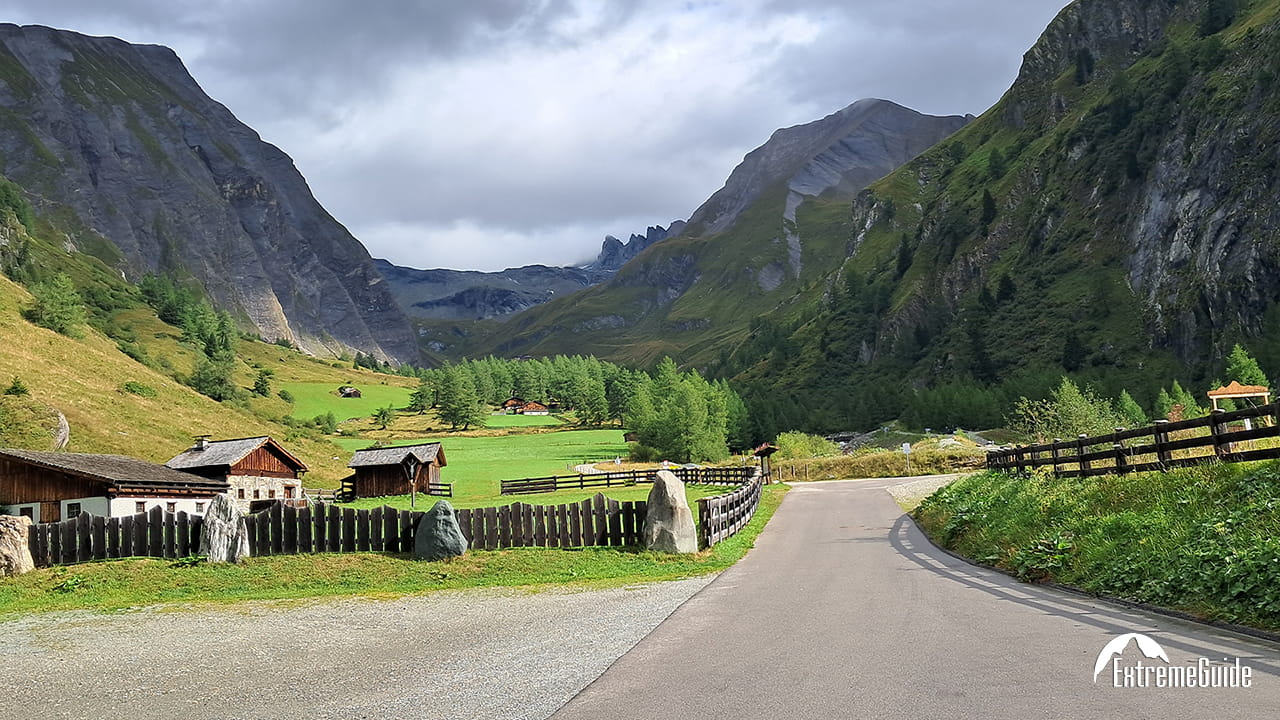
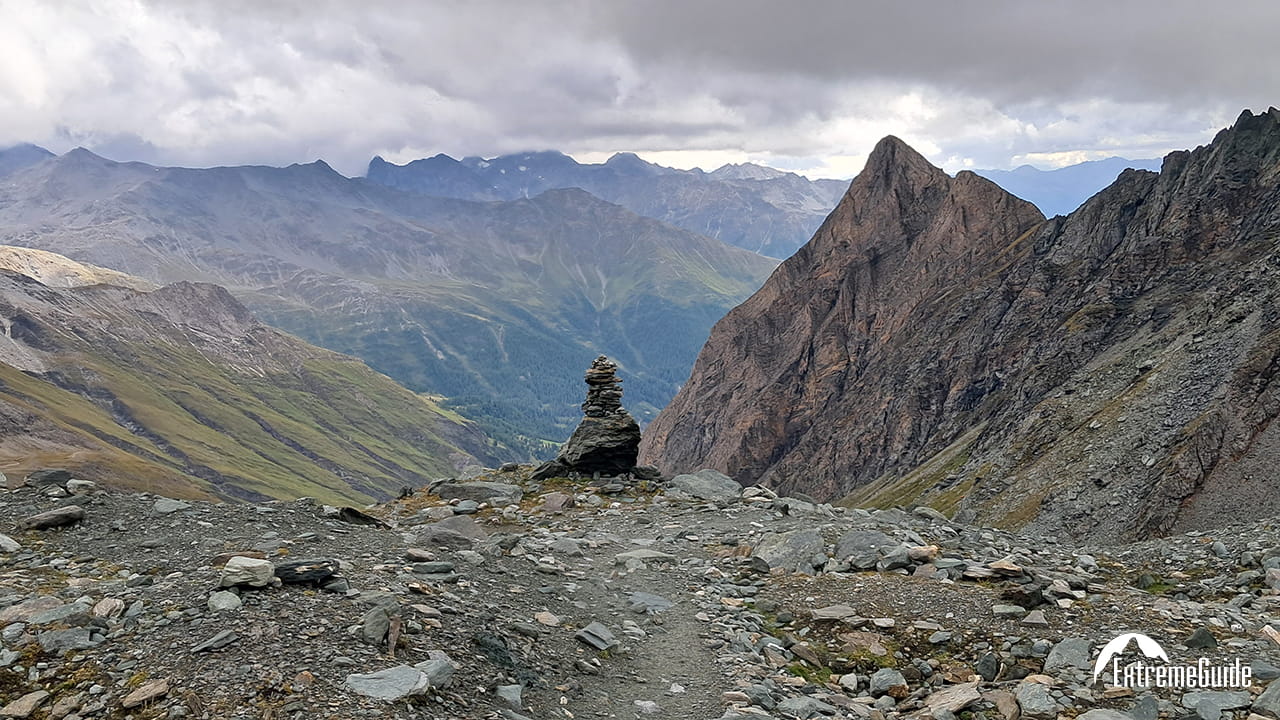
Reviews of our travelers
Recommended tours
 Alps
Alps
Dates:
June 5 - June 12
June 12 - June 19
June 19 - June 26
June 26 - July 3
July 3 - July 10
July 10 - July 17
July 17 - July 24
July 24 - July 31
July 31 - August 7
August 7 - August 14
August 14 - August 21
August 21 - August 28
August 28 - September 4
September 4 - September 11
September 11 - September 18
September 18 - September 25
September 25 - October 2
Complexity:
Duration:
Height:

Left: 4 places
 Alps
Alps Dates:
June 5 - June 12
June 12 - June 19
June 19 - June 26
June 26 - July 3
July 3 - July 10
July 10 - July 17
July 17 - July 24
Complexity:
Duration:
Height:
Left: 4 places
 Alps
Alps Dates:
June 28 - July 3
July 12 - July 17
July 26 - July 31
August 9 - August 14
August 16 - August 21
August 23 - August 28
August 30 - September 4
September 6 - September 11
Complexity:
Duration:
Height:
Left: 2 places
 Alps
Alps
Dates:
Complexity:
Duration:
Height:
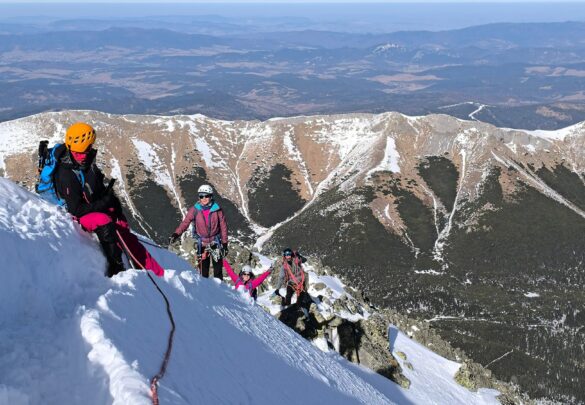 Slovakia (Tatras)
 Dates:
January 23 - January 27
February 6 - February 10
February 20 - February 24
March 6 - March 10
March 13 - March 17
March 27 - March 31
April 3 - April 7
Complexity:
Duration:
Height:

5.0 (4)
Left: 4 places
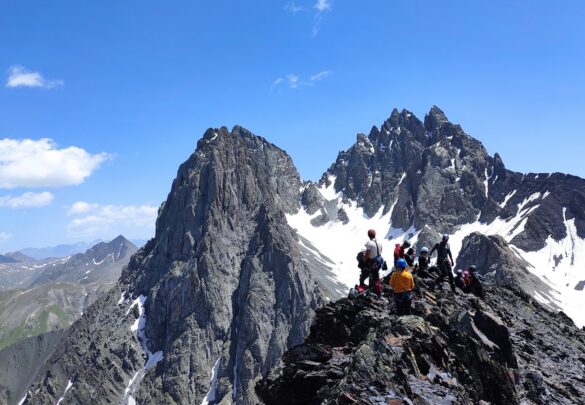 Georgia
 Dates:
June 20 - June 28
June 20 - July 3
July 17 - July 25
July 17 - July 30
August 21 - August 29
August 21 - September 3
Complexity:
Duration:
Height:
Left: 6 places
 Georgia
 Dates:
June 27 - July 4
July 10 - July 17
July 25 - August 1
August 8 - August 15
August 22 - August 29
September 5 - September 12
Complexity:
Duration:
Height:
Left: 6 places
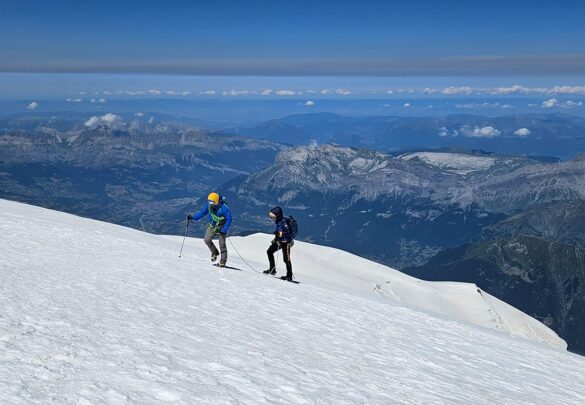 Alps
Alps Dates:
July 3 - July 7
July 17 - July 21
August 14 - August 18
August 28 - September 1
September 11 - September 15
Complexity:
Duration:
Height:
Left: 2 places
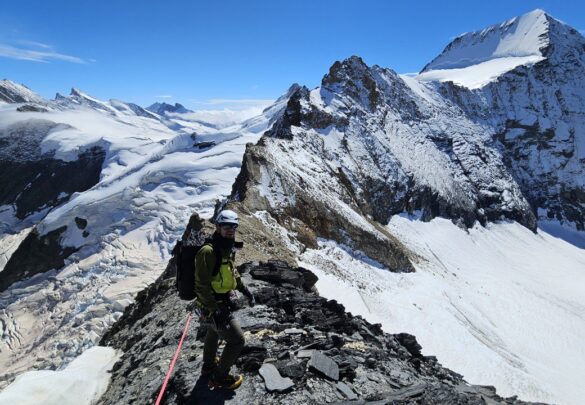 Alps
Alps Dates:
Complexity:
Duration:
Height:
 Alps
Alps Dates:
June 27 - June 30
July 11 - July 14
July 25 - July 28
August 1 - August 4
August 15 - August 18
August 22 - August 25
September 5 - September 8
Complexity:
Duration:
Height:
Left: 2 places