
 Turkey
Dates:
June 14 – June 20
June 21 – June 27
June 28 – July 4
July 5 – July 11
July 12 – July 18
July 19 – July 25
July 26 – August 1
August 2 – August 8
August 9 – August 15
August 16 – August 22
August 23 – August 29
August 30 – September 5
September 6 – September 12
September 13 – September 19
Complexity:
Duration:
Height:

5.0 (1)
Left: 8 places
 Africa
 Dates:
August 9 – August 19
September 13 – September 23
November 15 – November 25
December 25 – January 4
January 3 – January 13
January 31 – February 10
February 28 – March 10
Complexity:
Duration:
Height:
5.0 (1)
Left: 8 places
 Georgia
 Dates:
June 27 – July 4
July 11 – July 18
July 25 – August 1
August 8 – August 15
August 22 – August 29
September 5 – September 12
Complexity:
Duration:
Height:

5.0 (10)
Left: 2 places
 France
 Dates:
June 13 – June 20
June 20 – June 27
June 27 – July 4
July 4 – July 11
July 11 – July 18
July 18 – July 25
July 25 – August 1
July 26 – August 2
August 1 – August 8
August 2 – August 9
August 8 – August 15
August 15 – August 22
August 22 – August 29
August 29 – September 5
September 5 – September 12
September 12 – September 19
September 19 – September 26
September 26 – October 3
Complexity:
Duration:
Height:

5.0 (13)
Left: 1 place
 Mexico
 Dates:
Complexity:
Duration:
Height:

We’ve compiled a list of the TOP 5 Summits for beginners, according to Extreme Guide clients—these are the mountains people most often ask about before their first ascent. They’re considered an excellent starting point for those looking to explore the world of high mountains, test their skills, and experience the atmosphere of a true expedition. Each of these peaks offers relative accessibility, vibrant landscapes, and an unforgettable experience that often sparks a deep love of the mountains.
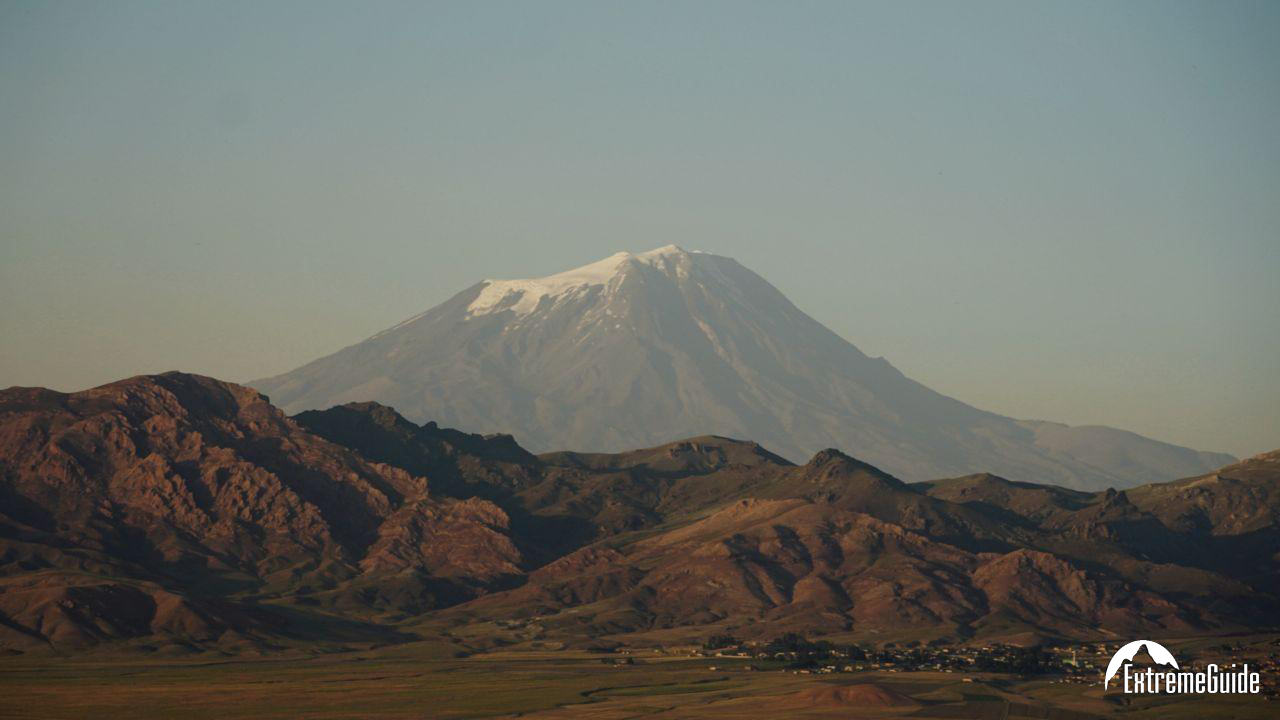
Ararat (5137 m)
Why Ararat? First and foremost, it’s a legendary peak, steeped in stories and references from biblical myths. Besides its symbolic significance, the mountain is relatively moderate in height—5,137 meters—making it a good choice for those new to altitude. Climbing Ararat doesn’t require complex technical mountaineering skills or special training, making it suitable for those with an average level of fitness.
During the program, participants spend the night at several high-altitude camps: a base camp at 3,200 m and an assault camp at 4,200 m. It is from there that the final ascent to the summit takes place. The entire program typically lasts approximately seven days, and most participants successfully reach the summit with proper acclimatization and the support of a guide.
The journey doesn’t end after the ascent. Participants enjoy a pleasant bonus—getting to know the region: a tour of the ancient city of Van, a visit to picturesque Lake Van, and a trip to Akhtamar Island with its famous Armenian church.
Kilimanjaro (5895 m)
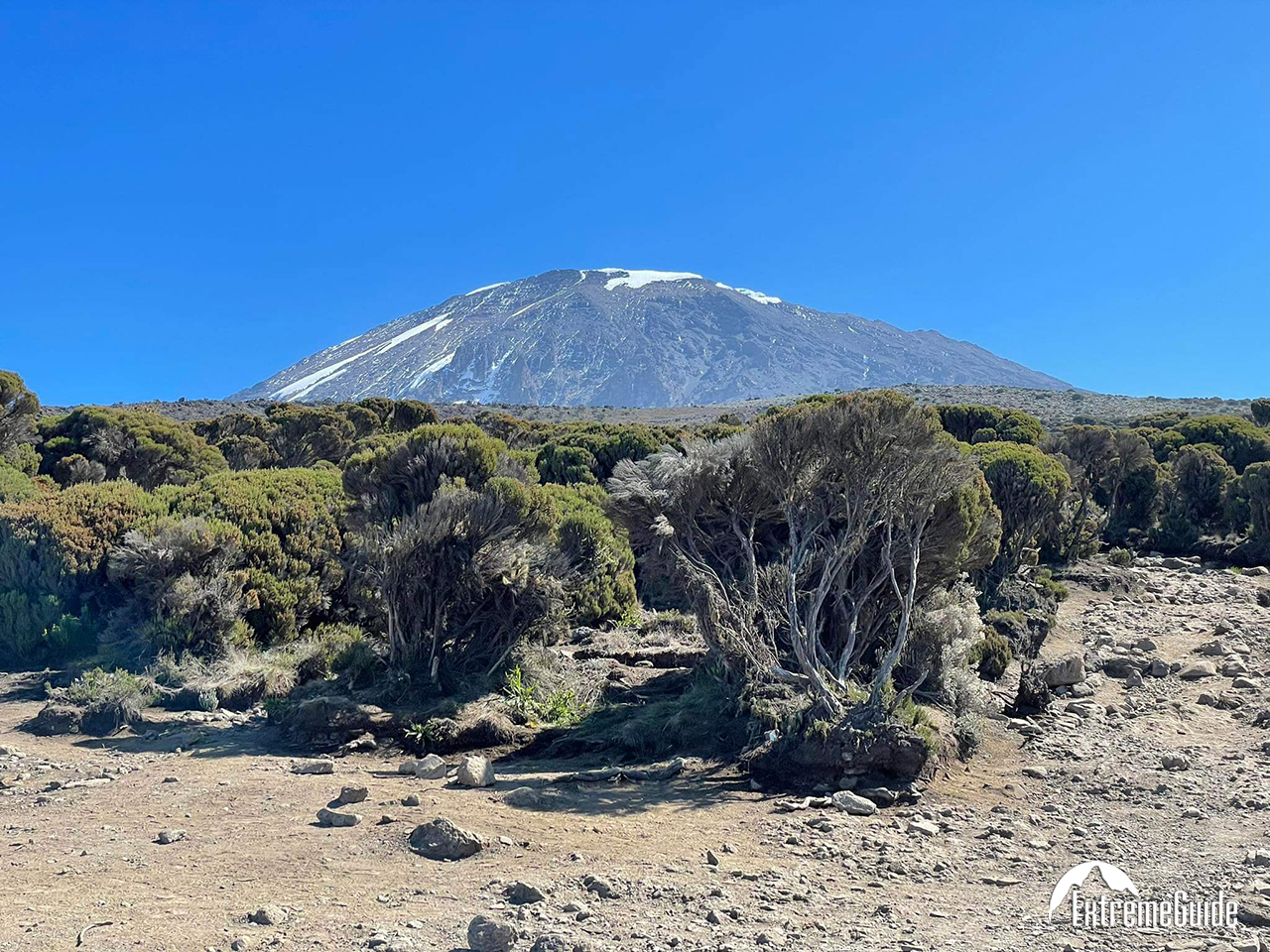
Kilimanjaro is a true symbol of Africa and one of the most famous mountains on the planet, located in Tanzania. The peak is one of the prestigious “7 Summits”—the highest points on each continent. Despite its height, the mountain is considered a trekking destination: climbing it doesn’t require complex technical skills or specialized mountaineering equipment, unlike, for example, Mont Blanc or Kazbek.
The ascent program typically lasts 7–8 days. During this time, participants traverse several unique natural environments—from dense tropical jungle at the foot of the mountain to alpine meadows and rugged high-altitude landscapes closer to the summit.
The final destination is Uhuru Peak (5,895 m), the highest point on Mount Kilimanjaro. This summit is unique in that it contains glaciers even near the equator. After the climb, participants will enjoy another exciting adventure – a photo safari in national parks, where they can see giraffes, elephants, lions, and other animals in their natural habitat. For those who want to continue their journey, a relaxing holiday on the white beaches of Zanzibar is a perfect ending.
Kazbek (5054 m)
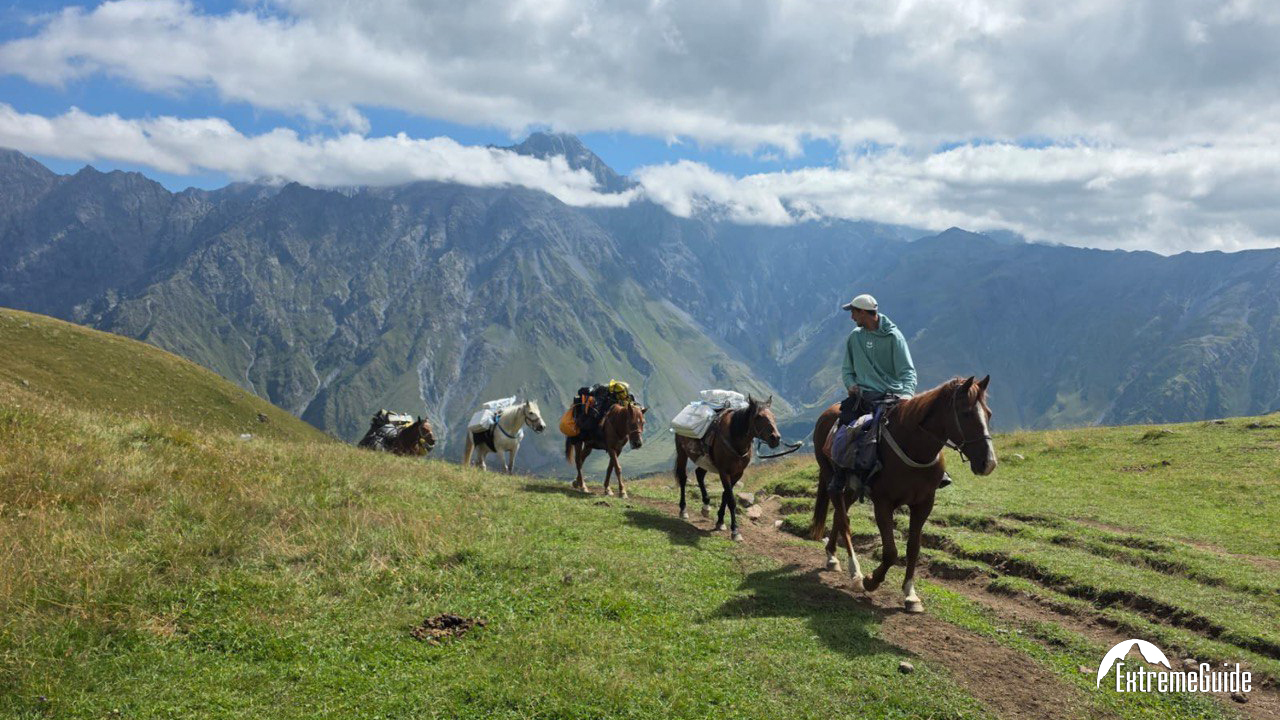
Kazbek is a majestic volcano, 5,054 meters high, located on the border of Georgia and Russia. The mountain’s volcanic origins make acclimatization more comfortable for many people, so serious altitude problems are rare. With proper preparation, following the guide’s recommendations, and gradually gaining altitude, a significant number of climbers successfully reach the summit.
Weather in the mountains is always a significant factor, but the ascent program is usually structured so that the summit push occurs on the fifth or sixth day. Beforehand, participants undergo acclimatization hikes, practice using crampons, and practice handling equipment on the glacier.
Climbing Mount Kazbek is not only an athletic challenge but also an opportunity to experience the atmosphere of Georgia: ancient monasteries, picturesque mountain valleys, the hospitality of the locals, and the famous Georgian flavor make this trip special.
Mont Blanc (4810 m)
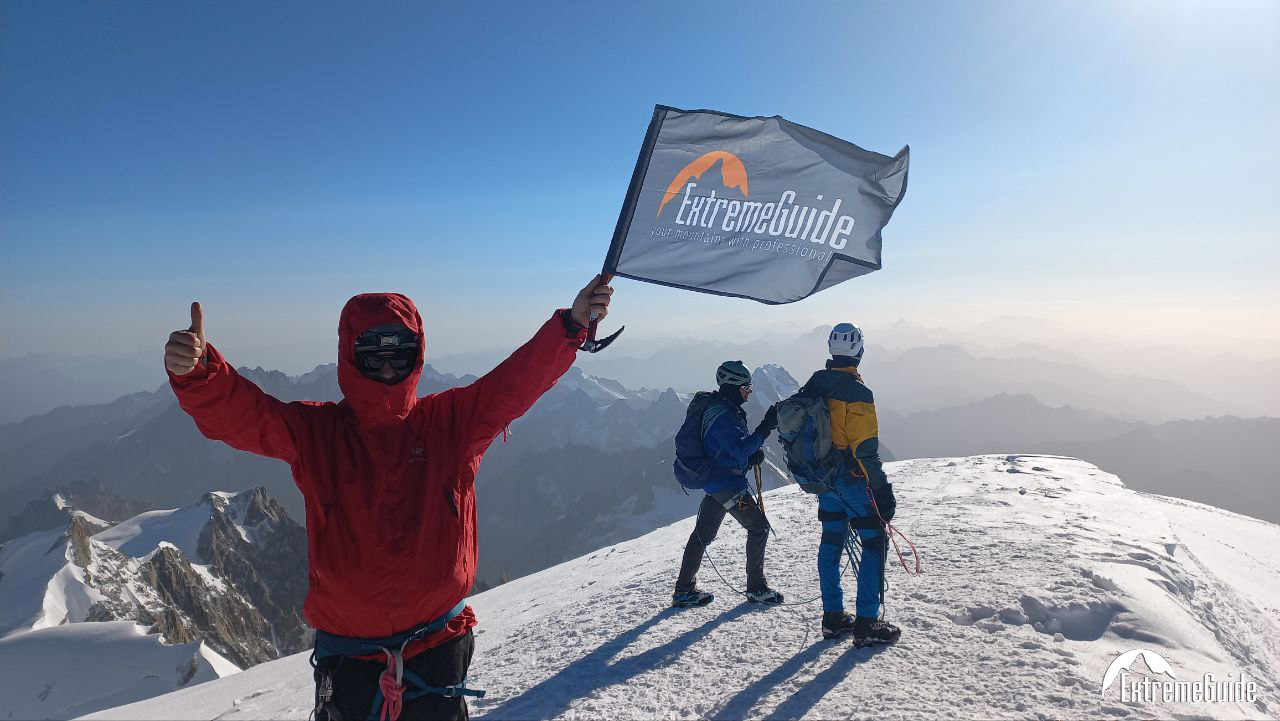
Mont Blanc is one of Europe’s most famous peaks and a true mountaineering legend. It was here, in the Chamonix region, that the first documented ascent took place in the 18th century, effectively marking the beginning of modern mountaineering. Every year, tens of thousands of people dream of ascending the highest peak in the Alps.
Our program is unique in that it combines acclimatization with training. During the training, participants learn basic mountaineering skills: ice axe use, roped climbing, glacier techniques, and safe mountaineering.
From experience, we can say that a significant portion of those who climbed Mont Blanc with us had no previous mountaineering experience. This is why this peak often becomes the first serious step into the world of big mountains.
Orizaba (5636 m)
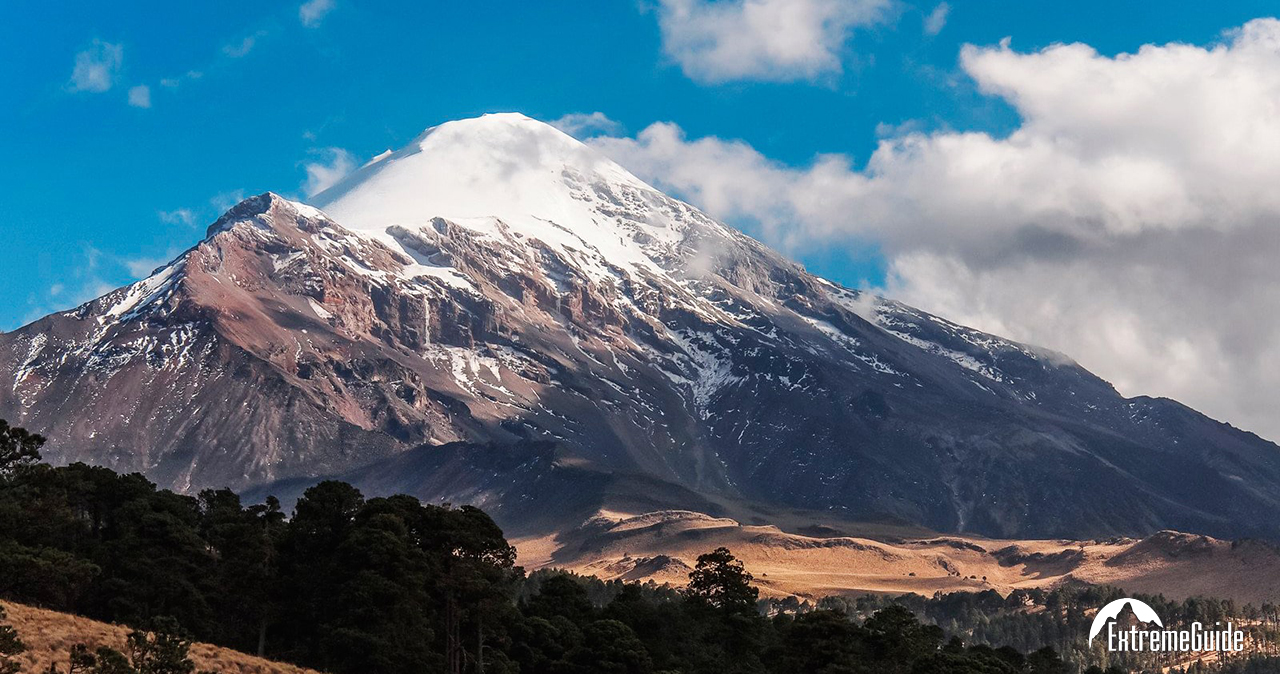
Orizaba is a completely different geography and atmosphere: the highest mountain in Mexico and, at the same time, the highest volcano in North America. Despite its considerable height—5,636 meters—this peak is considered accessible to beginners with the right acclimatization and preparation.
The ascent program involves gradually acclimating to the altitude. Before the main assault, participants make acclimatization climbs to other volcanoes—La Malinche (4,500 m) and Iztaccihuatl (5,000 m). These climbs offer incredible panoramas of the Puebla Valley, the Mexican plateau, and the legendary Popocatépetl volcano.
The final point of the journey is Peak Orizaba (5636 m) – the highest point in Mexico and one of the most beautiful volcanic peaks on the continent.
Each of these mountains can be a truly safe entry point into the world of great peaks. The key is to choose the one that most inspires you. Explore the routes, book a tour, and our manager will contact you to provide all the necessary information and help you prepare for your trip.
Remember: sometimes the mountains are much closer than they seem, you just have to take the first step. 🏔️