
An alternative program for visiting Everest Base Camp. In which you will not only visit Sagarmathma Base Camp, but also try your hand at high-altitude mountaineering.
Climbing Lobuche is an opportunity to climb one of the most accessible 6000 peaks in the Everest region without the need for special training. Climbing Lobuche is suitable for people with experience in mountain trekking and climbing above 4000 m. During the trekking, we will gradually gain altitude no more than 500 m per day, at altitudes of 4000 and 5000 m we will make stops for better acclimatization with radial exits. Porters will carry about your stuff.
Lobuche Peak (6119 m) is the best viewpoint on the Everest trek.
At the end of the program we will have sightseeing tours of Kathmandu: Bhudanath stupa, Pashupatinath, Patan and Durbrar.
Every year we guide people to Everest, Annapurna, Island Peak Climbing, Trekking around Dhaulagiri. Every year 50-60 people travel with us around Nepal. It is very important that we focus on small groups of 8-10 people.
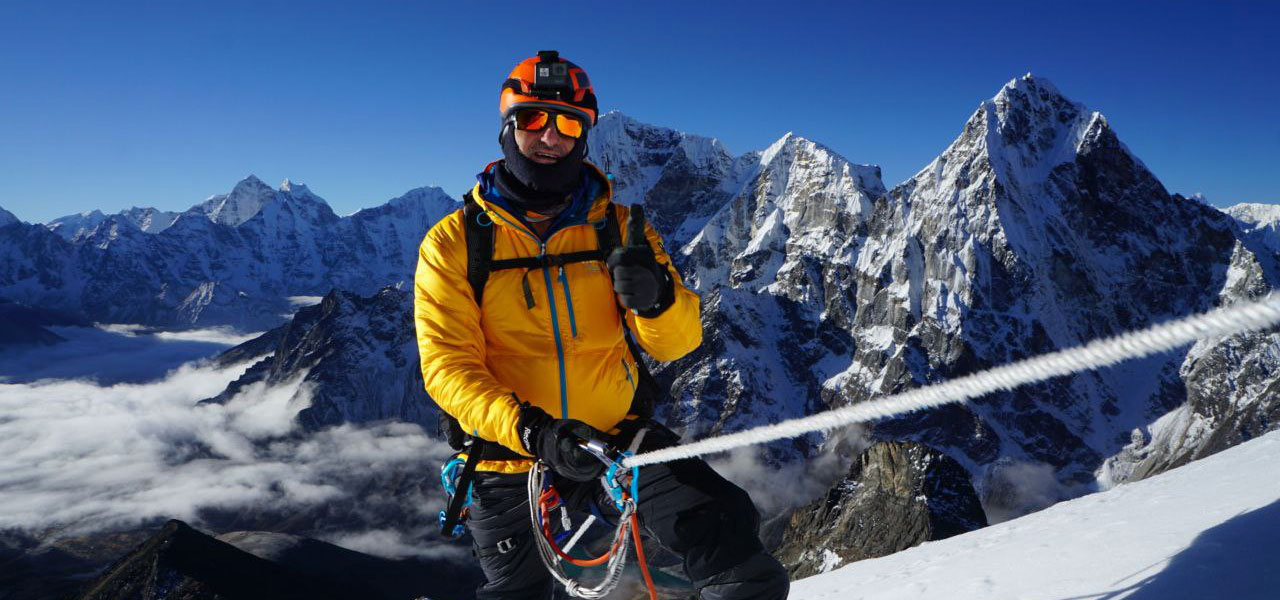
Climbing this mountain does not require a separate expedition or a long stay in tent camps. Only on the night of the assault, we will spend the night in the 5300 m camp to gain another 700 meters to the summit. Part of the ascent goes along a rocky path and then comes out onto destroyed rocks, above 5800 before going out onto the glacier, we will put on crampons and systems, the final ascent is a 200 m ice slope of 45 degrees, where fixed ropes hang (you just need to jumar along them). Descent along the ascent route.
Key points of the climbing program:
- excursion to the most ancient Buddhist stupa Swayambhunath (Monkey Temple);
- excursion to the Temple complex Pashupatinath, a sacred place for all Hindus;
- excursion to the largest Buddhist stupa Boudhanath;
- exciting flight Kathmandu-Lukla;
- a walk along the Khumbu glacier, among white boulders;
- a service in a Buddhist monastery in the village of Pangboche;
- a 10-day trek to Everest Base Camp (5364 m) with an ascent to Kala Patthar (5550 m);
- an ascent to Lobuche Peak (Island peak 6000 m);
Главные впечатления от похода по Фанским горам:
Climbing route to Lobuche Peak+Everest Base Camp:
Kathmandu — Lukla (2800 m) — Phakding village (2800 m) — Namche Bazaar (3450 m) — Kumjung village — Porche Tanga (3600 m) — Pangboche village (4000 m) — Base Camp of Ama Dablam (4500 m) — Tengboche village — Dingboche (4400 m) — Phalung Karpo Valley — Lobuche (4900 m) — Everest Base Camp — Khumbu Glacier (5160 m) — Gorak Shep — Lobuche Base Camp (5300 m) — Climbing Lobuche Peak (6000 m) — Dingboche (Tukla) — Deboche — Namche Bazaar (3450 m) — Lukla (2800 m) — Kathmandu
Your guides for climbing Lobuche Peak + Everest Base Camp

Lobuche Peak +Everest Base CampClimbing Route by Days
day
Meeting of the group in Kathmandu. We recommend arriving on morning or afternoon flights so that you have the opportunity to rest after a long flight. Checking into a hotel and meeting other tour participants. In the evening, a walk around Thamel, getting to know Kathmandu. Preparing equipment, buying what is missing or renting it. Night at the hotel.
day
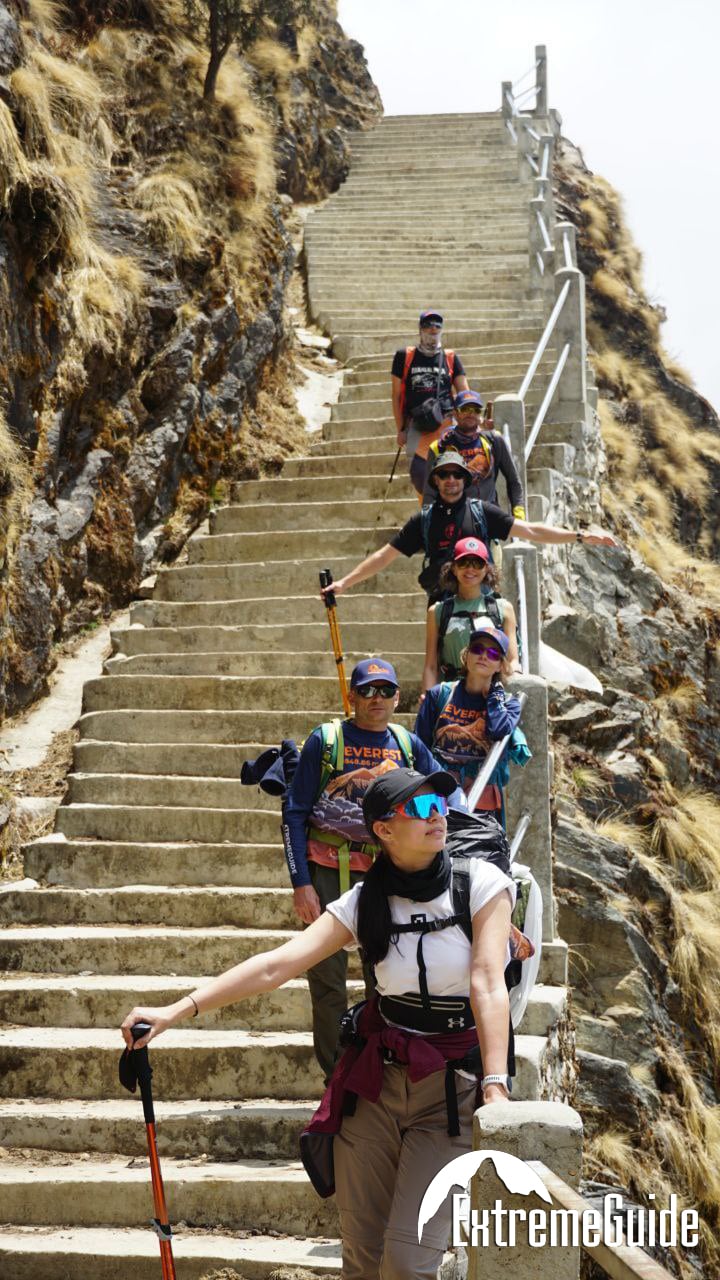
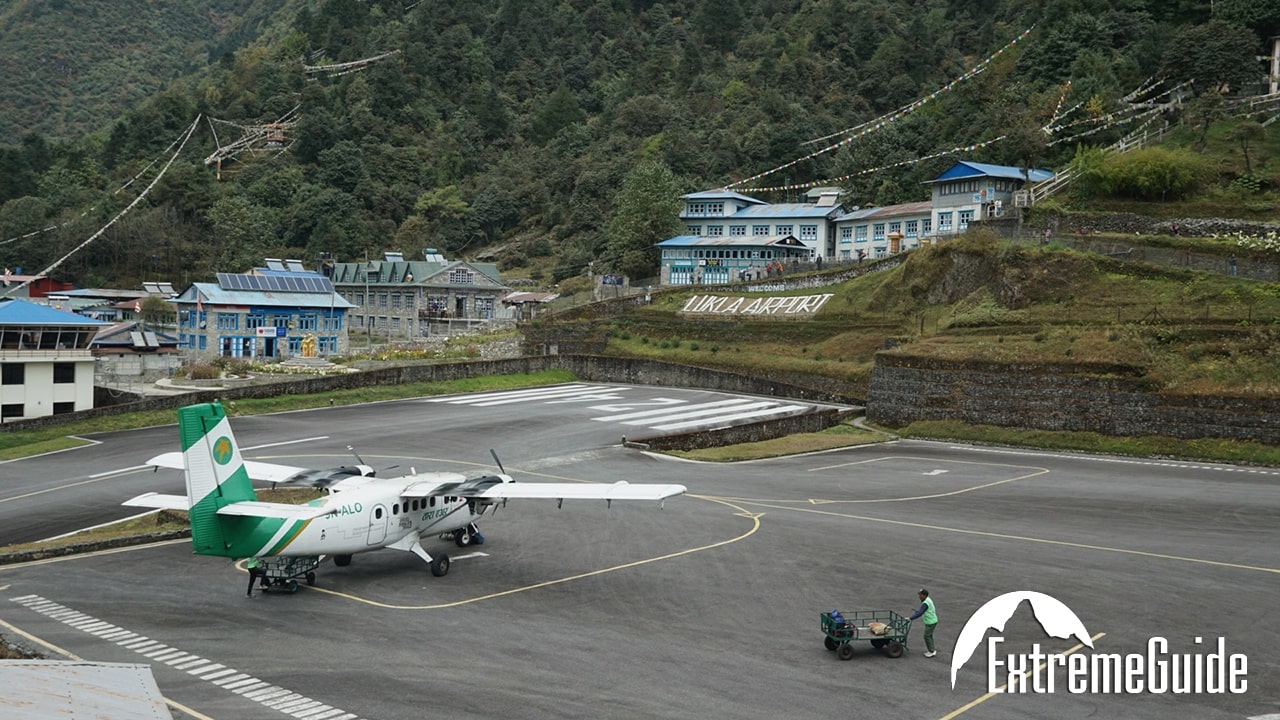
We fly to Lukla on an early flight. We repack the bags and give them to the porters. We will go light, only water and a warm jacket.
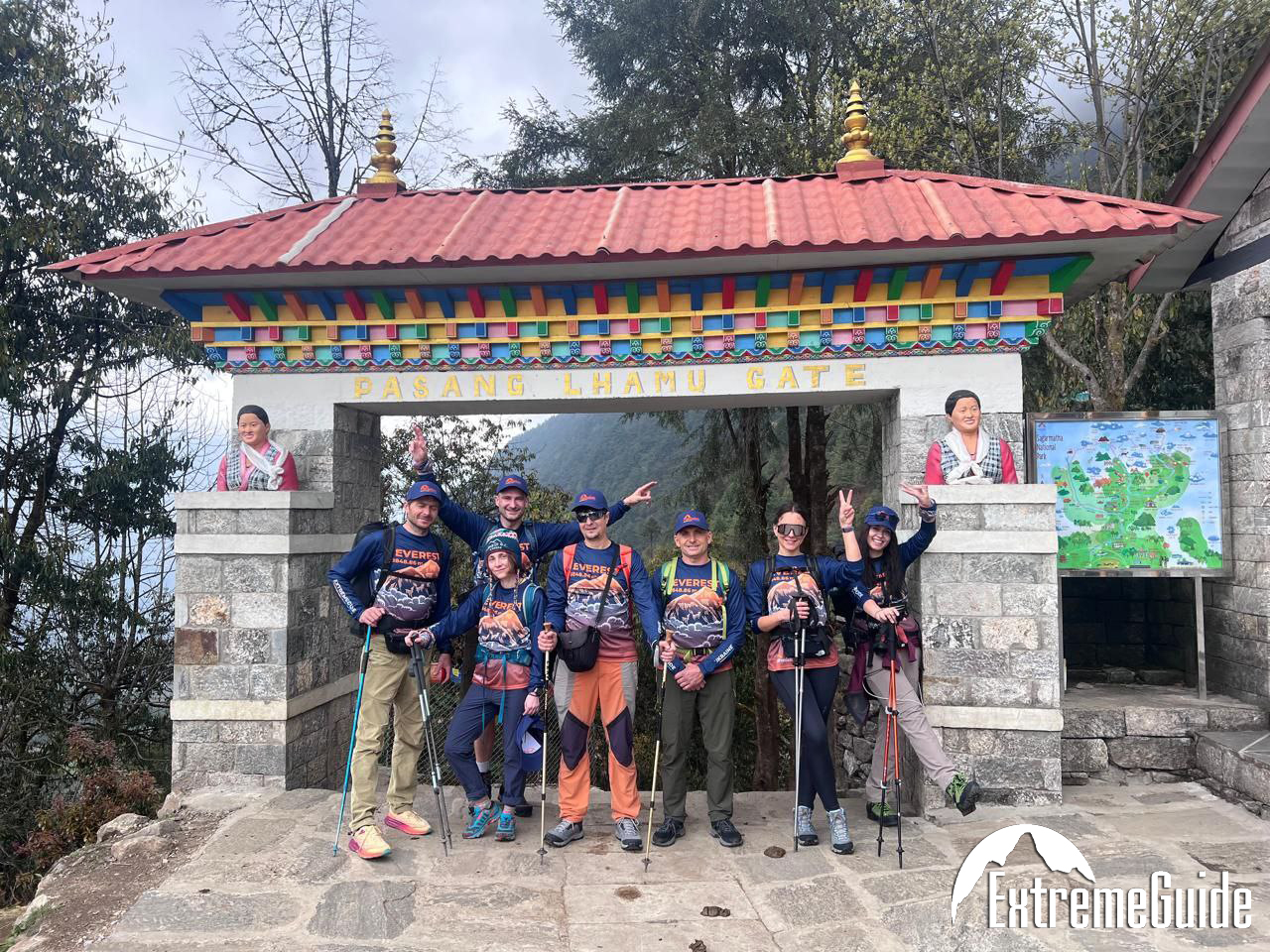
Trekking through mountain trails to the village of Phakding. We pass rhododendron forests and bamboo thickets. In spring, rhododendrons bloom very beautifully. Today we spend the night in a lodge – a guest house. There is a cafe here and you can order food from the menu. Night in the lodge.
Travel time 3 hours, 10 km.

day
We are gaining altitude, today we have to gain about 600 meters. At first the trail goes along the canyon, and then we gradually gain altitude and come to the famous Hillary suspension bridge, the length of which is about 100 m. We cross the canyon on the bridge.
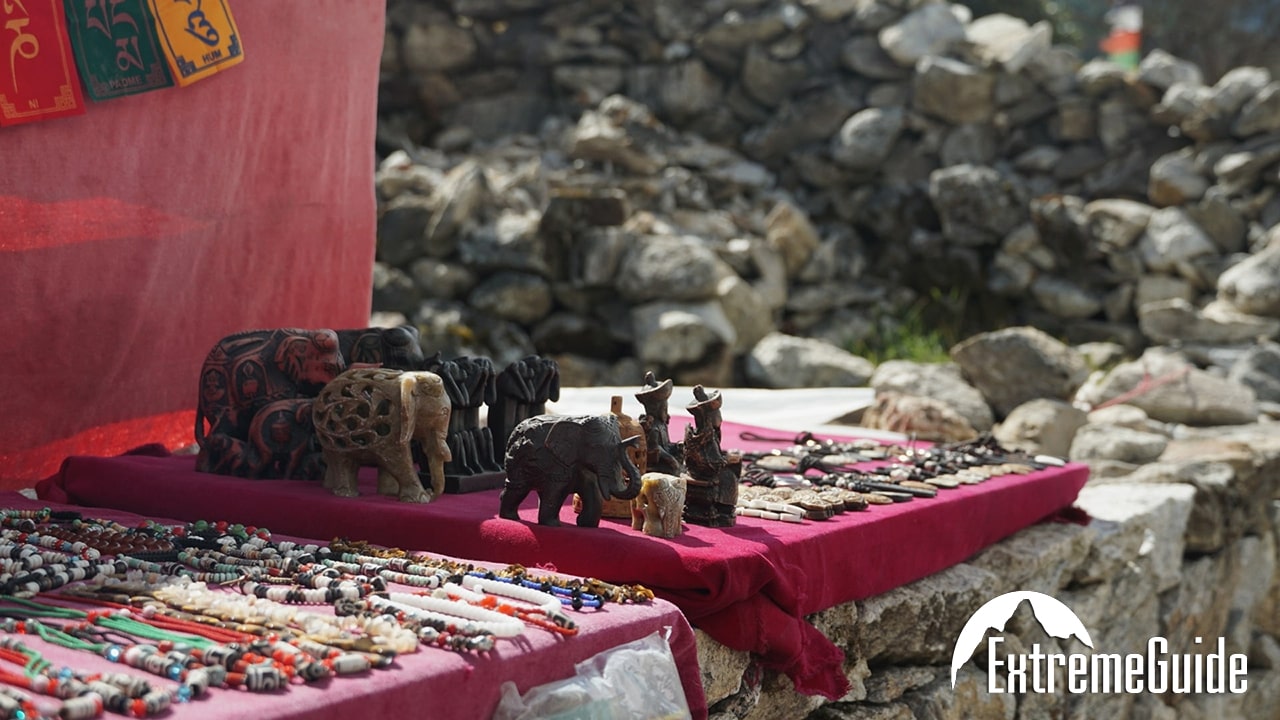
In the afternoon we will arrive in the city of Namche Bazaar. This is the capital of the Sherpas who live in the Khumbu Valley. After rest, a walk through the local authentic shops, there is also a wide selection of equipment and clothing, you can buy something if you forgot. Night at the lodge.
Travel time 6 hours, 15 km.


day
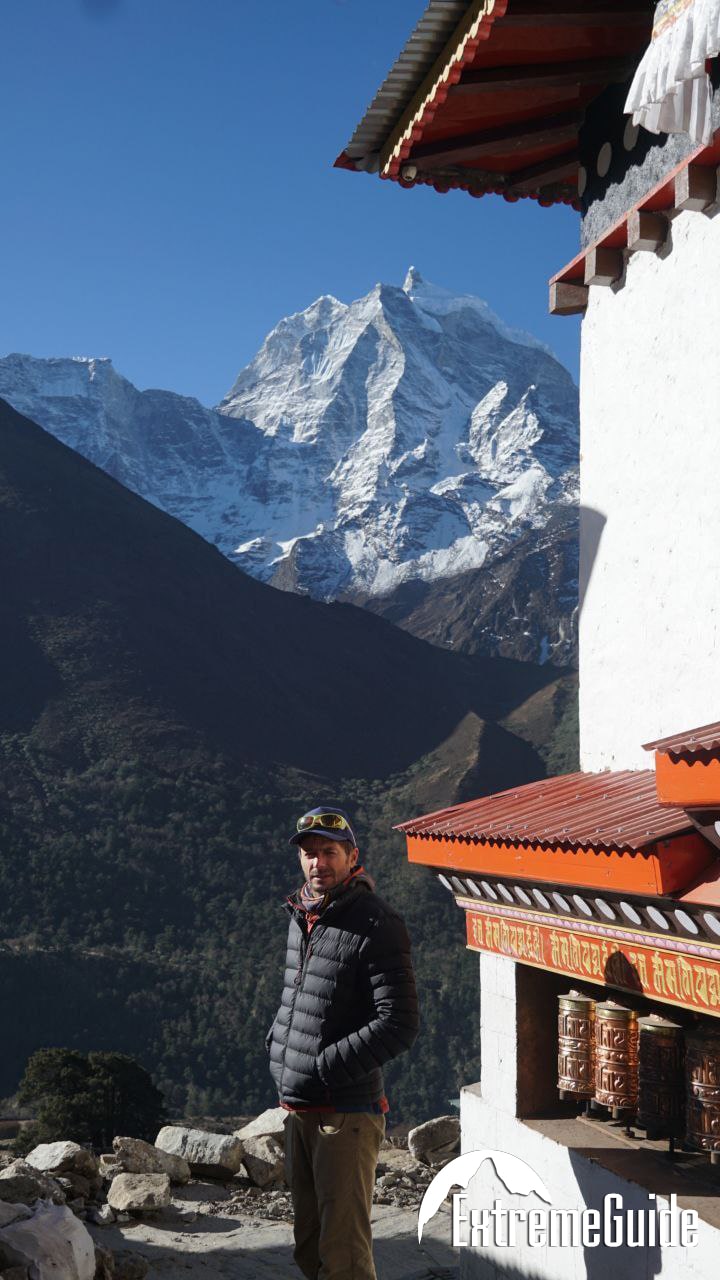
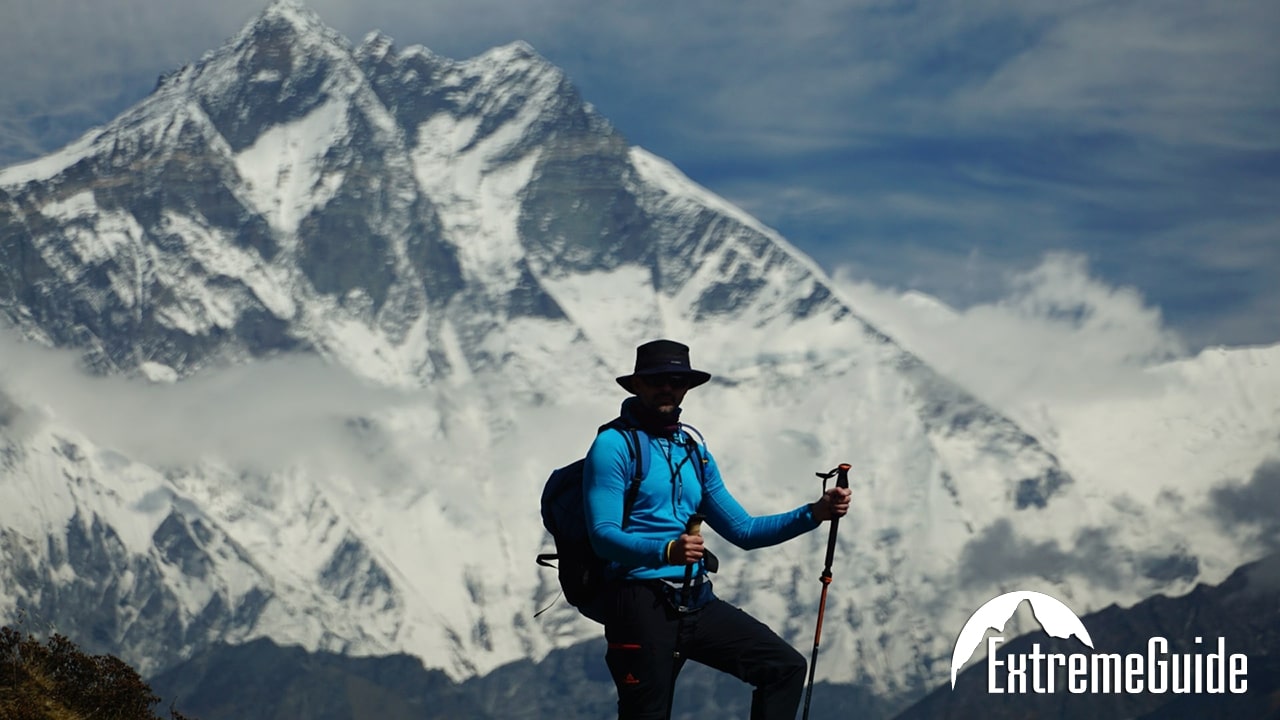
Today is a leisurely gathering after breakfast. First we will go to the upper village of Khumjung, where the scalp of a yeti is kept in the monastery and the memorial of E. Hillary (the first climber of Everest) is located. For the first time we will see Mount Lhotse, Ama Dablam, Nuptse, of course Everest and others. After visiting this traditional Sherpa village we will go down to the valley of the Khumbu River, here at an altitude of 3600 meters in the village of Porche Tanggu in the relict forest we will stop for the night. Night at the lodge.
Travel time 6 hours, 15 km.
day
We walk slowly, as the altitude becomes more noticeable every day. The landscapes today are incredible, and the higher we climb into the mountains, the brighter they become…
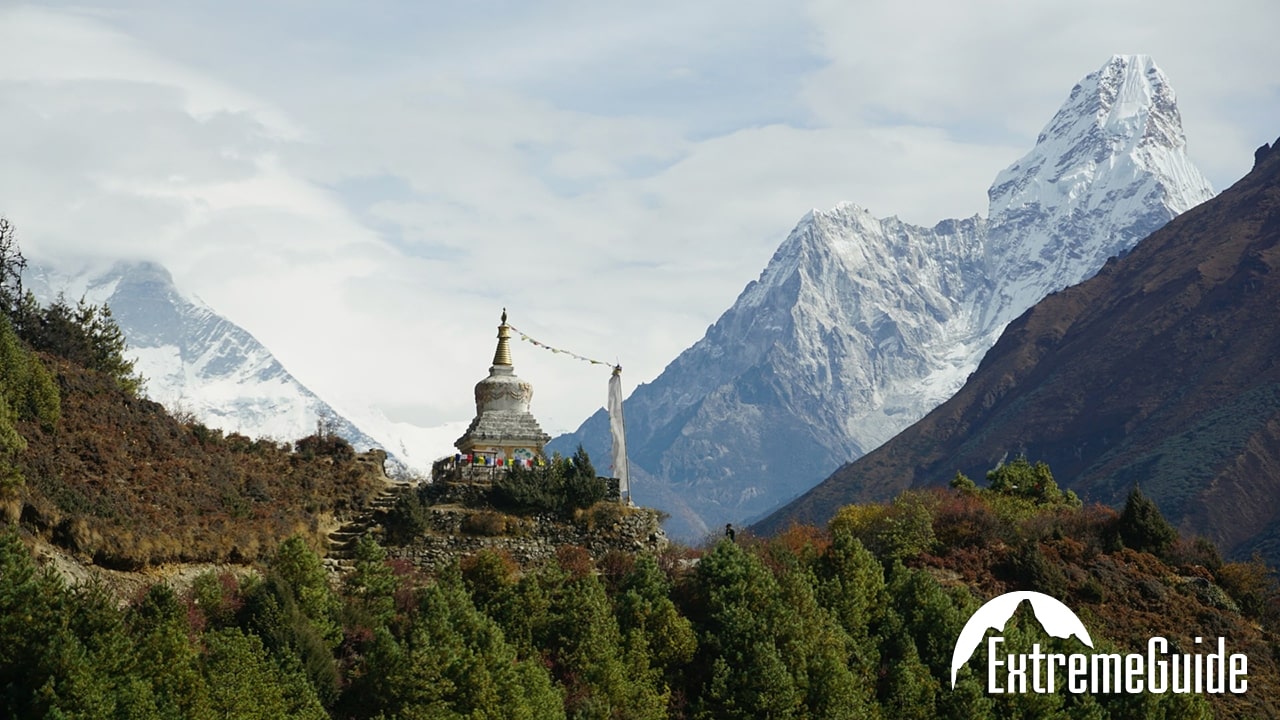
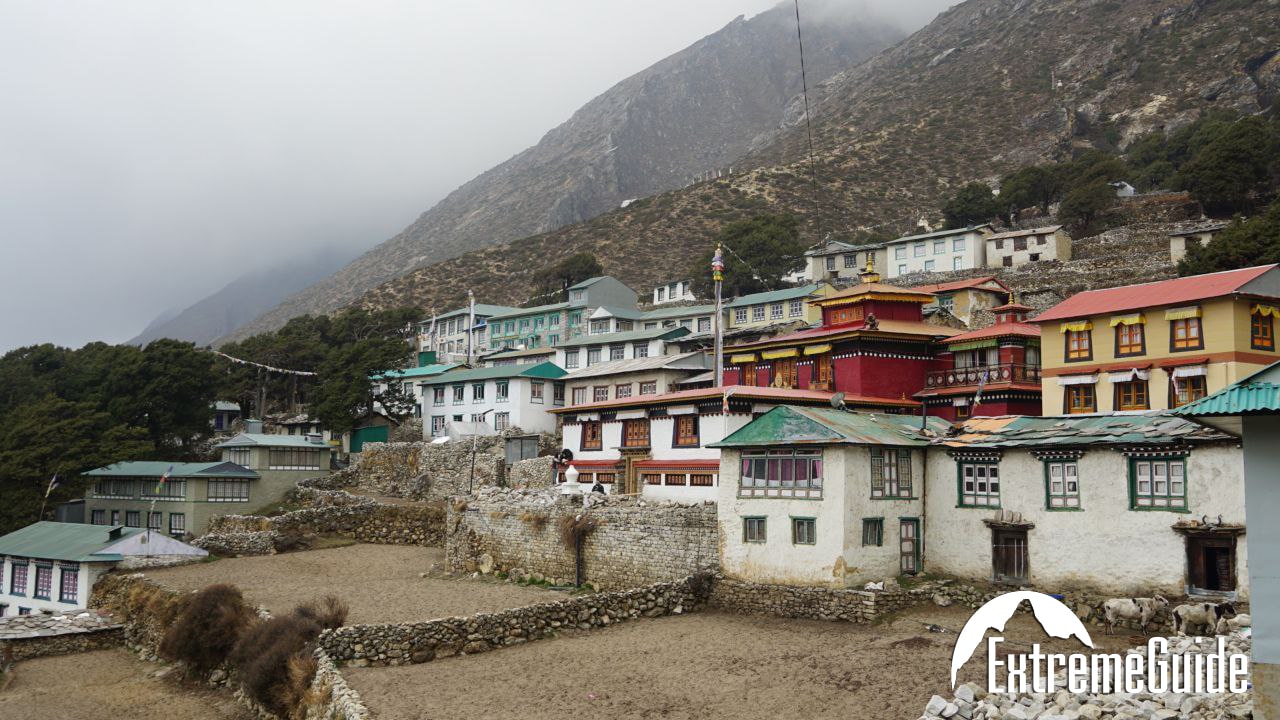
Today is a short walking day before lunch. Our goal is the village of Pangboche, here is one of the oldest monasteries of the Khumbu Valley (founded in the 15th century), here is also the scalp and hand of the Yeti. The village is located at the foot of Mount Ama Dablam. According to legend, the monastery thoroughly tamed the Yeti and it helped him when he meditated for a long time in one of the caves in the village of Pangboche. In the evening we will go to the puja in the monastery.
Travel time 4 hours, 10 km.
day
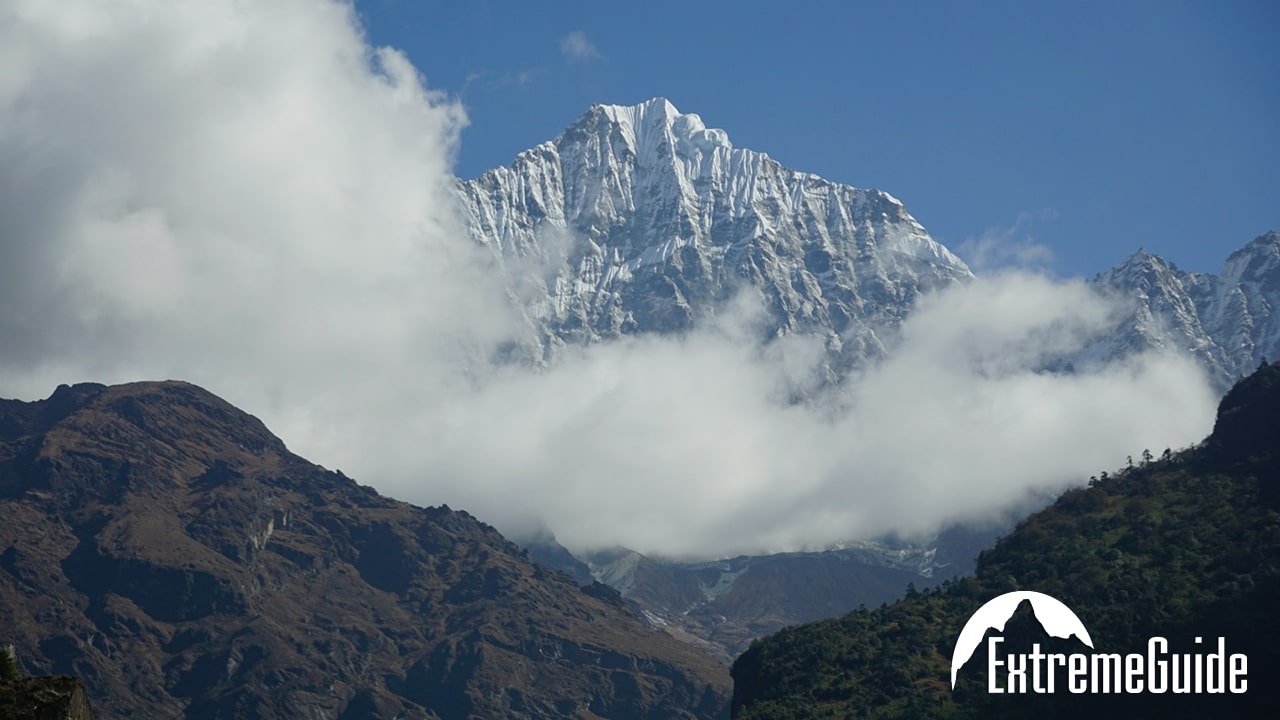
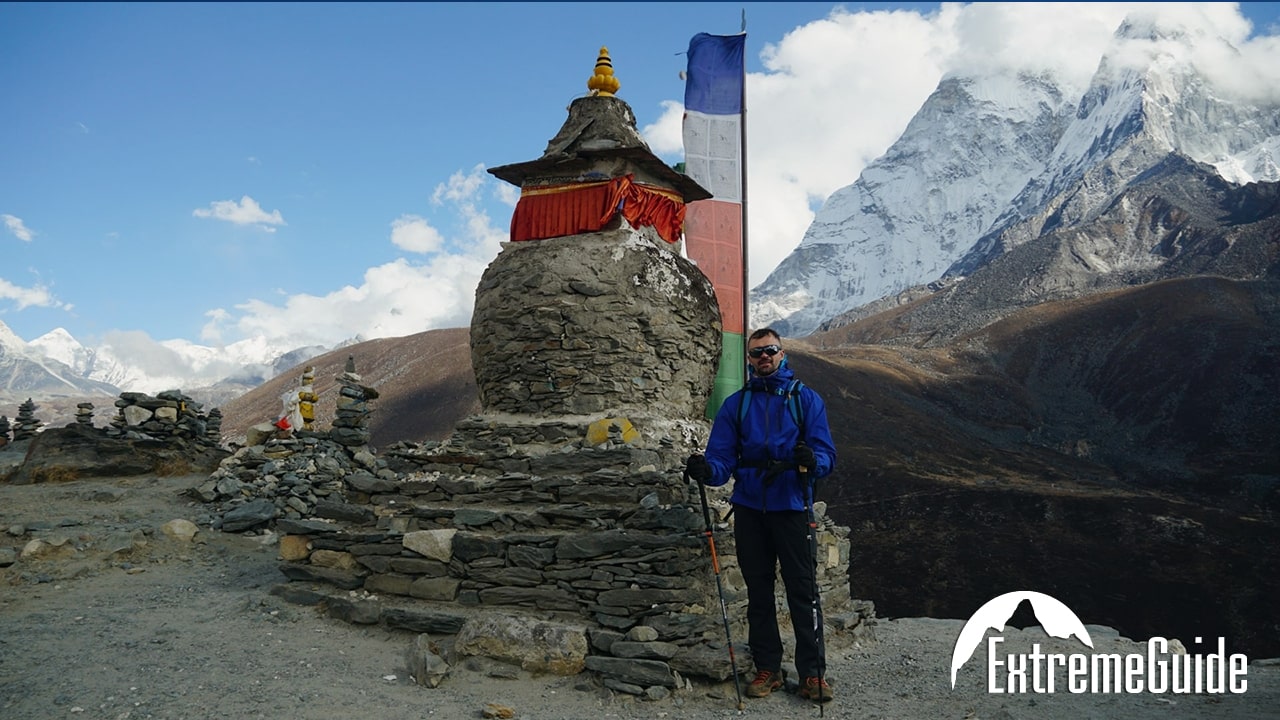
Today is a logical day for rest and additional acclimatization before climbing Island Peak. We will go radially to the base camp of Mount Ama Dablam, meet the climbers of this magnificent mountain. Translated from Tibetan (Sherpa), Ama Dablam means – grandmother’s necklace, pendant. If you wish, you can just rest today and not go anywhere. The entire walk will take us 5-6 hours. We spend the night in Pangboche.
day
From Tengboche we go to the village of Pangboche through a rhododendron forest, passing the oldest monastery in Khumbu. Further on, the thickets give way to dry rocky meadows.
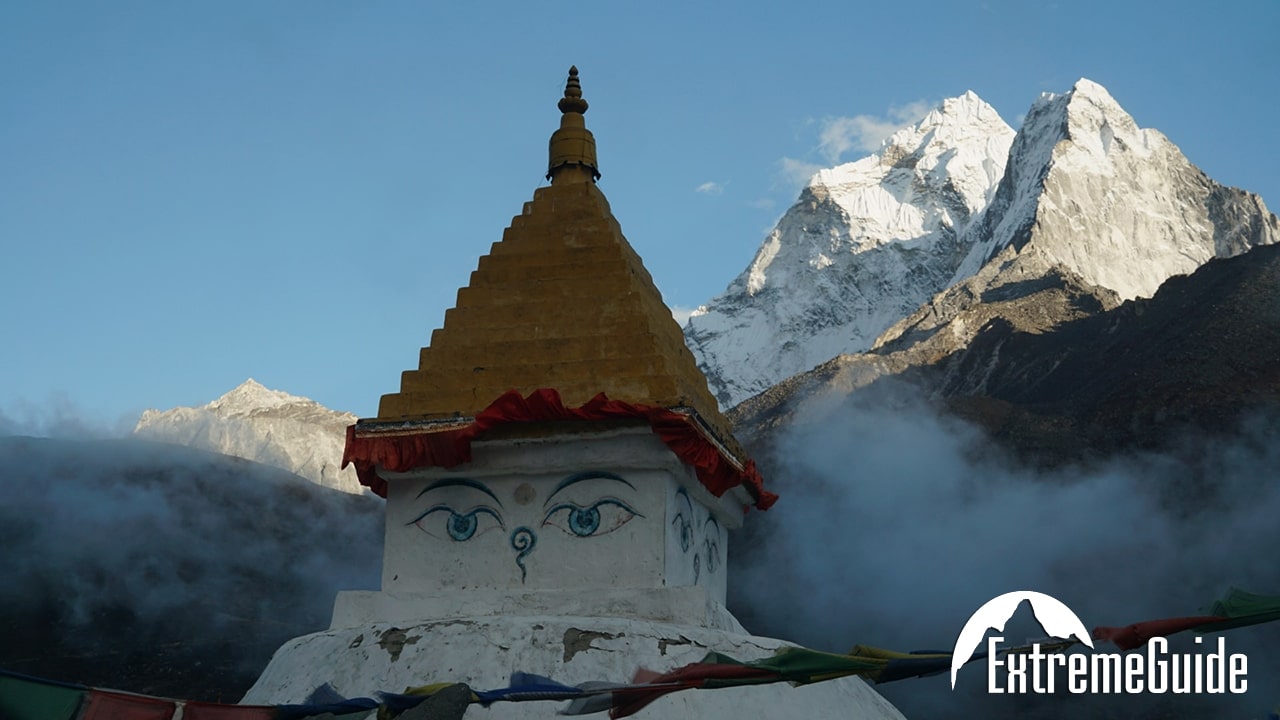
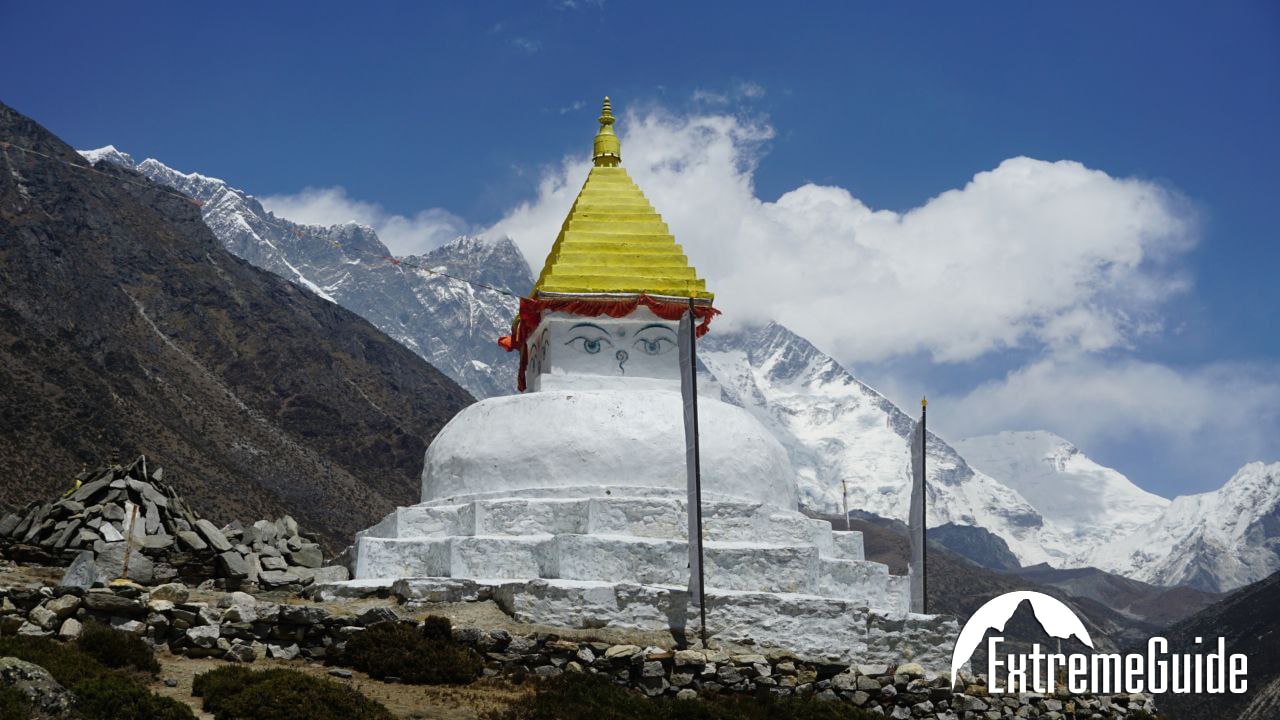
We arrive in Dingboche. The transition takes about 4 hours. It is warm here, well protected from the wind, there are many lodges with a beautiful view of Island Peak, Lhotse and Ama Dablam. We stop for the night in one of them.
Travel time 4 hours, 10 km.

day
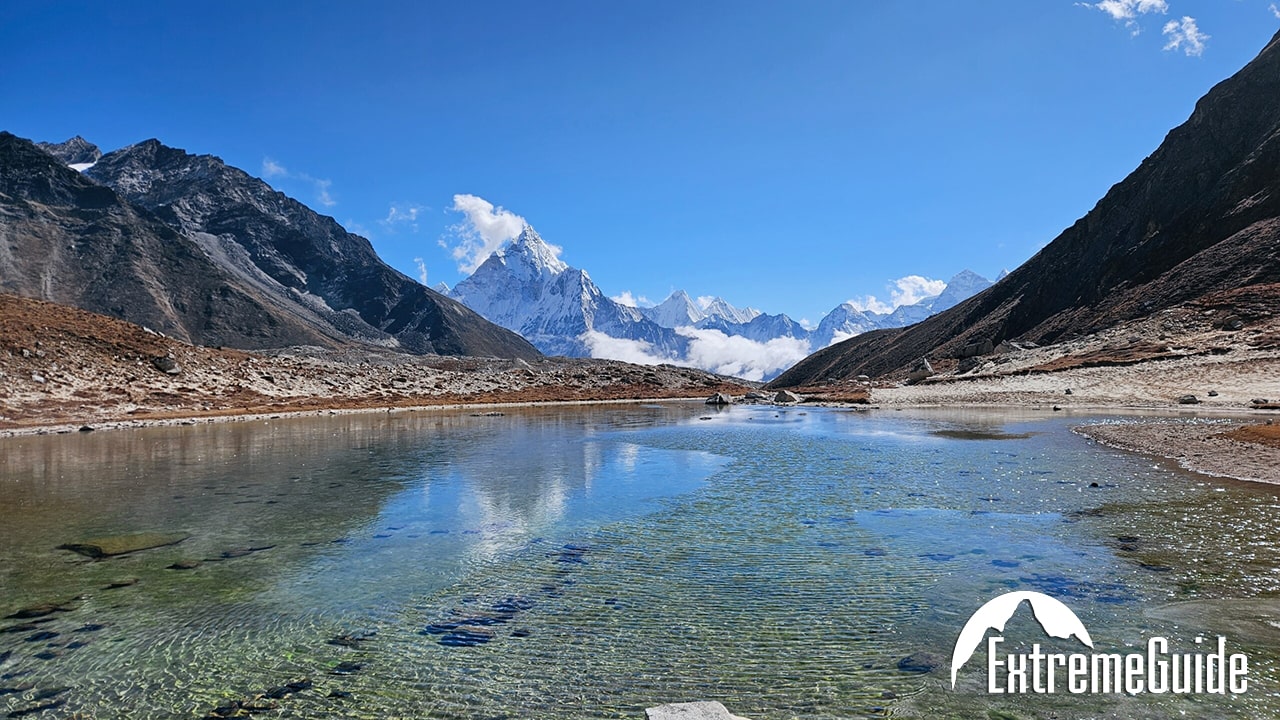
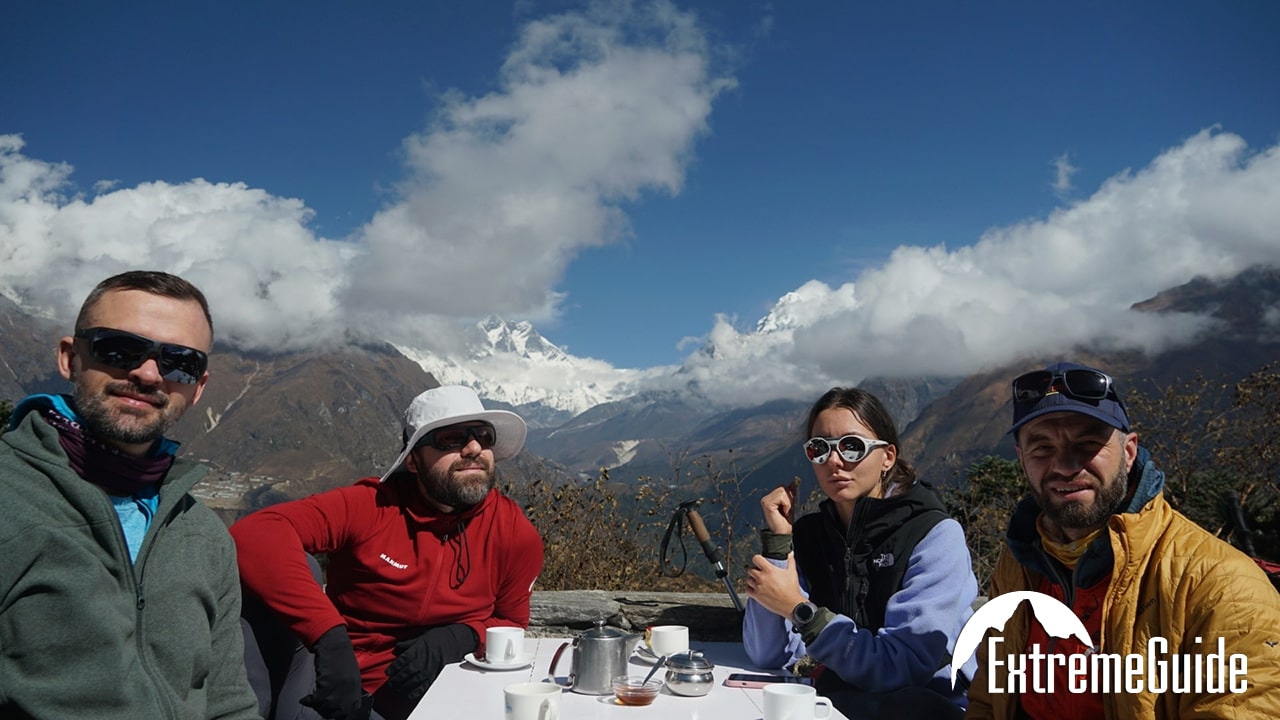
We have to cross high mountain ranges and lifeless terraces. In about three hours we will reach Dugla and stop for tea. Then, after crossing several streams, we reach the Phalung Karpo valley. Here you can admire the view of Ama Dablam, Kantega, Tawagi, Cholatse. Then the road rises to the Khumbu glacier. Night at the lodge.
Travel time 4 hours, 10 km.

day
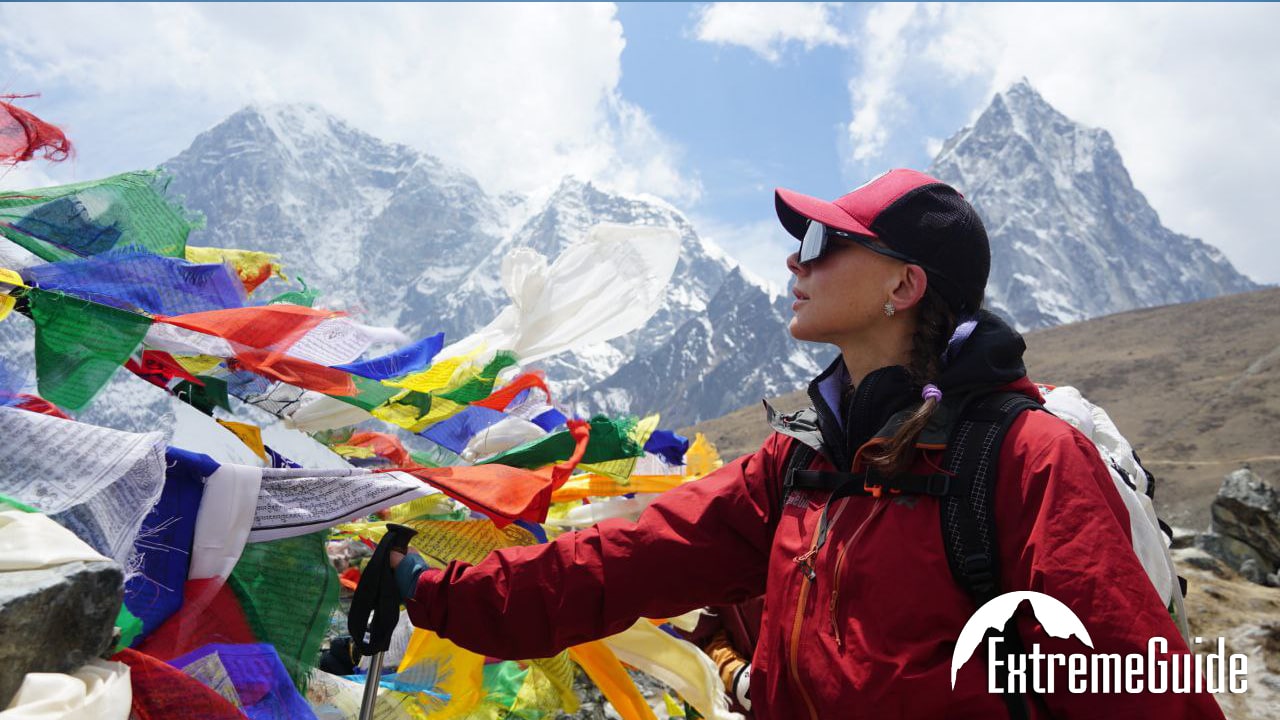
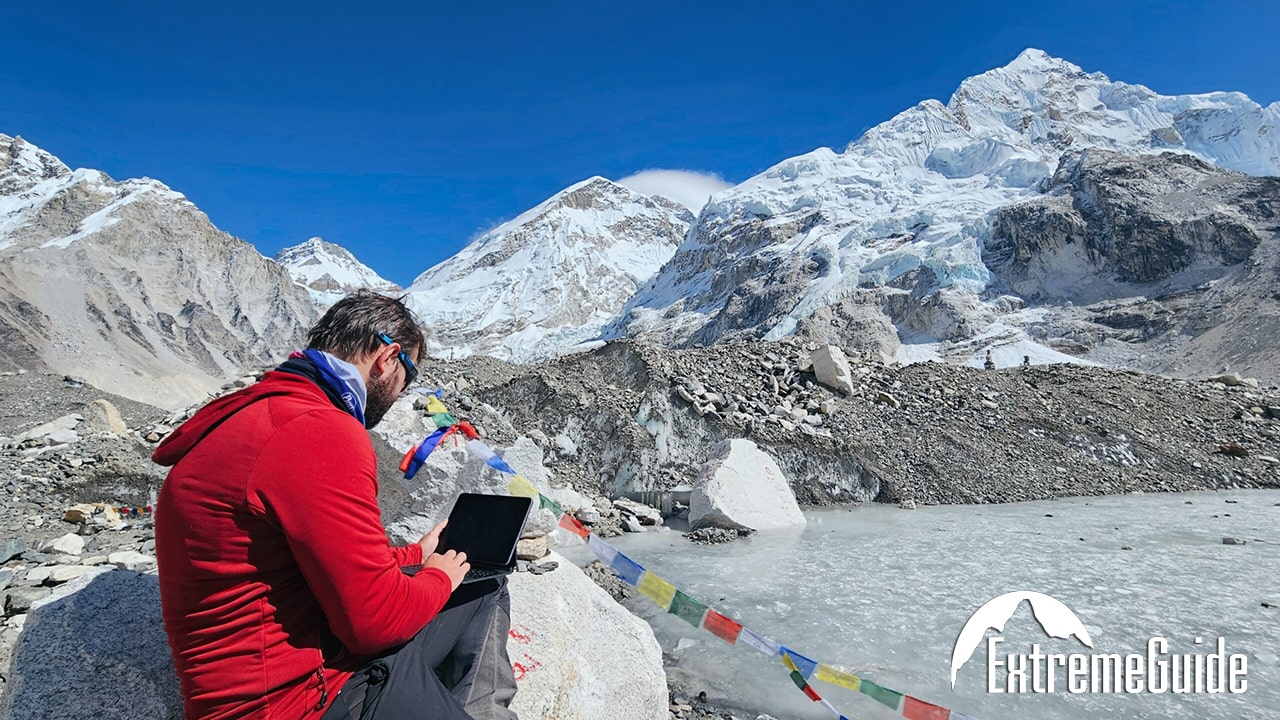
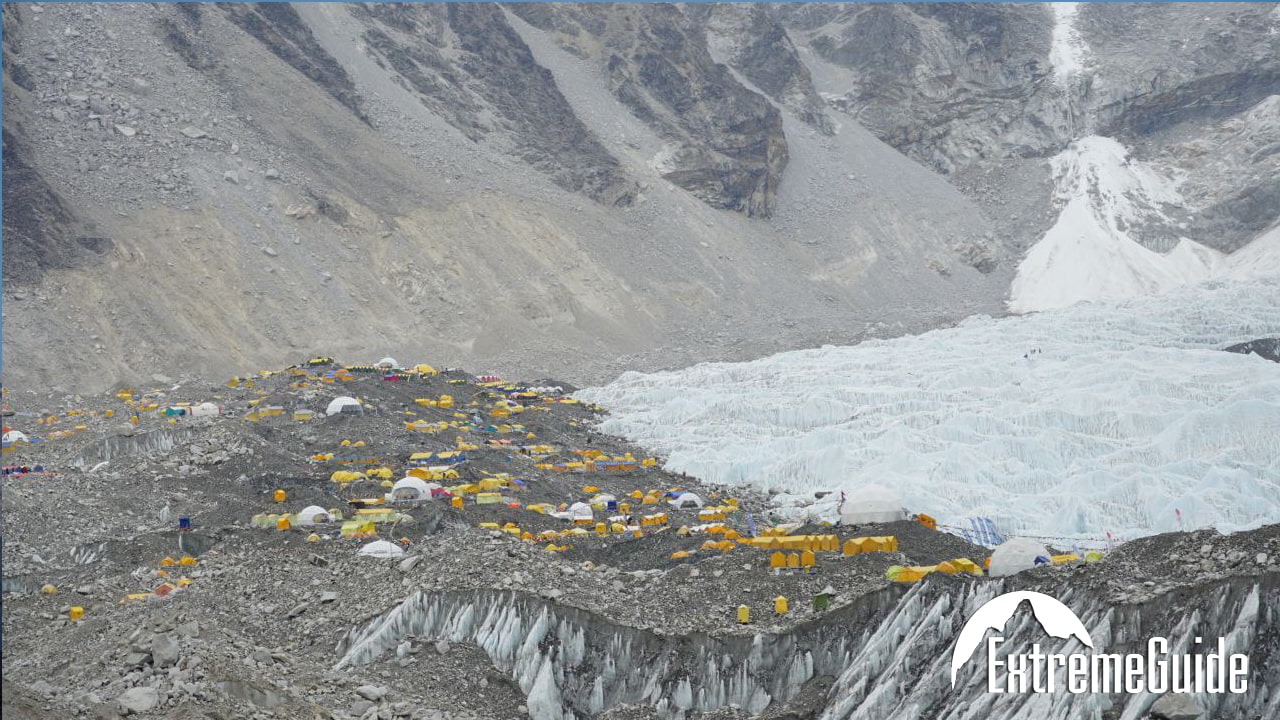
Our trek to Everest Base Camp is coming to an end. Today we are going to Gorakshep, the trek to the upper lodge will take 2.5-3 hours. After resting and having a snack, we will go to Everest Base Camp. We will go to the Khumbu glacier, do an interesting photo session. In the evening we will return to the lodge in Lobuche. And despite the fact that Lobuche is 200 meters lower than Gorak Shep, it is usually better to sleep here and the lodges are much warmer than in Gorak Shep. Therefore, we choose comfort :).
Trek 12 kilometers, 8-10 hours.
day
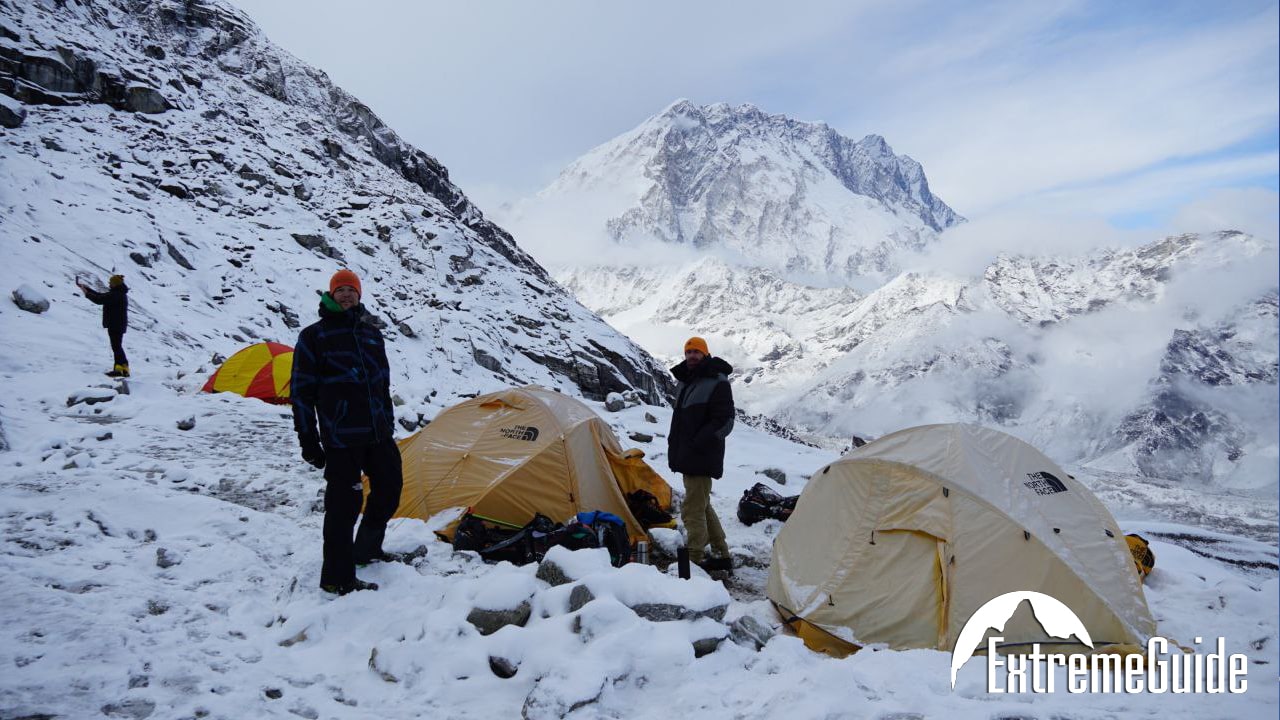
In the afternoon we move to the Lobuche Base Camp, which is located at an altitude of 5300 m. The climb along a rocky path takes about 3 hours. Setting up the camp. Early lights out.
day
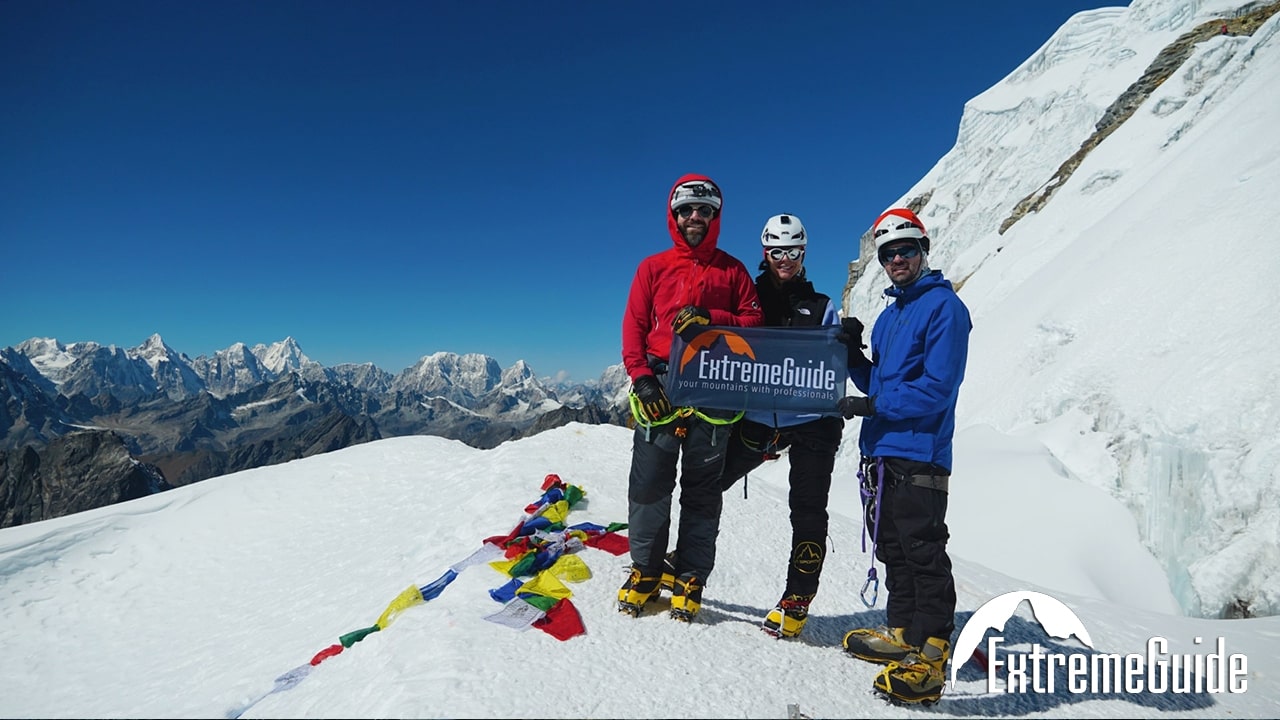
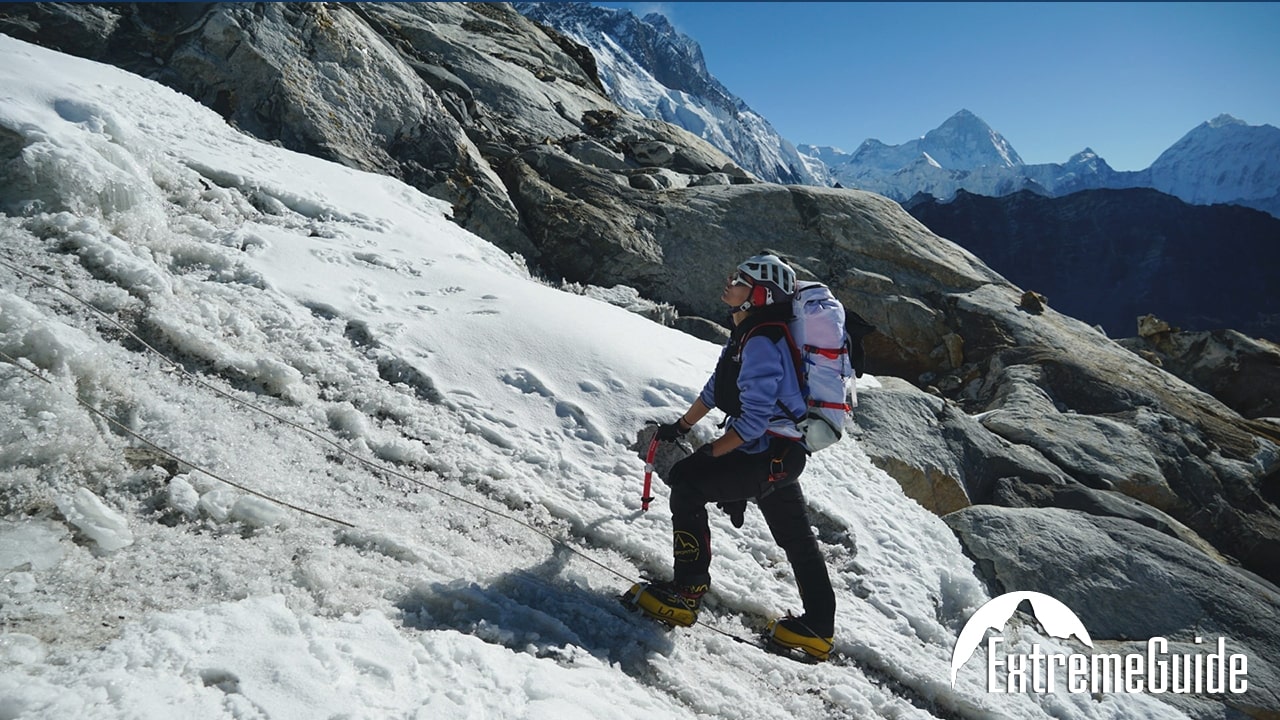
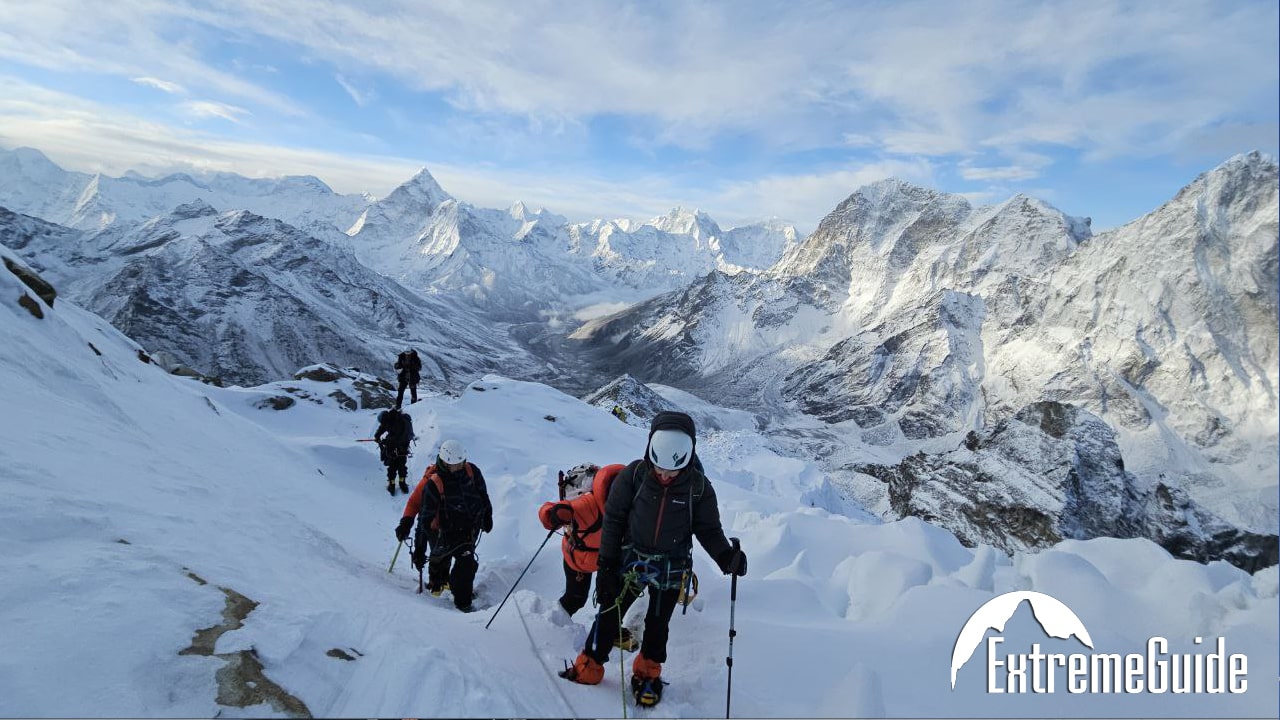
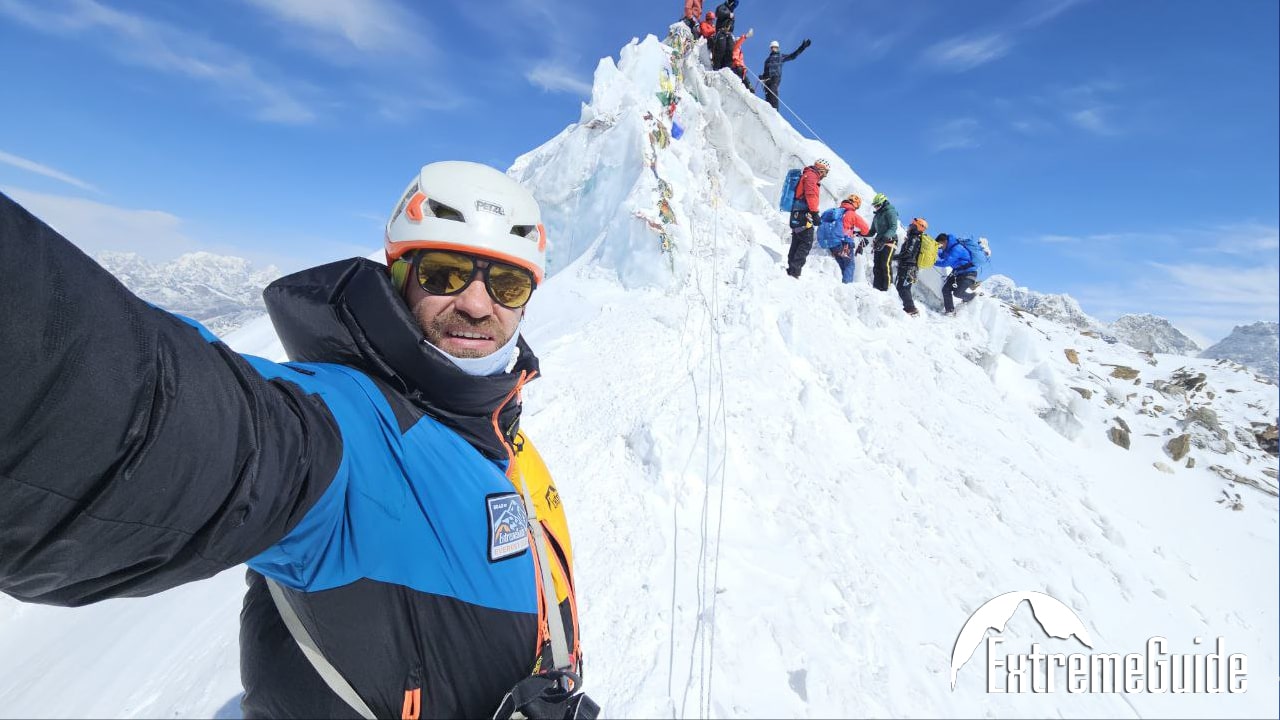
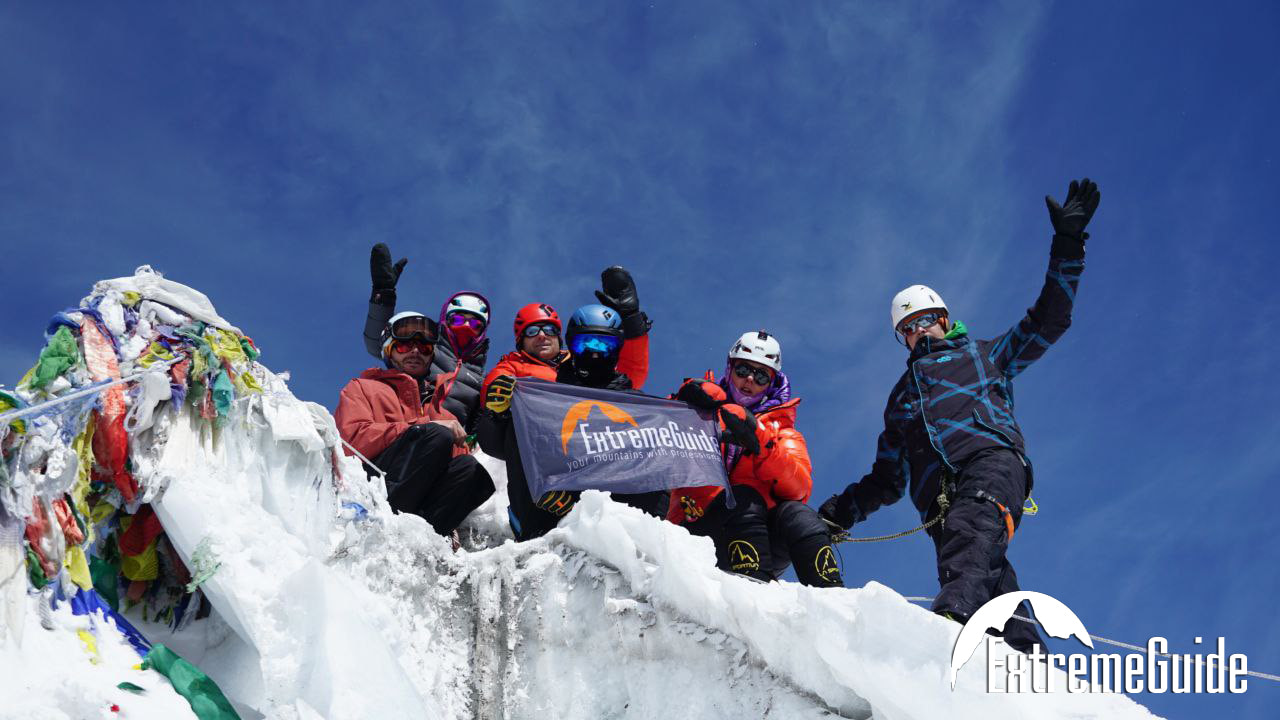
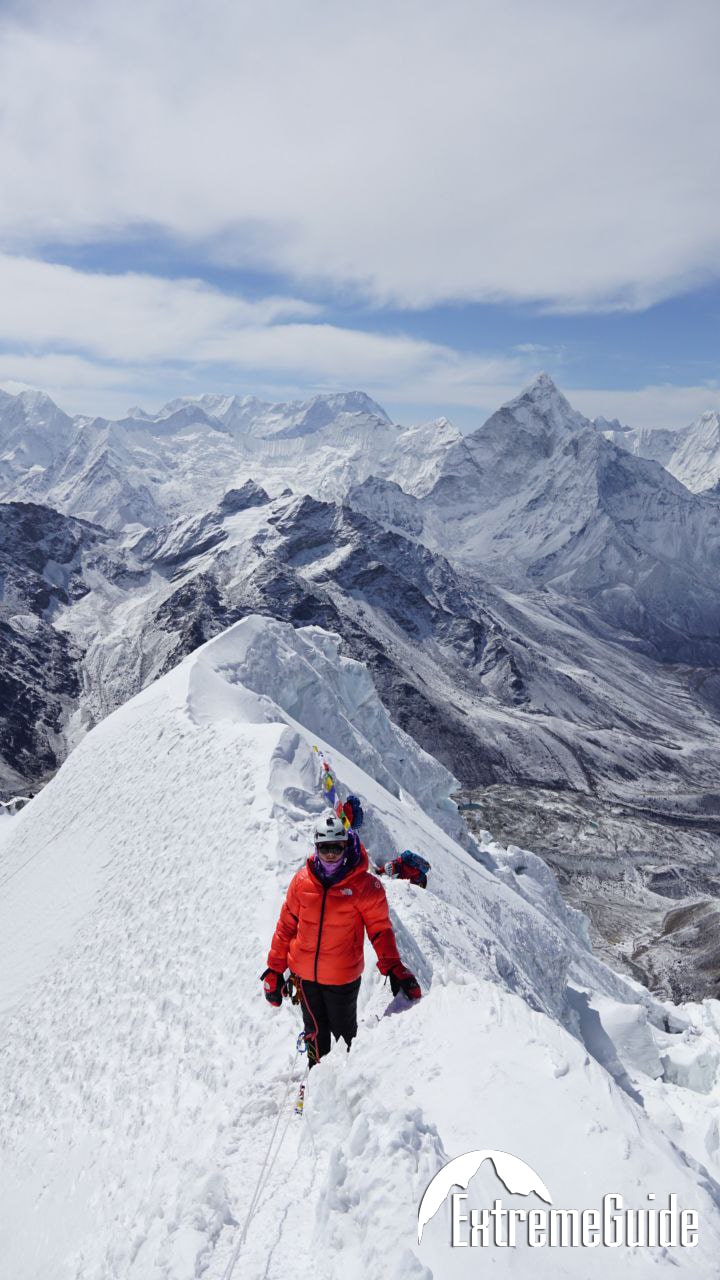
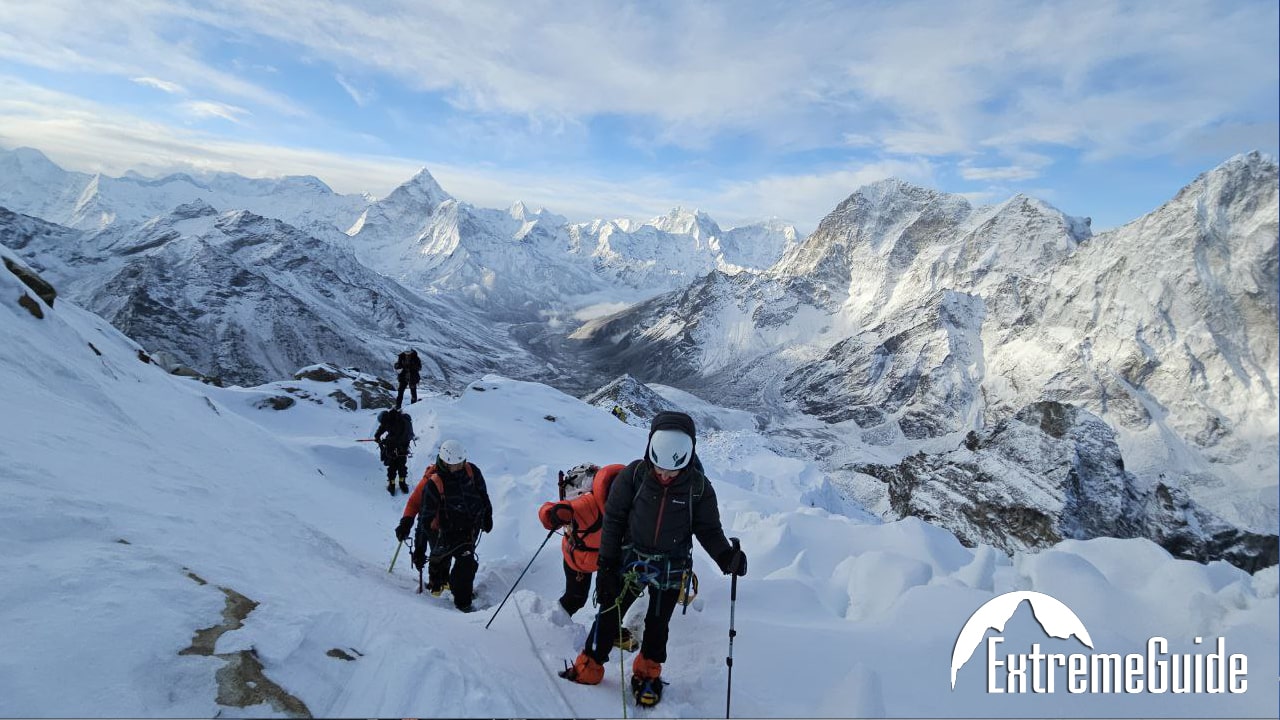
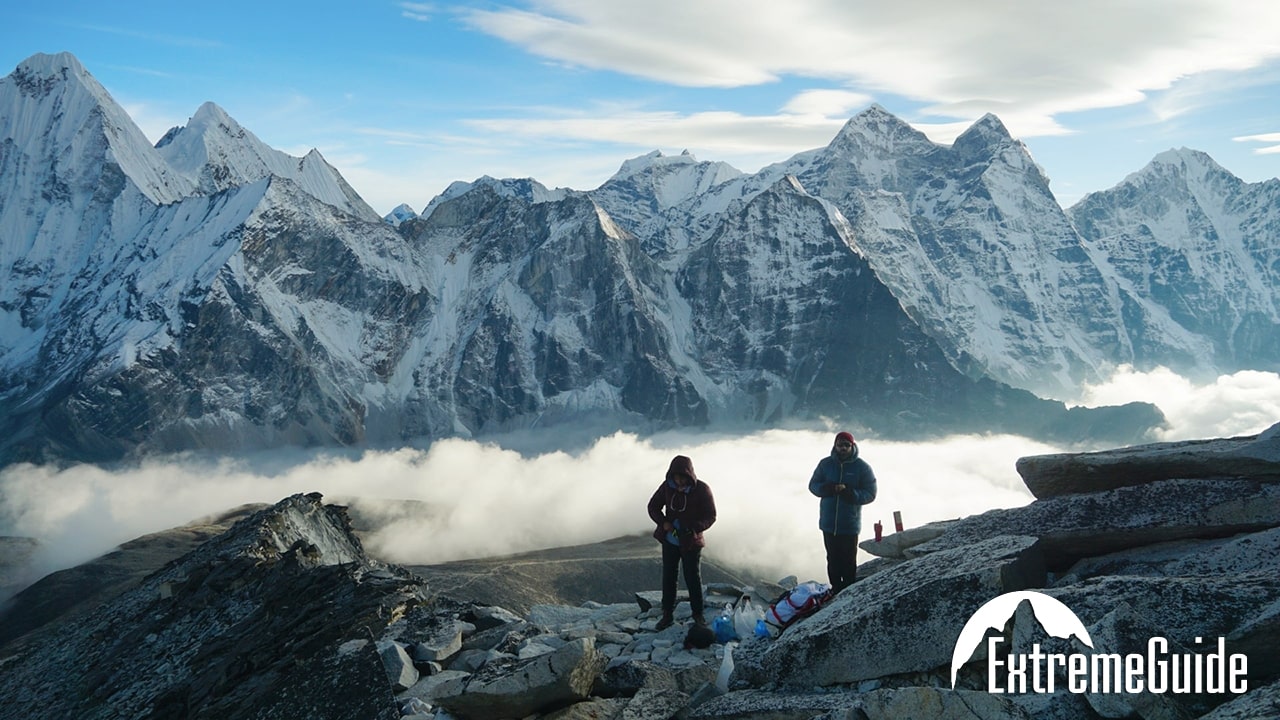
Get up early, leave no later than 3:00. The route partly goes along gentle rock slabs. Exit under the glacier where we put on crampons. The last 200 vertical meters exit to a snow-ice slope of 40 ° – 50 °. Movement in groups or with a jumar on a fixed rope. The climb to the peak of Lobuche is quite difficult and not safe. But we will climb to the pre-summit, the height of which is 6000 m. From here there is an incredible panorama of Everest, Nuptse, Lhotse, Makalu, Kanchenjunga, Amadablam and Pumori.
The total ascent time from Camp 5300 to the summit and back will take about 10-12 hours. Descent down to the lodge at 4600 m (Tukla).
day
Reserve in case of bad weather and other circumstances.
day
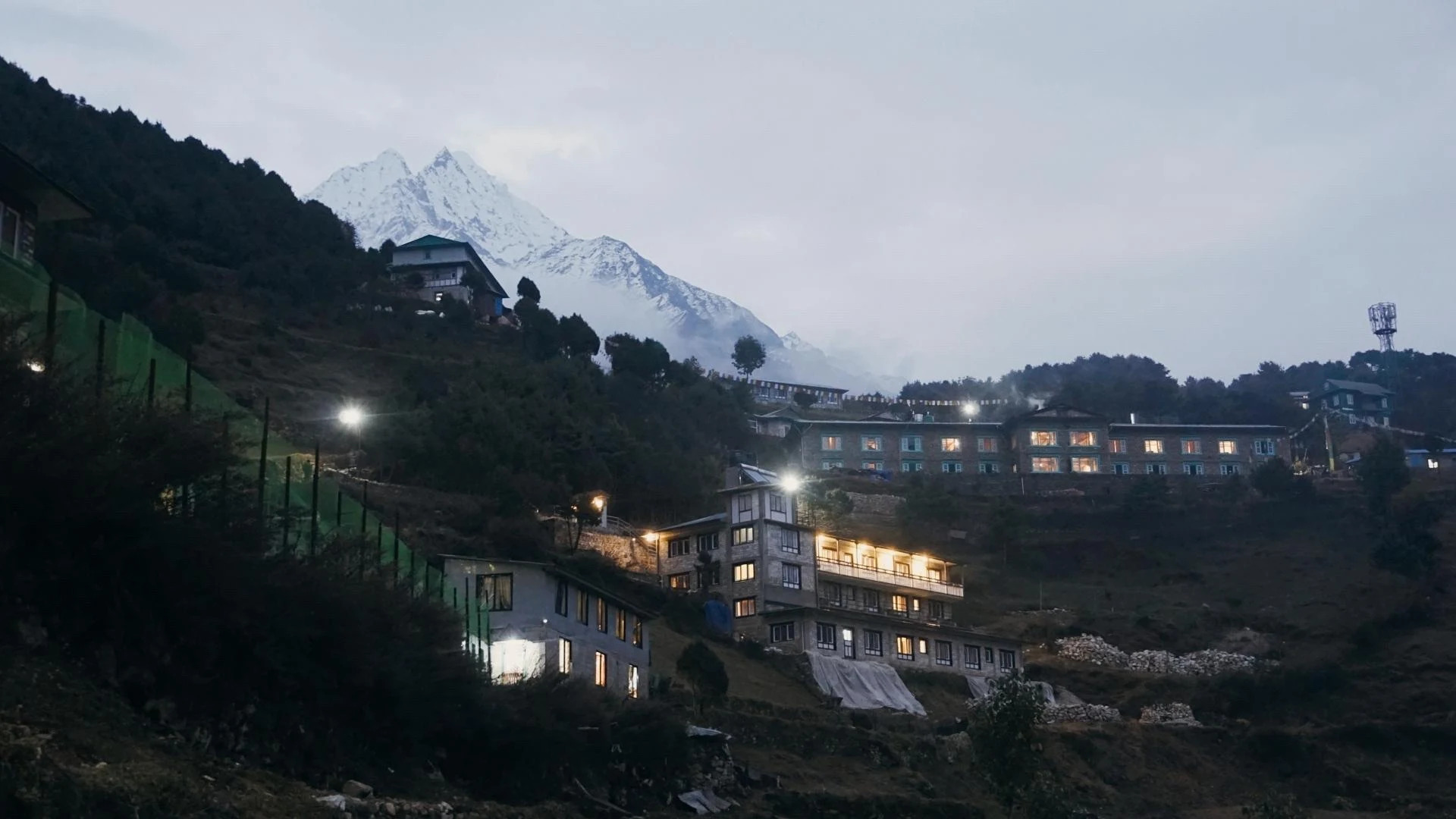
Today we have a long descent, about 5-6 hours, to a height of 3700 m. Finally, we can breathe deeply, enjoy the smells of juniper and rhododendrons. Overnight stay near the famous Tengboche monastery. Where you can go for a puja (a ritual service of local monks) in the evening.
day
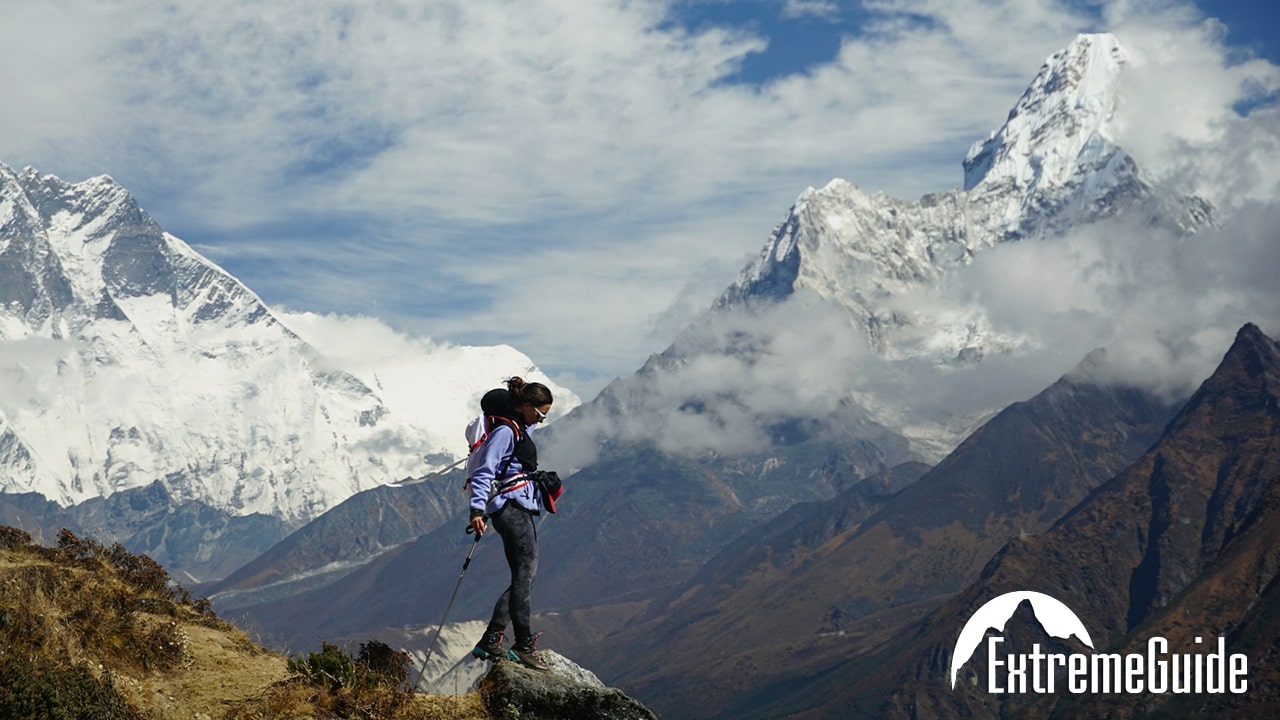
The road back is long and not so interesting, we say goodbye to the mountains and smile at those who still have everything ahead. Dingboche (Tukla) – Deboche. (about 4 hours), lunch with a view of Amadblam, continue the descent to Namche Bazaar. Night in the lodge.
Trekking 7-8 hours, 15-25 km
day
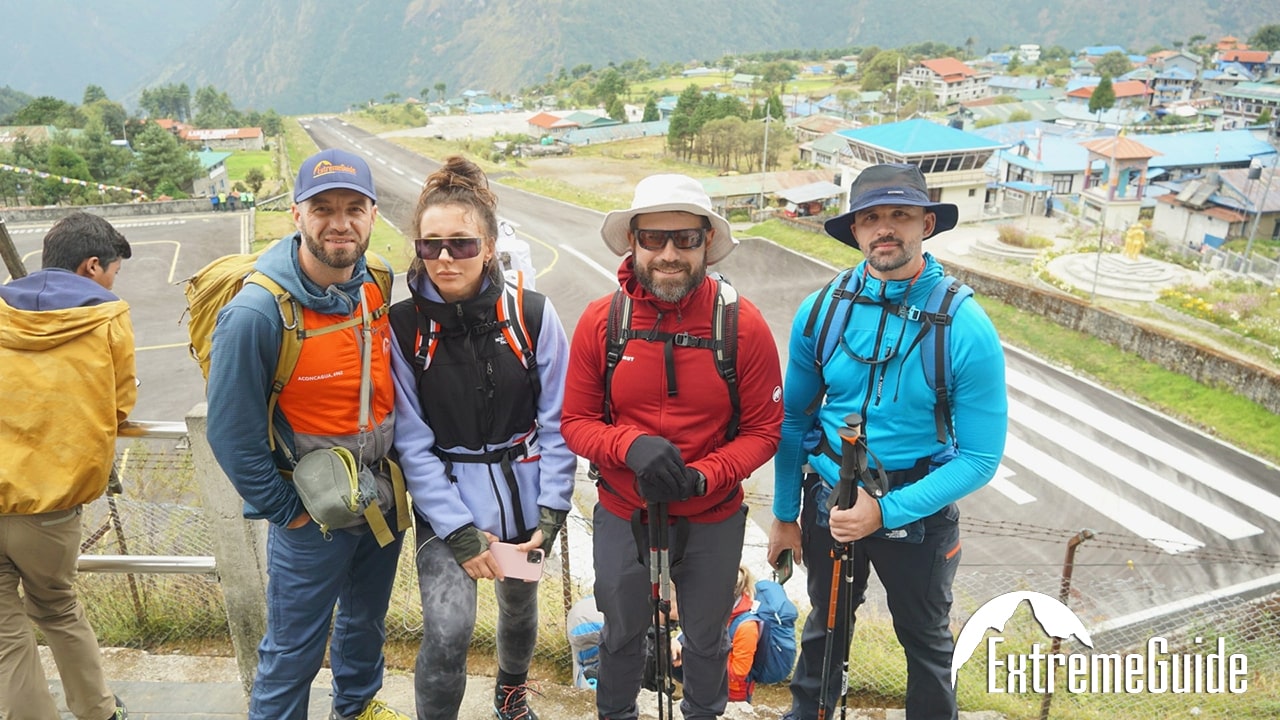
Final transfer to Lukla airport. 7-8 hours, 15 km.
day
If possible, early morning flight Lukla – Kathmandu (about 35 minutes). Transfer to the hotel.
Excursion to the famous Buddhist monastery Kopan, located on a hill in a fabulous place among picturesque nature. The monastery was founded by Lama Zopa Rimpoche in 1979. Walking around the area, observing the life of monks and communication. The monastery is a small area, but very beautiful and well-kept, and the atmosphere is so peaceful that it seems that life is going on in another dimension.
Next, an excursion to the ancient Hindu temple complex Pashupatinath (VII century) – one of the four most famous Hindu temples dedicated to the god Shiva. Inspection of ancient Hindu temples, stone sculptures (XVII -XVIII centuries) and the oldest monuments. Excursion to the Buddhist stupa Boudhanath (V century) – the largest stupa in the world and a recognized center of Buddhism. Near the stupa there are several temples and monasteries (of different directions), which can be visited during the service. Walking around the stupa and rotating the drums, believers seem to say a prayer a thousand times in honor of the Buddha.
Overnight at the hotel.
day
Breakfast. Transfer to the airport and flight from Kathmandu. Note: – After trekking/climbing, it is also possible to participate in the program of white water rafting on the Trisuli River and safari in the jungles of Chitwan – The program is not final and can be adjusted depending on the weather, the condition of the participants and other factors.
Kilometers: 40 – 50 km.
Why is it profitable to go hiking with Extremeguide?


Cost and conditions of climbing Lobuche Peak
Is this trip right for you?
This track does not require special training and is within the power of any average office worker. We recommend starting training no later than two months before the start of the trek: running, swimming, cycling. The total anaerobic load should be at least 1 hour 30 minutes (running on rough terrain at least 8-10 km), then you are guaranteed not to have health problems on the track. For more information about training, see our Youtube video channel. In case of chronic diseases, we recommend consulting a doctor.
Included in the price:
- Ukrainian-speaking certified guide with 7000+ experience;
- accompaniment by a certified high-altitude Sherpa guide during the climb (for groups of more than 3 people);
- all transfers around the country (meeting and seeing off at the airport);
- return transfer from the airport on the last day of the program;
- accommodation in a 4* hotel in Kathmandu – 3 nights;
- permit to Sagarmatha National Park;
- permit to climb Lobuche;
- air flight Kathmandu-Lukla and back;
- public special climbing equipment;
- camping equipment (tents, burners, gas, dishes);
- high-altitude meals during the autonomous part of the climb (dinner, breakfast and snack);
- porters for public equipment;
- porters for personal equipment up to 12 kg per person;
- Nepalese staff insurance;
- transport trunks for personal belongings;
- assistance in purchasing tickets and preparing for the climb;
- first aid kit and navigation aids from the guide;
- climbing certificate and souvenirs.
The price does not include:
- flight to Kathmandu from $1200;
- medical insurance with coverage of more than $30,000 (mandatory) – $150-200;
- expenses related to flight cancellation to/from Lukla from $150;
- accommodation on the trek in a lodge;
- additional nights in Kathmandu associated with an unplanned change of program;
- meals on the trek and in Kathmandu, shower and internet in lodges – up to $700;
- rental of personal equipment and climbing shoes ($70-100 per set);
- tips for local service staff and guide (about $150);
- tips for the main guide (optional);
- excess weight on the domestic flight Kathmandu – Lukla – Kathmandu (weight over 15 kg is paid at $1 / kg);
- entrance tickets and transfers during excursions ~$50;
- other expenses not specified in the program.
Cost depending on the number of participants
| Number of participants | Cost per 1 participant |
|---|---|
| 6 | 2800 USD |
| 5 | 3100 USD |
| 4 | 3400 USD |
| 3 | 3900 USD |
| 2 | 4400 USD |

Best price guarantee!
- We have included in the price all possible basic expenses for the program and guarantee that there are no hidden additional costs, while we have retained the best service at a low price: transfers, hotel accommodation, guides and staff!
We have a flexible discount system
Find out the details right now:
Necessary equipment
Basics:
- Duffel bag 80-100 l. (please note that in addition to personal belongings, food and public equipment should fit there) (More about choosing a backpack);
- Assault backpack 30-45 l.;
- Sleeping bag comfort -5…-10 С. (More about choosing a sleeping bag);
- Pad (More about choosing a pad)(it is advisable to have a thick and warm pad)
Shoes and clothing:
- Mountaineering boots – Lasportiva G2, Scarpa Phantom 6000 or warmer /or one-piece insulated shoe covers (it is important that the shoes are comfortable and worn in. Usually shoes are chosen with a thick socks and 1.5 – 2 sizes larger than the foot size) (More about choosing clothes and boots);
- Trekking boots (sneakers);
- Sandals or flip-flops (for the shower and cities);
- Gaiters (shoe covers, flashlights) for boots;
- Puff coat or warm jacket;
- Warm hat;
- Running pants (Gore-tex, cotton or synthetic);
- Running jacket (Gore-tex, cotton or synthetic);
- Warm pants;
- Rain cape (if your walking clothes get wet);
- Thermal underwear set (in the absence of thermal underwear, underpants and a jacket);
- Warm jacket (polar, fleece, or in extreme cases a sweater);
- Socks 2 pairs (“thermal socks” or other thick ones);
- Socks for overnight stays (preferably wool or fleece);
- Gloves or mittens (down or ski; the main thing is that they are windproof);
- Warm spare gloves;
- T-shirt;
- Change of underwear;
- Sun hat.
- Balaclava.
The rest:
- A cover for a backpack (or large plastic bags for packing things);
- Mug, spoon, bowl, knife (all this should be as light as possible – made of stainless steel or special plastic; do not take ceramic mugs or enamel dishes);
- Headlamp + spare set of batteries;
- Hygiene items (a toothbrush and a small tube of toothpaste, a bar of soap and a little shampoo will be enough; do not take full bottles of shower gel and shampoo, heaps of creams and lotions with you);
- Documents;
- Individual first aid kit (plaster, cold, stomach, head. You also need to take into account specific and chronic diseases, if any. In addition to the individual first aid kit, the instructor has a general);
- Mountaineering goggles (protection category 3-4);
- lip balm chapstick ;
- Sunscreen ointment (with SPF 30-50);
- Water bottle ( 1-2 l.)
Special equipment:
- Safety system;
- Self-belay system — 2 pcs.;
- Descender system Reverso Peztl or ATX Guide Black Dimond;
- Carabiners 4 pcs (2 large, 2 medium);
- Mountaineering helmet (a ski helmet will not work!);
- Classic ice axe;
- Crampons (that match your boots).
- ascender (jug).
Ideally, all your gear should weigh no more than 8-10 kg with a backpack.
Overview and Gear List for Climbing in Nepal
- Thermos (0.5 – 1.0 liters);
- Camera;
- Seating pad;
- Trekking poles.
Additional information
Shower on the track is paid – 3-5 $, charging the device to a “full battery” – 1-3 $. Therefore, it is worth immediately including these costs in the estimate.
Bottled water is 1-3 USD, but there is an alternative – tap water, which comes from clean mountain streams.
We will walk slowly, enjoying the views and taking pictures. Usually, we leave the overnight stay at 9 am and arrive at the final destination at 3:00 pm – 4:00 pm. During this period, it is already dark somewhere around 6:00 pm – 6:30 pm.
- visa is issued at the airport upon arrival and does not require additional documents;
- international passport;
- accident and medical insurance (insurance with coverage of at least 30,000 USD and must insure risks associated with active stay in the mountains).
Be sure to check out more details here!
The meeting time of the group at Kathmandu airport will be specified once we know your exact arrival time.
An important feature of trekking in Nepal is that you have the opportunity to give most of the necessary load on the track to the porter, and thus make both you and the Nepalese happy, whom you will help earn $ 15-20. Although you can refuse this service. The average weight of a porter’s backpack is 25 kg. And we will live and eat in the lodges.
In Kathmandu we live in a comfortable hotel ***, where we can leave city and unnecessary things for storage.
Therefore, we take the most necessary things on the trek: walking clothes. It is necessary to take into account that it will be very warm down there for the first 2-3 days, and the usual outfit is shorts, a T-shirt and a Panama hat, a scarf around the neck. It is cooler up there, so the necessary trekking pants, a windbreaker jacket. It is better to leave the hair dryer, hair curler and portable toaster at home.
Since we will spend the night in the loggias, we need a sleeping bag for a comfort temperature of 0 … – 5 C. Having a lighter sleeping bag is not a problem, since you can always ask for a warm blanket and cover yourself with it from above, especially in Lobuche and Gorak-Shep. Also for overnight stays and long evenings in the upper loggias, you must have thermal underwear, a set of fleece sweater and pants + a warm jacket or down sweater, a hat and glove, glasses (in general, everything on the list), for the shower have separate flip-flops / slippers and a towel. A backpack for 25-35 liters, where you will put a thermos or water, valuables, a jacket and warmth, and other things needed during the day, and which you will carry yourself.
A loggia is a guest house where there is accommodation for 2-3 people in a room, a shower and toilet on the floor, and a dining room downstairs. The conditions are an order of magnitude worse than in a regular hotel, but still better than in a tent. For a comfortable overnight stay, we recommend taking a sleeping bag (since it can be quite cool at night and the bedspread in the room does not warm you much). In the upper villages, there may also be no light or a stationary shower (you can only wash yourself from a bucket of hot water). The rooms in the huts are the simplest with two or three beds.
We will eat in the lodges, where you can order food from the menu. The price of a plate of rice + salad is 7-8$. The average bill for food per day is 20-25$ – breakfast, lunch and dinner. Be ready for the fact that the cuisine is based on rice and rice noodles and oatmeal for breakfast. Bread is very expensive. Chocolate and cookies cost 3-4 USD. In addition, it is better to forget about meat dishes in the upper lodges for a while. You can take with you some products that you will not have on the trek: sausage, canned goods, chocolate, dried fruits, a portable burner and heat up tea with sandwiches during halts. But keep in mind that cooking your own food in the lodges is not allowed, the Sherpa owners are against people eating outside their dining room (that’s how they build their business), they charge a small fee for housing, and build their main profit on the sale of food. In any case, it makes sense to take a burner and a small pot to boil tea for yourself in unlimited quantities.
Local children love sweets and willingly allow themselves to be photographed in exchange for candy or chocolate.
Meals in Kathmandu in a restaurant per day come out to the same 25-30 USD; in colorful establishments for locals 15-20 USD.
Please note that the total weight you can give to the porter is 10 kg per person. Your small backpack will weigh up to 5-7 kg.
The guides will have a first aid kit for emergency medicine, but having a personal band-aid, headache tablets, cold remedies and painkillers is a must + vitamin C and group B for better adaptation in the mountains.
Connection on the track 3G – with a local SIM card only up to Namche Bazaar. Above that, the Internet is only paid $ 3 per 100 MB.
The weather in Kathmandu is hot, the usual temperature is +25… +30°С.
On the mountain trek the first couple of days are +20… +15°С, but then it will get colder. During the day -5°С, at night – up to -10… -15°С.
This route takes place at altitudes above 4000 meters, where solar radiation is many times stronger than on the plain, the mountain climate and thin air affect the state of the body during the first 5-7 days of the trek. If you do not acclimatize properly and quickly gain altitude, you may develop altitude sickness.
Therefore, we have developed a special acclimatization program and control of the condition of each participant on the route. The track is not technically difficult and goes along a mountain road, but requires good physical preparation and compliance with safety rules in the mountains. All instructions of the guide on the route are mandatory!
Features of acclimatization in high mountains
Physical and mental preparation before climbing and hiking in the mountains
Absence of diseases incompatible with active tourism: List of diseases
The table shows the basic cost for a group and may change depending on the number of people in the group. For the calculation of the cost of the tour for a smaller number of people and individual groups, see the «Price» block for more details.
We guarantee that on the dates indicated in the table, even if there is a minimum number of people allowed in the group, the tour will take place 100% with a minimum change in cost.
Pleasant bonuses, which everyone receives when ordering a tour with us


Photo of previous trips


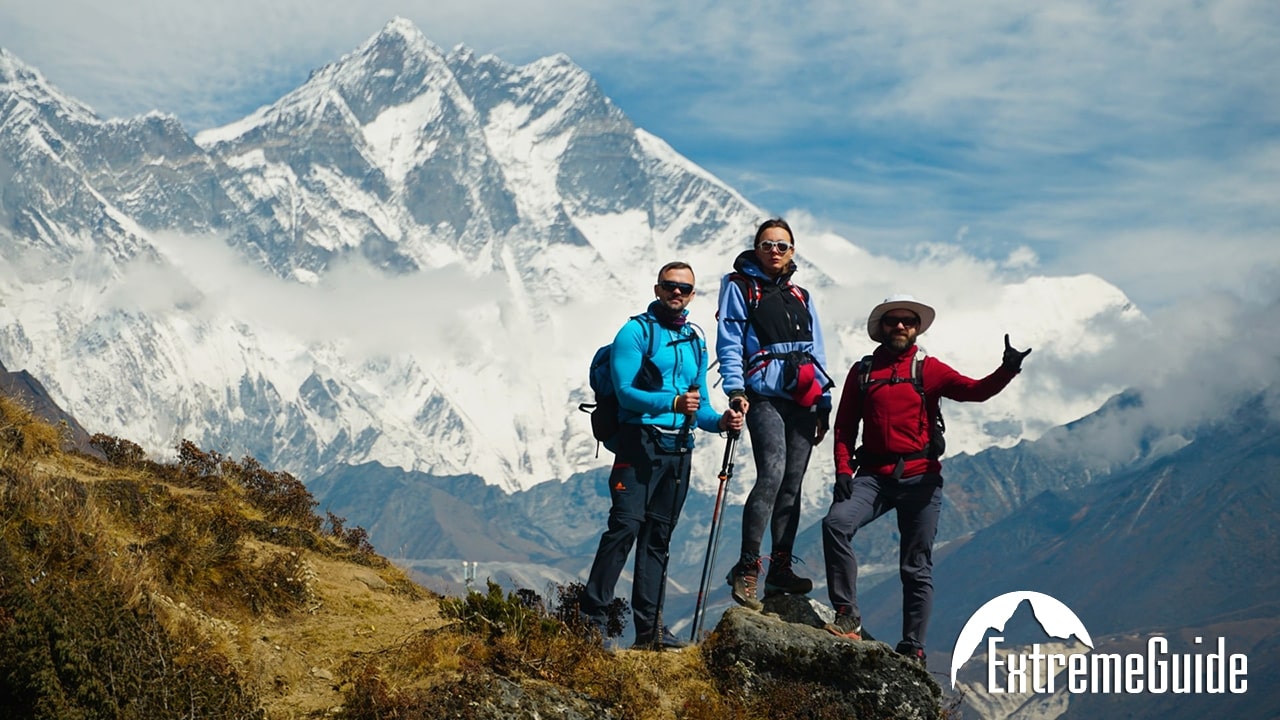
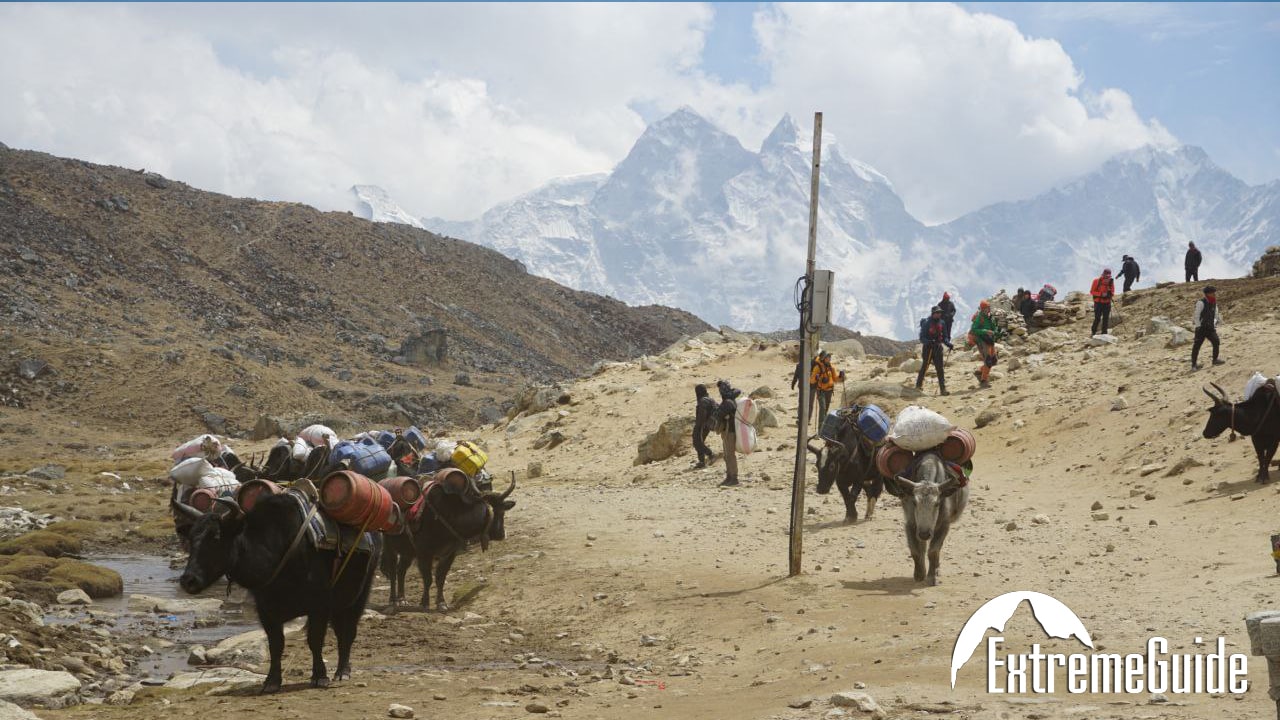
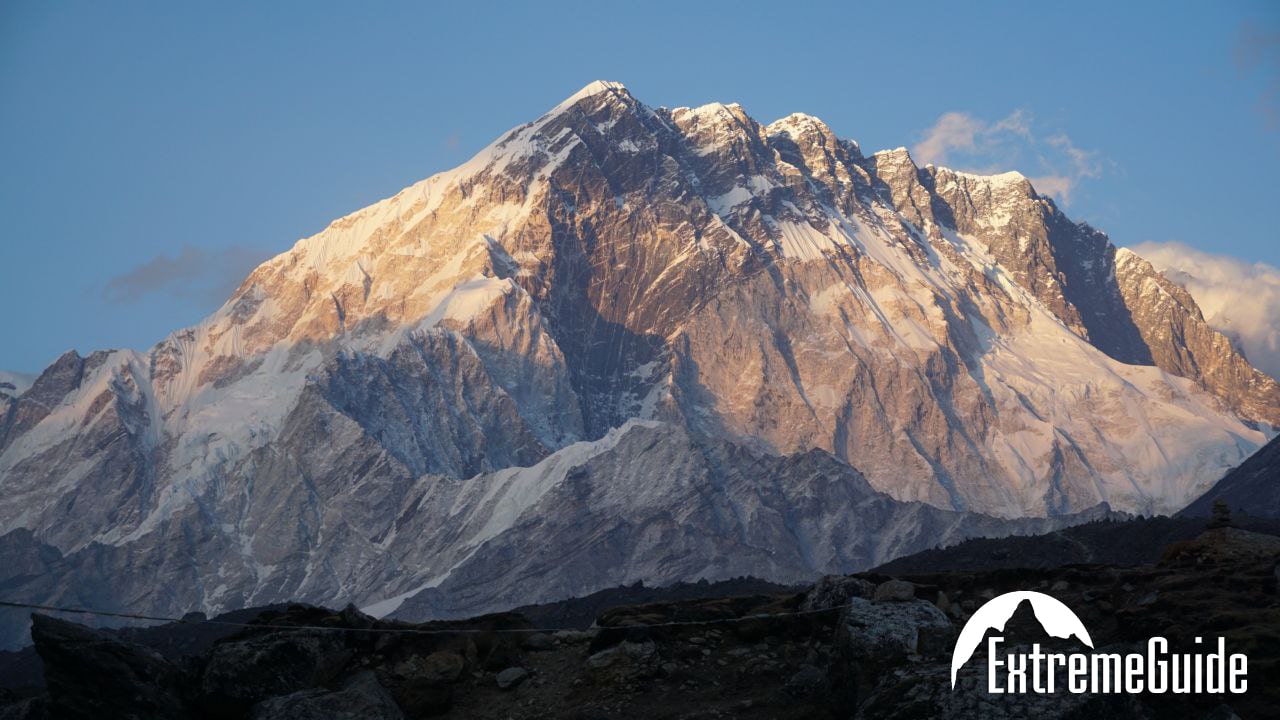
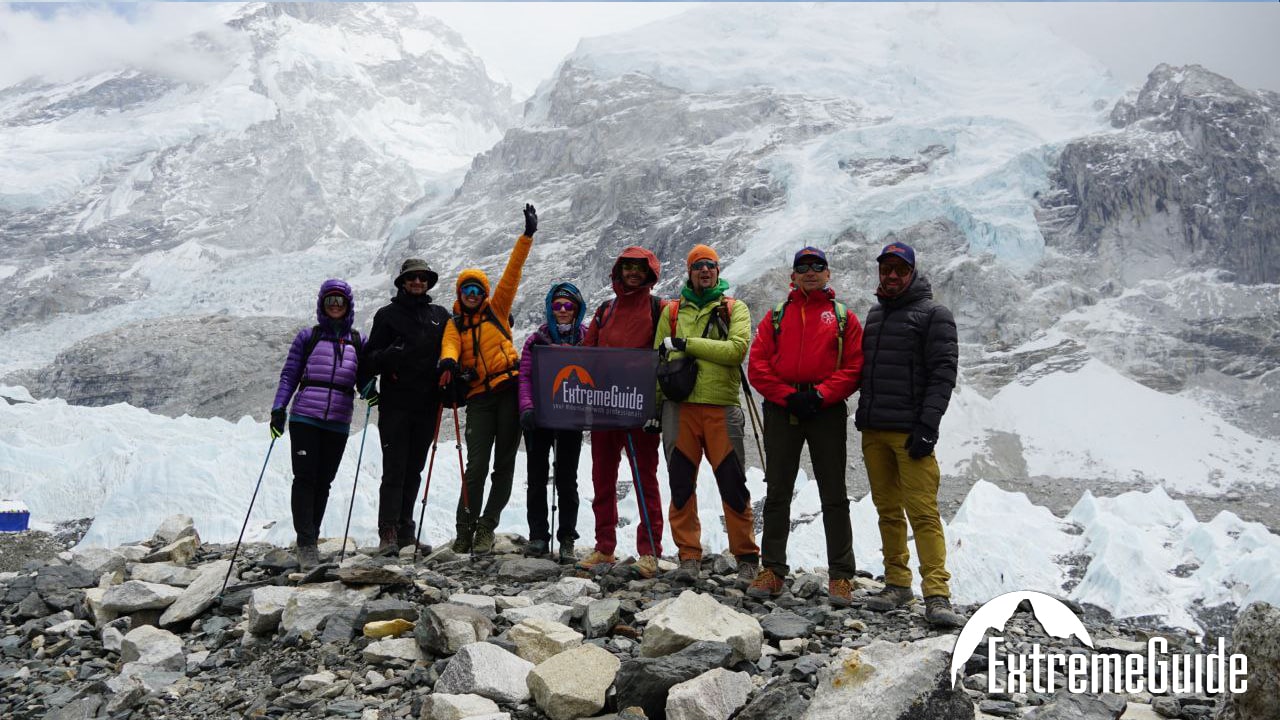




Reviews of our travelers
Not my first time with Extreme Guide! This month we went to Himalayas for our Lobuche Peak expedition. It really surprised me how everything was organized by our team leader Oleg. He is absolute legend and professional in what he... More

Відвідав Непал з підйомом на пік Лобуче разом з ЕкстрімГайд!Було цікаво, незвично, та реально екстримально. Якщо хочете випробувати сили на 6ти тисячнику та не боїтесь викликів – можу рекомендувати на всі 100% вам цей тур від ЕкстрімГайд. More
Recommended tours
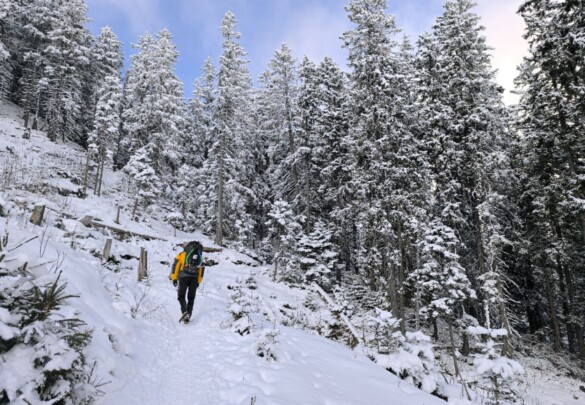 Slovakia (Tatras)
Dates:
March 21 - March 22
Complexity:
Duration:
Height:

5.0 (2)
Left: 3 places
 Tajikistan (Fan Mountains)
 Dates:
July 12 - July 21
July 12 - July 24
July 25 - August 3
July 25 - August 6
August 8 - August 17
August 8 - August 20
Complexity:
Duration:
Height:

5.0 (15)
Left: 5 places
 Nepal (Himalayas)
 Dates:
October 25 - November 11
Complexity:
Duration:
Height:

Left: 6 places
 Mexico
 Dates:
March 14 - March 23
March 14 - March 30
Complexity:
Duration:
Height:

4.9 (27)
Left: 8 places
 Kyrgyzstan
 Dates:
July 11 - July 23
Complexity:
Duration:
Height:
Left: 3 places
 Kyrgyzstan
 Dates:
July 18 - August 8
Complexity:
Duration:
Height:
5.0 (15)
Left: 6 places
 Turkey
 Dates:
May 2 - May 9
September 28 - October 5
Complexity:
Duration:
Height:
Left: 4 places
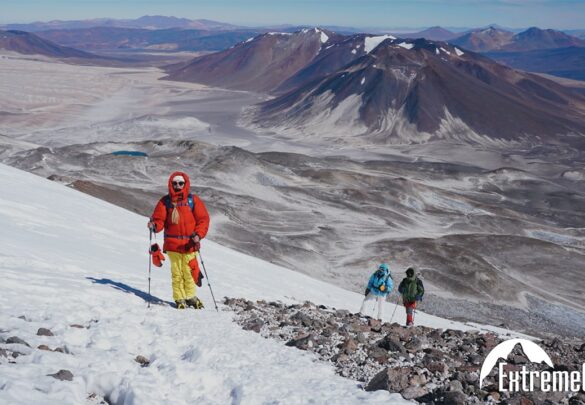 Argentina
 Dates:
January 24 - February 16
Complexity:
Duration:
Height:
Left: 8 places
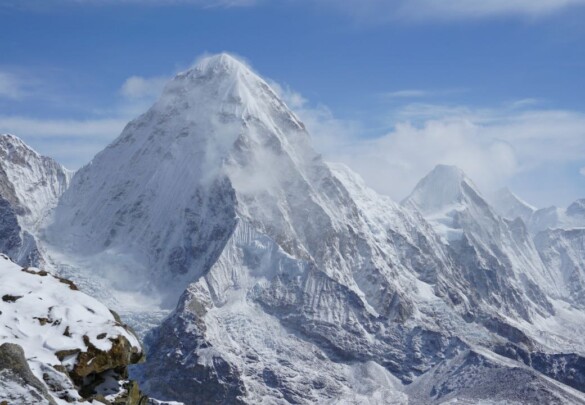 Nepal (Himalayas)
 Dates:
Complexity:
Duration:
Height:
 Bolivia
 Dates:
Complexity:
Duration:
Height:
 Argentina
 Dates:
Complexity:
Duration:
Height:
 Slovakia (Tatras)
 Dates:
Complexity:
Duration:
Height: