
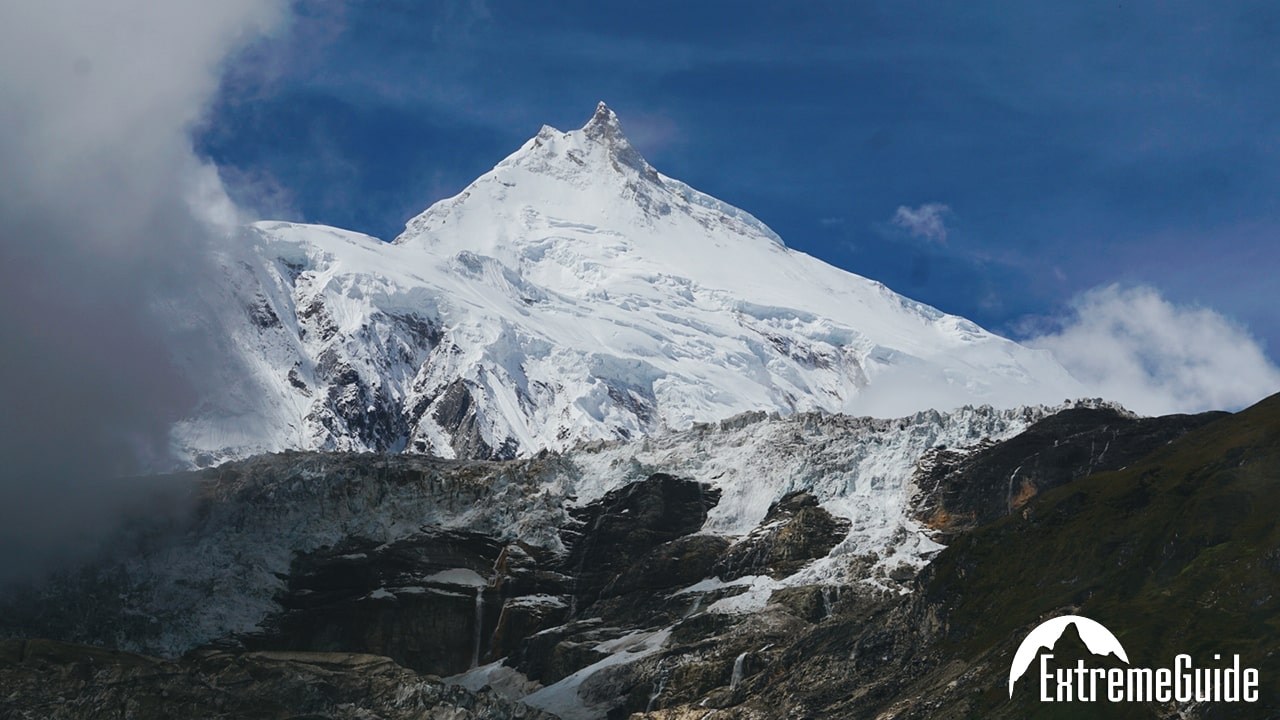
Manaslu (8163 m) or “Spirit Mountain” is the eighth highest eight-thousander in the world. It is one of the most accessible eight-thousanders in Nepal. The mountain’s popularity is also rapidly growing due to periodic restrictions on climbing Cho Oyu from the Chinese side. In addition, the cost of climbing this eight-thousander is currently the most affordable.
The first ascent of Manaslu was made by a Japanese expedition in 1956. Since then, many ascents have been made on this mountain: various traverses and even ascents and descents on skis.
The leader of the Manaslu expedition is Oleh Ivanchenko, a mountain guide with more than 17 years of experience. He has successfully climbed 7,000-meter peaks in Central Asia, Nepal, and South America. In 2023 and 2025, he led expeditions to Everest (8,848 m), and in 2024 — to Lhotse (8,516 m) and Manaslu (8,163 m). He is an apprentice guide with the International Federation of Mountain Guides Associations (IFMGA/KMGA).
Among his achievements is organizing the 2023 Everest expedition, which ended in success for the entire team; two records were set: the first ascent of a Cypriot woman to the summit, and the first ascent by a Ukrainian married couple. In 2021, he organized an oxygen-free attempt on Lhotse — the group reached 7,900 m, but deep snow over one meter prevented further progress.
Oleh, a “playing coach,” is an example of intellectual alpinism. He does not chase daredevil glory — he builds a business on client safety and comfort.
The expedition will be organized jointly with proven Nepalese partners, who will take care of all the paperwork for the expedition: permits, liaison officers, organization of fixed ropes, base camp, cargo delivery and other matters.
Compared to other 8 thousanders, the price for the ascent is quite moderate and lower than similar tours presented on the market of the former CIS, but with better service.
Why you should climb Manaslu with us:
— experienced guides;
— trusted Nepalese partners;
— optimal set of services at a reasonable price;
— assistance in packing, support at all stages of preparation and ascent by our guides;
— personal approach to everyone!
Главные впечатления от похода по Фанским горам:
Climbing route to Manaslu:
Kathmandu – Besisahar – Dharapani – Tilje – Bimthang – Larkya La – Shamdo – Sama Gaon – Manaslu – Sama Gaon – Namrung – Filim – Machakhola – Arugat – Kathmandu
Your guides for climbing Mt. Manaslu
Route of climbing Manaslu by days
day
Arrival at Kathmandu airport. Meeting with the guide, transfer to Thamel, accommodation at the hotel. Free time. Purchase of necessary equipment. Night at the hotel. Welcome dinner.
day
We resolve the necessary issues with obtaining permits, final briefing, register luggage and cargo for delivery to the BC. Night at the hotel. Meals: breakfast.
day
In the morning departure from Kathmandu to Besisahar. Travel time 6-8 hours. Altitude 950 m. Night in the lodge.
day
Today we transfer to an SUV, moving to the 1300 m mark, village Dharapani, 5 hours travel. Night in the lodge.
day
Beginning of the trekking part. Transfer to Tilje (2300 – 6 hours). Night in the lodge.
day
Trek to Bhimtang, 3590 m. 6 hours on the way. Overnight stay in the lodge.
day
Rest and acclimatization day in Bhimtang. Overnight in the lodge.
day
Today we climb to the Larkya La pass (5215 m) and then descend to the village of Shamdo, 3875 m. The journey takes 10 hours. Overnight stay in the lodge.
day
Trek to Sama Gaon, 3780 m, 3 hours. Night in the lodge.
day
Trek to Manaslu Base Camp, 4700 m, 4 hours. Accommodation in a tent camp.
day
Acclimatization and ascent of Mt. Manaslu (8163 m), taking into account reserve days. Overnight stays in camps. As part of acclimatization, descent to rest in Sama Gaon.
day
Acclimatization and ascent of Mt. Manaslu (8163 m), taking into account reserve days. Overnight stays in camps. As part of acclimatization, descent to rest in Sama Gaon.
day
Acclimatization and ascent of Mt. Manaslu (8163 m), taking into account reserve days. Overnight stays in camps. As part of acclimatization, descent to rest in Sama Gaon.
day
Acclimatization and ascent of Mt. Manaslu (8163 m), taking into account reserve days. Overnight stays in camps. As part of acclimatization, descent to rest in Sama Gaon.
day
Acclimatization and ascent of Mt. Manaslu (8163 m), taking into account reserve days. Overnight stays in camps. As part of acclimatization, descent to rest in Sama Gaon.
day
Acclimatization and ascent of Mt. Manaslu (8163 m), taking into account reserve days. Overnight stays in camps. As part of acclimatization, descent to rest in Sama Gaon.
day
Acclimatization and ascent of Mt. Manaslu (8163 m), taking into account reserve days. Overnight stays in camps. As part of acclimatization, descent to rest in Sama Gaon.
day
Acclimatization and ascent of Mt. Manaslu (8163 m), taking into account reserve days. Overnight stays in camps. As part of acclimatization, descent to rest in Sama Gaon.
day
Acclimatization and ascent of Mt. Manaslu (8163 m), taking into account reserve days. Overnight stays in camps. As part of acclimatization, descent to rest in Sama Gaon.
day
Acclimatization and ascent of Mt. Manaslu (8163 m), taking into account reserve days. Overnight stays in camps. As part of acclimatization, descent to rest in Sama Gaon.
day
Acclimatization and ascent of Mt. Manaslu (8163 m), taking into account reserve days. Overnight stays in camps. As part of acclimatization, descent to rest in Sama Gaon.
day
Acclimatization and ascent of Mt. Manaslu (8163 m), taking into account reserve days. Overnight stays in camps. As part of acclimatization, descent to rest in Sama Gaon.
day
Packing up camp and preparing for the descent to Kathmandu.
day
Transfer to Sama Gaon, 3780 m. Night in the lodge.
day
Trekking to Namrung, 2550 m. 5 hours on the way. Overnight in the lodge.
day
Trekking to the village of Fili, 2300 m. 6 hours on the way. Night in the lodge.
day
Trekking to Makhachkola, 1330 m. Night in the lodge.
day
Trekking to Sotikhola. Transfer by jeep to Arugat, 950 m. Night in the lodge.
day
Arrival in Kathmandu, 7 hours. Accommodation at the hotel. Festive dinner and summing up.
day
Farewell to the group, flight home. Note: — The program is potentially dangerous for your health and life, in connection with which the expedition leader-guide makes the final decision on the possibility of the final assault, chooses the optimal acclimatization and rest schedule; — The guide is not responsible for your health and life. The guide’s task is to create safe conditions for the ascent, choose the line of movement, and build the optimal acclimatization and rest schedule.
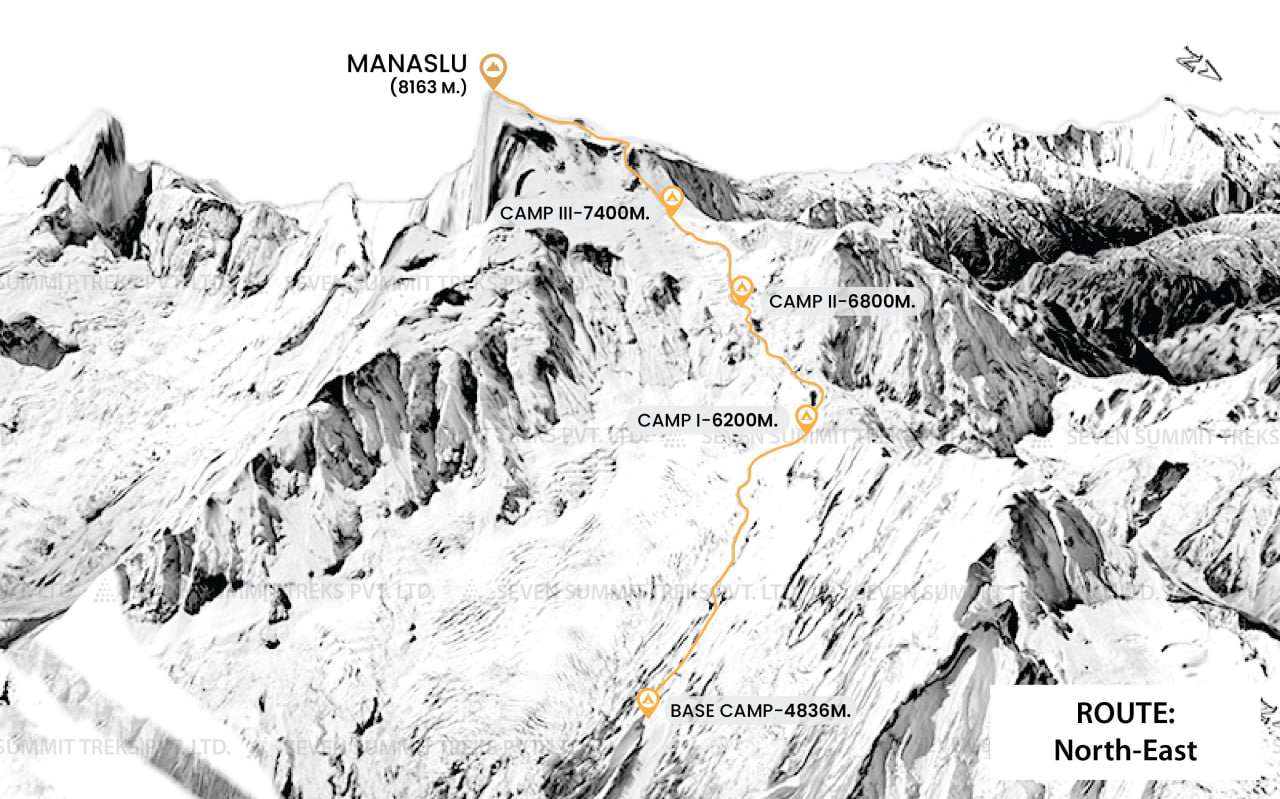
Map of the route of ascent to Mount Manaslu:

Why is it profitable to go hiking with Extremeguide?


Cost and conditions of climbing Manaslu
Is this trip right for you?
Minimum experience to participate in this program: experience of climbing at 6500-7000 in Nepal, Central Asia and other regions.
Included in the price:
Service package “Standard”:
(an optimal service for those who want a budget-friendly ascent of Manaslu accompanied by an experienced Ukrainian guide):
- Full program guidance by lead guide Oleg Ivanchenko of “ExtremeGuide”;
- All transfers according to the program;
- Airport meet & greet and farewell;
- Accommodation in a 5★ hotel, 4 nights;
- Transportation by chartered vehicles (jeeps, minibus) Kathmandu – Dharapani / Arughat – Kathmandu;
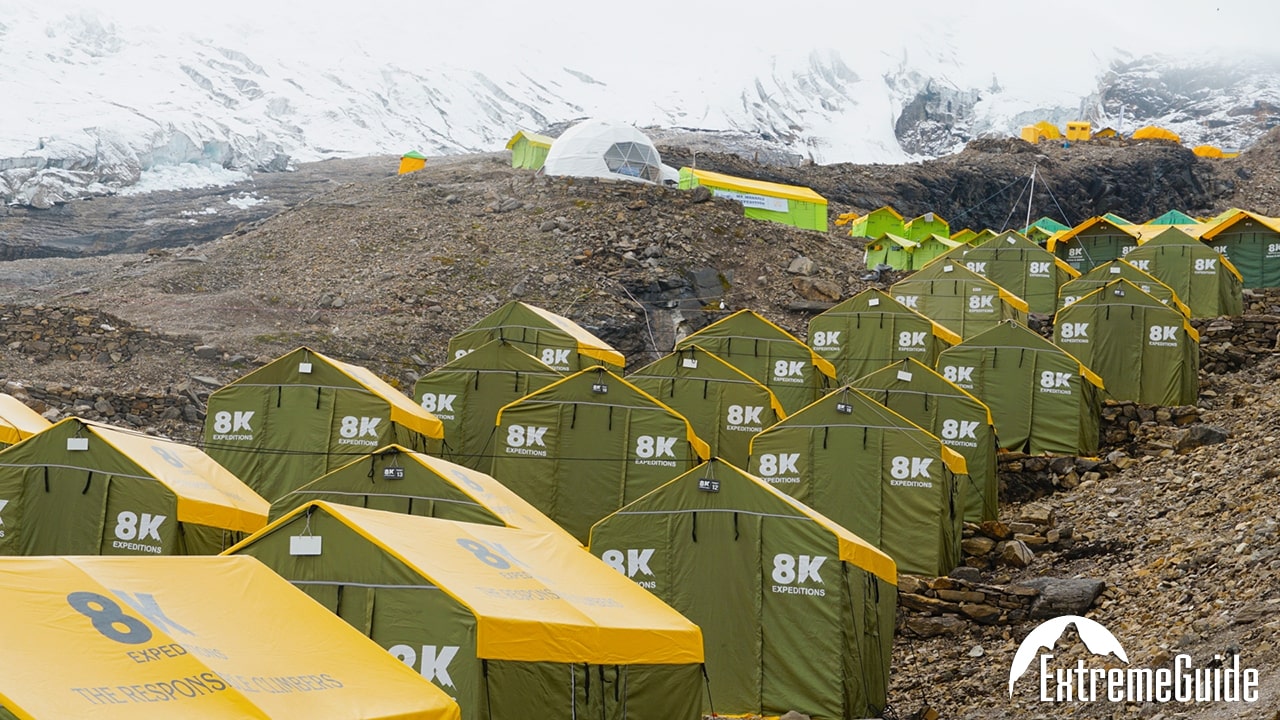
- Fully equipped Base Camp: kitchen–dining tent, tables and chairs, lounge area, tableware;
- Personal tent at Base Camp 4700 m (single occupancy) + mattresses and pillows;
- Toilet and shower at Base Camp;
- Heater in the dining tent;
- Lighting and phone charging from a generator at Base Camp;
- Walkie-talkies (constant communication with Base Camp);
- Garbage deposit;
- Three meals per day during the trekking period in lodges;
- Lodge accommodation during trekking (double occupancy);
- Cook and full board (3 meals a day), unlimited tea at Base Camp;
- Load carrying: up to 40 kg of personal gear to Base Camp and 30 kg down per person;
- Entry permit to the “Annapurna and Manaslu Conservation Area” (ACAP/MCAP);
- Manaslu climbing permit;
- Liaison officer;
- High-altitude meals during acclimatization and summit period (freeze-dried food);
- Gas and cookware for high-altitude camps;
- Fixed ropes installed by Sherpas above Base Camp up to the summit;
- Group technical gear for the guide: ropes, ice screws;
- 3 (three) oxygen cylinders and a mask with regulator;
- *Tent rental at Camps 1, 2, and 3 (participants set them up independently);
- All equipment, salaries, and taxes for the entire Nepalese staff;
- Solar panels and charging facilities for mobile phones and other devices at Base Camp;
- Satellite phone at Base Camp for communication;
- Transport duffel bags for gear transportation;
- Group first-aid kit carried by the guide;
- Weather forecast;
- Consultations and assistance with gear selection and preparation from the guide;
- Farewell dinner at a traditional Nepalese restaurant with a presentation of local culture in Kathmandu;
- Special branded expedition merchandise and uniform;
- Certificate of successful ascent.
The price does not include:
Service package “Standard”:
(from 3000 USD including airfare and summit bonus for a personal Sherpa, excluding the cost of high-altitude equipment):
- International airfare to Kathmandu (from $1,000);
- Nepal visa – $100;
- Meals in Kathmandu and during transfers – from $30/day;
- Satellite phone calls – $4/min;
- Internet at Base Camp;
- Shower and exercise during trekking;
- Personal equipment and clothing for the climb;
- High-altitude Sherpa – from $6,000;
- Accident and medical insurance (from $7/day);
- Rescue costs on the mountain (covered by insurance, but it is advisable to have this money on a card or in cash – from $3,000);
- Summit bonus for your personal Sherpa guide – $1,000;
- Drone and video camera permits;
- Tips for service staff at Base Camp – minimum $200;
- Cost of alcoholic beverages during the trek and at the Base Camp;
- Helicopter flight Kathmandu – Sama Gaon – Kathmandu (depending on the number of participants) – from $1,000;
- Additional nights in Kathmandu;
- Any additional expenses in the event of unforeseen situations, such as natural disasters, landslides, political unrest, strikes, changes in government regulations, etc.;
- Single accommodation supplement in Kathmandu and during the trek – $350;
- Other expenses not listed in the “Included in the price” section.
Service package “All-inclusive”:
(an optimal service for those seeking maximum comfort and safety during acclimatization and the ascent):
- Full program leadership by lead guide Oleg Ivanchenko of “ExtremeGuide”;
- *Personal Sherpa guide during acclimatization and summit days, 1 guide per 1 participant;
- All transfers according to the itinerary;
- Airport meet & greet and farewell;
- Accommodation in a 5★ hotel, 4 nights;
- Transportation by private vehicles (jeeps, minibuses) Kathmandu – Dharapani / Arughat – Kathmandu;
- *Helicopter flight from Base Camp to Pokhara instead of trekking after completion of the ascent;
- Fully equipped Base Camp: kitchen–dining tent, tables and chairs, lounge area, tableware;
- Personal tent at Base Camp (4,700 m), single occupancy, with mattresses and pillows;
- Toilet and shower at Base Camp;
- Heaters in each dining tent;
- Lighting and phone charging from a generator at Base Camp;
- Insurance, equipment, meals, and salary for the Nepalese guide;
- Walkie-talkies (constant communication with Base Camp);
- Garbage deposit;
- Three meals per day during the trekking period in lodges;
- Lodge accommodation during trekking (double occupancy);
- Cook and full board (3 meals per day), unlimited tea at Base Camp;
- Load carrying: up to 40 kg of personal gear to Base Camp and 30 kg down per person;
- Entry permit to the Annapurna & Manaslu Conservation Areas (ACAP/MCAP);
- Manaslu climbing permit;
- Liaison officer;
- *Full meals at High Camp 1 and 2, and high-altitude rations during acclimatization and summit period;
- Gas and cookware for high-altitude camps;
- Fixed ropes installed by Sherpas above Base Camp up to the summit;
- Group technical equipment for the guide: ropes, ice screws;
- 3 (three) oxygen cylinders and a mask with regulator;
- *Pre-installed tents at Camps 1, 2, and 3;
- Tents and meals for Sherpas and support staff at Camps 1, 2, and 3;
- Medical insurance for high-altitude guides and support staff;
- All equipment, salaries, and taxes for the entire Nepalese staff;
- Solar panels and charging facilities for mobile phones and other devices at Base Camp;
- Satellite phone at Base Camp for communication;
- Transport duffel bags for gear transportation;
- Group first-aid kit carried by the guide;
- Weather forecast;
- Consultations and assistance with gear selection and expedition preparation from the guide;
- Farewell dinner at a traditional Nepalese restaurant with a presentation of local culture in Kathmandu;
- Special branded expedition merchandise and uniform;
- Certificate of successful ascent.
Note: *The marked items are the difference in service.
Service package “All-inclusive”:
(from 3000 USD including airfare and summit bonus for a personal Sherpa, excluding the cost of high-altitude equipment):
- International flight to Kathmandu (from $1000);
- Visa to Nepal – $100;
- Meals in Kathmandu and during transfers – from $30/day;
- Cost of calls on a satellite phone $4/min;
- Internet at the base camp;
- Shower and charging during the trek;
- Personal equipment and clothing for climbing;
- Work of high-altitude porters (above BС);
- Emergency and medical insurance (from $7/day);
- Cost of rescue work on the mountain (covered by insurance, but ideally have this money on a card or in cash with you from $3000);
- Summit bonus to a personal Sherpa guide $1000, in case of reaching the summit;
- Permits for using a drone and video camera;
- Tips for service personnel at BT – at least $200;
- Cost of alcoholic beverages during the trek and at the BT;
- Helicopter flight Kathmandu – Sama Gaon – Kathmandu (depending on the number of participants);
- Additional nights in Kathmandu;
- Any additional costs arising in the event of unforeseen situations, such as: natural disasters, landslides, political unrest, strikes, changes in government regulations, etc.;
- Supplement for single accommodation in Kathmandu and during the trek – $ 350;
- Other costs not specified in the “Included in the price” section.
Cost depending on the number of participants
| Number of participants | Cost per 1 participant | Cost per 1 participant |
|---|---|---|
| Service package: | “Standard” | “All inclusive” |
| 4 | 16500 USD | 23000 USD |
| 3 | 18000 USD | 23500 USD |
| 2 | 22000 USD | 28000 USD |
| 1 | 32000 USD | 38000 USD |

Best price guarantee!
- We have included in the price all possible basic expenses for the program and guarantee that there are no hidden additional costs, while we have retained the best service at a low price: transfers, hotel accommodation, guides and staff!
We have a flexible discount system
Find out the details right now:
Necessary equipment
Basics:
- Sleeping bag comfort – 25…-40 (down or primaloft) (More about choosing a sleeping bag);
- Assault backpack 45-55 l. (More about choosing a backpack);
- Bag for personal belongings and equipment from 100 l;
- Inflatable pad with maximum thermal insulation TermaRest, Exped. Choose a mat with a minimum thermal insulation value (More about choosing a pad)(
Shoes and clothing:
- Down overalls for 8000 m or pants + jacket;
- Lightweight primaloft jacket or down for base camp and acclimatization trips;
- Pants with insulation;
- Membrane jacket, walking;
- Membrane trousers, walking;
- Trekking trousers;
- Shorts (at your discretion), useful in Kathmandu and on trekking;
- Fleece jacket/Down sweater;
- Thin fleece;
- Warm thermal underwear for sleeping;
- Set of running thermal underwear;
- T-shirt 1-2 synthetic, 1 cotton;
- Trekking socks – 5 pairs;
- Warm socks for assault – 2 pairs;
- Down socks for sleeping;
- Shoe covers (flashlights);
- Thin buff;
- Replacement underwear;
- Warm hat;
- Blaklava (with mouth/nose ventilation);
- Thick fleece gloves;
- Thin fleece gloves, for walking;
- High-altitude mittens, for an altitude of 8000 m;
- Uppers without insulation;
- High-altitude boots for climbing to 8000. We recommend Millet and La Sportiva, Zamberlan, Lowa;
- Trekking boots for the trekking part and acclimatization;
- Crocs/lightweight galoshes (very convenient in the BC and also at staying in the upper camps).
The rest:
- sunglasses (UV protection 4) + hard case;
- spare sunglasses;
- ski mask UV protection not less than 3;
- towel;
- Mug, bowl, spoon, knife;
- 1L thermos;
- Headlamp with spare batteries for climbing;
- Trekking poles;
- Personal first aid kit: medications for chronic and individual diseases, adhesive plaster, headache tablets, anti-cold and painkillers are a must + vitamin C and group B for better adaptation in the mountains, dexamethasone in tablets and ampoules, euphyllin, diacarb, trental;
- Sunscreen with protection of at least 50 UV;
- Hygienic lipstick, with protection of at least 50 UV;
- Moisturizing hand cream;
- A supply of wet sanitary wipes;
- Toilet paper;
- Documents, money – in hermetically sealed packaging;
- Camera, phone;
Special equipment:
- Lower harness/system, can be lightweight with loops for hanging equipment;
- Self-belay system — 2 pcs./ daisy chain;
- Safety loop 120 cm;
- Ice screw 2 pcs;
- Cordelet rope 6-7 mm, 6 m;
- Mountaineering helmet;
- Carabiners – 4 pcs with coupling.
- (2 large, 2 medium);
- jumar, ascender (it is important that it fits properly in the hand with a high-rise mitten on);
- Descender ATC Guide, Reverso;
- Тechnical ice axe;
- Crampons adjusted to the boots. It is best to use semi-automatic Black Dimond, Petzl, Grivel. Anti-stick devices are a must.
Additionally, you can take dried fruits, sports nutrition, supplements to the high-altitude diet (canned goods, meat, sausage, etc.), chocolate, etc.
Additional information
— Shower on the track is paid – 3-5 $, charging the device “to a full battery” – 1-3 $. Therefore, these costs should also be included in the estimate;
— Bottled water 1-3 USD, but there is an alternative – tap water, which comes from clean mountain streams;
— We will walk slowly, enjoying the views and taking pictures;
— Depending on the selected package, using the shower in the BC may also be paid, as well as the Internet;
— In the BC and the guide will have a satellite phone (calls cost 3 $ / min).
- visa is issued at the airport upon arrival and does not require additional documents;
- international passport;
- accident and medical insurance (insurance with coverage of at least 30,000 USD and must insure risks associated with active stay in the mountains).
Be sure to check out more details here!
— Meeting the group at Kathmandu airport – the time will be specified when we know exactly your arrival time;
Participants with experience of climbing above 6500 m (with a gap between climbs of no more than a year) are allowed to participate in this program. Experience in technical climbing is welcome. Before climbing, we recommend completing one of our mountaineering school programs in the Alps, Caucasus, Georgia or Bulgaria.
We will send you the training program with separate recommendations by email. We recommend starting the preparation no later than 6 months before the start of the expedition, optimally increasing the number of various functional trainings to 5-6 per week (duration of training at least 1.5-2 hours), participation in long mountain runs, running, swimming. We recommend reducing the load a month before the start and stopping completely two weeks before the start. Optimally, as part of the preparation, plan training ascents of 5500 m -6000 m with overnight stays at 5000+ m.
For more information about training, see our Youtube video channel. In case of chronic diseases, it is necessary to consult a doctor and get permission.
In Kathmandu we live in a comfortable 4* hotel, where we can leave city and unnecessary things for storage. That’s why we take everything we need for the trek/climbing: running clothes. It is necessary to take into account that at the bottom the first 2-3 days will be very warm and the usual outfit – shorts, a T-shirt and a Panama hat, a scarf on the neck. It is cooler higher up, so you need trekking pants, a windbreaker jacket. The hairdryer, hair curler and portable toaster are best left at home.
A loggia is a guest house where there is accommodation for 2-3 people in a room, a shower and toilet on the floor, and a dining room downstairs. The conditions are an order of magnitude worse than in a regular hotel, but still better than in a tent. For a comfortable overnight stay, we recommend taking a sleeping bag (since it can be quite cool at night and the blanket in the room does not warm you much). In the upper villages, there may also be no light or a stationary shower (you can only wash yourself from a bucket of hot water). The rooms in the huts are the simplest with two or three beds.
In the Base Camp and Camps 1,2,3 we live in tents. Below there is accommodation for 1 pearson.
For high-altitude overnight stays, you need a set of high-altitude clothing and a warm sleeping bag (for more details, see the equipment list).
We will eat in the lodges, where you can order food from the menu. The price of a plate of rice + salad is $ 8-10. The average bill for food per day is $ 20-25 – breakfast, lunch and dinner. Be prepared for the fact that the cuisine is based on rice and rice noodles and oatmeal for breakfast. Bread is very expensive. Chocolate and cookies cost $ 3-4. In addition, it is better to forget about meat dishes in the upper lodges for a while. You can take with you some products that you will not have on the trek: sausage, canned goods, chocolate, dried fruits, a portable burner and heat yourself tea with sandwiches at rest stops.
On the ascent: you can also take dried fruits, sports nutrition, supplements to the high-altitude diet (canned goods, meat, sausage, etc.), chocolate, etc.
When trekking, you carry only what you need for the day. You can send up to 40 kg of personal belongings directly from Kathmandu to the BC (carried by porters or by helicopter). It is optimal to have a 45-55 l backpack for organizing drops and radial exits during acclimatization and during the ascent. During the days of ascent and acclimatization to Manaslu, the weight of the backpack will reach up to 15 kg, depending on whether you will resort to the help of high-altitude porters.
The guides will have a first aid kit for emergency medicine, but they must have personal medications for chronic and individual illnesses, adhesive plasters, headache tablets, anti-cold and painkillers are a must + vitamin C and group B for better adaptation in the mountains, dexamethasone in tablets and ampoules, euphyllin, diacarb, trental.
There will be no connection ( no signal) on most of the track. There is Wi-Fi in the lodges, and there is also internet at the Base Camp. In addition, the guide will have a satellite phone and an InReach messenger on the autonomous part.
The weather in Kathmandu is hot, the usual temperature is +25… +30°C. On the mountain trek the first couple of days are +20… +15°C, but then it will get colder. During the day -5°C, at night – up to -10… -15 °C. At the summit the temperature can drop to -50 °C. The average temperature above 7000 m is -25 …-30 °C.
This route passes at altitudes above 7000 m, where solar radiation is several times stronger than on the plain, the mountain climate and thin air affect the body’s condition. In the upper camps, manifestations of acute mountain sickness are possible.
Therefore, we have developed a special acclimatization program and monitoring of the condition of each participant on the route. The ascent is not technically difficult and takes place along the classic route, on fixed ropes. All instructions of the guide on the route are mandatory for compliance! Extreme Guide is not responsible for participants who deliberately concealed chronic diseases, deviations and health problems!
For the all-inclusive package, you will have a personal guide working with you during the acclimatization and ascent period.
The country’s currency is Nepalese rupees. The rate is about 100 rupees to $1. You can almost always pay in dollars, but the rate is not always favorable. The guide will tell you how much money is best to exchange before the trek. It is better to take cash with you, preferably $. You cannot exchange hryvnia anywhere in Nepal. Withdrawals from plastic cards from 5%. Always bargain with the Nepalese, sometimes the price can be reduced several times.
The All Inclusive package includes oxygen during the ascent (3 cylinders)
Absence of diseases incompatible with active tourism: List of diseases
Before climbing, it is necessary to undergo a full medical examination; you need a certificate from a doctor about admission to mountaineering above 7000 m.
Features of acclimatization in high mountains
Physical and mental preparation before climbing and hiking in the mountains
The table shows the basic cost for a group and may change depending on the number of people in the group. For the calculation of the cost of the tour for a smaller number of people and individual groups, see the «Price» block for more details.
We guarantee that on the dates indicated in the table, even if there is a minimum number of people allowed in the group, the tour will take place 100% with a minimum change in cost.
Pleasant bonuses, which everyone receives when ordering a tour with us


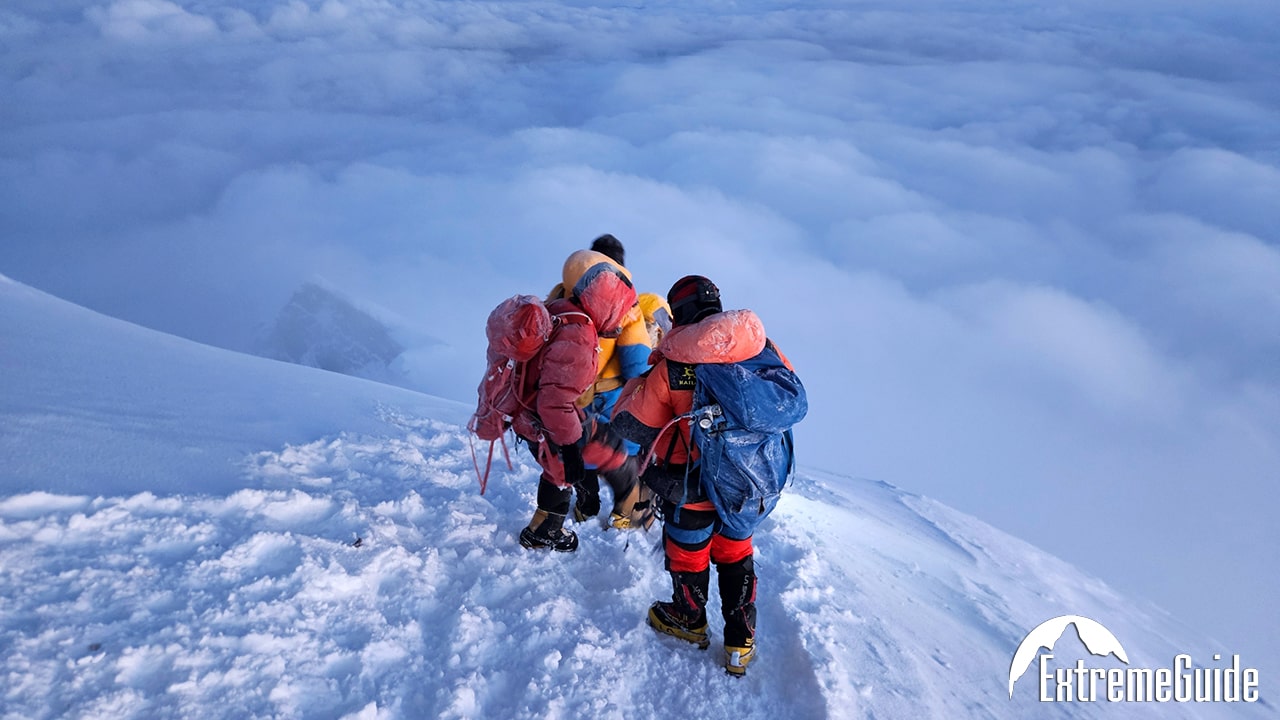
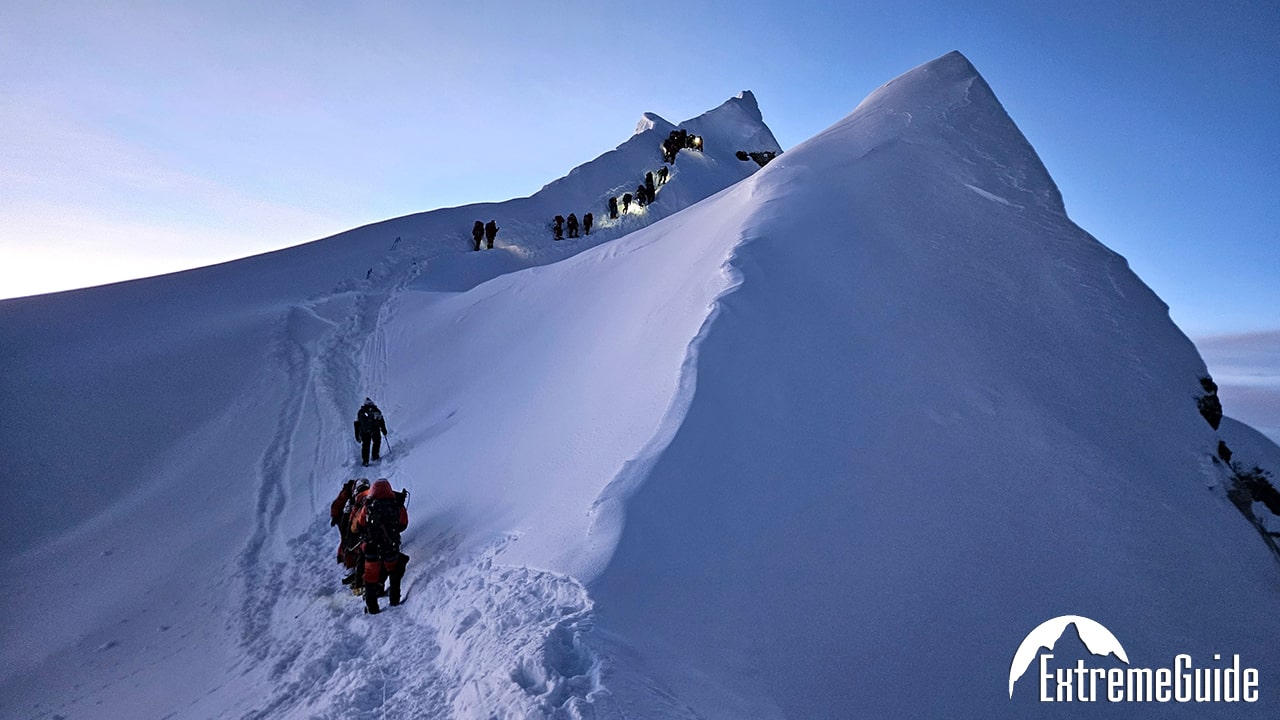
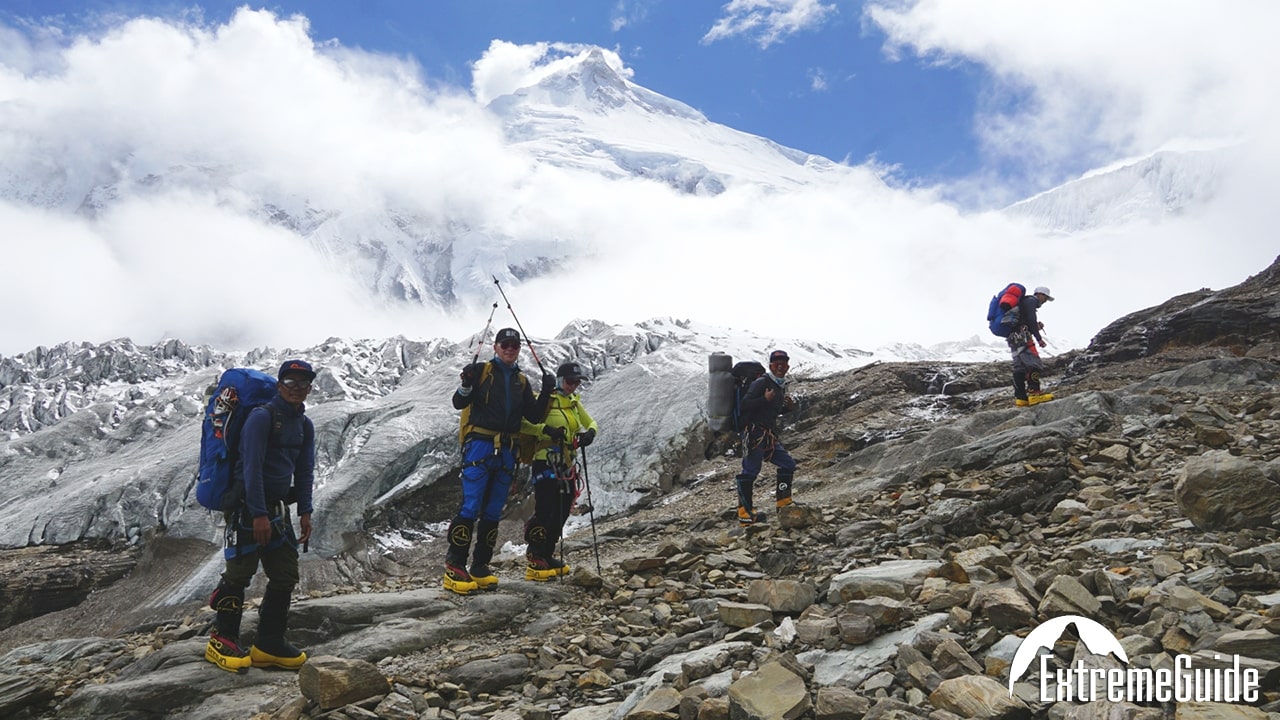
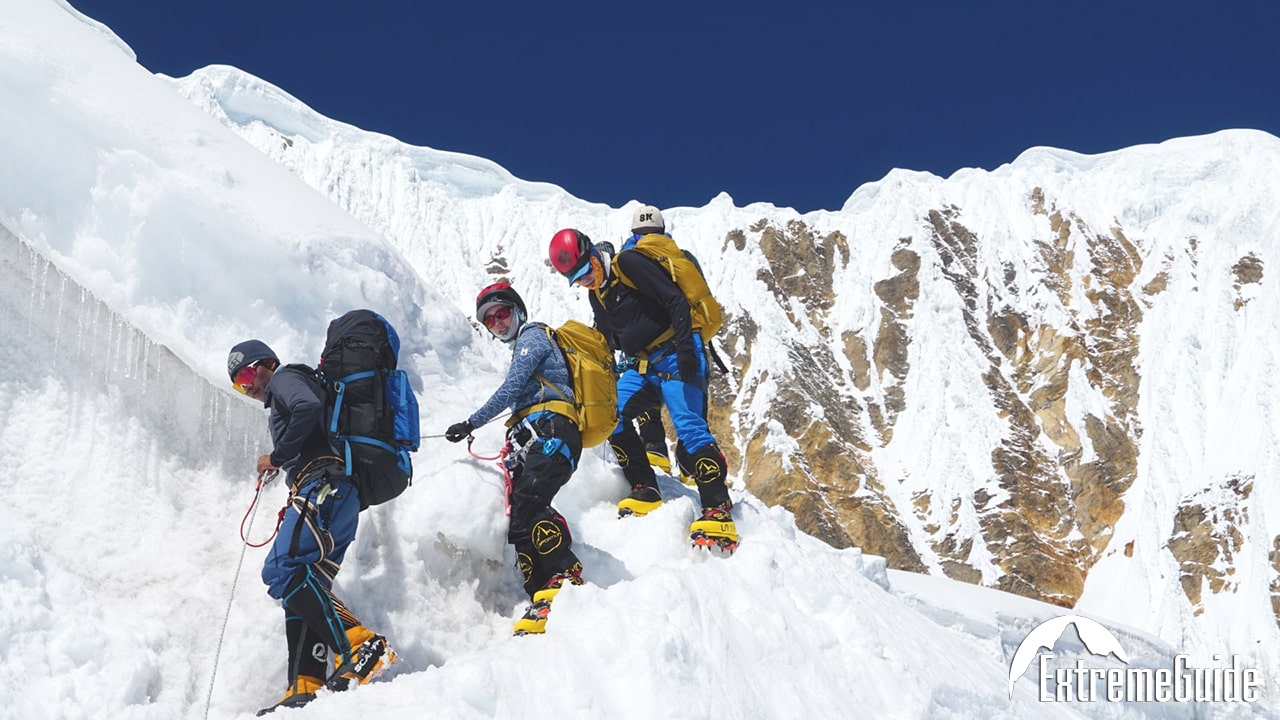
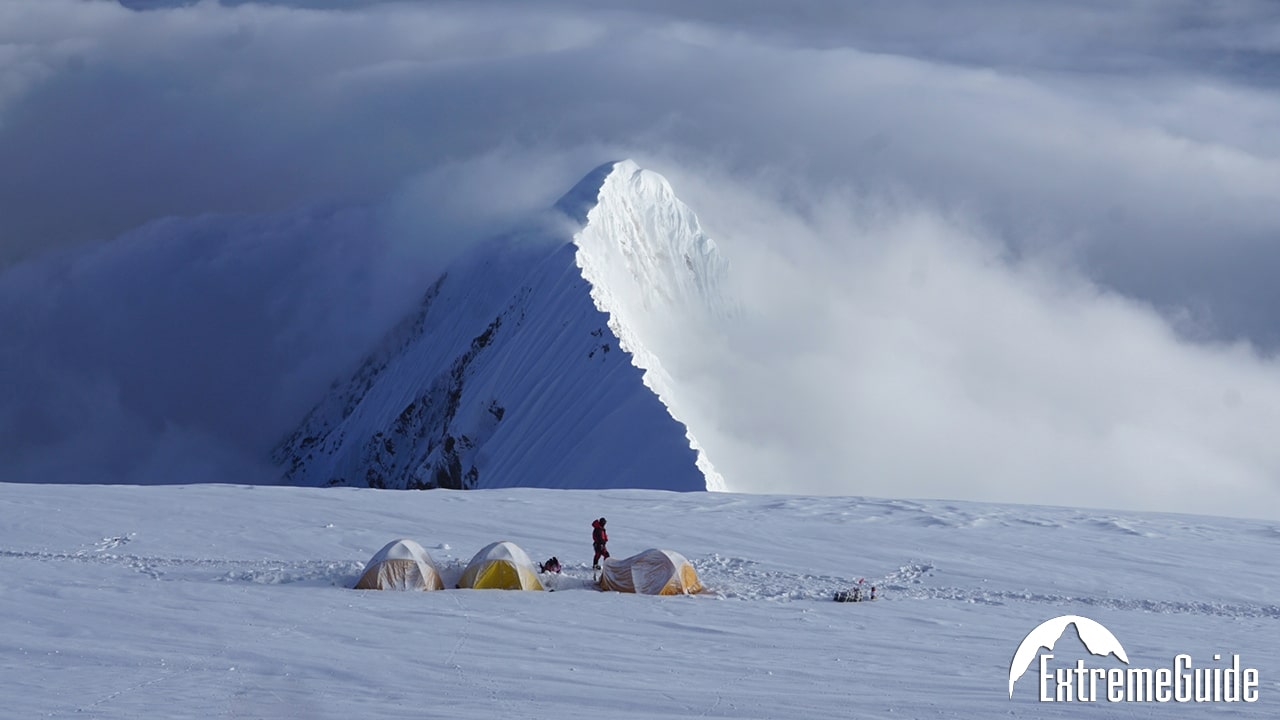
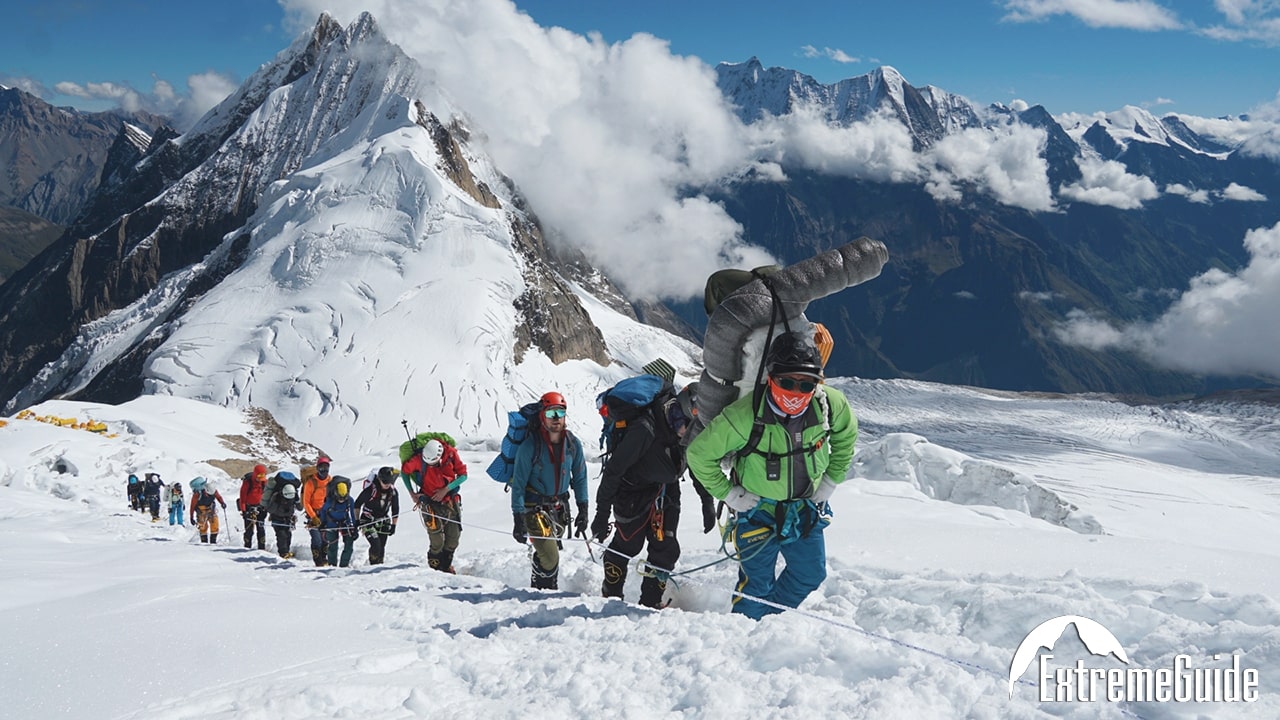
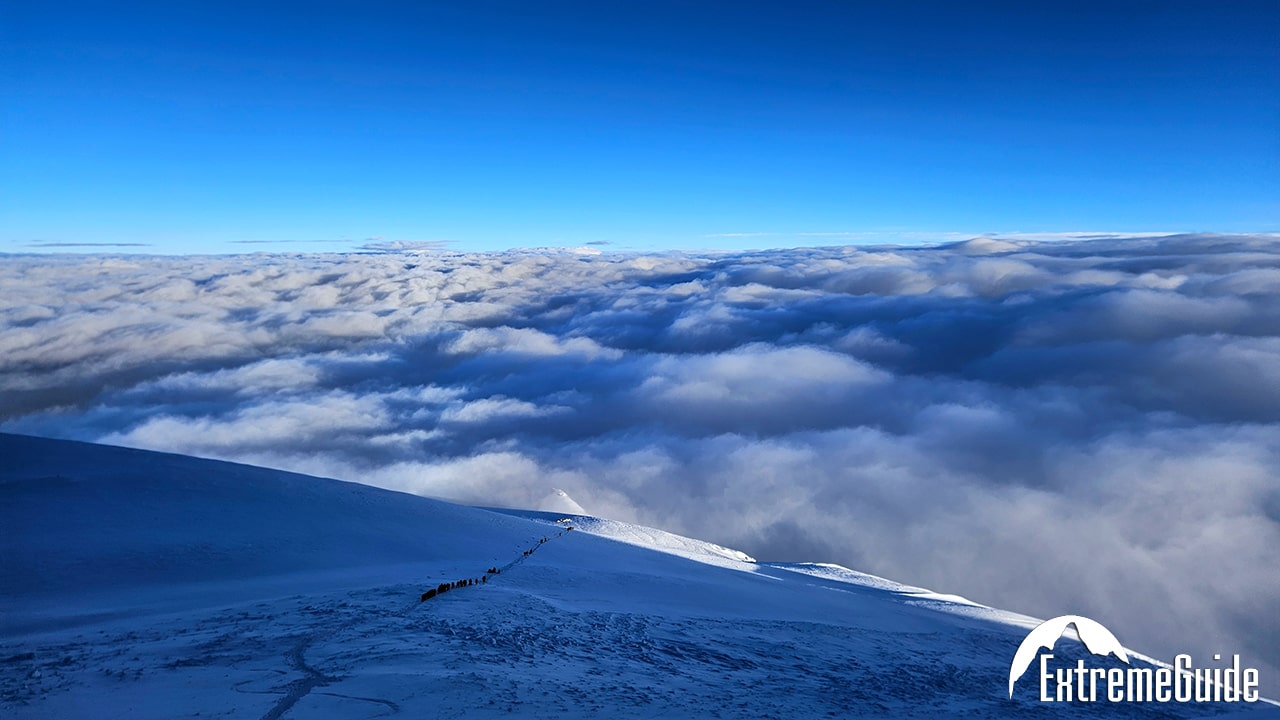
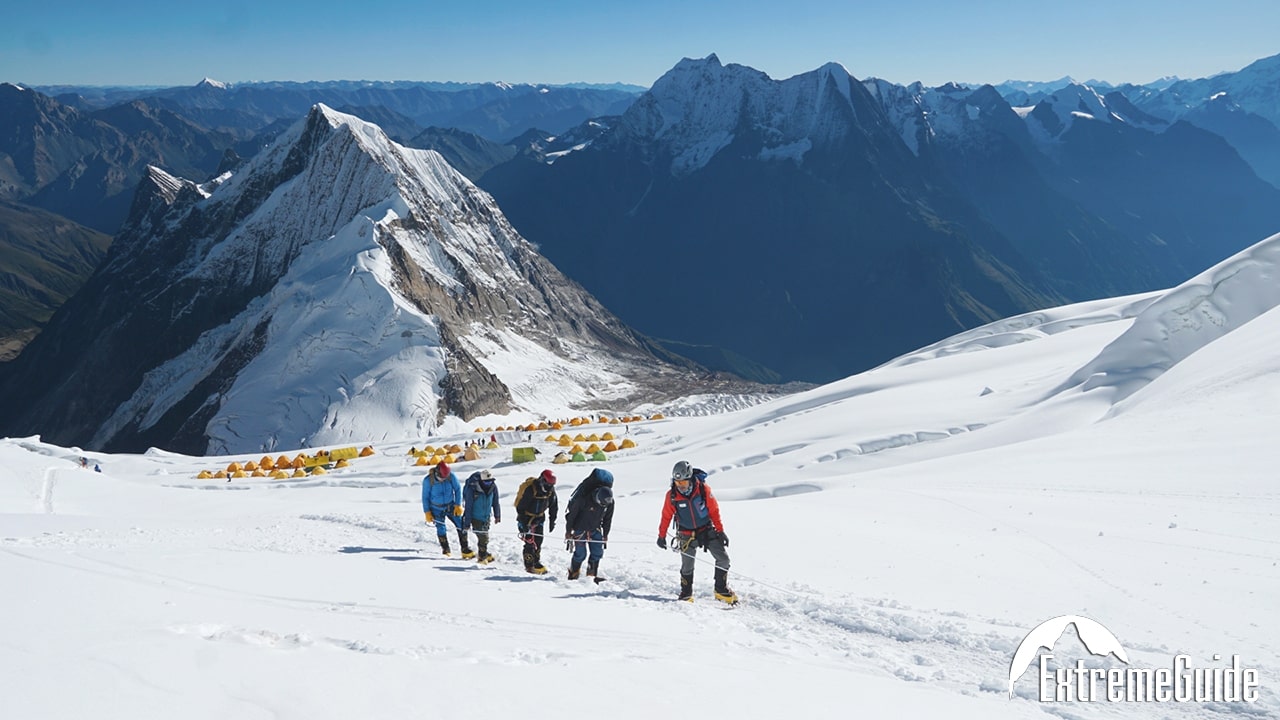
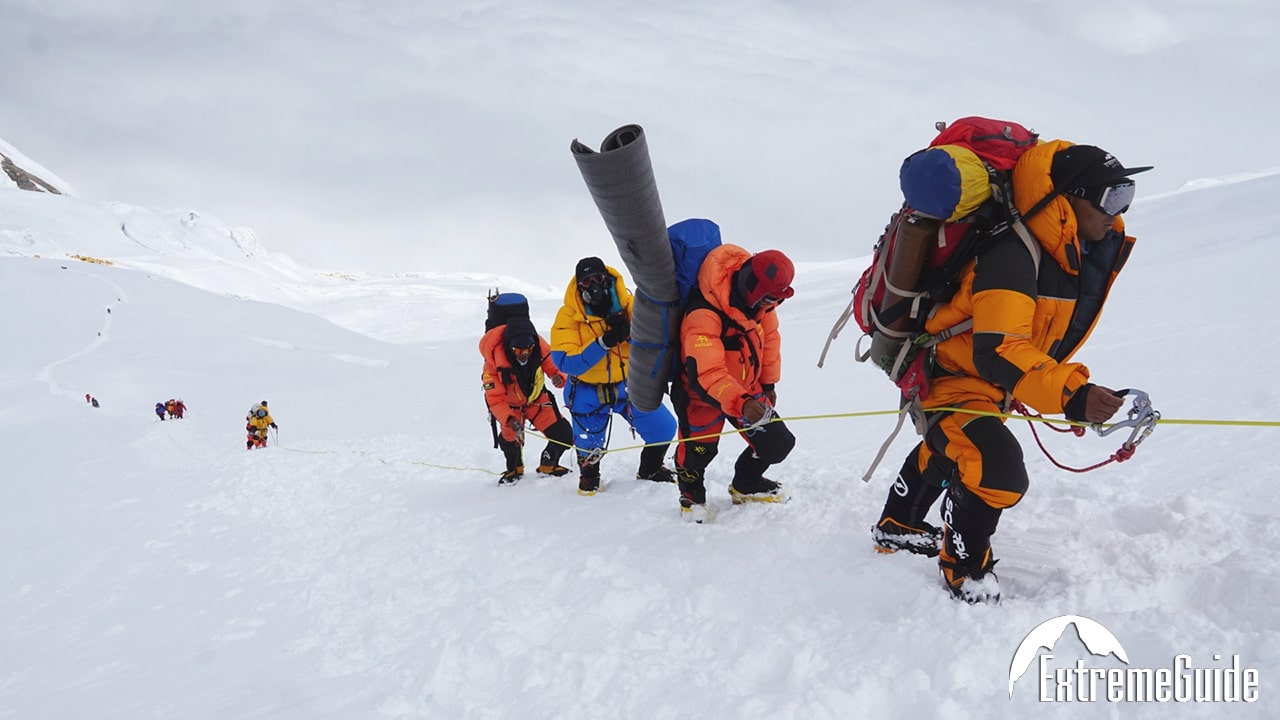
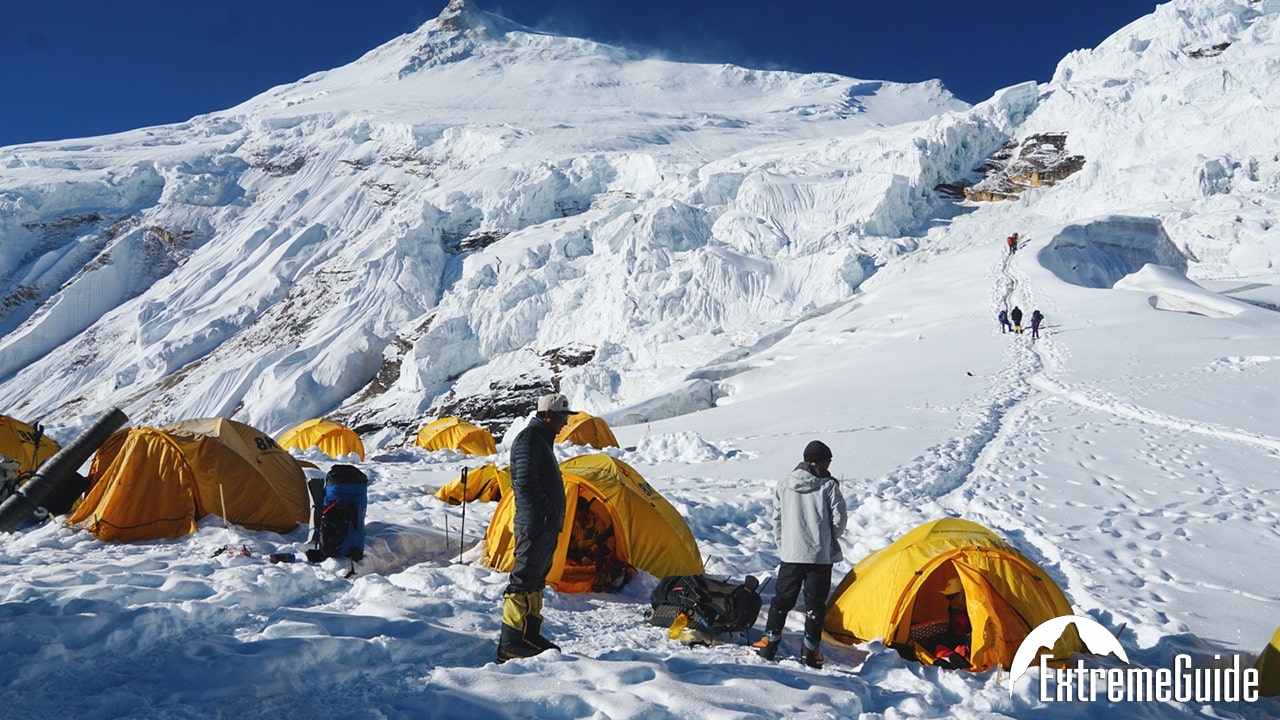
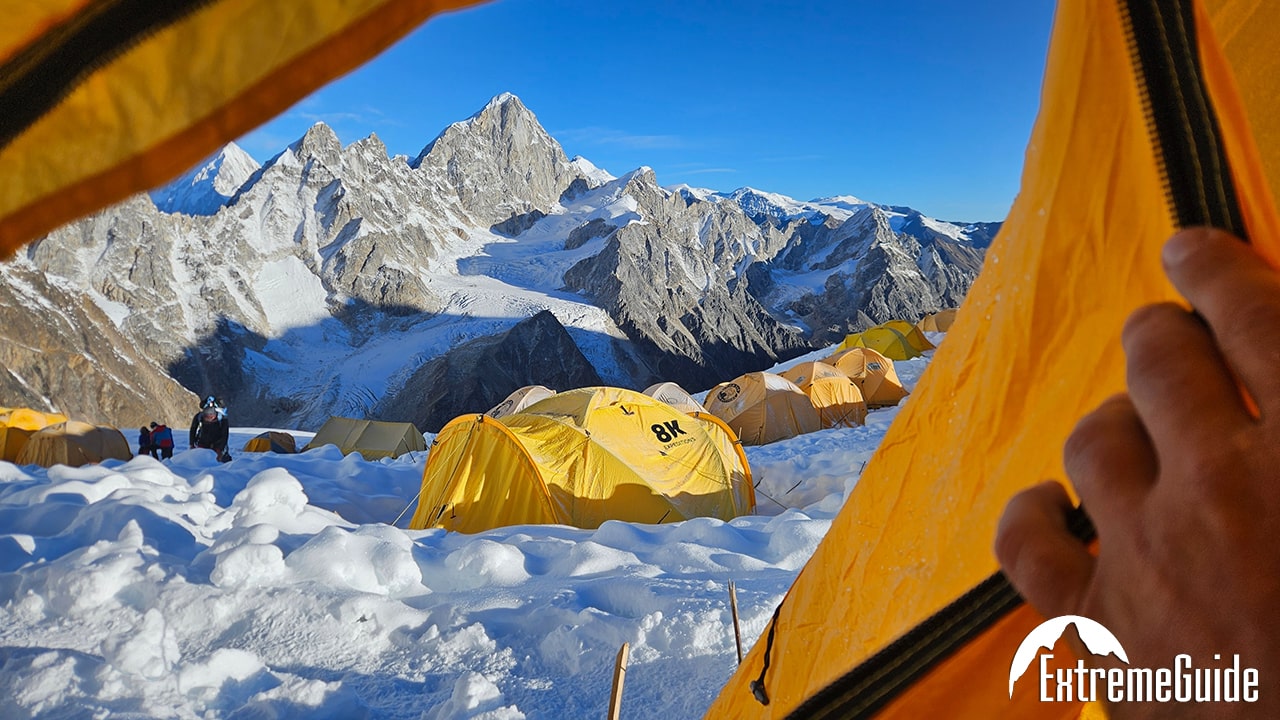
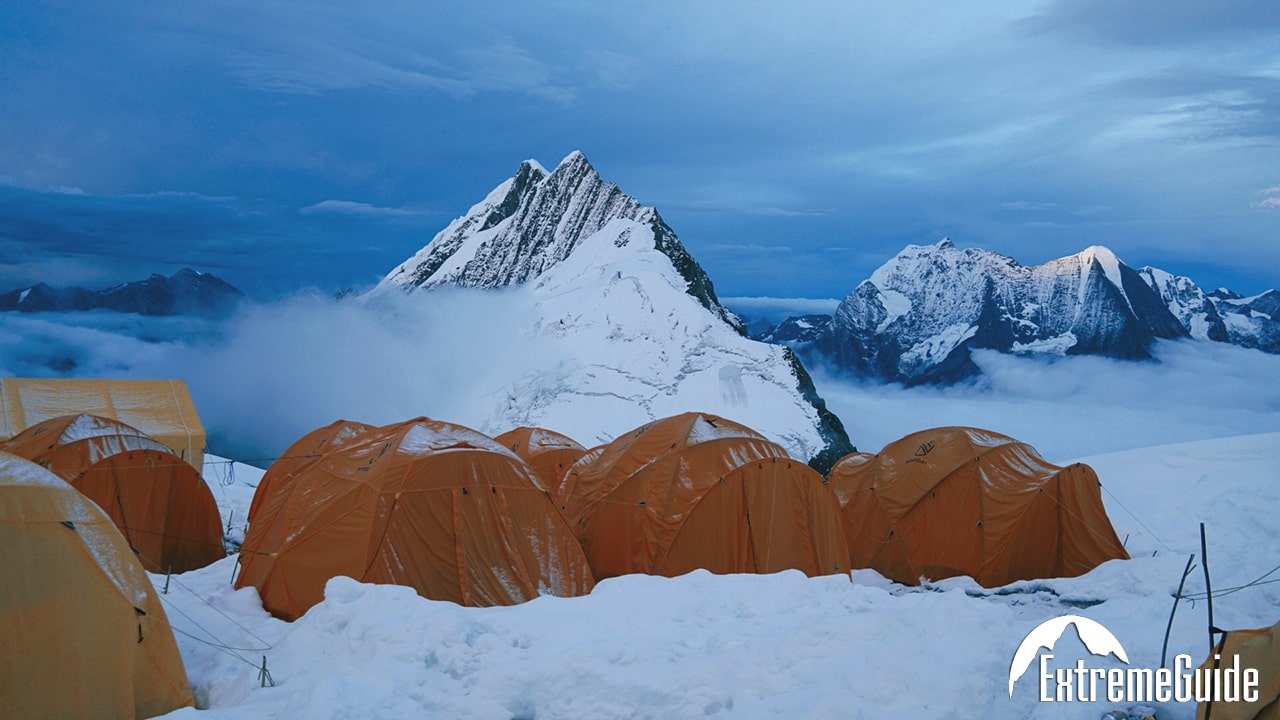
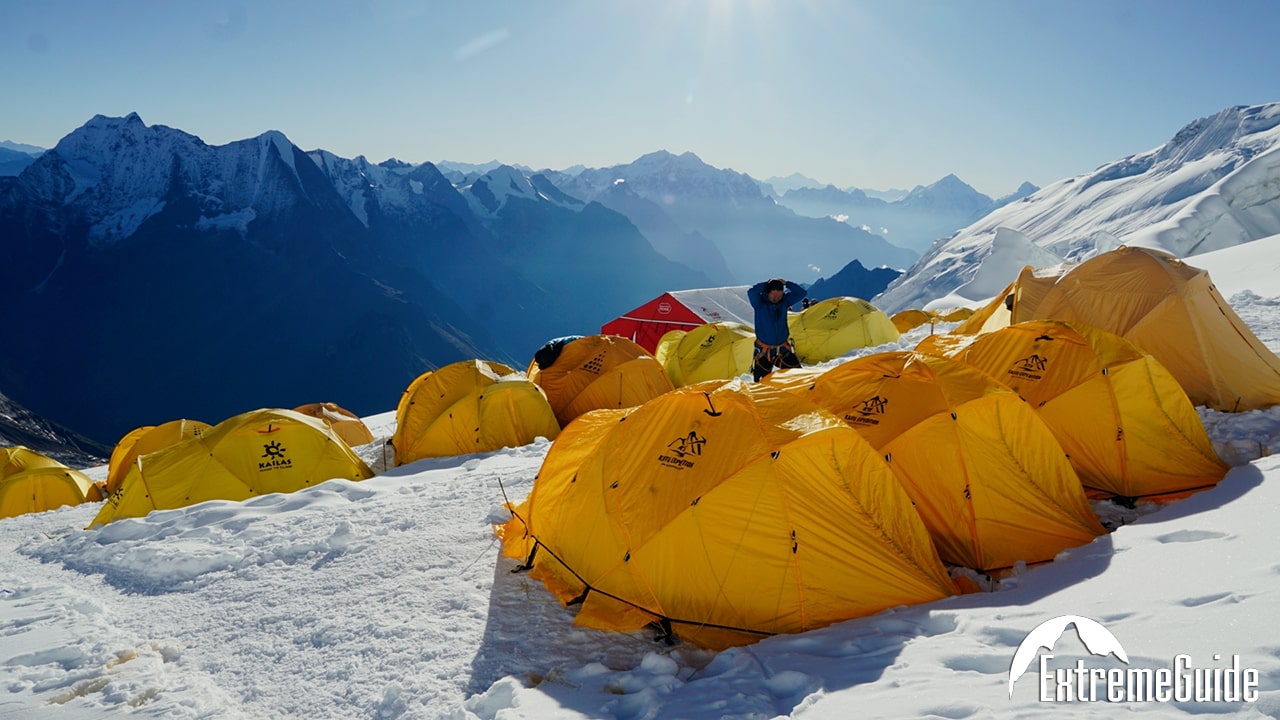
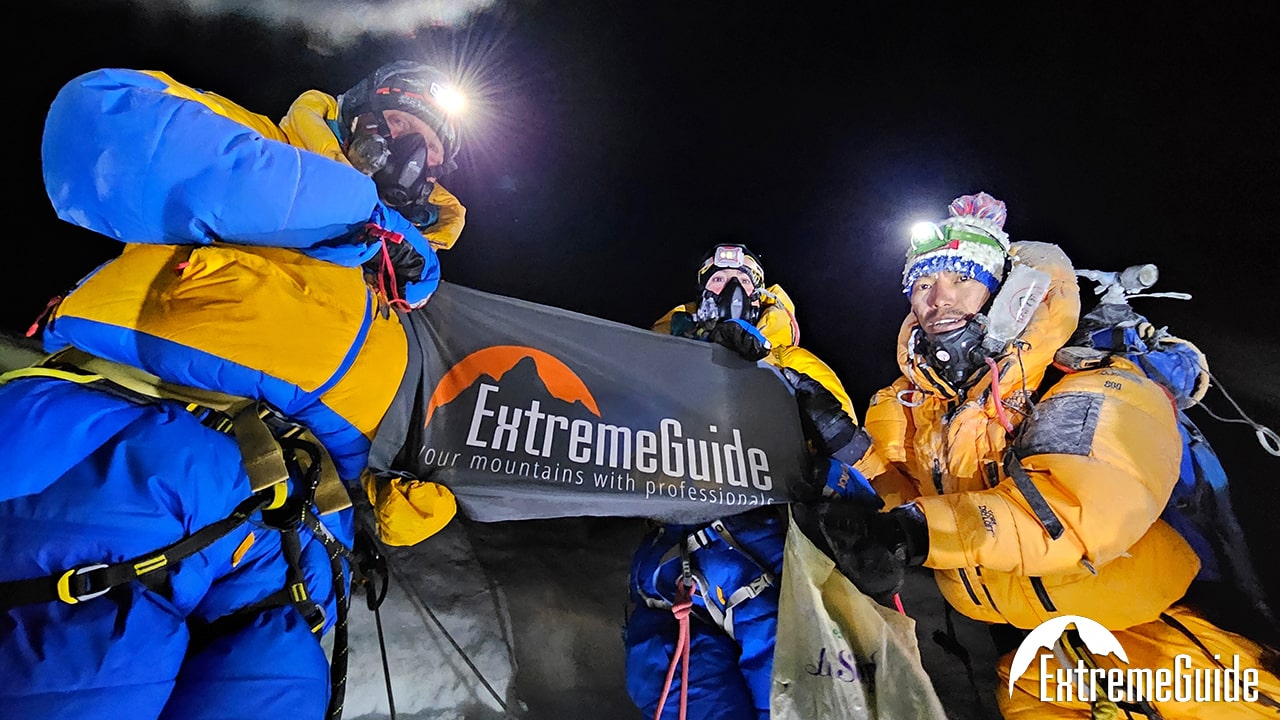
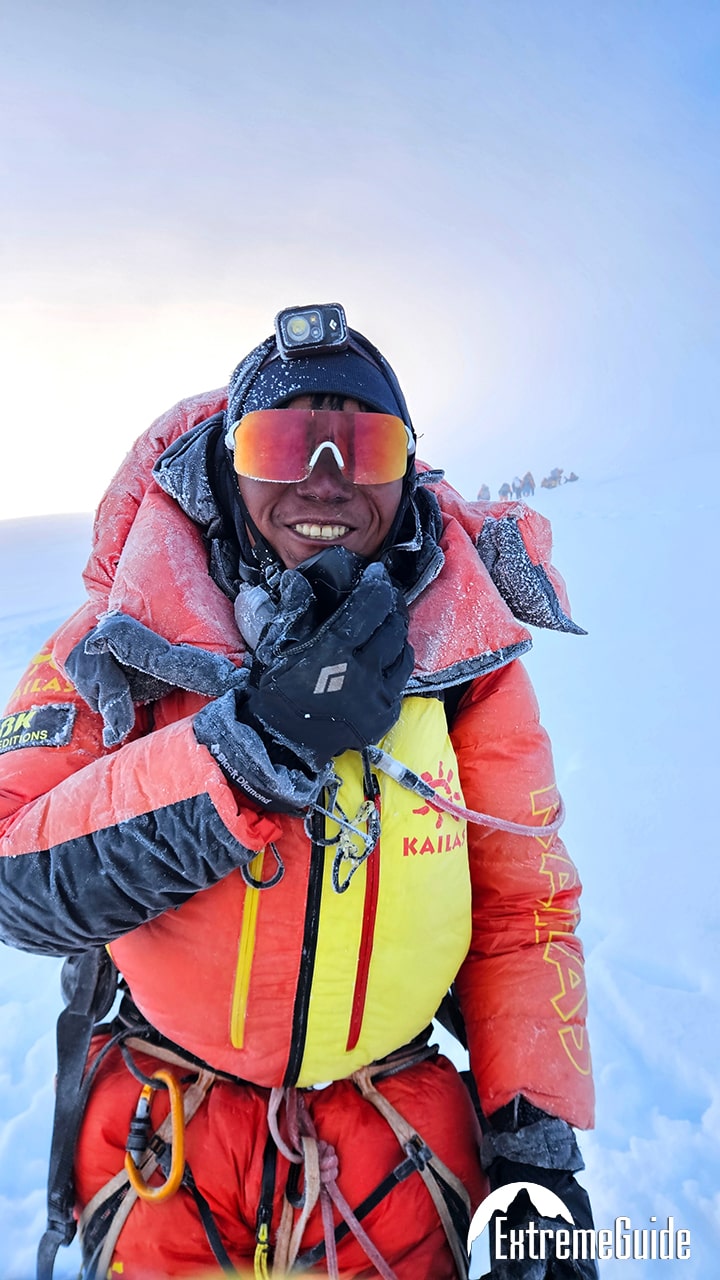
Photo of previous trips
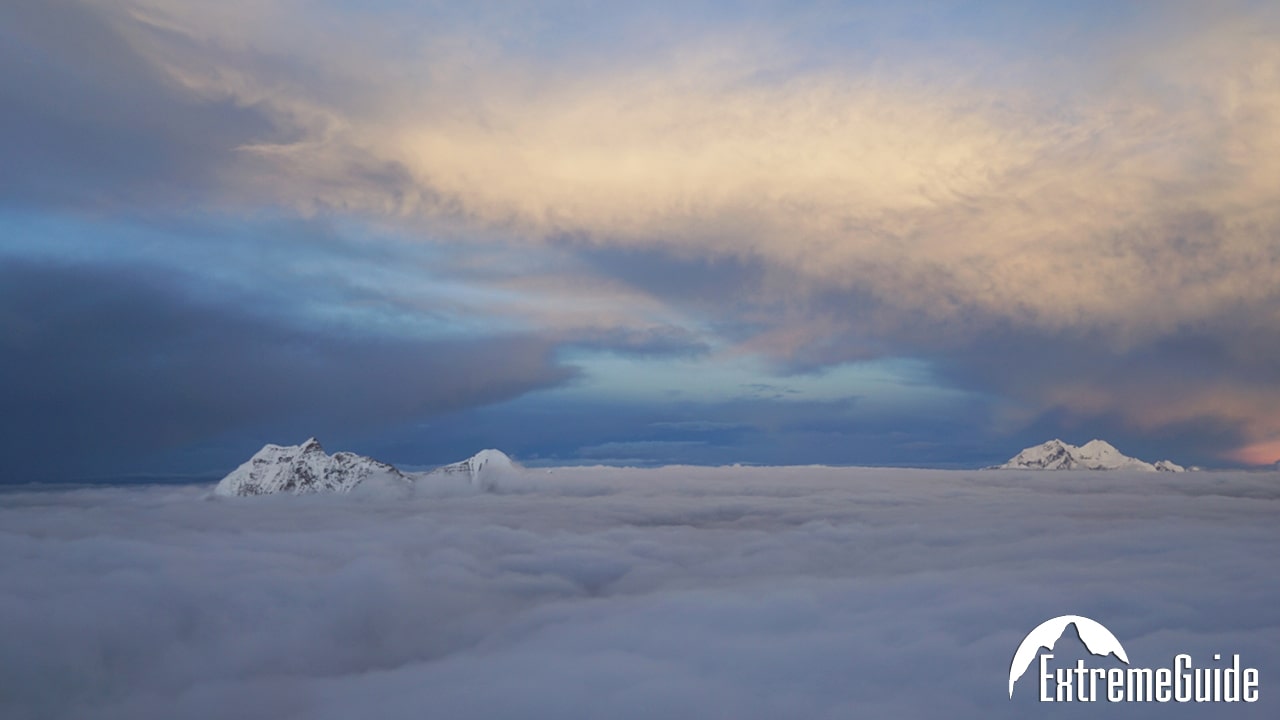
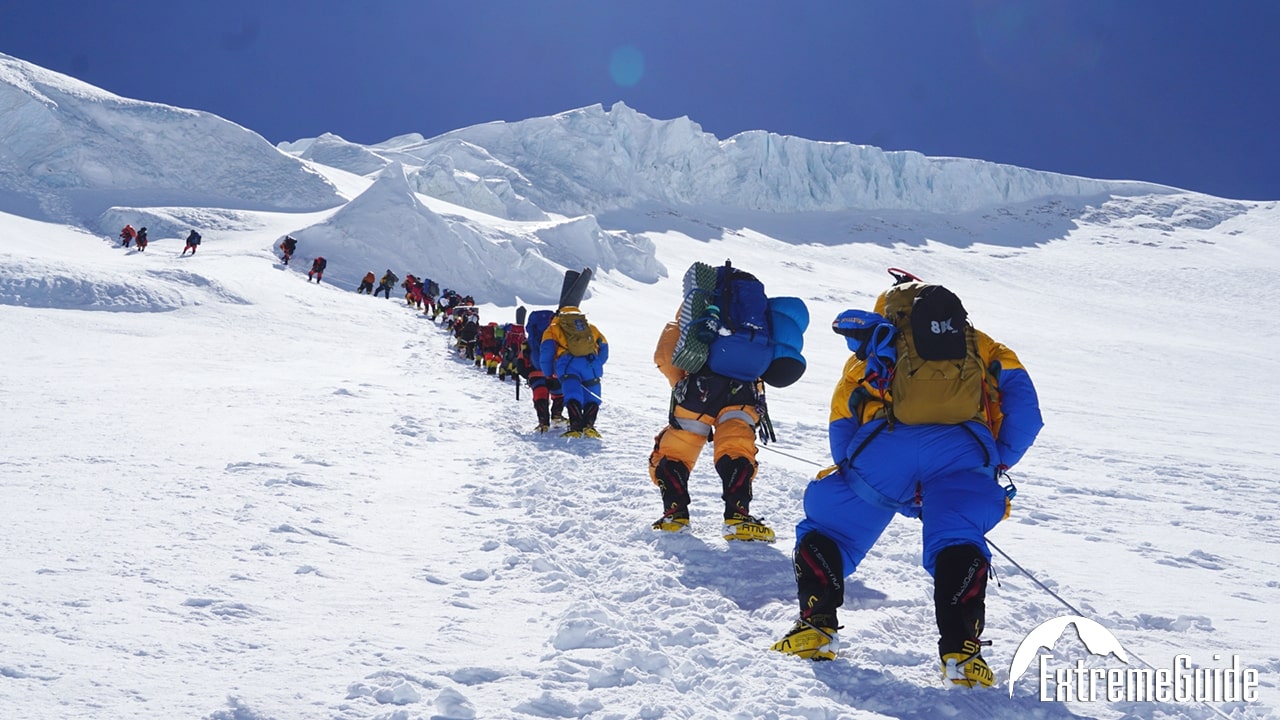
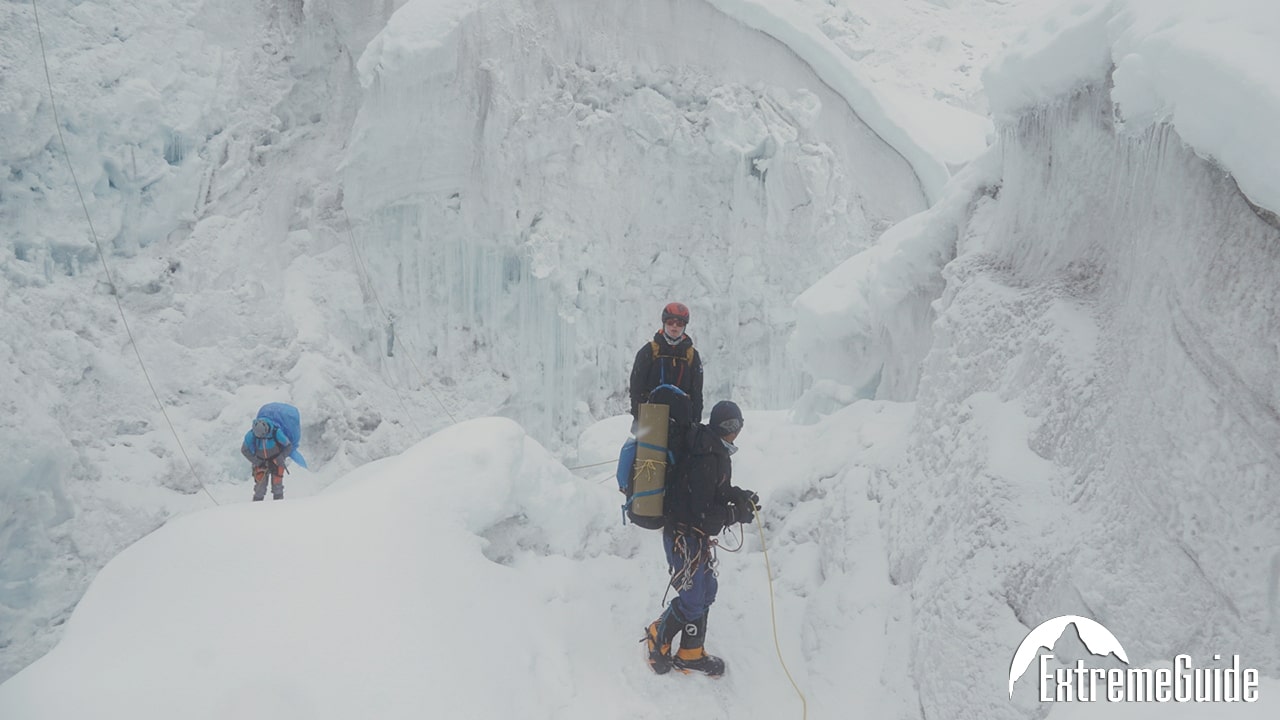
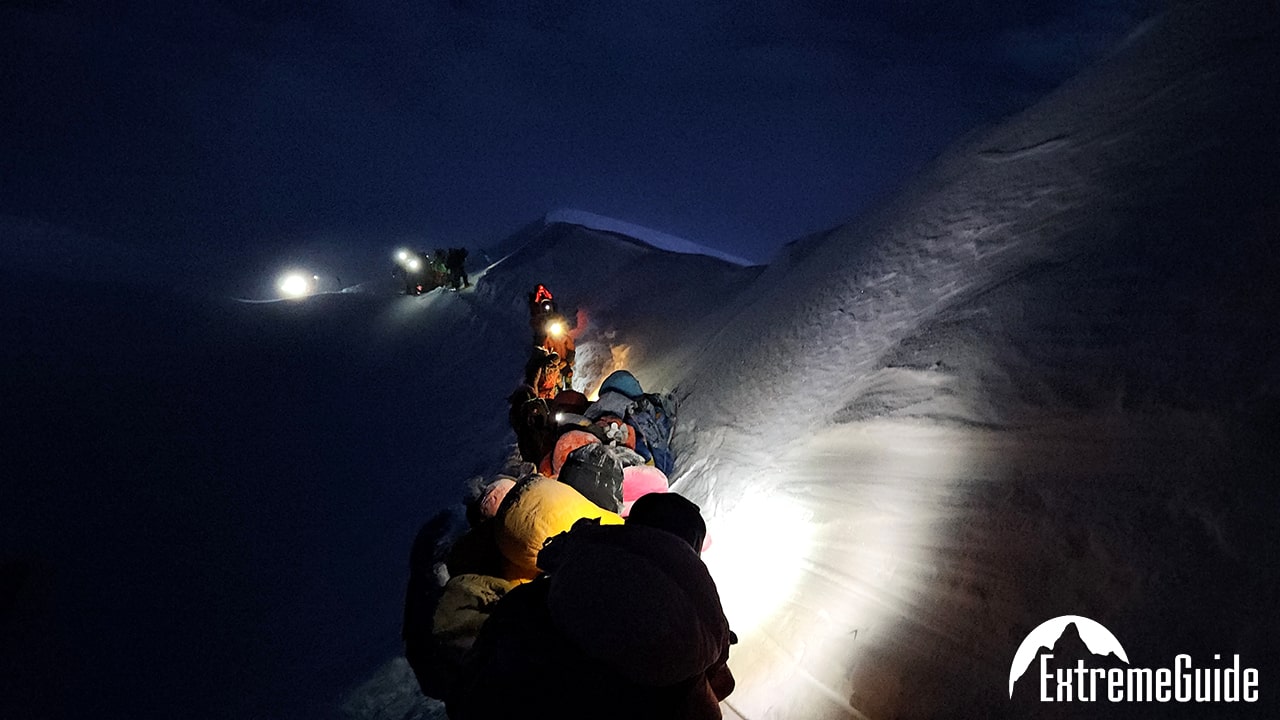
Reviews of our travelers
Recommended tours
 Slovakia (Tatras)
Dates:
March 21 - March 22
Complexity:
Duration:
Height:

5.0 (2)
Left: 3 places
 Tajikistan (Fan Mountains)
 Dates:
July 12 - July 21
July 12 - July 24
July 25 - August 3
July 25 - August 6
August 8 - August 17
August 8 - August 20
Complexity:
Duration:
Height:

5.0 (15)
Left: 5 places
 Nepal (Himalayas)
 Dates:
October 25 - November 11
Complexity:
Duration:
Height:

Left: 6 places
 Mexico
 Dates:
March 14 - March 23
March 14 - March 30
Complexity:
Duration:
Height:

4.9 (27)
Left: 8 places
 Kyrgyzstan
 Dates:
July 11 - July 23
Complexity:
Duration:
Height:
Left: 3 places
 Kyrgyzstan
 Dates:
July 18 - August 8
Complexity:
Duration:
Height:
5.0 (15)
Left: 6 places
 Turkey
 Dates:
May 2 - May 9
September 28 - October 5
Complexity:
Duration:
Height:
Left: 4 places
 Argentina
 Dates:
January 24 - February 16
Complexity:
Duration:
Height:
Left: 8 places
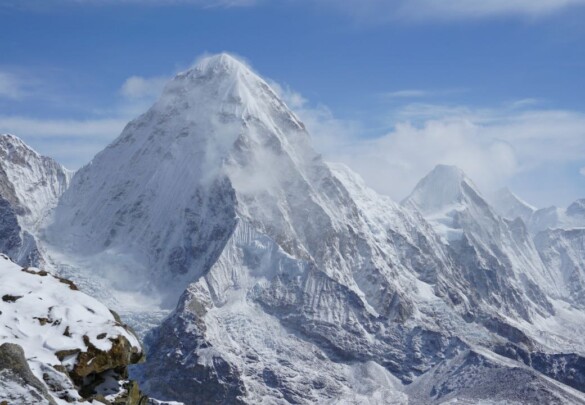 Nepal (Himalayas)
 Dates:
Complexity:
Duration:
Height:
 Bolivia
 Dates:
Complexity:
Duration:
Height:
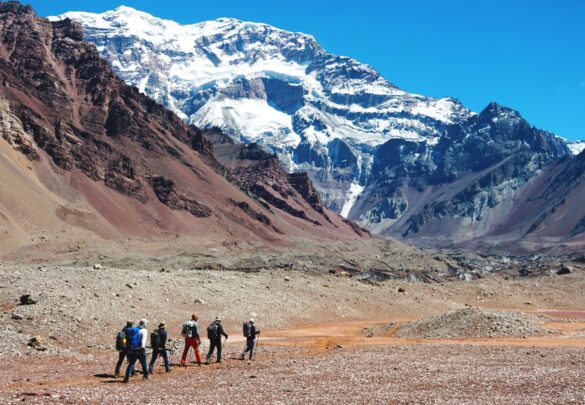 Argentina
 Dates:
Complexity:
Duration:
Height:
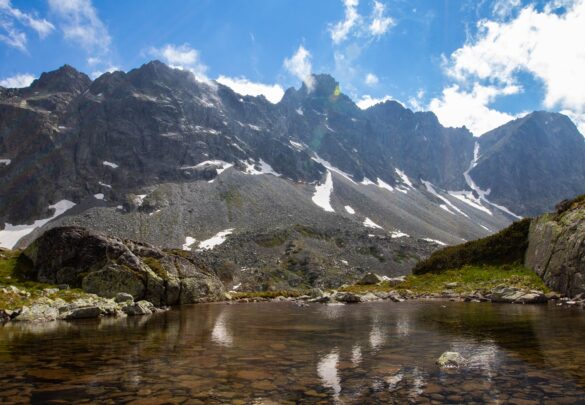 Slovakia (Tatras)
 Dates:
Complexity:
Duration:
Height: