
The goal of most climbers is to conquer mountain peaks with varying characteristics. When planning to conquer Lenin Peak, one can set an intermediate goal of climbing Razdelnaya Peak during the acclimatization period. A base camp is established at an altitude of 6,148 meters, from where the ascent to Lenin Peak (7,134 meters) begins. This route is excellent preparation for those planning future ascents in the Pamir Mountains, combining technique and acclimatization.
Conquering Razdelnaya is not much more difficult technically than climbing Kazbek or Elbrus. The main problem for a beginner climber is passing the lower part of the glacier, where the icefall zone is located, which can be overcome with preliminary mountain training with an instructor.
The program is designed with an emphasis on targeted high-altitude mountaineering – those who are not yet completely confident in their abilities and level of professional training can participate in it.
Climbing Razdelnaya Peak is a great training for those who are preparing to conquer more serious 7000+ peaks in Central Asia and Nepal in the future. It should be taken into account that to participate in such a program, previous experience of conquering mountain peaks above 4500 m, excellent health and optimal physical fitness are required. The success of the ascent also directly depends on favorable weather, especially the absence of gusty winds and precipitation.
Главные впечатления от похода по Фанским горам:
Climbing route to Razdelnaya Peak:
Osh city — base camp (3800 m) — Petrovsky peak (4400 m) — base camp (3800 m) — camp 1 (4300 m) — Domashny Peak (4700 m) — camp 1 (4300 m) — camp 2 (5300 m) — Razdelnaya peak (6148 m) — camp 2 (5300 m) — camp 1 (4300 m) — base camp (3800 m) — Osh / Bishkek
Route of ascent to Razdelnaya peak by days
day
Meeting of the group in Osh. Purchase of necessary provisions and transfer to the base camp at 3800 meters. The journey will take about 7 hours.
day
Acclimatization day. Theoretical classes on mountain sickness, methods of overcoming snow and ice slopes, rope techniques, organization of mountain rescue operations on a glacier, pulley block, etc.
day
Continuation of acclimatization. Ascent to Petrovsky Peak, altitude 4400 m. Total distance – about 6 hours.
day
Today we climb to Camp 1 (4300 m.) via the Puteshestvennik Pass and the moraine of the Lenin Glacier. Horses partially transport equipment: gas, ropes, assembled tents. If you want to make your climb easier, you can rent a separate horse for your personal belongings for an additional fee (payment is made for each kilogram of cargo).
day
Continuing acclimatization in Camp 1. We don’t waste time, we practice practical skills on the glacier. We work in teams, learn how to organize rescue operations on a snow-ice slope. Night in the camp.
day
Peak Domashniy (4700 meters) – ascent and acclimatization. Return to Camp 1.
day
We climb to Camp 2 at 5,300 meters. We leave early to get through the “frying pan” plateau before dark, where we need to be extremely careful because of the dangerous cracks. Overnight rest in tents at camp 2.
day
Today we have a long-awaited ascent to Razdelnaya Peak (6148 m). Early rise and departure to the route to Camp 3. Descent to Camp 2 (5300 m), where we will rest and spend the night.
day
Descent another 1000 meters to Camp 1 (4300 m). Rest.
day
Return to base camp at 3600 m.
day
Transfer to Osh/Bishkek. Stop and overnight at the hotel complex.
day
Returning home.
day
A spare day in case the weather is capricious.
Note: The tour program is not final and may be adjusted depending on weather conditions, the condition of the participants and other circumstances.
Scheme of the route for climbing Razdelnaya Peak:

Why is it profitable to go hiking with Extremeguide?


Cost and conditions for climbing Razdelnaya Peak
Is this trip right for you?
Minimum experience of participants in climbing peaks of 4500+ m in high mountains, Elbrus, Kazbek, etc., good physical fitness.
Included in the price:
- all transfers according to the program from Osh and back;
- accommodation in Osh on the last day;
- meals in the cafe at BC and Camp 1 (unlimited);
- special high-altitude rations at Camp 2 and during the ascent;
- accompaniment and training by a guide (1 guide for 4 people);
- GPS, radios;
- tent rental;
- rope, ice screws, snow shovel and other special group equipment;
- gas burners and gas;
- transportation of group equipment and food on horses from BC 3600 to L1 (4300);
- registration and preparation of necessary documents (registration with OVIR, pass to the border zone, registration with the rescue squad);
- radio support if you have a portable radio station (151.625 MHz);
- services in BC and Camp 1.*
- group first aid kit with the guide.
Notes:
*services in BC and Camp 1:
— accommodation in two-person and three-person tents (tents in the base camp are equipped with electric lighting, wooden flooring and kurpachas – national mattresses);
— yurts – wardrooms (in national style) with heating in BC and Camp 1 for relaxation and entertainment (music, viewing photos on a computer, guitar, etc.);
— toilet, storage room in BC and Camp 1;
— bathhouse (steam room) — paid separately;
— medical care (resuscitator) in BC and Camp 1;
— shower in BC;
— dining room and kitchen in BC and Camp 1;
— cutlery in BC and Camp 1;
— garbage removal in BC and Camp 1.
The price does not include:
- cost of visas;
- insurance policy covering an amount over $15,000;
- rental of a permanent tent in the assault camp, Camp 2 and 3;
- international flight ($450-$600);
- personal equipment and clothing;
- transportation of personal belongings on horses between camps 3800 m and 4400 m — $2/kg;
- tips for the guide (optional);
- other expenses not specified in the program.
Total without airfare 250 USD – 350 USD.
Cost depending on the number of participants
| Number of participants | Cost per 1 participant |
|---|---|
| 3 | 1500 EUR |
| 2 | 1800 EUR |
| 1 | 3000 EUR |

Best price guarantee!
- We have included in the price all possible basic expenses for the program and guarantee that there are no hidden additional costs, while we have retained the best service at a low price: transfers, hotel accommodation, guides and staff!
We have a flexible discount system
Find out the details right now:
Necessary equipment
Basics:
- Backpack 80-120 l. (please note that in addition to personal belongings, it should also accommodate food and communal equipment);(More about choosing a backpack);
- Sleeping bag (Depending on the specific hike, the temperature at night can drop to -25. If the sleeping bag is down, then a bivouac bag is needed for it)(More about choosing a sleeping bag);
- Pad (a thick and warm rug, or two) (Read more about choosing a pad).
Shoes and clothes:
- Double boots (if the outer boot is plastic, and not warm, like in La Sportiva Spantic, then have additional warm balilas on the boot. It is important that the shoes are comfortable and worn in. Usually, shoes are chosen with a thick toe and 1.5-2 sizes larger than the foot size);
- Replacement footwear (sneakers, sandals or flip-flops);
- Gaiters (shoe covers, flashlights) for boots;
- Down jacket;
- Insulated pants (ski pants, down pants, or warm polar pants for walking) (More about choosing clothes and shoes);
- Warm hat;
- Balaclava;
- Walking pants (preferably membrane);
- Walking jacket (preferably membrane);
- Rain cape (if walking clothes get wet);
- Thermal underwear set (if there is no thermal underwear, long johns and a jacket);
- Warm jacket 2 pcs. (polar, fleece);
- Socks 2 pairs (“thermal socks” or other thick ones);
- Socks for overnight stays (wool, fleece or down);
- Warm mittens (down or similar);
- Warm gloves (under mittens, for example fleece);
- T-shirt;
- Change of underwear;
- Sun hat.
The rest:
- A cover for a backpack (or large plastic bags for packing things);
- Mug, spoon, bowl, knife;
- Headlamp + spare set of batteries;
- Hygiene items (a toothbrush and a small tube of toothpaste, a bar of soap and a little shampoo will be enough; do not take full bottles of shower gel and shampoo, heaps of creams and lotions with you);
- Documents;
- Individual first aid kit (plaster, cold, stomach, head. You also need to take into account specific and chronic diseases, if any. In addition to the individual first aid kit, the instructor has a general);
- Mountaineering goggles (it can be glasses);
- Spare glasses;
- lip balm chapstick ;
- Sunscreen ointment;
- Water bottle ( 1-2 l.)
- Thermos (0.5 – 1.0 liters);
- Matches (3 packs, hermetically sealed);
- Trekking poles (or ski poles);
- Watch.
Special equipment:
- Safety system;
- Self-belay ropes;
- Descender;
- 4 carabiners;
- 2 ice screws (preferably not titanium);
- Helmet;
- Ice axe;
- Crampons;
- Jumar;
- Loop for hanging a backpack.
Group equipment:
- High-altitude tents;
- Ropes;
- Boilers;
- Burner.
If you do not have or are missing any equipment, you can rent it from us.
Equipment rental from ExtremeGuide.
The availability of group equipment and its quantity is agreed upon separately, with the assembled group.
- Down socks;
- Spare gloves or mittens (for example, ski gloves);
- Camera;
- Seat cushion;
- Garbage bags (convenient for packing things).
Additional information
The route is staffed by a leading guide and assisting guides (for groups of more than 4 people). The maximum group size is 10 people.
Kyrgyzstan has a visa-free regime with the former CIS countries. To enter Kyrgyzstan, citizens of Ukraine and the former CIS countries must have an international passport.
General group gathering in Osh (until 12:00), you can also fly to Bishkek and from there by bus to Osh. If you fly to Bishkek, you should plan your arrival in advance.
Transport – jeep or Mercedes minibus.
From Osh, where all ascents to Lenin Peak begin, we travel along the Pamir Highway through the Taldyk Pass (3615 m) by minibus and end up in the Alai Valley. Then from the village. Sary-Tash we go to the village. Kashka-Suu, and then crossing the bridge over the Kyzyl-Suu River and climbing along its tributary – the Achik-Tash River, the road leads to the “Edelweiss Glade”, where expeditionary camps of climbers are usually set up.
For treks with a heavy backpack, camp 3600, camp 1 (4300) and camp 2 (5300), the weight of the backpack can reach up to 15 kg for a man. Overnight stays on the glacier (camp 5300), to temperature changes and difficult climatic conditions (at night at 5300 the temperature can drop to -10 … -15 C), at Lenin Peak temperatures up to -25 C (at night), to stay at altitudes of 5000+ and possible “mountain sickness”, actively help the guide in cooking on autonomous exits (duty). You must also be ready to move in ropes on a closed glacier, if necessary, insure the guide. The guide will conduct the necessary training before going out onto the glacier.
Tents for the entire period of the active program 2+1, in BC 3600 (yurt or stationary tents on wooden platforms).
During acclimatization trips and ascents, meals are served three times a day. Breakfast, “pocket snack”, lunch (snack) and dinner. Autonomous meals are available upon request. Full home-cooked meals are available at Camps 3600 and 4300.
List of diseases. It is advisable to do a medical checkup before the tour.
Read also Features of acclimatization in high mountains
Physical and mental preparation before climbing and hiking in the mountains
At the exits, the group first aid kit is with the guide. It is necessary to have your own set of medicines for individual diseases and chronic diseases.
There is 3G in Camp 3600, but the GSM signal is unstable at 4300.
To participate in the tour you need to be in good physical condition, we recommend running 2-3 times a week at least 10-15 km on rough terrain + general physical fitness.
This program is potentially dangerous to the health and life of any participant. Guides will provide you with the necessary safety provided that you comply with the rules of mountain climbing and safety precautions for all participants without exception. Therefore, it is necessary to listen to the opinion and advice of the guide. During the program and, especially, in critical situations, participants must fully and unquestioningly follow the recommendations and instructions of the guide. The guide has a radio, GPS (satellite navigation device), and other necessary group equipment. The decision to stop the ascent in conditions that threaten the safety of the participants is in the exclusive competence of the guide accompanying the group on the route, and is not subject to discussion. The guide is obliged to take measures to ensure the safety of the group on all types of mountain terrain, since this is the key task of the guide on the route.
Euros and dollars are well accepted in Kyrgyzstan. It is better to have small dollars with you.
The table shows the basic cost for a group and may change depending on the number of people in the group. For the calculation of the cost of the tour for a smaller number of people and individual groups, see the «Price» block for more details.
We guarantee that on the dates indicated in the table, even if there is a minimum number of people allowed in the group, the tour will take place 100% with a minimum change in cost.
Pleasant bonuses, which everyone receives when ordering a tour with us


Photo of previous trips


Reviews of our travelers
Recommended tours
 Slovakia (Tatras)
Dates:
March 21 - March 22
Complexity:
Duration:
Height:

5.0 (2)
Left: 3 places
 Tajikistan (Fan Mountains)
 Dates:
July 12 - July 21
July 12 - July 24
July 25 - August 3
July 25 - August 6
August 8 - August 17
August 8 - August 20
Complexity:
Duration:
Height:

5.0 (15)
Left: 5 places
 Nepal (Himalayas)
 Dates:
October 25 - November 11
Complexity:
Duration:
Height:

Left: 6 places
 Mexico
 Dates:
March 14 - March 23
March 14 - March 30
Complexity:
Duration:
Height:

4.9 (27)
Left: 8 places
 Kyrgyzstan
 Dates:
July 18 - August 8
Complexity:
Duration:
Height:
5.0 (15)
Left: 6 places
 Turkey
 Dates:
May 2 - May 9
September 28 - October 5
Complexity:
Duration:
Height:
Left: 4 places
 Argentina
 Dates:
January 24 - February 16
Complexity:
Duration:
Height:
Left: 8 places
 Africa
 Dates:
March 25 - April 4
August 10 - August 20
September 19 - September 29
November 11 - November 21
December 24 - January 3
January 3 - January 13
January 31 - February 10
February 28 - March 10
Complexity:
Duration:
Height:

5.0 (1)
Left: 8 places
 Nepal (Himalayas)
 Dates:
Complexity:
Duration:
Height:
 Bolivia
 Dates:
Complexity:
Duration:
Height:
 Argentina
 Dates:
Complexity:
Duration:
Height:
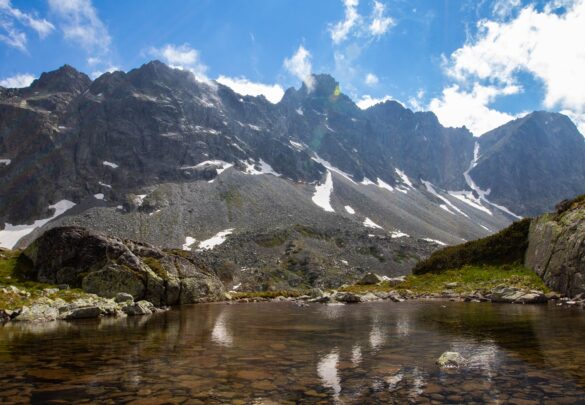 Slovakia (Tatras)
 Dates:
Complexity:
Duration:
Height: