
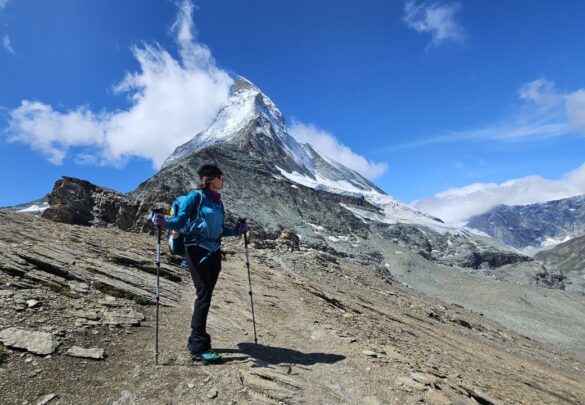
Matterhorn (4478 m) — one of the most beautiful mountains in the world. Everyone who has ever seen this peak, in one way or another, dreamed of climbing it. The peak is located on the border with Italy and Switzerland.
There are two main routes for climbing to the top: from Switzerland, along the Hörnla ridge, and from Italy, along the Leon ridge. The first option is considered simpler and, therefore, more popular among climbers. The second option is considered more difficult, however, this route is shorter, since the start of the storming of the summit begins at a height of 3800 m.
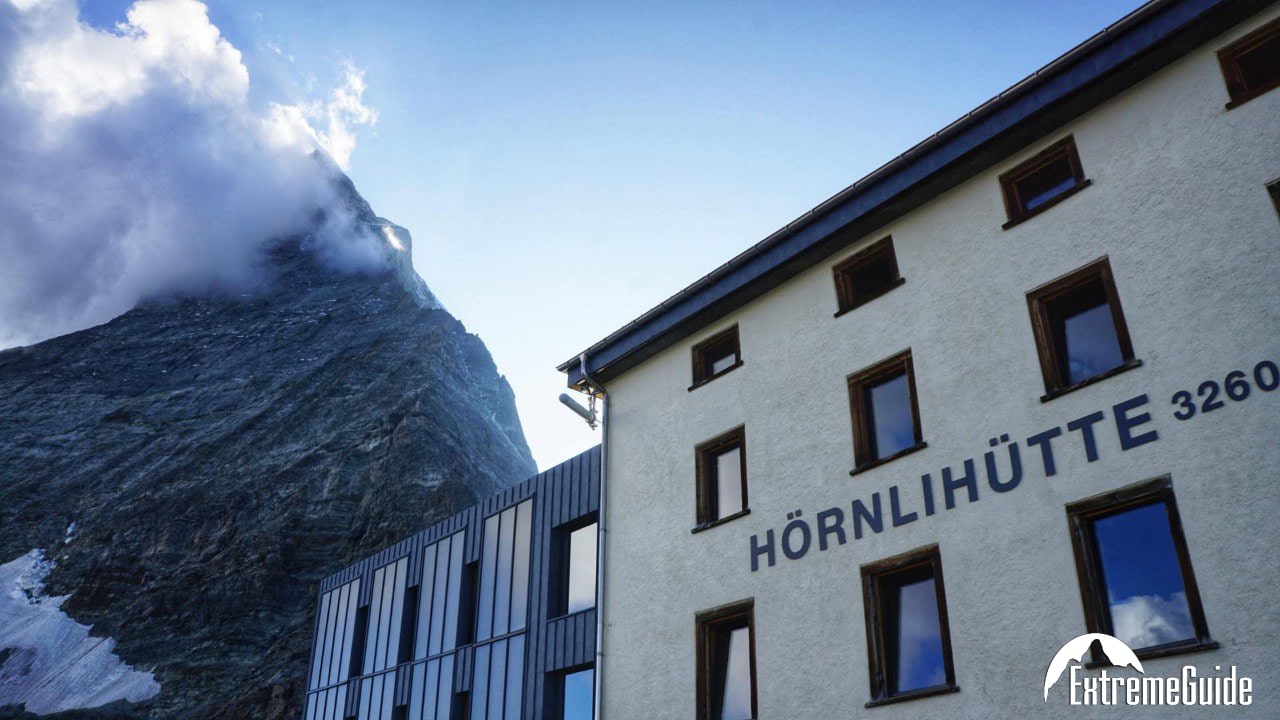
The route of ascent along the ridge of Hernley is considered more accessible, since it is possible to climb to a height of 2500 m above the village of Zermatt by cable car. It is 2.5 hours to Hernla’s hut, where there is a restaurant and the possibility to spend the night in bunk beds. In addition, there is an emergency hut on the route at an altitude of 4000 m – the Solvay hut.
An equally interesting alternative to Climbing the Matterhorn is the fascinating and picturesque Trekking Aroun Matterhorn. If you are not ready to climb, but want to see this majestic mountain, this tour is just for you.
The shape of Mount Matterhorn resembles a pyramid: four triangular faces converge at its top.
The Matterhorn is the fifth highest alpine peak, but the difficulty of climbing this mountain has no equal. Not surprisingly, the mountain remained unconquered until 1865.
Due to the high technical difficulty of the climb, as well as the fear instilled by the peak, the Matterhorn became one of the last major mountain peaks of the Alps to be conquered. Until 1865, various groups of climbers had made more than 10 attempts to reach its summit, mostly from the Italian side. The first successful ascent took place on July 14, 1865. It was carried out by the group of Edward Whymper, which also included climbers Francis Douglas, Douglas Robert Hadow, Charles Hudson and mountain guides Michel Cros, Peter Taugwalder (father) and Peter Taugwalder (son).Three days later, on July 17, 1865, Jean-Antoine Carrelly and Jean-Baptiste Bic managed to summit the Matterhorn from the Italian side along the Lyon ridge.
In this program, we invite you, under the guidance of our experienced guides, to climb one of the most famous and beautiful peaks on the planet.
As part of the acclimatization and training program, you will gain the missing experience and consolidate your old mountaineering skills.
Notes:
This program is individual — during the climb to the Matterhorn, one guide works with one client. If clients have sufficient training, it is possible for one guide to work with two clients. This rule was introduced based on safety concerns and the requirements of local guide associations and the international guide association IFMGA (in which our guides are trained). Considering the complexity and length of the route, it is difficult for one guide to ensure the safe and comfortable movement of a large group.
Главные впечатления от похода по Фанским горам:
Climbing route to the Matterhorn:
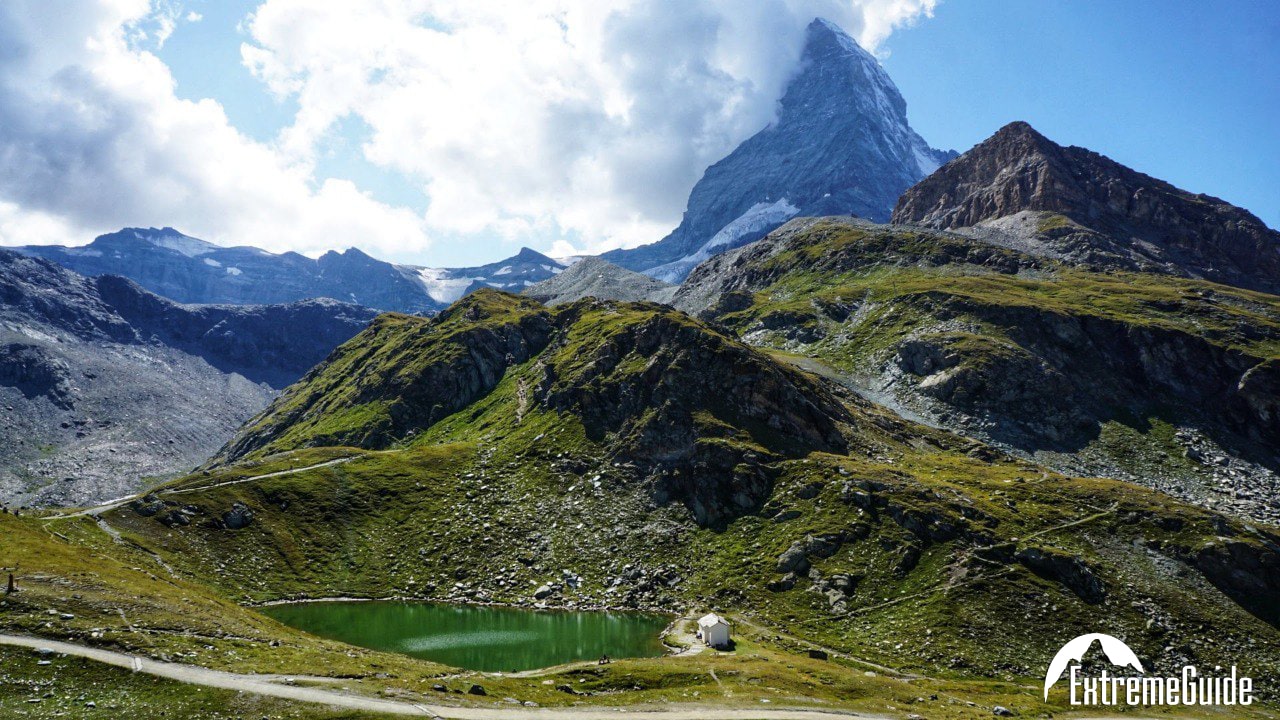
Geneva — Zermatt — Breithorn, 4260 m — Cervino Guides Hut (3450 m) — Lake Schwardzi (2500 m) — Hernli Hut — Matterhorn (4478 m) — Zermatt village — Geneva
Yourguides

Route climbing the Matterhorn
day
We recommend arriving in Geneva before 6:00 PM. Transfer to Zermatt by train (approximately 4 hours).
Meet your guide. Check that you have the necessary equipment and clothing for the itinerary. If necessary, missing gear can be purchased in numerous stores or rented at rental points. Prepare for departure and pack your backpacks.
day
Today we’ll take the cable car to 3,800 meters, from where we’ll make a training ascent along one of the climbing routes up Mount Breithorn East, 4,260 meters. The difficulty of the ascent is PD-AD. We’ll descend for the night at the “Guides of Cervino” hut.
day
We return to the Klein Matterhorn lift and descend to 2,500 m. We trek to Lake Shvardzi. We walk another two hours to the Hörnli Hut. We spend the night and prepare for the ascent.
day
Ascent of the Matterhorn (4478 m). Depart no later than 5:00–5:30 AM. The ascent typically takes 5–7 hours one way and the descent the same. It is crucial to reach the summit before 12:00 PM to ensure safe descent. If possible, descend to Zermatt on the same day, or spend an additional night at the Hörnli Hut.
*Note:
For your safety, there is a checkpoint along the route.
The first checkpoint is the Solvay Hut. It is crucial to arrive no later than 3 hours after the start from the Hörnli Hut. The target time may change due to weather conditions and other circumstances.
The maximum ascent time for the Matterhorn is 8 hours (to the summit). If you fail to meet one of the target times, the guide reserves the right to begin an early descent from the mountain.
day
Reserve day in case of bad weather and other circumstances.
day
Departure for Geneva.
Note*:
– The program is not final and may be adjusted depending on the weather, the condition of the participants and other factors.
– The main principle in our work is customer safety! If the participant is technically or physically not ready to climb the Matterhorn, the guide has the right, based on the results of acclimatization and three training ascents, to offer an alternative end to the program without compensation or refunds of funds spent on participation in the program.
– The best time for climbing begins in mid-July after the snow and ice melts from the rocky areas, and lasts until the first cold weather – usually until mid-September.
– The route is not used if there is a risk of thunderstorm due to the inability to shelter from lightning.
– In case of insufficient physical and technical preparation of the participants, the guide can to refuse the final ascent to the participants and offer an alternative training and ascent program, without the right to compensation for the costs incurred.
Important! The requirement of local guide associations, due to the high danger of the route, is that a guide work with no more than one client. We respect the requirements of local guide associations, and also value your safety and the safety of our guides. Therefore, on the Matterhorn you will be alone with your guide.
Why is it profitable to go hiking with Extremeguide?


Cost and conditions for climbing the Matterhorn
Is this trip right for you?
To participate in this ascent, it is necessary to have mountaineering experience, for example, Mont Blanc or Kazbek. Minimal rock climbing experience – confident lasagna on 5a rocks. Before traveling to the Matterhorn, we recommend that you take any of our training programs: Mountaineering School in Chamonix, Mountaineering School in Georgia, Mountaineering School in the Tatras, Mountaineering School in the Carpathians.
Included in the price:
- A guide trained to international standards (1 guide per 2 participant);
- Accommodation at the Cervino Guides Hut (1 night), half-board;
- Accommodation at the Hurley Hut (1 night), half-board;
- Lift passes according to the program;
- Rental of special group equipment – ropes, nuts, slings, carabiners;
- Group first aid kit (carried by the guide);
- Climbing certificate.
The price does not include:
- Transportation from your accommodation to Geneva Airport;
- Geneva-Zermatt-Geneva roundtrip train transfer – €200;
- Additional nights at the Hörnli Hut (1 night), including dinner and breakfast – €160;
- Medical insurance with mountaineering coverage – €30-40;
- Schengen visa;
- Rental of individual climbing equipment – €150/set;
- Meals in Zermatt – from €40/day;
- Accommodation in Zermatt;
- Snacks on the mountain;
- Guide expenses for an additional night at the Hörnli Hut (accommodation cost);
- Tips for the guide (optional);
- Other expenses not listed in the program.
The total amount of additional costs, excluding international airfare and equipment rental, can amount to €600-700.

Best price guarantee!
- We have included in the price all possible basic expenses for the program and guarantee that there are no hidden additional costs, while we have retained the best service at a low price: transfers, hotel accommodation, guides and staff!
We have a flexible discount system
Find out the details right now:
Necessary equipment
Basics:
- Trunk/bag 60-70 l
- Backpack for mountaineering 35-45 l (More about choosing a backpack);
Shoes and clothing:
- Mountaineering boots (it is important that the shoes are comfortable and worn in. Usually shoes are chosen with a thick toe and 1.5-2 sizes larger than the foot size) (More about choosing clothes and boots);
- Insulated jacket (down/primaloft);
- Membrane jacket (softshell);
- Membrane pants (softshell, windstopper);
- Fleece jacket;
- A set of thermal underwear (top and bottom);
- T-shirt;
- Light trekking pants/shorts (for trekking);
- A cap;
Socks 2 pairs (thermal or other thick); - Overnight socks (wool or down);
- Liner (sheet for overnight stay in a shelter);
- Warm mittens/ski mittens (down or synthetic insulation);
- Warm gloves (fleece);
- Work gloves (for working with rope);
- Change of underwear;
- Buff or balaclava;
- Sun hat;
- Rain cape (if your walking clothes get wet).
Additionally:
- A cape for a backpack (or large plastic bags for packing things);
- Headlamp + spare set of batteries;
- Hygiene items (a toothbrush and a small tube of toothpaste, a bar of soap and a little shampoo will be enough; do not take full bottles of shower gel and shampoo, heaps of creams and lotions with you);
- Documents;
- Individual first aid kit (plaster, cold, stomach, head. You also need to take into account specific and chronic diseases, if any. In addition to the individual first aid kit, the instructor has a general);
- Mountaineering goggles (protection category 3-4);
- lip balm chapstick ;
- Sunscreen ointment (with SPF 30-50);
- Water bottle ( 1-2 l.)
- Lighter;
- Mobile phone.
Special equipment
- Safety system;
- Self-belay system — 1 pc;
- Carabiners 3 pcs (2 medium);
- Mountaineering helmet (a ski helmet will not work!);
- Classic ice axe;
- Crampons (that match your boots).
The amount of special equipment depends on the specific event; here is the most extensive list. Also, depending on the specific event, this equipment is either included in the price or not included, in which case you do not need to buy it, but can rent it from us.
- Thermos (0.5 – 1.0 liters);
- Camera;
- Trekking poles.
Additional information
In case of insufficient physical and technical preparation of the participants, the guide has the right to refuse the final ascent to the participants and offer an alternative training and ascent program, without the right to compensation for the costs incurred.
This program is individual – during the climb to the Matterhorn, one guide works with one client. If clients have sufficient training, it is possible for one guide to work with two clients. This rule was introduced based on safety concerns and the requirements of local guide associations and the international guide association IFMGA (in which our guides are trained). Considering the complexity and length of the route, it is difficult for one guide to ensure the safe and comfortable movement of a large group.
Features of acclimatization in high mountains
Physical and mental preparation before climbing and hiking in the mountains
Absence of diseases incompatible with active tourism: List of diseases
There are direct flights from Europe to Geneva. We will organize transfers from the airport and back for you. Meet with the guide either in Geneva to 18:00 or at the final stop of the Geneva – Chamonix bus.
- Accommodation at the Guides Cervino Hut (1 night), half-board;
- Accommodation at the Hurley Hut (1 night), half-board;
- Accommodation in Zermatt (hotel/apartment – not included).
Meals in the shelters’ cafes.
At the trekking an climbs, the first aid kit is with the guide. Contact with rescuers is possible from any point along the route. Individual medications must be taken with you.
Up to +30ºС in the valleys. In the highlands up to -10ºС
This program is potentially dangerous to the health and life of any of the participants. Guides provide the necessary safety provided that participants comply with safety regulations.
The decision to stop climbing in conditions that threaten the safety of the participants is within the exclusive competence of the guide and is not subject to discussion.
The card holder has a 50% discount on Swiss Railways, valid for 1 month (or one year at the highest price) and costing approximately CHF 120, receives a 50% discount on almost all train and gondola rides in Switzerland, including the Klein Matterhorn Gondola ( Saving CHF 50 per person) and the Gornergrat train to Zermatt (saving CHF 21 on the return trip to Zermatt from Rothenboden).
The savings on gondola/train rides on this trip are typically over 60% of the purchase price, and especially if you plan to travel to and from Zermatt by train, the Half Fare Card gives you the opportunity to save.
You may be asked to show your passport as the 1 month card is not available to Swiss residents, which also explains why it is so difficult to find on the official Swiss Rail (SBB) website.
The table shows the basic cost for a group and may change depending on the number of people in the group. For the calculation of the cost of the tour for a smaller number of people and individual groups, see the «Price» block for more details.
We guarantee that on the dates indicated in the table, even if there is a minimum number of people allowed in the group, the tour will take place 100% with a minimum change in cost.
Pleasant bonuses, which everyone receives when ordering a tour with us


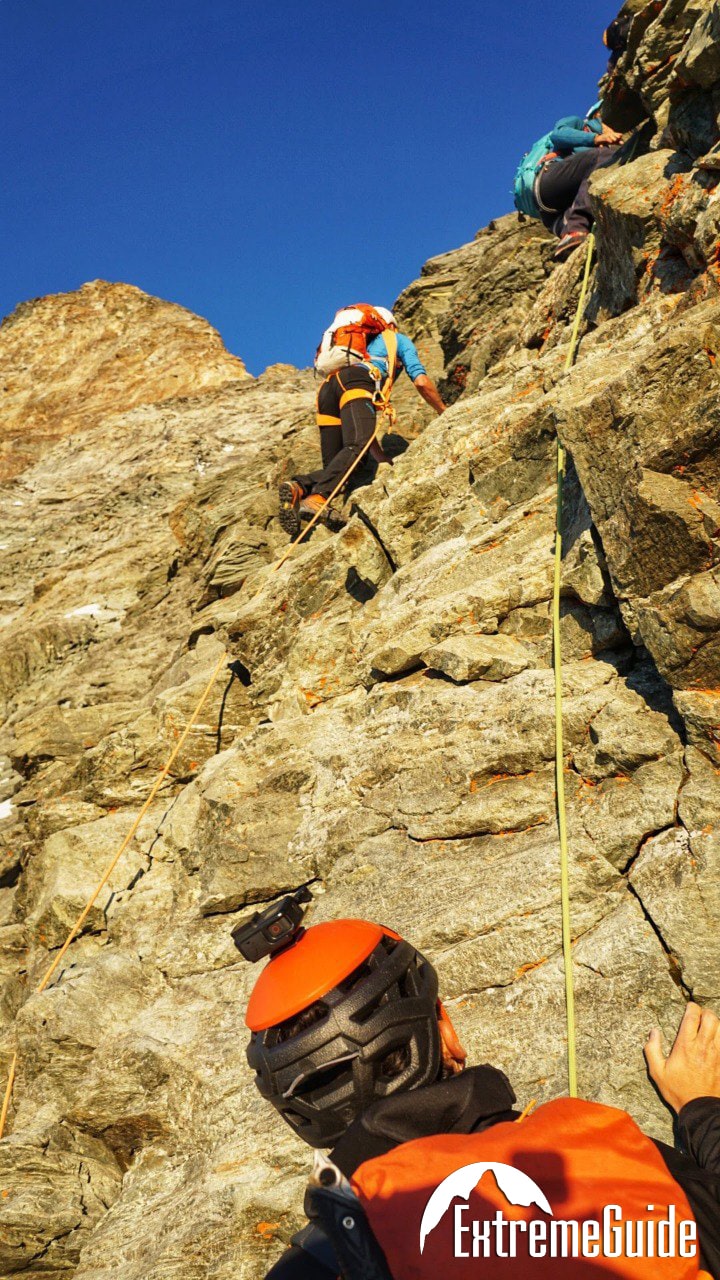
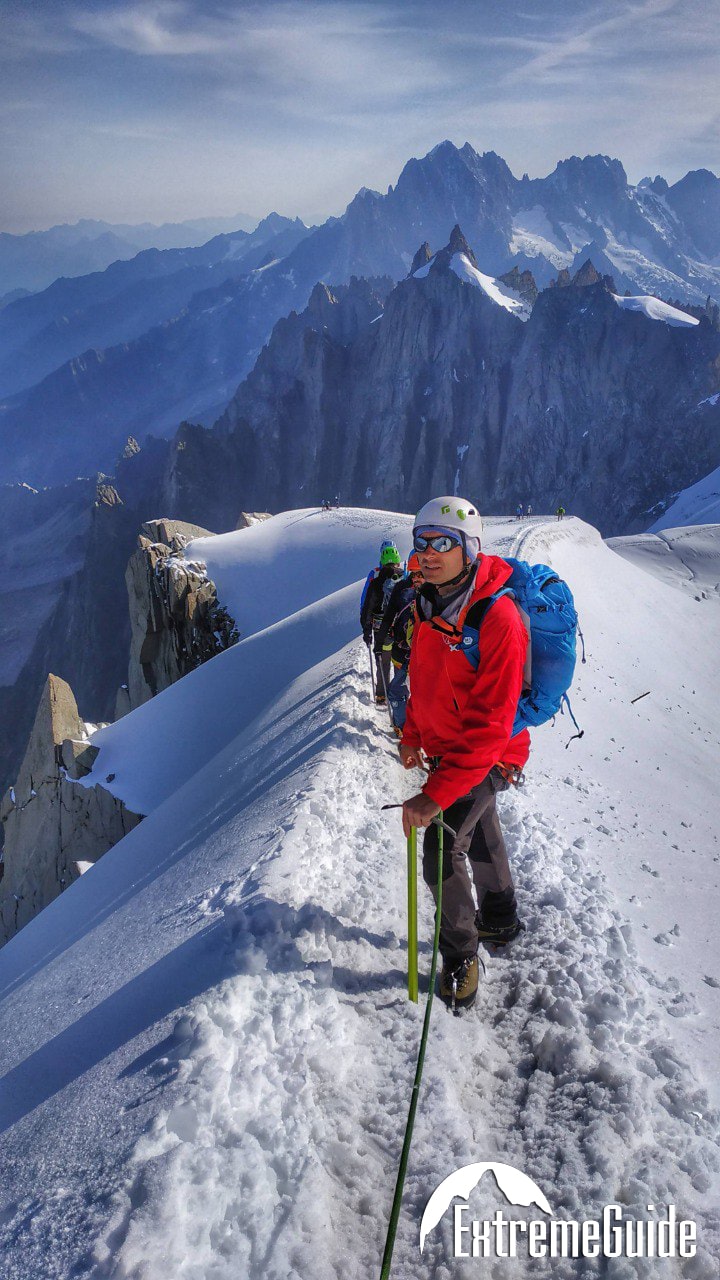
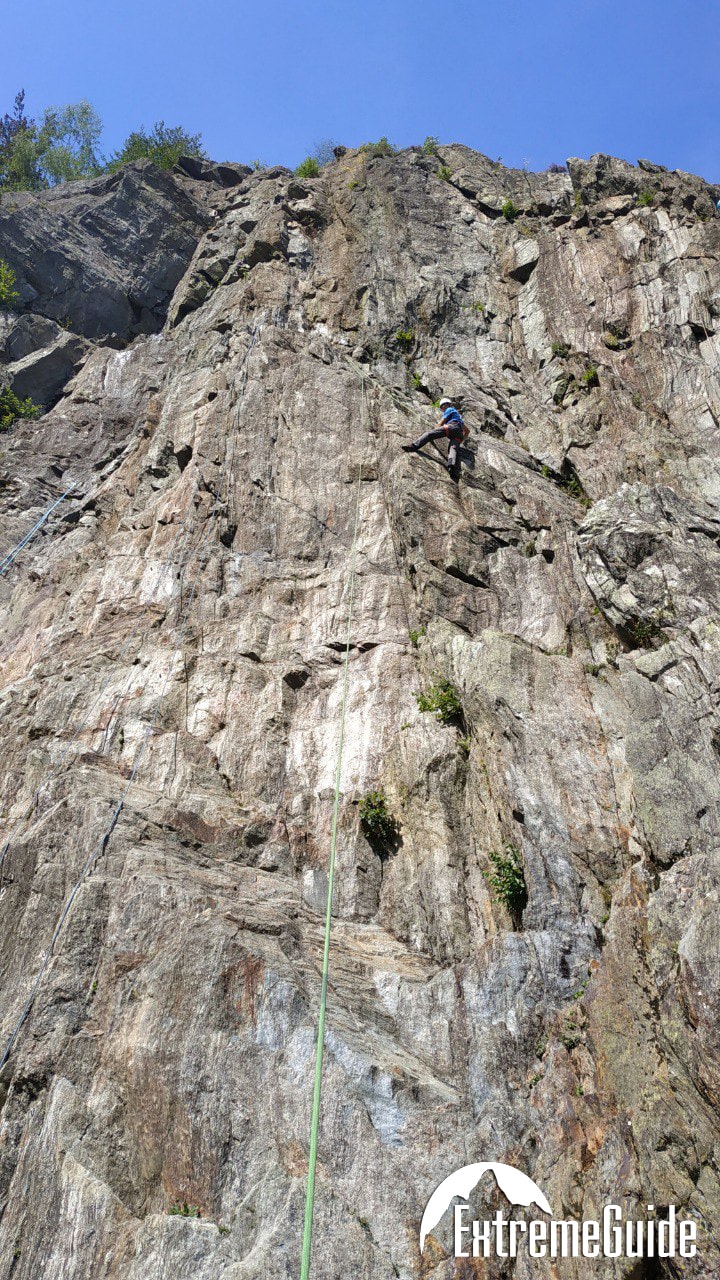
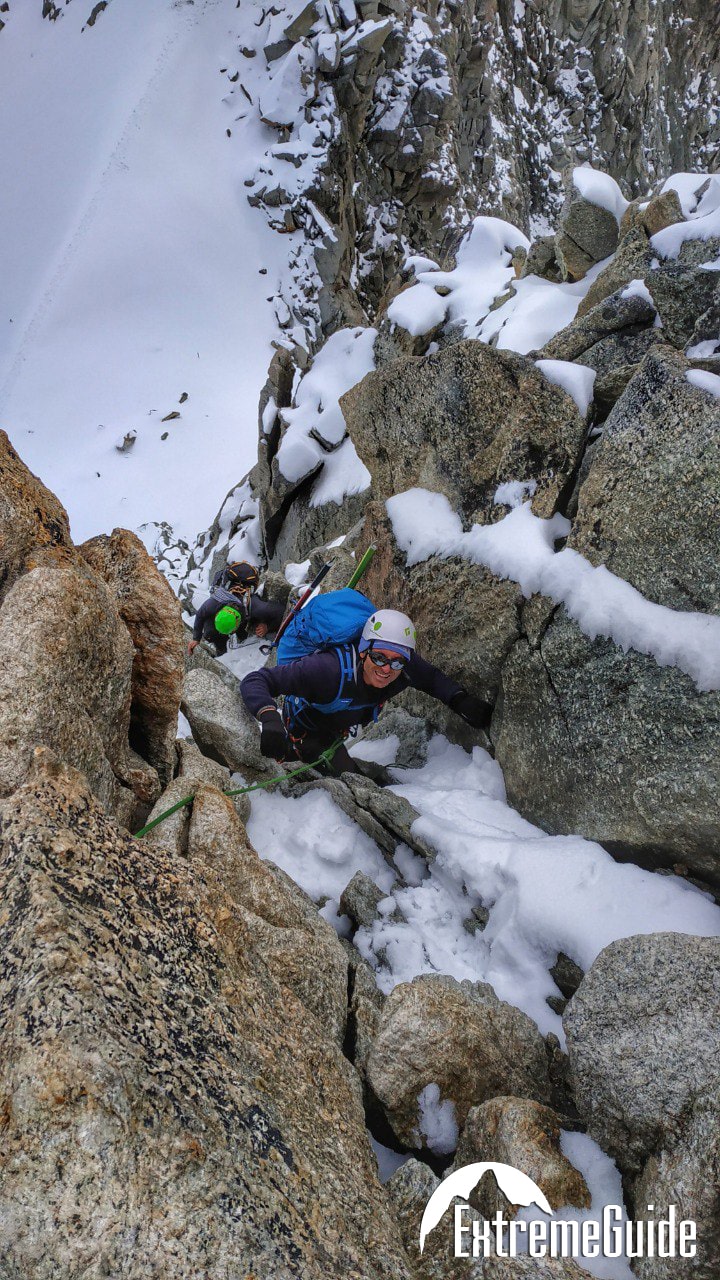
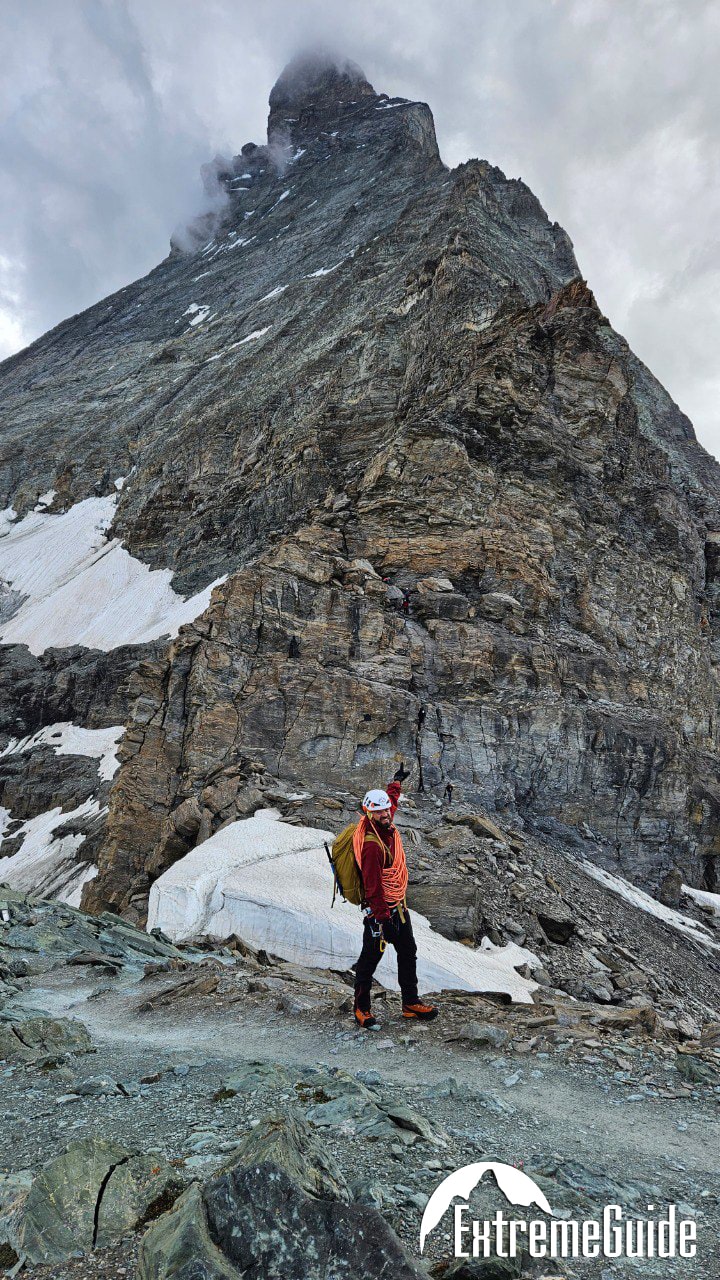
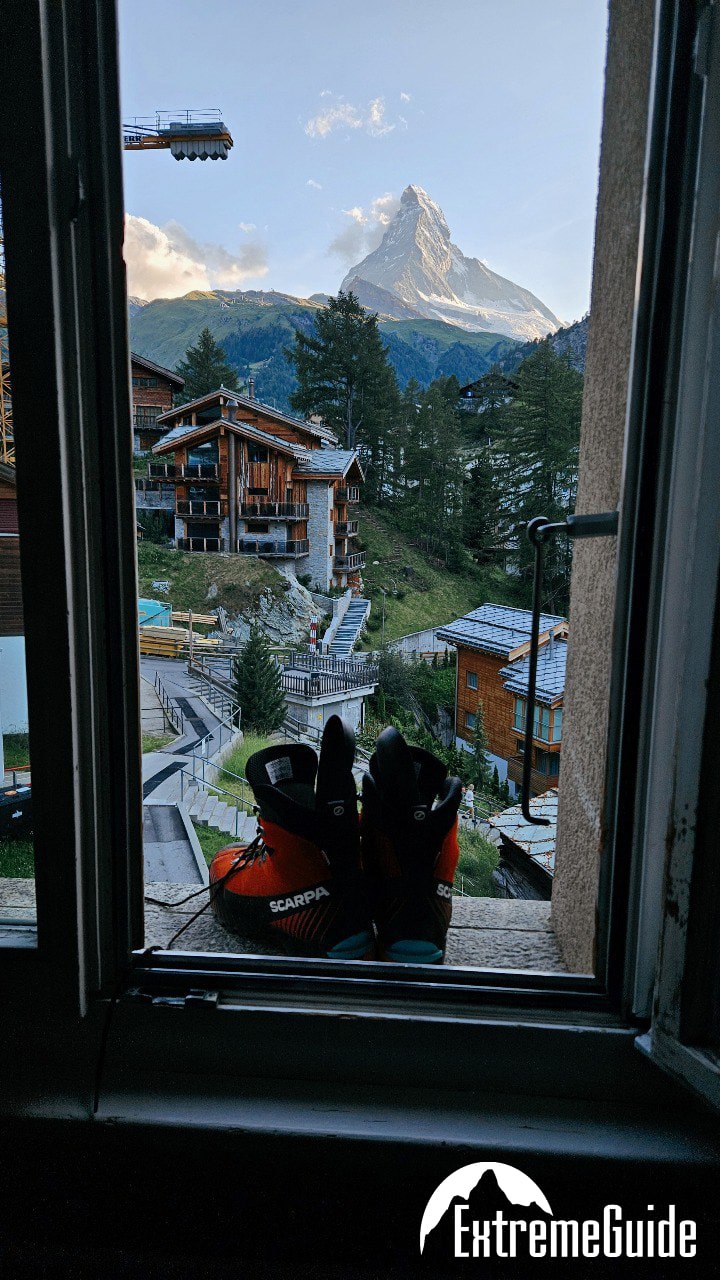
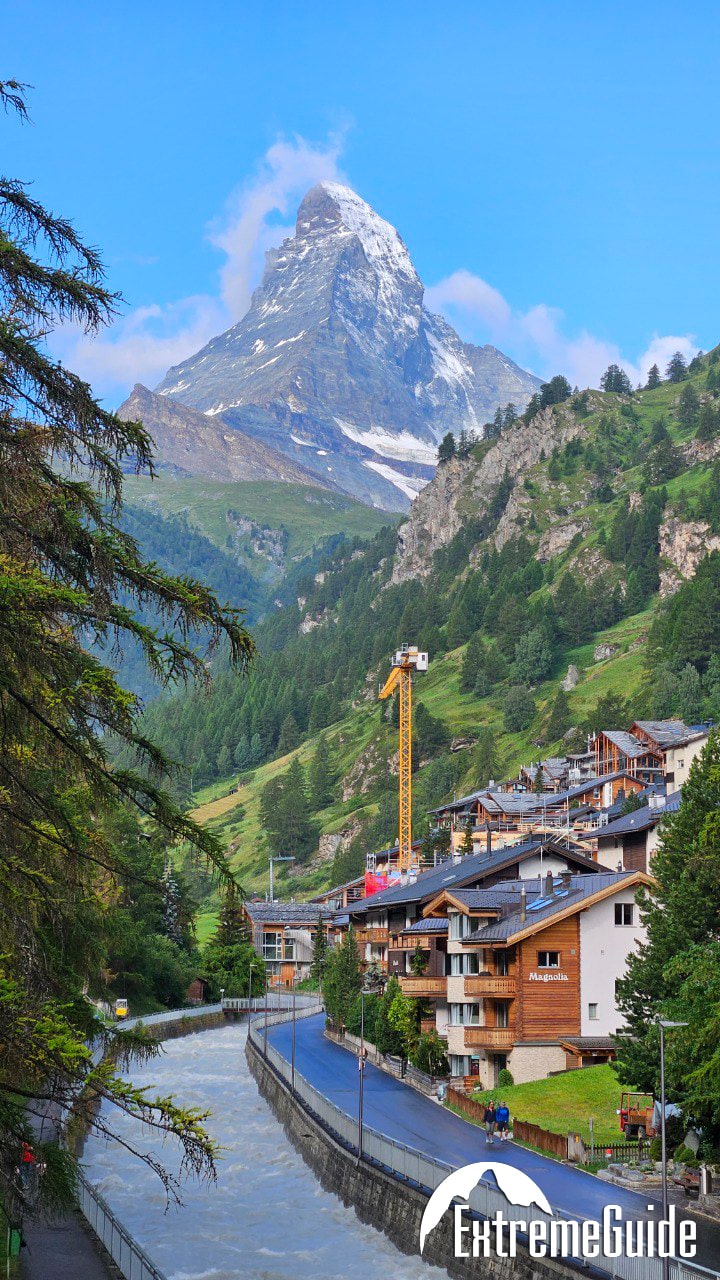
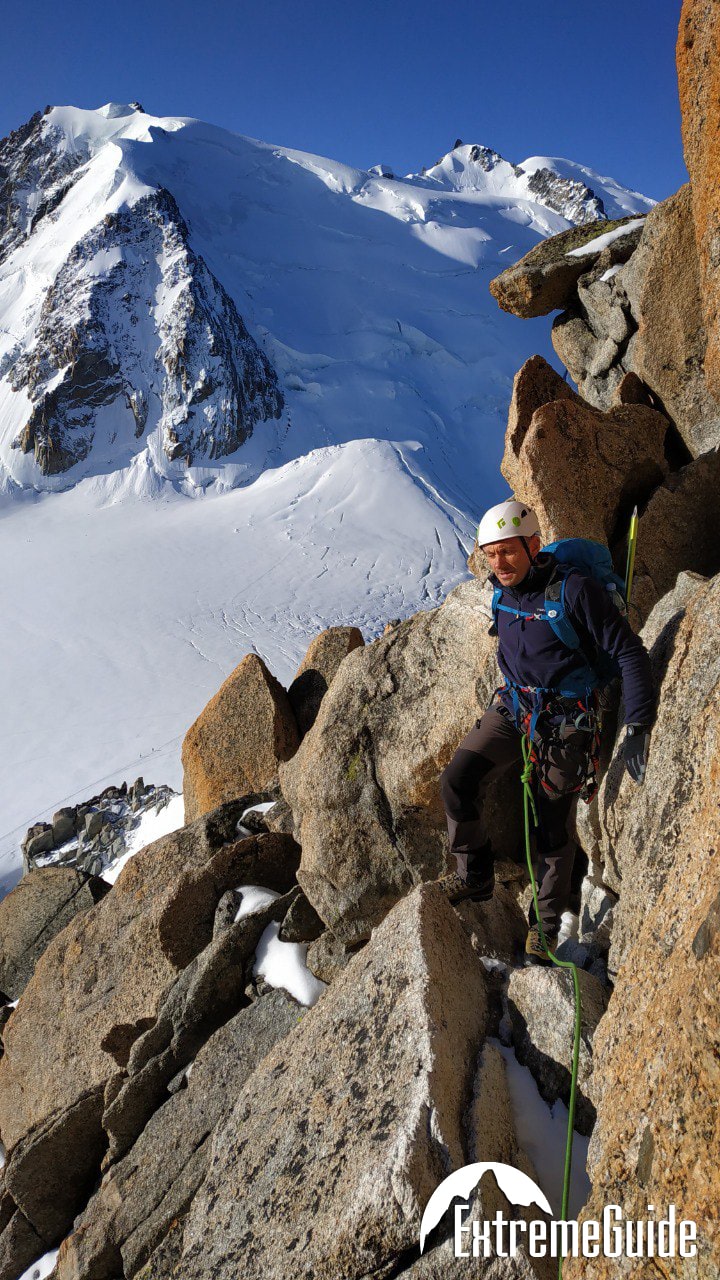
Photo of previous trips

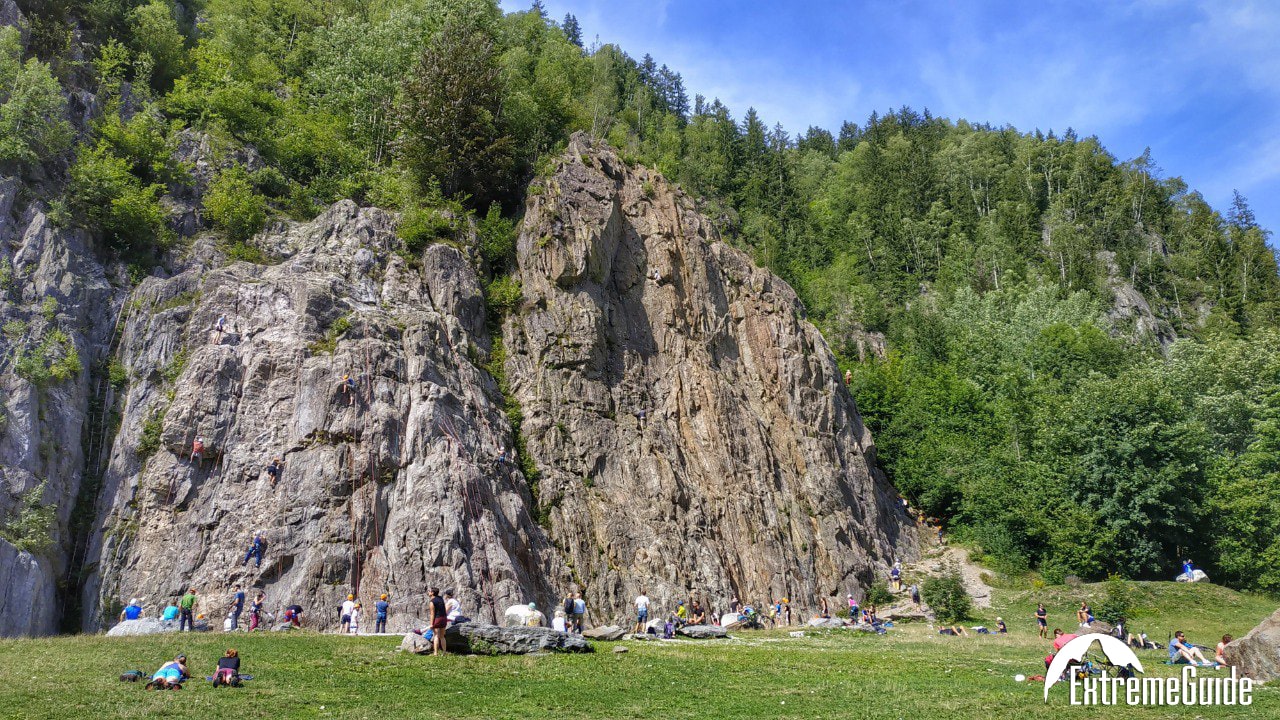
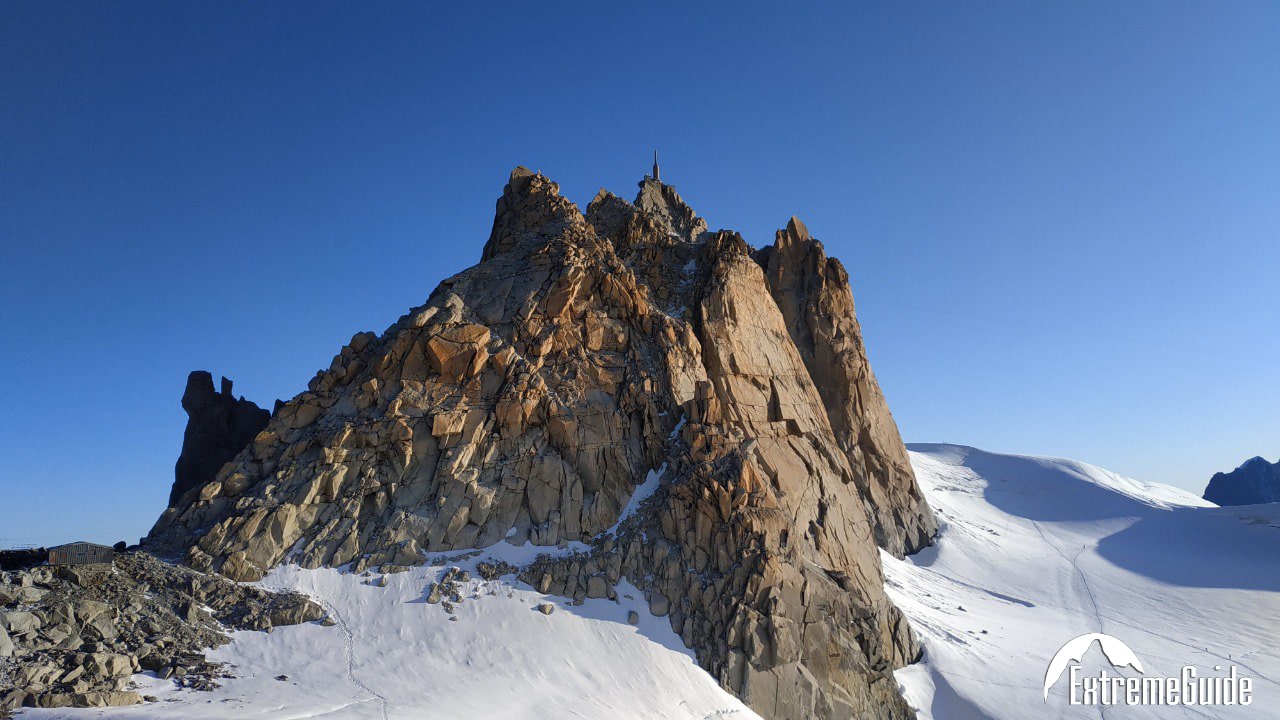
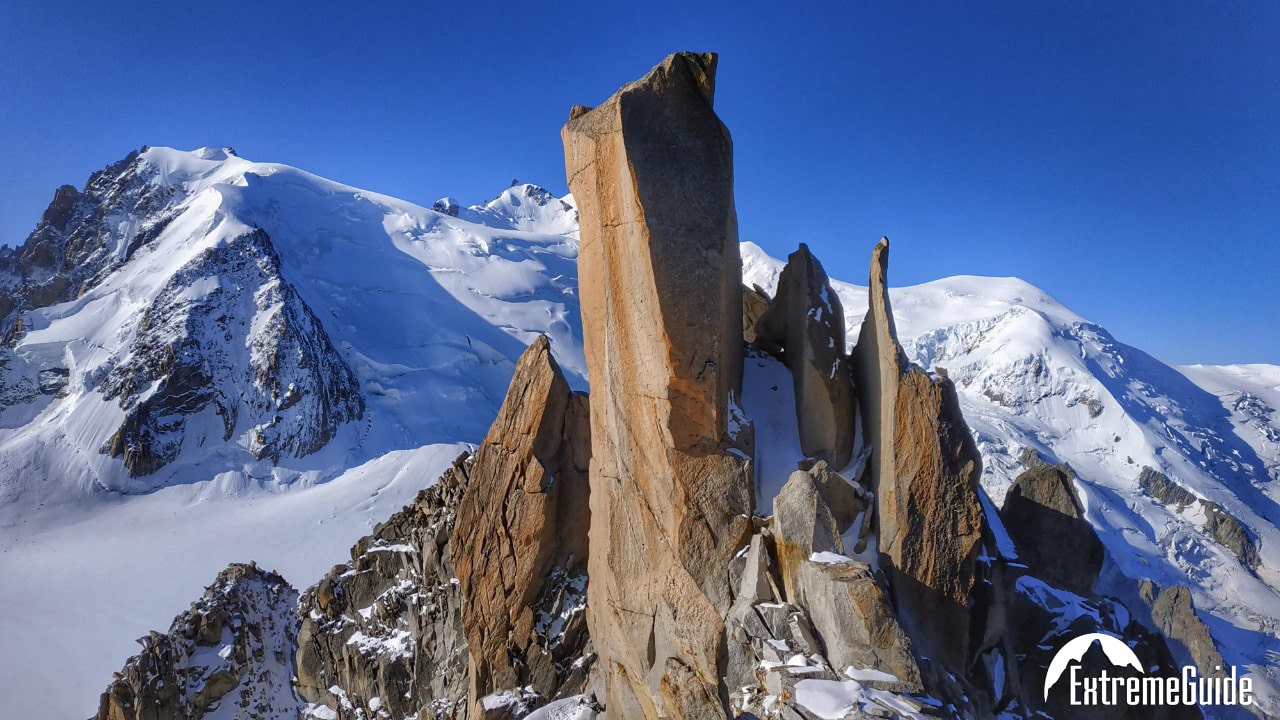
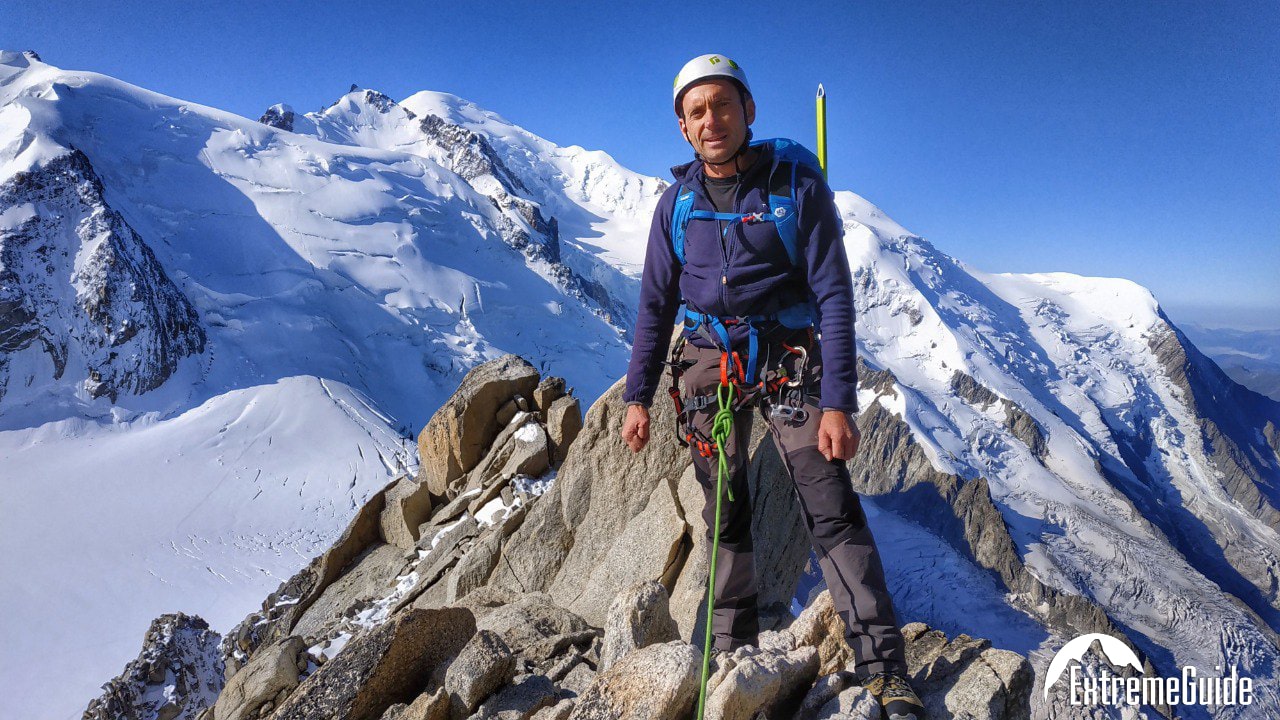
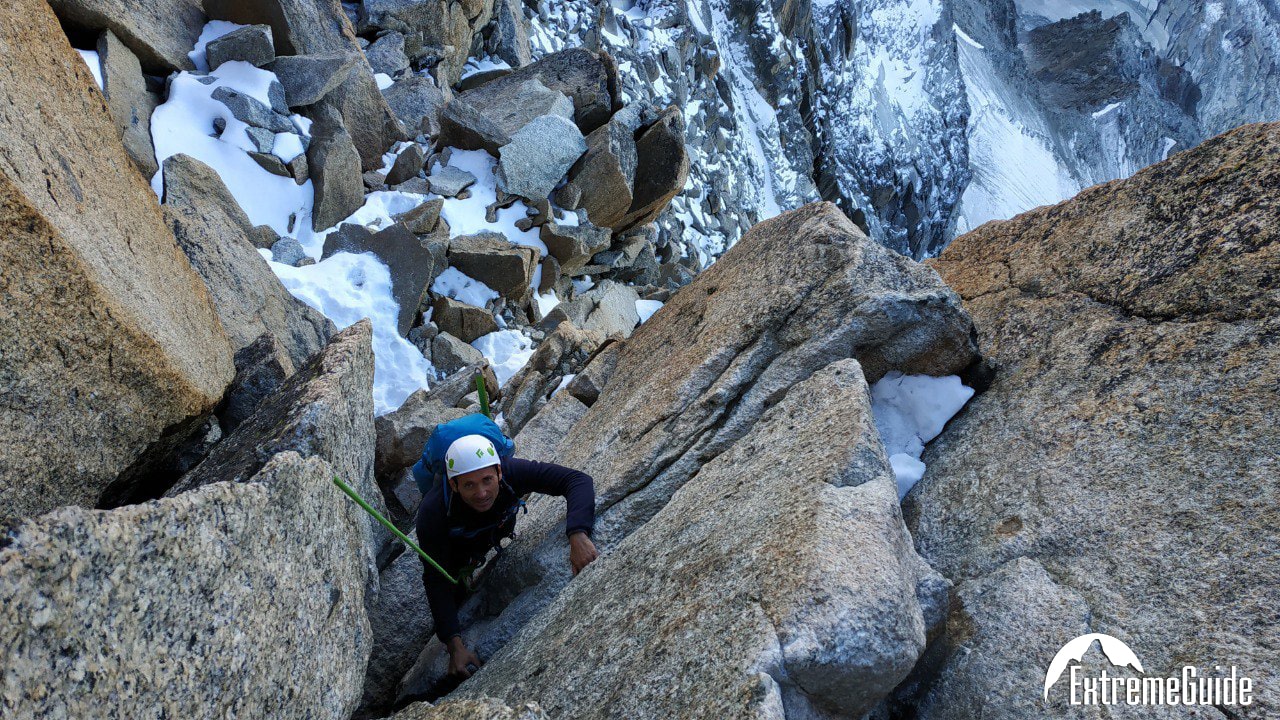
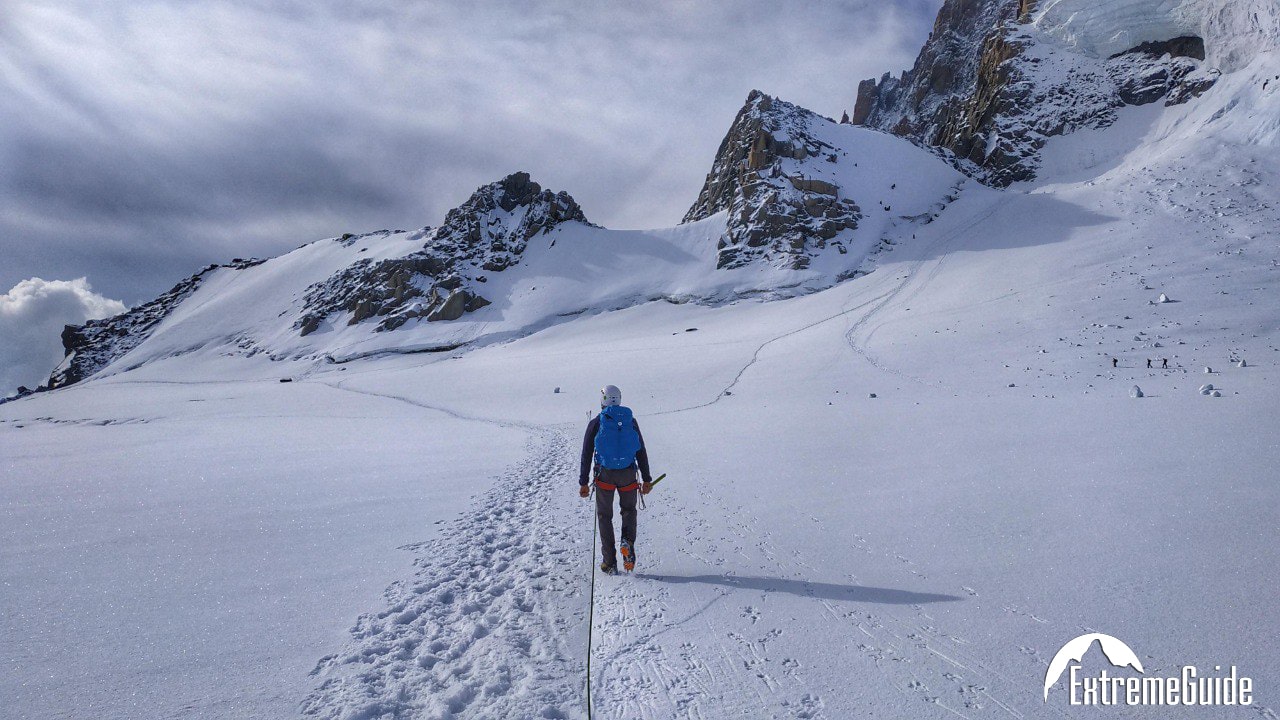
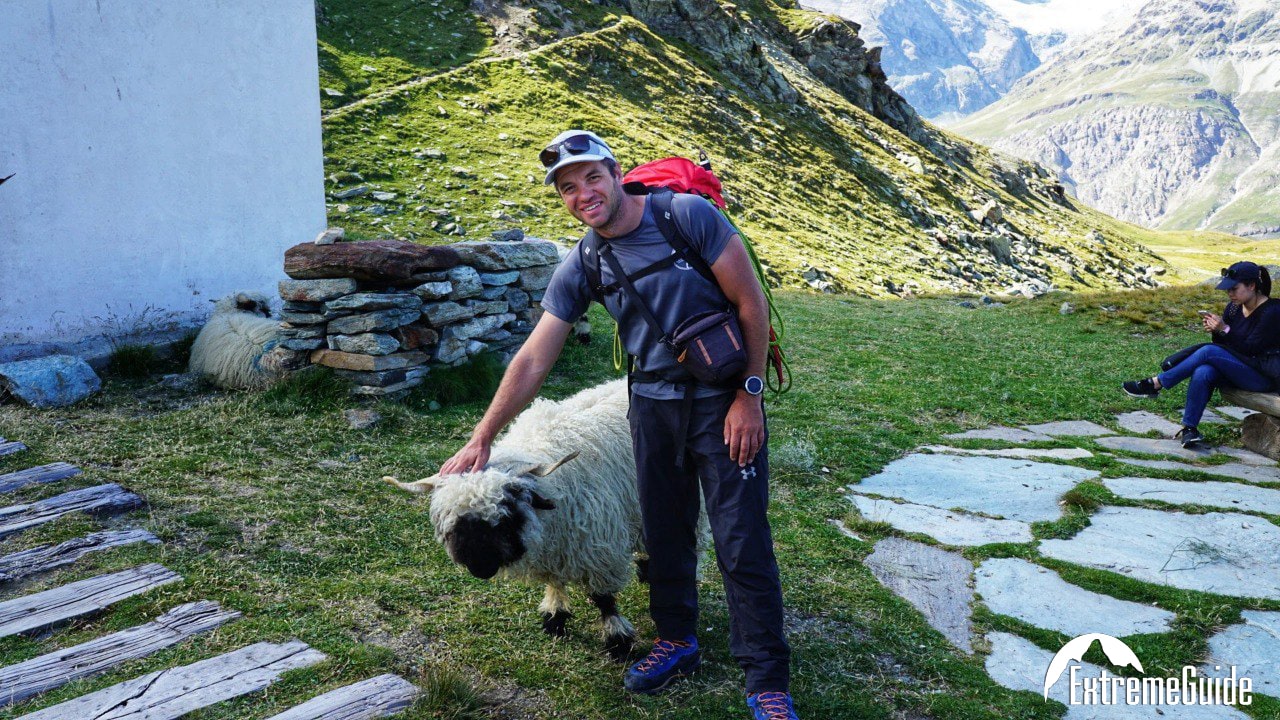
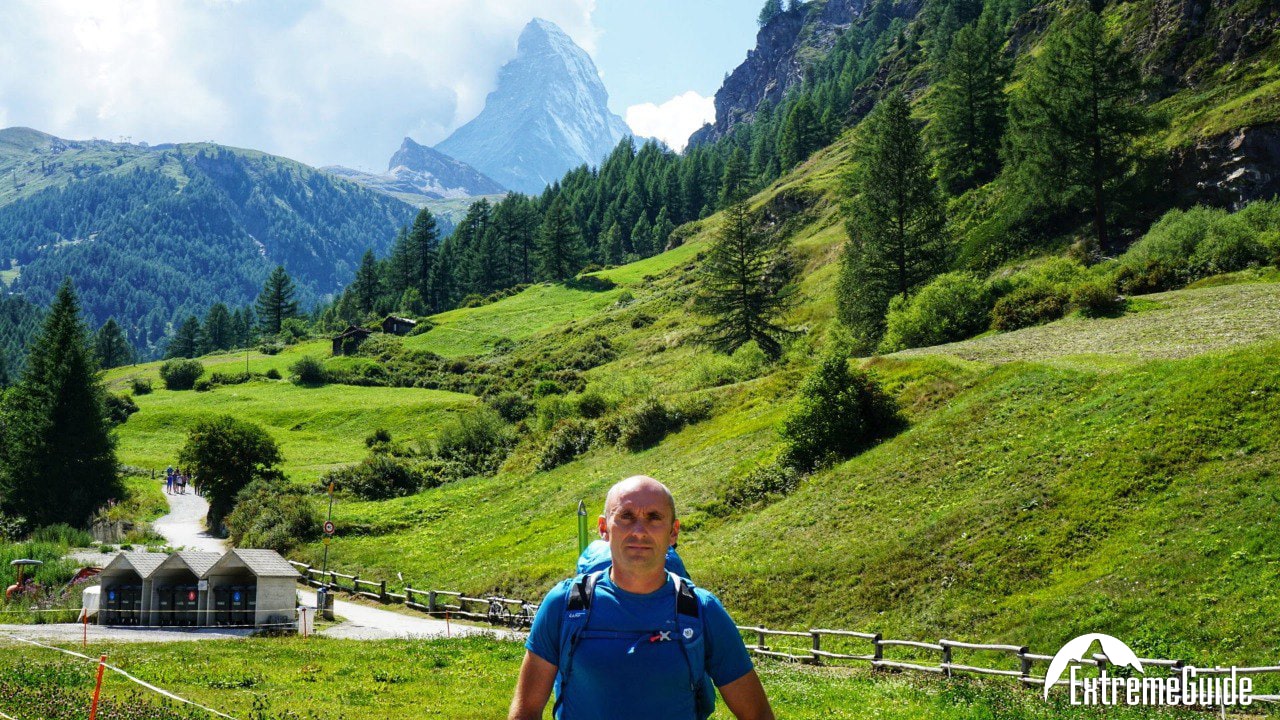
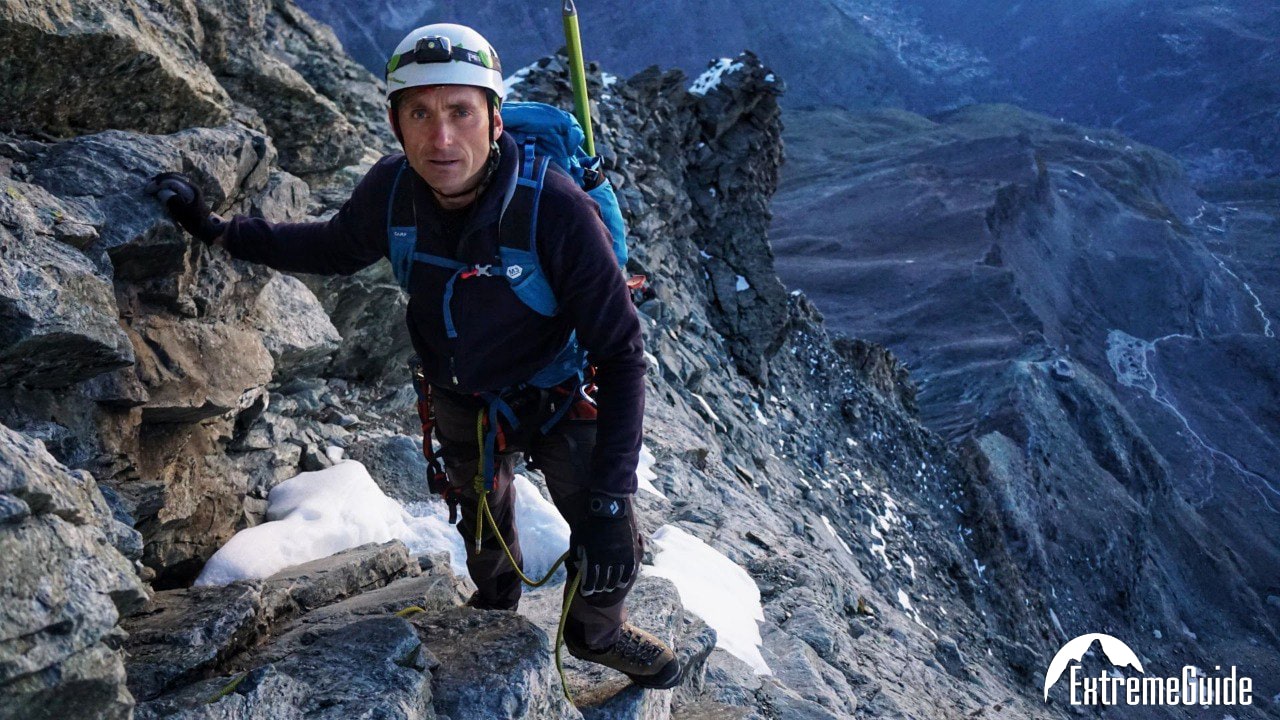
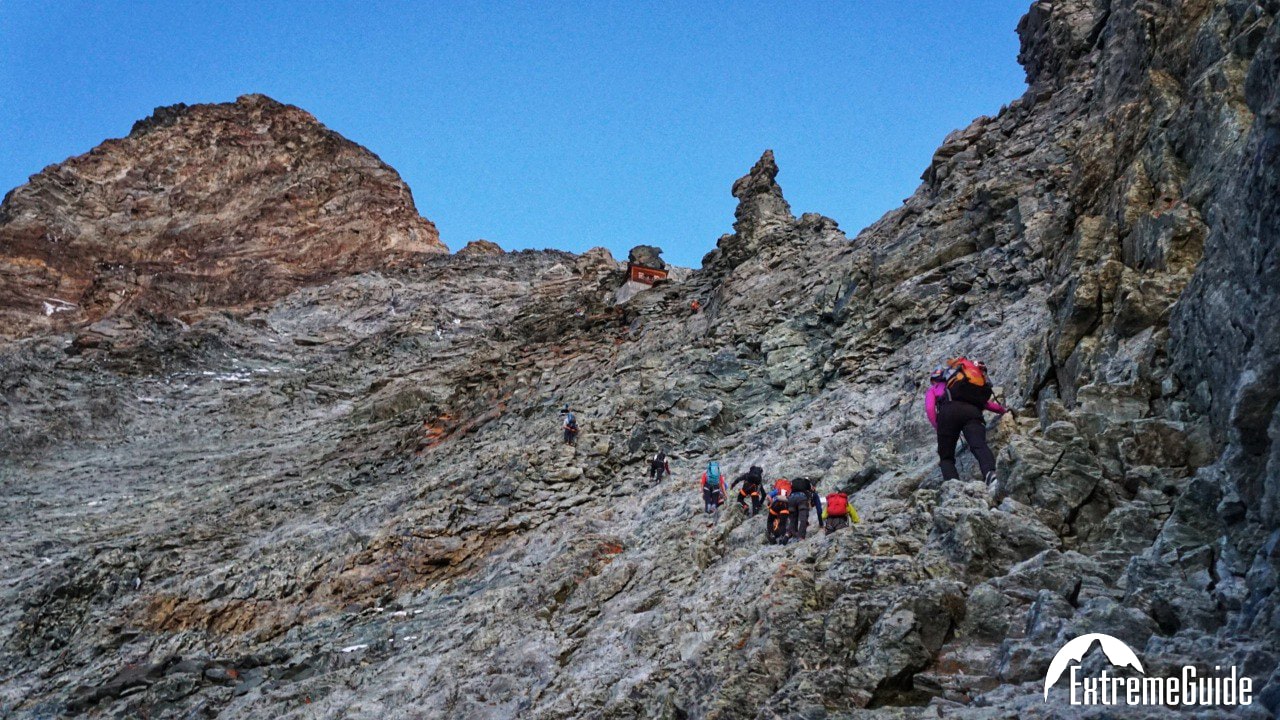
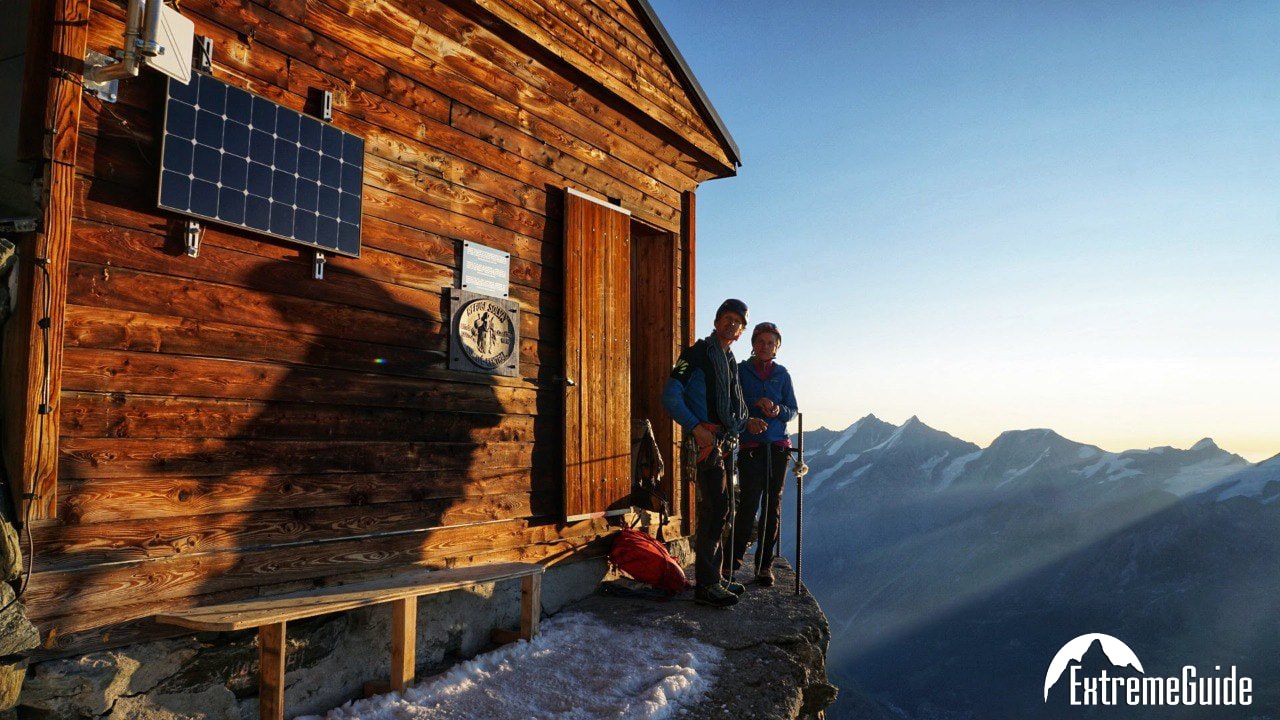
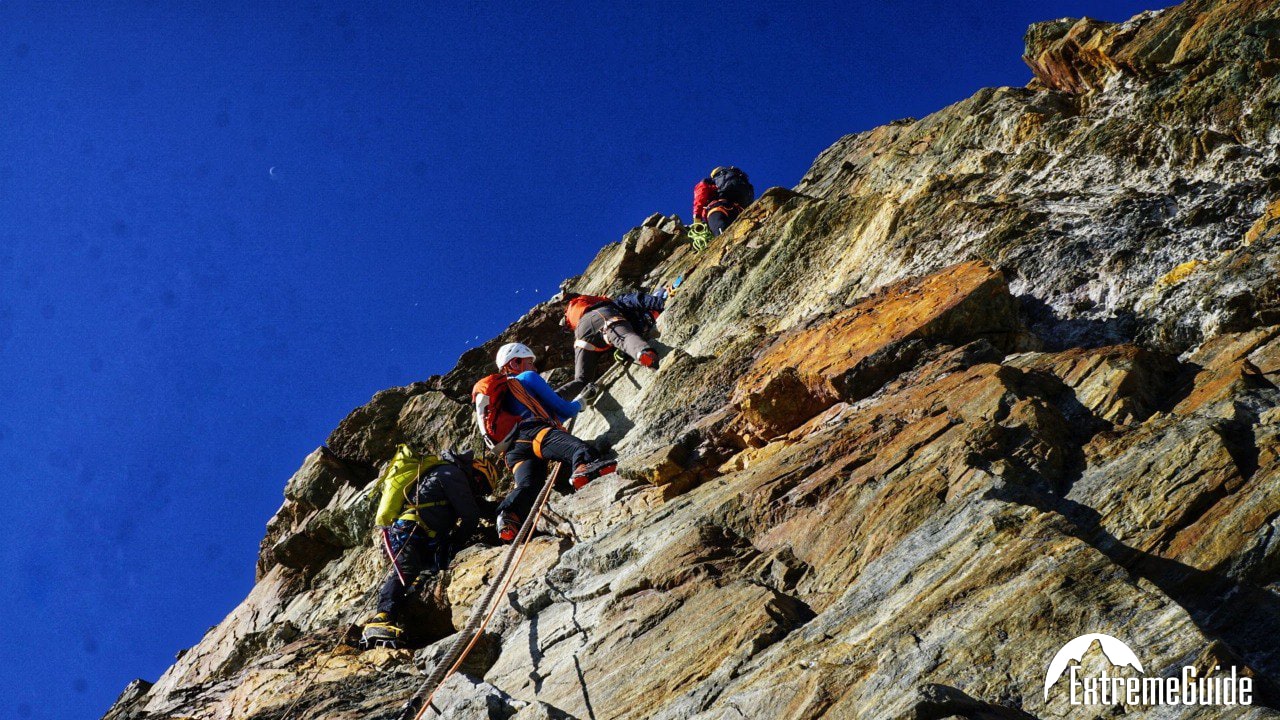
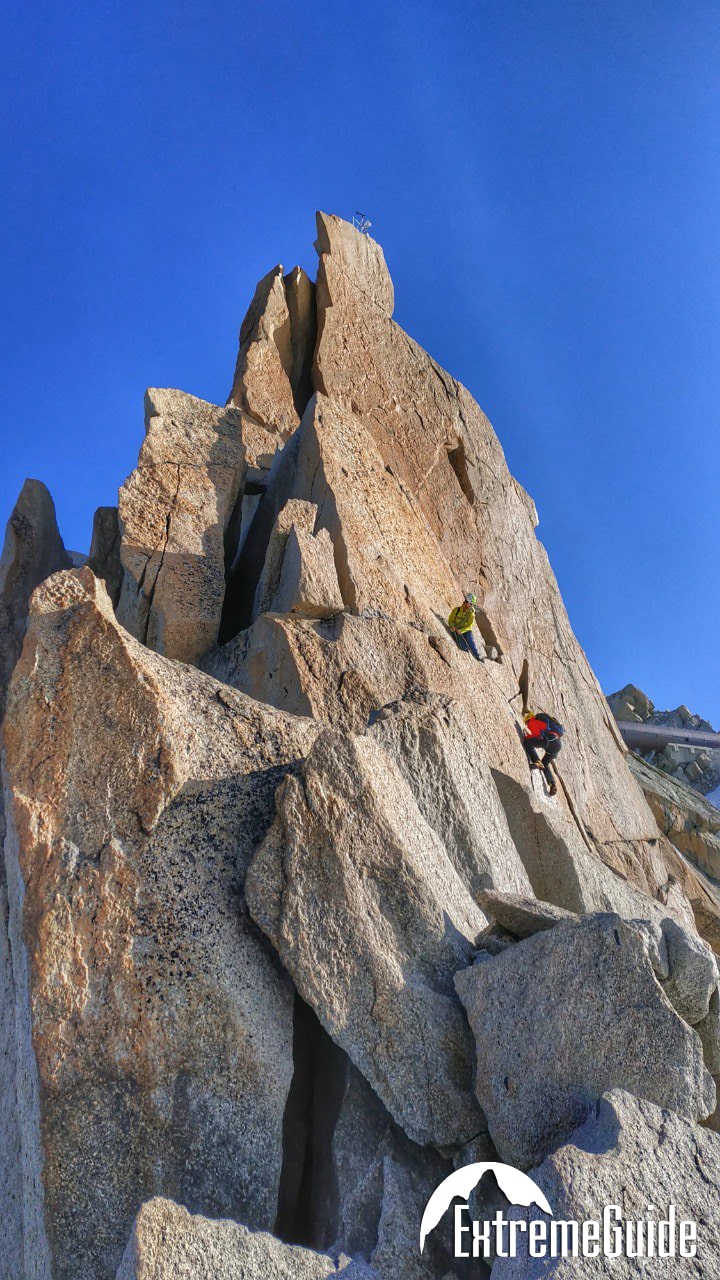
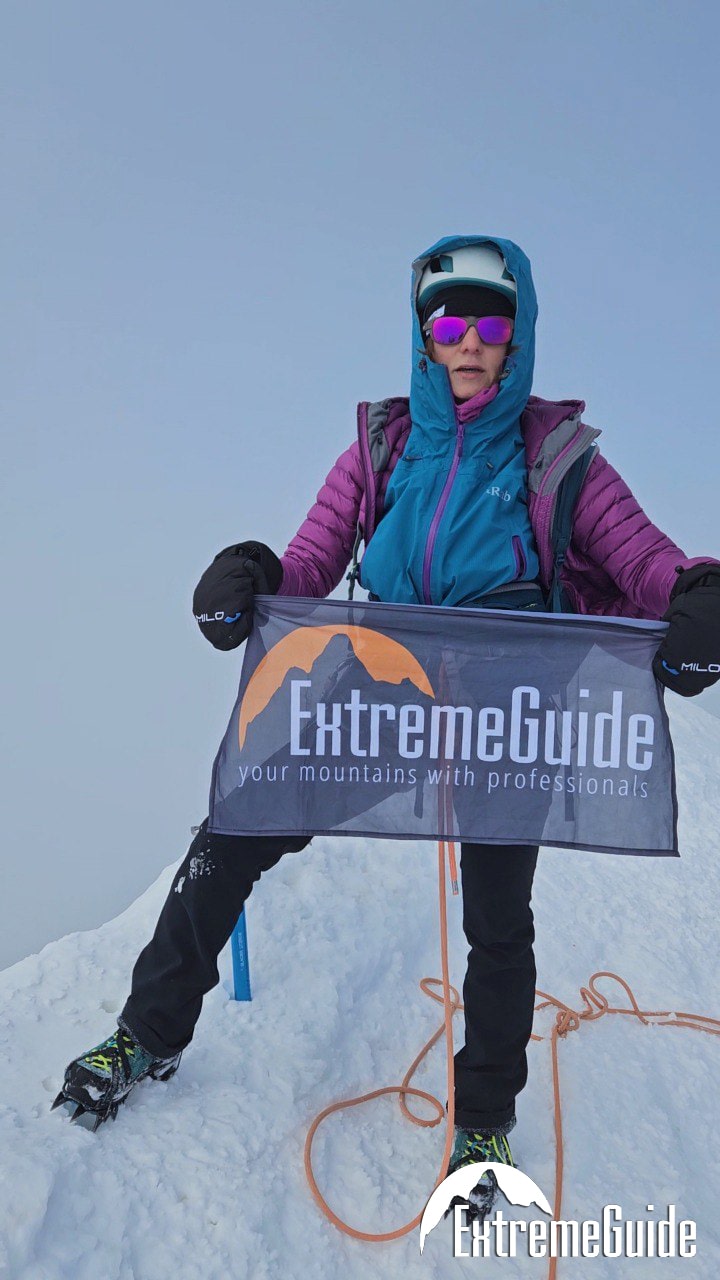
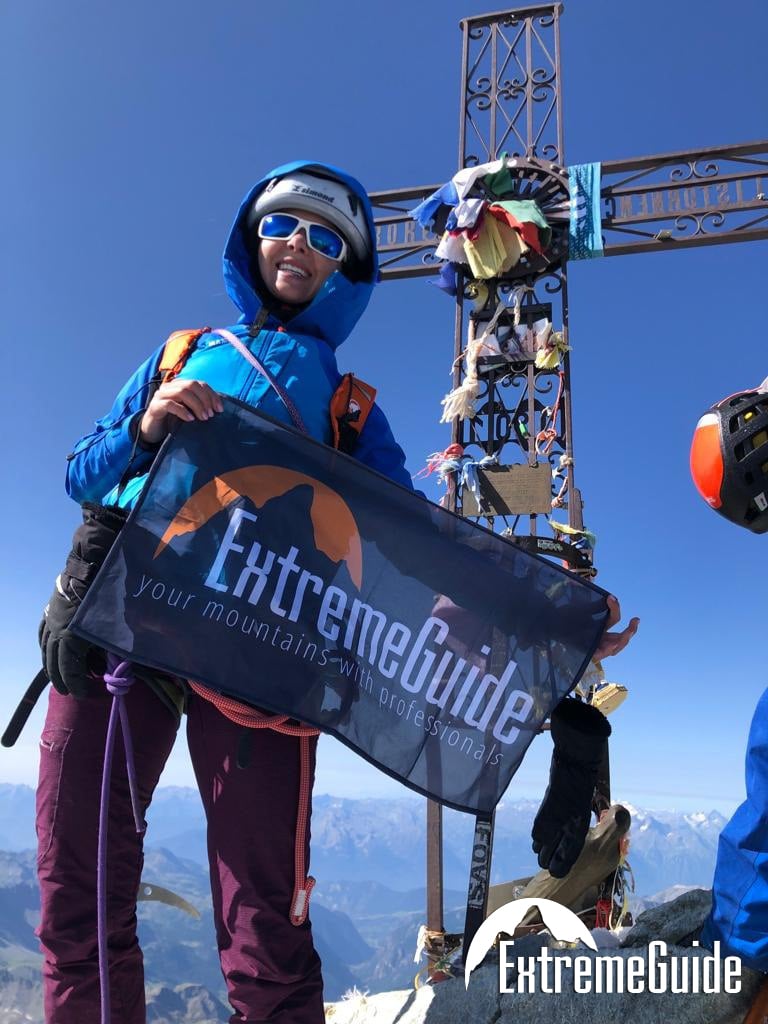


Reviews of our travelers
30 серпня 2023 р. Матінка природа внесла свої корективи і перетворила скельний маршрут в сніжно- льодовий…Цього ранку на сходження вийшли лише дві людини Володимир та я….За браком часу до вершини не дійшли, проте я не шкодую, такий Матерхорн дорогого коштує!!!... More

Велика гірська пригода цього літа!Справжнє щастя – мати тиждень пригод в Альпах в супроводі досвідченого гіда та альпініста.Дякую за терпіння і підтримку, завдяки цьому вершина стала реальністю. Окрема подяка за адаптацію програми під мої особисті уподобання – видовий мультипітч у... More
Невероятное приключение и ошеломляющие виды! Все организовано очень тщательно и продумано до деталей. Высокий профессионализм и внимательное отношение горного гида-Олега позволяли оставаться на позитиве и вселяли уверенность даже во время трудных моментов восхождения. Все прошло замечательно, обязательно обращусь снова! Extremeguide,... More
Восхождение на Маттерхорн для меня было мечтой, и вот я это осуществил, в частности благодаря гиду Олегу. Если бы не он, вряд ли бы у меня получилось. Достаточно не простое восхождение, требующее опыта и хорошей физподготовки. Но я впечатлен, восхождение... More

Достаточно сложное восхождение, к которому обязательно необходимо серьезно готовиться. Для меня второй раз был успешным, и благодаря гиду и опыту у меня все получилось. More
Рекомендованные туры
 Switzerland
Dates:
June 27 - June 29
July 11 - July 13
July 25 - July 27
August 1 - August 3
August 8 - August 10
August 22 - August 24
September 5 - September 7
September 12 - September 14
Complexity:
Duration:
Height:

5.0 (13)
Left: 1 place
 France
 Dates:
June 13 - June 20
June 20 - June 27
June 27 - July 4
July 4 - July 11
July 11 - July 18
July 18 - July 25
July 25 - August 1
July 26 - August 2
August 1 - August 8
August 2 - August 9
August 8 - August 15
August 15 - August 22
August 22 - August 29
August 29 - September 5
September 5 - September 12
September 12 - September 19
September 19 - September 26
September 26 - October 3
Complexity:
Duration:
Height:
5.0 (13)
Left: 1 place
 France
 Dates:
June 21 - June 23
July 5 - July 7
July 19 - July 21
August 2 - August 4
August 16 - August 18
August 30 - September 1
September 13 - September 15
September 27 - September 29
Complexity:
Duration:
Height:
5.0 (13)
Left: 2 places
 Switzerland
 Dates:
June 21 - June 27
July 4 - July 10
August 9 - August 15
August 23 - August 29
Complexity:
Duration:
Height:

Left: 2 places
 Switzerland
 Dates:
July 24 - July 26
August 17 - August 19
September 4 - September 6
Complexity:
Duration:
Height:
Left: 2 places
 Switzerland
Dates:
July 4 - July 9
August 15 - August 20
Complexity:
Duration:
Height:
Left: 8 places
 France
 Dates:
July 11 - July 22
August 15 - August 26
Complexity:
Duration:
Height:
Left: 2 places
 Italy
Italy Dates:
Complexity:
Duration:
Height: