
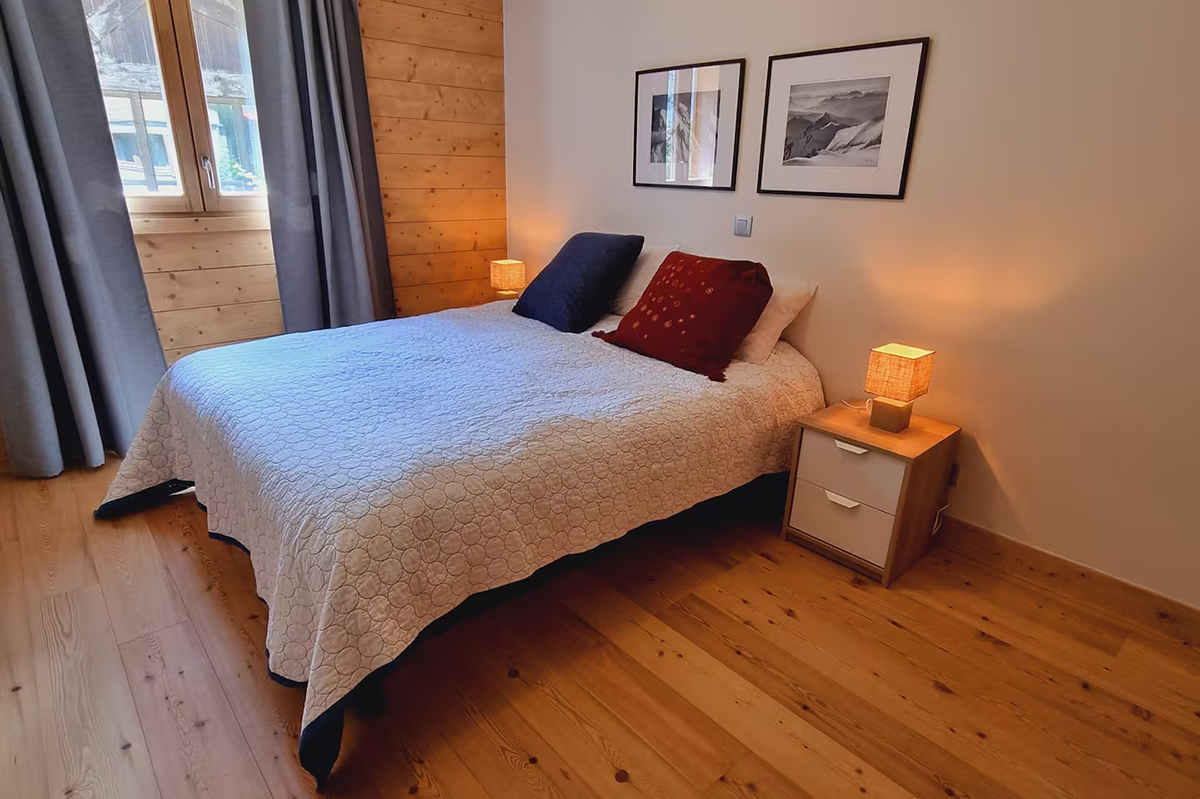
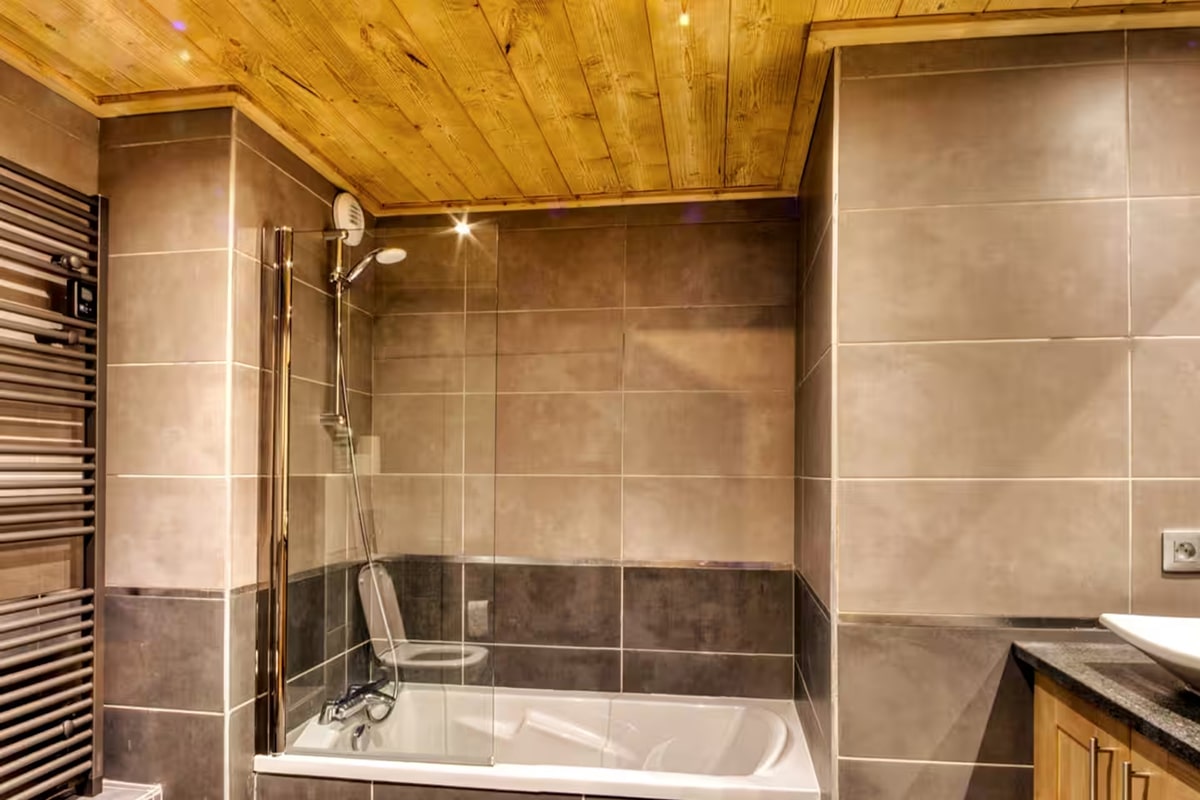
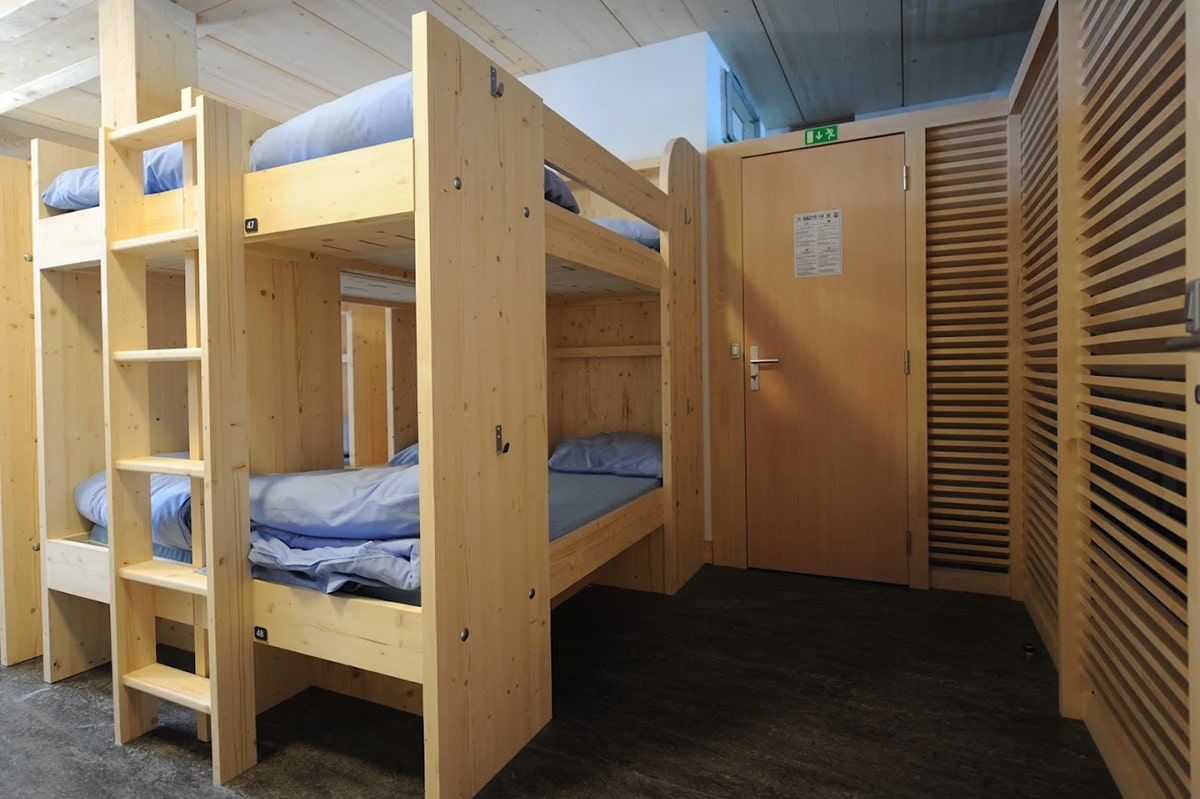
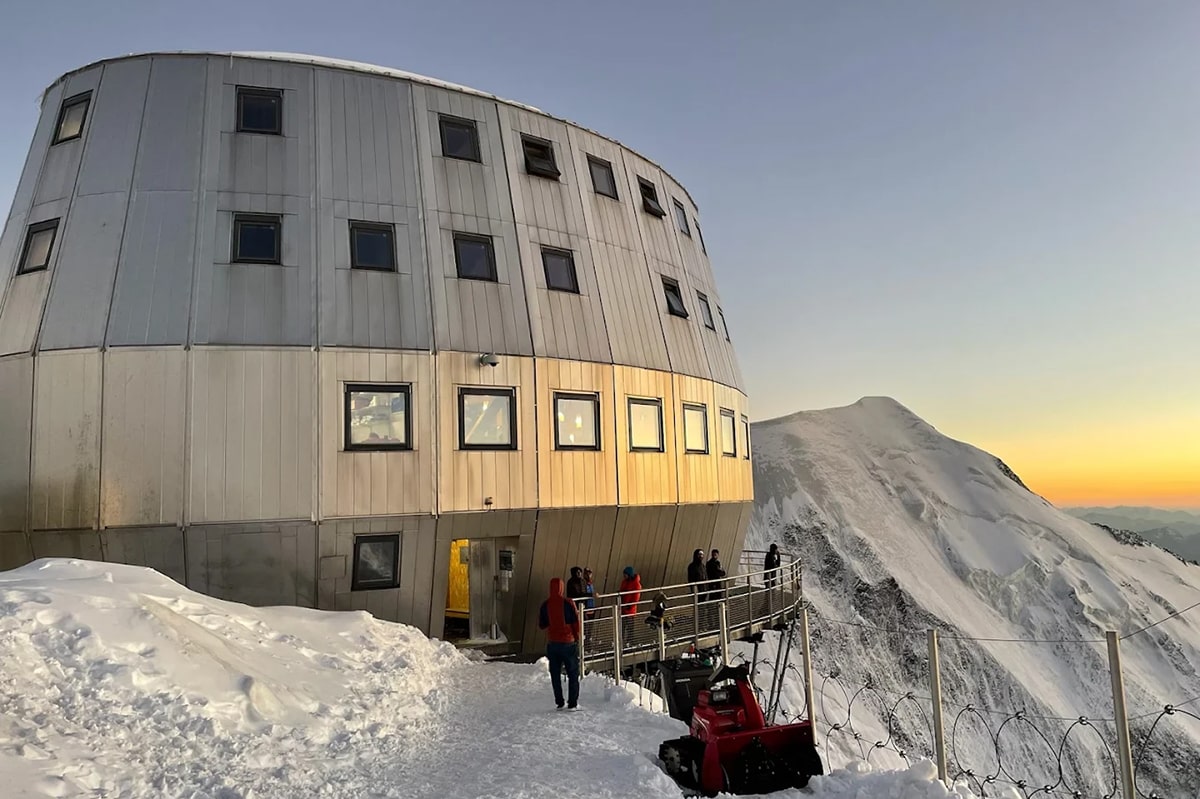
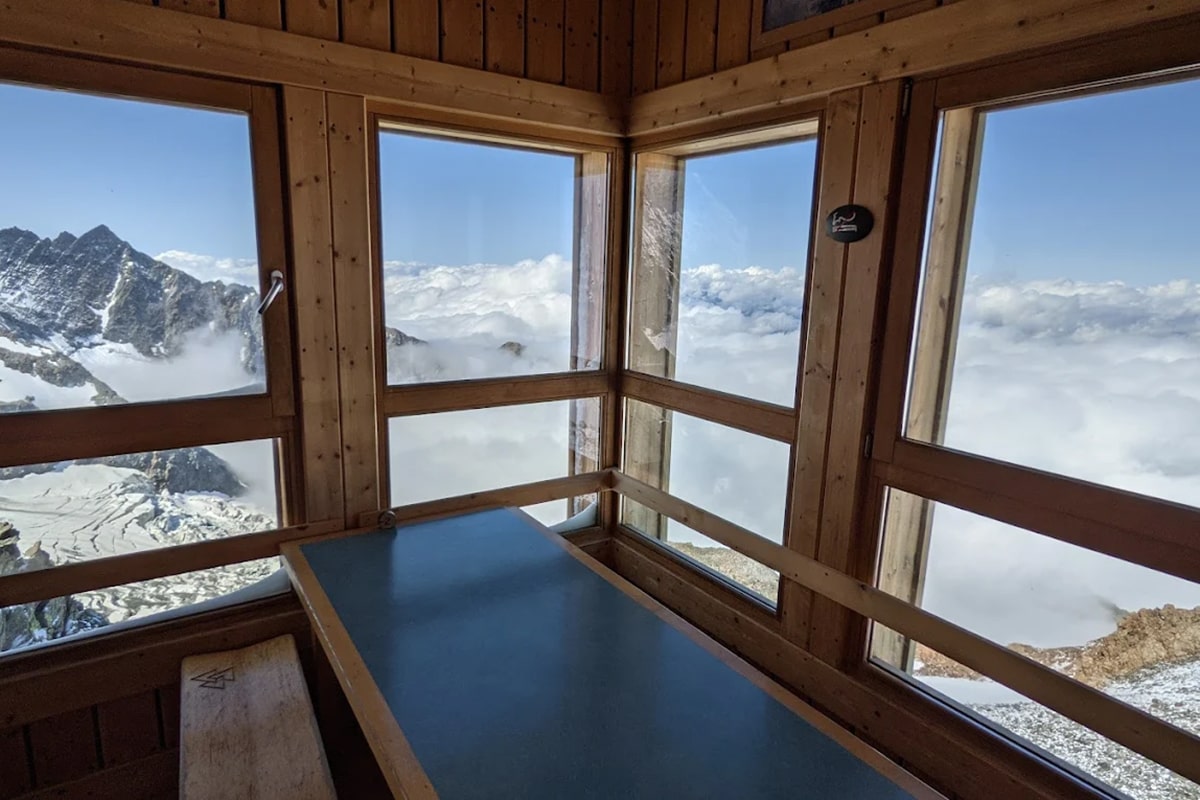
Refuge du Goûter (3815 m) — The main shelter on the classic Mont Blanc route. It is staffed from late May to early October; in winter, only an unstaffed “winter room” is available. It accommodates approximately 120 beds in shared dormitories. Blankets and pillows are provided, but sleeping pads are required (available for purchase on site). There are no showers or hot water, toilets are basic, and there is no kitchen for self-catering. Reservations are required; arriving after 5:00 PM without notice will void your reservation. Dinner is served at set times, as is breakfast; vegetarian meals are available, but without vegan meals.
Friends, summer and the season of big mountains are coming soon. It’s time to try your hand at something more interesting and more difficult than Kazbek, Ararat. Many of you already have a dream of Matterhorn, Grande Jorasses, Ushba, Amadablam, Alpomayo, Everest. We want to bring you two or three steps closer to this dream this summer.
Chamonix is the birthplace of mountaineering and we want everyone who has not yet been there to plunge into this unique atmosphere. We love Chamonix.
We invite you to undergo training at the second qualification level of initial mountaineer training in the safest and most beautiful place for this – in the Chamonix Valley. Thousands of climbers come here every year because in Chamonix you can find everything you need for a great time in the mountains: snow, ice, rocks, height and comfort. With one of the best helicopter rescue services, you will be safer than in other mountainous regions.
Certified mountaineering instructors and experienced company guides, well familiar with modern methods and techniques in mountaineering, will conduct classes and monitor the ascents. Instructors will teach you everything you need so that you can safely climb to 2B (PD) difficulty category, while trying your hand as a leader. During the ascent on Mont Blanc, the instructor monitors the correctness of the actions and safety of the group, your task is to learn to lead and make decisions on the route independently. During the mountaineering school, you will complete a series of necessary classes on rocks, snow and ice. Climb at a 3rd category mountaineering level or higher. And as a pleasant bonus – you will climb Mont Blanc along one of the routes from the French side.
The goals of the initial mountaineering training school:
- Completion of training sufficient for ascents of 2A (PD-) and 2B (PD) difficulty categories;
- Ascent: 1B (F), 2A (PD-), 2B (PD);
- Fulfilment of 3rd category standards in mountaineering;
- Climbing the peak of Western Europe – Mont Blanc, 4810 m.
Topics of classes:
- Setting up a bivouac (camp) in the mountains;
- Topography and orientation in the mountains;
- Preparation for climbing, description of routes;
- Rescue work in the mountains;
- Transportation using improvised means.
Topics for rock activities:
- mountaineering knots;
- climbing;
- belaying;
- organization of stations;
- organization of descent;
- choice of line of movement.
Topics for snow and ice lessons:
- walking in crampons on different terrain;
- using an ice axe;
- belaying techniques;
- self-delay in case of a fall;
- self-exit from a crevasse;
- lifting a injured from a crevasse;
- walking on a closed glacier;
- ice pillars and lugs in mountaineering.
Главные впечатления от похода по Фанским горам:
Tour route:
Chamonix – Les Gaillands – Mer de Glace – Le Tour – Les Autannes – Albert 1er hut – Le Tour glacier – Petit Fourche mountain – Aiguilles Crochues – Aiguille du Midi – Cosmiques refuge – Mont Blanc (Traverse of the Three Mont Blancs) – Via Ferrata des Evettes – La Flégèr – Chamonix
Your guides for mountaineering school in Chamonix and climbing Mont Blanc
Routeof the mountaineering school in Chamonix and climbing Mont Blanc by days
01
day
Meeting in Chamonix
Arrive in Chamonix no later than 18:00. Getting to know each other, discussing plans, preparing to go to the high mountain zone. Overnight at a campsite/apartment.
02
day
Rock activities Les Gaillands
Belay techniques, basic knots and climbing techniques.
03
day
Multipitch Voie Câline AD-, 2525 m (f3b-4a)
Today we consolidate the acquired skills. Ascent to the Mer de Glace glacier. A sporty multi-rope route, difficulty f3b-4a, with varied climbing. Here, on simple rocks, we will practice movement and interaction in groups. A beautiful view of the peaks of Chamonix and one of the icons of the Alps – Aiguille du Dru. Return to Chamonix. In the afternoon, we will analyze work with rock equipment, organization of belay on the rocks.
04
day
Hut Albert 1er, 2702 m
Transfer bus to Le Tour gorge. Ascent by cableway to the Les Autannes station, 2195 m. Transfer to the Albert 1er hut, 2702 m. We are settling into the hut, preparing equipment.
Access to the glacier. We study the basic techniques of movement on ice and self-belaying.
Overnight in a hut.
05
day
Go out on the glacier Le Tour
Activities on ice: walking in crampons, using an ice ax, going out onto a steep snow slope, practicing belaying and moving on snow, self-arrest in case of a fall, self-climbing out of a crevasse, lifting a victim out of a crevasse, walking on a closed glacier. Overnight in a hut.
06
day
Training ascent of Petit Fourche F
Training ascent of Petit Fourche mountain along the 1B(F) difficulty category route. From the camp we will go along the closed glacier towards the summit. Descend along the snow-ice slope in ropes, at the end there is easy climbing. Return to the camp, pack up.
In the afternoon, return to the Chamonix valley.
07
day
Ascent of the Aiguilles Crochues: Traversée des Crochues PD (2B)
Transfer to the village of Le Praz, climb by cable car to the L’Index station, 2396 m. Approach to the summit of Aiguilles Crochues – Sommet S: Traversée des Crochues.
Climbing along the climbing route Traversée des Crochues PD (2B) of difficulty category. This route is completely rocky, and we will work on organizing belay on this route. On the descent, a series of interesting dylfers awaits us.
08
day
Day of rest
A day of rest and preparation for climbing Mont Blanc.
09
day
Aiguille du Midi, Cosmiques refuge, 3613 m
In the afternoon, we take the cable car to the Aiguille du Midi mountain, 3842 m. We go along the ridge and then along the glacier to the Cosmiques refuge, 3613 m. Accommodation and rest.
10
day
Climbing Mont Blanc, traverse through the Three Mont Blancs.
We start the climb to the summit at night, leaving no later than 1:00 am. The climb to the summit takes 7-8 hours, the descent takes 3-4 hours to the Cosmiques refuge. For well-prepared participants, you can plan a descent to Chamonix on the same day.
It is important to correctly assess your endurance in order to leave enough strength for a successful descent. Night in the Cosmiques refuge or Chamonix.
*depending on the condition of the route, participants, weather conditions, as well as the condition of the Guete couloir, a descent along the classic route, via the Guete couloir, is possible.
11
day
Reserve day for bad weather
As an option today, we will train on the rocks to Servoz, Vallorcine or we will walk the spectacular Via Ferrata des Evettes – La Flégèr. Overnight stay in a campsite/apartment.
12
day
Departure of participants
Departure of participants.
Full route description
Note: The program may be changed for safety reasons, weather conditions or by mutual decision of participants and guides.
Why is it profitable to go hiking with Extremeguide?

We have been leading people on hikes for over 17 years. Safety is the main principle in our work.

Quality food tailored to your wishes

Our guides are professional climbers and mountain tourists with extensive experience

We have prepared a unique route for you

Fair price and best service

We work according to the contract
Cost and conditions of the mountaineering school in Chamonix and climbing Mont Blanc
Is this trip right for you?
To participate in this school, good physical shape, endurance, and readiness for difficulties are required. No mountaineering experience is required, we will teach you everything. You will undergo all the necessary classes and training for safe ascent along routes up to 2B difficulty category. It is desirable to have a mountaineer badge.
We recommend starting active training no later than 2 months before the start of the program: running, swimming, cycling, cross-country skiing. A series of training video lessons will also be sent to you by email.
We recommend taking one of the programs Mountaineering school in Georgia, Chamonix granites, Mountaineering School in the Carpathians: Climbing Mount Spice and Mountaineering School in the Tatras: Climbing Mount Kežmarský štít.
Included in the price:
- work of a mountaineering guide-instructor for a group of up to 6 people;
- additional guide-instructor for every 2 participants, during the climb to Mont Blanc, (9-11 days);
- 7 nights at a campsite in the Chamonix Valley (we can also book apartments for you upon request);
- rental of tents for accommodation at the campsite
- cableway the Le Tour;
- cableway to the L’Index station, 2396 m.;
- cost of the Aiguille Du Midi lift (ascent and descent);
- rental of special equipment (ropes, ice augers, public carabiners);
- accommodation at the Refuge Albert 1er shelter – 2 nights;
- accommodation in shelters on Mont Blanc (Refuge Сosmic) – 2 nights;
- certificate of completion of the school and climbing Mont Blanc.
The price does not include:
- flight to Geneva, arriving before 17:00 (200 €);
- transfer Geneva-Chamonix-Geneva (plan to arrive in Geneva no later than 17:00);
- food in the Chamonix valley for 20 € per day, food in a café in the streets (40 € per meal and supper); day (for the entire program 400 €, with food in the refuges);
- additional nights in the nooks and crannies;
- surcharge for staying in apartments – 400 € (for 3 or more people sharing a room);
- accident and medical insurance – 70-100 €;
- rent of a climbing equipment (ice axe, helmet, system, gutters, carabiners) – about 200 € per set;
- rental of the mountain boots;
- coverage of guide expenses related to the use of reserve nights in shelters (cost of accommodation and meals in the refuge’s dining hall);
- Tips for the guide (optional);
- Other additional payments due to program changes;
- Other expenses not specified in the program.
Price depending on the number of participants
| Number of participants: | Price: |
| 5 | 2690 EUR |
| 4 | 2800 EUR |
| 3 | 2900 EUR |
| 2 | 3400 EUR |
| 1 | 5500 EUR |

Best price guarantee!
- We have included in the price all possible basic expenses for the program and guarantee that there are no hidden additional costs, while we have retained the best service at a low price: transfers, hotel accommodation, guides and staff!
We have a flexible discount system
Find out the details right now:
Necessary equipment
Basics:
- Trunk/bag 60-70 l for personal belongings
- Backpack for mountaineering 35-45 l (Read more about choosing a backpack);
- Sleeping bag, comfort -0…-5 С (Read more about choosing a sleeping bag)
- Rug (Read more about choosing a rug)
Shoes and clothing:
- Climbing boots (it is important that the shoes are comfortable and worn in. Usually shoes are chosen with a thick toe and 1.5 – 2 sizes larger than the foot size) (Read more about choosing clothes and boots);
- Light trekking sneakers (for walking in Chamonix and for approaches);
- Flip-flops (useful if you live in a campsite);
- Gaiters (shoe covers, flashlights) for mountaineering boots;
- Insulated jacket (down, primaloft, etc. If it is very thin, then it is better to take two for climbing Mont Blanc);
- Membrane jacket (preferably without insulation, to protect against wind and precipitation. It is better to choose from mountaineering brands. Ski clothing is not very suitable for mountaineering – too heavy and warm);
- Membrane pants (same as with jacket);
- Fleece sweater;
- Thermal underwear set: top and bottom;
- Several T-shirts;
- Lightweight trekking pants (for trekking);
- Fleece pants (if thermal underwear is too thin);
- Socks 3 pairs (“thermal socks” or other thick ones);
- Overnight socks (preferably wool or down);
- Warm gloves (ski or fleece);
- Warm mittens (down or synthetic insulation);
- Hat;
- Buff or balaclava;
- Sun cap;
- Rain cape (in case the main clothes get wet);
- Change of underwear.
Additionally:
- A cape for a backpack (or large plastic bags for packing things);
- Mug, spoon, bowl, knife (if you plan to eat in huts);
- Headlamp + spare set of batteries;
- Hygiene supplies (a toothbrush and a small tube of paste, a bar of soap and a little shampoo will be enough; you should not take full bottles of shower gel and shampoo, heaps of creams and lotions with you);
- Documentation;
- Individual first aid kit (bandage, cold, stomach, head. You also need to take into account specific and chronic diseases, if any. In addition to the individual first aid kit, the guide has a public one);
- Climbing goggles (protection category 3-4);
- Hygienic lipstick;
- Sunscreen ointment (with protection factor SPF 30-50);
- Water container (1-2l.);
- Lighter;
- Mobile phone.
Special equipment:
- Safety system;
- Self-belaying lanyard – 1 pc.;
- Carabiners 4 (2 medium);
- Descender;
- Climbing helmet (a ski helmet will not work!);
- Classic ice ax;
- Crampons (that match your boots);
- cordelette 1.5 m (diameter 6 mm.);
- cordelette 6 m (diameter 6 mm.).
Review and list of equipment for Mont Blanc
The amount of special equipment depends on the specific event; here is the most extensive list. Also, depending on the specific event, this equipment is either included in the price or not included, in which case you do not need to buy it, but can rent it from us.
Equipment rental from ExtremeGuide.
- Thermos (0.5 – 1.0 liters);
- Camera;
- Trekking poles.
More information
Important!
It should be known that everyone can choose the length of stay in our Camp individually from 4 to 14 days. Our experience will allow you to choose a climbing training program for everyone from 1B to 5B grade.
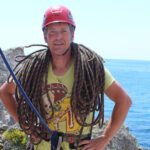
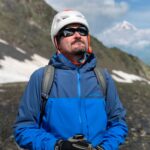
The camp will be conducted by the most experienced guides of the company, cadets, and graduate student guides of the international school of mountain guides (KMGA): Alexander Kramarenko, Vladimir Klebansky, Oleg Ivanchenko.
The program takes place in France, to visit which you need a valid passport.
Visa to the Schengen area (for the duration of the trip)
Importantly, you can also apply for a visa for the country where you plan to enter for the first time. Usually we apply for a French visa, the purpose of the trip is tourism. We send you all the necessary reservations and visa confirmations in advance!
It is most convenient to fly to Geneva (distance 80 km), you can also fly to Milan or Lyon (distance 230-250 km).
Arrival time in Chamonix no later than 18:00.
Transfer Geneva – Chamonix – Geneva regular shuttle (minibus) of the transfer company in the Chamonix Valley, we will travel by tram and regular buses (run regularly). Meeting in Chamonix.
To an active program of acclimatization and training, which will take place in one of the picturesque gorges of Chamonix, where you will gain the necessary mountaineering experience, to daily treks of 5-10 km, to the fact that you will need to carry your backpack and personal belongings, to long-term monotonous loads (in on average 8-9 hours), on climbing days up to 12-14 hours. Also, the climbing route to Mont Blanc takes place in a high-mountainous area where rocky terrain alternates with access to ice slopes and a glacier with cracks; part of the climb goes along a narrow ridge, where in places you will need insurance. You should also understand that climbing Mont Blanc is associated with some discomfort due to the altitude (hypoxia).
In the Chamonix Valley, we’ll be camping in tents. The campsite will have public toilets, showers, and washbasins. For an additional fee, you can stay in apartments or a hotel.
Apartments:
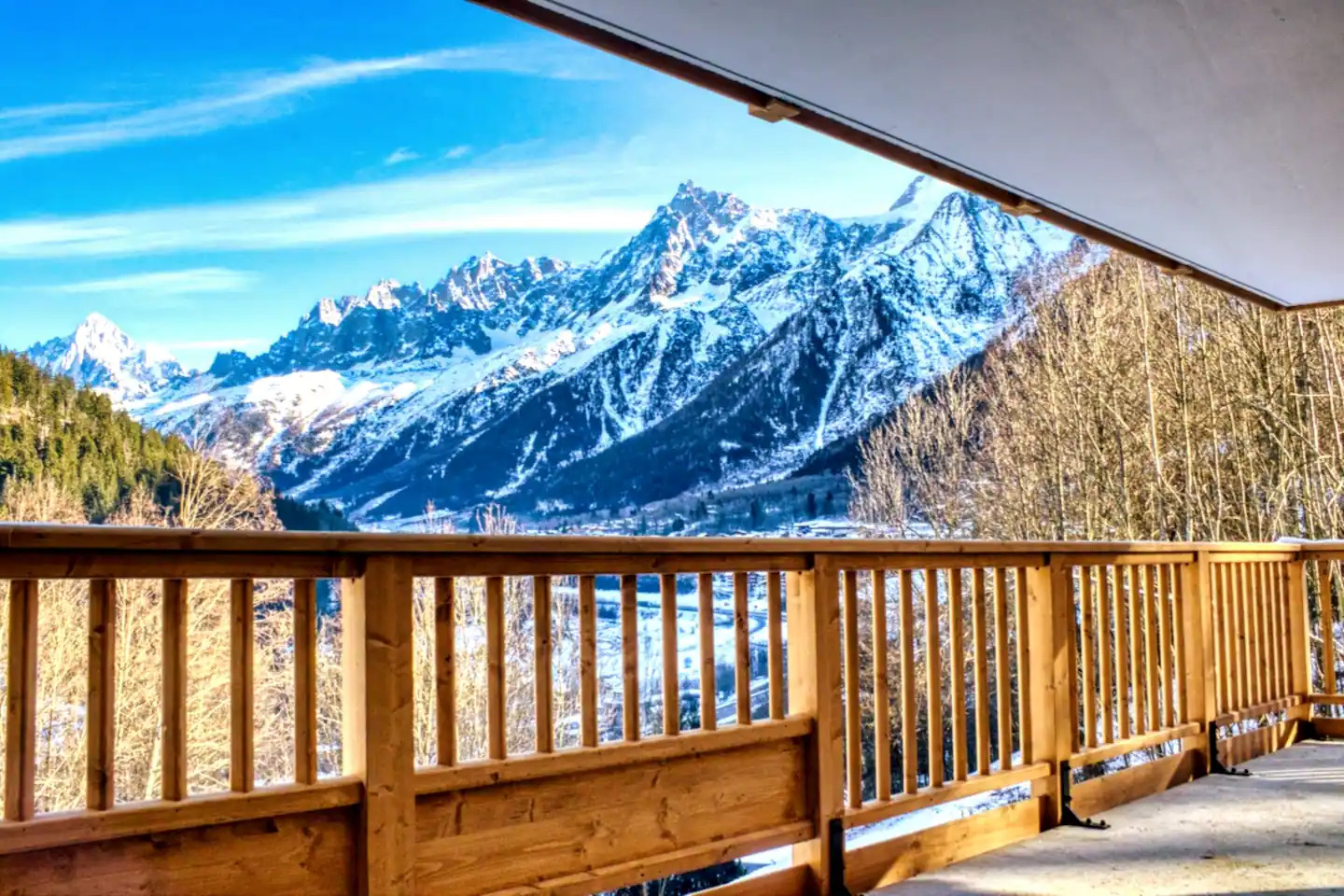
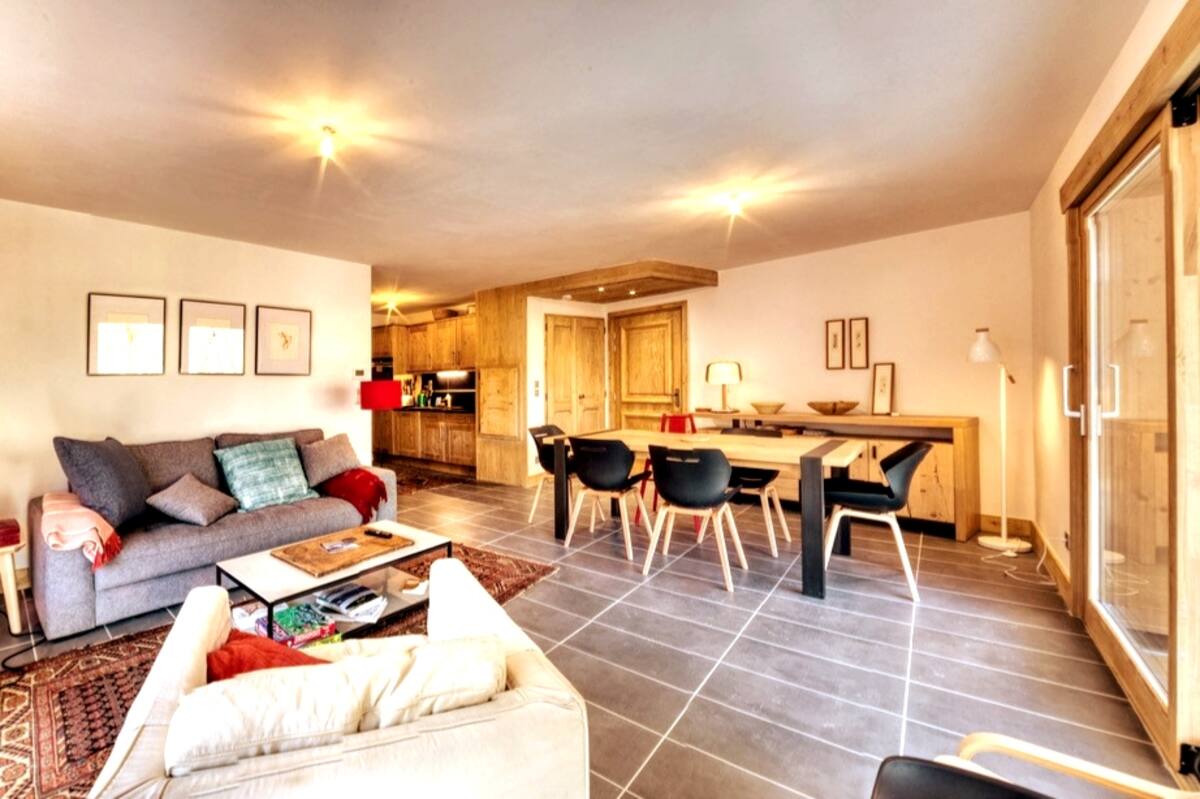
Modern apartment with views of Mont Blanc, Les Houches
Spacious apartment of 85 m² with three bedrooms and a large terrace-balcony (50 m²) with panoramic views of Mont Blanc and the spires of Chamonix.
Equipped kitchen (dishwasher, oven, coffee maker), living room with dining area and balcony access, 3 bedrooms (2 double beds + 2 single beds), 2 bathrooms. Bed linen and towels are included, and the beds are made for your arrival.Additional amenities: Wi-Fi, parking, and a ski storage room. The Prarion ski lift is 300 meters away, and the bus stop is 50 meters away. Professional cleaning is provided after each stay, with additional cleaning available.
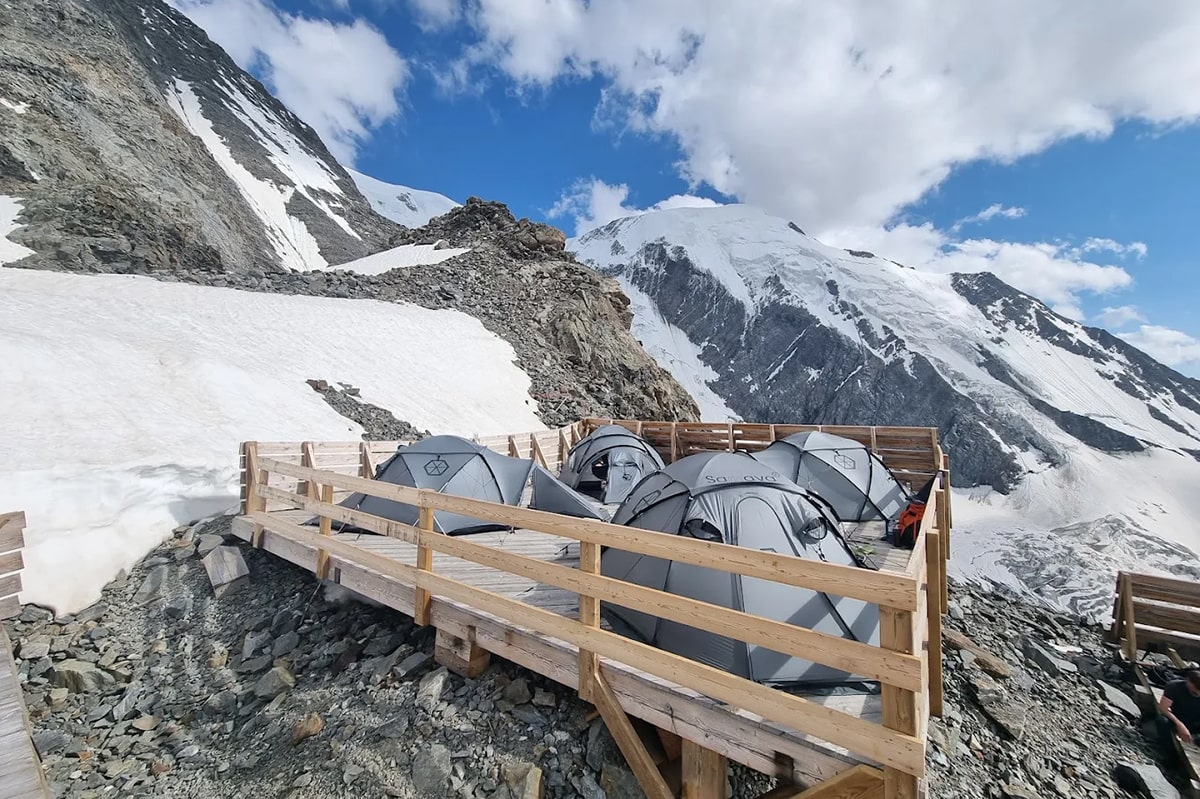
In the high-altitude zone, we will camp in tents near the Albert 1er hut, at 2,702 m. We will cook on stoves. If you prefer, you can stay and eat in a nearby hut for an additional fee.
If Camp Gouter is full, then the starting point of the assault is Tete Rousse.
Refuge du Goûter(3815m)
Refuge du Tête Rousse (3165 m):
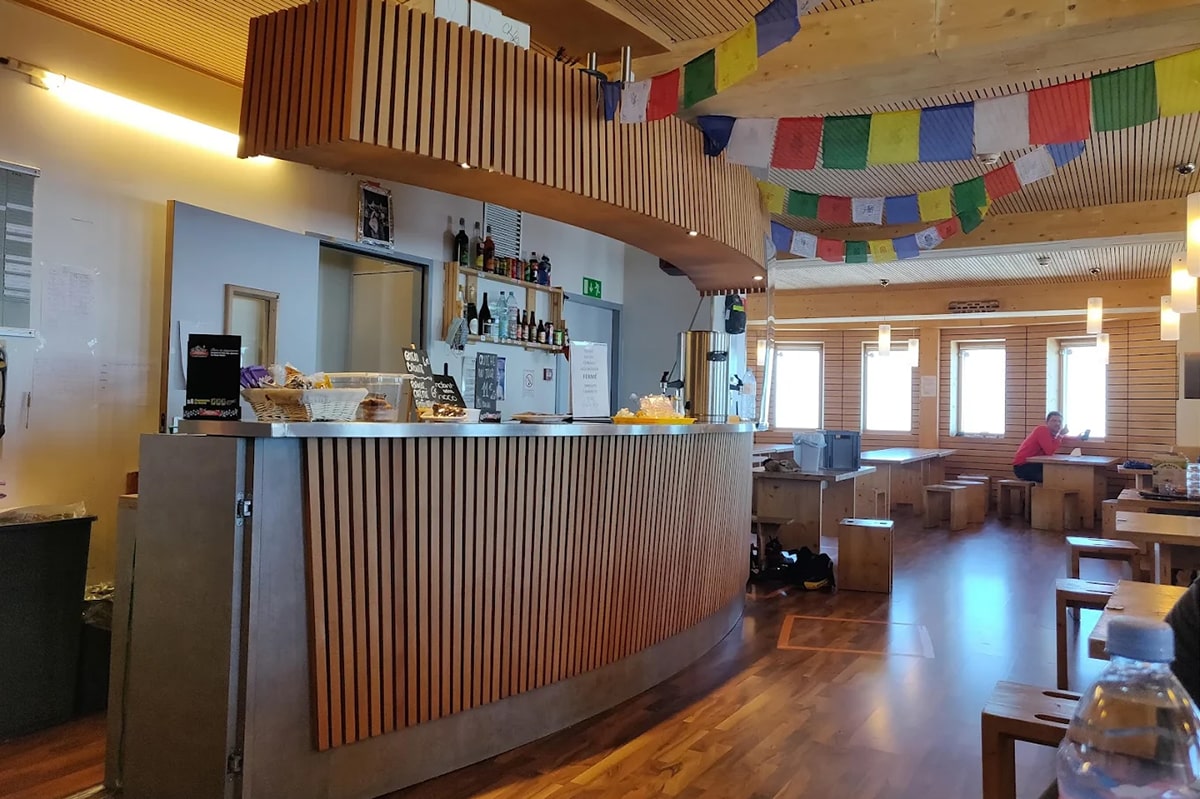
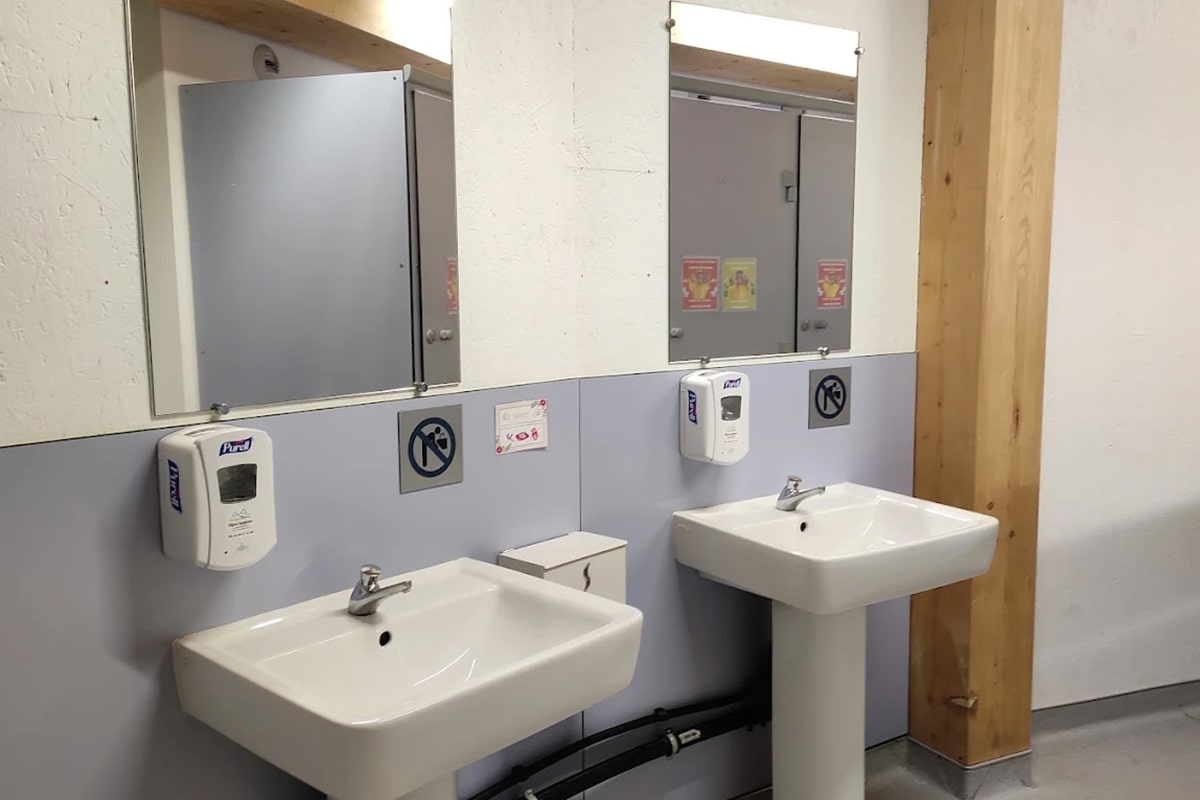
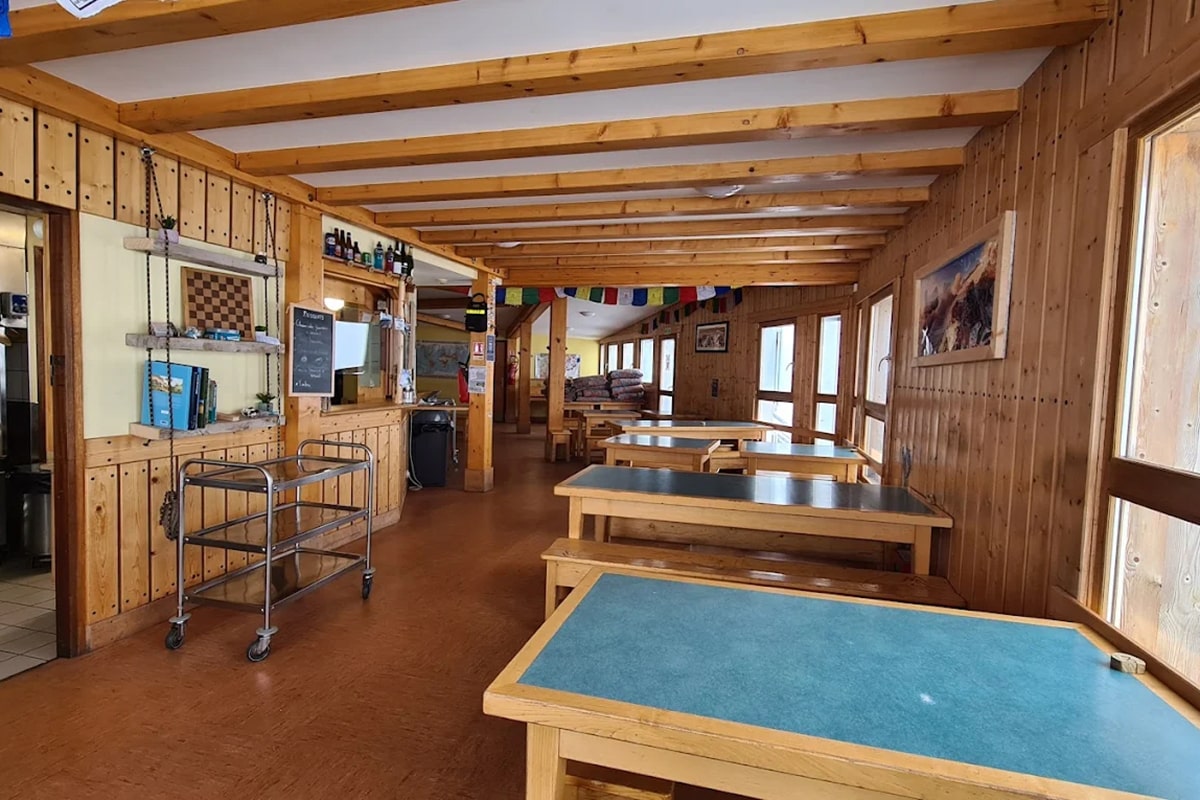
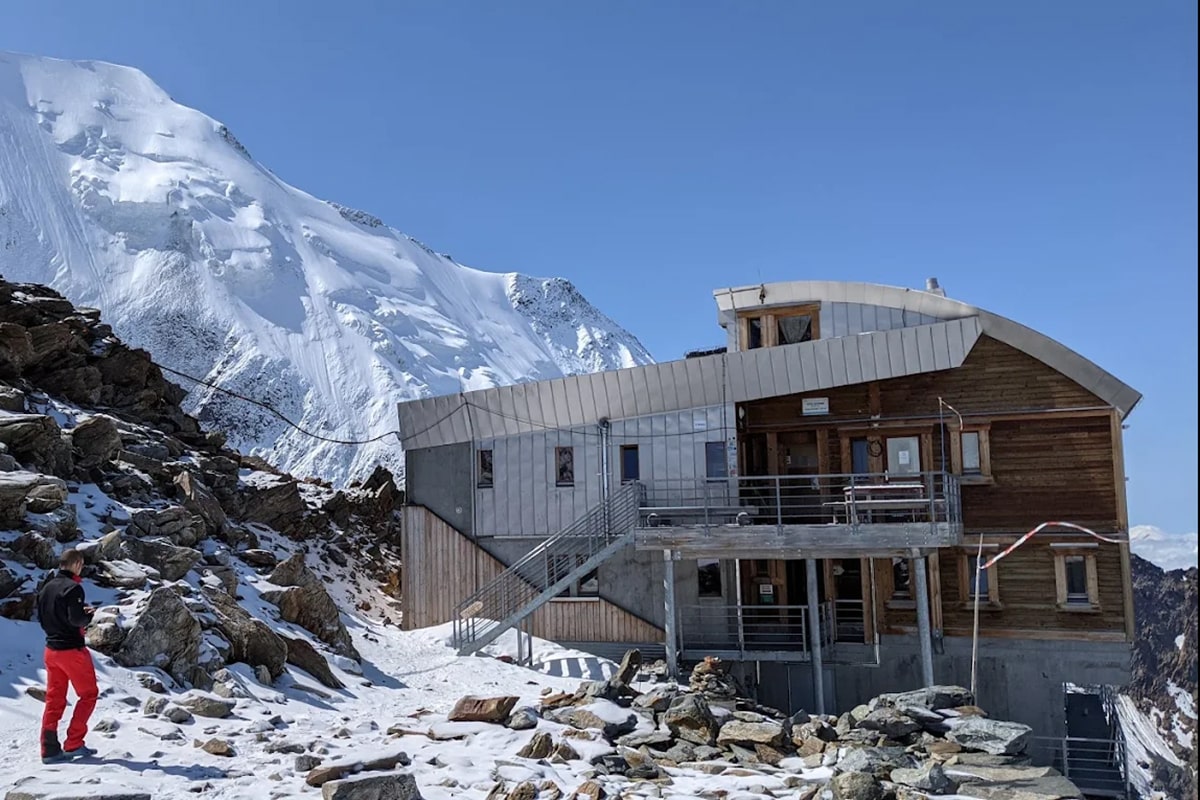
Refuge du Tête Rousse (3165 m) The camp operates with staff from late May to early October, and is unmanned the rest of the year (12 beds instead of 72). Accommodation is in dormitories with blankets and pillows; guests must bring their own drape-sack. There is also a tent camp called Base Camp with folding beds (a warm sleeping bag is required). Private tents are prohibited. There are no showers or hot water, toilets are basic, and there is storage space for gear. Dinner is served around 6:30 PM, along with early and late breakfasts, and a snack bar is open during the day. Vegetarian meals are available, but there is no vegan menu.
Meals are provided by participants themselves. Chamonix has many cafes of all price categories. At the campsite you can cook your own food on the burners; usually we make a joint purchase of food, everyone chips in equally and cooks together. During the ascent, we cook ourselves using our own products under the guidance of instructors or we order food from the shelter.
Huts Albert 1, Tête Rousse and du Goutay have a bar with a small selection of food, drinks and groceries.
On hikes the first aid kit is kept by the instructor and school participants. You can contact rescuers almost anywhere by phone. You need to have individual medications.
Roaming is usually turned on automatically, in the valley the signal is good, in shelters there is an unstable mobile signal. There is always wi-fi in campsites, apartments, and hotels. In restaurants and cafes you need to check immediately before entering.
Up to + 30ºС in the valleys, in the highlands – up to – 15ºС. Rain and thunderstorms are possible in summer. There is snow in the mountains.
This program is potentially dangerous to the health and life of any of the participants.
Instructors provide the necessary safety provided that participants comply with safety regulations.
The decision to stop climbing in conditions that threaten the safety of the participants is in the sole competence of the instructor and is not subject to discussion.
Mountaineering instructors/company guides who are well acquainted with modern methods and techniques in mountaineering will conduct trainings and monitor ascents. The instructors will teach you everything necessary so that you can safely climb to the 2B (PD) difficulty category, while leading the group. During the climb, the instructor does not climb first, he monitors the correctness of the actions and the safety of the group.
!!!The instructor will conduct all necessary classes and training for successful and safe ascents. But on the climbs themselves, the participants will work first and the decisions will be made by the participants themselves. Your personal safety on the route will depend only on your personal decisions and actions. The instructor, of course, will monitor everything that is happening and provide advice if necessary.
Based on the results of the classes and training, the instructor may refuse you participation in a certain ascent or the opportunity to work as a leader. He can make such a decision if he sees that you are not ready to climb or work first in the group.
In Chamonix you can pay with Visa, MC and other plastic cards almost everywhere; even in shelters there is cashless payment. It is better to take cash with you €.
Note:
The table shows the basic cost for a group and may change depending on the number of people in the group. For the calculation of the cost of the tour for a smaller number of people and individual groups, see the «Price» block for more details.
We guarantee that on the dates indicated in the table, even if there is a minimum number of people allowed in the group, the tour will take place 100% with a minimum change in cost.
Price from 2690 EUR
Pleasant bonuses, which everyone receives when ordering a tour with us

We will help you with tickets

Prompt professional advice and support at all stages

Payment through payment systems convenient for you

You will receive confirmation of your feat - a certificate
Photo of previous trips


Reviews of our travelers
Спасибо большое за восхождение еще на одну вершину, я рад что смог ступить на пик Монблана по маршруту через 3 вершины и пройти школу альпинизма с крутым гидом.Советую эту компанию Ps: Если пойдете этим маршрутом то будьте готовы что сил... More
Recommended tours
 Georgia
Popular
School of Mountaineering in Georgia, Chaukhi + Kazbek massif
Dates:
June 20 - June 29
June 20 - July 5
July 18 - July 27
July 18 - August 2
Complexity:
difficult
Duration:
10/16 days
Height:
5054 m

Zaika Yuri
5.0 (10)
from 890 EUR
Left: 5 places
 France
Climbing
Intensive mountaineering in Chamonix, Alps
Dates:
On order
Complexity:
difficult
Duration:
3 days
Height:
2595 m

Our best guide
from 700 EUR
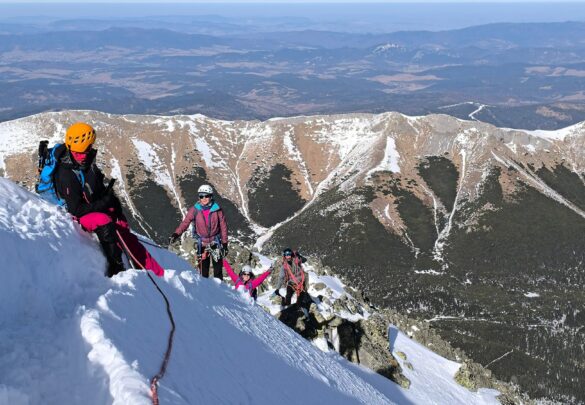 Slovakia (Tatras)
PromotionClimbingWinterNewPopular
Mountaineering school in the High Tatras. Climbing Mount Kezmarský Štit (2558 m)
Dates:
March 7 - March 11
March 21 - March 25
April 4 - April 8
April 18 - April 22
April 25 - April 29
Complexity:
average
Duration:
5 days
Height:
2558 m

Goshovska Lesya
5.0 (2)
from 690
600 EUR
600 EUR
Left: 0 places
 France
ClimbingPopular
Climbing Mont Blanc (4810 m) with IFMGA guide, Alps (France)
Dates:
June 13 - June 20
June 20 - June 27
June 27 - July 4
July 4 - July 11
July 11 - July 18
July 18 - July 25
July 25 - August 1
July 26 - August 2
August 1 - August 8
August 2 - August 9
August 8 - August 15
August 15 - August 22
August 22 - August 29
August 29 - September 5
September 5 - September 12
September 12 - September 19
September 19 - September 26
September 26 - October 3
Complexity:
difficult
Duration:
8 days
Height:
4810 m

Klebansky Volodymyr
5.0 (13)
from 1800 EUR
Left: 1 place
 Nepal (Himalayas)
6000+PromotionClimbingPopular
Climbing Lobuche Peak +Everest Base Camp
Dates:
April 18 - May 4
October 25 - November 10
Complexity:
difficult
Duration:
17 days
Height:
6000 m

Leontiev Vadim
5.0 (8)
from 2800
2625 USD
2625 USD
Left: 3 places
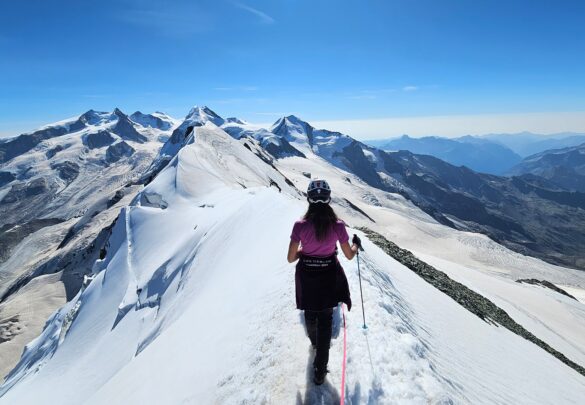 Switzerland
ClimbingPopular
«Spaghetti tour» Traverse of the Monte Rosa massif (4634 m), Alps
Dates:
June 21 - June 27
July 19 - July 25
August 9 - August 15
August 23 - August 29
Complexity:
difficult
Duration:
7 days
Height:
4634 m
Our best guide
from 2200 EUR
Left: 2 places
 Georgia
ClimbingPopular
Climbing Kazbek, 5054 m Georgia
Dates:
June 27 - July 4
July 11 - July 18
July 25 - August 1
August 8 - August 15
August 22 - August 29
September 5 - September 12
Complexity:
difficult
Duration:
8 days
Height:
5054 m
Zaika Yuri
5.0 (10)
from 750 EUR
Left: 2 places
 Turkey
ClimbingPopular
Climbing Ararat (Ağrı Dağı), 5137 m, Turkey
Dates:
June 14 - June 20
June 21 - June 27
June 28 - July 4
July 5 - July 11
July 12 - July 18
July 19 - July 25
July 26 - August 1
August 2 - August 8
August 9 - August 15
August 16 - August 22
August 23 - August 29
August 30 - September 5
September 6 - September 12
September 13 - September 19
Complexity:
difficult
Duration:
7 days
Height:
5137 m

Local guide
5.0 (1)
from 690 EUR
Left: 10 places
 Ecuador
ClimbingPopular
Volcano Climbing Cotopaxi (5897 m) and Chimborazo (6310 m) + Galapagos Islands
Dates:
December 27 - January 7
December 27 - January 11
January 31 - February 11
January 31 - February 15
Complexity:
difficult
Duration:
12/16 days
Height:
6310 m

Ivanchenko Oleg
5.0 (82)
from 2600 USD
Left: 8 places
 Africa
ClimbingPopular
Climbing Kilimanjaro + safari in national parks Manyara and Ngoro Ngoro
Dates:
March 25 - April 4
August 10 - August 20
September 19 - September 29
November 11 - November 21
December 24 - January 3
January 3 - January 13
January 31 - February 10
February 28 - March 10
Complexity:
average
Duration:
11 days
Height:
5895 m
Local guide
5.0 (1)
from 2700 USD
Left: 8 places
 Africa
ClimbingPopular
Climbing Kilimanjaro
Dates:
March 25 - April 2
August 10 - August 18
September 19 - September 27
November 11 - November 19
December 24 - January 1
January 3 - January 11
January 31 - February 8
February 28 - March 8
Complexity:
average
Duration:
9 days
Height:
5895 m
Local guide
5.0 (1)
from 2050 USD
Left: 6 places
 France
ClimbingPopular
Climbing Mont Blanc (4810 m) traverse route “Three Mont Blancs”
Dates:
June 20 - June 27
July 4 - July 11
July 18 - July 25
August 1 - August 8
August 15 - August 22
Complexity:
difficult
Duration:
8 days
Height:
4810 m
Our best guide
from 2600 EUR
Left: 4 places
Difficult to choose?
Our expert will select tours especially for you