
The Appalachian Mountains are a mountain range in North America
The Appalachians are the true soul of North America’s East Coast. For Americans, they hold the same significance as the Alps do for Europeans, but with the difference that these mountains are much older. Their gentle, forested slopes preserve the memory of geological cataclysms that shook the planet millions of years ago, and their deep valleys recall the footsteps of the first settlers. Here, amid the mists rising above the endless forests, American history was born, and today this region attracts travelers seeking true communion with wilderness. This is not just a mountain range, but a majestic land full of contrasts—from the snow-capped peaks in the north to the lush rhododendron valleys in the south.
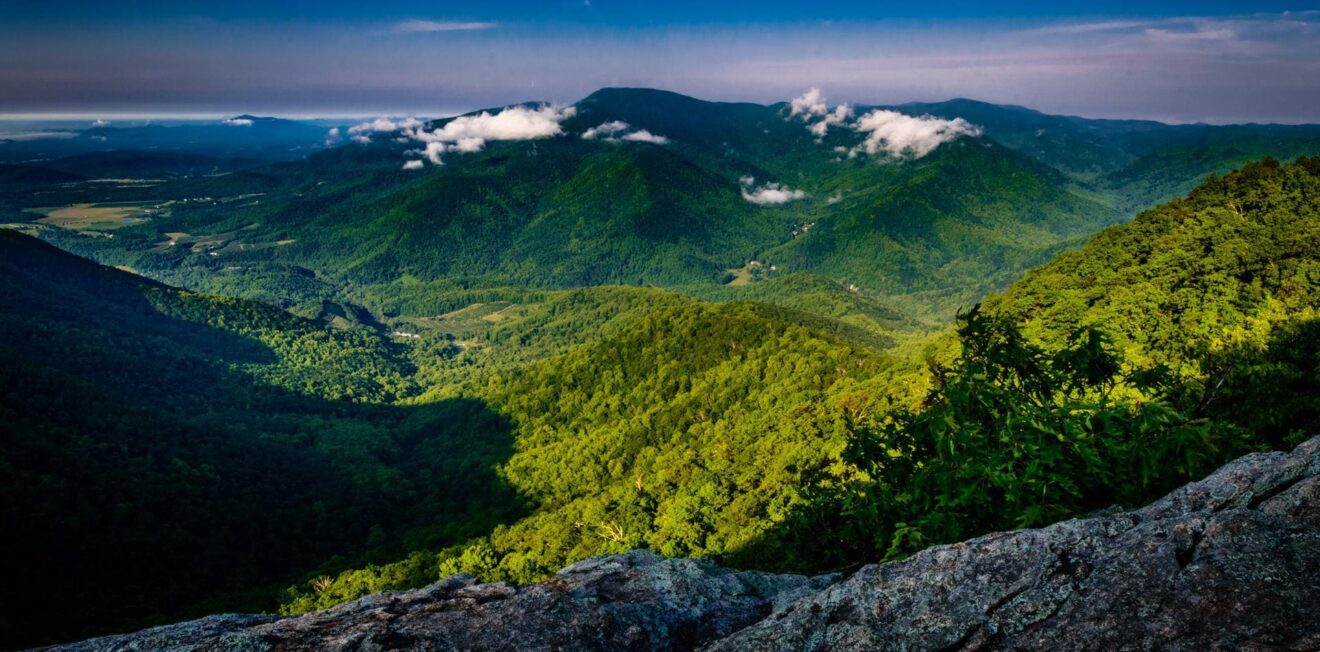
Where are the Appalachian Mountains located?
The Appalachian Mountains stretch in a gigantic arc for nearly 2,400 kilometers, straddling two countries. On a map, this mountain range is the dominant feature of the eastern half of the continent. They begin on the Canadian island of Newfoundland, pass through the picturesque provinces of Quebec, New Brunswick, and Nova Scotia, and then penetrate into the United States, stretching all the way to central Alabama. It was here, in the foothills, that the Wild West was first developed, overcoming the natural barrier between the coast and the mainland.
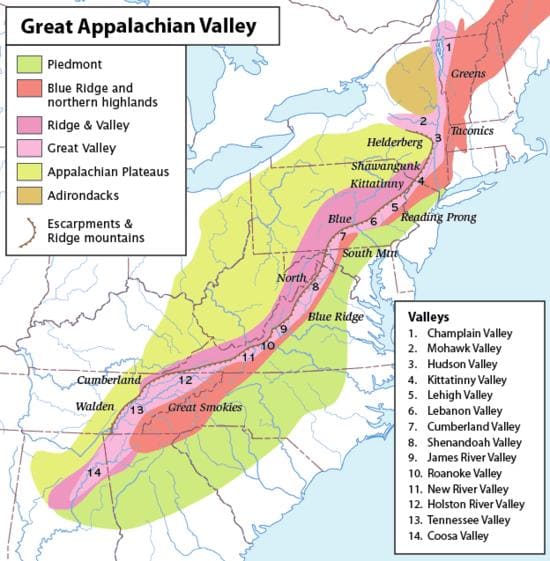
Contrary to popular belief that North America’s most spectacular views are concentrated in the west, the Appalachians can surprise even the most seasoned traveler. Many tourists choose a North American tour to see the grandiose canyons of the West, but true connoisseurs of peace and quiet know that the real magic begins here, on the forested slopes of the Appalachians. Geographically, this system is one of the oldest on the planet, and this age lends its landscapes a special, noble softness, where every stone is polished by time, and every river flows through a valley formed long before the arrival of man.
Northern Appalachians
This region, often called “New England in the mountains,” is radically different from its southern counterpart. It has a more rugged, Scandinavian atmosphere. Glaciers that retreated just a few thousand years ago left behind polished cliffs, deep fjords, and hundreds of crystal-clear lakes scattered among the mountains. The most famous parts of the Northern Appalachians are the White Mountains of New Hampshire and the verdant upper reaches of Vermont, where in late September an incredible display of colors erupts—the Indian summer transforms the forests into a sea of gold and purple.
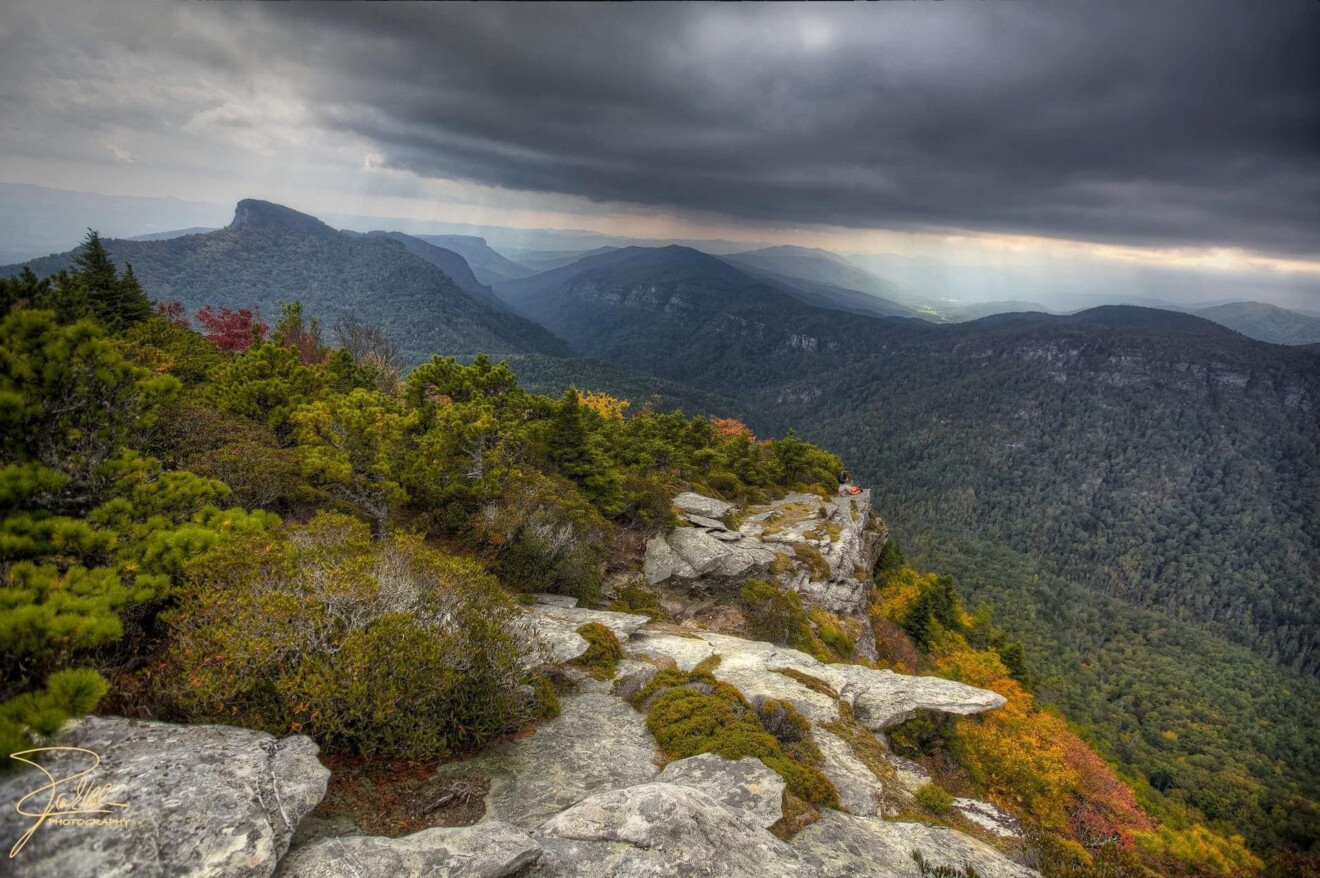
A characteristic feature of this part of the range is the alpine tundra at the summits, unusual for such relatively low mountains. For example, Mount Washington, the highest point in the North, experiences arctic conditions with winds reaching speeds of over 100 meters per second—one of the strongest recorded on the planet. Glacial erosion has created a unique landscape here, where even in July, you can still encounter remnants of snowfields. The climate here is influenced by cold air masses from the Arctic, so winter lasts significantly longer than at latitudes further south, attracting skiers and winter sports enthusiasts.
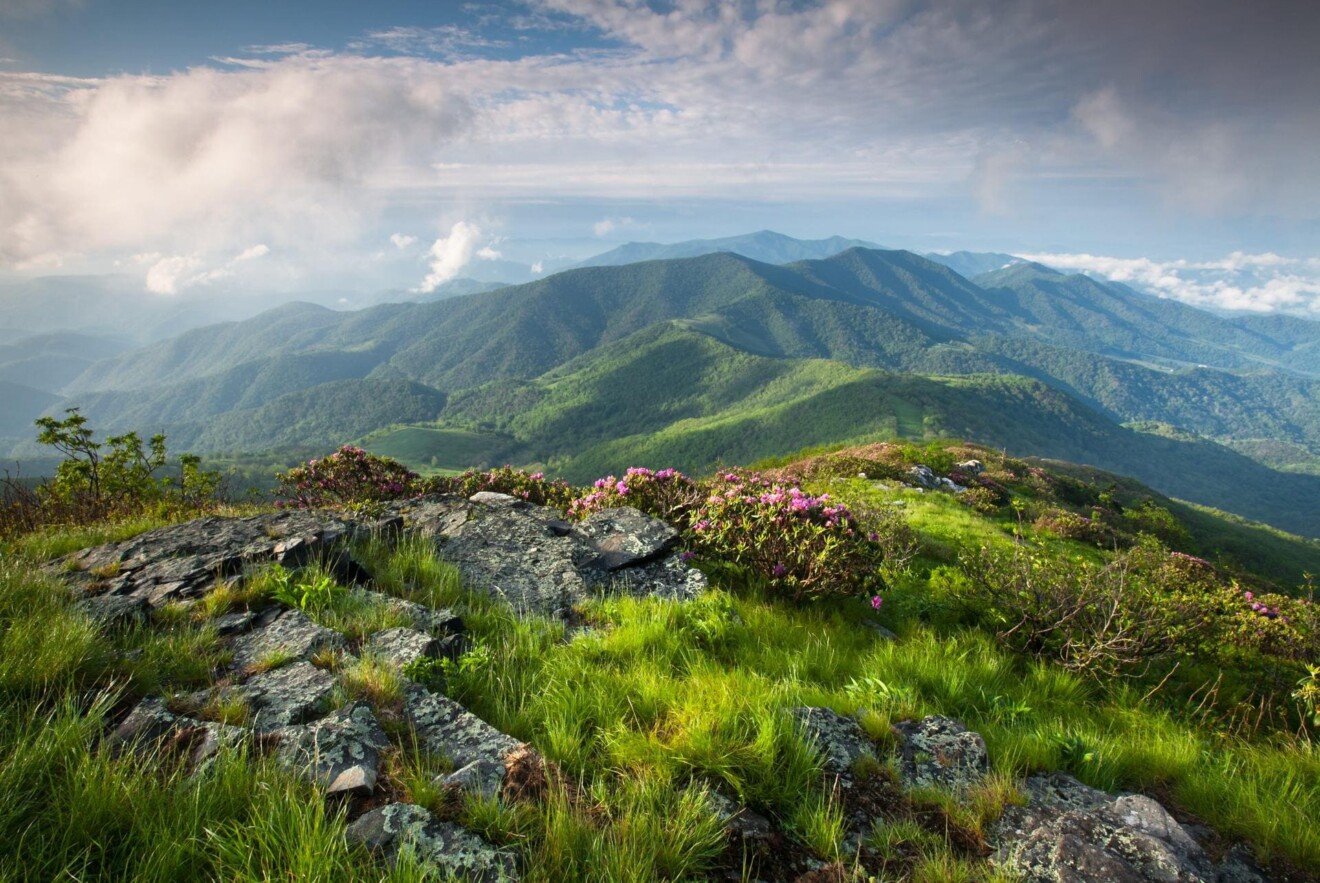
Among the tourist gems of the Northern Appalachians, it is worth highlighting:
- Acadia National Park (Maine) is the only national park in this region, where the mountains meet the ocean to form dramatic, rocky coastlines.
- The Appalachian Trail, the most famous hiking trail in the United States, begins here on Mount Katahdin and stretches south for thousands of kilometers.
- Lake Willis in the White Mountains is a place of power, surrounded by sheer cliffs, where the water is so deep a blue it seems surreal.
These places are a true paradise for travelers, as ancient rock outcrops can be seen at every step, and the play of light against the harsh northern backdrop creates unique landscapes that cannot be found anywhere else in the world.
Southern Appalachians
The southern part of the system is a sharp contrast to the rugged north. Here, the mountains become taller, broader, and the natural environment more lush. The Great Smoky Mountains—America’s most visited national park—are the heart of the Southern Appalachians. They get their name from the bluish mist that constantly hangs over the peaks. This isn’t fog, but the vapors of organic compounds emitted by the lush vegetation, creating an almost mystical atmosphere that envelops the forested slopes in a delicate mist.
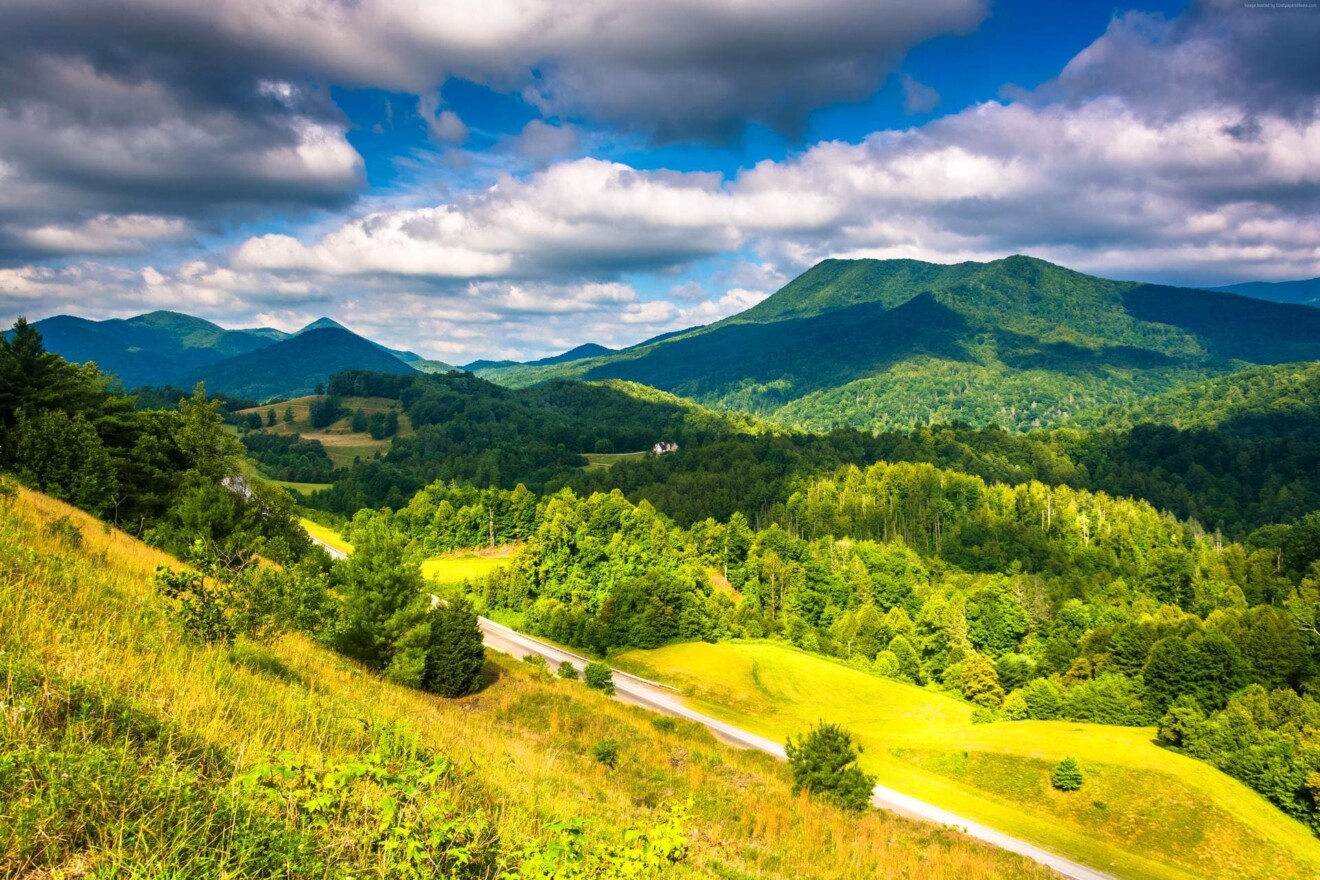
It is here in the South that the Appalachians reach their highest elevation. The climate is milder and wetter, allowing incredible biodiversity to flourish. This region is considered the salamander capital of the world, and the forests here resemble true temperate jungles. In spring, the slopes are covered in a carpet of blooming rhododendrons and azaleas, transforming the mountains into a vast botanical garden. Much of this area is a national preserve, home to black bears, elk, and hundreds of bird species that find refuge in the pristine forests.
A distinctive feature of the Southern Appalachians is their cultural heritage. In remote valleys, communities still cherish the traditions of the first Scots-Irish settlers. Their music, crafts, and dialect have created a unique phenomenon of American Highland culture. This region is a true treasure trove for ethnographers and historians, for it is here, among the mountains, that the way of life and language of the early American frontier have been preserved, having disappeared in other parts of the country under the onslaught of urbanization.
The Southern Appalachians are known for their unique natural and historical sites:
- Great Smoky Mountains National Park is a UNESCO World Heritage Site, home to the world’s greatest diversity of tree species in such a small area.
- The Blue Ridge Parkway is a scenic road connecting two national parks and is considered one of the most beautiful driving routes on the planet.
- Asheville, North Carolina, is the cultural capital of the region, where historic buildings from the early 20th century are surrounded by mountains, and the majestic Biltmore Estate impresses with its architecture and gardens.
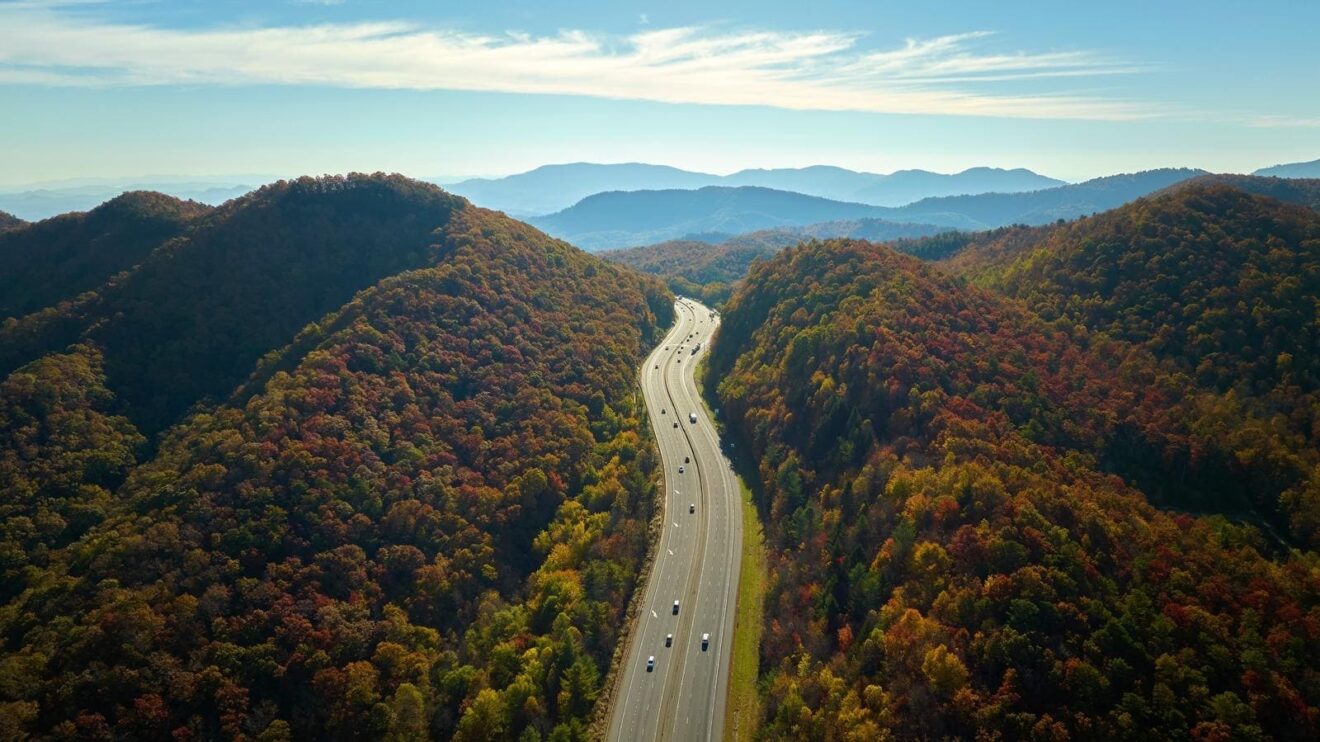
This region inspires not only with its landscapes, but also with a deep sense of history, where every turn of the mountain road reveals a new page of the past, closely intertwined with wild nature.
The main peaks of the mountain range
The Appalachians may not boast the height of the Himalayas or the Andes, but their peaks possess a unique, rugged charm. These are mountains with character, conquering which requires not so much climbing skill as endurance and a willingness to withstand changeable weather. Rocky outcrops at the summits, called “balds,” offer panoramic views for hundreds of miles around, allowing one to appreciate the grandeur of this ancient mountain region. These peaks are true oases for those seeking solitude and landscape contemplation, as from a bird’s eye view one can see endless forested expanses, virtually unchanged since the last Ice Age.
Below is a list of the most significant peaks of the Appalachian Mountains, which are the destination for thousands of hikers every year.
Mount Mitchell
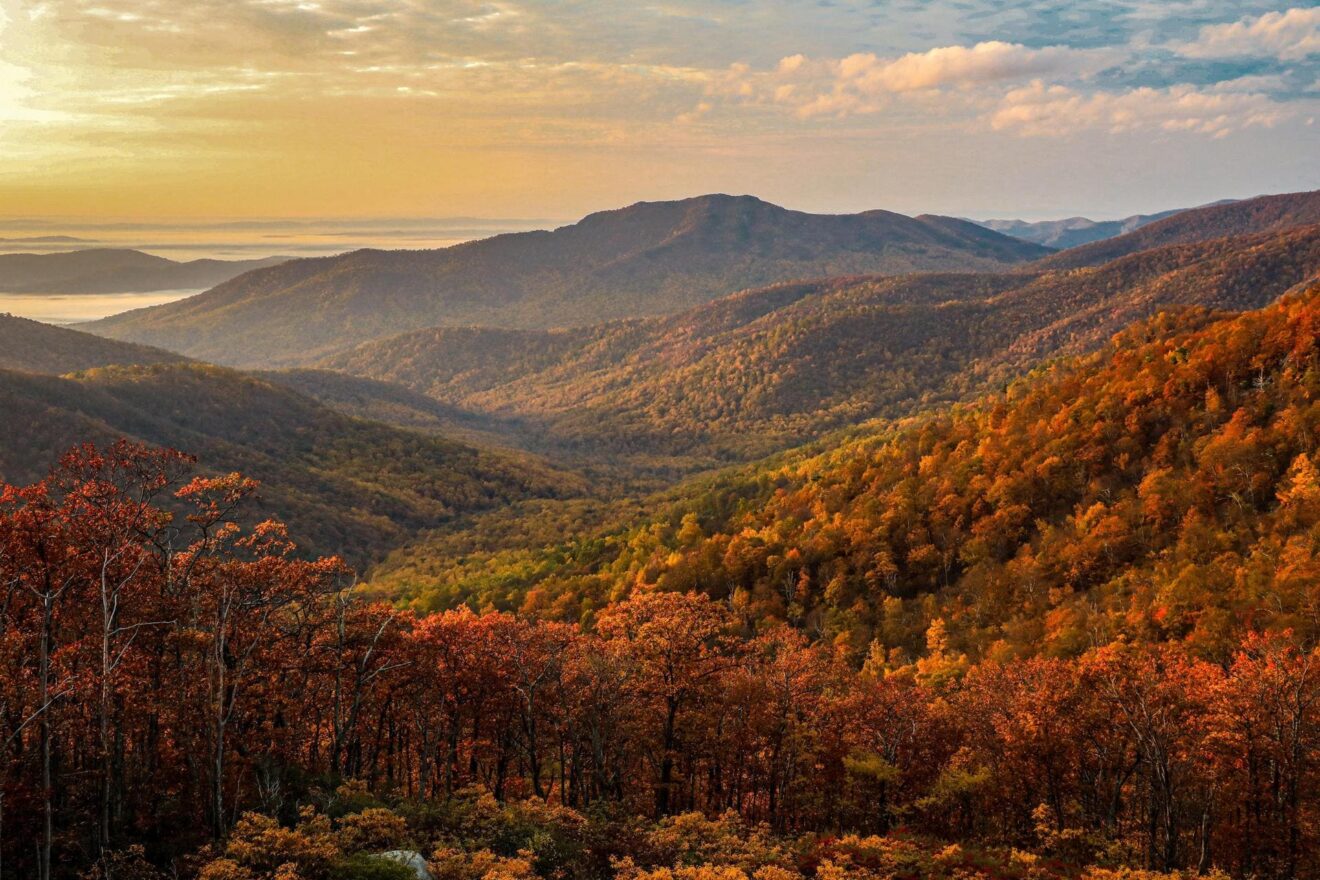
The highest point of the entire Appalachian Mountains and the highest peak in the eastern United States, it is located in North Carolina. Its slopes are covered in dense forests, which at the upper level give way to scrub thickets and alpine meadows. At the summit, there is an observation deck and a museum dedicated to the history of the region and Elisha Mitchell, the explorer for whom the mountain is named. The climb is not technically difficult, but it does require good physical fitness, especially if you hike from the base rather than the paved road leading almost to the summit.
Clingman’s Dome
The region’s second-highest peak is notable for its location on the border of Tennessee and North Carolina. Its name translates as “Clingman’s Dome” due to its distinctive rounded shape, reminiscent of a giant hill. This location is known for its isolation and harsh weather conditions, which can change in a matter of minutes. The summit offers incredible views of the Great Smoky Mountains, making it a popular destination for hikers seeking to reach the highest point of this famous national park.
Mount Washington
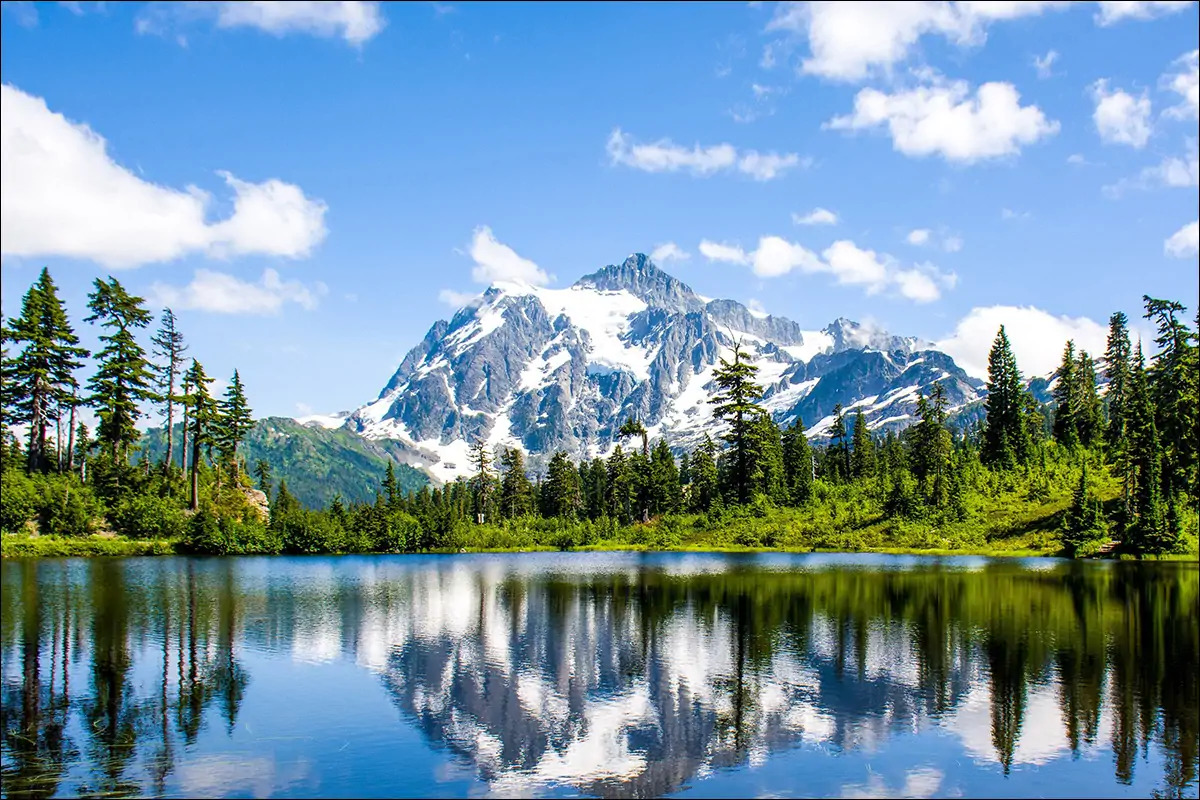
The queen of the Northern Appalachians and the highest peak in the northeastern United States, the mountain is known not so much for its height as for its extreme weather conditions. It was here that the strongest wind gust on Earth (103 m/s) was recorded. A cogwheel railway—one of the steepest in the world—and a road lead to the summit. Despite its relatively low elevation, conditions on Mount Washington are comparable to those of the Arctic, making it a popular testing ground for gear and preparation for more challenging expeditions around the world.
Mount Rogers
The highest point in Virginia, located in Grayson Highlands National Park, is unique for its high-altitude meadows where wild ponies graze freely. The landscape here is reminiscent of the Scottish Highlands: open spaces, grassy hills, and sparse shrubs. The climb to Mount Rogers is considered one of the most scenic in the entire Appalachian Mountains, offering hikers incredible views without having to traverse dense forests.
| Mount | Height (m) |
| Mitchell | 2037 |
| Clingman’s Dome | 2025 |
| Washington | 1917 |
| Rogers | 1746 |
These peaks attract not only climbers but also ordinary tourists. Incidentally, mountain climbing in North America includes not only climbing Orizaba in Mexico or Denali in Alaska, but also conquering these welcoming yet treacherous peaks of the Appalachians, which offer equally vivid impressions and the opportunity to experience nature, virtually unchanged since prehistoric times.
Rivers and waterfalls
The Appalachians aren’t just mountains; they’re also a veritable kingdom of water. Thousands of rivers originate here, heading for the Atlantic Ocean or the Gulf of Mexico. Mountain streams flowing down the slopes offer crystal-clear water, feeding dense forests. The steep terrain and hard rock have created an incredible number of waterfalls—from small cascades hidden in the forest thicket to grandiose cliffs where water plunges dozens of meters.
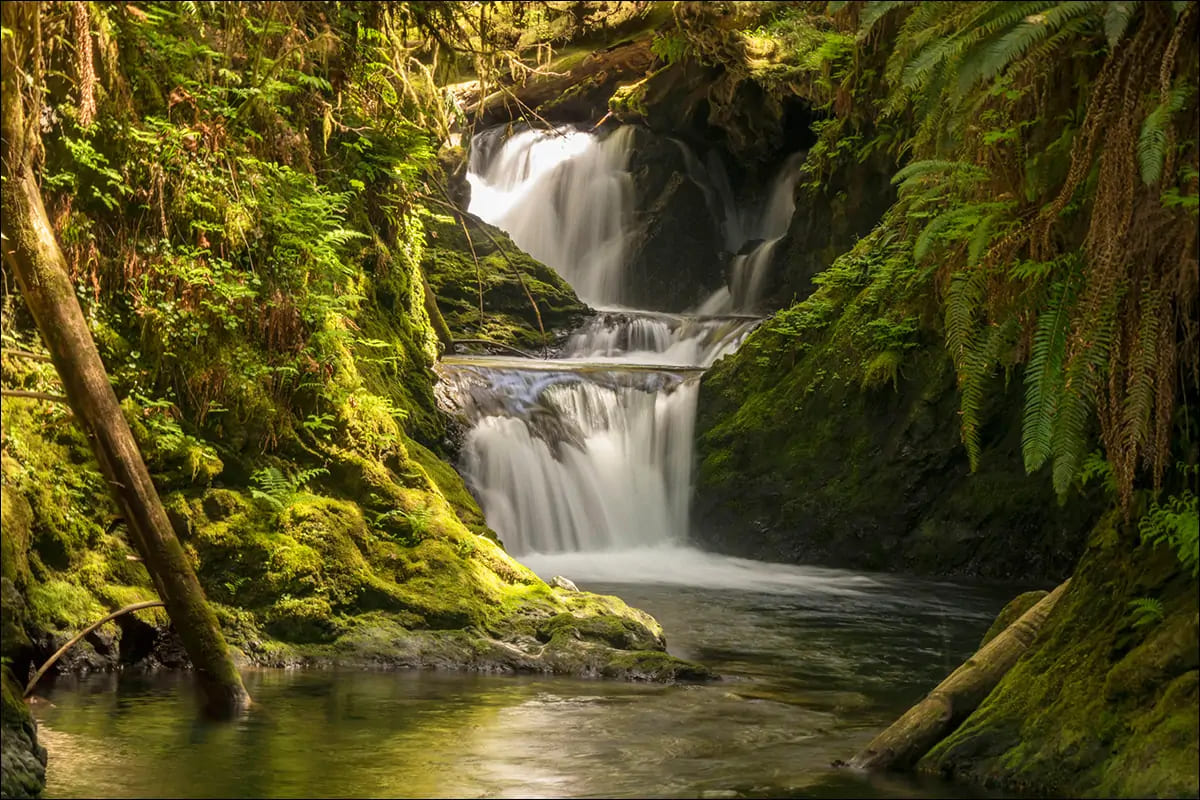
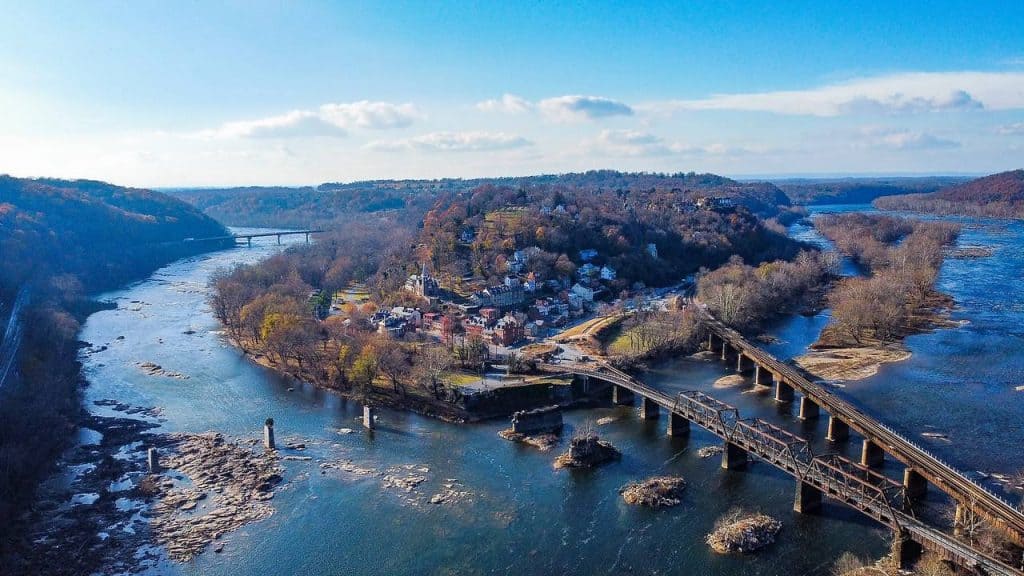
The Appalachian hydrographic network was crucial to the development of the continent. It was through the river valleys that settlers crossed the mountain barrier. The most famous rivers in the region are:
- The Hudson River—although most of its course runs through the plains, its headwaters are in the heart of the Appalachians.
- The Delaware is one of the longest rivers on the East Coast, carving the picturesque Delaware Water Gap canyon through the mountain range.
- The Potomac River, dividing North and South America, is known for its rapids and the Great Falls of the Potomac, where water thunders down cliffs near the US capital.
- The French Broad River in North Carolina and Tennessee is famous for its canyons and is one of the oldest rivers in the world, flowing for over 300 million years, according to geologists.
The region’s waterfalls deserve special attention, becoming true gems for photographers and travelers. Linville Falls in North Carolina is considered one of the highest in the eastern United States, reaching 46 meters in height and an impressively powerful flow. The Great Smoky Mountains conceal dozens of picturesque cascades, such as Grotto Falls, which can be explored from the inside. These waterfalls have a life of their own: in the spring, they transform into roaring streams of meltwater, and in late summer, they become delicate curtains cascading from mossy rocks, refreshing weary travelers. Each waterfall has its own legend and character, and an encounter with one becomes a true highlight of a journey through this pristine region.
Travel to South America with Extreme Guide
 Argentina
Dates:
January 24 – February 16
Complexity:
Duration:
Height:

5.0 (90)
8650 USD
Left: 8 places
 Ecuador
Dates:
December 27 – January 7
December 27 – January 11
January 31 – February 11
January 31 – February 15
Complexity:
Duration:
Height:
5.0 (90)
2350 USD
Left: 8 places
 Chile
ChileDates:
January 9 – January 22
January 24 – February 6
Complexity:
Duration:
Height:
5.0 (90)
3150 USD
Left: 8 places
 Argentina
Dates:
January 31 – February 16
Complexity:
Duration:
Height:

Left: 6 places
 Argentina
Dates:
February 21 – March 9
February 21 – March 13
Complexity:
Duration:
Height:

4.9 (27)
Left: 12 places
 Peru
PeruDates:
Complexity:
Duration:
Height:
 Bolivia
Dates:
Complexity:
Duration:
Height:
 Argentina
Dates:
Complexity:
Duration:
Height: