
Which Backpack Should You Choose for Alpine Climbs? (Mont Blanc, Spaghetti Tour, Dufourspitze, Matterhorn, Eiger)
On classic Alpine routes, we spend the nights in mountain huts, so there is no need to carry a tent and a week’s supply of food. However, there is another requirement: the backpack must be narrow, lightweight, compatible with a climbing harness, and capable of securely carrying ice axes, crampons, and a rope.
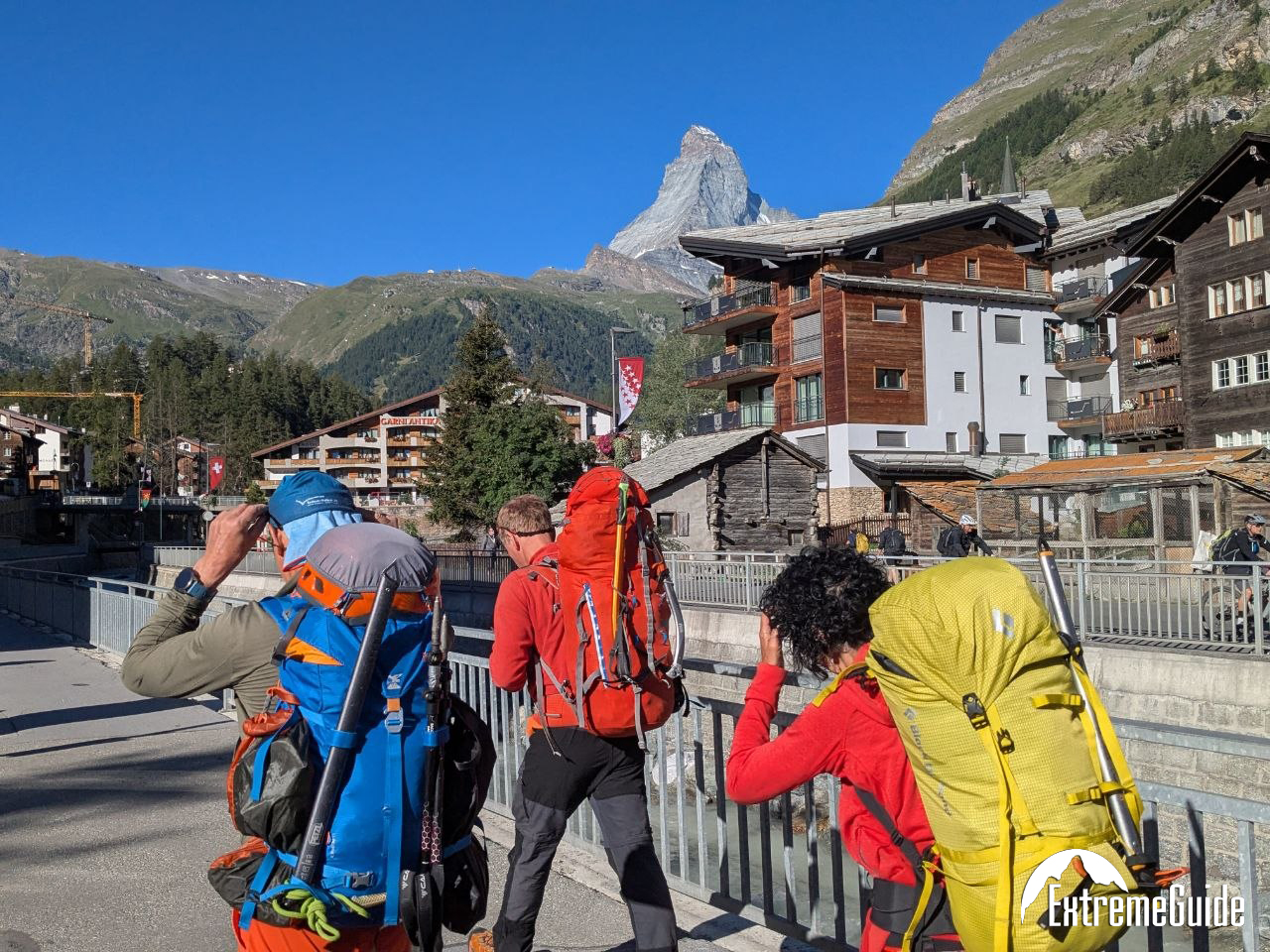
The optimal capacity for these tasks is 30–40 liters. We have put together a selection of tried-and-tested models for different budgets, route types, and experience levels.
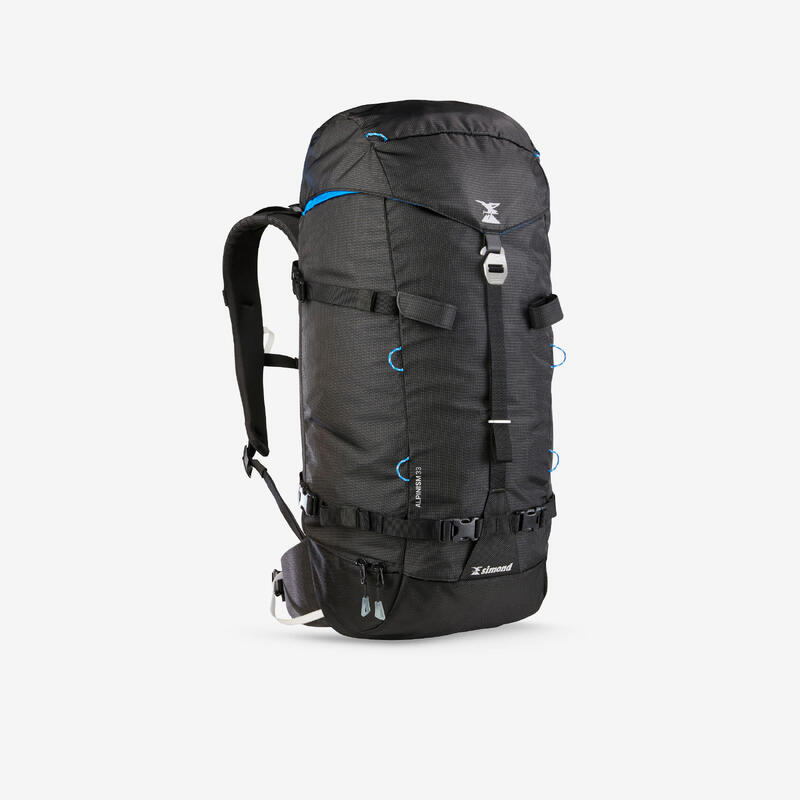
1. Budget-friendly starting point: Simond Alpinism 33 (Decathlon) A reliable, practical option for your first ascents without unnecessary expenses. Minimal unnecessary features, decent durability, and a reasonable weight.
2. Maximum back comfort: Deuter Guide 34+6 The most “bombproof” option in this selection. It features the best suspension system and hip belt, forgives packing mistakes, and distributes weight effectively on long approaches (for example, during the Spaghetti Tour or on the approach to the Margherita Hut).
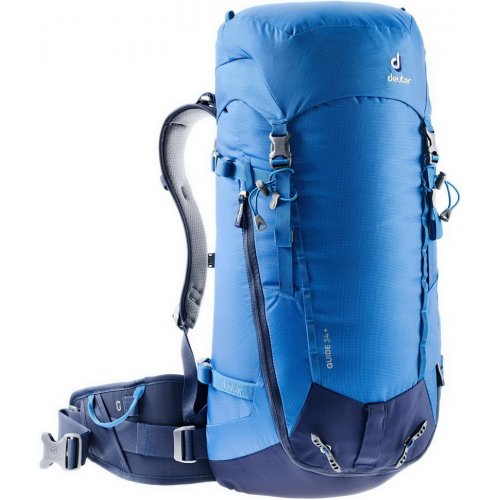
- A note: It is heavier than its competitors. On technical sections (the Matterhorn/Eiger), the hip belt should be removed or stowed away so that it does not interfere with the climbing harness.
3. The sweet spot and versatile all-rounders: These models cover most needs in the Alps
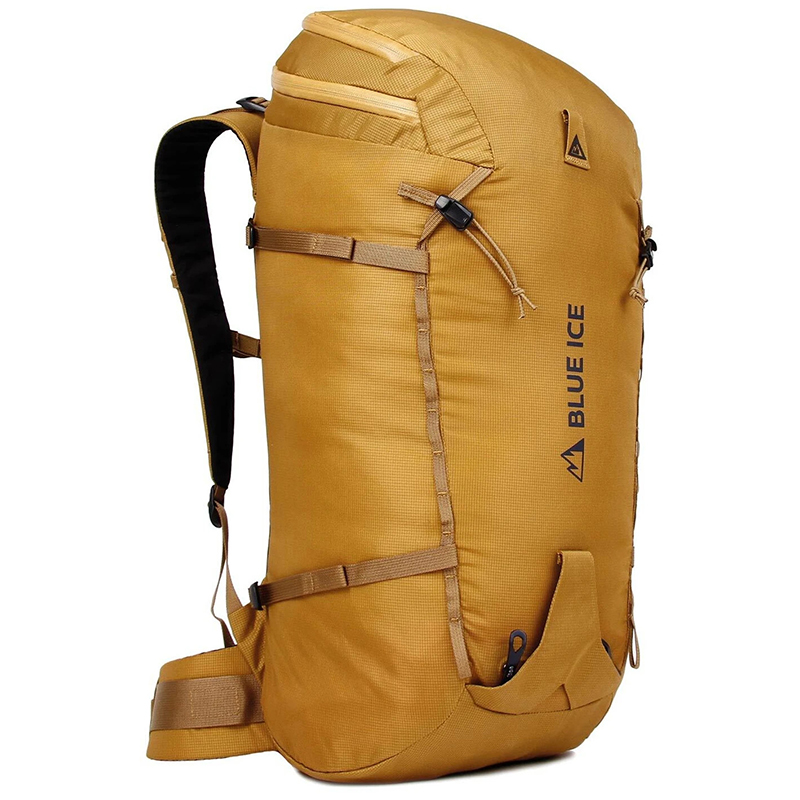
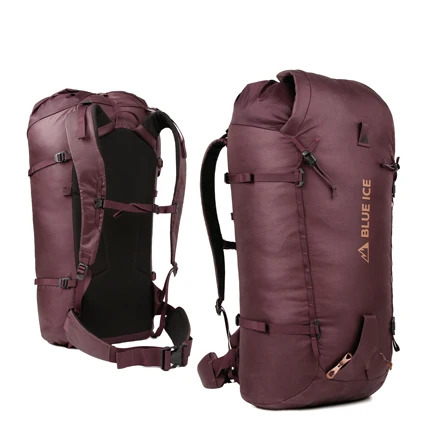
- Blue Ice Chiru 32 — a top choice specifically for the Matterhorn, Eiger, and fast technical routes. It weighs just 875 g, features low-profile shoulder straps for rock climbing, and has a hip belt that can be completely stowed inside the back panel to accommodate a climbing harness. My personal choice. I used it to climb Everest and many other peaks in the Alps and Kyrgyzstan.
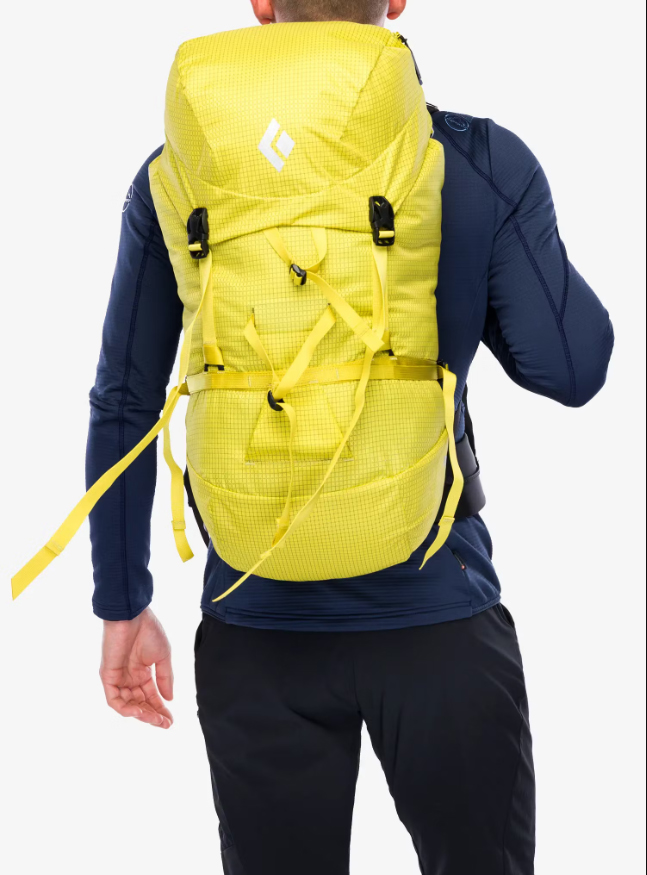
- Black Diamond Speed 30/40 — a benchmark alpine climbing “sack.” Ultralight, but with a thin back panel, so it requires careful packing.
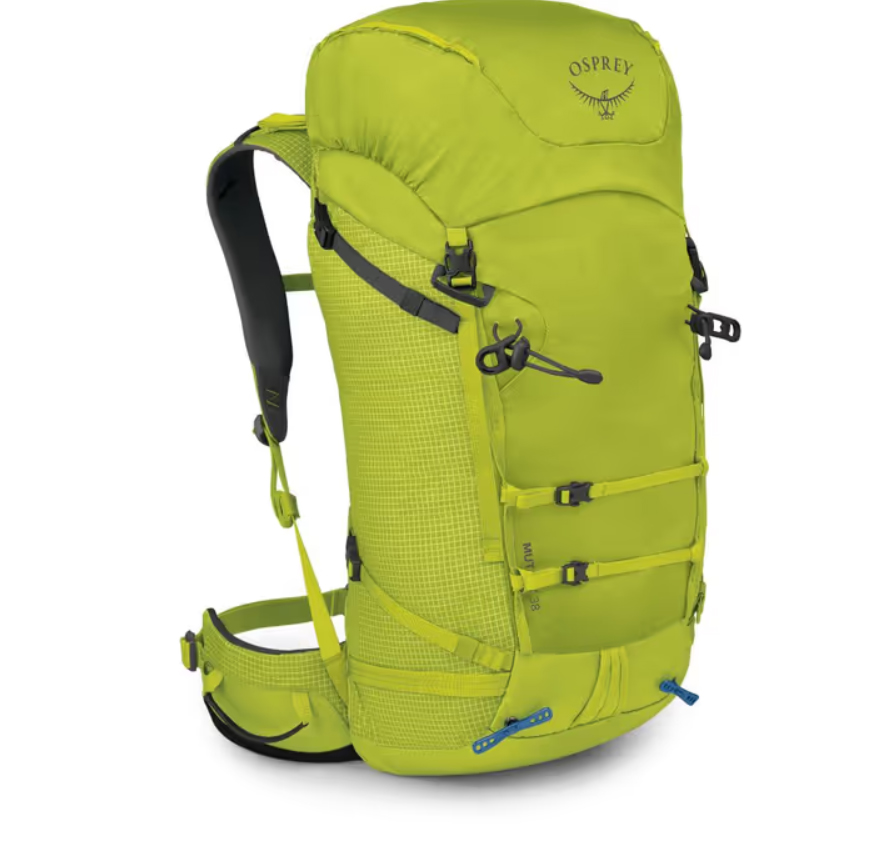
- Osprey Mutant 38 — a narrow profile, removable lid (with a protective FlapJacket cover underneath), and an excellent fit while climbing.
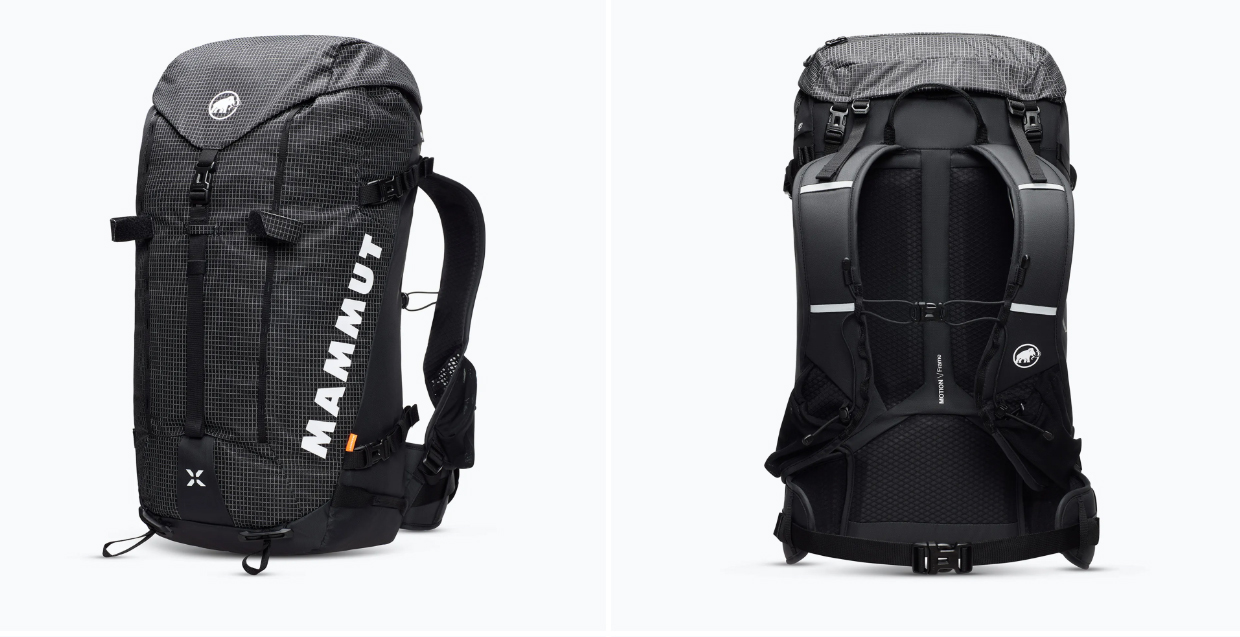
- Mammut Trion 38 — a versatile pack offering quick access to the main compartment through the back panel, plus convenient shoulder strap pockets for a water bottle or phone.
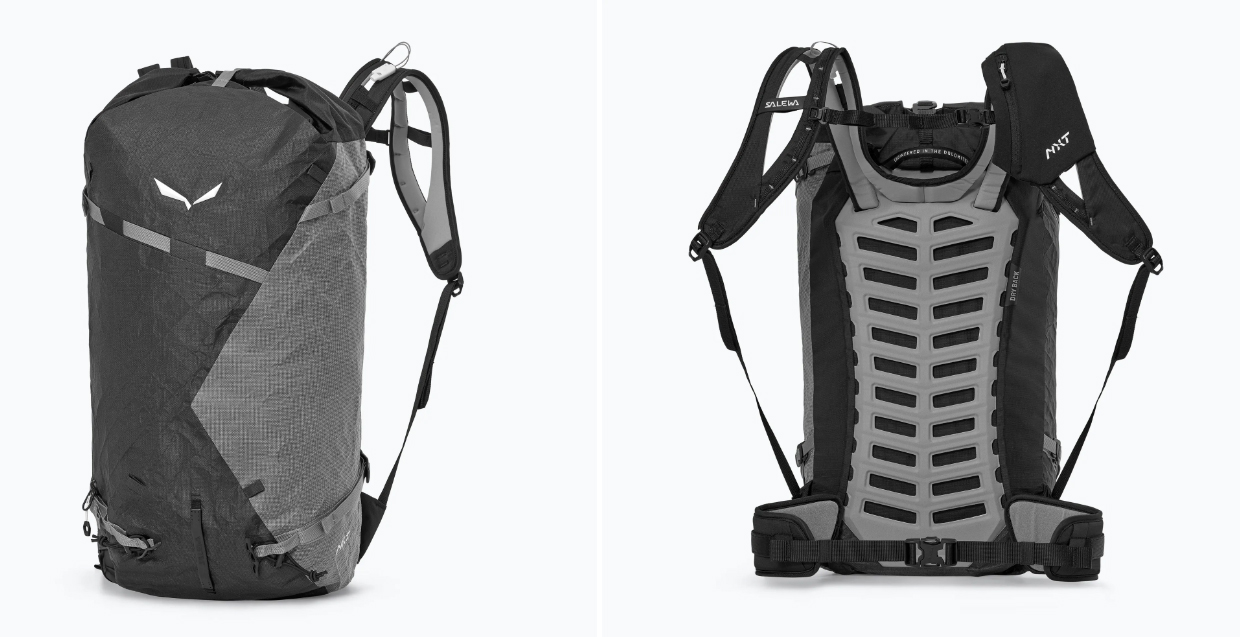
- Salewa NXT Pro 38L / NXT 32 — an extremely durable roll-top pack made from reinforced fabric, designed specifically for rocky ridges where the backpack constantly rubs against sharp granite. It compresses easily for summit pushes.
4. The choice of guides and minimalists:
- – Blue Ice Warthog 40 — one of the most popular backpacks among Chamonix guides: lightweight, durable, and featuring a brilliantly simple ice axe attachment system. An excellent choice for Mont Blanc or the Spaghetti Tour.
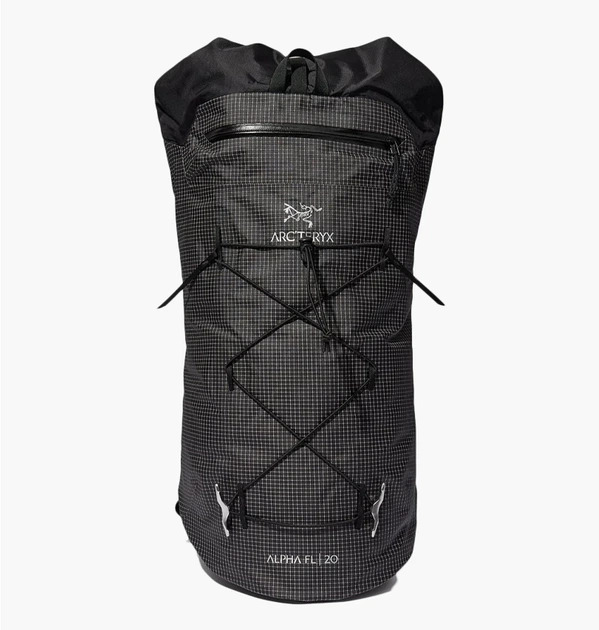
- Arc’teryx Alpha FL 30 / 40 — an enduring fast-and-light classic made from highly durable Hadron™ LCP fabric (weighing 635–715 g), with an ideal tapered shape for climbing and a collar that can be tightened instantly with one hand.
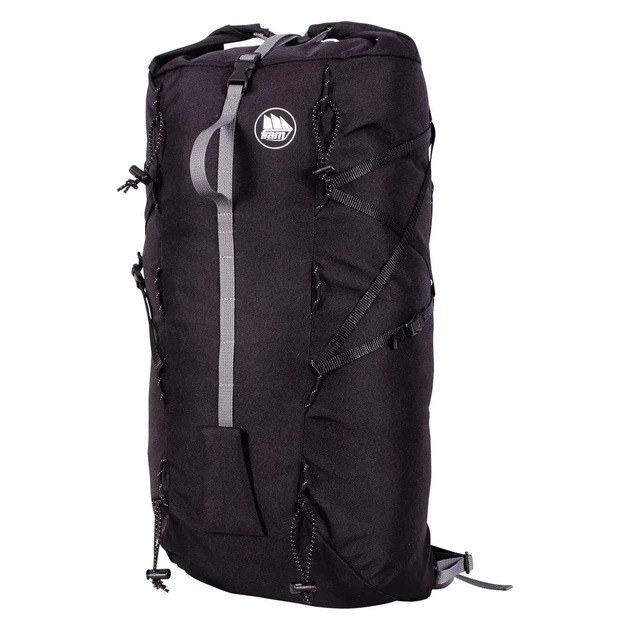
- Fram Equipment Guide 30L — a lightweight, multifunctional backpack, but with no frame at all.
Advice from Oleg Ivanchenko before you choose:
- Do not take 50–65-liter trekking backpacks to the Alps. They interfere with your climbing harness, have large hip belt pockets, snag on rocks along ridges, and encourage you to carry unnecessary items. In addition, a tall, reinforced back panel can get in the way during steep uphill climbs.
- Always check whether the hip belt can be removed or stowed away, or whether it has load-release loops. On the rocky ridges of the Matterhorn or Eiger, you need unrestricted access to the gear attached to your climbing harness.
- If you are buying a versatile summit pack for the Caucasus, Nepal, and ascents in South America, I recommend choosing a capacity close to 40 liters.
- A top pocket for goggles, a headlamp, and various small items that need to be within easy reach is extremely convenient.