
Aconcagua (6962 м) — the highest point in South America, the highest peak in the Western and Southern Hemispheres, and the highest mountain outside Asia. Aconcagua is located in the midwest of Argentina on the border with Chile. The summit is part of the world’s longest mountain range, the Andes.
We have optimized our standard program for those who value their time and want to get more comfort and attention during acclimatization and ascent. We have revised the number of days, removed unnecessary and long transitions in the highlands to save your energy and time. But we left a reliable adaptation program with an overnight stay in the upper camps and a descent to rest at the base. Instead of long transitions, you will have spectacular flights by helicopter from the Confluence camp to Plaza de Mulas, and then an ascent from Plaza de Mulas to the gates of the national park.
How is this program fundamentally different from the standard ascent of Aconcagua??
- Compact group of 3-6 people, a separate guide for every 2-3 people during the ascent,
- Accommodation in a 5* hotel in Mendoza
- Private transfer along the route
- All climbing permits are already included in the cost of the program
- Unlimited delivery of cargo to the Plaza De Mulas base camp
- Support of porters during the exit to the upper camps
- Accommodation in the base camps is individual, or in a common tent with beds. A separate wardroom/canteen, where we will rest and spend time in the base camps.
- High-quality food tailored to your needs
- A cook in the high camps
- Shower and Internet are already included in the cost of the program
- Availability of reserve days for weather and additional acclimatization.
Главные впечатления от похода по Фанским горам:
Climbing route to Aconcagua:
Mendoza – Los Penitentes – Camp Confluencia – Plaza France – Plaza Mulas – Camp Canada – Plaza Mulas – Camp Nido de Condores – Camp Berlin – Aconcagua 6962 – Camp Plaza Mulas – Mendoza
Climbing route to Aconcagua by days
day
Arrival of participants in Mendoza. The resort town is located in the La Rioja Valley. The settlement is one of the largest centers in Argentina for the production of wine and olive oil. Endless vineyards and colonial architecture attract tourists from all over the world. We rent the missing equipment and repack our things.
Evening in one of the famous steak houses in Mendoza. Getting to know each other.
day
In the morning we apply for permits – permission at the central office of the Ministry of Tourism. We buy the necessary products. We prepare our bags for the move to the mountains.
Moving to Los Penitentes, the road takes about three hours (180 km). The intermediate point (2700 m) is important for acclimatization. Near the village there is an ancient stone bridge, according to legend, this bridge was built by the Incas when they were developing the Andes. In Penitentes we immediately give some of our things to the mules for transportation, since they leave with things to the Plaza De Mulas camp very early.
Rest before the hike. Overnight stay in a hostel/apartments.
day
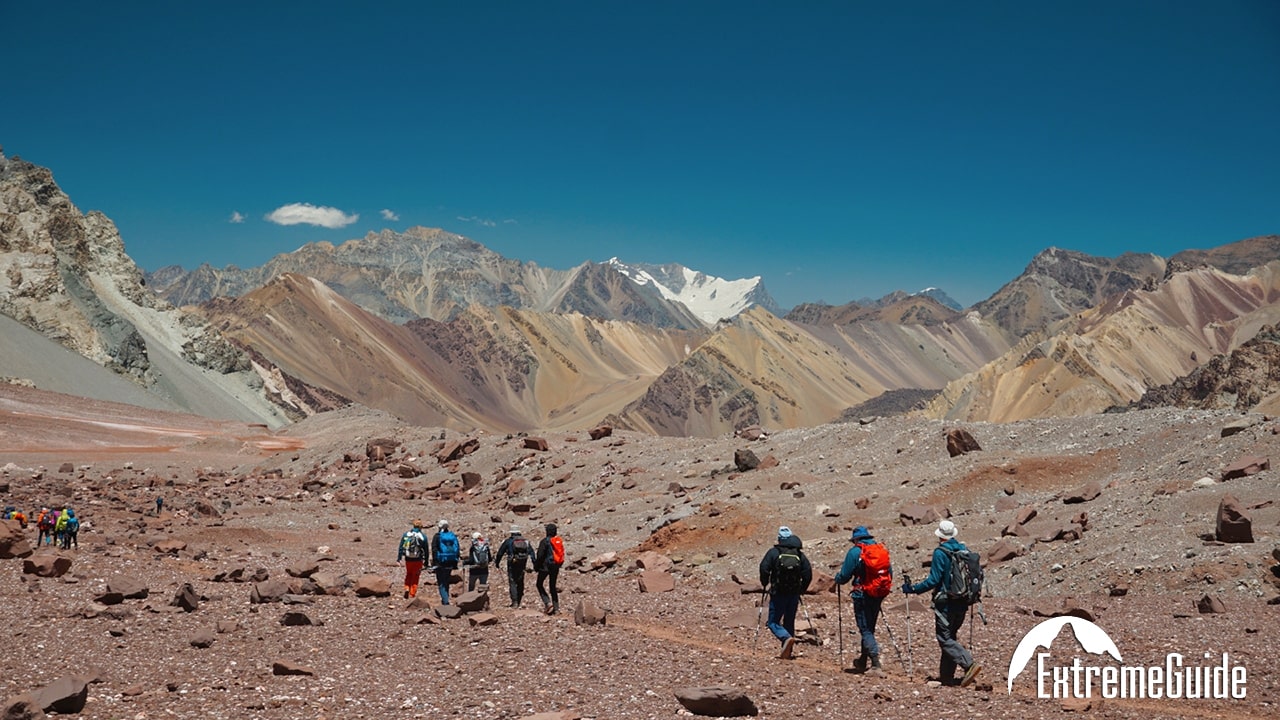
Departure to the National Park. Equipment is carried to the base camp by mules. We will make the first track to Confluence (3400 m). There is a shower and electricity, no mobile communication, but vouchers for Internet connection are sold.
Overnight in tents. Travel time 2.5-3 hours, 9 km. Altitude gain is 500 m.
day
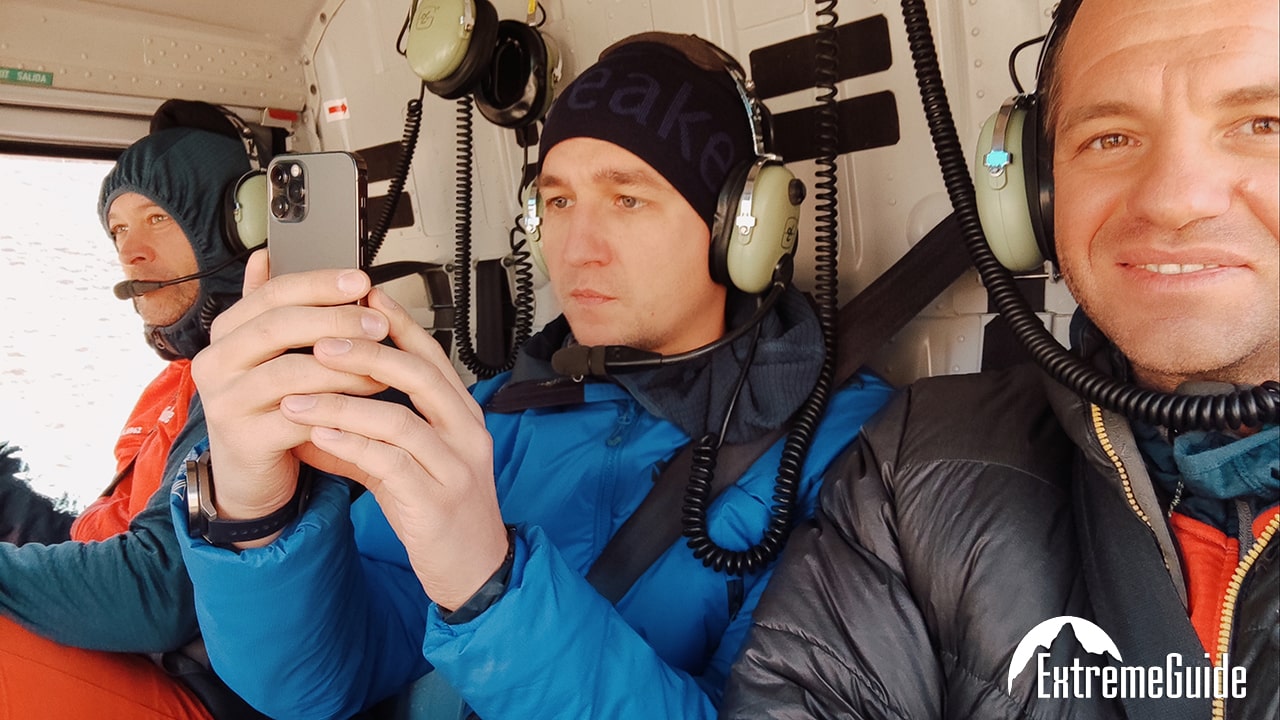
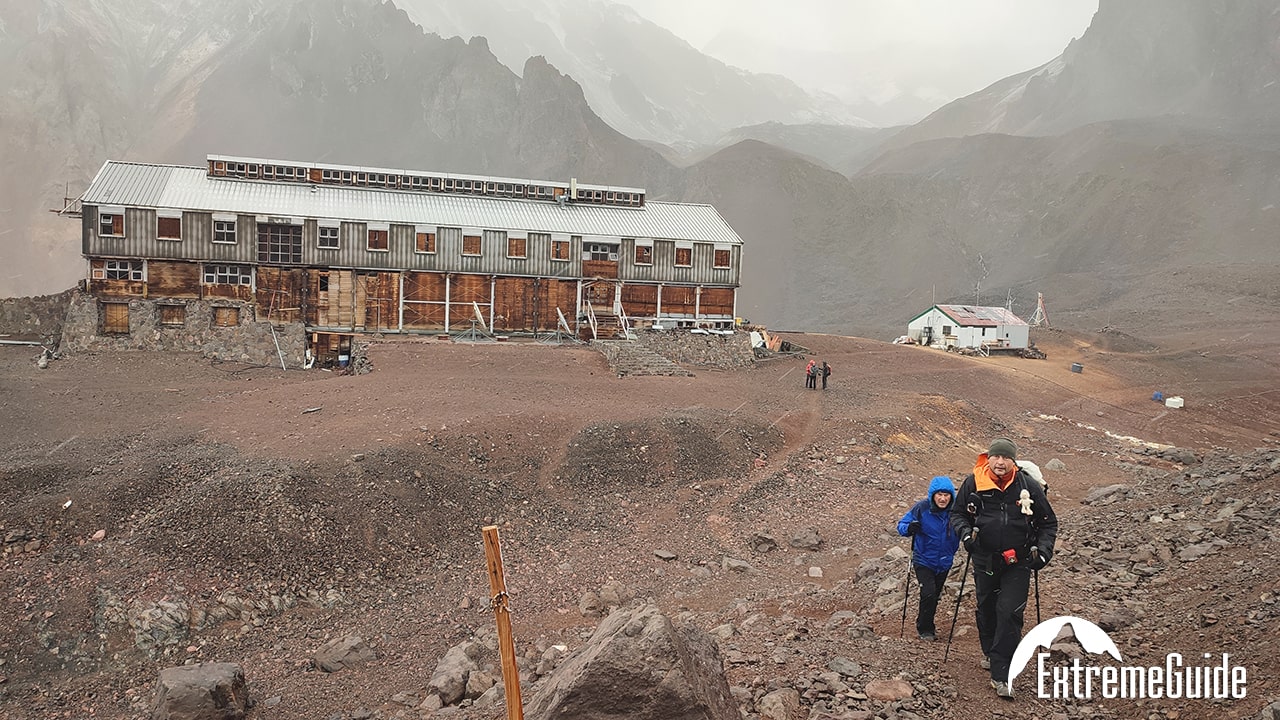
In the morning we plan to fly by helicopter straight to the base camp at an altitude of 4300 m – Plaza De Mulas. Upon arrival, rest. We will walk to the Orcones glacier.
day
Rest. Preparing backpacks with equipment for the ascent. Exit to the upper camps is permitted after medical examination by a doctor. Therefore, we must undergo medical examination with a note of permission.
day
Rest. Preparing backpacks with equipment for the ascent. Exit to the upper camps is permitted after medical examination by a doctor. Therefore, we must undergo medical examination with a note of permission.
day
After breakfast, climb to the assault camp (6000 m). We will stay at the altitude for a while and then go back to Canada. Here we will need warm clothes, because it is much colder and the wind is stronger higher up.
Return to the base camp. Travel time is 7-8 hours, 12 km. The difference in altitude is 1900 meters.
day
Free time. We rest on our own, take photos for memory, communicate with people from different countries. We try to get enough sleep.
day
Around 11-12:00 we go to Nido de Condores (5500 m). The transition to this camp is quite long and tiring as it goes along a scree trail, so we recommend taking a porter for a group or 2-3 people on this section, who will bring in a tent, food and some personal belongings.
In the “comfort” package, a porter is already included in the cost of the program. Overnight in tents. Transition 6 km. Altitude gain 1300 m.
day
Today is a short walking day, so it is better to slowly make the trek to Kolera, 5950 m. This camp is located a little lower than Kolera, but it is cleaner, there are fewer people here and this place is more protected from the wind. In addition, we know an alternative path that goes a short way to the summit. It is from this point that the real ascent to the summit begins.
Preparation for the important day tomorrow. Early lights out. There is no water in the camp, so most likely we will have to melt snow.
day
Early night rise and departure. Usually we leave at 3:30 -4 am to go ahead of the main crowds of tourists and not throw stones at each other. Dawn will meet us on the road, somewhere at an altitude of 6400-6500.
Assault consists of several parts:
– transition along a rocky easy path to Puenta Inca (6400 m);
– Smooth climb, but difficult by a difficult road.
We go in crampons to the Grotto (6650 m);
– The final section of Canaleta with a steep path and areas with ice and snow. You may need crampons.
Ascent of Aconcagua takes on average 8-10 hours. Control time of ascent is 14-15 hours. If you do not have time to climb by this time, the guide has the right to turn you back at any point on the route.
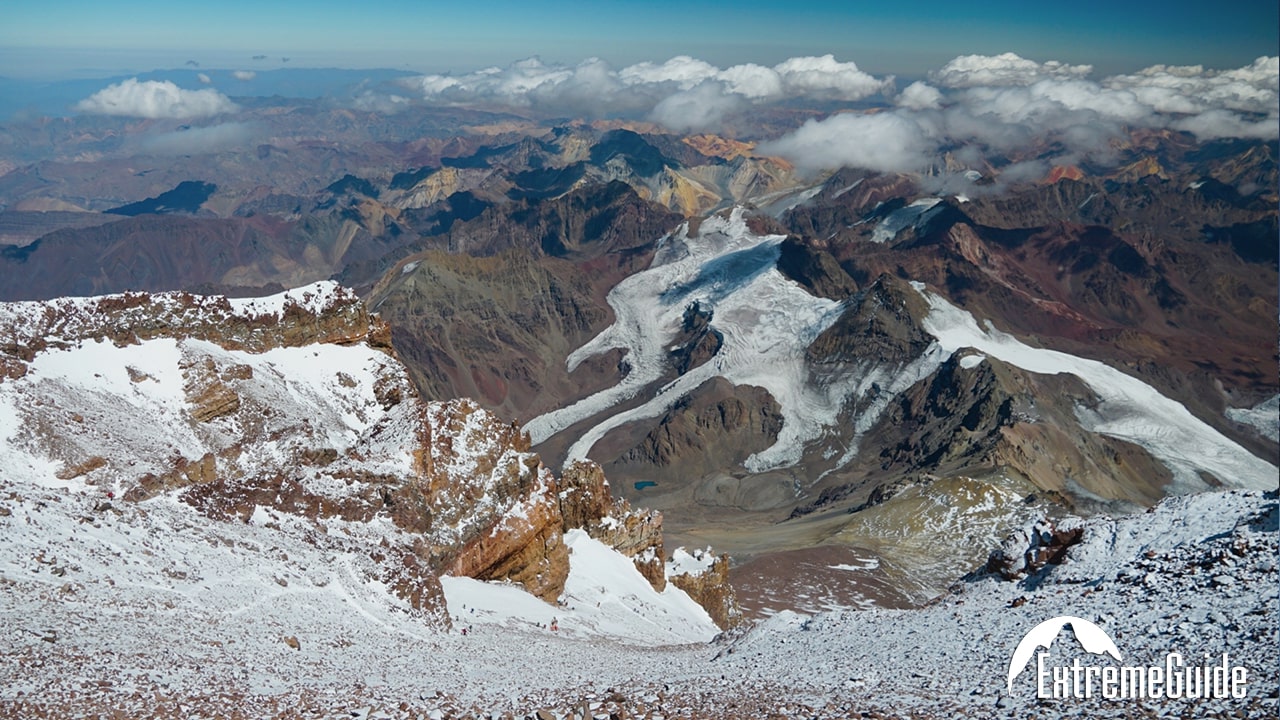
We are at the top. We are carried away by the landscape, a little time for photos, we are happy with a small victory. We remember what it looks like to make a dream come true. We descend along the ascent route to the Berlin camp, on average the descent takes 3-4 hours.
Overnight in tents. The transition is 12-14 hours, 14 km, the difference is 1900 m.
day
In case of bad weather, additional acclimatization.
day
In the morning we fly to the exit of the National Park. Then we have a transfer to Mendoza, about 3 hours transfer to Mendoza. Finally, a night in a hotel on a soft bed.
day
Flight home. We recommend leaving Mendoza in the afternoon.
Important! The program is not final, it may be adjusted depending on other weather conditions, the health of participants and unforeseen circumstances.
Note:
The program is not final and may be adjusted depending on the weather, the condition of the participants and other factors.
Map of the route to climb Aconcagua:

Why is it profitable to go hiking with Extremeguide?




Cost and conditions for climbing Aconcagua
Is this trip right for you?
To participate in the expedition, you must have experience in climbing with altitudes of 5000 m and above, for example, climbing Kazbek, Island Peak, Mera Peak, Ararat, and good physical shape.
The price includes:
- IFMGA guide services;
- additional guides during the summit push if the group is 4 or more people;
- accommodation in 5* hotels according to the program (single occupancy) – up to 3 nights;
- public equipment rental (ropes, kitchen, gas);
- climbing permits, entrance tickets to national parks;
- welcome dinner in Mendoza;
- breakfasts at the hotel;
- accommodation in the Penitentes hostel (1 night);
- meeting and seeing off at the airport;
- custom transfer Mendoza-start of the route and back;
- delivery of luggage by mules to the base camp (no restrictions);
- delivery of group equipment and food to BC;
- helicopter flight from Confluence to Plaza de Mulas and back to the gates of the National Park.
- accommodation in tents in the lower (1 person) and upper camps (2 people per tent);
- high-altitude meals in the upper camps (prepared by a cook);
- full meals in the cafeteria of the Plaza de Mulas base camp (prepared by a cook);
- use of the infrastructure of the base camp: toilet, electricity, water;
- tent-wardroom for all days of stay in Confluence and in the Plaza de Mulas BC;
- porters for public equipment and food during acclimatization hikes (camps Canada, Condores, Colera) and during the ascent;
- porters for personal belongings, up to 10 kg per person;
- hot shower in the Aconcagua base camps (once a day);
- Internet in the base camps up to 1 hour a day;
- storage room in the BC;
- first aid kit;
- navigation and communication equipment from the guide (InReach and radios);
- certificate of successful ascent of the mountain;
- medal for successful ascent of the mountain;
- expedition jacket, T-shirt, buff and cap.
Not included in the price:
- Air tickets to Argentina (from $1,200 round trip);
- Meals in the cities ($50-100/day);
- Rental of special equipment for climbing (crampons, ice axe, harness, helmet) – check in advance for rental availability;
- Additional excursions and changes to the program;
- All additional expenses, including for a guide, in case of early termination of the program;
- Accident insurance and medical coverage from €30,000 (issued by ExtremeGuide), the cost is €10/day depending on the selected insurance program and residency. Check the cost;
- Satellite phone rental;
- Additional Internet traffic;
- Rental of your own equipment;
- Tips for the guide (optional);
- Other expenses not specified in the program.
Price depending on the number of participants
| Participants number | Price per 1 participant |
|---|---|
| 3 | 15000 USD |
| 2 | 16500 USD |
| 1 | 23000 USD |

Best price guarantee!
- We have included in the price all possible basic expenses for the program and guarantee that there are no hidden additional costs, while we have retained the best service at a low price: transfers, hotel accommodation, guides and staff!
We have a flexible discount system
Find out more now:
Required equipment
Basic equipment:
- Trunk bag – 80-100 L;
- Assault, mountaineering backpack 35-45 L (Read more about choosing a backpack);
- Sleeping bag comfort -10 С…-15С (Read more about choosing a sleeping bag);
- Pad foam (it is advisable to have a thick and warm pad) (More information on choosing a pad).
Shoes and clothing:
- High-altitude mountaineering boots, two-layer (Read more about choosing clothes and boots);
- Sneakers/trekking boots (for acclimatization);
- Changeable shoes (sandals or flip flops);
- Gaiters (shoe covers, flashlights) for boots;
- Down sweater or light warm jacket;
- Down jacket or warm jacket (minimum temperature -20…-25 on the night of ascent);
- Warm hat;
- Walking pants (Gore-tex),
- Walking pants (cotton or synthetic);
Insulated pants (down, primaloft); - Running jacket, windproof (Gore-tex, cotton or synthetic);
- Thermal underwear set (in the absence of thermal underwear, underpants and a jacket);
- Warm jacket (polar, fleece);
- Rain cape (if your walking clothes get wet);
- Socks of at least 3 pairs (“thermal socks” or other thick ones);
- Sleeping socks (preferably wool or down);
- Mittens (down or ski mittens; the main thing is that they are not blown through);
- Warm fleece gloves;
- T-shirt;
- Change of underwear;
- Sun hat;
- Balaclava;
- Swimming trunks/swimsuit.
Additionally:
- Cape for a backpack (or large plastic bags for packing things);
- Mug, spoon, bowl, knife (all this should be as light as possible – made of stainless steel or special plastic; do not take ceramic mugs or enamel dishes);
- Headlamp + set of batteries;
- Hygiene supplies (a toothbrush and a small tube of paste, a bar of soap and a little shampoo will be enough; you should not take full bottles of shower gel and shampoo, heaps of creams and lotions with you);
- Documents;
- Ind. first aid kit (plaster, cold, stomach, head. You also need to take into account specific and chronic diseases, if any. In addition to the individual first aid kit, the guide has a general one);
- Mountaineering glasses (protection category 3-4);
- Chapstick lip balm;
- Sunscrenn cream;
- Water bottle (1-2l.);
- Thermos (0.5 – 1.0 liters);
- Seat;
- Work gloves.
Special equipment:
- Trekking poles;
- Crampons;
- Climbing system;
- Mountaineering helmet.
Overview of equipment list on Aconcagua
Recommendations for choosing shoes for Aconcagua
Camera.
Additional information
This climbing program does not require good physical shape and can be done by any average person who has already been in the mountains at altitudes of 5000 or more. Previous trekking experience is required!
We recommend that you start training no later than three months before the start of the trek: running, swimming, cycling. The total anaerobic load should be at least 1 hour 30 minutes (cross-country running at least 8-10 km), then you are guaranteed not to have health problems on the track.
For more information about training, see our Youtube video channel. In case of chronic diseases, we recommend consulting a doctor.
— Residents of most countries do not need a visa to visit Argentina;
— accidant and medical insurance (insurance with coverage of at least $30,000 and insure risks associated with mountaineering).
Group meeting in Mendoza, Argentina. The optimal flight route is your city Buenos Aires – Mendoza or your city – Santiago, Chile – Mendoza.
Flight from Europe to Argentina and Chile – Air France , Turkish airlines, Luftgansa, Iberia, Alitalia, Latam
To long treks of 6-8 hours during the acclimatization period, to strong temperature changes (daytime +30, at night – 5 , Plaza Mulas) during the day, to overnight stays in a tent throughout the entire program, to movement along rocky paths. During the period of acclimatization trips, if you do not resort to the help of porters, the weight of the backpack is 10-15 kg.
In cities, accommodation in comfortable 3*-4* hotels, on the track in tents, accommodation for two people. The base camps have showers, electricity, a mess tent, a lounge area, a cafe and wireless Internet. In the upper camps there are only tents.
Biowaste must be transported by participants to base camps themselves.
Meals for the active part of the program are included in the price. In the base camps Confluence and Plaza Mulas, full meals are provided (prepared by the participants or the cook, depending on the package chosen). Breakfast, lunch (hot or sandwiches), dinner.
During the period of autonomous trips to intermediate and assault camps, the food is camp, freeze-dried food. We cook it ourselves on burners.
Things and equipment are transported by mules to Plaza Mulas. During acclimatization and radial trips to camp Canada, Nido Condores and Kolera, the participant carries personal belongings on their own; food and equipment, depending on the package, are carried by porters.
The guides will have a traveling first aid kit for emergency medicine. But you need to have personal medications for chronic and individual diseases, adhesive plaster, headache pills, anti-cold and painkillers + vitamin C and group B for better adaptation in the mountains.
There is a doctor and medical oxygen at the base camp.
If you have a local SIM card in Plaza de Mulas, there is 3G, in the upper camps and in Confluence there is no connection. There is also paid internet – 1 hour about $10.
The weather in Mendoza is hot, normal temperatures +25… +30°С.
First couple of days on the track in the mountains +25… +20°С, but it will get colder further. During the day +10°С, nighttime– till -15°С. In Plaza de Mulas at night the temperature reaches – 5 °С.
This route takes place at altitudes above 5000 m – 6000 m, where solar radiation is many times stronger than on the plain, the mountain climate and thin air affect the state of the body during the first 5-7 days of the trek. If you do not acclimatize properly and gain altitude quickly, you may develop altitude sickness.
Therefore, we have developed a special program for acclimatization and monitoring the condition of each participant along the route. The trek is not technically difficult and goes along a mountain road, but it requires good physical preparation and compliance with safety rules in the mountains. All instructions from the guide along the route must be followed!
The country’s currency is the Argentine pesso. In the city you can pay with a card; on the track it is better to have a pesso for expenses. Money can be exchanged on the first day of the guided program. You can also pay in dollars or euros.
We recommend reading the article about acclimatization in the mountains.
Peculiarities of acclimatization in high mountains
Also watch a video about altitude sickness
Also read the article about preparation: Physical and mental preparation before climbing and hiking in the mountains
And watch a series of videos about the training process.
No diseases incompatible with active tourism: List of diseases.
The table shows the basic cost for a group and may change depending on the number of people in the group. For the calculation of the cost of the tour for a smaller number of people and individual groups, see the «Price» block for more details.
We guarantee that on the dates indicated in the table, even if there is a minimum number of people allowed in the group, the tour will take place 100% with a minimum change in cost.
Pleasant bonuses, which everyone receives when ordering a tour with us


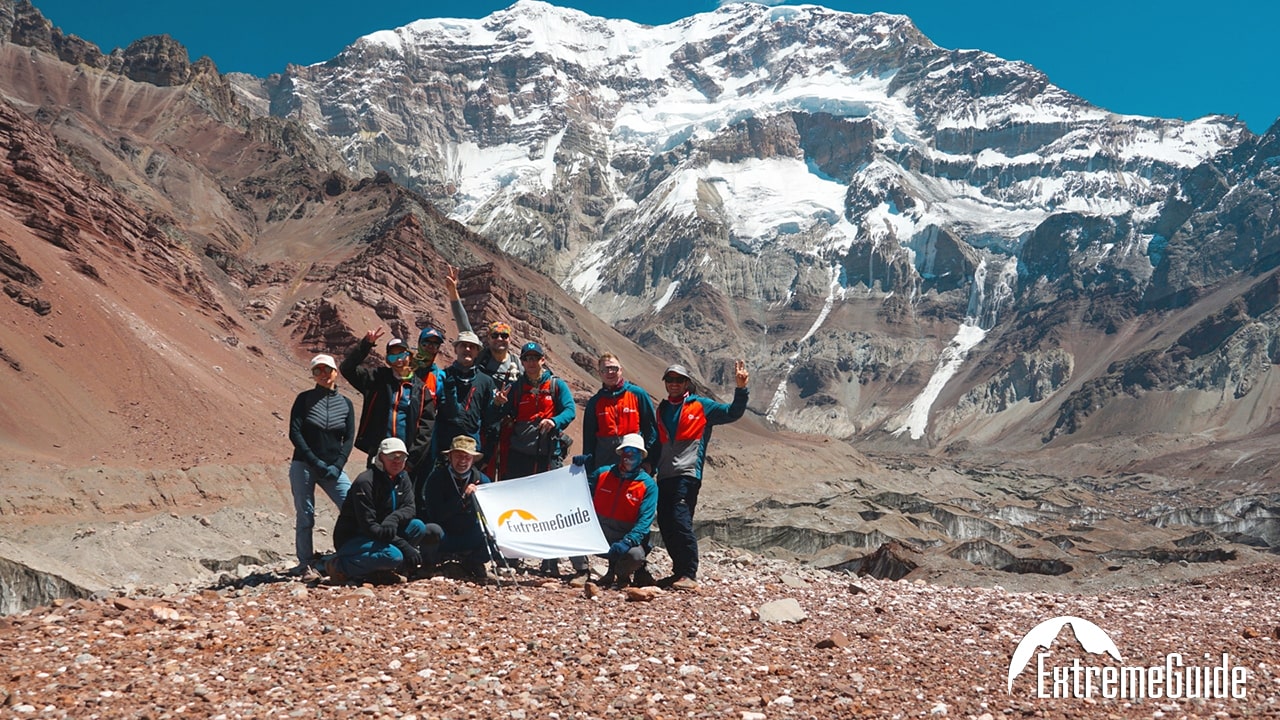
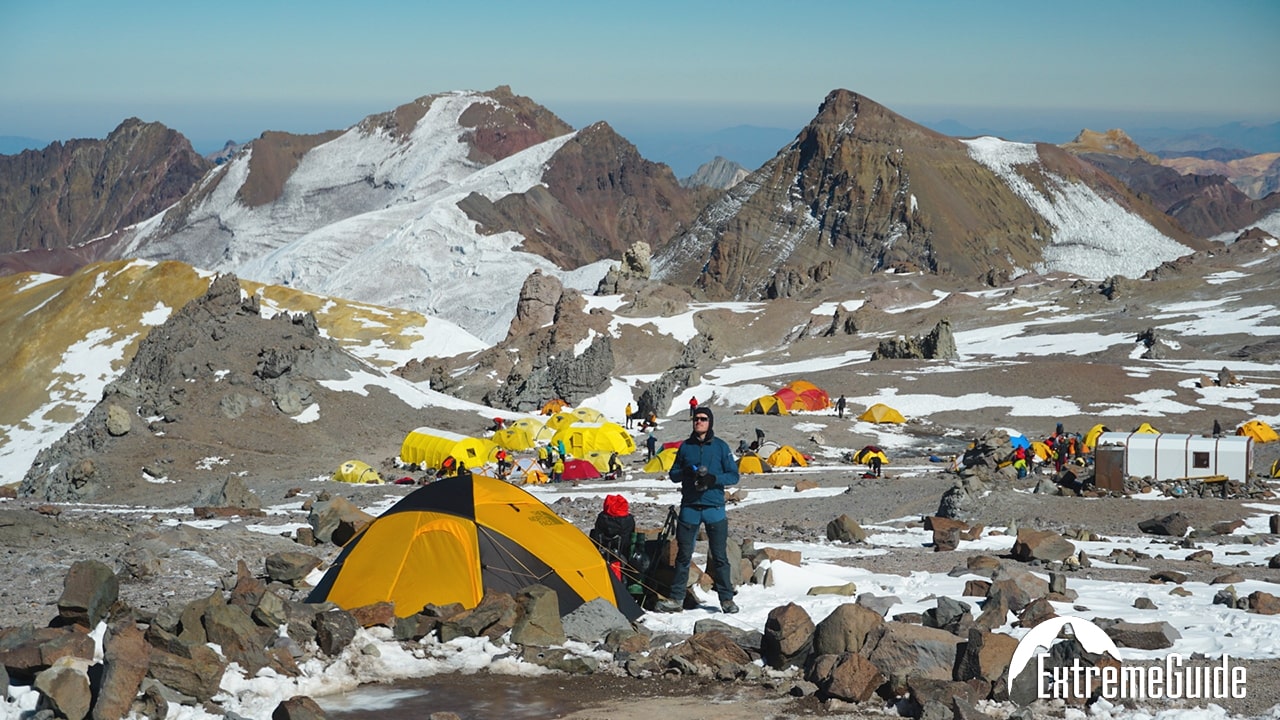
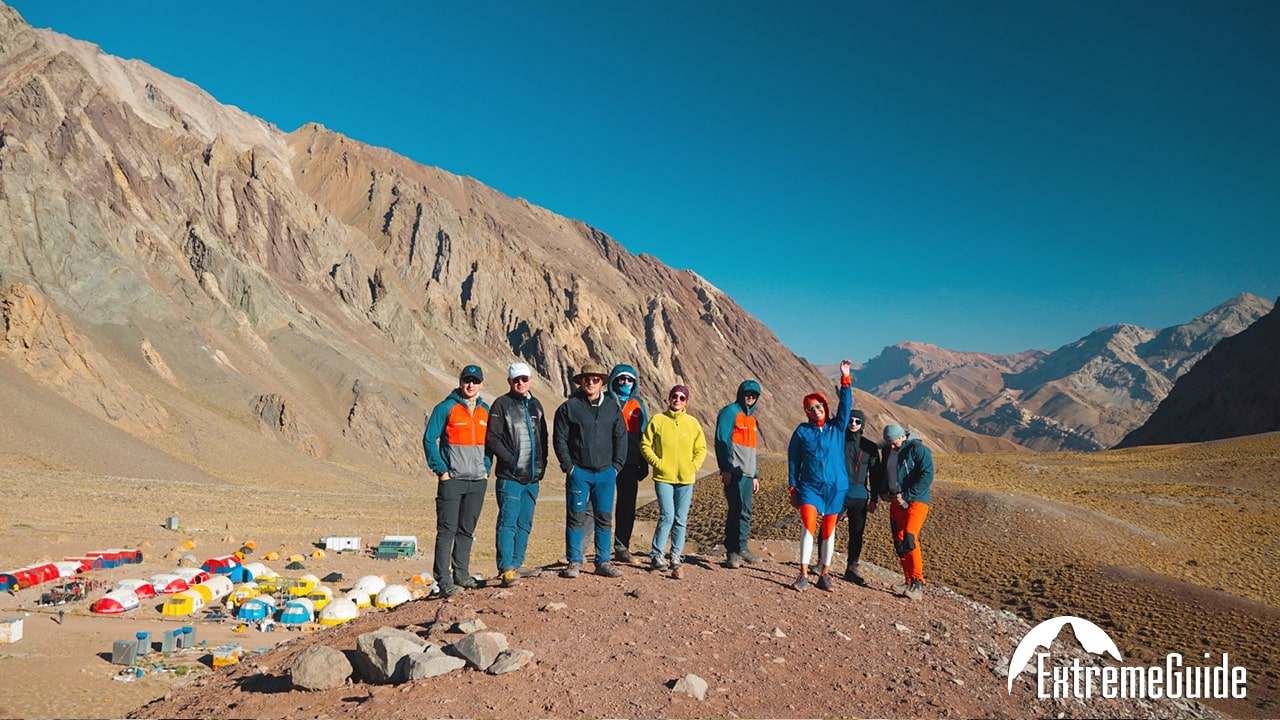
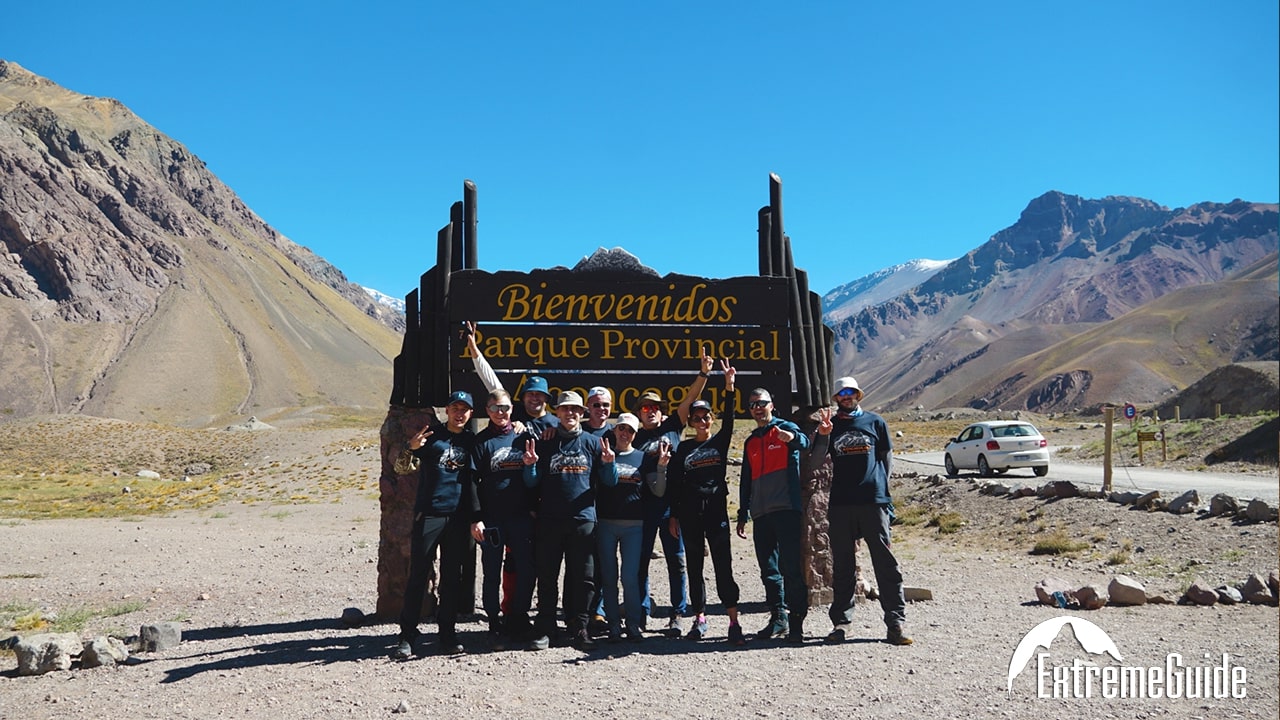
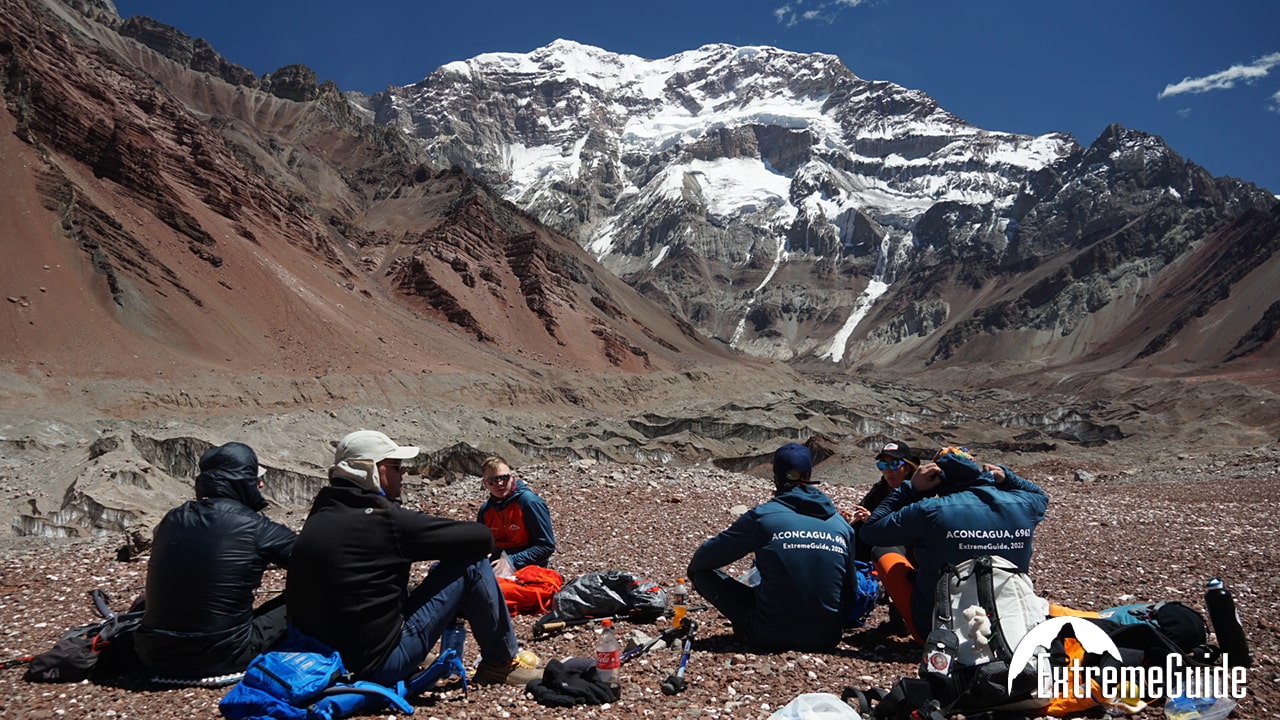
Photo of previous trips
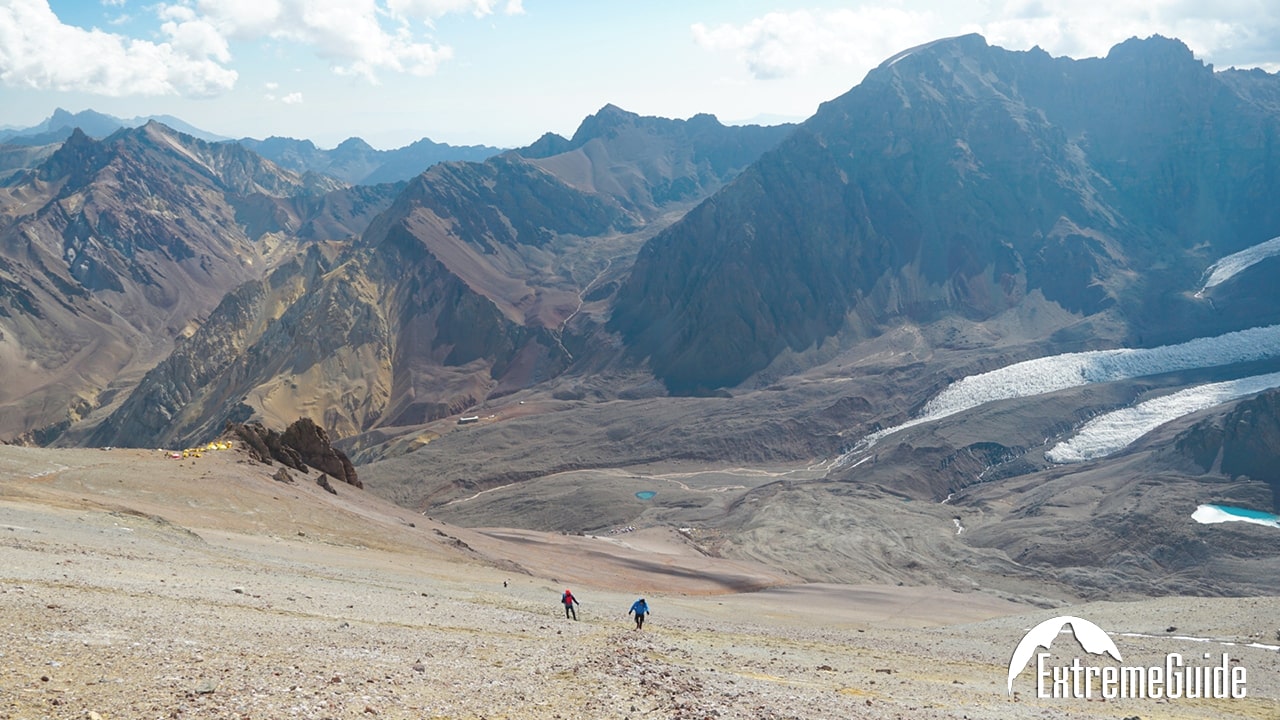
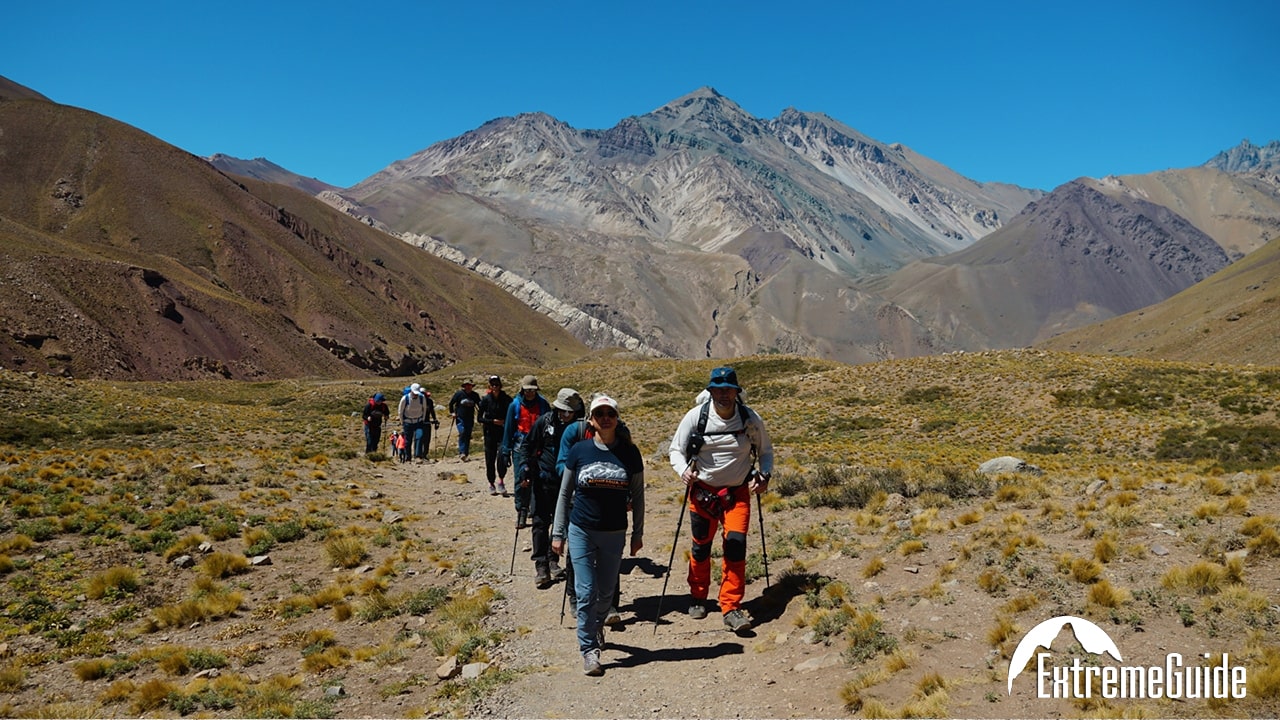
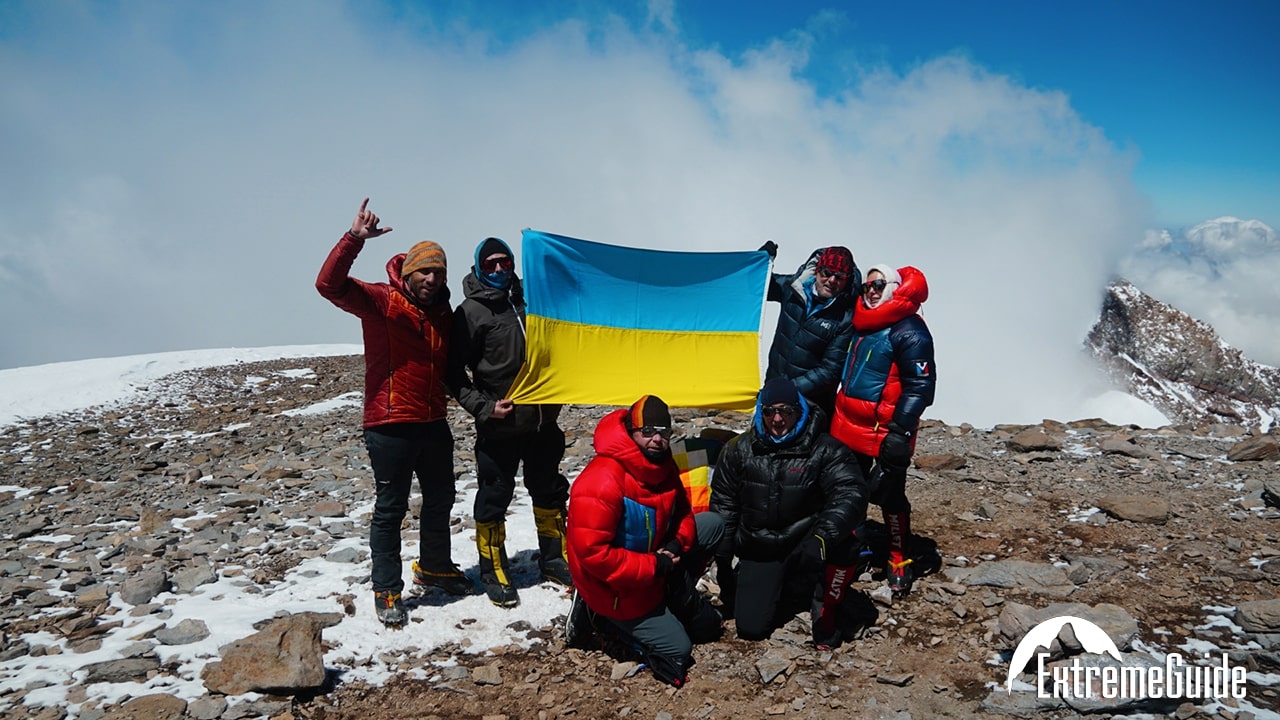
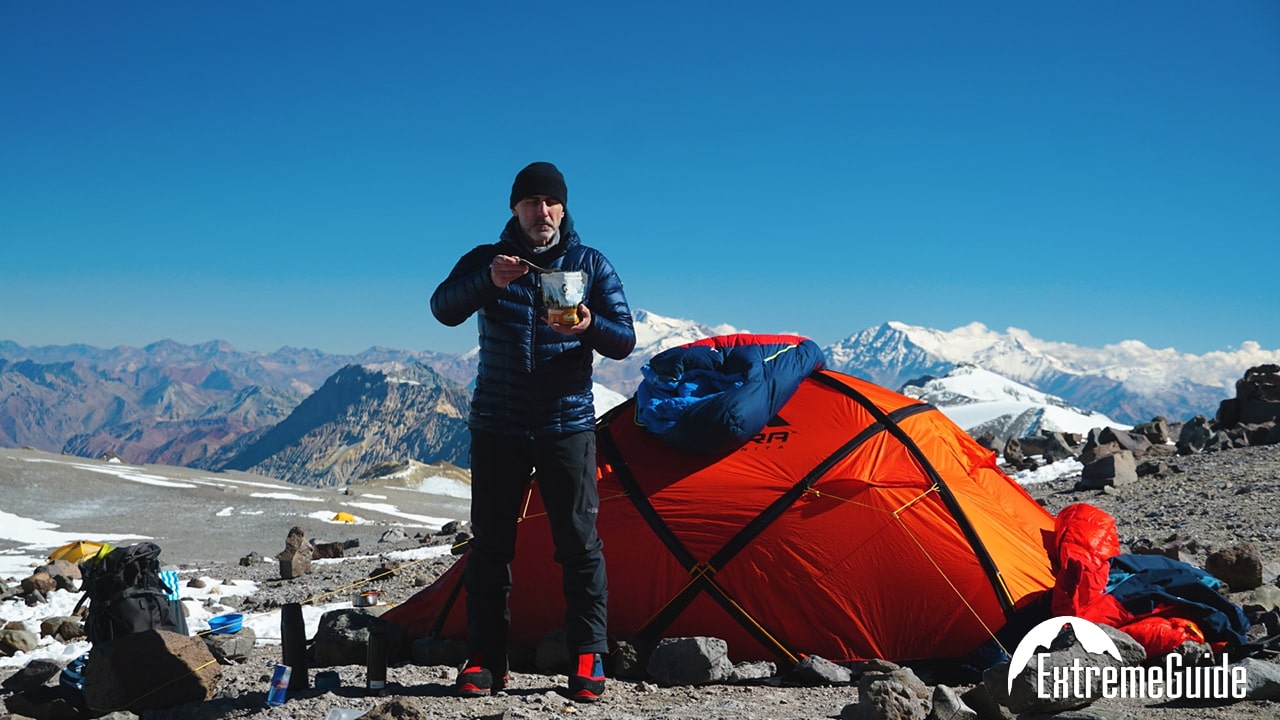
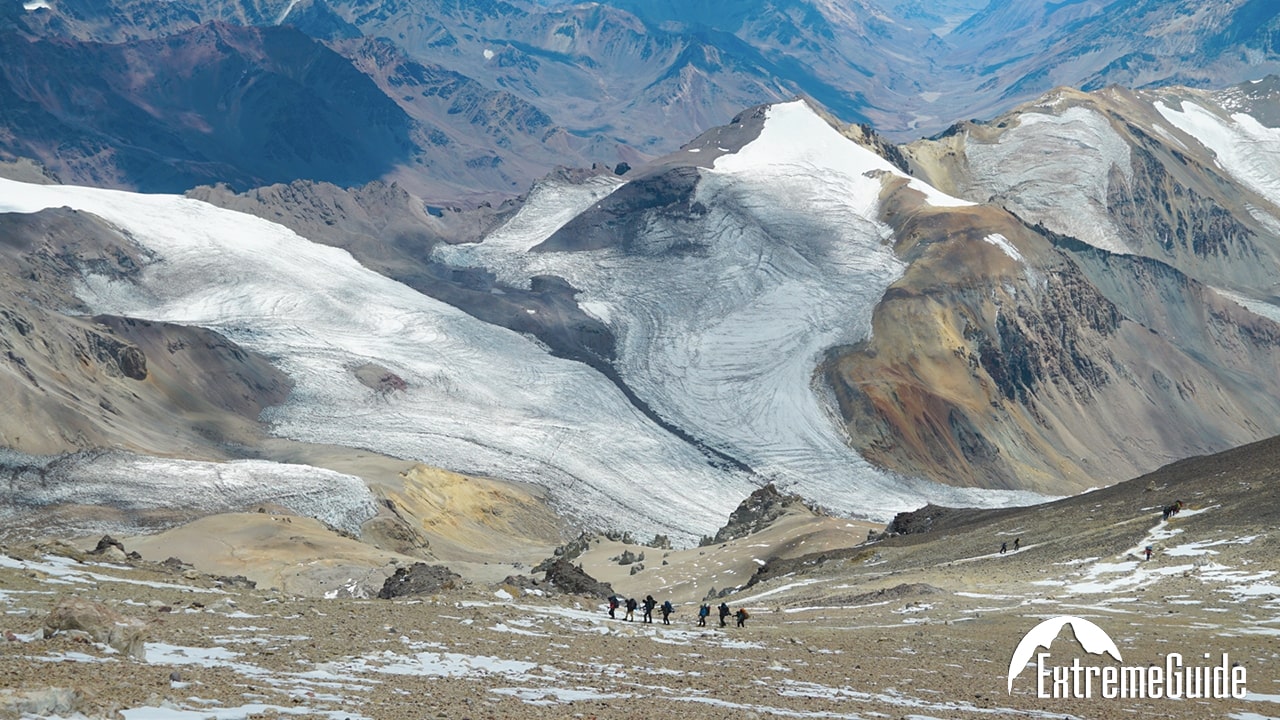
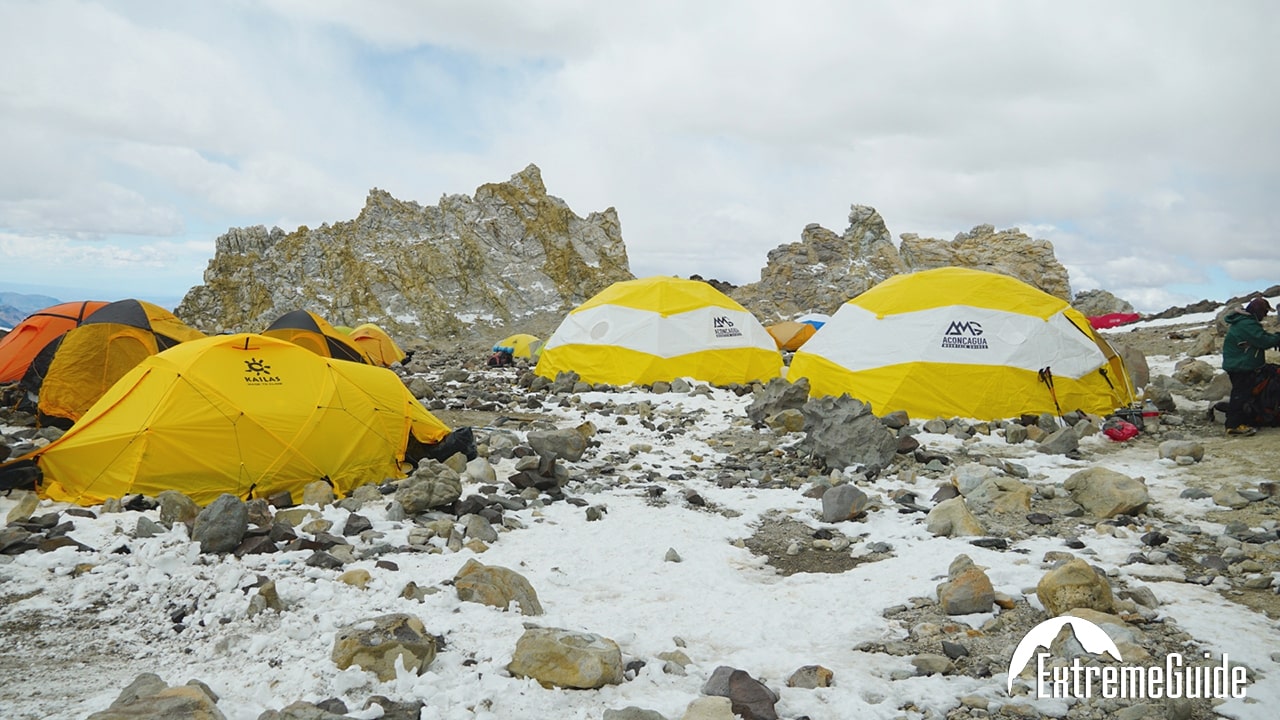
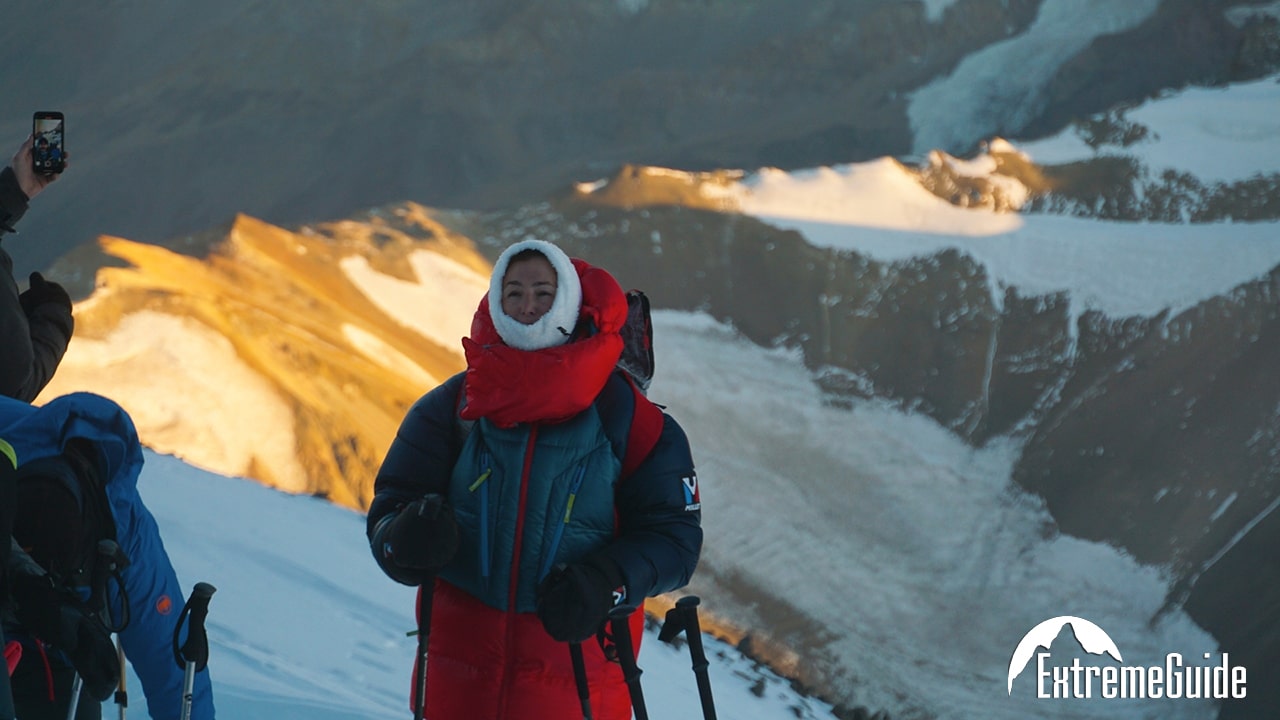
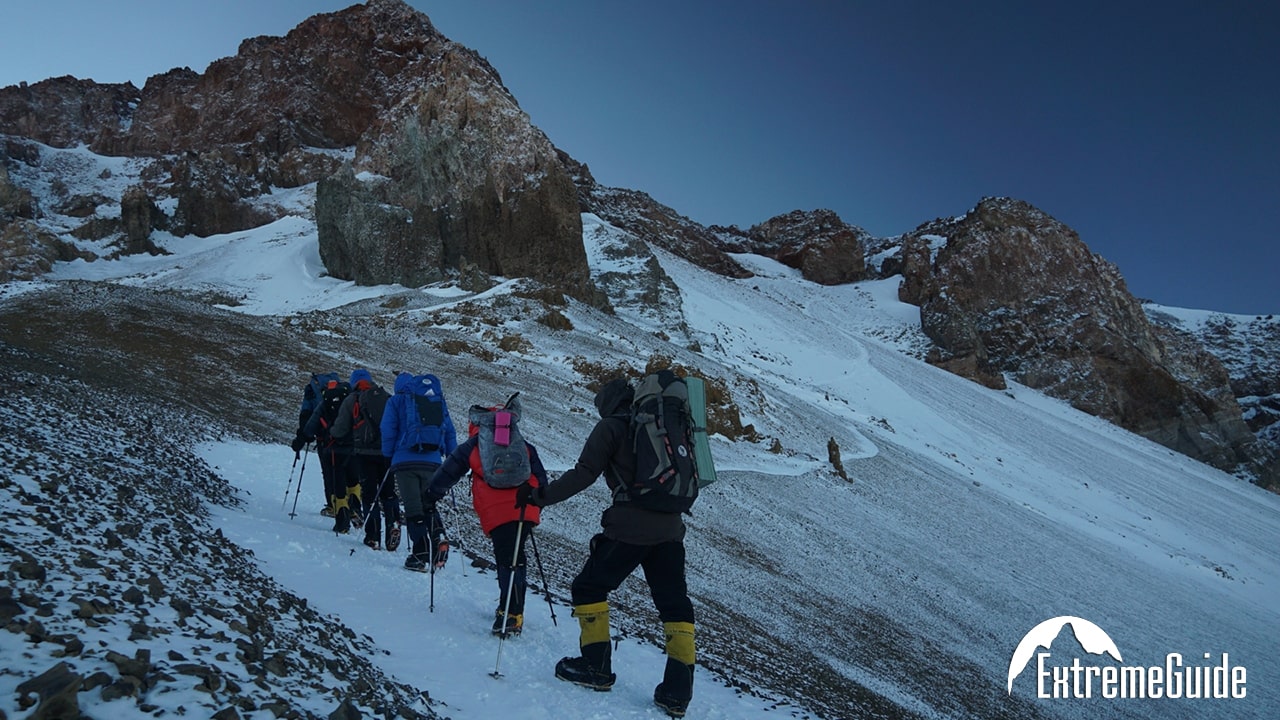
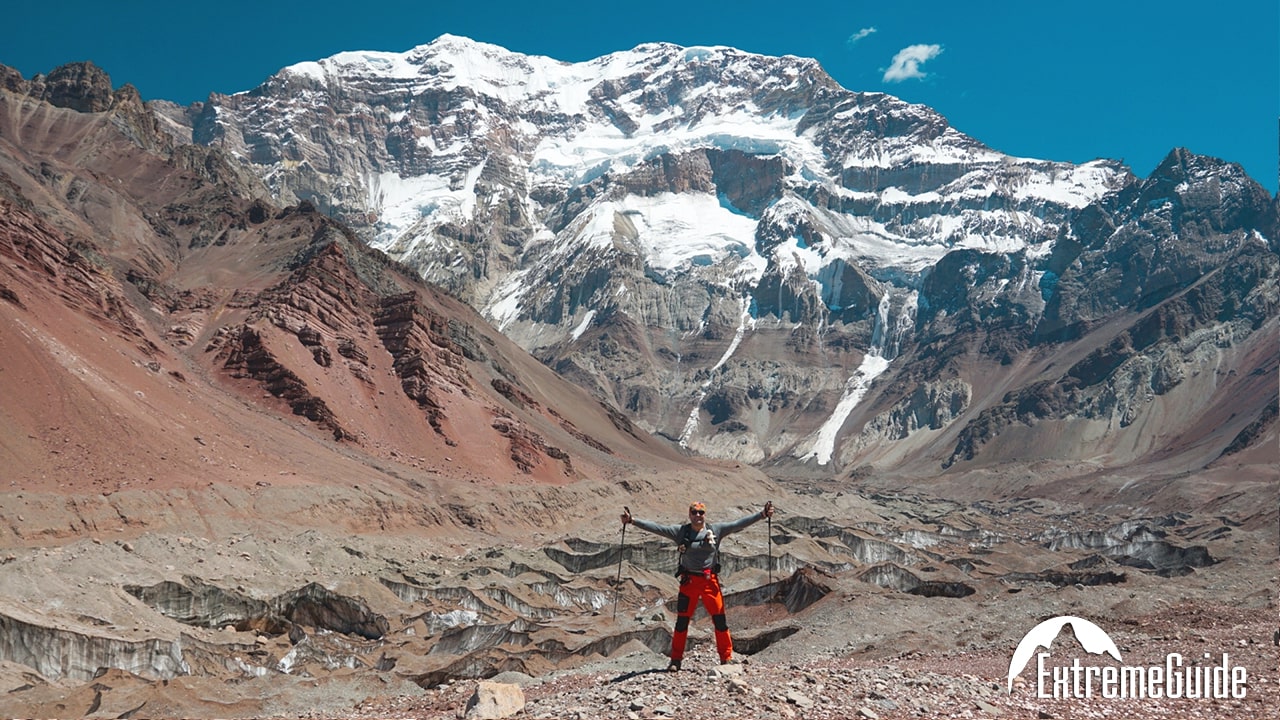
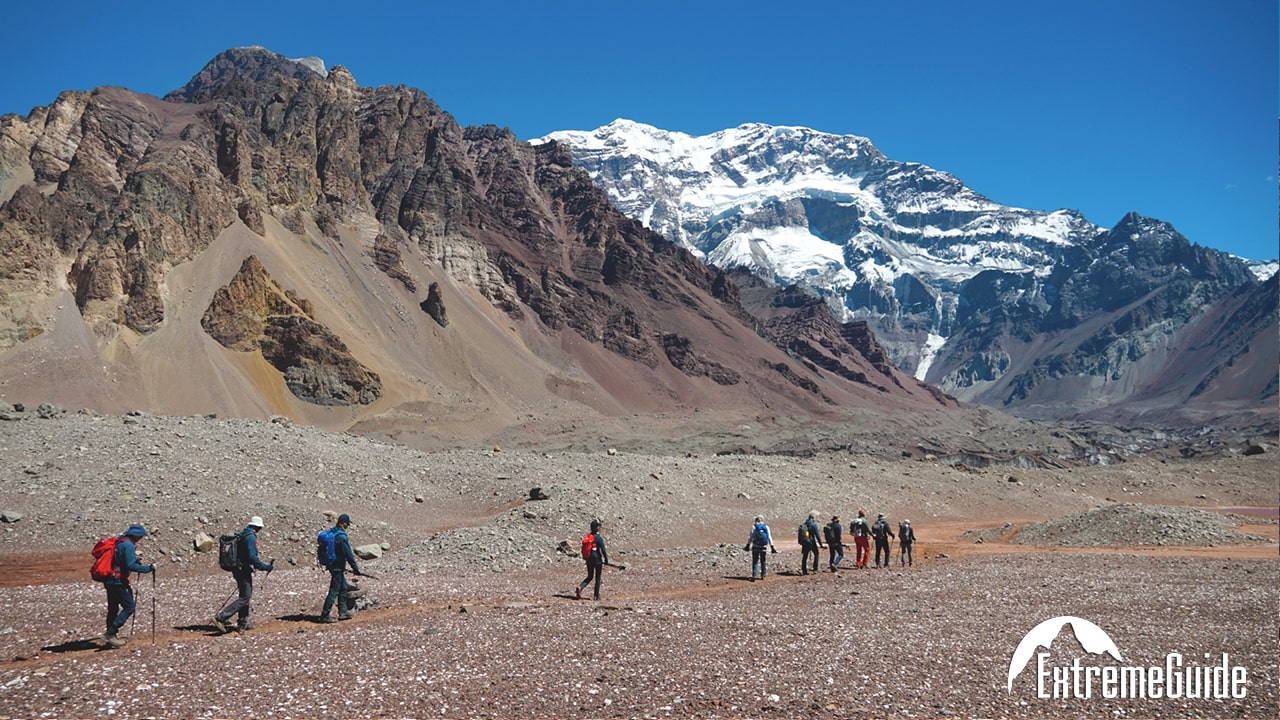
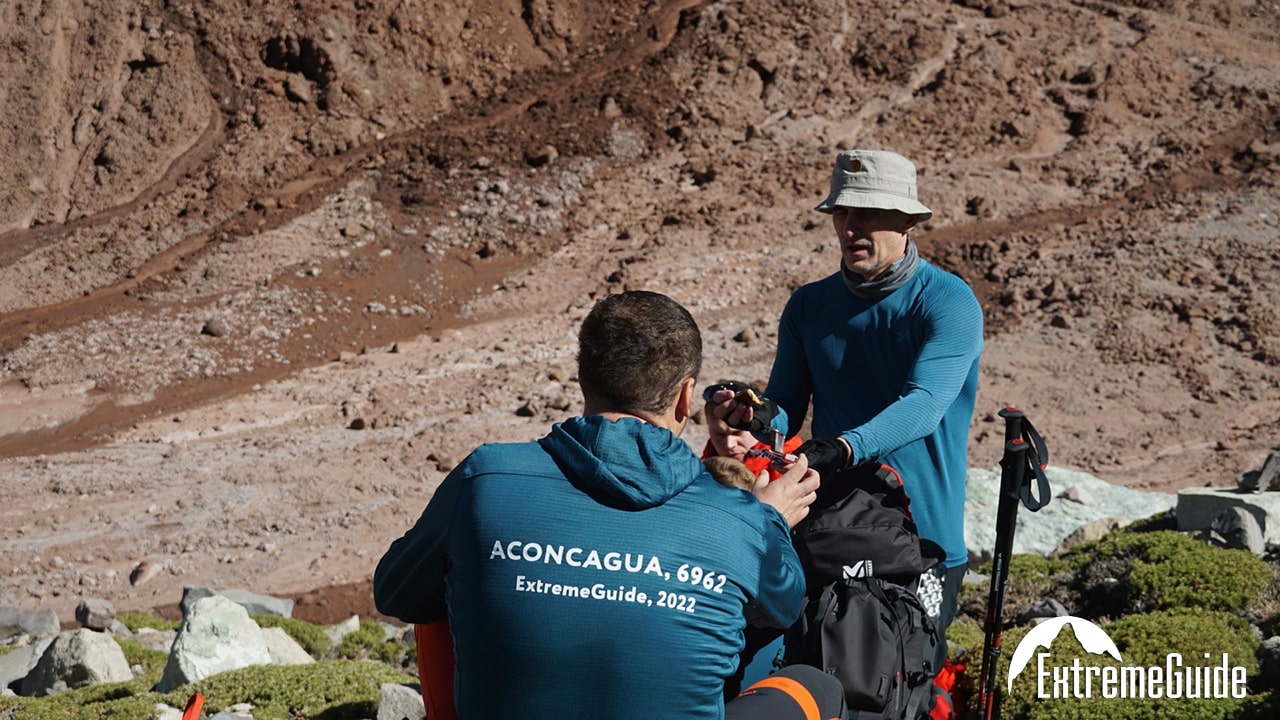
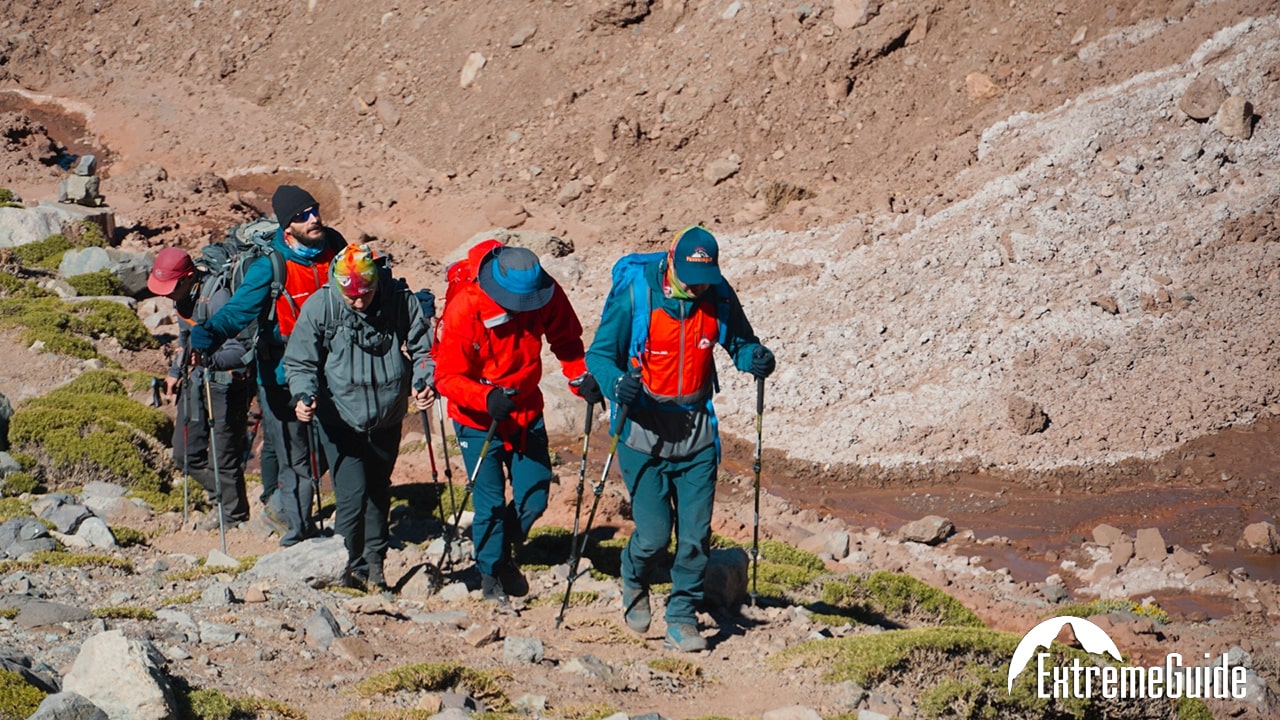
Reviews of our travelers
Recommended tours
 Slovakia (Tatras)
Dates:
March 21 - March 22
Complexity:
Duration:
Height:

5.0 (2)
Left: 3 places
 Tajikistan (Fan Mountains)
 Dates:
July 12 - July 21
July 12 - July 24
July 25 - August 3
July 25 - August 6
August 8 - August 17
August 8 - August 20
Complexity:
Duration:
Height:

5.0 (15)
Left: 5 places
 Nepal (Himalayas)
 Dates:
October 25 - November 11
Complexity:
Duration:
Height:

Left: 6 places
 Mexico
 Dates:
March 14 - March 23
March 14 - March 30
Complexity:
Duration:
Height:

4.9 (27)
Left: 8 places
 Kyrgyzstan
 Dates:
July 11 - July 23
Complexity:
Duration:
Height:
Left: 3 places
 Kyrgyzstan
 Dates:
July 18 - August 8
Complexity:
Duration:
Height:
5.0 (15)
Left: 6 places
 Turkey
 Dates:
May 2 - May 9
September 28 - October 5
Complexity:
Duration:
Height:
Left: 4 places
 Argentina
 Dates:
January 24 - February 16
Complexity:
Duration:
Height:
Left: 8 places
 Africa
 Dates:
March 25 - April 4
August 10 - August 20
September 19 - September 29
November 11 - November 21
December 24 - January 3
January 3 - January 13
January 31 - February 10
February 28 - March 10
Complexity:
Duration:
Height:

5.0 (1)
Left: 8 places
 Nepal (Himalayas)
 Dates:
Complexity:
Duration:
Height:
 Bolivia
 Dates:
Complexity:
Duration:
Height:
 Slovakia (Tatras)
 Dates:
Complexity:
Duration:
Height: