
Haute Route Ski tour from Chamonix to Zermatt
The legendary Haute Route (Chamonix–Zermatt): a renowned ski-touring traverse across glaciers and high-mountain passes with our professional, IFMGA-certified guides.
Available dates:
March 20 - March 27
March 28 - April 4
Complexity:
Duration:
Height:
Distance:
The classic Haute Route ski tour is the most famous ski traverse in the world. The route from Chamonix, France, under Mont Blanc, to Zermatt, Switzerland, at the foot of the Matterhorn. Originally established as a summer mountaineering route in the mid-19th century, it is now immensely popular among enthusiasts of winter adventure sports. We invite you to join us on this incredible journey led by our professional, IFMGA-certified guides: Oleg Ivanchenko, Volodymyr Klebanskyi, and Valerii Vasyliev.
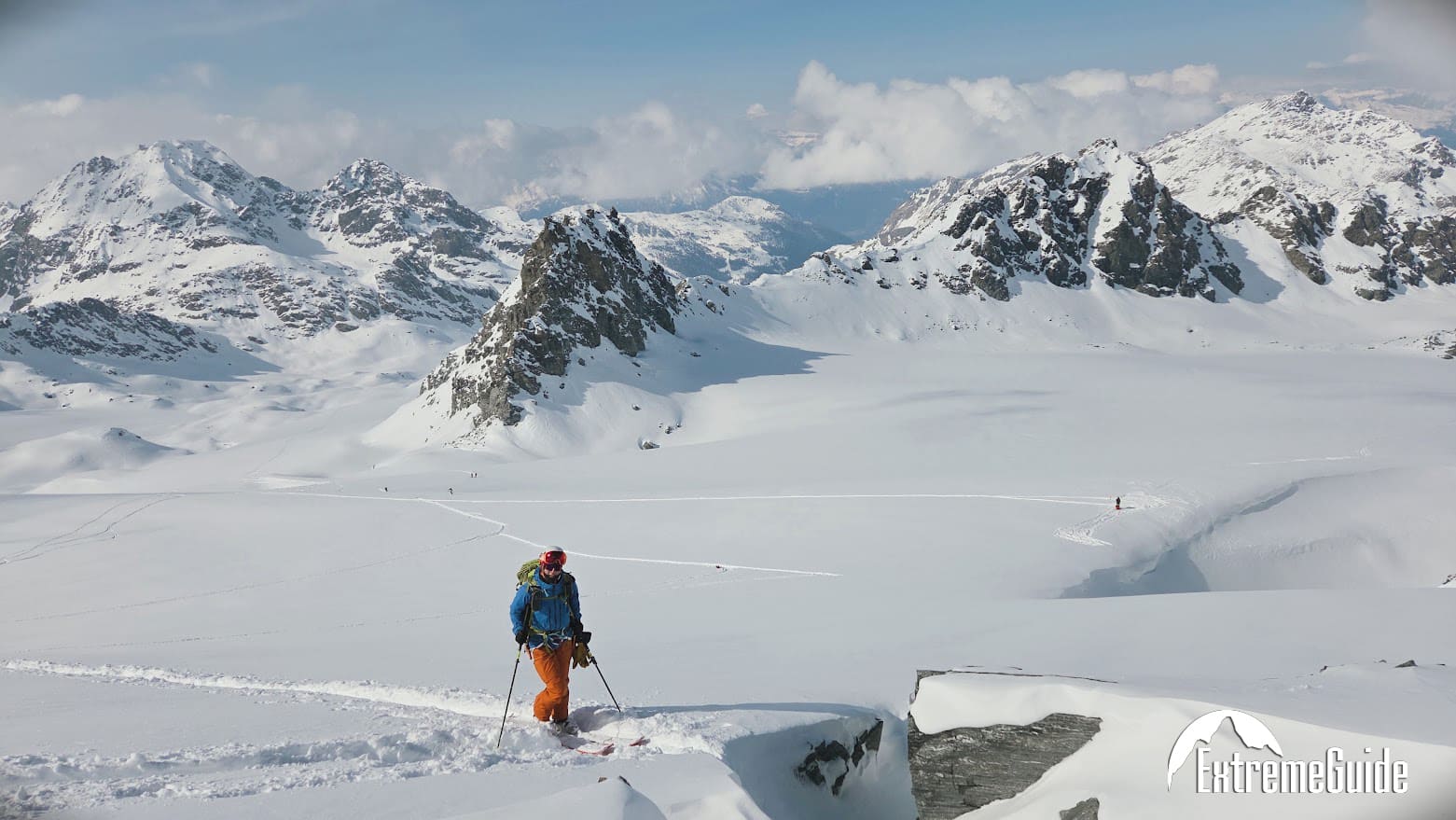
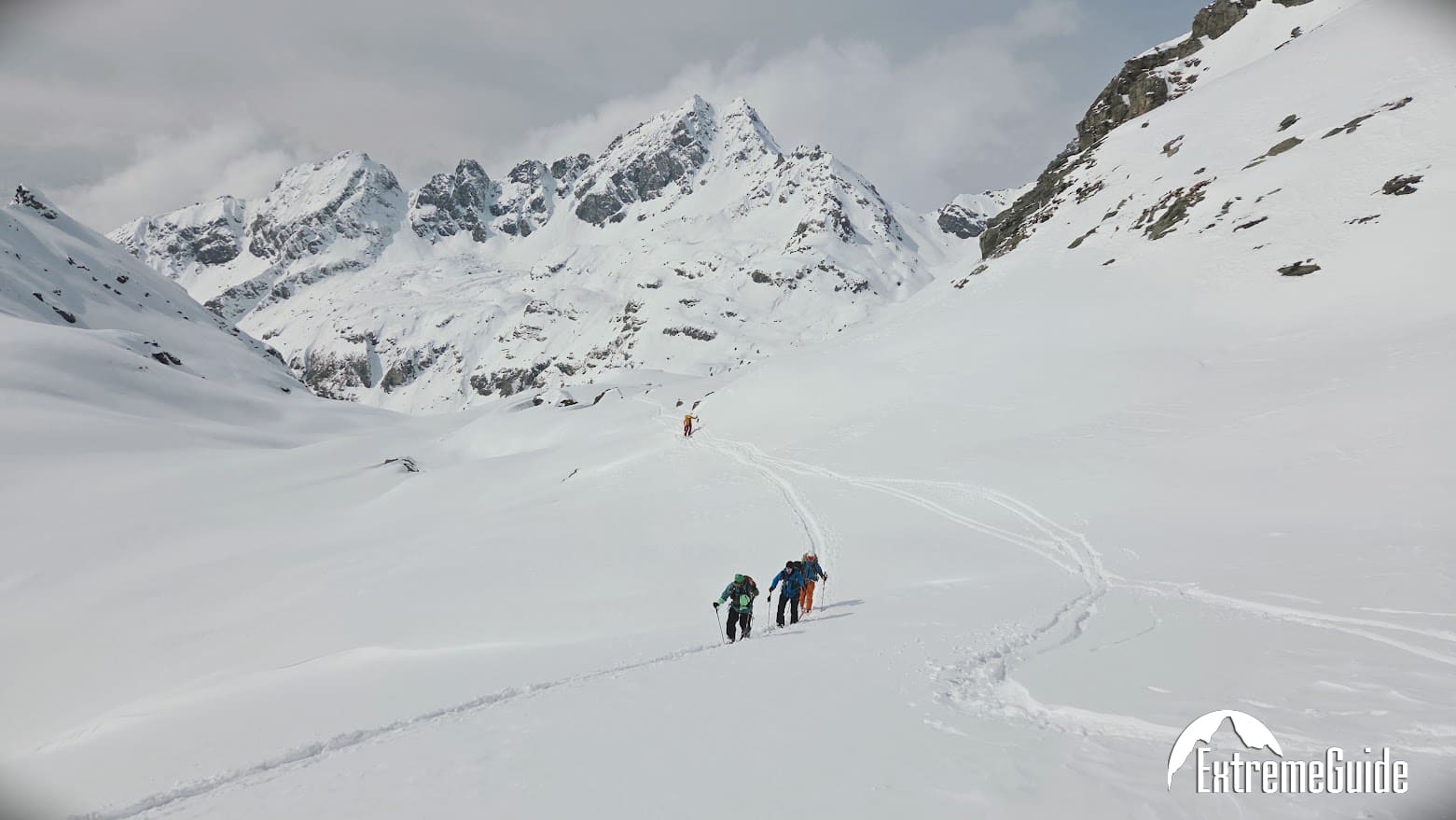
This is an 8-day program (including 7 days of a fully self-sufficient expedition) featuring open glaciers, high-altitude travel, and wild alpine ski lines. Vast snowy expanses and the winter Alps await. Each day, we will cover approximately 10–15 km on skis, with a daily vertical gain of 800–1,000 meters. The total route spans nearly 100 km, with a cumulative elevation gain of over 5,000 meters and a descent of over 8,000 meters.
Route format:
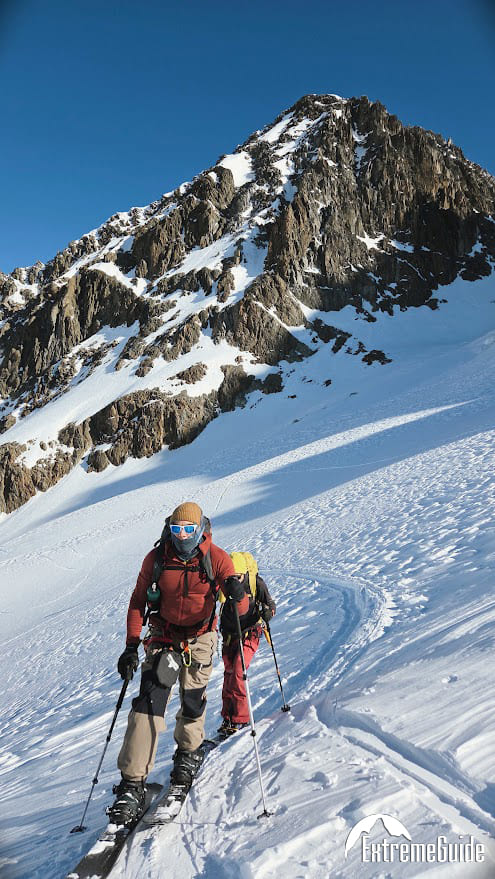
- Itinerary: Daily ski touring using skins across glacier fields and mountain passes exceeding 3,000 meters, followed by long off-piste descents. We carry 40-liter backpacks containing avalanche safety gear, warm clothing, snacks, and mountaineering equipment.
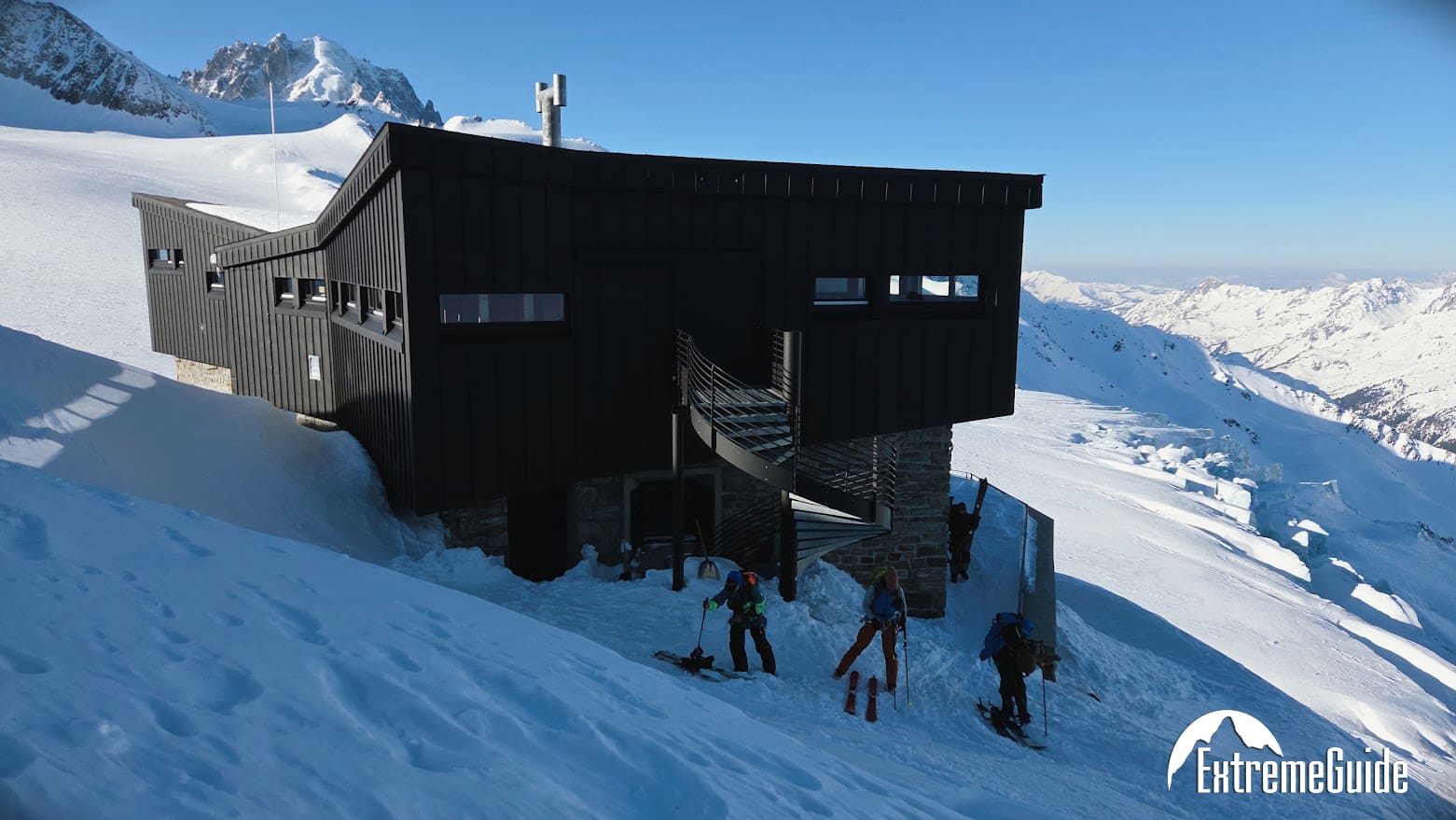
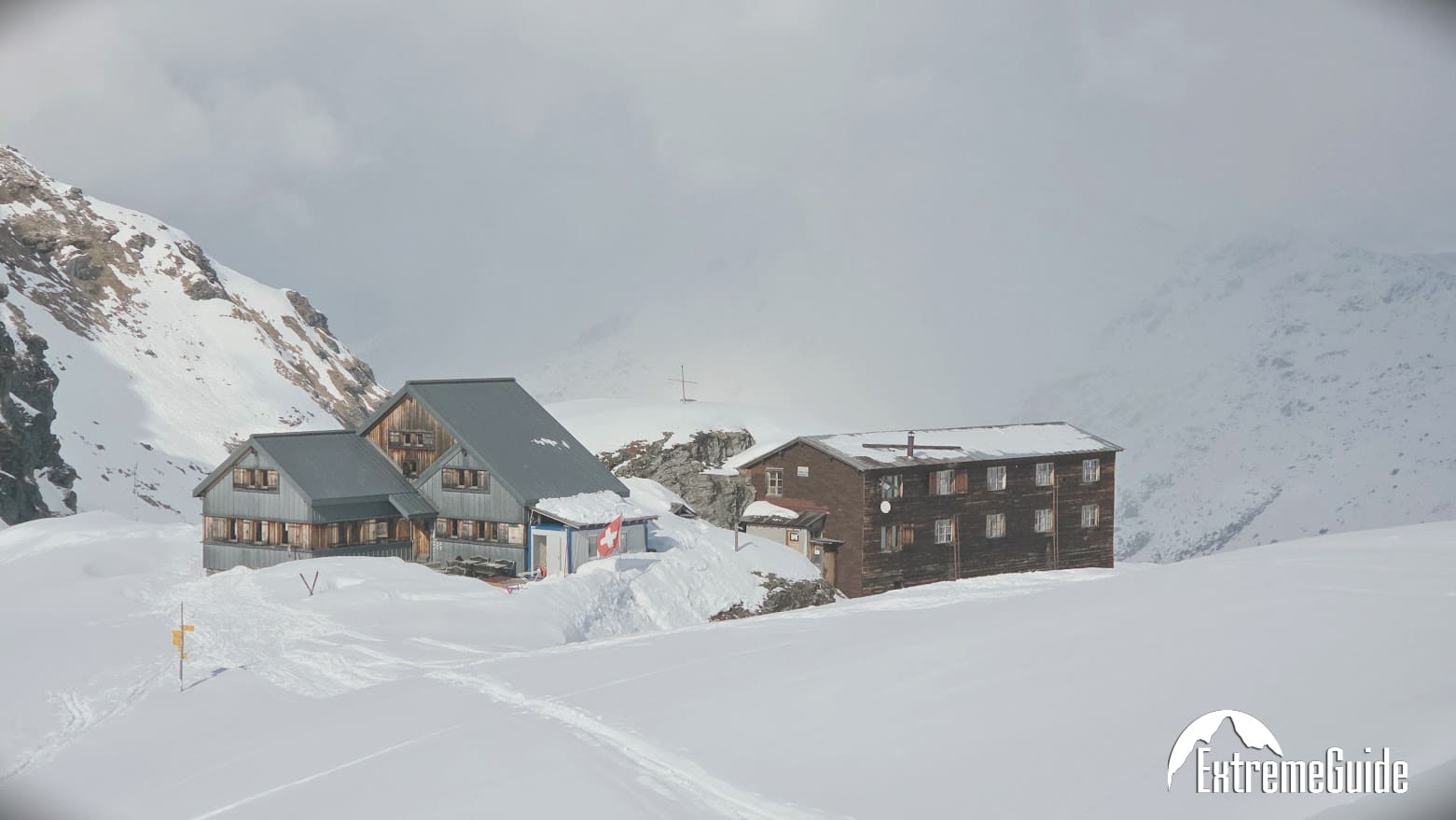
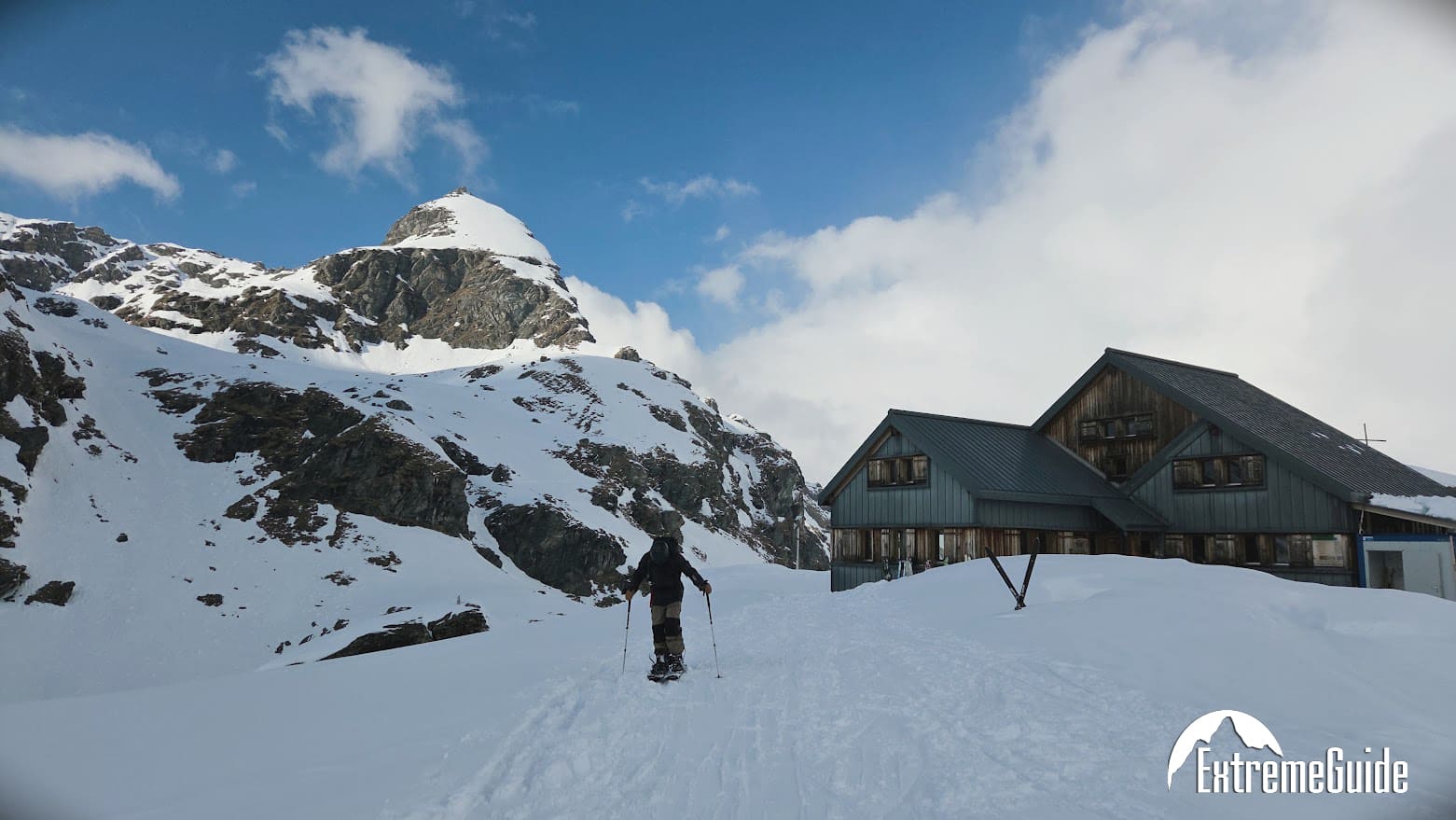
- Accommodation: We stay in high-altitude mountain huts (*refuges*) along the route (6 nights). Conditions are somewhat spartan: shared dormitories, basic meals provided at the huts, and early wake-up calls at 5:00 AM. A detailed day-by-day schedule is provided below.
Route of the “Haute Route Ski Tour” program:
Chamonix – Argentière – Cabane du Trient – Col des Ecandies – Champex – Mont Fort Hut – Rosablanche (3,336 m) – Prafleuri Hut – Col des Roux – Lac des Dix – Cabane des Dix – Pigne d’Arolla (3,790 m) – Cabane des Vignettes – Col de l’Évêque (3,392 m) – Cabane de Bertol – Tête Blanche (3,711 m) – Zermatt – Chamonix
Your guides for the Haute Route ski touring program
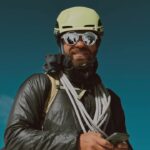

Route of the “Haute Route Ski Tour” program by days
day
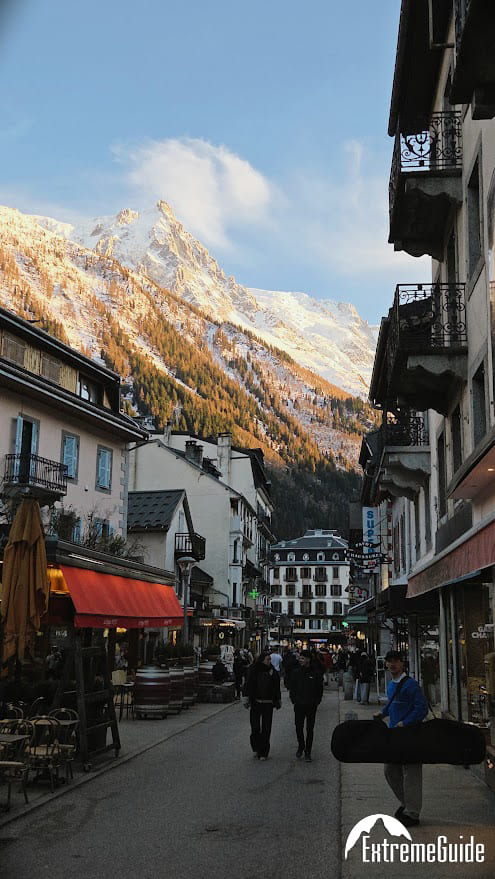
We check the equipment and buy what is missing. A warm-up day at the Grands Montets resort: testing skis off-piste and getting a feel for the snow. We practice avalanche protocols until the actions become automatic: beacon (Arva) searches, and using the probe and shovel. Overnight stay in Chamonix.
Please note that you must arrive in Chamonix a day early.
day
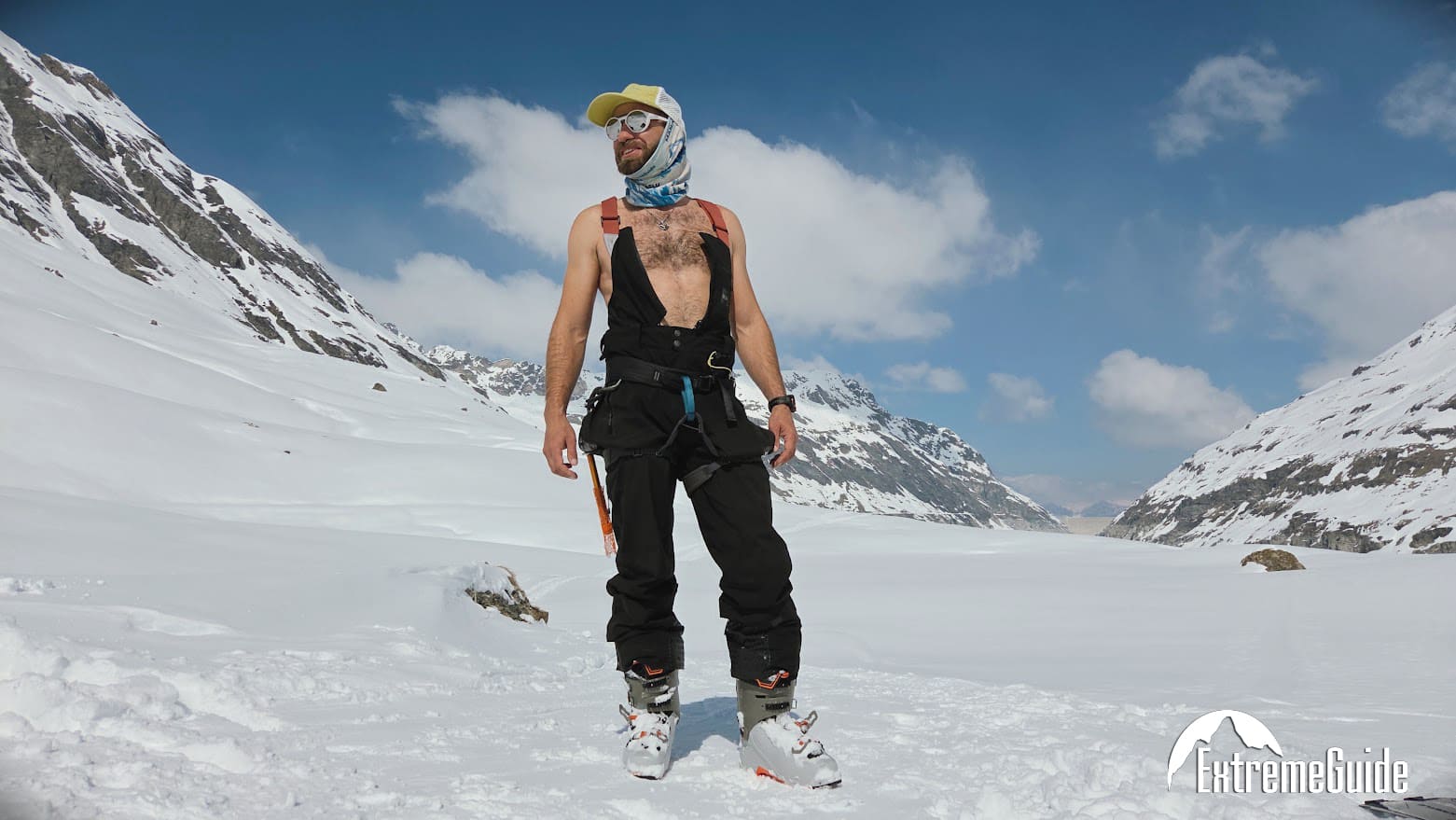
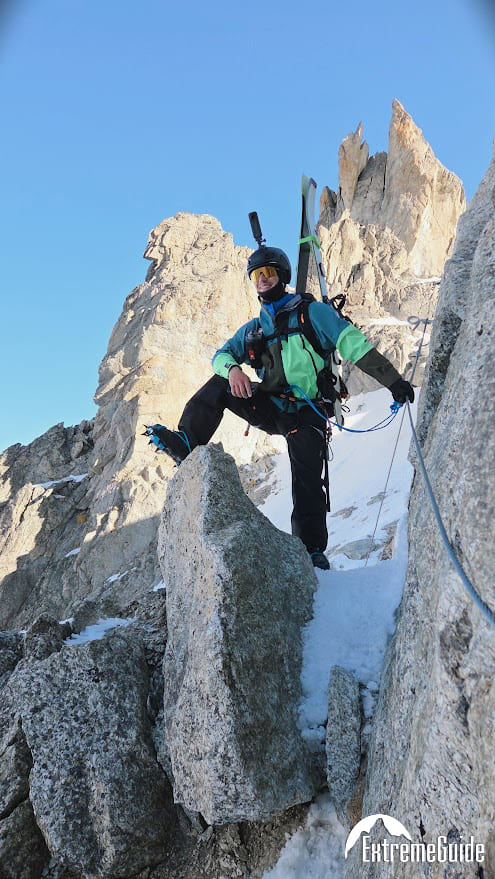
We take the cable car from Argentière up to Grands Montets and descend via the Rognon Glacier to the Argentière Glacier. From there, we put on skins; the final steep ascent to Col du Passon is tackled using crampons and ice axes, with skis strapped to our packs.
After a short descent, we skin up again over Col du Tour into Switzerland, followed by a final slide across the white plateau straight to the Trient Hut (3,170 m).
Ski distance: 11-13 km
Elevation gain: +1100 m
Elevation loss: -1150 m
Estimated time: 6-7 hours
day
We traverse the narrow, rocky Col des Ecandies pass and are rewarded with a scenic descent down the Val d’Arpette directly to the village of Champex. From there, we take a minivan transfer to Verbier. Using ski lifts, we ascend to the ridge and ski down to the Mont Fort Hut.
After lunch, there is free time to relax or enjoy additional ski runs around the resort.
Ski distance: 11-12 km
Elevation gain: +150 m (+lifts)
Elevation loss: -2100 m
Estimated time: 5-6 hours
day
Putting on skins again, we leave civilization behind and ascend to the summit of Rosablanche (3,336 m). From the peak, we enjoy a panoramic view of the entire Alps followed by a fast, enjoyable descent through powder snow straight to the Prafleuri mountain hut.
Ski distance: 10-11 km
Elevation gain: +1050 m
Elevation loss: -900 m
Estimated time: 5-6 hours
day
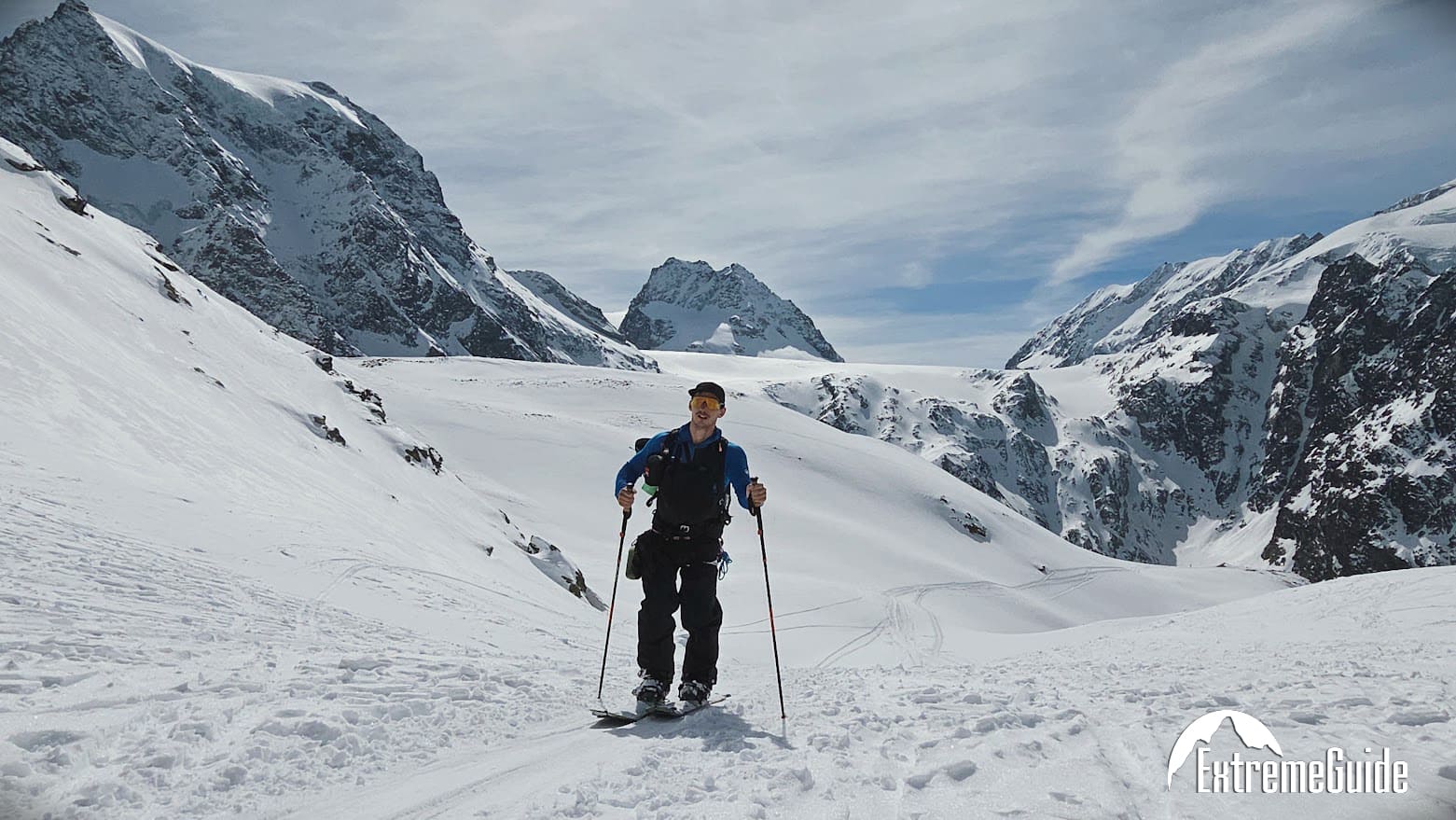
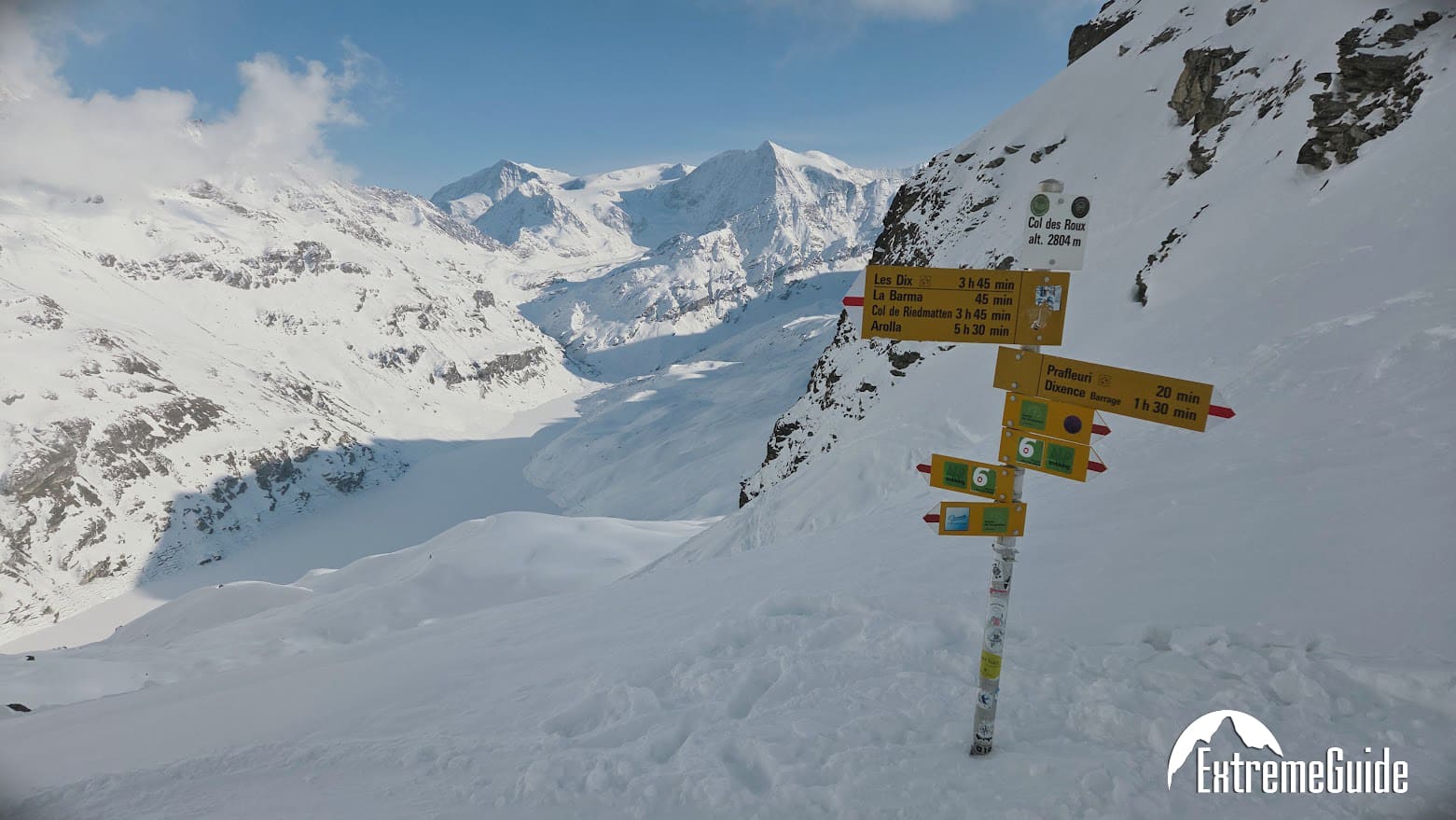
A short climb up to the Col des Roux, followed by a long traverse along the massive high-altitude Dix reservoir.
We finish the day with a gentle skin up through the glacial valley to the Cabane des Dix, located right beneath the massive north face of Mont Blanc de Cheilon.
Ski distance: 13-14 km
Elevation gain: +800 m
Elevation loss: -500 m
Estimated time: 5-6 hours
day
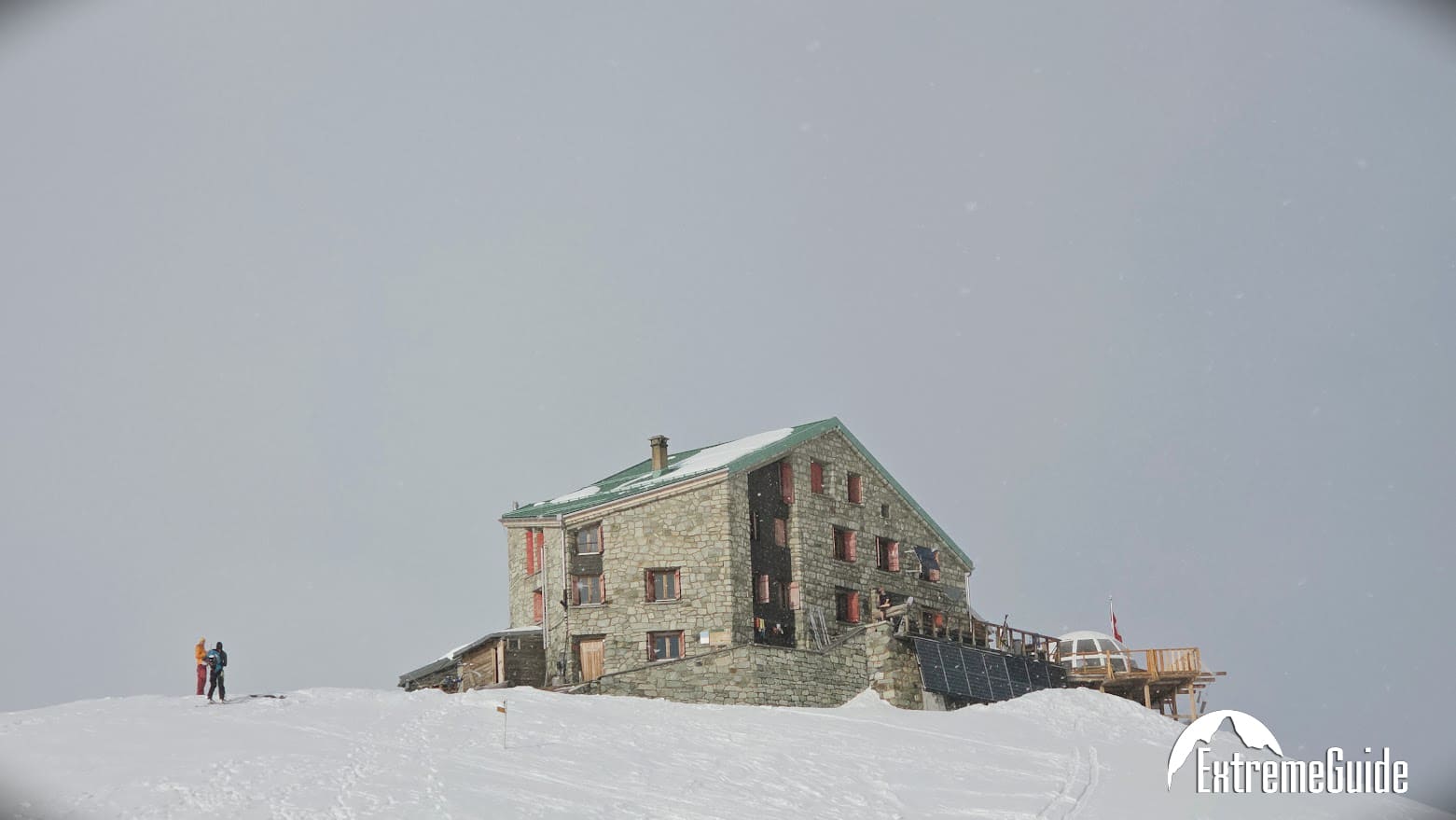
The queen stage of the Haute Route. Moving across the glacier and up the steep Serpentine slope, we ascend to the summit of Pigne d’Arolla (3,790 m) — the highest point of the entire route. From here, a thrilling, long descent awaits us down to the legendary Cabane des Vignettes, perched right on a narrow rocky ridge above a sheer precipice.
Ski distance: 8.5-9.5 km
Elevation gain: +1000 m
Elevation loss: -750 m
Estimated time: 5-6 hours
day
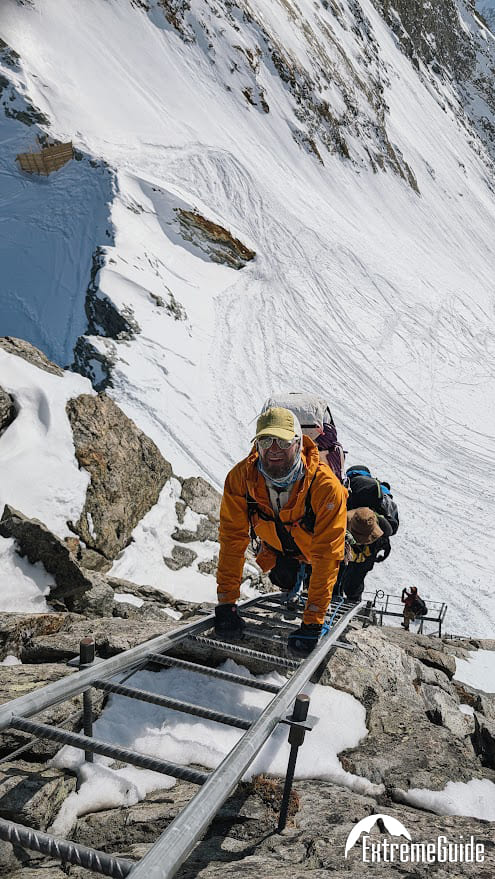
We skin up from Vignettes to the Col d’Évêque pass (3,392 m) and enjoy a freeride descent down the Arolla glacier. Next is another climb to the Col de Bertol, where we strap our skis to our packs and scramble up the fixed metal ladders over the abyss to the Bertol Hut (3,310 m) perched on a rocky spire — a true “eagle’s nest” with 360-degree panoramic views of the Alps.
Ski distance: 30-32 km
Elevation gain: +1150 m
Elevation loss: -2700 m
Estimated time: 7-9 hours
day
The final chord of the Haute Route. We descend from the hut via the ladders down to the ice, skin up, and ascend across the Mont Miné Glacier to the summit of Tête Blanche (3,711 m). From here, a panorama of the Alpine 4,000-meter peaks of the “Imperial Crown” opens up, along with a close-up view of the Matterhorn.
Then comes the grand final descent: gliding down the Stockji Glacier, skiing right beneath the iconic north face of the Matterhorn, and coasting directly into Zermatt. Return to Chamonix. Final debriefing and celebration dinner.
TOTAL FOR THE TRAVERSE:
Ski distance: ~85 – 90 km
Elevation gain: +5250 m
Elevation loss: -8100 m
Why is it profitable to go hiking with Extremeguide?


Cost and terms of the “Haute Route Ski Tour” program
Is this trip right for you?
Requirements for participants:
- Skiing level: Confident off-piste freeride only. You must maintain stable control of your skis on any type of snow — from heavy powder to wind-crusted ice and crust — carrying a heavy 15–17 kg backpack.
- Physical fitness: High endurance levels for daily elevation gains of 800–1,200 vertical meters at high altitude; previous backpacking experience is required.
- Mountaineering skills: Prior experience using crampons, ice axes, and rope team travel is not mandatory, but will be a significant advantage for the safety of the entire group.
Included in the price:
- Service of a certified IFMGA guide: 1 guide per group of up to 6 people;
- Guide’s navigation and communication devices;
- Accommodation in huts along the route for 5 nights;
- Dinners and breakfasts at the huts;
- Transfers: Champex – Verbier, Zermatt – Chamonix;
- Rental of shared group technical gear (ropes, ice screws, group carabiners);
- Guide’s group first-aid kit;
- Certificate of completion and a commemorative t-shirt.
The price does not include:
- Airfare to Geneva – arrival before 18:00 (from €200);
- Transfer from Geneva Airport to Chamonix (€50);
- Rental of personal mountaineering equipment (ice axe, helmet, harness, crampons, carabiners);
- Rental of ski/board set, skins, and avalanche safety gear;
- Lift tickets in Chamonix and Verbier – up to €150;
- Meals in towns – from €100;
- Sandwiches and snacks on the route, drinks in huts (tea, water, wine, etc.) – €150–200;
- Personal accident and medical insurance with coverage from €30,000;
- Additional nights in huts when using weather reserve days;
- Guide’s expenses associated with reserve nights in huts (accommodation and meals at the hut);
- Gratuity for the guide (optional);
- Any other expenses not specified in the program.
Price depending on the number of participants
| Number of participants | Cost per 1 participant |
|---|---|
| 6 | 2300 EUR |
| 5 | 2550 EUR |
| 4 | 2850 EUR |
| 3 | 3350 EUR |
| 2 | 4600 EUR |

Best price guarantee!
- We have included in the price all possible basic expenses for the program and guarantee that there are no hidden additional costs, while we have retained the best service at a low price: transfers, hotel accommodation, guides and staff!
We have a flexible discount system
Find out the details right now:
Necessary equipment
Ski Touring Equipment:
- Ski touring skis
- Ski touring bindings
- Ski touring boots — must be broken in and tested in advance
- Climbing skins
- Ski poles
- Ski touring backpack (40 L) Expect to carry approximately 15–17 kg of gear.
Avalanche Safety Equipment:
- Avalanche transceiver / beacon, 3-antenna model
- Working batteries + a spare set
- Avalanche probe, at least 240 cm long
- Avalanche shovel with a metal blade
- Avalanche airbag backpack.
Mountaineering Equipment:
- Lightweight personal climbing harness
- 2 locking carabiners
- Ice screw
- Slings / safety loops
- Prusik cord for hauling systems
- Crampons compatible with ski touring boots
- Ice axe.
Clothing and Footwear:
- Ski touring boots
- Hiking / warm socks — several pairs
- Base layers
- Fleece or other insulating mid-layer
- Down jacket / warm insulated jacket
- Waterproof membrane jacket
- Waterproof membrane trousers / shell trousers
- Warm trousers for stops
- Warm hat
- Buff / neck warmer
- Warm gloves
- Spare gloves
- Category 4 sunglasses
- Ski goggles, if needed
For Overnight Stays in Mountain Huts:
- Lightweight fabric sleeping bag liner (hut / silk liner) — mandatory
- Personal sleeping bag
- Headlamp
- Personal towel — quick-drying recommended
- Personal toiletries.
Water and Food:
- Water bottle / flask or thermos
- Energy bars
- Personal supply of trail snacks for the route (nuts, chocolate, cured sausages, etc.).
Electronics:
- Power bank, 10,000–20,000 mAh or higher
- Charging cables
- Chargers for your phone, watch, etc.
- Mobile phone.
Personal First Aid and Sun Protection:
- A generous supply of blister plasters, Compeed or equivalent
- Personal medication you may need (the guide carries a general first-aid kit, but you should bring your own essential medication)
- Sunscreen, SPF 50+
- Lip balm / protection against cold and sun.
Documents and Money:
- Passport
- Insurance covering ski touring / off-piste skiing / mountaineering, including search and rescue and helicopter evacuation
- Cash
- Bank card.
Personal Items:
Since casual clothing and other city essentials can be left in Chamonix or sent separately via a luggage transfer service, your touring backpack should contain only what you need for the 6-day tour:
- A minimal set of casual clothing for mountain huts
- Underwear
- Socks
- Toiletries
- Documents
- Essential electronics.
Additional Information
This is not an instructional program. The guide’s primary role is to ensure your safety while skiing off-piste. To fully participate in this tour, you must be a confident skier on red runs. A high level of endurance is required to handle daily vertical gains of 800–1,200 meters at altitude, and prior experience with backpacking is mandatory.
The program is subject to change based on weather conditions, avalanche safety considerations, and the group’s skill level.
- Meeting point: Chamonix (Chamonix-Mont-Blanc, France). The guide meets the group on arrival day to check equipment, fit the climbing skins and test the avalanche transceivers.
- Getting there: The nearest major airport is Geneva (GVA). Regular mountain shuttle services (Mountain Drop-offs, AlpyBus) and buses operated by FlixBus / BlaBlaCar run from the airport to Chamonix (1–1.5 hours).
- Luggage logistics: Essential city clothing and other non-mountain items can be left in luggage storage in Chamonix, or you can arrange a paid luggage transfer service from Chamonix to Zermatt. Your luggage travels around the mountain range by minibus and awaits the group at the final hotel.
- Return journey: Motor vehicles with internal combustion engines are not permitted in Zermatt, so the group takes the shuttle train to Täsch railway station (12 minutes). From there, a pre-booked transfer takes you back to Chamonix or directly to Geneva Airport.
- Valid international passport with a visa valid for the entire duration of the trip, where required;
- International mountaineering insurance is mandatory, with explicit coverage for “ski touring / off-piste / mountaineering” and search-and-rescue helicopter evacuation (Air-Glaciers / Air Zermatt in Switzerland, PGHM in France), with coverage of at least €30,000–€50,000. Without insurance, the helicopter rescue bill is charged directly to the participant (starting at CHF 3,500).
- Guide-to-group ratio: The maximum ratio is 1 certified, licensed UIAGM/IFMGA mountain guide per 4–6 skiers. Larger groups are not permitted due to the need to maintain a safe pace on glaciers and carry out crevasse rescues.
- Mandatory avalanche safety kit: A three-antenna avalanche transceiver (with working batteries and a spare set), a long metal probe (at least 240 cm) and an avalanche shovel with a metal blade. The use of plastic shovels is strictly prohibited. An avalanche airbag backpack is strongly recommended.
- Mountaineering equipment for ski touring: A lightweight personal climbing harness, 2 locking carabiners, an ice screw, slings / safety loops and a Prusik cord for hauling systems, lightweight aluminium or steel crampons compatible with ski touring boots, and an ice axe.
Ski touring boots should be tested and broken in at least a season before the trip. Attempting a six-day self-sufficient traverse in new, unbroken-in boots leads to feet being rubbed raw by the second day—and the trip being aborted for the entire team.
The guide carries a group first-aid kit for emergency care in the field (splint, dressings, painkillers, and anti-shock medication). Each participant is required to bring a generous supply of blister plasters (Compeed or equivalent—crucial for keeping feet in good condition), SPF 50+ sunscreen, and alpine sunglasses with Category 4 UV protection.
- Cash (CHF): Card payment terminals in high-altitude mountain huts often do not work due to a lack of signal. You should carry at least CHF 300–450 in cash (for water, tea, snacks and shower tokens). Some huts may accept euros, but often at an extortionate in-house exchange rate (frequently 1:1, with change given in Swiss francs).
In the event of an avalanche danger level of 3+ (out of 5), hurricane-force winds, or zero visibility, the Serpentine or Col du Mont Brulé passes become deadly. In such cases, the guide reserves the right to divert the group down to the nearest valley (Champex, Verbier, or Arolla). Bypassing closed sections via the valleys is done using public trains, buses, or hired taxis at the participants’ own expense.
- In the valley: A hostel or aparthotel in Chamonix at the start and end of the tour (2–4-bed rooms, shower, kitchen and Wi-Fi).
- Along the route (high-altitude huts): Overnight stays in traditional Alpine mountain huts (Cabane du Trient, Mont Fort, Prafleuri, Cabane des Dix and Cabane des Vignettes).
- Hut accommodation: Shared dormitories with bunk beds for 6–16 people. Blankets and pillows are provided.
- Mandatory requirement: You must bring your own lightweight fabric sleeping bag liner (hut liner / silk liner), as required by the regulations of the Swiss Alpine Club (CAS). Sleeping in the bunks without one is strictly prohibited.
- Water and hygiene: Hot showers are available at some huts using tokens (CHF 3–5), for example at Mont Fort. At exposed mountain huts such as Vignettes (3,160 m), there is no running water or shower at all. Water is either purchased in bottles or obtained by melting snow.
- At the huts (half-board): The overnight rate includes a substantial Alpine dinner (soup, a hot main course with meat and carbohydrates, and dessert) and an early mountaineer’s breakfast (muesli, bread, butter, jam, cheese, coffee / tea).
- Trail snacks: Each participant must organise their own food for the day. Dried fruit, energy bars, gels, nuts and cured sausages should be purchased in advance at supermarkets in Chamonix. Huts may offer additional snacks, but at inflated high-altitude prices.
- Hydration and trail tea: Drinking water is not available from taps at the huts. Each evening, participants can order a one-litre thermos of trail tea (Marschtee / thé de course, CHF 5–8) from the hut for the following day, or buy bottled water (CHF 8–10 per 1.5 litres). Hydration systems with drinking tubes are unsuitable, as the tubes can freeze in windy conditions within 30 minutes.
- Mobile Network Coverage: French and Swiss mobile operators provide coverage along ridgelines and at some mountain passes. However, there is no signal in deep glacial cirques.
- Watch Out for Roaming Charges: Switzerland is not included in the EU’s Roam Like at Home roaming zone. If you do not activate a special data package for Switzerland in advance, background app updates could result in hundreds of euros in charges.
- Wi-Fi: Most high-altitude huts have no Wi-Fi, or offer limited satellite internet access exclusively for the hut wardens (gardiens) to use for operational purposes.
- Charging Devices: There are no power sockets in the dormitories. In the dining room, a few European-style extension leads are usually available for the entire hut, and they only work for a limited time while the diesel generator is running or the solar batteries have sufficient charge. Make sure to bring your own power bank with a capacity of at least 10,000–20,000 mAh.
The table shows the basic cost for a group and may change depending on the number of people in the group. For the calculation of the cost of the tour for a smaller number of people and individual groups, see the «Price» block for more details.
We guarantee that on the dates indicated in the table, even if there is a minimum number of people allowed in the group, the tour will take place 100% with a minimum change in cost.
Pleasant bonuses, which everyone receives when ordering a tour with us


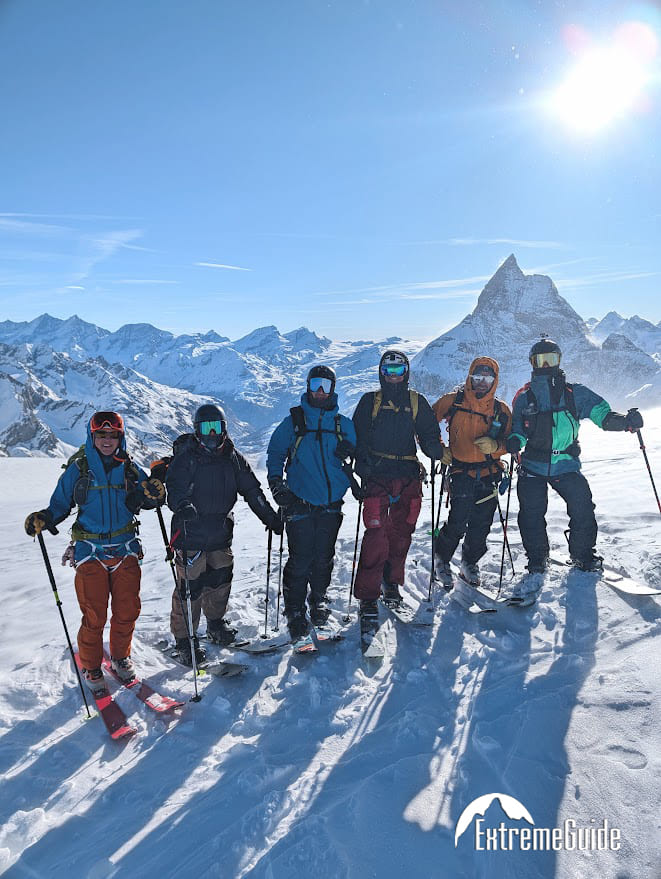
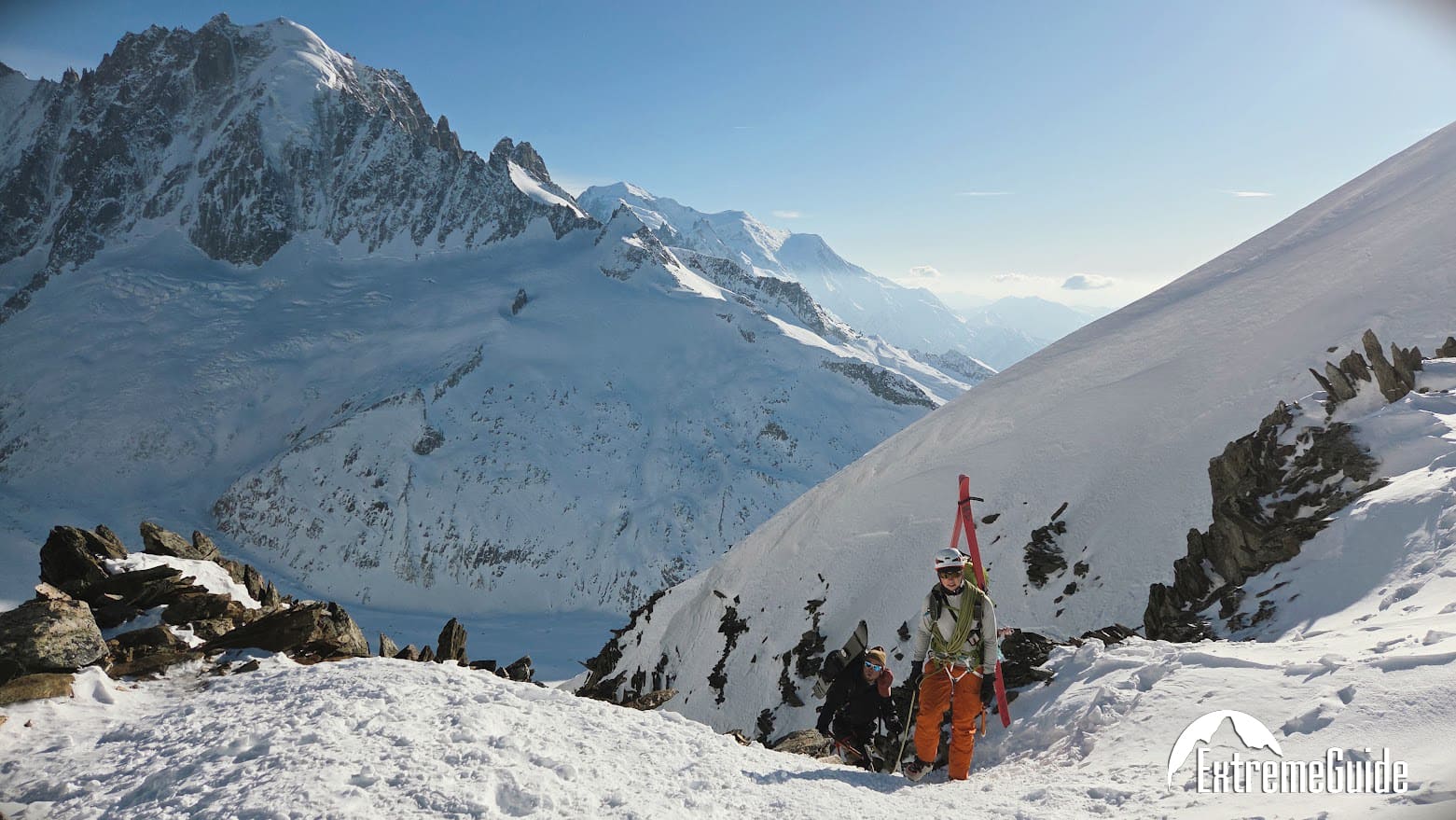
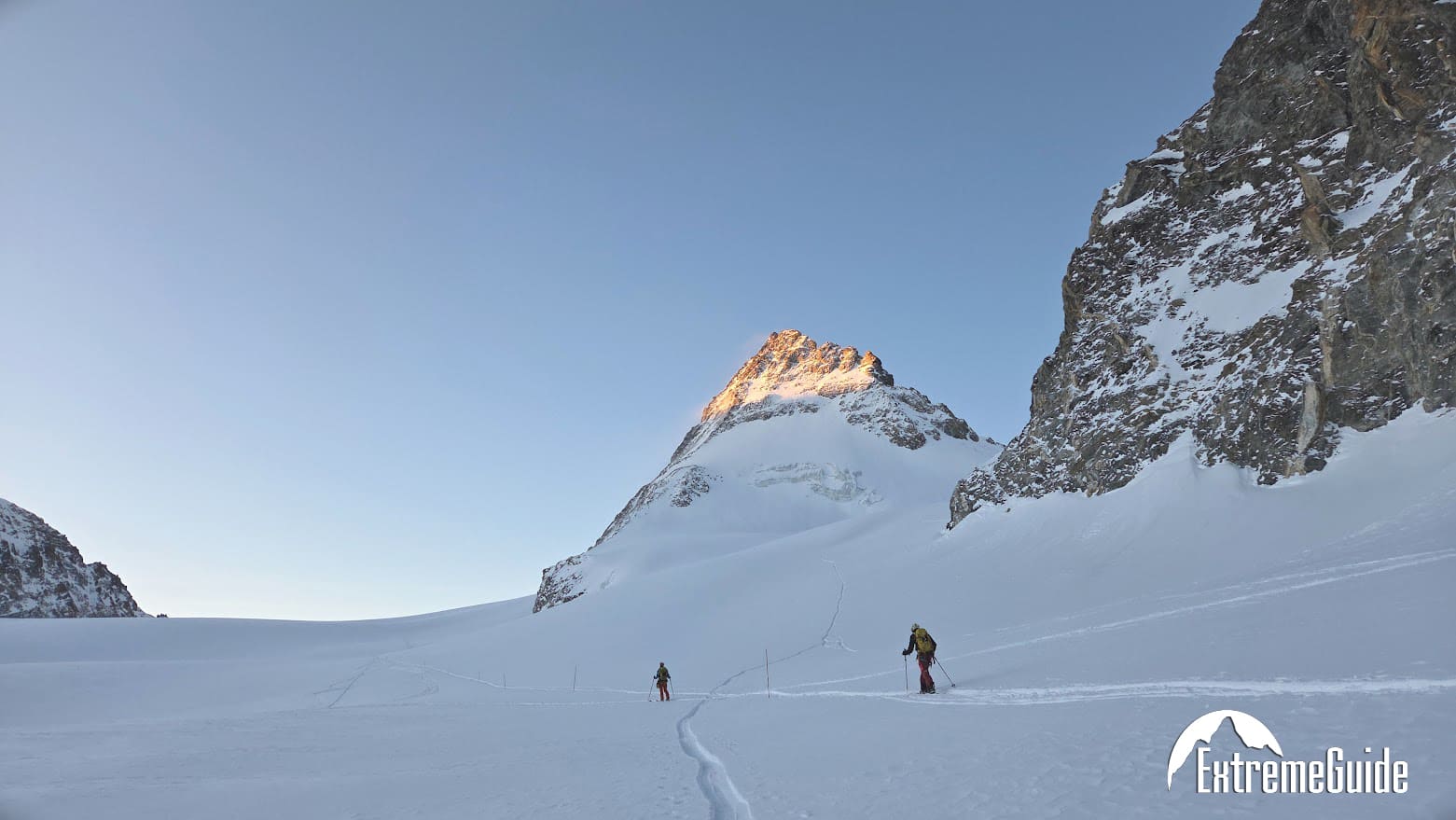
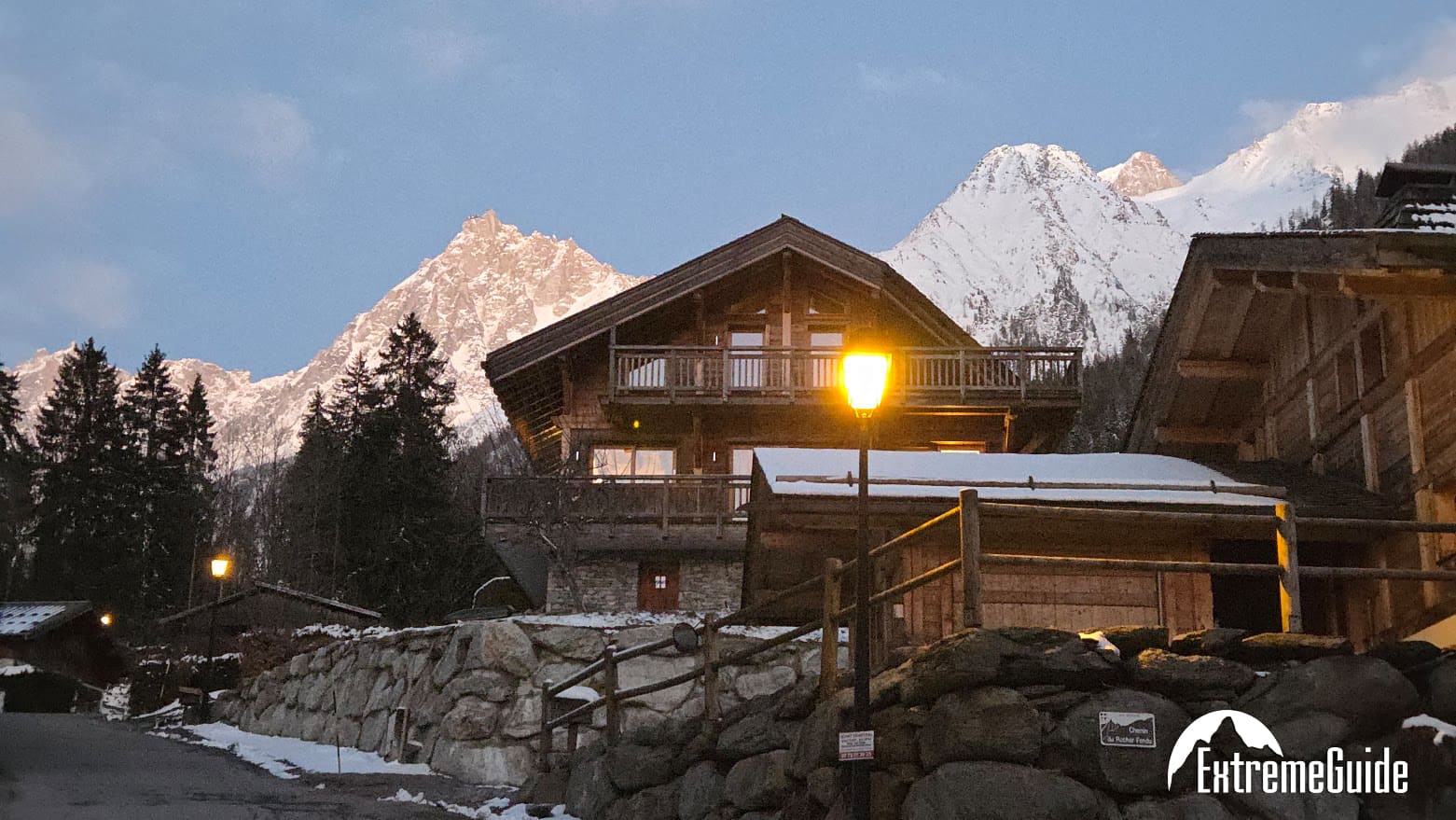
Photo of previous trips
Reviews of our travelers
Recommended tours
 Georgia
Dates:
Complexity:
Duration:
Height:

Negotiated