
We can safely say that our trekking program in Nepal is unique, with well-thought-out acclimatization and rest days at the required altitudes. In addition, a reserve day is provided in case of a delay in the flight to or from Lukla (which has recently become very common given the difficult weather conditions in the mountains and the large flow of tourists).
Our trekking includes visiting not only the Everest base camp, Namche Bazaar and Tengboche, we will also visit the remote Sherpa villages of Khumdung, Porche, the highlight of the program is the Amadablam base camp. Most organizers pass by this mountain, but this mountain is the pearl of the entire trek.
The ExtremeGuide company invites you to trek to the Everest base camp. During the ascent to the Everest base camp, you will undergo the necessary acclimatization and gain invaluable experience. Any person with good health, maintaining themselves in good physical shape, can take part in the expedition, experience of previous hikes in the mountains is desirable.
Duration of the Everest Trek
The optimal duration of the Everest trek is 14-15 days. Our tour is designed for 15 days with a reserve for bad weather and the possibility of delaying the flight to/from Lukla.
Everest Base Camp Trekking Season
The best time to organize a tour is in spring: late March to mid-May; and in autumn from October to late November, these are the most suitable seasons for organizing a tour. In summer, the trek is not possible due to constant rains, the monsoon season, and in winter, it is quite cold and windy in the mountains, although almost all days are sunny.
Many tourists from the former CIS countries like to go to Everest for the New Year. In winter, you need to be prepared for the fact that it will be quite cold in the loggias and you will only be able to warm up in the evening by the stove in the kitchen. Although during the day in the sun you can sometimes wear a T-shirt.
Everest Base Camp Trek Route
This trek is a great opportunity to get acquainted with the nature of one of the most beautiful countries in the world and the majestic Himalayas. You will cross forests, fields, rivers and mountains, visit ancient Buddhist shrines, get acquainted with unique architecture and enchanting landscapes, immerse yourself in the local culture. You will taste local cuisine and rest along the way in authentic local hotels – lodges, you do not need to carry backpacks with things on yourself, they will be carried by porters.
Difficulty of Trekking to Everest
During the trip we will cover a route of 110 kilometers. We will walk for 4-7 hours daily (10-15 km and on the last days, more than 20 km downhill), some days are set aside for rest, acclimatization and getting to know the surroundings. There are no steep rock climbs on the route, like, for example, when climbing Everest, but you need to be prepared for a gain in altitude of up to 500 m per day, along long rocky paths, in addition, the sun is very bright in the mountains, and in the evening, on the contrary, it can be cold. The main difficulty of the track is hypoxia, which the body begins to experience at altitudes above 3000 m. Lack of oxygen, in the form of “mountain sickness” often begins to manifest itself at an altitude of 4500 m and above.
Trekking to Everest for Beginners
We do not recommend this trek in Nepal for beginner tourists. It is best to go on a regular hike at altitudes of 2000-3000 m before trekking, or have experience of previous ascents to 4000-5000 m. Also, for the first trekking in Nepal, it is better to go to Trekking to Annapurna
You should book Everest trekking with us for the following reasons:
– We have been leading treks in Nepal since 2011;
– experienced guides;
– a unique route, part of the trek will be away from the crowds of tourists;
– thoughtful acclimatization with rest days;
– reserve days for bad weather and flight delays;
– we will visit two base camps of Everest and Amadablam;
– we will visit three Buddhist monasteries Khumjung, Pagboche, Tengboche;
– we will visit the high-altitude scientific station “Piramyd” (5000 m)
– porters and tickets to Lukla are already included in the price, you do not need to overpay;
– we live in panoramic, comfortable lodges of the “family lodge” type;
– visiting Buddhist Hindu shrines of the Kathmandu and Patan valleys;
– flight over the Himalayas on a small plane from Kathmandu;
– experienced guides (more than 3 seasons in Nepal);
– support at all stages of preparation.
Главные впечатления от похода по Фанским горам:
Trekking route to Everest Base Camp:
Kathmandu – Lukla – Phakding – Namche Bazaar – Tengboche – Dingboche – Lobuche – Gorakshep – Base Camp – Dingboche – Namche Bazaar – Lukla – Kathmandu
Your guides on the Everest Base Camp Trek


Trekking route to Everest Base Camp by day
day
The starting point for the Everest Base Camp tour is at Kathmandu Airport. The pick-up time is agreed upon after the tickets have been purchased and the arrival time is known. Regular flights from Europe fly here: Fly Dubai, Turkish Airlines, Qatar Airlines and AirArabia or other airlines with a transfer in Delhi, Kuwait.
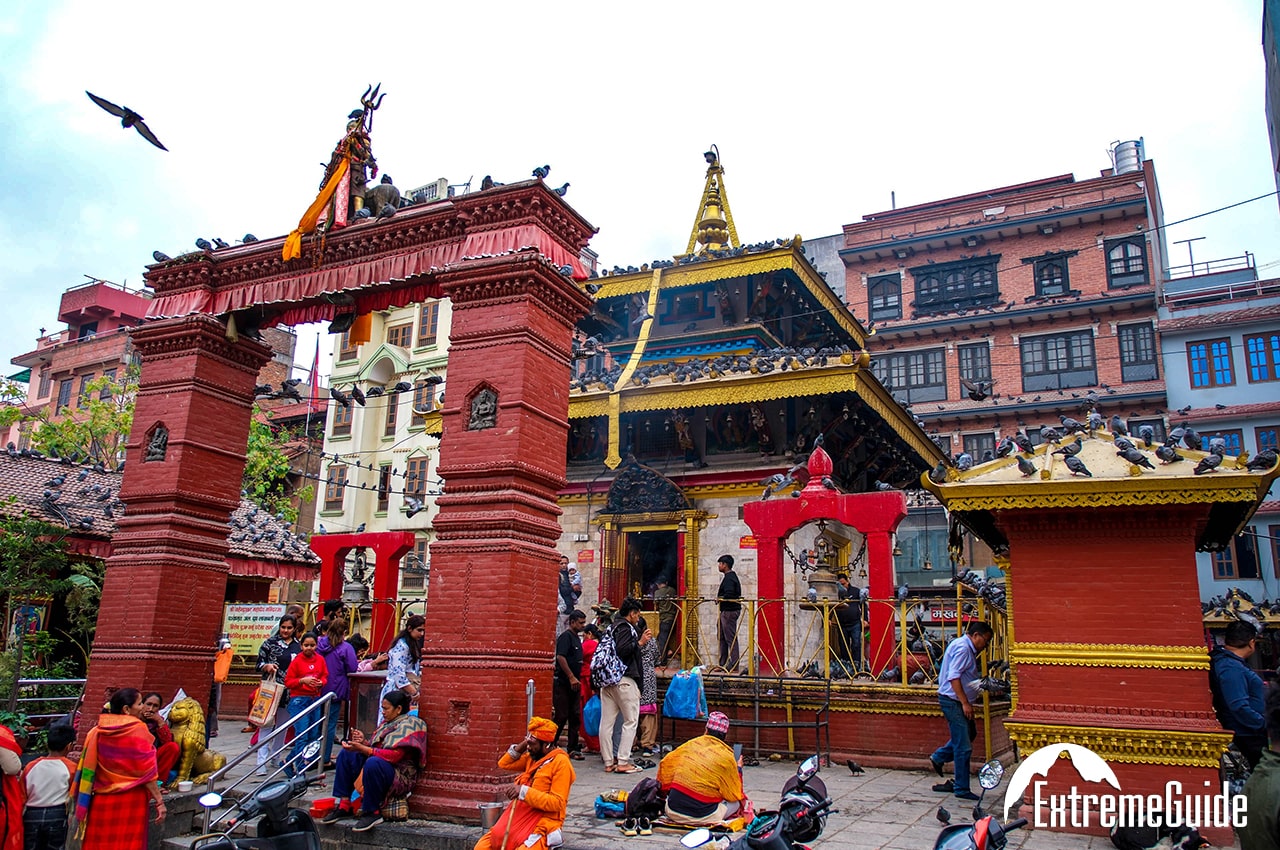
After transfer to the hotel, check-in and a short rest, we go for a walk around the capital of Nepal. If desired, a visit to Durbar Square on this day. You will see the abode of the living goddess Kumari, the Swayambhunath temple, which is more than 2000 years old, the Kastamandap temple – the oldest wooden building in the world (12th century), which gave the name to the city.
Then we have dinner in a traditional restaurant and spend the night at the hotel.

day
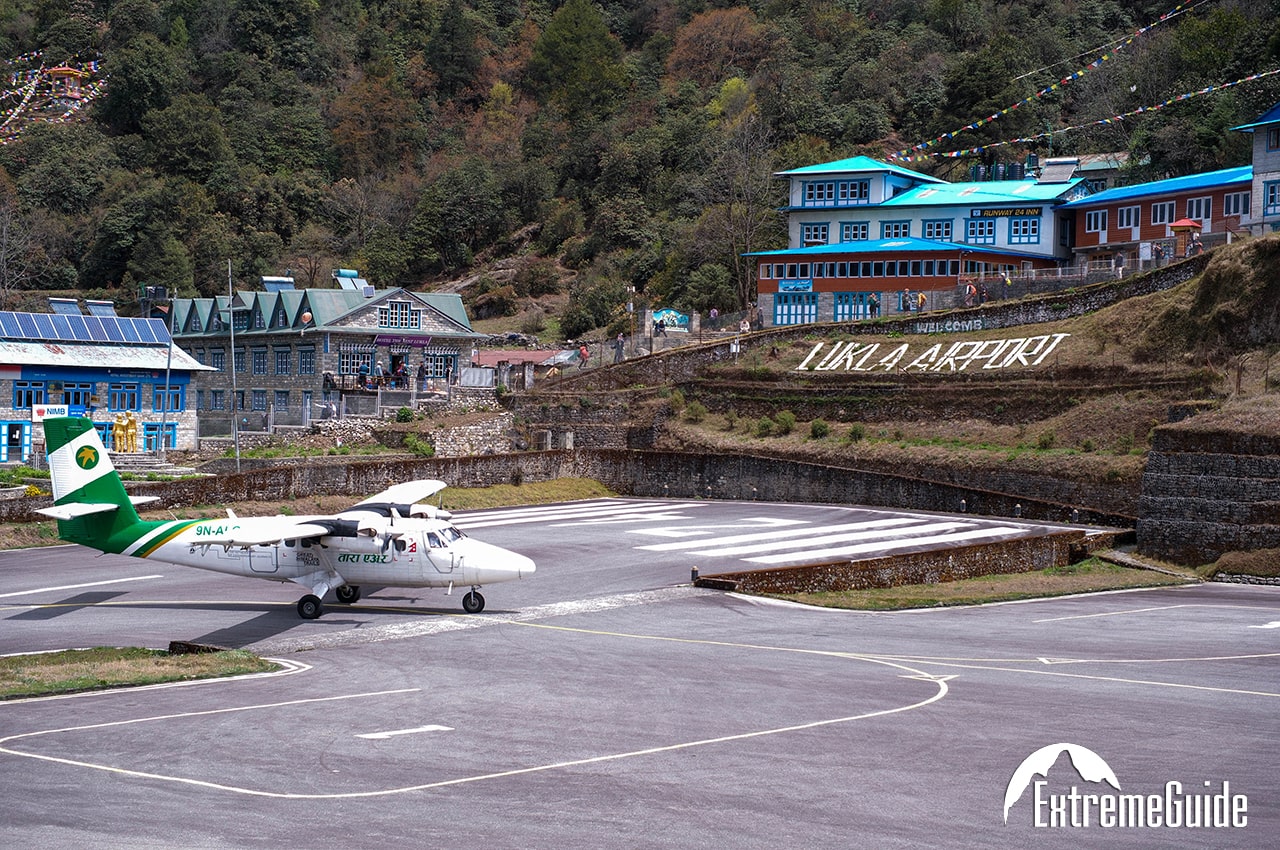
Our trek to Everest Base Camp starts in Lukla. We get there by plane, the journey takes about half an hour. The landing at this mountain airfield itself will give you a lot of impressions. It is located on the edge of the canyon and only small planes with a capacity of 16-18 people can fly here. Upon arrival in Lukla, we distribute things to porters and go to Phakding. The road will take 4 hours. We will pass a narrow forest belt, go down to the river, pass by the Kusum Kangrou peak and go around the Ghat ridge. From Phaking we go north along the valley of the Dud Kosi River.
The valleys are especially picturesque in April-May. Terraces, villages, picturesque thickets of spruce and rhododendrons – the symbol of the country – await us. Magnolias will bloom along the way, and musk deer (deer) may run along the steep cliffs.
Travel time 3 hours, 10 km.

day
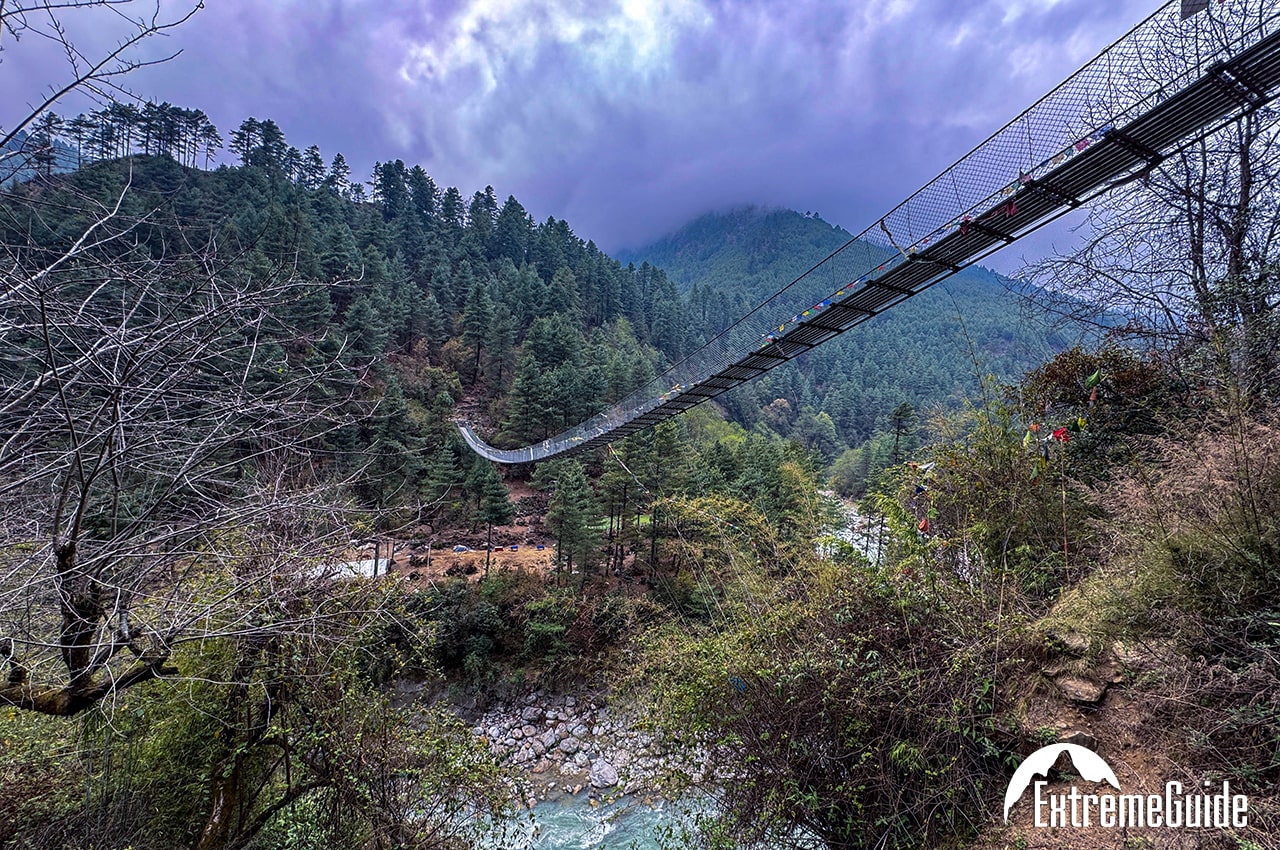
We pass the valley near the peak of Thamserku and stop at the gates of the Sagarmatha National Park in the village of Monjo. Here we will issue our permits for trekking to the Everest base camp. Leaving the village, we walk through the forest and smoothly descend into the river canyon, to the confluence of the Bote Kosi and Dud Kosi rivers. Here we cross the Dud Kosi canyon along the legendary Hillary Bridge.
Today we will see Everest in the distance, towering over the Nuptse ridge. In the afternoon we arrive in the capital of the mountain Sherpas of the Khumbu Valley, Namche Bazaar. Transit duration – 6 hours. On site we visit Buddhist temples, go to the observation deck, where we see a view of the Bote Kosi River gorge, spend the night in the lodge.
Travel time 6 hours, 15 km.

day
Today is a leisurely gathering after breakfast. First we will go to the upper village of Khumjung, where the scalp of a yeti is kept in the monastery and the memorial of E. Hillary (the first climber of Everest) is located. For the first time, Mount Lhotse, Amadablam, Nuptse, of course Everest and others will be revealed to us. After visiting this traditional Sherpa village we will go down to the valley of the Khumbu River, here at an altitude of 3600 meters in the village of Porche Tanggu in the relict forest we will stop for the night.
Travel time 6 hours, 15 km.

day
We are walking slowly, as the altitude is felt more and more each day. The landscapes today are incredible, rising higher into the mountains it becomes brighter… Today is a short walking day before lunch. Our goal is the village of Pangboche, here is one of the oldest monasteries of the Khumbu Valley (founded in the 15th century), here is also the scalp and hand of the Yeti.
The village is located at the foot of Mount Amadablam. According to legend, the monastery was thoroughly tamed by a yeti and it helped him when he meditated for a long time in one of the caves in the village of Pangboche. In the evening we will go to the puja in the monastery.
Travel time 4 hours, 10 km.

day
Today is a logical day for rest and additional acclimatization. We will go radially to the base camp of Mount Amadablam, meet the climbers of this magnificent mountain. Translated from Tibetan (Sherpa), Amadablam is translated as grandmother’s necklace, pendant. If you wish, you can just rest today and not go anywhere.
The whole walk will take us 5-6 hours. We spend the night in Pangboche.

day
From Tengboche we go to the village of Pangboche through a rhododendron forest, passing the oldest monastery in Khumbu. Then the thickets give way to dry rocky meadows. We arrive in Dingboche. The transition takes about 4 hours. It is warm here, well protected from the wind, there are many lodges with a beautiful view of Island Peak, Lhotse and Ama Dablam. We stop for the night in one of them.
Travel time 4 hours, 10 km.

day
We have to cross high mountain ranges and lifeless terraces. In about three hours we will reach Dugla and stop for tea. Then, having overcome several streams, we will reach the Phalung Karpo valley. Here you can admire the view of Ama Dablam, Kantega, Tawagi, Cholatse. Then the road rises to the Khumbu glacier. We stop at a mountain shelter.

day
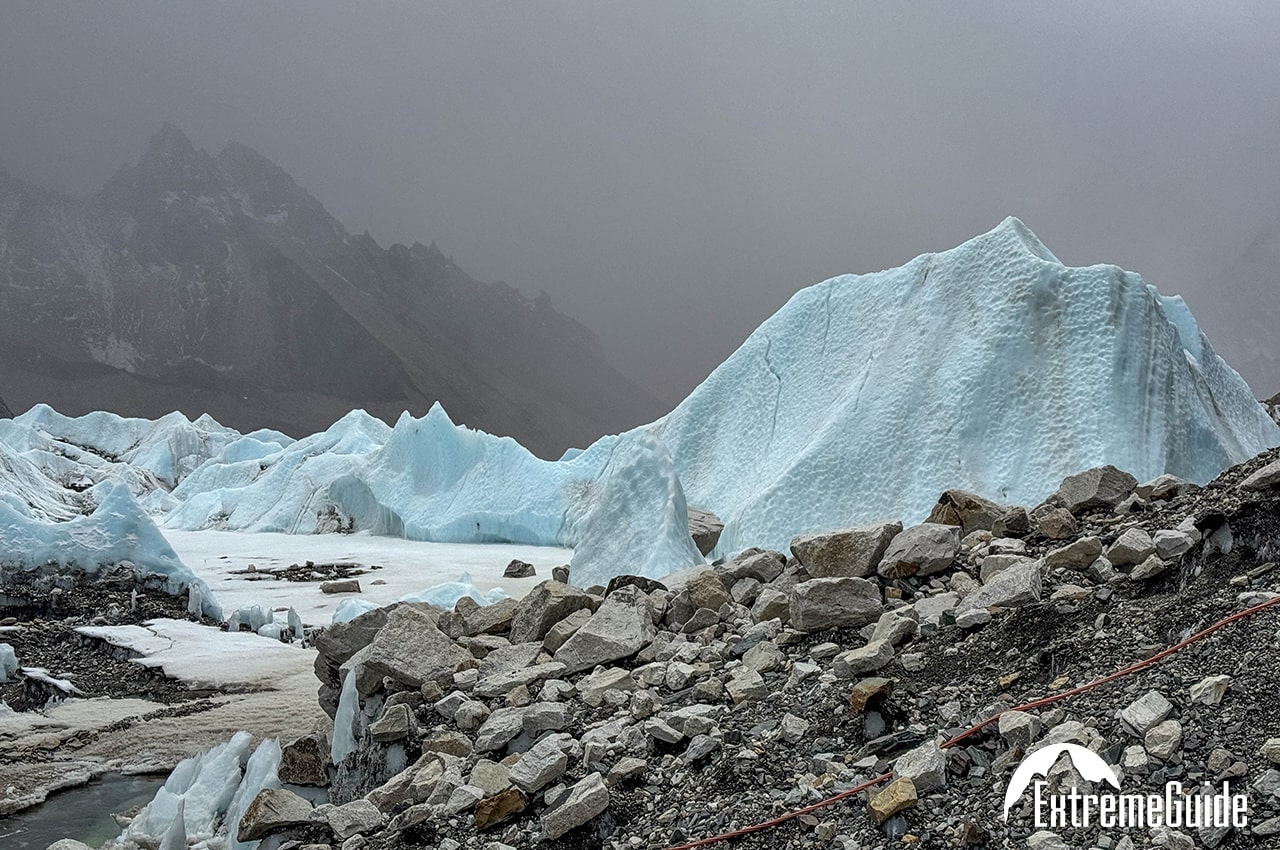
Our trek to Everest Base Camp is coming to an end. Today we are going to Gorakshep, the transition to the upper lodge will take 2.5-3 hours. After resting and having a snack, we will go to the base camp (height 5300 m). At the base camp we will have a great opportunity to walk among the giant ice formations (kalgaspors) of the Khumbu glacier. In the spring, there is a large camp of Everest climbers on the glacier and moraine, about 1000 people are here at a time.
We will return to the lodge in the evening. The road to the base camp and back will take 4-5 hours. In total, today we will have a 12-kilometer track.

day
Early in the morning, no later than 6:00, we go to meet the sunrise on Mount Kala Patar, which is 5600 meters high. From here there is a gorgeous view of Everest. In the rays of the morning sun, you can get excellent photos with a view of the summit. Descent to the lodge, breakfast.
Our expedition to Everest is coming to an end, it’s time to descend. We go to Dingboche, settle down for rest. In the evening, you can celebrate a successful ascent, enjoying sea buckthorn tea and delicious cakes in the Khumbu Valley.
Total track length is 15 km, travel time is 8-9 hours.

day
We descend to the rhododendron forest, enjoying the green thickets that have replaced the glaciers and scorched grass of the highlands. On the way, we will visit one of the most revered and famous monasteries in the Khumbu Valley – the Tengboche Monastery. We return to Namche Bazaar. In the evening, a trip to one of the authentic pubs.
Total track length is 17 km, travel time is 8-9 hours.

day
The descent takes about 7 hours with a stop for lunch. The path goes down sharply at first, and then there are small differences in altitude.
We settle down closer to the airport. Farewell to the team of porters, farewell evening in the mountains.
The total track length is 15 km, the journey takes 6-7 hours.

day
We fly to the capital early in the morning. Departure from Lukla is always a matter of time and luck. By lunchtime we will already be at the hotel. Free time.

day
The last day of the trip is dedicated to exploring the Nepalese capital. In the morning we get on a bus and go to see everything that can be seen in a day. You will see the main attractions. One of the main temples of Hinduism is Pashupatinath, where, according to legend, the god Shiva, turned into a deer. Near the temple there is a deer park, death in which with the subsequent dumping of ashes into a tributary of the Ganges, the Bagmati River, is considered favorable for Hindus. We will see how the dead are cremated in temples, meet yogis, look at the monkeys that live right in the city.
Next, we will go to the Tibetan shrine – the huge Boudhanath stupa, from where the all-seeing eyes of Buddha survey all directions of the world. Let’s walk around the stupa in accordance with tradition, and attend a real service. At the end of the excursion, we plan to visit the monkey temple of Swayambhunath, located on the top of a hill. It offers magnificent views of Kathmandu and the Himalayas.

day
We buy souvenirs and say goodbye to Nepal. Transfer to the airport in the evening. Plan your flight no earlier than 19:00.
Kilometers: 110 km.
Note:
The program is not final and may be adjusted depending on the weather, the condition of the participants and other factors.
Everest Base Camp Trekking Route Map:

Why is it profitable to go hiking with Extremeguide?


Cost and conditions of trekking to Everest Base Camp
Is this trip right for you?
We do not recommend this trek in Nepal for beginner tourists. It is best to go on a regular hike at altitudes of 2000-3000 m before trekking, or have experience of previous ascents to 4000-5000 m. Also, for the first trekking in Nepal, it is better to go to Trekking to Annapurna
Included in the price:
- services of a Ukrainian guide from the company and an English-speaking local guide for groups of 10 or more;
- domestic flight Kathmandu-Lukla-Kathmandu;
- meeting at the airport;
- transfer from Kathmandu airport to the hotel upon arrival;
- three nights in a four-star Kathmandu hotel in a room for two;
- breakfasts at the hotel;
- all transfers in Nepal by minibus/bus/taxi;
- permit to visit the trekking area;
- consultations on preparing for the trek;
- free rental of transport boxes for transporting things on the track;
- carrier for personal belongings (up to 10 kg);
- group first-aid kit from the guide;
- a certificate of completion of the track and a souvenir from us.
The price does not include:
(excluding airfare and equipment rental 800 – 1000 USD):
- flight to Nepal – from $1000 from Europe;
- visa to Nepal – 15 days – $30, 30 days – $50;
- emergency flight (optional) Lukla-Kathmandu by helicopter (very often flights to / from Lukla are canceled) $200-500;
- expenses associated with the cancellation of the flight to or from Lukla;
- airport fee (up to $10);
- emergency insurance and medical coverage from €30,000., the cost of €3-10/day depends on the selected insurance program, residence. Check the cost;
- entrance fees to excursion sites in the Kathmandu/Patani valley according to the program (Pashupatinath, Boudhanath, Patan Royal Palace, Swayambhunath) – $30;
- transfers during excursions – up to $15;
- lodge accommodation: shower and internet, meals on the track and in cities – a total of $500-600;
- drinks, alcohol;
- tips for local staff (up to $100);
- tips for the main guide (optional);
- single room surcharge in Kathmandu ($100);
- other expenses not specified in the program.
Cost depending on the number of participants
| Number of participants | Cost per 1 participant |
|---|---|
| 8 | 1680 USD |
| 7 | 1780 USD |
| 6 | 1900 USD |
| 5 | 2100 USD |
| 4 | 2200 USD |
| 3 | 2600 USD |
| 2 | 3400 USD |

Best price guarantee!
- We have included in the price all possible basic expenses for the program and guarantee that there are no hidden additional costs, while we have retained the best service at a low price: transfers, hotel accommodation, guides and staff!
We have a flexible discount system
Find out the details right now:
Necessary equipment
Basics:
- Backpack 20-30 l. (More about choosing a backpack);
- main backpack/duffel bag 60-90 l, which will be carried by porters;
- Sleeping bag (comfort — 0°С — despite the fact that we will be spending the night in houses, it is not worth taking a summer sleeping bag, because the temperature can often drop below zero at altitude) (More about choosing a sleeping bag);
Shoes and clothes:
- Trekking boots (it is important that the shoes are comfortable and worn in. Usually shoes are chosen with a thick socks and 1.5 – 2 sizes larger than the foot size) (More about choosing clothes and boots);
- Changeable shoes (sneakers or sandals);
- Sandals or flip-flops (for the shower and cities);
- Down jacket or warm jacket;
- Warm hat;
- Buff or scarf;
- Running pants (Gore-tex, cotton or synthetic);
- Running jacket (Gore-tex, cotton or synthetic);
- Rain cape (if your walking clothes get wet);
- Thermal underwear set (in the absence of thermal underwear, underpants and a jacket);
- Warm jacket (polar, fleece, or in extreme cases a sweater);
- Socks 3-4 pairs (“thermal socks” or other thick ones);
- Socks for overnight stays (preferably wool or fleece);
- Warm gloves;
- T-shirt;
- Change of underwear;
- Sun hat;
- Clothes for the city.
The rest:
- Headlamp + spare set of batteries;
- Mug, spoon, bowl, knife (all this should be as light as possible – made of stainless steel or special plastic; do not take ceramic mugs or enamel dishes);
- Hygiene items (a toothbrush and a small tube of toothpaste, a bar of soap and a little shampoo will be enough; do not take full bottles of shower gel and shampoo, heaps of creams and lotions with you);
- Towel;
- Documents;
- Individual first aid kit (plaster, cold, stomach, head. You also need to take into account specific and chronic diseases, if any. In addition to the individual first aid kit, the instructor has a general);
- Glasses with UV protection (protection category 2-4);
- lip balm chapstick ;
- Sunscreen ointment (with SPF 30-50);
- Water bottle ( 1-2 l.)
- Powebank 10000+ mА;
Обзор и список снаряжения на восхождения в Непале
See also a detailed review of trekking equipment in Nepal
- Thermos (0.5 – 1.0 liters);
- Camera;
- Seating pad;
- Trekking poles.
- Solar battery.
We won’t need a sleeping mat or a tent, since all the nights will be spent in the loggias.
Additional information
Since most of you are flying in transit through the UAE and plan to stay in the transit zone for more than 6 hours, I recommend taking a sleeping bag and a mat in your hand luggage in order to spend the time more comfortably when residents of Asian countries will be hovering around you. Also in the transit zone there are enough food areas and a developed duty-free. A hotel at the Sharjah and Dubai airports costs about 120 per night. Upon arrival in Kathmandu, I recommend immediately moving ahead of the crowd and running to the machine that makes a visa. Enter your passport data, attach your passport and take an automatic photo – you get a coupon, with which you go to the cash desk, which is located in the corner of the hall. Then go to the visa counter with a coupon for payment and electronic confirmation that you have filled out an electronic visa application form.
There is also an option to fill out a form on paper and paste in a photo. The sequence is almost the same – first to the ticket office, then to the registrar. Baggage claim is downstairs. Don’t be alarmed if it doesn’t come out on the belt right away. You can wait for an hour. This is Kathmandu…
— visa is issued at the airport upon arrival and does not require additional documents;
— international passport;
— emergency and medical insurance (insurance with coverage of at least 30,000 USD and insures risks associated with active stay in the mountains).
Be sure to check out more details here!
Meeting the group at Kathmandu airport — time will be specified when we know your exact arrival time: — from Europe: Air Arabia, flydbai, Turkish Airlines, Qatar Airwals. Options via Delhi, India are also available.
The proposed program does not require special training and is available to any healthy person. To properly prepare your body for the load, we recommend starting training two or more months before the hike. To ensure that there are no problems on the track, the duration of the training should be at least 1.5 hours, in anaerobic mode, which is approximately equivalent to running over rough terrain for distances of 8 km. In addition to running, swimming and cycling are suitable for training. You can learn more about our training recommendations on the company’s YouTube channel. In case of chronic diseases, a doctor’s consultation is required.
In Kathmandu we stay at a hotel where we can store things we don’t need on the hike.
The lodges where we live along the way are guest houses with rooms for 2-3 people, a dining room and a bathroom. Some of them may not have electricity and a stationary shower (you can wash yourself with heated water from a bucket). For the night, you will need warm sleeping bags and thermal underwear. If you are still freezing, you can ask for an additional blanket.
See more video about lodges in Nepal
Meals are served in the loggias, the basis of the cuisine is rice, rice noodles, oatmeal, salads. There may be no meat dishes, especially in the upper loggias. You can take some products with you – meat products, canned goods, dried fruits, sweets. But you cannot cook on the territory of the loggias, you can only boil tea on the burner. Three meals a day in the loggias will cost you up to $ 25 per day. In city restaurants – from $ 15 to $ 30, depending on the level of the establishment.
Please note that the total weight you can give to the porter is 10 kg per person. Your small backpack will weigh up to 5-7 kg.
Guides will have a first aid kit for emergency medicine, but they must have personal medications for chronic and individual illnesses, adhesive plasters, headache pills, cold and painkillers, and vitamin C and group B for better adaptation in the mountains.
Connection on the track 3G – with a local SIM card only up to Namche Bazaar. Above that, only paid Internet $ 10 per 1 GB.
At the bottom it will initially be warm, with the increase in altitude it will start to get colder. In the capital the air temperature is +25…+30°С, on the track at first it will be around +15…+20°С, then it is expected to decrease down to -5°С during the day and -15°С at night.
Considering that a significant part of the route lies at an altitude of 4 km and higher, where the body is exposed to increased solar radiation, thin air and other features of the mountain climate, we have developed a special acclimatization program, which includes monitoring the health of the participants. It helps participants avoid altitude sickness during rapid altitude gain and fully adapt the body to external conditions. The road is not easy to pass and requires proper physical training and strict adherence to the guide’s instructions.
Absence of diseases incompatible with active tourism: List of diseases
Features of acclimatization in high mountains
Physical and mental preparation before climbing and hiking in the mountains
The country’s currency is Nepalese rupees. It is better to have cash dollars with you, this is the most common currency. You will find out how much you will need for your trip from your guide. The commission for withdrawing funds from bank cards here is 5%. Locals usually accept dollars, but at an unfavorable rate. Most often, it makes sense to bargain.
— Showering on the track costs $3-5, charging the device “to full battery” costs $1-3. Therefore, these costs should also be included in the estimate.
— Bottled water costs 1-3 USD, but there is an alternative – tap water, which comes from clean mountain streams.
— We will walk slowly, enjoying the views and taking pictures. Usually we leave the overnight stay at 9 am and arrive at the final destination at 3 pm – 4 pm. At this time it is already dark somewhere 18 pm-18:30 pm.
The table shows the basic cost for a group and may change depending on the number of people in the group. For the calculation of the cost of the tour for a smaller number of people and individual groups, see the «Price» block for more details.
We guarantee that on the dates indicated in the table, even if there is a minimum number of people allowed in the group, the tour will take place 100% with a minimum change in cost.
Pleasant bonuses, which everyone receives when ordering a tour with us


Photo of previous trips
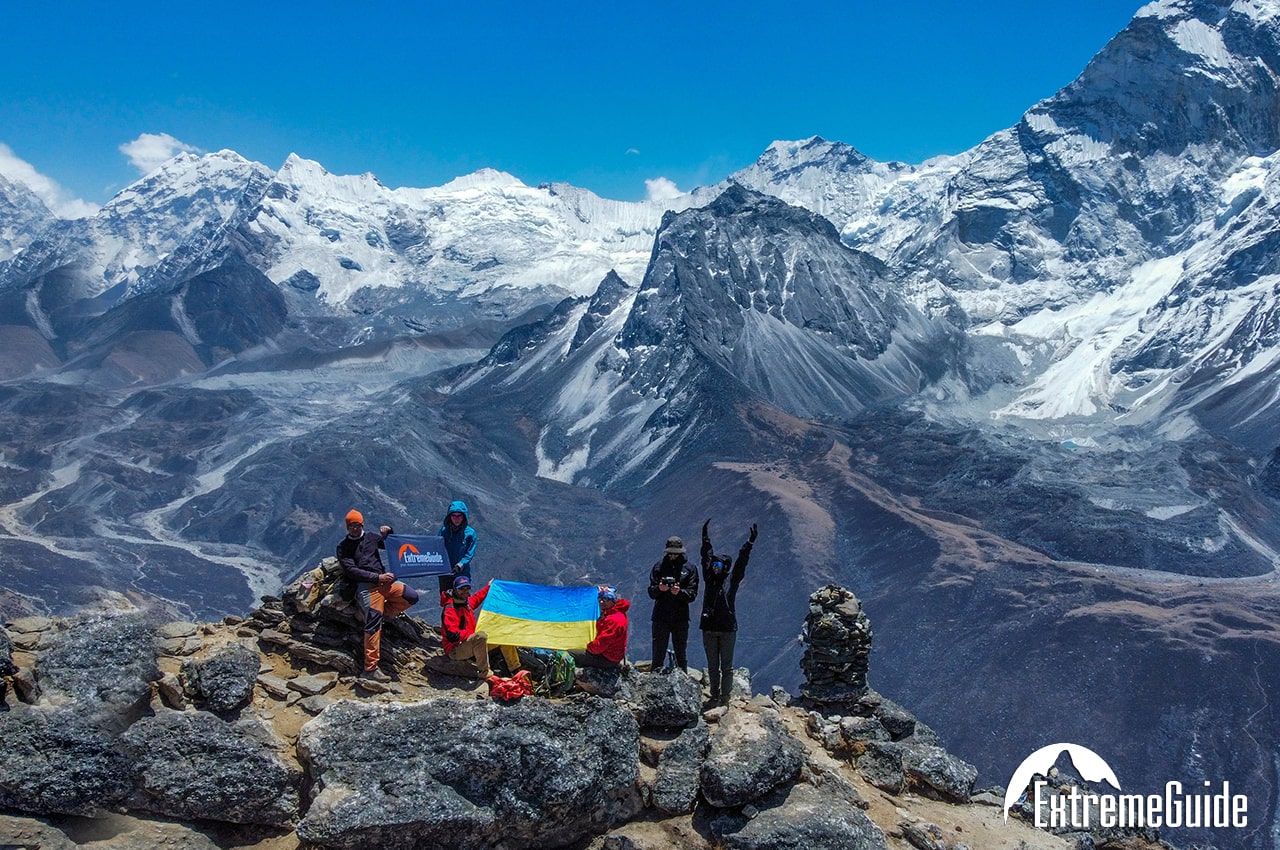
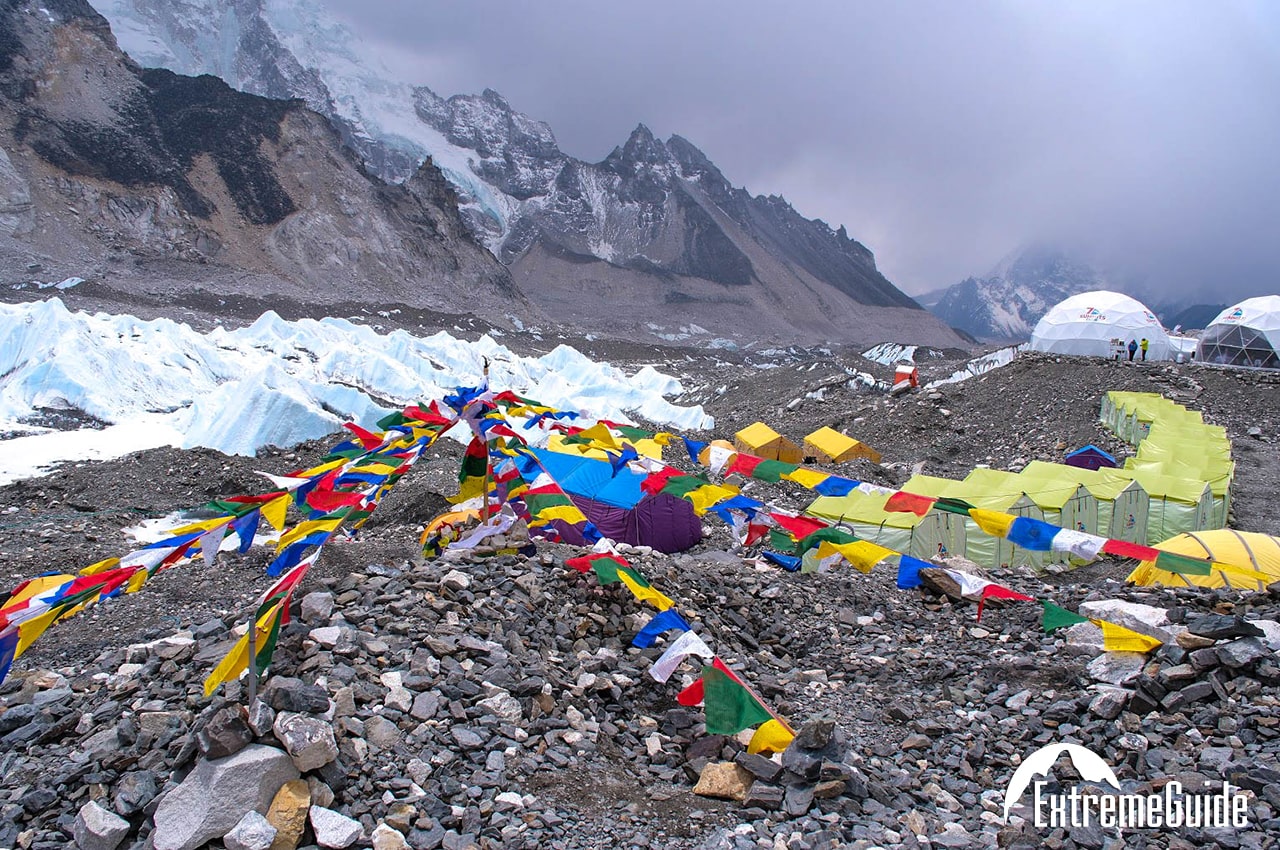
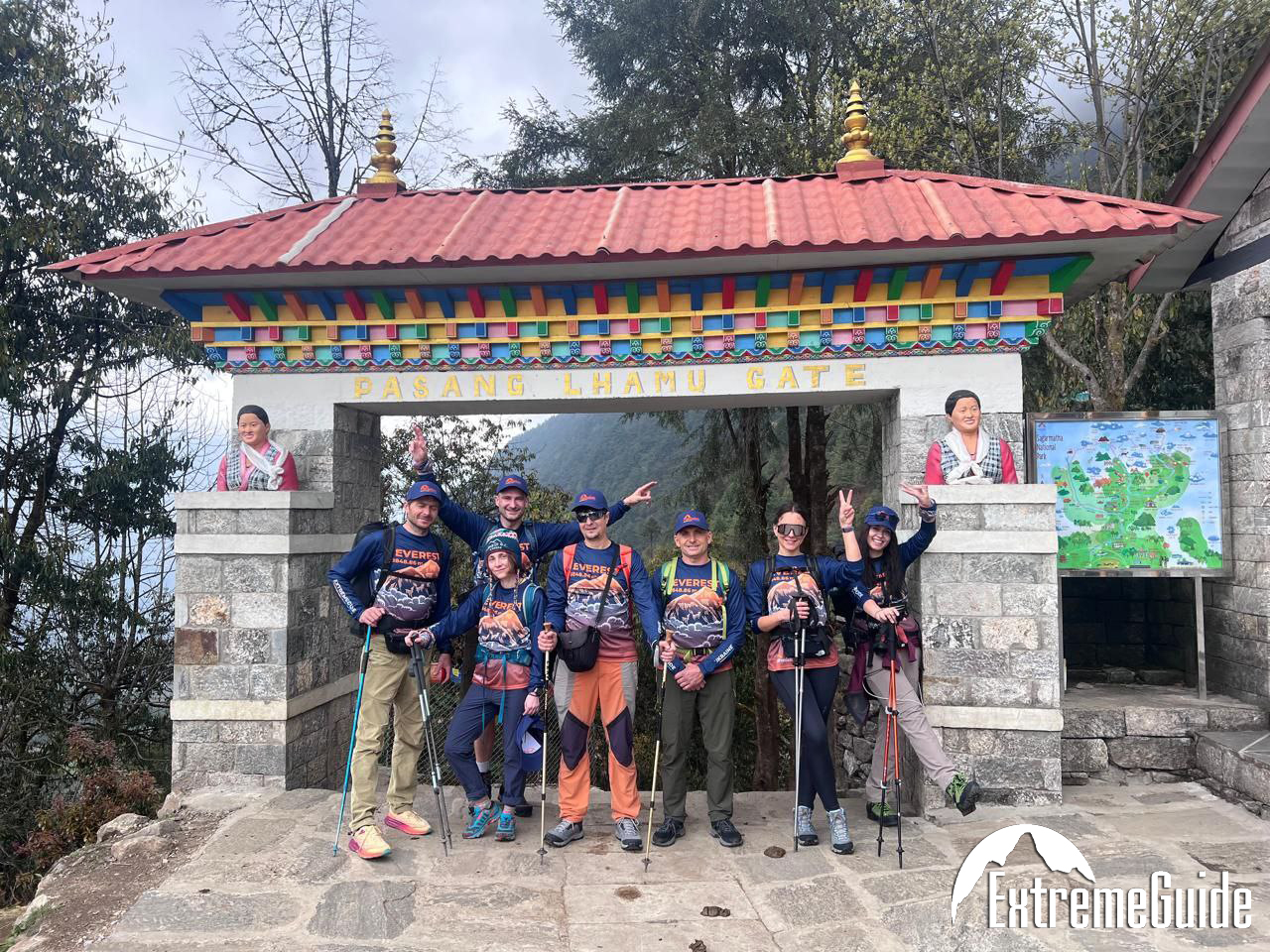
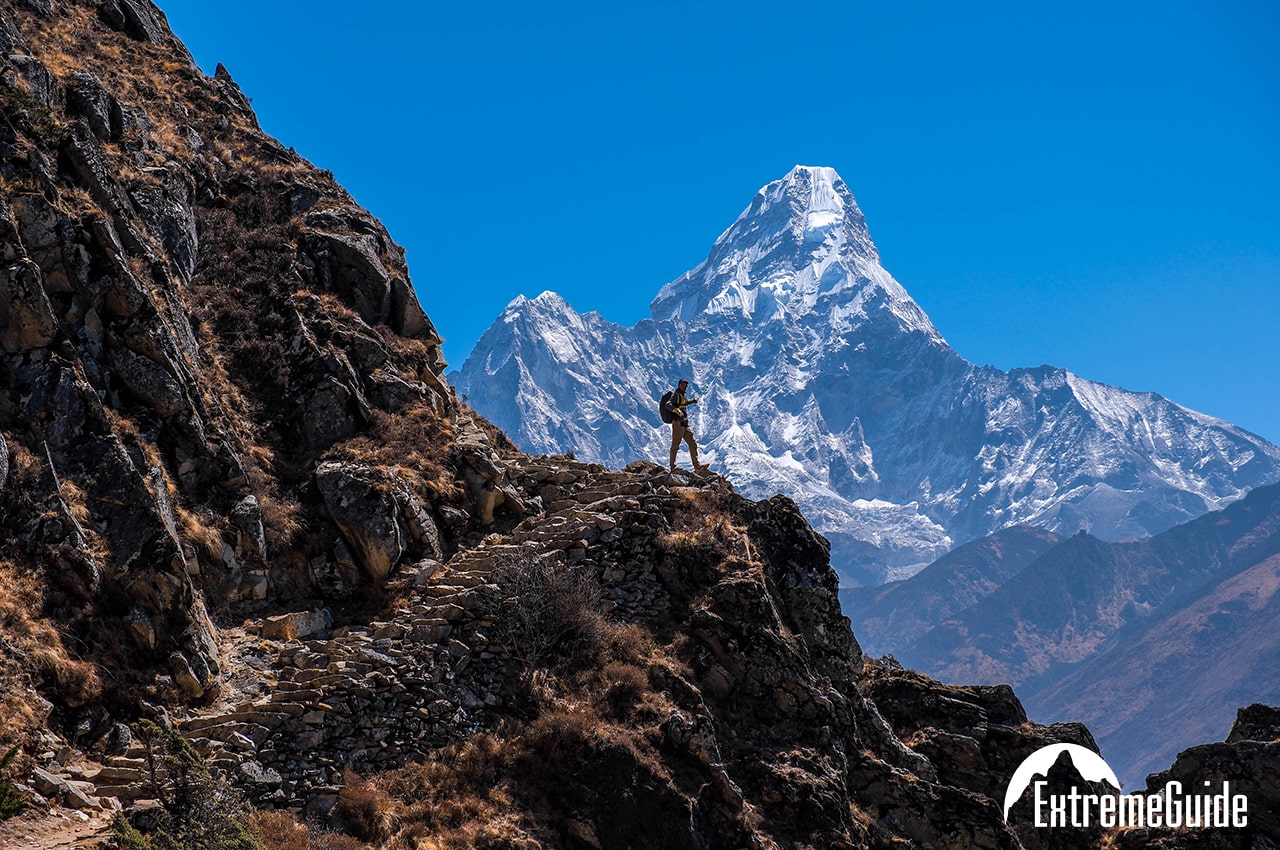
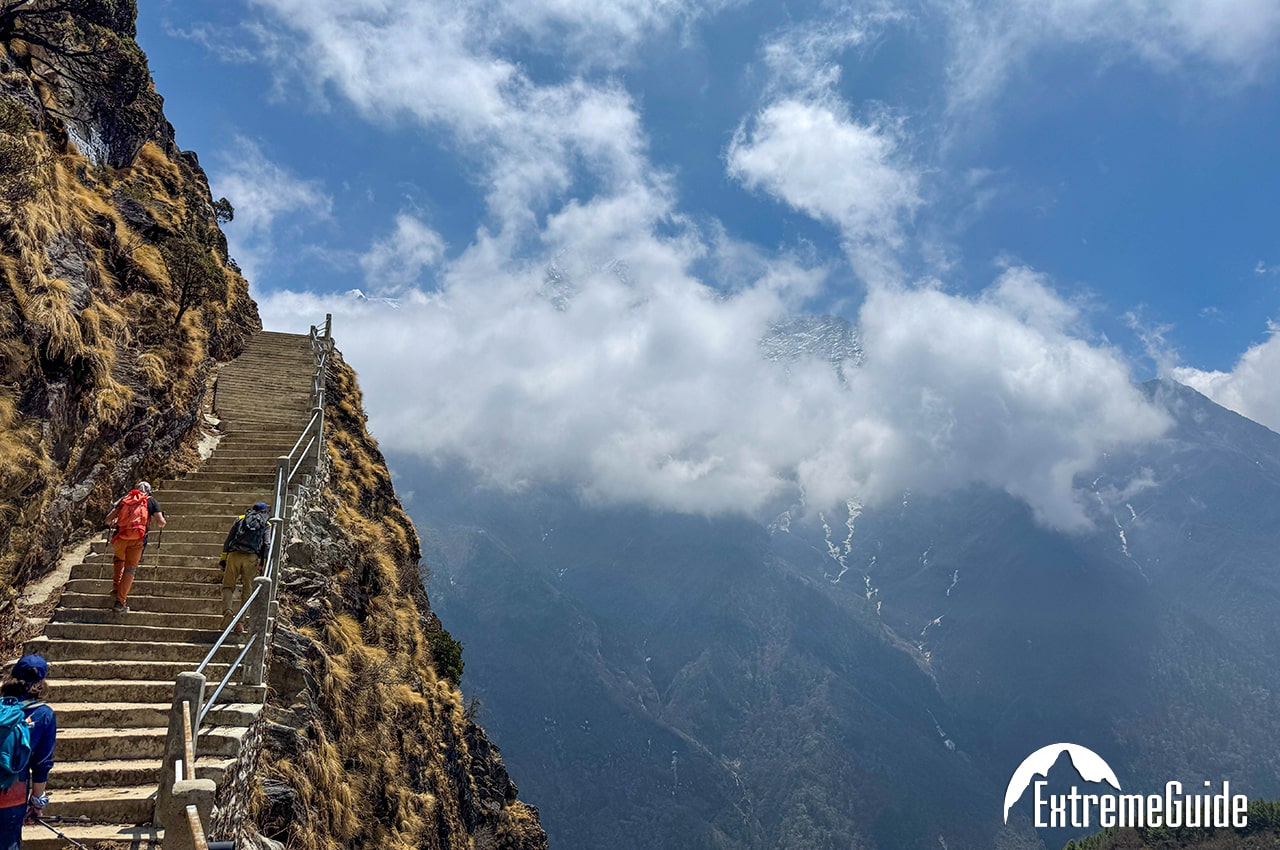
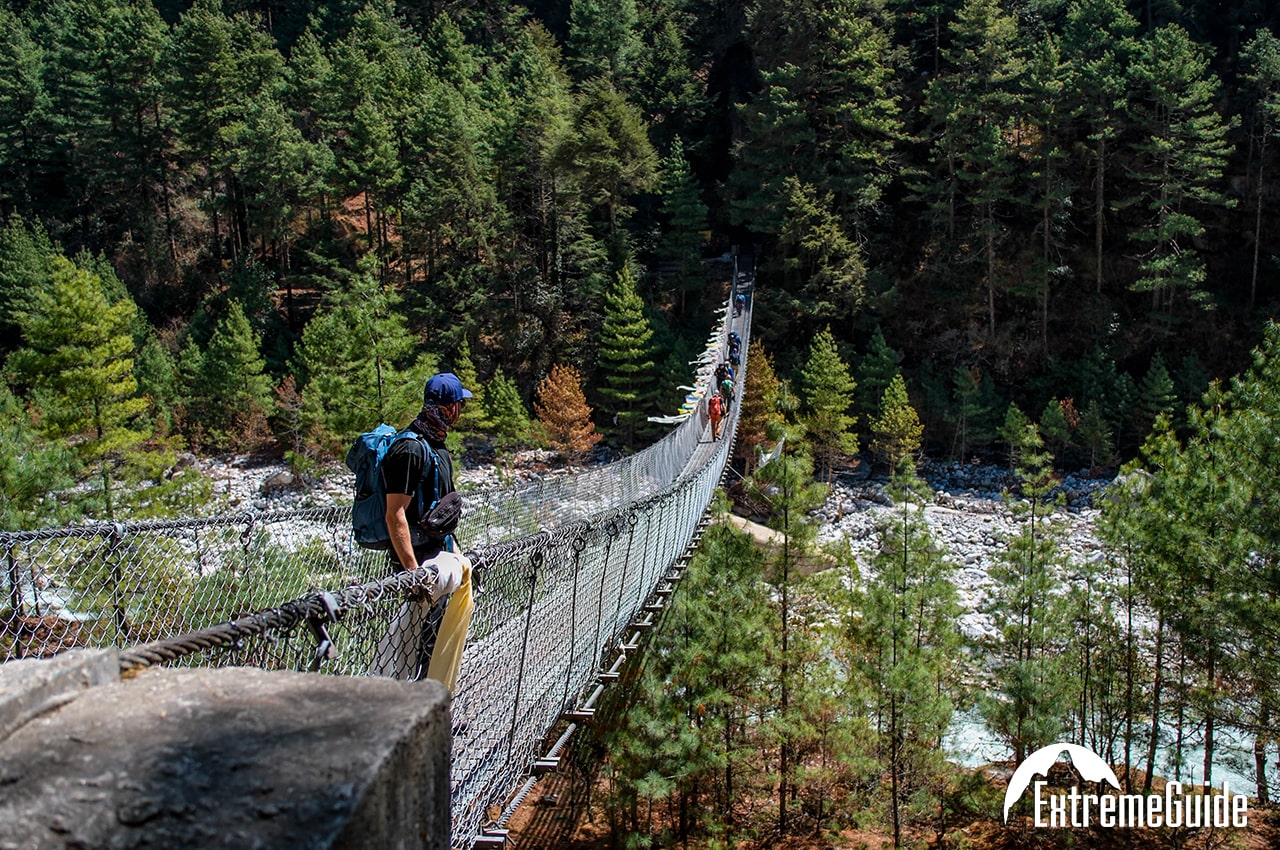
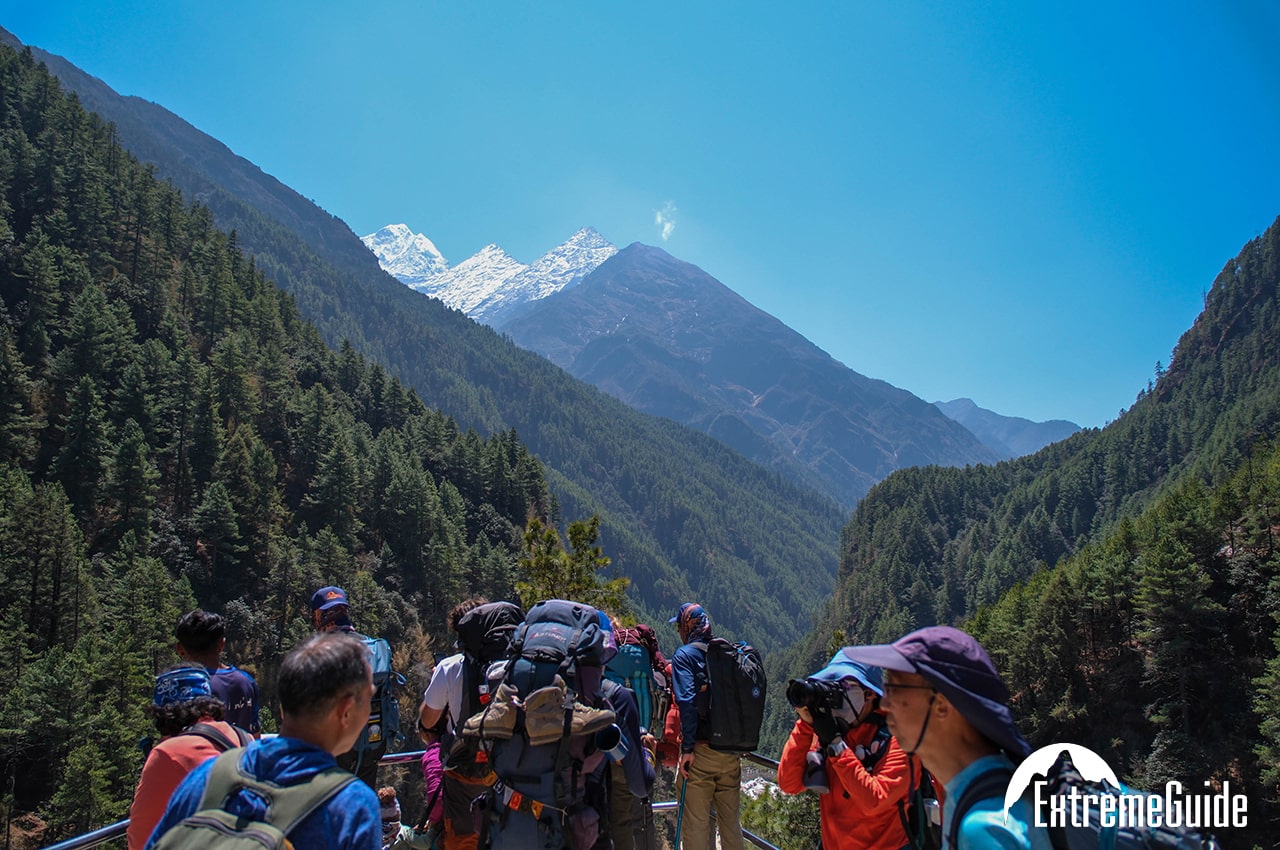
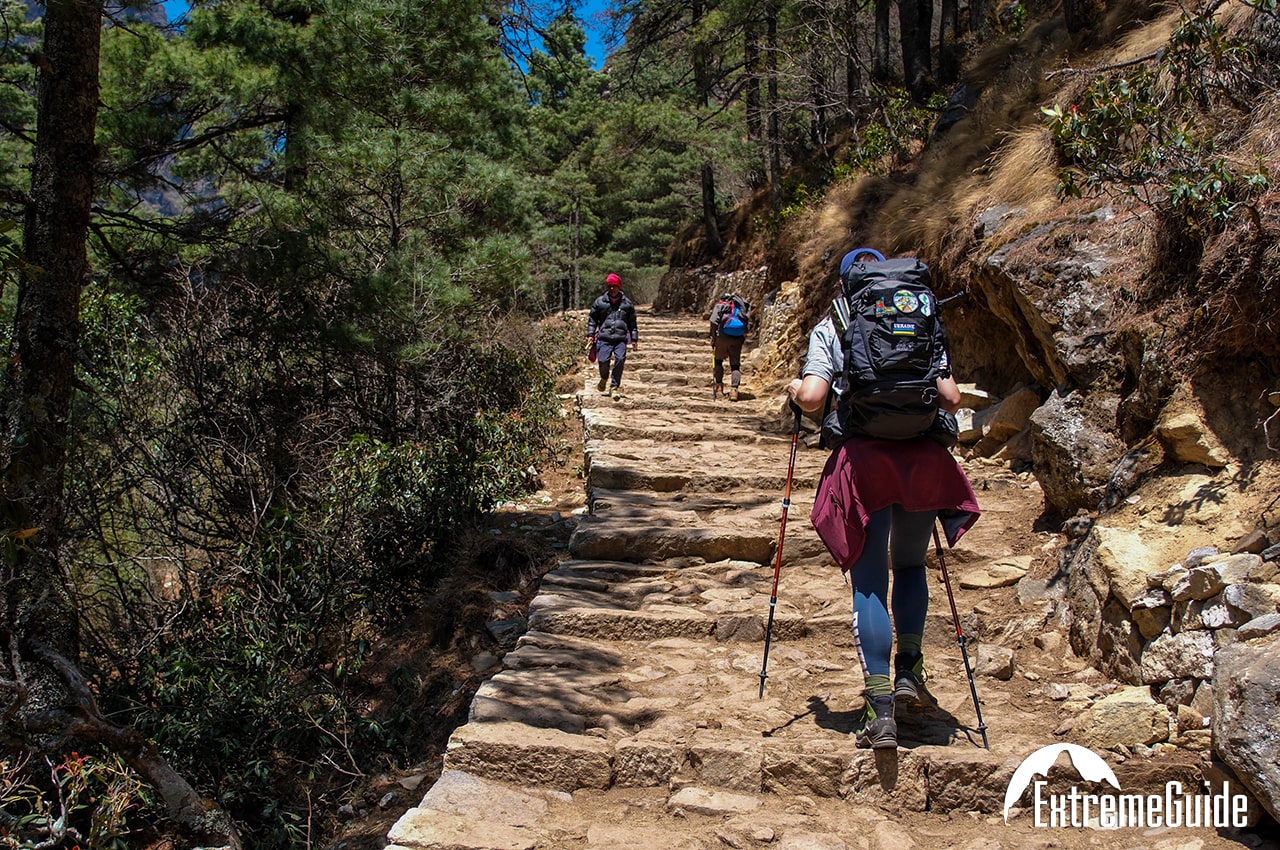
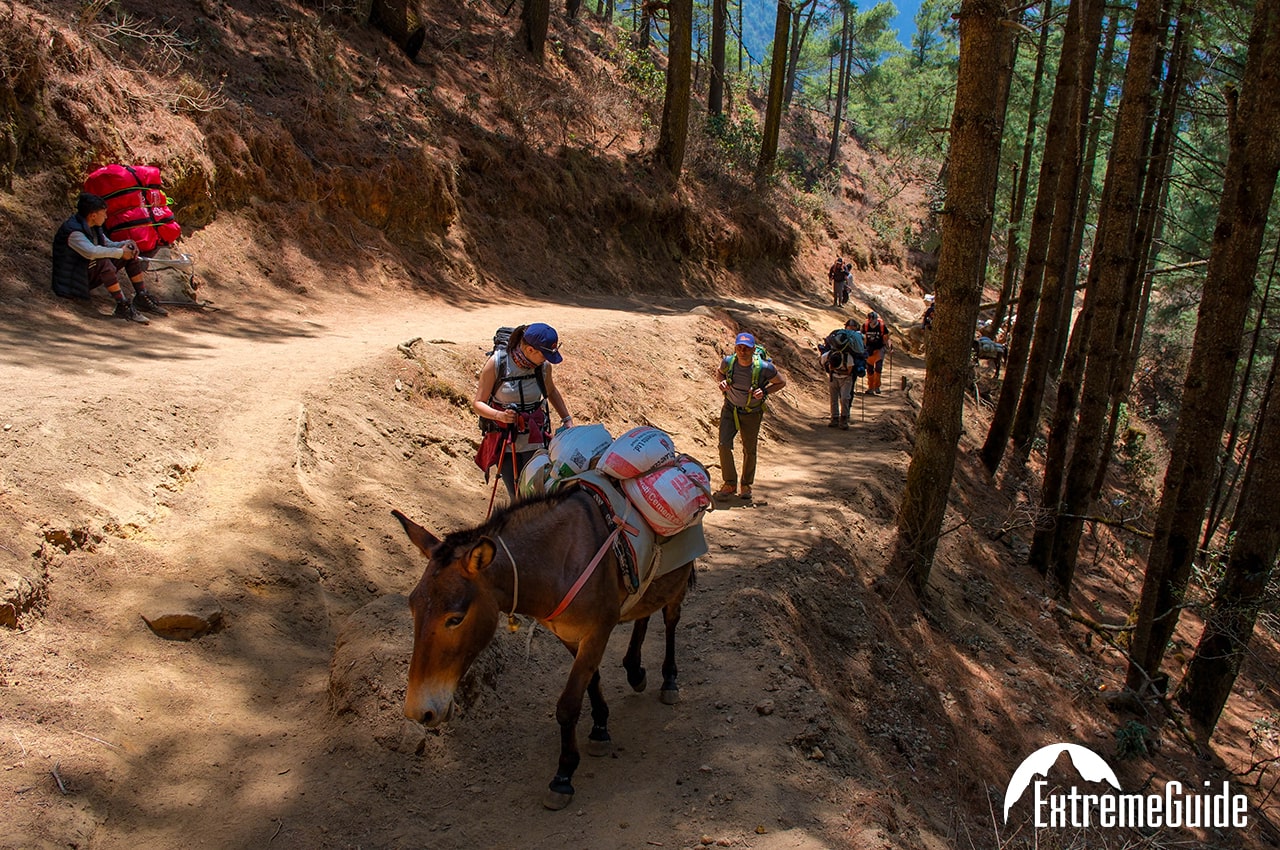
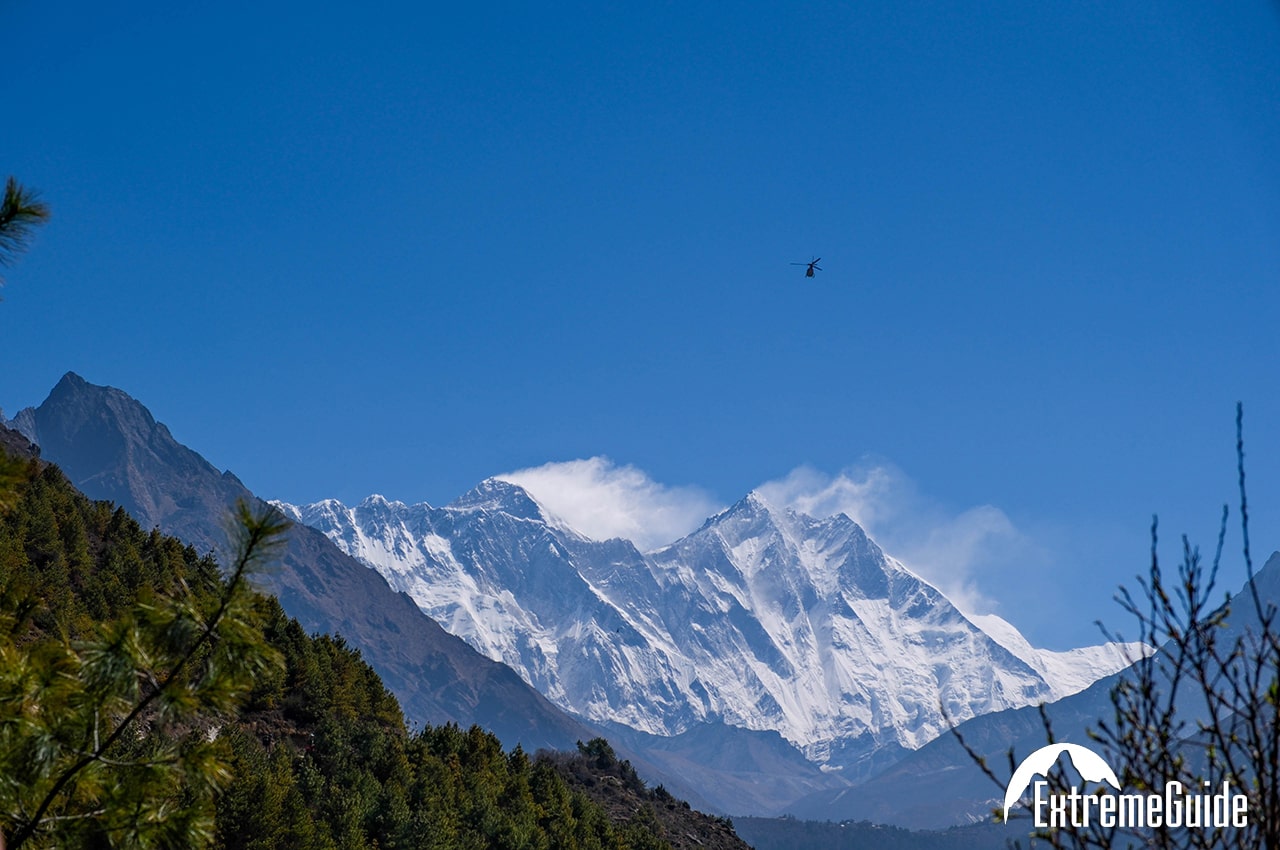
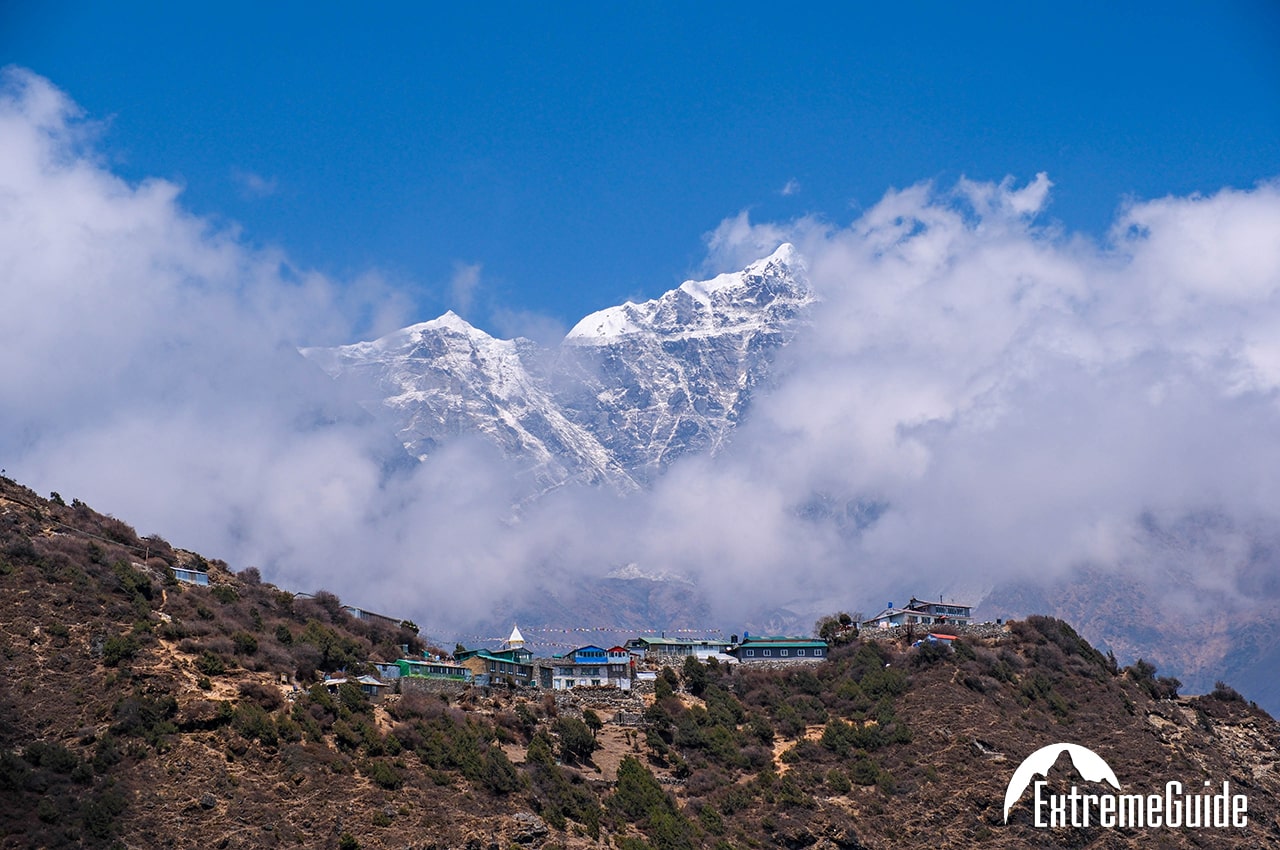
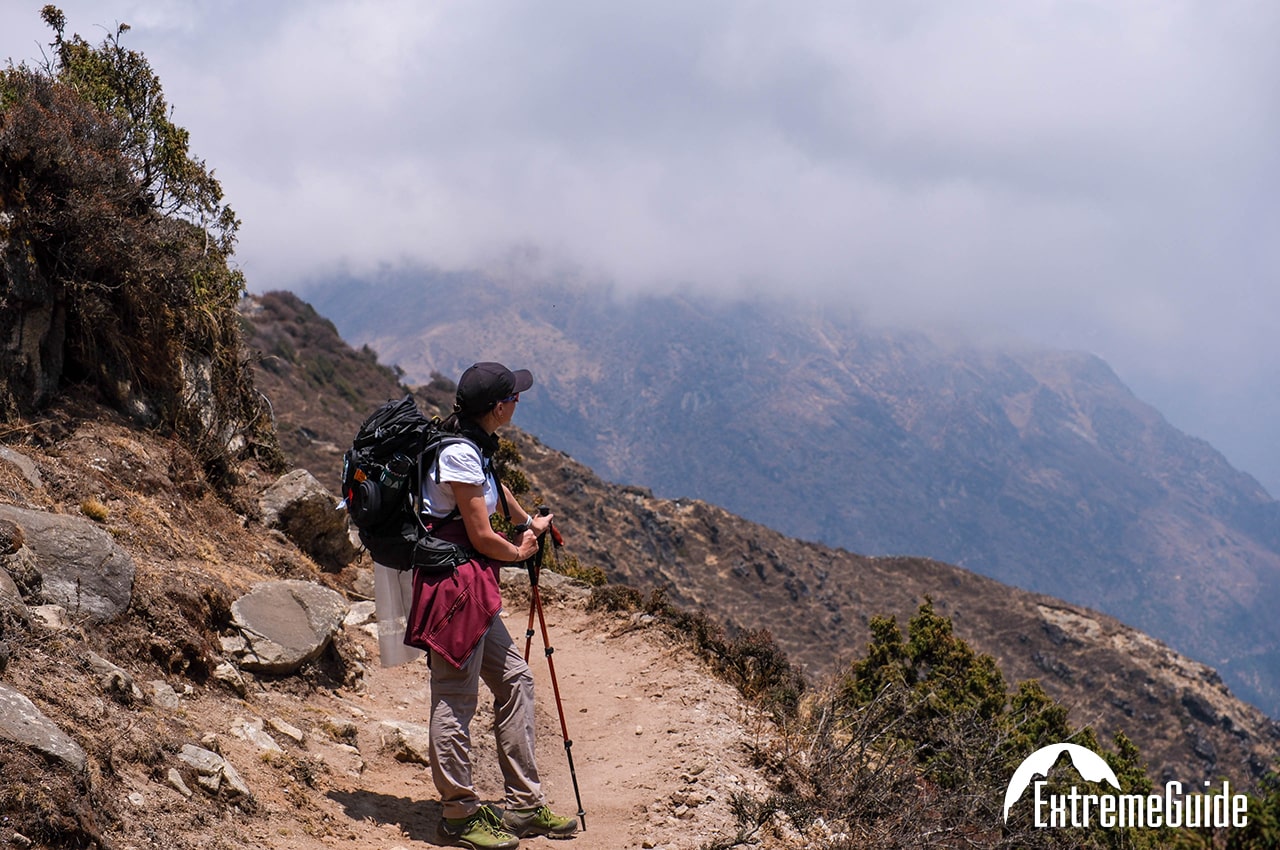
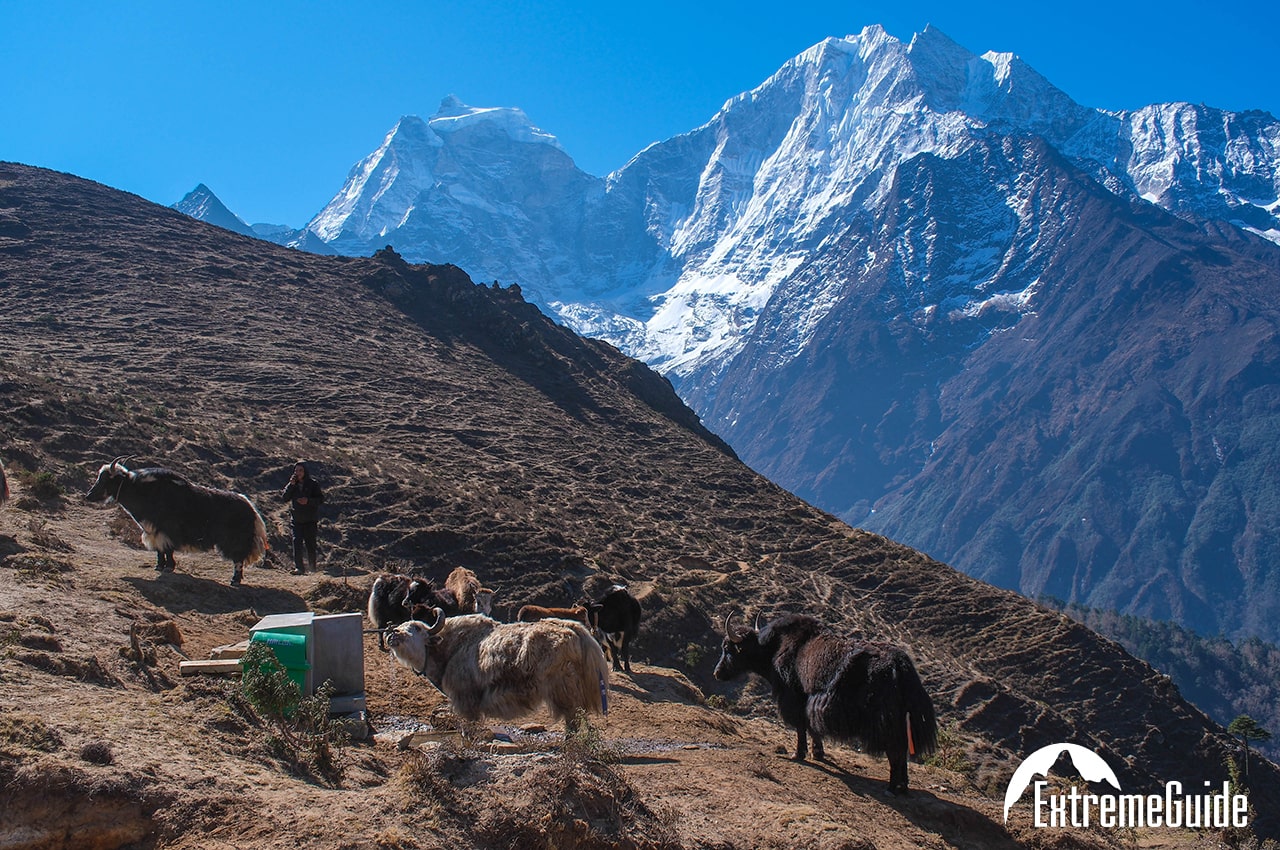
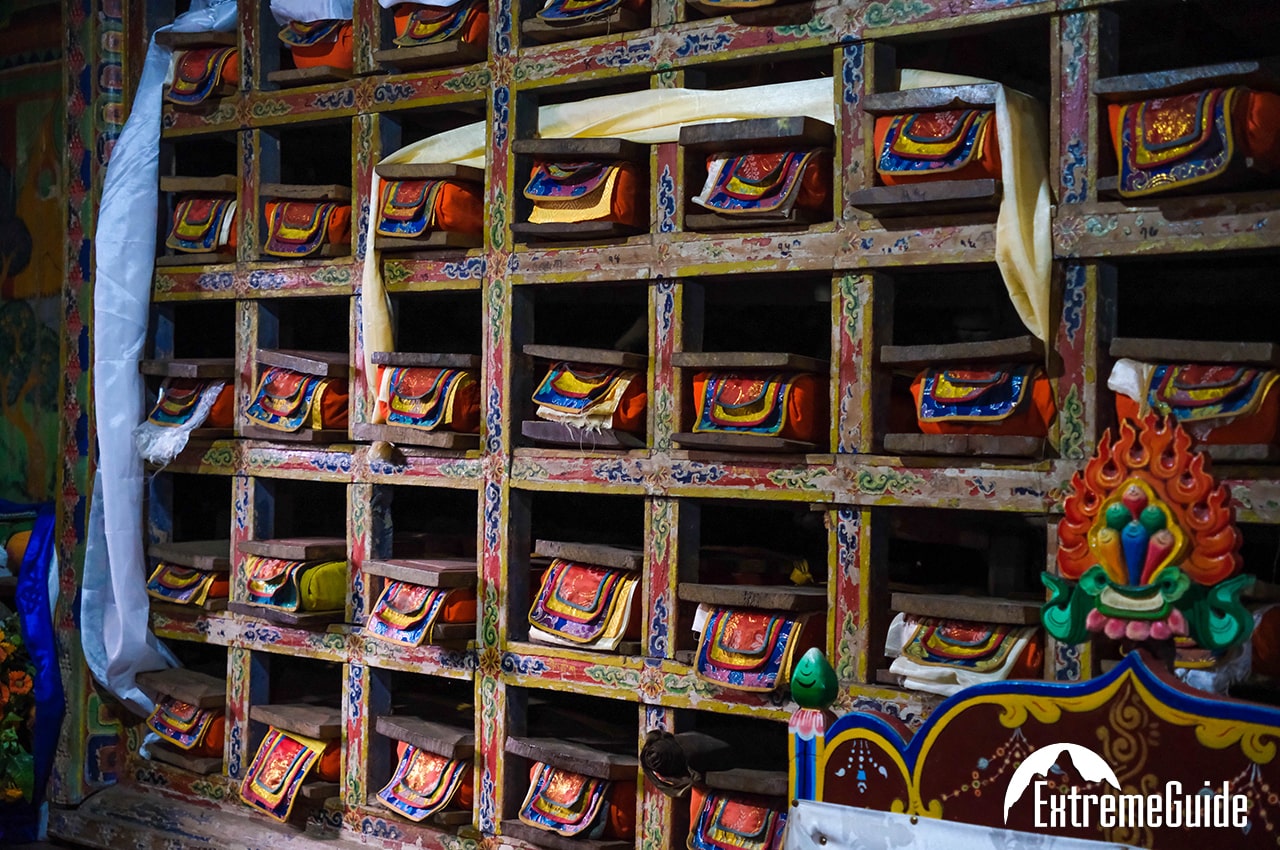
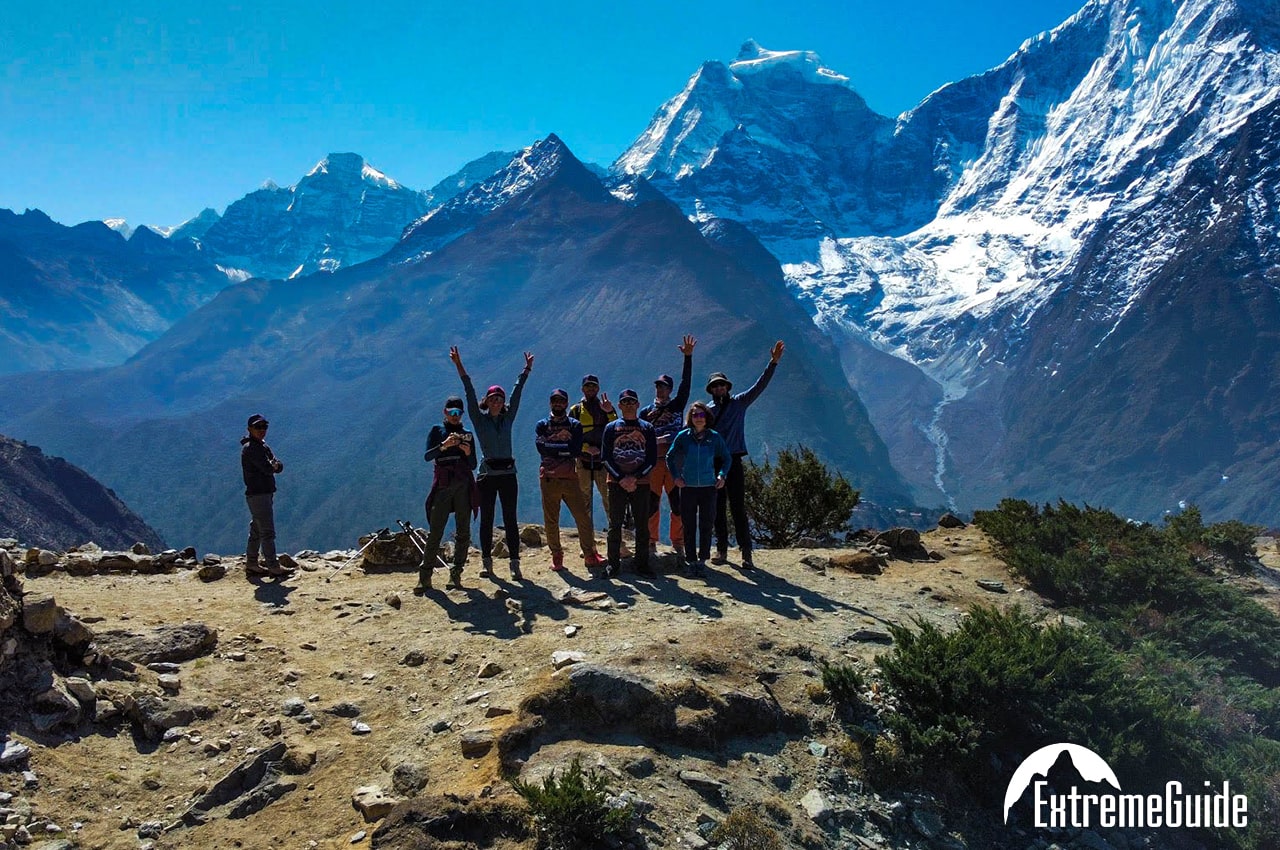
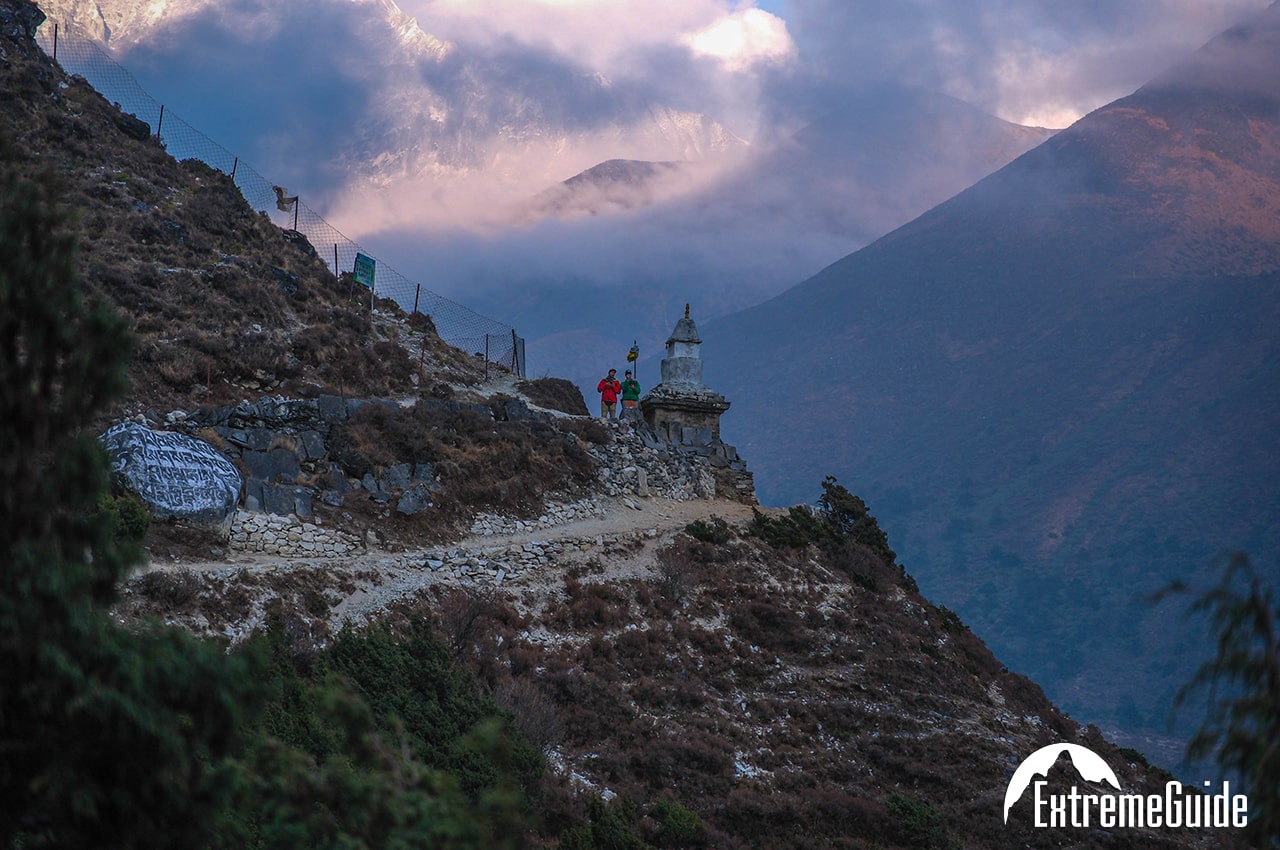
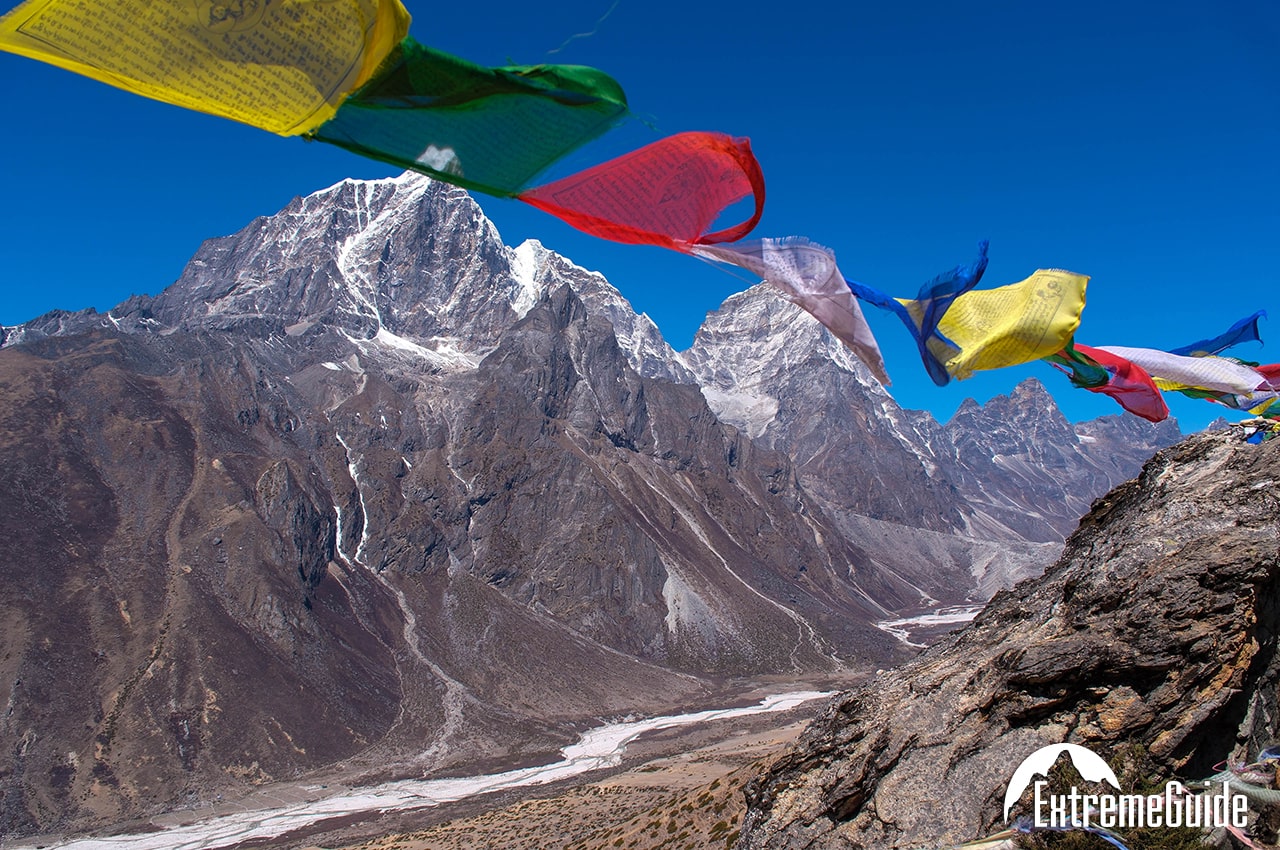
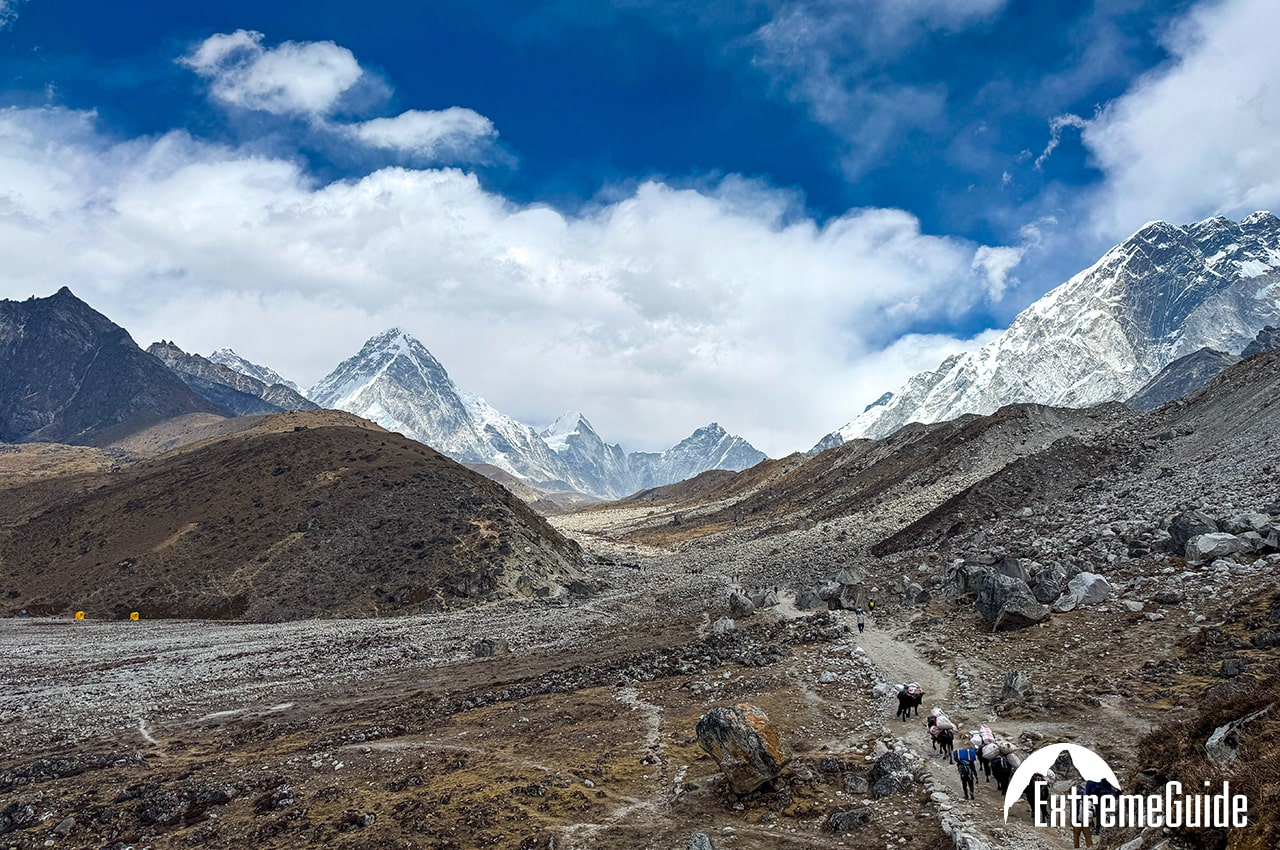
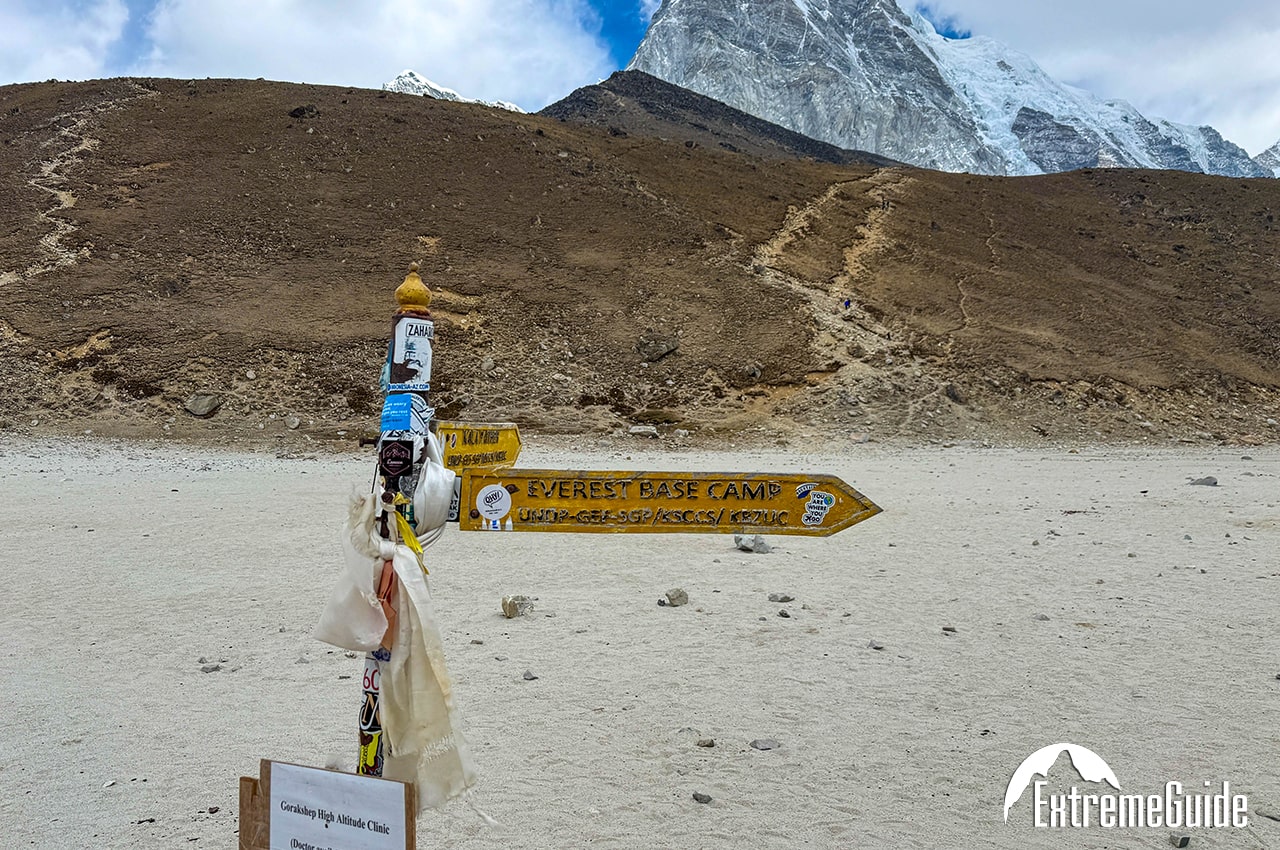
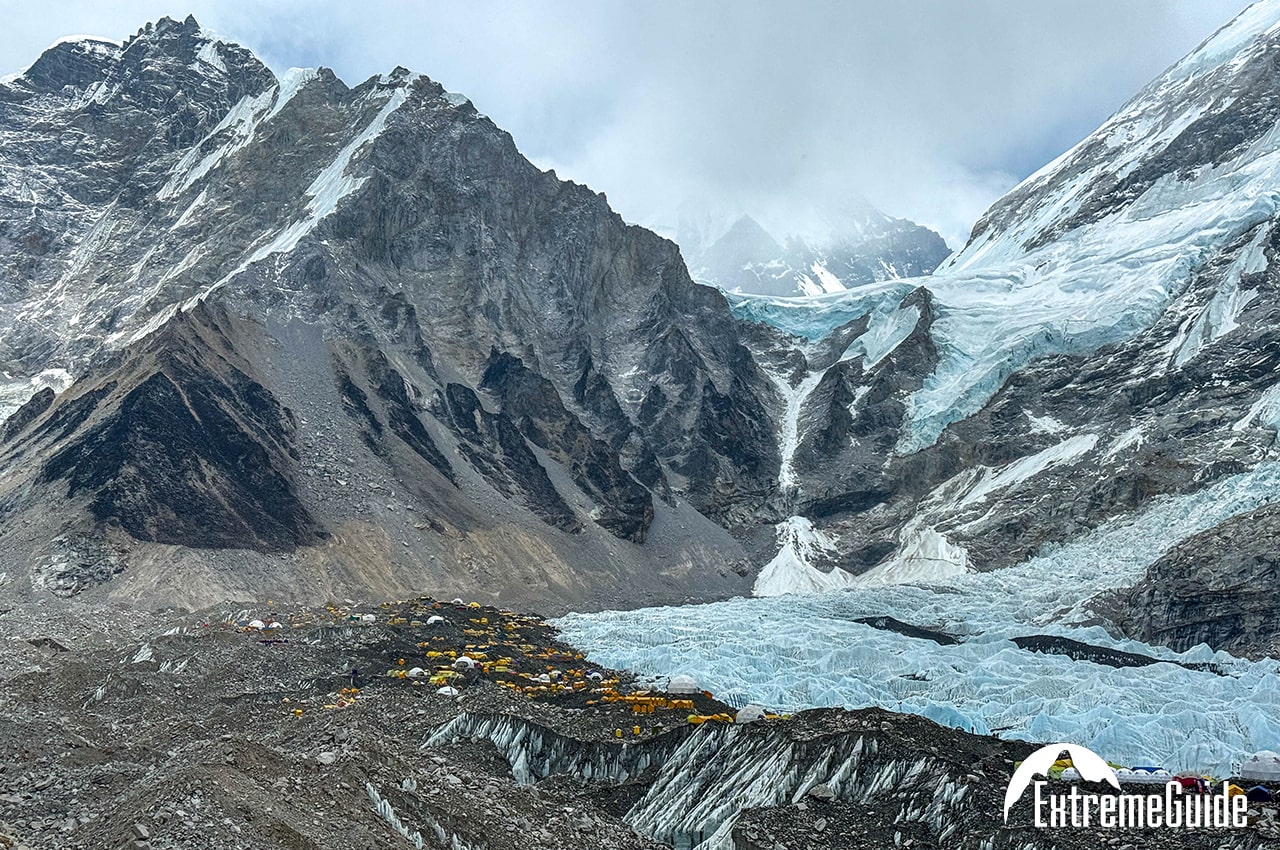
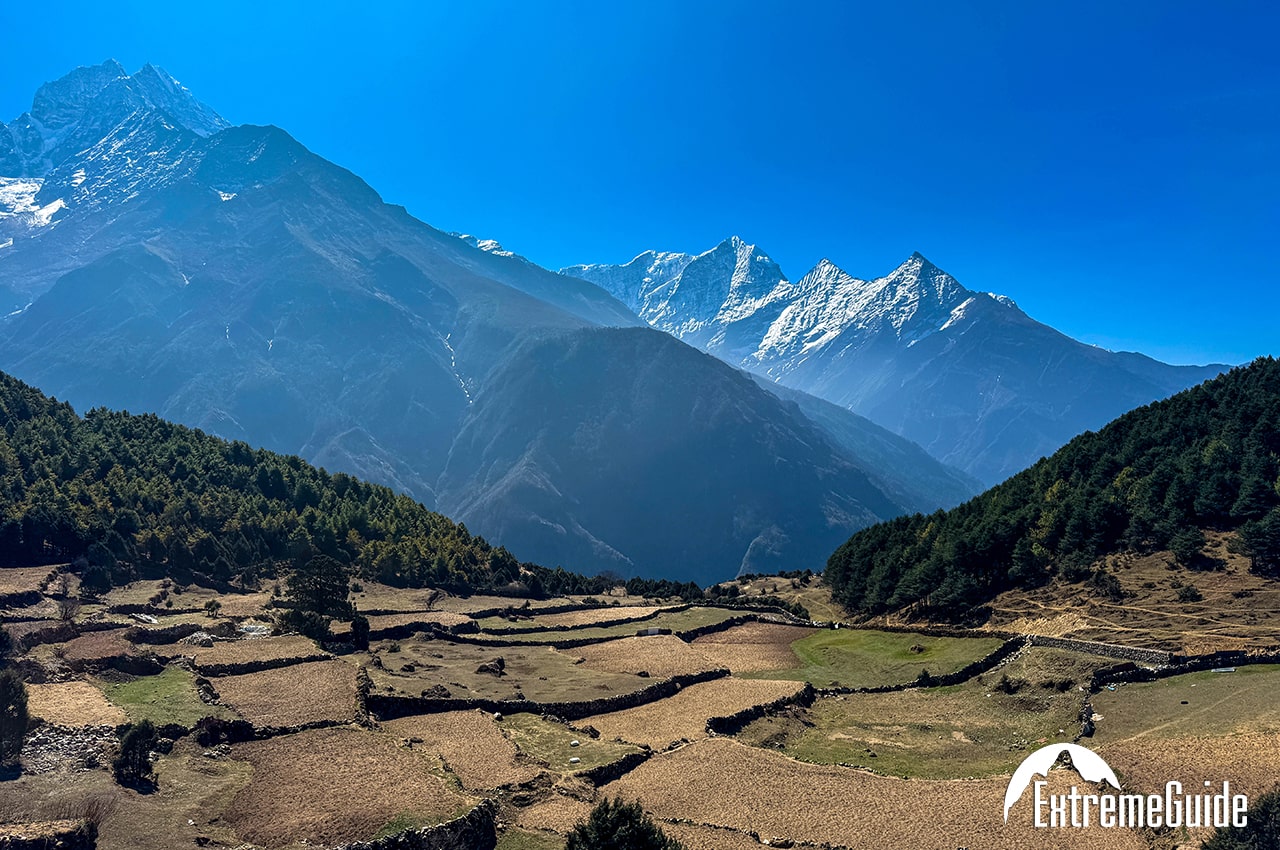
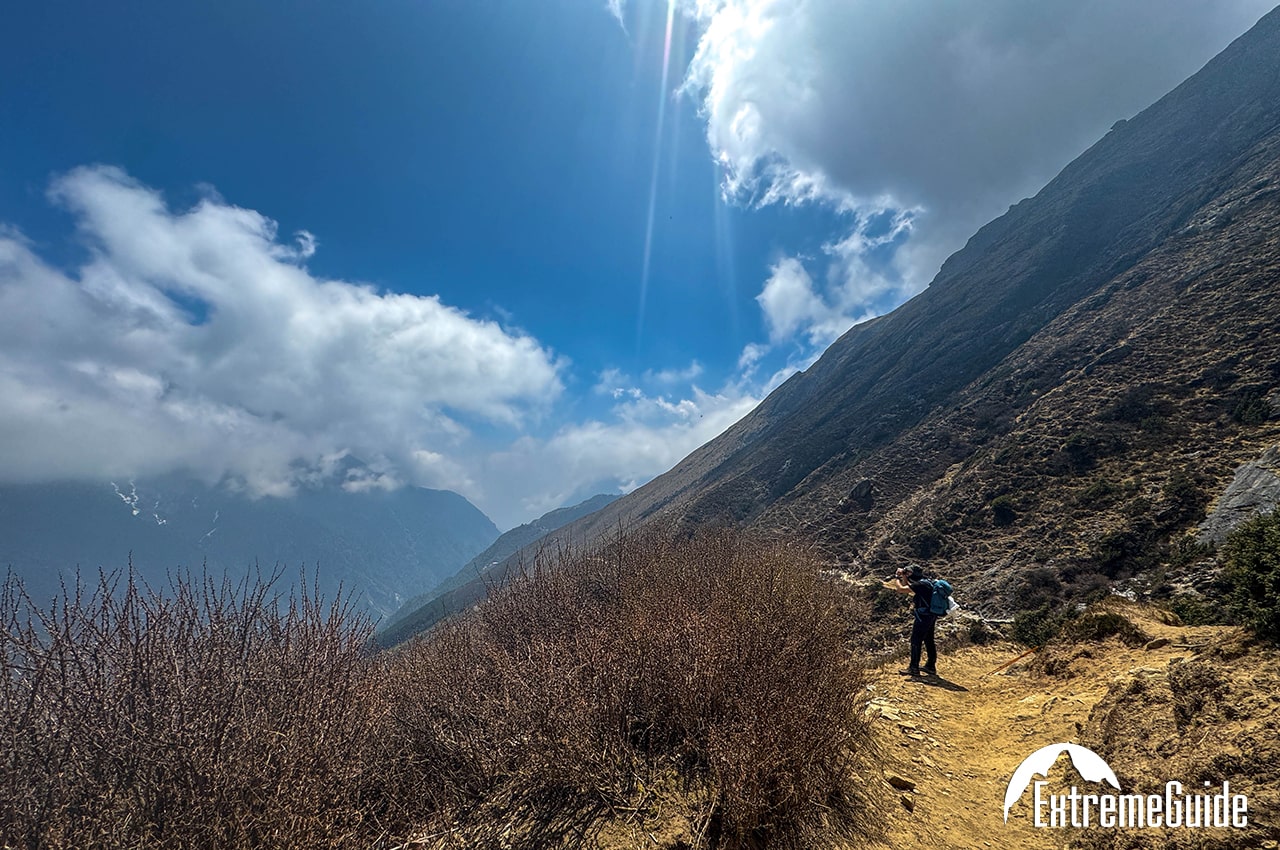
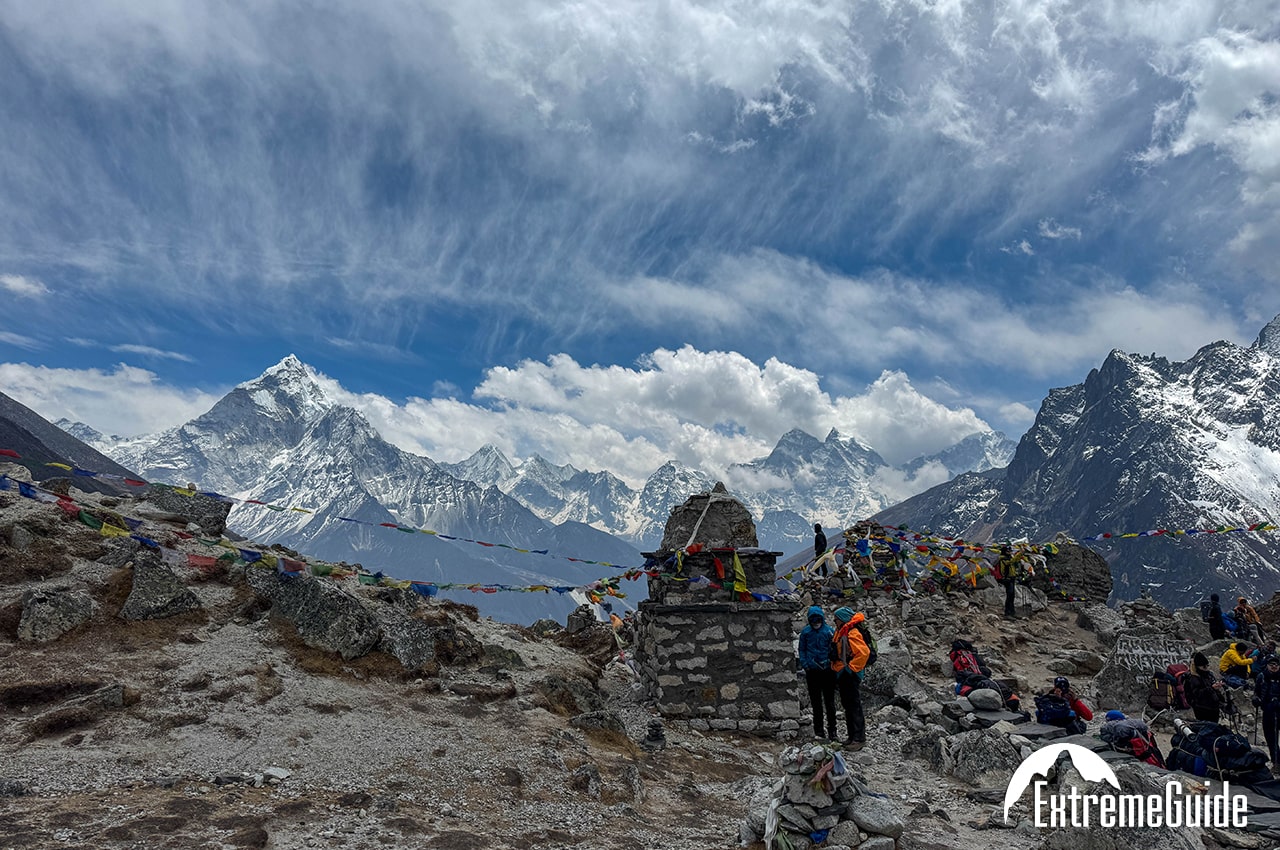
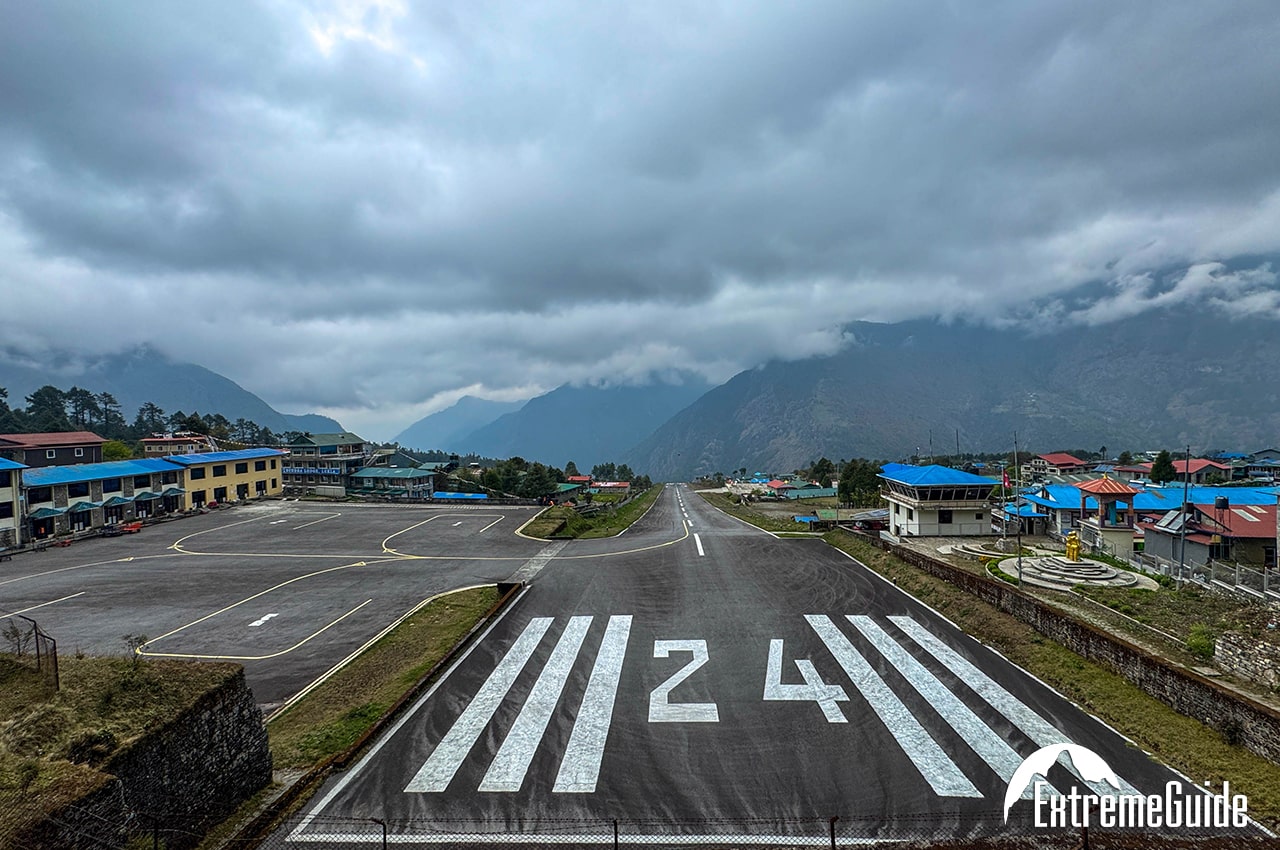
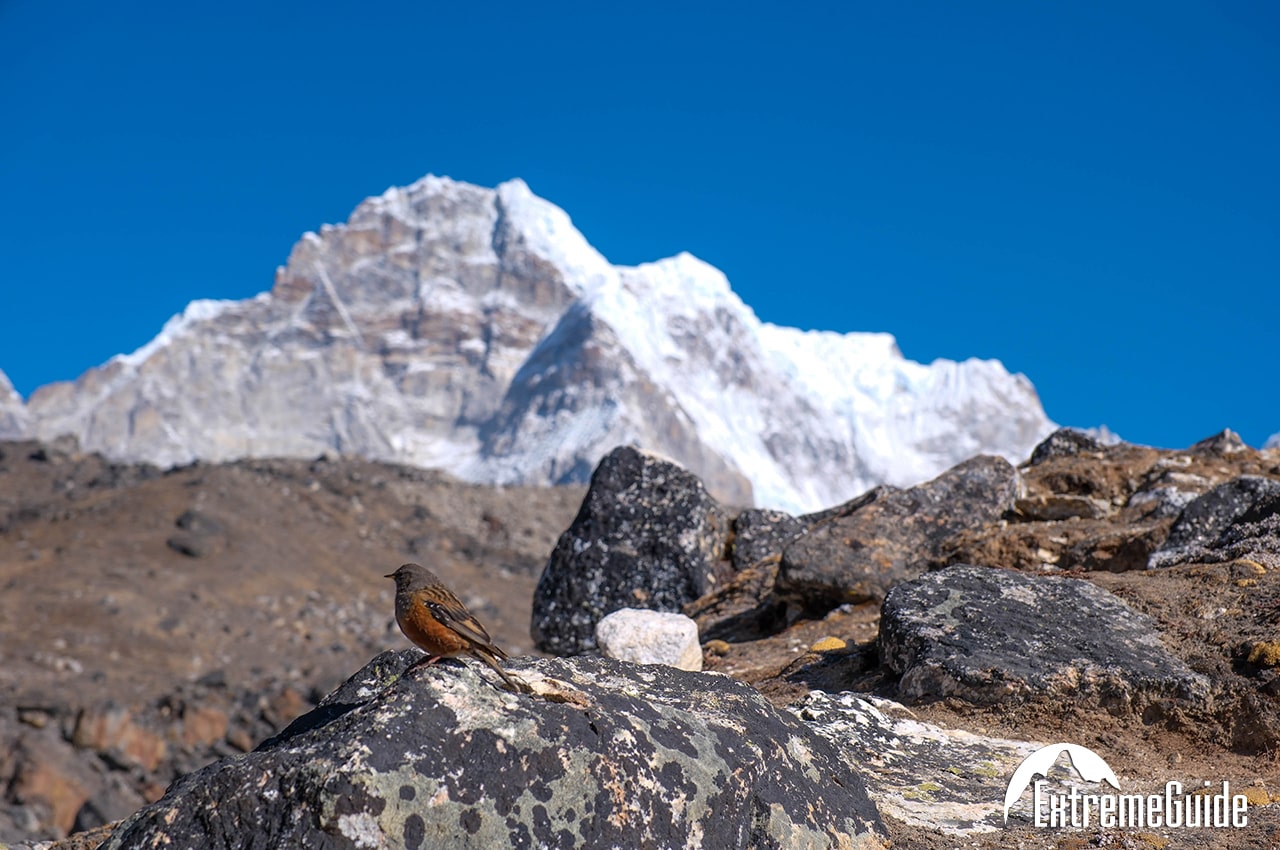
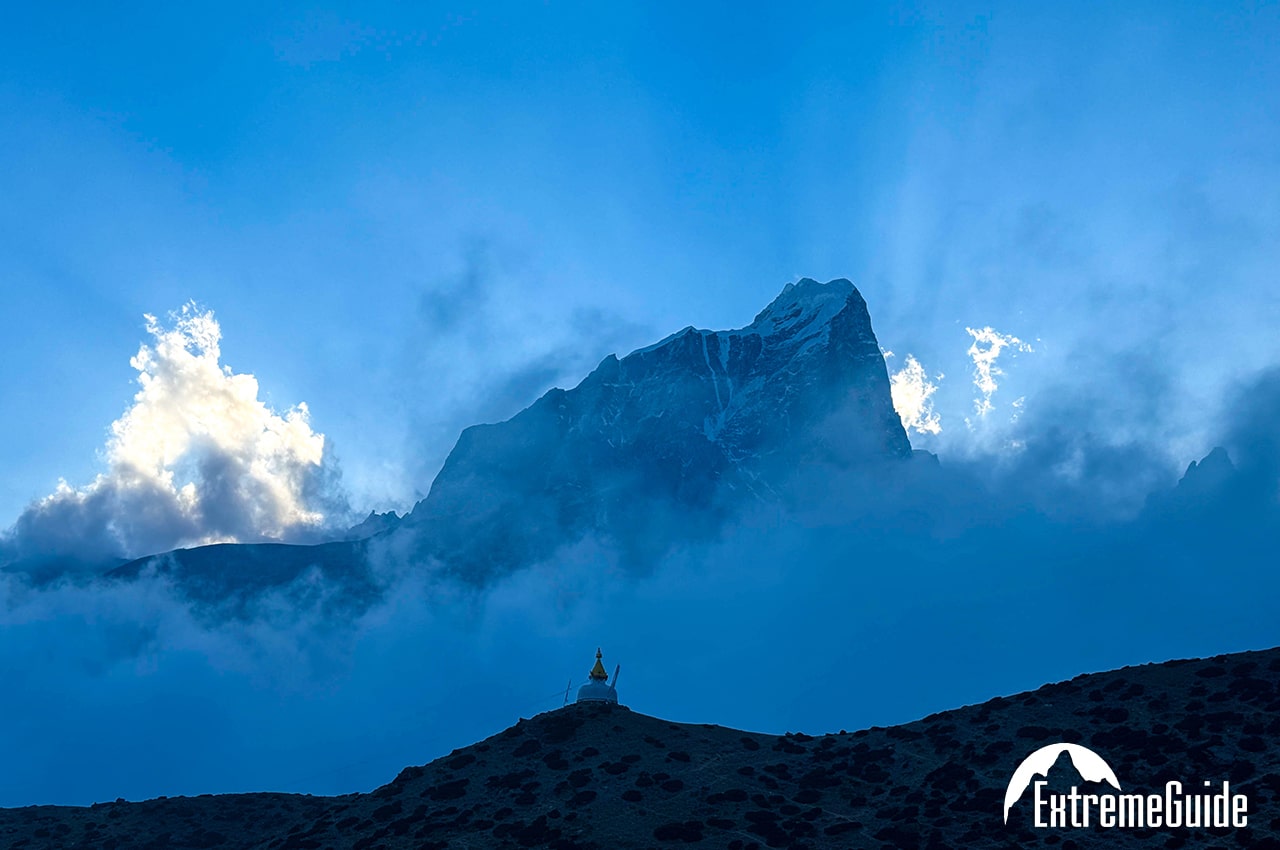
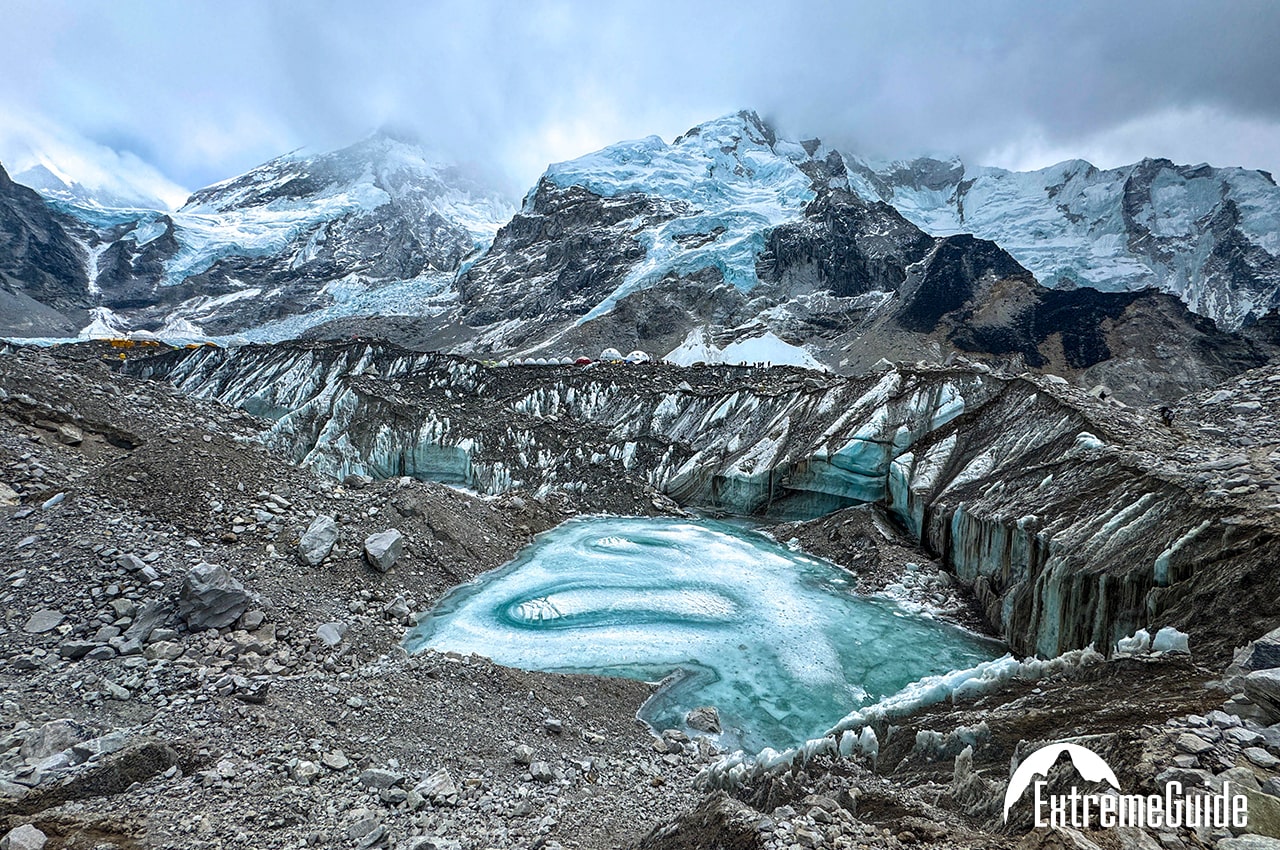
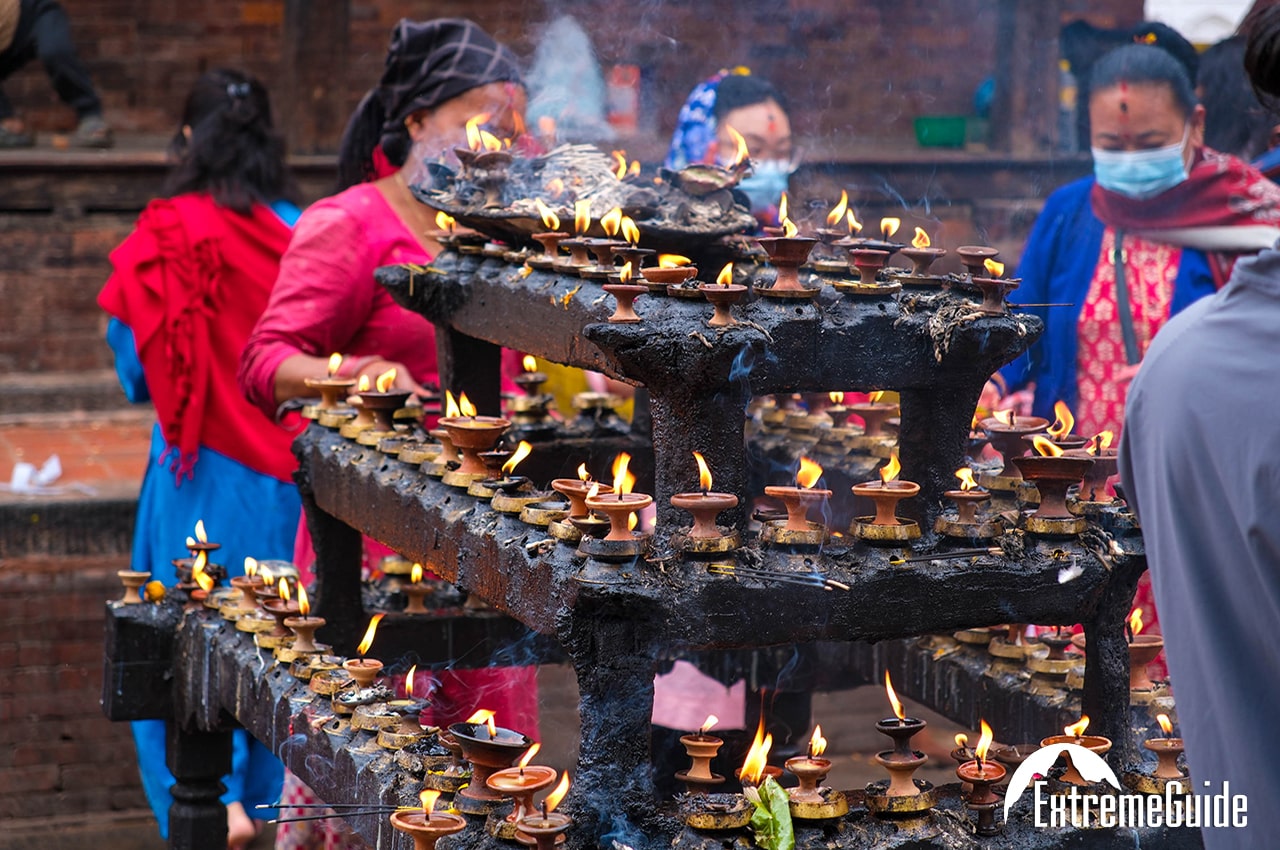
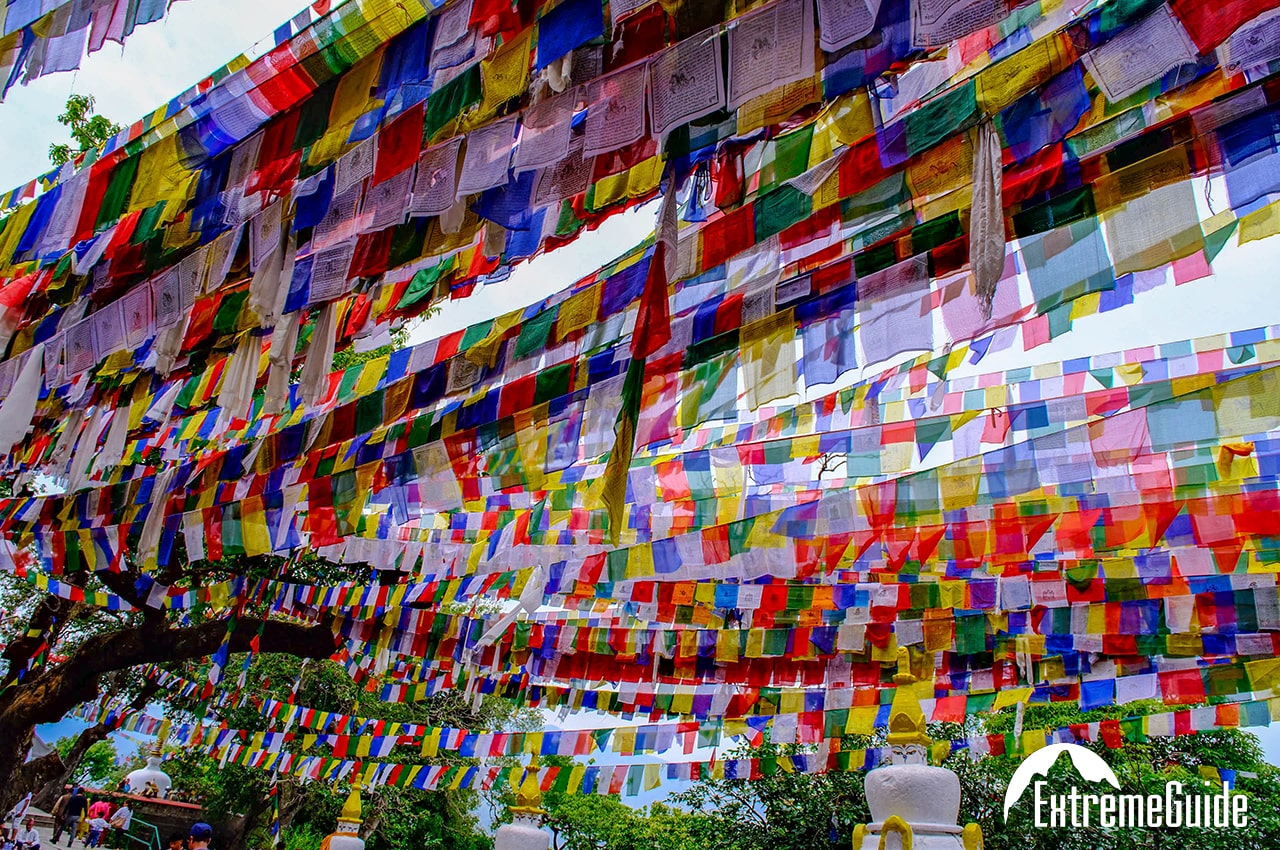
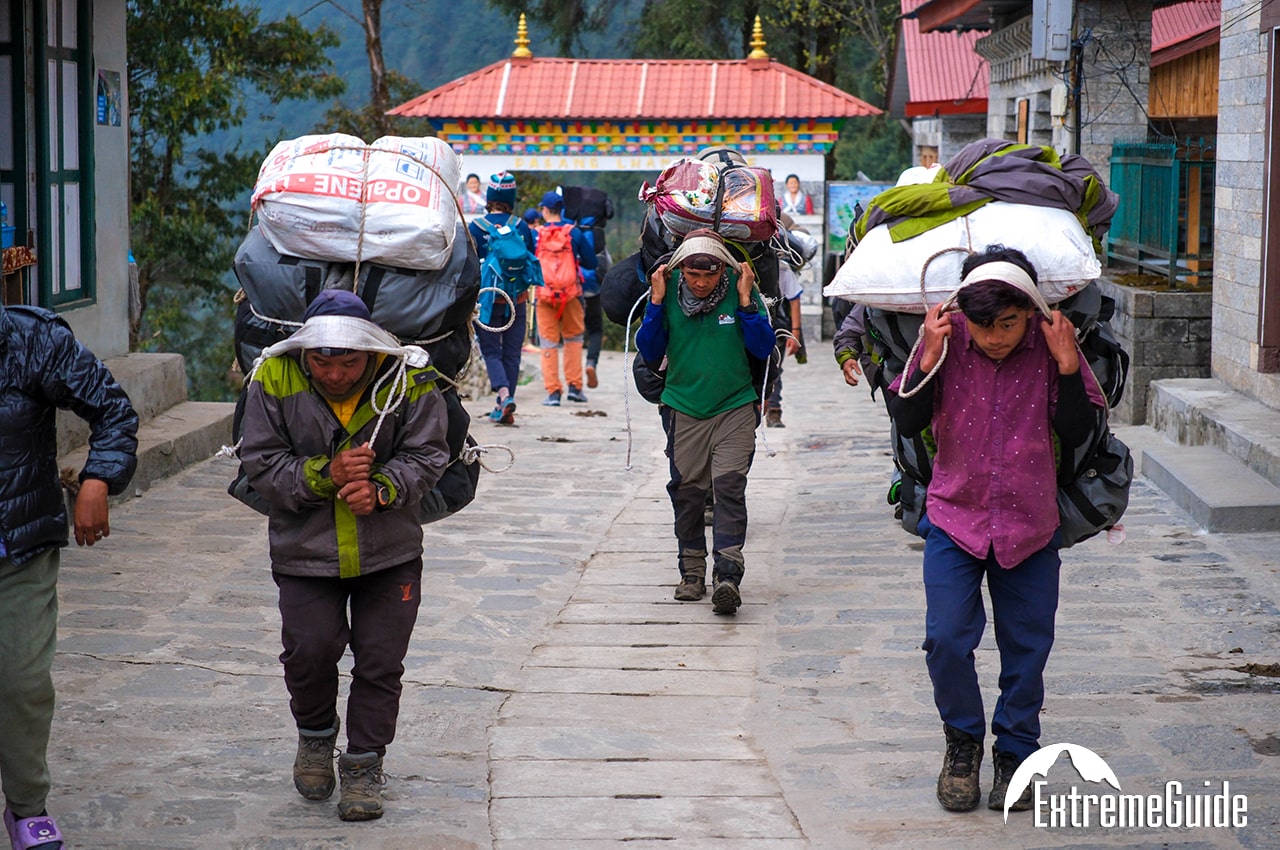
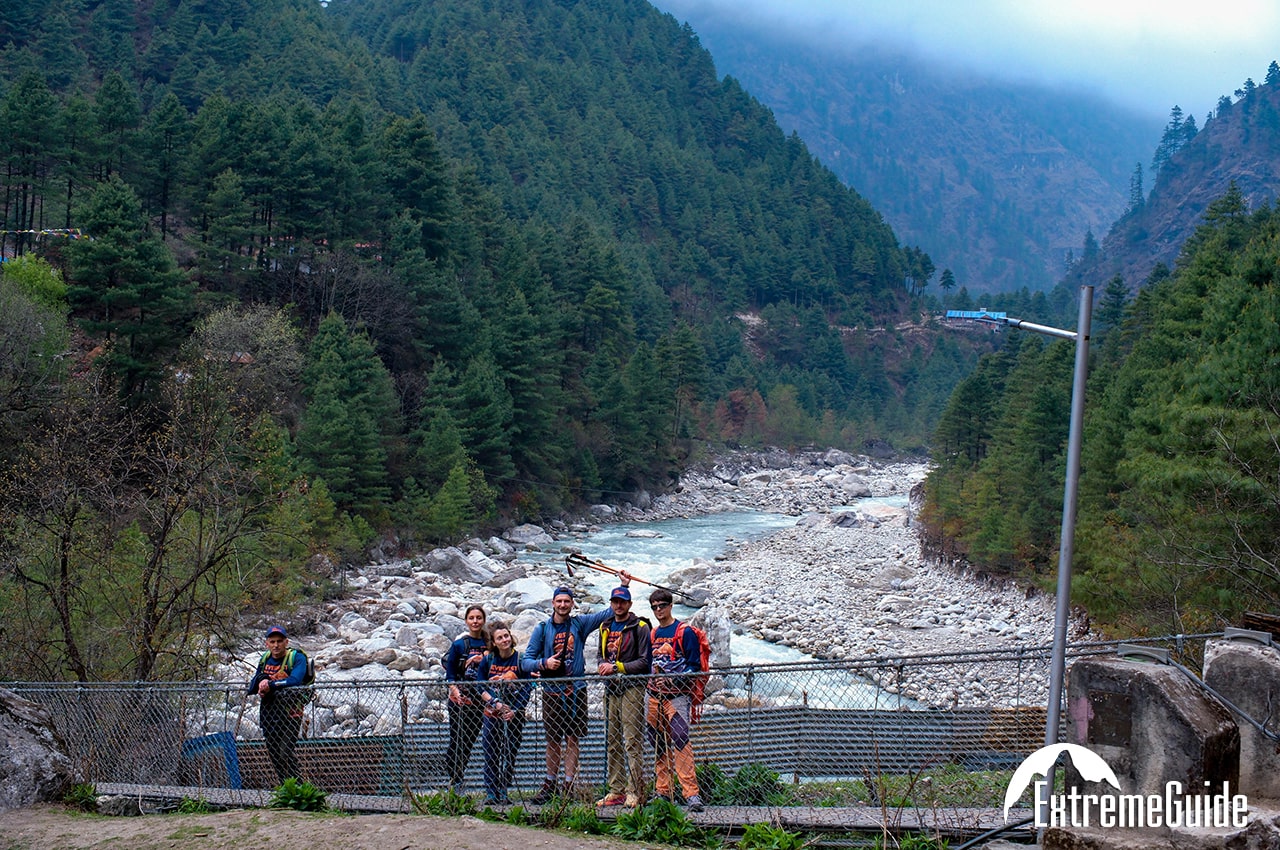
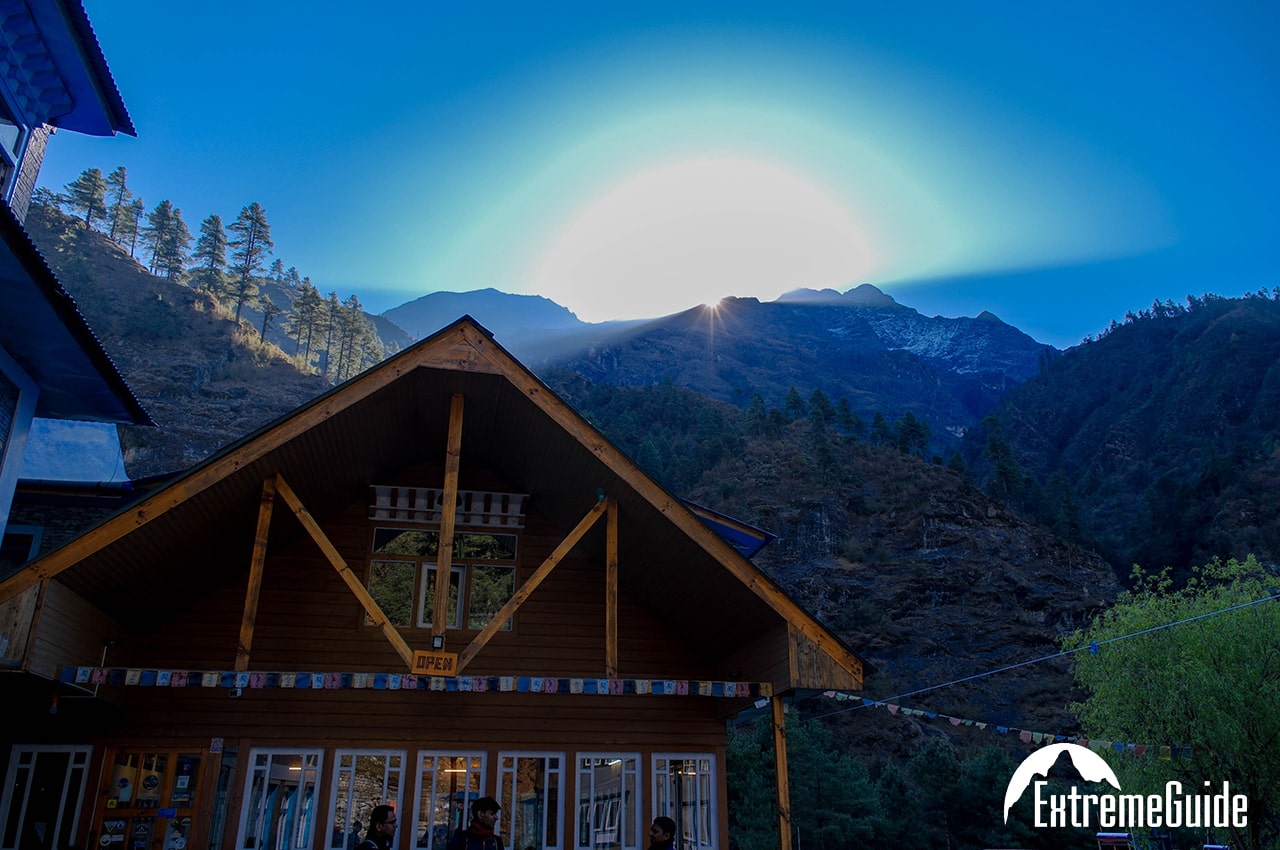
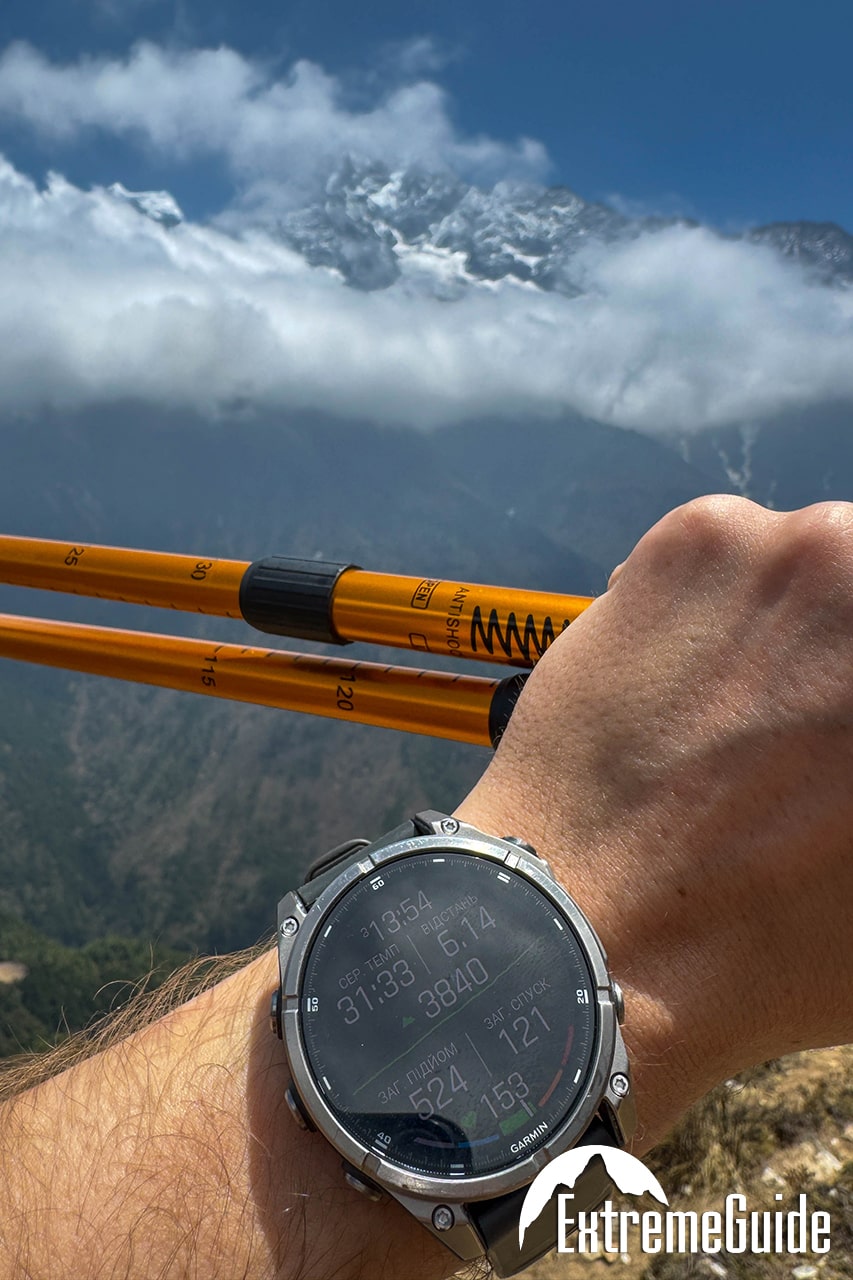
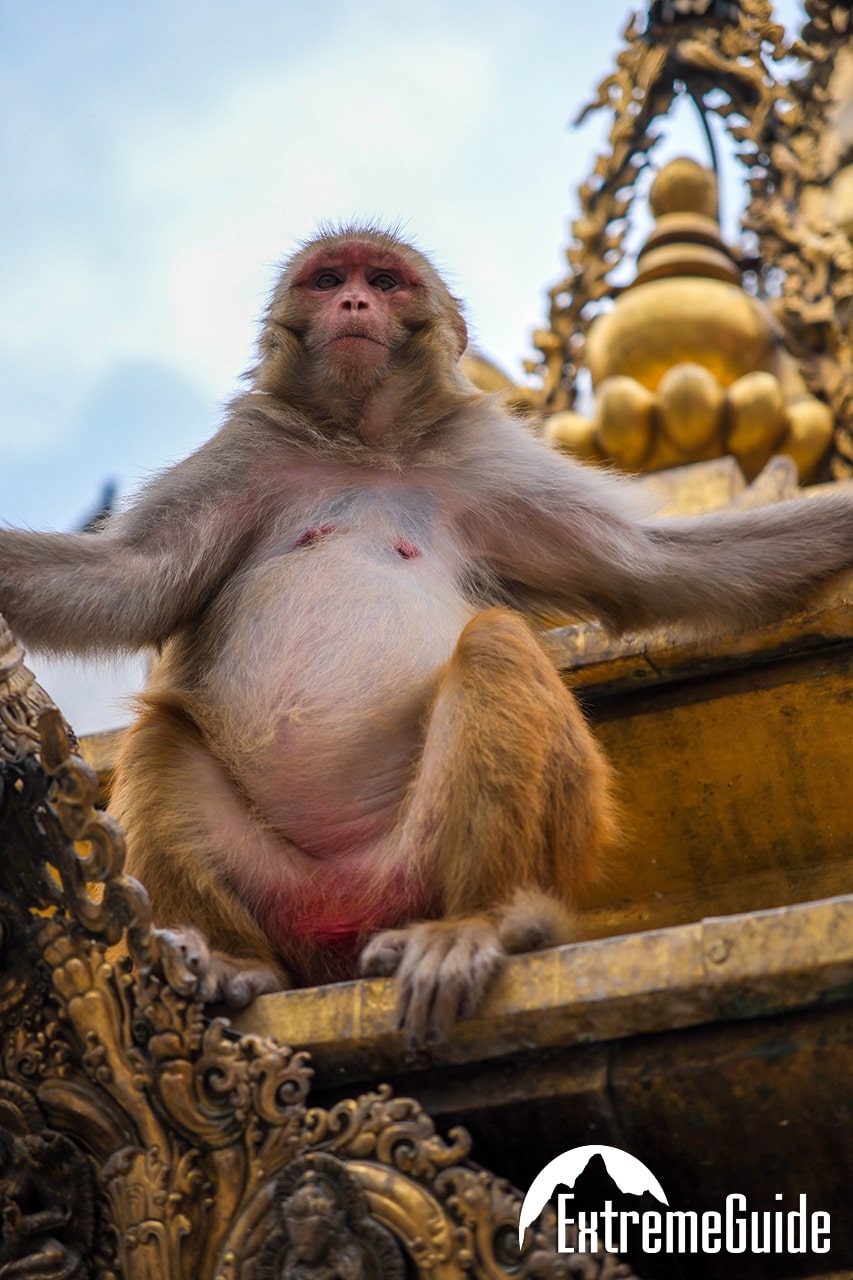
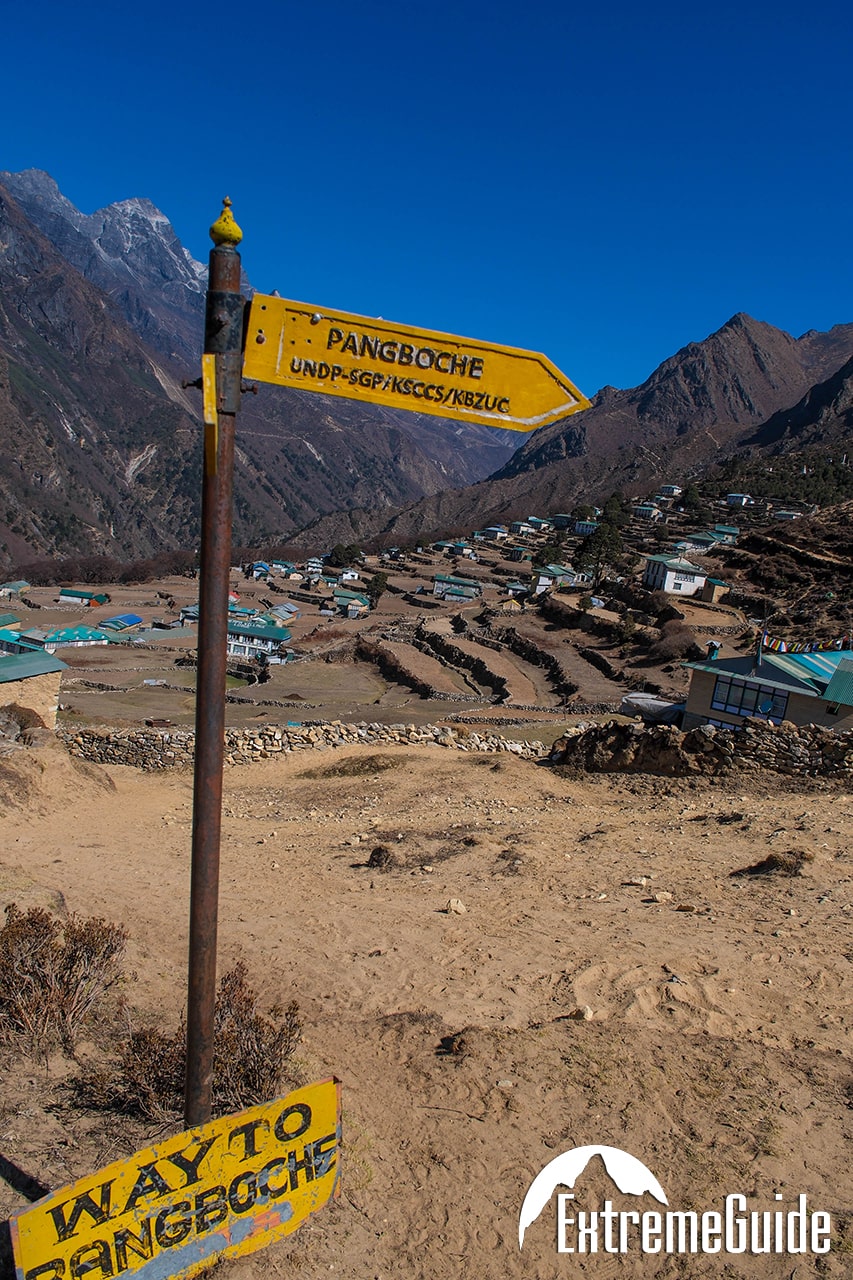
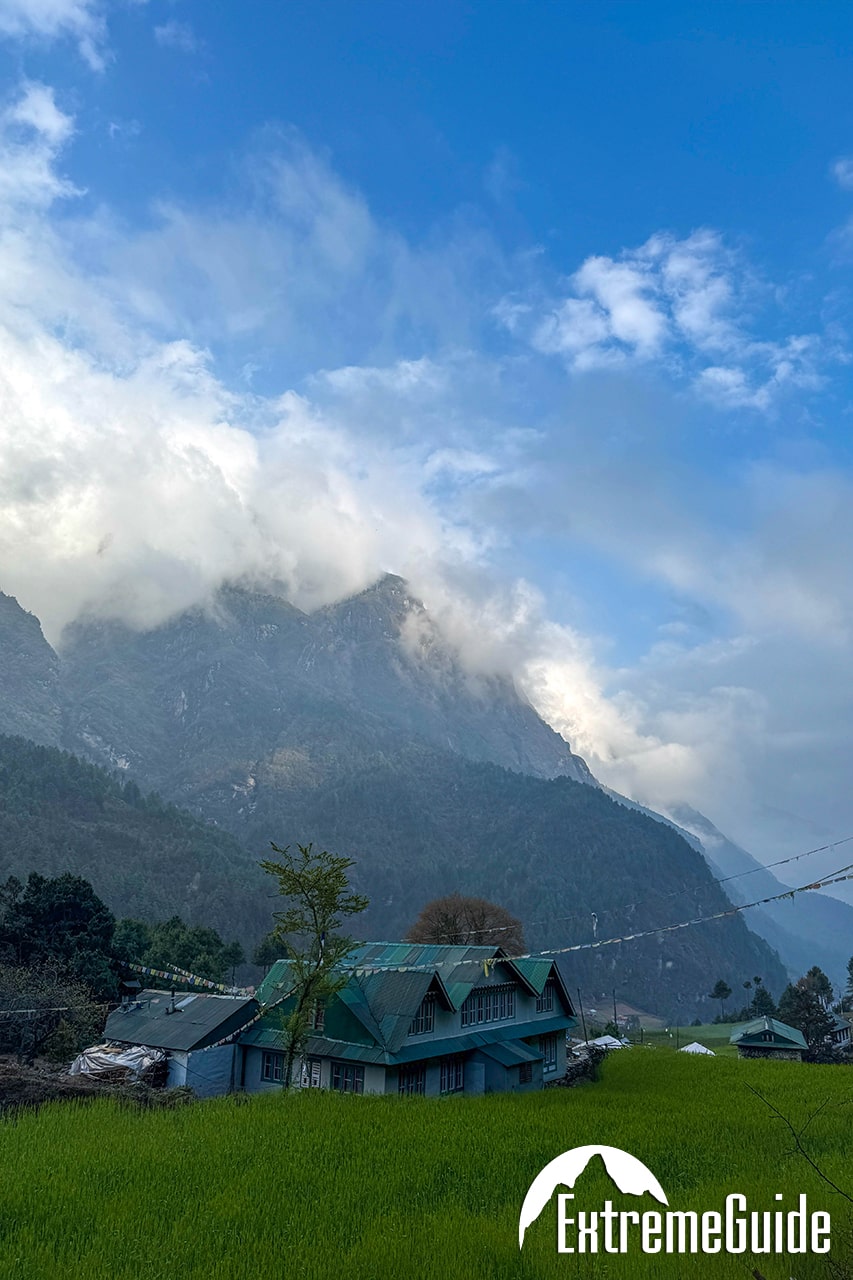


Reviews of our travelers
Вот уже третья вершина вместе с Extreme Gide!Мон Блан 4800м в 2023г.(Франция) с Владимиром Клебанским,трек вокруг Аннапурны 5400м в 2024г. (Непал) с СэмомБазовый лагерь Эвереста и вершина Лобуче 6100м в 2025г. с Олегом Иванченко Каждая поездка – это невероятные впечатления... More

Мы ходили с командой Экстрим Гайд, и это мой второй раз в Непале. Я уже знал что меня ожидало, но тем не менее трек выдался очень красивым. Хочу отметить высокую организацию путешествия, высокий профессионализм гидов Олега и Юры. Единственный минус... More

Хочу поблагодарить команду Экстри Гайд за мой первый поход. Это непередаваемые эмоции и я очень счастлива что все удалось. Для меня это выдалось очень тяжело, но тем не менее, благодаря подсказкам и помощи гидов я смогла увидеть невероятной красоты горы... More

Трек выдался не простым как я ожидала, но в этом и суть путешествия! Мне очень понравилось. Хочу отметить заботу гидов, их было целых 3. Чувствовалась поддержка и внимательность к здоровью и самочувствию каждого участника. Я поняла, что Непал – это... More
Recommended tours
 Georgia
Dates:
June 14 - June 20
July 18 - July 24
August 16 - August 22
September 20 - September 26
Complexity:
Duration:
Height:

5.0 (8)
Left: 12 places
 Peru
Peru
Dates:
May 2 - May 12
May 2 - May 17
May 2 - May 21
Complexity:
Duration:
Height:
5.0 (8)
Left: 12 places
 Switzerland
 Dates:
July 4 - July 9
July 8 - July 13
Complexity:
Duration:
Height:

Left: 8 places
 Italy
Italy Dates:
July 13 - July 19
August 17 - August 23
September 19 - September 25
Complexity:
Duration:
Height:
Left: 12 places
 France
 Dates:
June 20 - June 27
July 18 - July 25
August 15 - August 22
Complexity:
Duration:
Height:

5.0 (2)
Left: 8 places
 Africa
 Dates:
Complexity:
Duration:
Height:
Negotiated